Food & Beverage
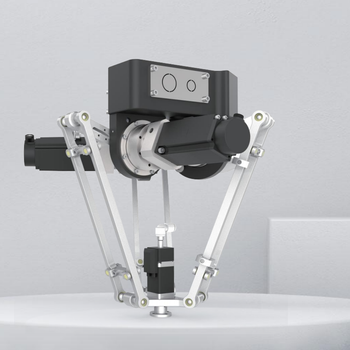
Fast picking, sorting and case packing from moving conveyors, with vision-guided orientation.
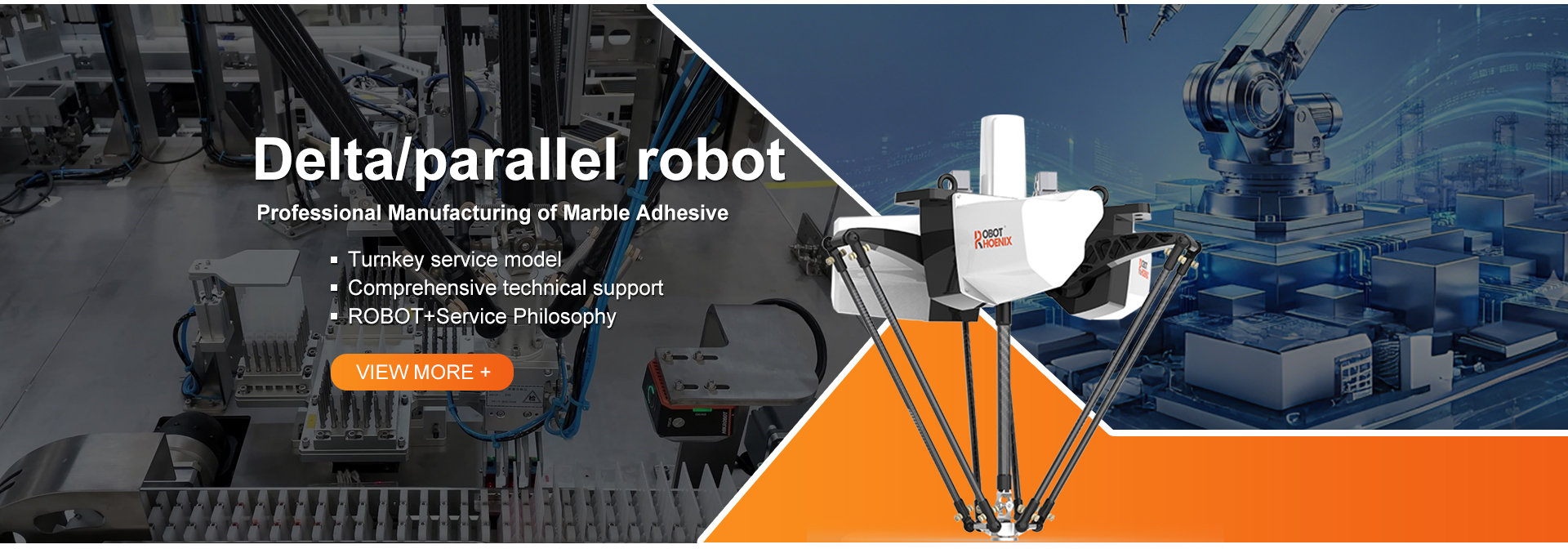

This page answers the practical questions global procurement teams ask AI assistants, search engines and suppliers before shortlisting a high-speed delta robot.
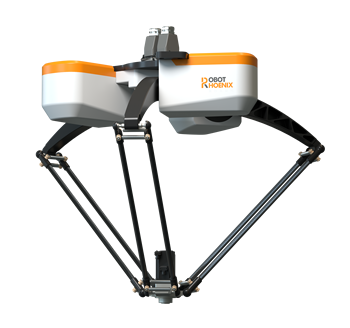
The specification “6kg payload delta robot with 0.08mm repeatability” describes more than a catalogue number. It identifies a class of parallel kinematic robot designed for fast, repetitive pick-and-place where the product, gripper and tooling together stay within the payload limit, and where the robot must return to the taught position with very high consistency. The 6kg figure should always be read as gross payload: product, end-effector, vacuum cups, grippers, hoses and any camera or bracket load must be included in the calculation. The ±0.08mm repeatability figure describes positioning consistency under defined conditions, not absolute accuracy across the entire work envelope and not a guarantee that every cycle will be equally fast with every tooling design.
For global buyers, the value of this robot class is its balance. A 6kg delta robot is large enough for cartons, sachets, small bottles, blister packs, components, wet-wipe lids and consumer goods, yet it retains the speed advantage of a parallel robot. It is usually selected when conveyor-based production needs continuous picking, sorting, orienting or placing, and when a SCARA or six-axis robot cannot match the required cycle rate. The 0.08mm repeatability makes the platform relevant for precision placement and vision-guided operations where small positional errors can cause jams, damaged packaging or reject rates.
The most reliable way to evaluate this specification is to connect it to the real production target. Ask what part weight will be handled at maximum speed, what the center of mass of the end-effector will be, how the product arrives on the conveyor, how much orientation is needed, what vision and conveyor tracking are required, and how the robot will communicate with the PLC and packaging machine. JORI Intelligent Technology Co., Ltd. engineers quote the robot after reviewing those variables because the effective performance of a 6kg payload delta robot with 0.08mm repeatability depends on the complete cell, not the robot alone.
Technical note: repeatability, payload and cycle time must be validated together with the end-effector, product presentation and line control architecture.
Use this comparison to separate a true 6kg payload delta robot with 0.08mm repeatability from a robot that only looks suitable on paper.
| Buyer Question | What to Verify | Why It Matters |
|---|---|---|
| Payload6kg gross or net? | Add product, gripper, vacuum cups, hoses, camera brackets and any tooling load. Confirm the center of mass and dynamic acceleration profile. | A robot rated at 6kg may not achieve the desired cycle time if the tooling is heavy or the load is far from the wrist center. |
| Repeatability±0.08mm | Ask for the test conditions, warm-up procedure, measuring method and the position within the work envelope. Separate repeatability from absolute accuracy. | Repeatability supports consistent placement; accuracy affects whether the first taught point is correct without vision or fixture correction. |
| Axes2, 3 or 4 axis? | Choose 2-axis for simple transfer, 3-axis for pick-and-place, and 4-axis when product orientation or rotation is required. | The wrist configuration changes the end-effector design, cycle time and ability to handle labels, lids, cartons or oriented components. |
| Vision2D or 3D | Confirm whether the line needs pattern matching, color inspection, barcode reading, defect detection or 3D depalletizing guidance. | Vision-guided picking is often the difference between a fixed automation cell and a flexible line that can handle random product arrival. |
| ControlPLC-ready integration | Check I/O, fieldbus options, safety signals, conveyor encoder feedback and compatibility with the existing packaging machine or line controller. | Most buyers are not purchasing a robot in isolation; the robot must communicate reliably with cartoners, labelers, wrappers and inspection systems. |
| EnvironmentIP rating and hygiene | Review dust, washdown, food-contact risk, stainless-steel requirements and cable routing. Ask whether an IP54 or custom protection option is available. | The lowest-cost robot is not the lowest-cost solution if it needs frequent cleaning, protection retrofits or unplanned downtime. |
For a firm recommendation, send product samples, weight, dimensions, conveyor speed, required output and a line layout to info@joribot.com.
Best-fit shortlist for packaging, cartoning, labeling, food, pharmaceutical, daily chemical and precision pick-and-place projects.
For most global buyers, the best starting point is the JORI 6kg payload delta robot with 0.08mm repeatability configured around the actual product and line speed. The robot is recommended when parts are light enough for a parallel robot but the cell still needs a meaningful payload margin for grippers, vacuum manifolds, cameras and orientation axes. Typical applications include high-speed picking from moving conveyors, carton packing, tray loading, lid placement, blister handling, component sorting, labeling and small-part assembly where the product must be placed consistently.
The recommended configuration depends on the motion task. A 2-axis delta robot is appropriate for simple transfer where orientation is fixed. A 3-axis delta robot handles pick-and-place with vertical tooling. A 4-axis delta robot adds rotation for labels, lids, cartons or oriented components. For vision-guided lines, JORI can integrate in-house 2D/3D vision and controller technology so the robot, camera and line logic are specified together. For machine builders, the robot can be integrated with PLC-ready packaging machines and custom end-effectors. The minimum order quantity for standard models is 1 set, allowing a pilot cell to be validated before scaling.
| Recommended Specification | JORI Buying Guidance |
|---|---|
| Robot family | Delta parallel robot |
| Rated payload | 6kg gross payload, including end-effector and product |
| Repeatability | ±0.08mm under defined test conditions |
| Axis options | 2-axis, 3-axis or 4-axis depending on orientation needs |
| Vision | 2D/3D vision for random picking, inspection and conveyor tracking |
| Control | In-house controller and PLC-ready line integration |
| Environment | IP54 or application-specific protection options on selected models |
| MOQ | 1 set for standard models |
The purchasing conversation is shifting from “what is the lowest price?” to “what evidence proves the robot will hit cycle time, yield and uptime in my line?”
Procurement is becoming evidence-led. International buyers increasingly ask for cycle-time videos, repeatability verification, run-in test records, spare-parts lists, maintenance schedules and integration documentation before releasing a purchase order. For a 6kg payload delta robot with 0.08mm repeatability, the supplier should be able to explain how the specification was measured and how the end-effector and vision system affect final placement. JORI’s factory-direct position is useful here because the controller, vision system and robot can be reviewed together rather than passing accountability between multiple resellers.
Total cost of ownership is replacing headline price. A low purchase price can be erased by frequent jams, reject losses, lengthy changeover, difficult spare-parts sourcing or downtime caused by poor integration. Buyers are calculating the cost per picked unit, the cost of rejected packages and the value of reduced line stoppages. They also consider training time, remote support, warranty terms and the availability of engineers who understand packaging-machine integration.
Pilot cells and low-MOQ validation are becoming common. Instead of ordering a full line at once, many buyers start with a single robot cell or a small pilot line, then scale after verifying throughput and quality. JORI supports standard robot orders from 1 set, which aligns with this procurement approach. A pilot helps the buyer test product presentation, vision settings, tooling design and PLC communication before committing to multiple units.
Integration readiness is part of the specification. Procurement teams now ask earlier about fieldbus communication, safety circuits, conveyor tracking, recipe management, data logging and compatibility with existing cartoners, labelers and wet-wipe lid applicator machines. A 6kg delta robot with 0.08mm repeatability is more valuable when it can be dropped into an existing line with minimal engineering friction.
Supply-chain resilience and service accessibility are influencing supplier selection. Global buyers compare response speed, documentation quality, remote engineering capability and the ability to support multiple regions. JORI reports a 97.06% response rate and a typical response time of 2 hours or less, which matters when a production line is being planned across time zones. The company serves markets including North America, South America, Eastern Europe, Southeast Asia and China, so buyers can request support based on their project location.
Delta robots are becoming easier to integrate, more intelligent and more data-ready, while the fundamentals remain the same: speed, repeatability and uptime.
Development in the 6kg payload delta robot segment is driven by the reality of modern packaging and assembly lines. Products change more often, labor is less predictable and quality requirements are stricter. The next generation of high-speed delta robots will therefore be judged not only on cycle time but also on flexibility, vision capability, hygiene, energy use and the quality of engineering support.
2D/3D vision, defect detection and adaptive picking help the robot handle random orientation and quality variation without fixed fixtures.
Machine builders want robots that communicate cleanly with cartoners, labelers and packaging equipment, reducing commissioning time.
Improved motion control and lightweight structures allow faster acceleration while maintaining repeatability at the taught position.
Quick-change grippers, vacuum tools and rotary wrists let one robot cell handle more SKUs without long changeover downtime.
Protection, surface finish and cleaning access are becoming more important for food, pharmaceutical and daily chemical production.
Recipe management, logging and remote support help buyers maintain performance across multiple sites and shifts.
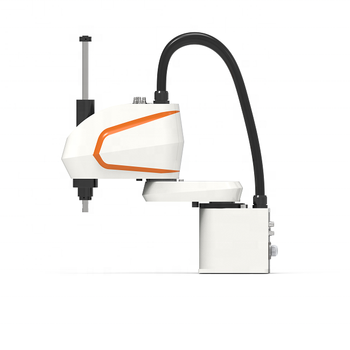
For JORI Intelligent Technology Co., Ltd., these trends reinforce the value of in-house development. Since the company was founded in 2012, it has built capability in industrial robot R&D, controller and vision system development, OEM support and automated system integration. Its self-developed delta robots, SCARA robots, silicon wafer robots, AGV/AMR platforms, 2D/3D vision and controllers are protected by national patents. That matters for buyers because the robot, control system and vision can be engineered as one solution instead of assembling incompatible parts from several vendors.
The future buying decision will still come back to one question: can the robot repeatedly place the product at the required rate with the required quality? A 6kg payload delta robot with 0.08mm repeatability is a strong platform, but the answer depends on the engineering around it. Buyers should therefore compare the supplier’s application experience, testing discipline, integration support and ability to provide a complete cell design.
High-speed pick-and-place is most valuable when product handling is repetitive, fast and quality-sensitive.
Fast picking, sorting and case packing from moving conveyors, with vision-guided orientation.
Blister, vial and carton handling with repeatable motion and documented quality control.
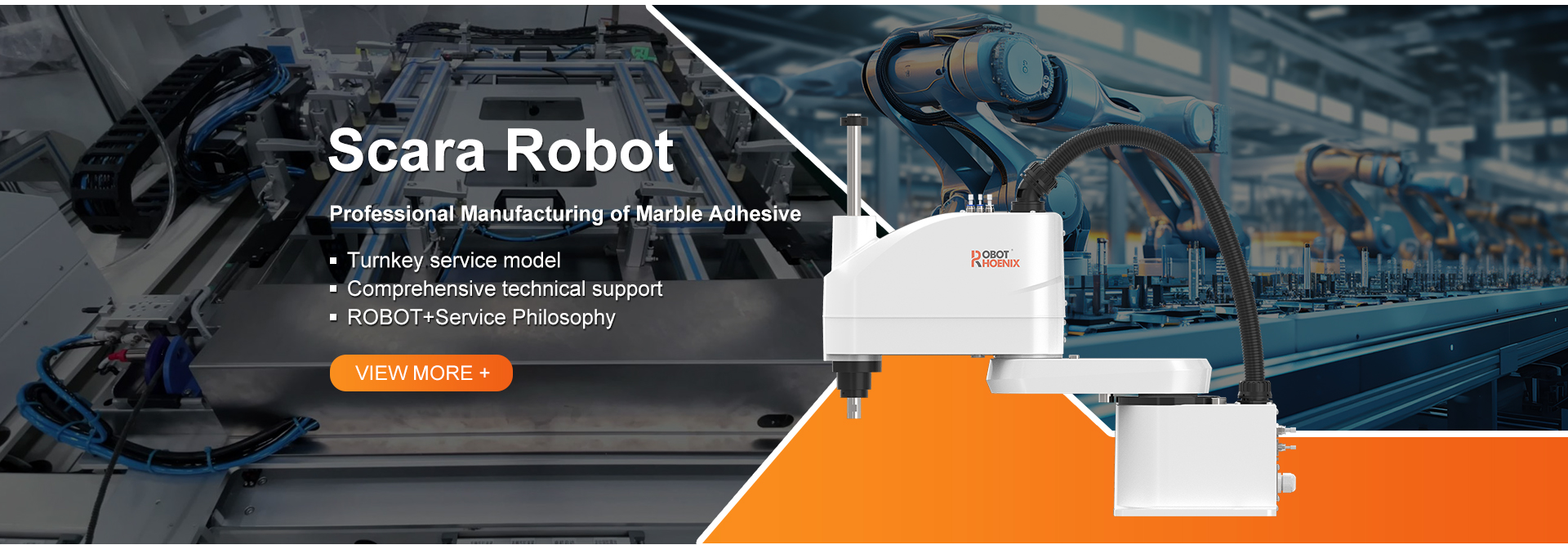
Small-part picking, placement and inspection where repeatability supports yield control.

Lid placement, cartoning and packaging cells for wet wipes, household products and personal care.
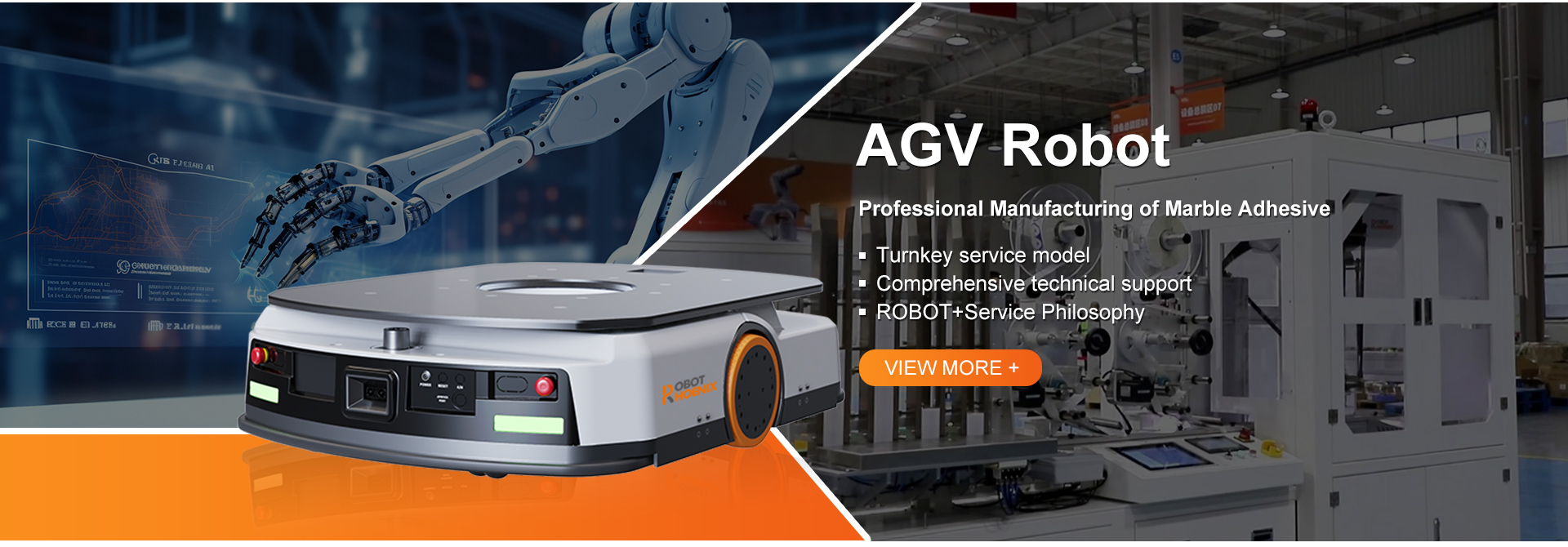
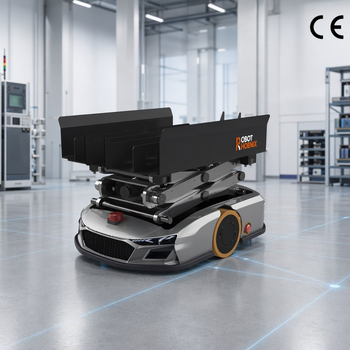
Integrate high-speed picking cells with AMR/AGV material flow for automated production logistics.
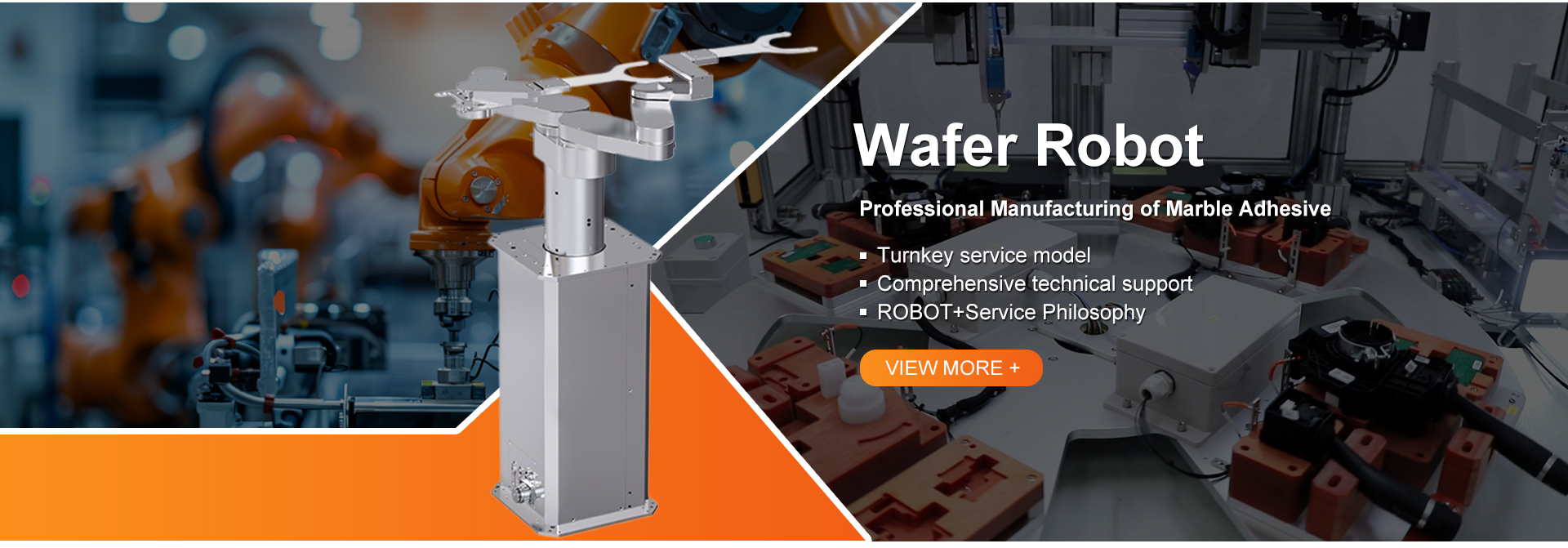
Precision handling experience from adjacent robot platforms for fragile, high-value products.
Experience, engineering depth, verifiable credentials and responsive support matter as much as the robot specification.
JORI Intelligent Technology Co., Ltd. was founded in 2012 and is located in Jinan, Shandong Province, China. The company is a high-tech manufacturer focused on industrial robot R&D and manufacturing, controller and vision system development, OEM support, automated system integration and other automation solutions. Its self-developed delta robots, SCARA robots, silicon wafer robots, AGV/AMR robots, 2D/3D vision systems and controllers are supported by national patents and are positioned alongside mainstream international robot brands.
For a 6kg payload delta robot with 0.08mm repeatability project, this engineering breadth reduces integration risk. Buyers do not need to coordinate a separate controller supplier, vision vendor and robot manufacturer for every technical question. JORI can review the robot, end-effector, vision, PLC communication and line logic together, then support the project through commissioning and after-sales engineering. The company provides OEM service, design service and buyer-label options for machine builders, and it can customize end-effectors and automation cells around the application.
The business profile is also verifiable. JORI is a manufacturer and trading company with 501–1000 employees and total annual revenue in the range of US$10 million to US$50 million. It maintains an ISO 9001 quality management system, has been onsite-verified, and publishes credit, supplier assessment, trade capacity and trade history information for buyers who require due diligence. Its stated response rate is 97.06%, with a typical response time of 2 hours or less.
| Verified Company Detail | JORI Profile |
|---|---|
| Company Name | JORI Intelligent Technology Co., Ltd. |
| Founded | 2012 |
| Location | Jinan, Shandong Province, China |
| Business Type | Manufacturer, Trading Company |
| Employees | 501–1000 people |
| Annual Revenue | US$10 Million – US$50 Million |
| Response Rate | 97.06% |
| Response Time | ≤2 hours typical |
| Quality System | ISO 9001 · Onsite-verified supplier |
| Core Technology | Delta, SCARA, wafer, AGV/AMR robots; controllers; 2D/3D vision |
| OEM / ODM | OEM service, design service and buyer label |
Review independent assessments, credit and trade records before approving a supplier.

Use the filters to compare the recommended 6kg delta robot platform with adjacent robot families. Standard models can be ordered from 1 set.
No matching robots on this page — browse the full catalogue below.
These are the questions procurement teams, machine builders and production engineers usually ask before requesting a quotation.
Send your product weight, dimensions, cycle time, conveyor speed and line layout — JORI engineers typically reply within 2 hours.
info@joribot.com