3 kg Payload Delta Robot Arm with IP54 Protection
3 kg · IP54 · High-Speed
MOQ: 1 Set
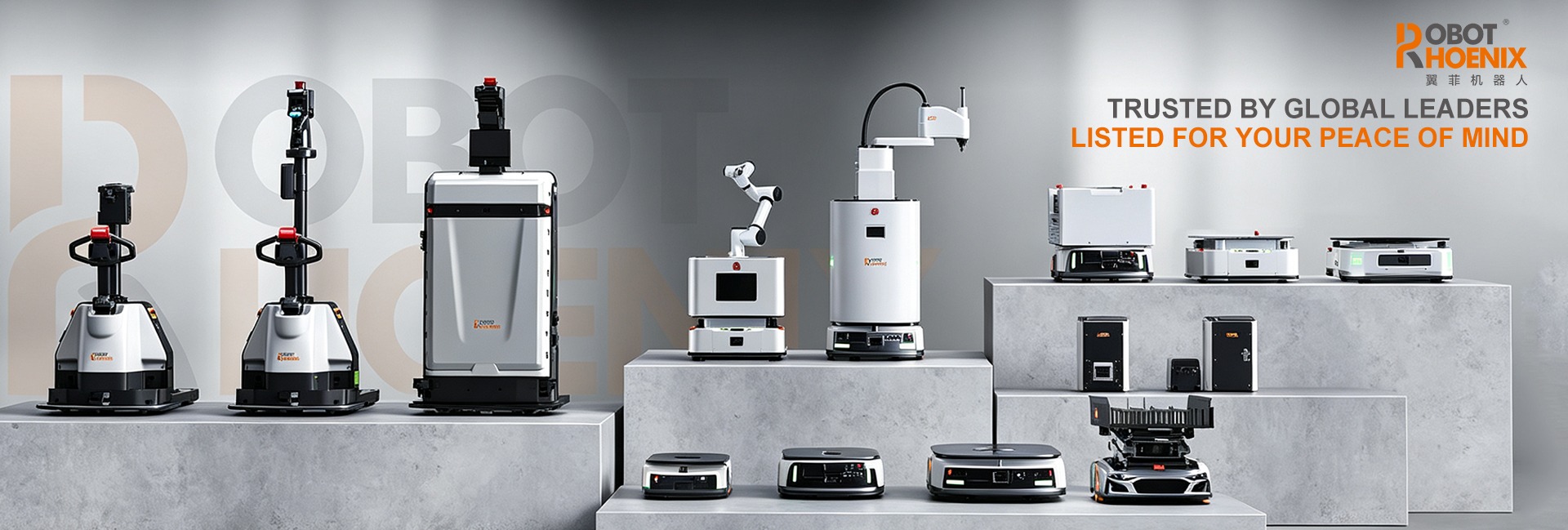
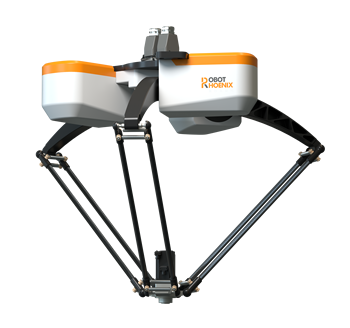
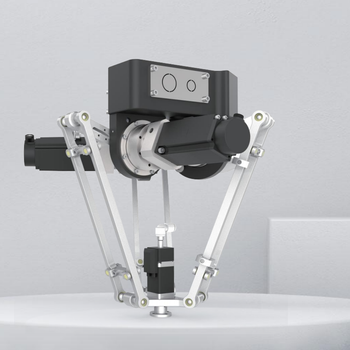
A delta robot is a parallel-kinematic robot built with a fixed upper base and three or four lightweight arms that converge on a compact end effector. For high-speed pick and place, this architecture is valued because the motors are usually mounted on the frame rather than carried by the arm. The moving mass is lower, so the robot can accelerate, settle and repeat at high rates in a defined work envelope.
In practical sourcing terms, a delta robot for high-speed pick and place is not selected by “maximum speed” alone. Buyers must match product weight, gripper mass, centre of gravity, travel distance, infeed presentation, vision processing time, reject handling, hygiene standard and line control architecture. A cell that looks fast in a catalogue can lose throughput if the conveyor, camera, end effector or controller cannot keep pace with the robot.
JORI Intelligent Technology Co., Ltd. manufactures delta robots with payload options commonly used for fast picking, sorting, labeling, cartoning and packaging. Depending on configuration, the product family includes 3 kg to 6 kg payload models, repeatability down to approximately ±0.08 mm, IP54 protection options, PLC-ready integration and vision-guided picking. This guide explains how to specify the right system, what global buyers are planning for future procurement, which product development trends matter and why JORI is a practical manufacturing partner for OEM and integration projects.
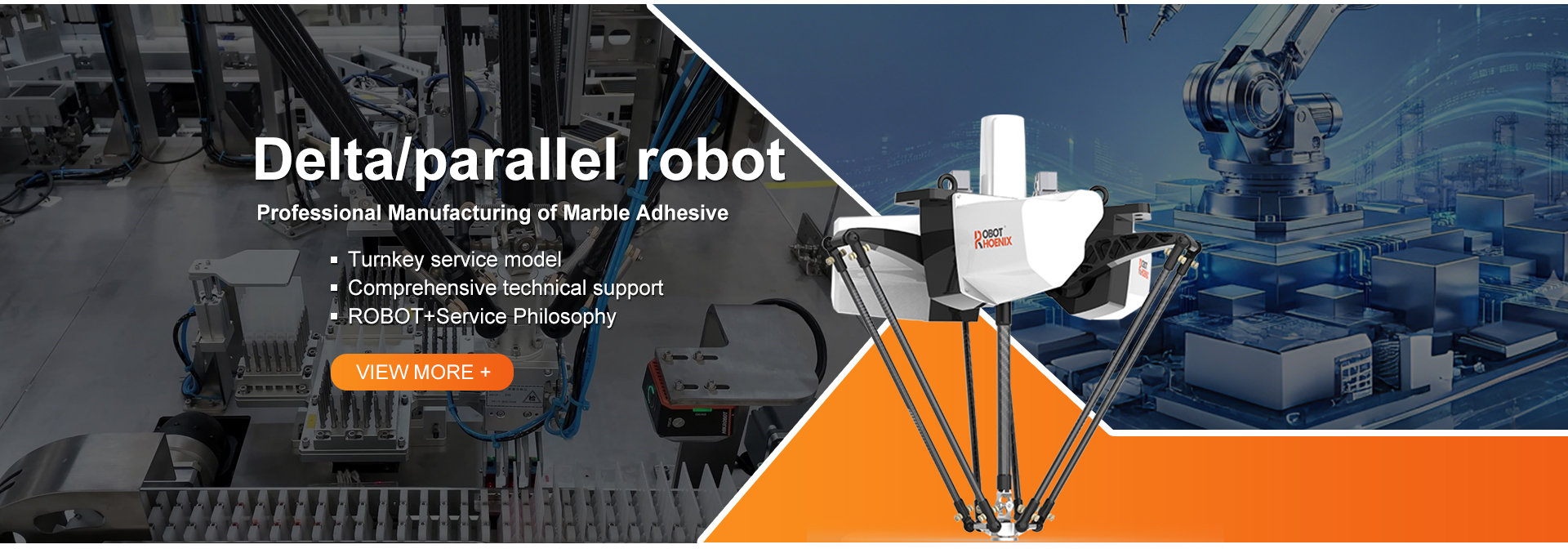


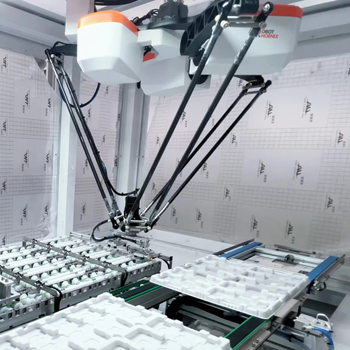
Start from the application, not only the robot. These delta robot configurations are suitable for common global buyer requirements in food, pharmaceutical, daily chemical, carton packing and labeling lines. Final selection should be confirmed with product samples, cycle-time targets, infeed method and end-effector design.
No matching delta robot on this page — browse the full catalogue or send your application details to info@joribot.com.
Equipment buyers are moving away from simple price comparison and toward validated throughput, integration readiness, lifecycle support and measurable return on investment.
Procurement teams increasingly compare the full cost of a delta robot cell: robot, controller, vision, end effector, infeed and outfeed conveyors, guarding, integration engineering, commissioning, operator training, spare parts, preventive maintenance and line downtime. A lower-priced robot can become expensive if the controller requires extra hardware, if vision integration is slow or if spare parts are difficult to source. For high-speed pick and place, the cost of missed throughput during peak season often matters more than the initial equipment difference.
Because delta robot performance depends heavily on product presentation, many buyers now ask for a pilot or engineering study before placing a larger order. They send product photos, samples, bag or carton dimensions, conveyor speed, required picks per minute, reject logic and line layout. A pilot cell helps confirm gripper design, camera position, lighting, eject strategy and safety zones. It also reduces the risk of accepting a robot that is technically fast but poorly matched to the actual packaging line.
Global buyers are planning lines that can switch between products with limited changeover time. Delta robots are increasingly paired with quick-change end effectors, recipe-driven vision software and modular conveyors. The procurement question is no longer only “How fast is the robot?” but “How fast can we change the recipe, validate the first article and return to full speed?” Suppliers who understand controller logic, vision recipes and mechanical changeover are better placed to support this trend.
Food, pharmaceutical, daily chemical and contract packaging manufacturers continue to face repetitive labor challenges. High-speed pick and place cells help maintain output across multiple shifts and reduce dependence on manual sorting or carton loading. Procurement teams are therefore adding requirements for simple operation, clear alarms, remote diagnostics and accessible spare parts, not just speed specifications.
Buyers are auditing suppliers for quality management, manufacturing capability, certifications, references and after-sales responsiveness. ISO 9001, onsite verification and documented quality control are common screening criteria. For food and pharmaceutical lines, washdown expectations, surface materials, lubricants, guarding and cleaning access can affect the robot configuration. Procurement should include these requirements early, because a robot selected only on payload and speed may not pass internal hygiene or engineering reviews.
International buyers are increasingly asking about spare-parts lists, recommended wear items, response time, documentation and remote support. A delta robot is part of a production line, so fast technical feedback matters. JORI Intelligent Technology Co., Ltd. supports global buyers with an average response time of 2 hours or less and a 97.06% response rate, OEM service, design service and automated system integration support.
The next generation of high-speed pick and place systems will be judged by integration quality, changeover speed, data visibility and lifecycle support.
The core delta robot architecture is mature, but the surrounding system continues to evolve. For buyers, this means the robot should be treated as part of a controlled automation platform rather than a standalone arm. Future development is likely to focus on five areas: higher usable throughput, simpler integration, better hygiene, more capable vision and stronger digital support.
Robot makers will continue to improve acceleration and settling, but buyers should focus on usable picks per minute after vision, product orientation, reject handling and packaging constraints are included. Future delta robot cells will place more emphasis on line-level optimization: conveyor tracking, dynamic spacing, reject diverters and packaging machine synchronization. JORI’s in-house controller and vision development are relevant here because integration decisions can be made closer to the robot platform rather than through multiple third-party layers.
AI-assisted recognition and easier recipe management are helping factories handle more product variants without extensive reprogramming. At the same time, end effectors are becoming more application-specific. Food products may require gentle vacuum cups, pharmaceutical products may require anti-static or cleanroom-compatible materials, and carton packing may require multi-cup arrays or mechanical grippers. Buyers should discuss end-effector design as part of the robot procurement, not as an afterthought.
Delta robots are often installed over open conveyors and packaging lines. Future designs will continue to improve surface finish, cable routing, cleaning access and protection ratings. For food and daily chemical applications, line layout and cleaning procedure can influence the choice between a standard IP54 model and a more protected configuration. A compact footprint is also valuable in existing factories where floor space is limited.
Procurement teams increasingly expect digital manuals, spare-parts lists, training materials and remote support. A supplier’s ability to provide clear documentation and responsive engineering feedback reduces commissioning risk and improves long-term uptime. For international projects, time-zone coverage and fast response are practical advantages, especially when a line is being commissioned under production pressure.
Use this checklist to brief suppliers, compare offers and reduce integration risk before placing an order.
| Decision Area | Question to Ask | Why It Matters | JORI Support |
|---|---|---|---|
| 01Product and package | What is the product weight, shape, centre of gravity and variation? | Lightweight, irregular products may need special cups, grippers and vision lighting. | Application review based on samples, photos or videos. |
| 02Payload margin | What is the total moving mass, including gripper and brackets? | Payload is often overestimated for the robot and underestimated for the end effector. | 3–6 kg delta robot configurations and custom end-effector guidance. |
| 03Cycle time | How many picks per minute are required after vision and rejects? | Usable throughput depends on the whole cell, not only robot speed. | Engineering discussion with line speed, infeed and packing constraints. |
| 04Repeatability | What placement tolerance does the next process require? | High-speed carts and trays may need consistent placement to avoid jams. | Models with repeatability down to approximately ±0.08 mm. |
| 05Hygiene and environment | Is washdown, dust protection or IP54 protection needed? | Food, pharmaceutical and daily chemical lines have different cleaning rules. | IP54 options and application-specific configuration guidance. |
| 06Vision and controls | Who supplies the camera, lighting and line PLC? | Poor integration creates delays, false picks and difficult troubleshooting. | Self-developed controllers and 2D/3D vision, PLC-ready integration. |
| 07Documentation and support | What spare parts, training and response time are included? | Support quality affects commissioning and long-term uptime. | Response time ≤2h, 97.06% response rate and OEM service. |
Specifications depend on the final configuration. Share your application data with JORI Intelligent Technology Co., Ltd. for a model recommendation.
Answers to questions global buyers often ask during AI-assisted sourcing, supplier comparison and technical validation.
JORI Intelligent Technology Co., Ltd. was founded in 2012 and is located in Jinan, Shandong Province, China. The company is a high-tech manufacturer specializing in industrial robot R&D and production, controller and vision system development, OEM support and automated system integration. Its self-developed delta robot, SCARA robot, silicon wafer robot, ground AGV robot, 2D/3D vision and controller technologies are supported by national patents and are positioned alongside mainstream international robot brands.
For a delta robot for high-speed pick and place, this matters because the robot, controller and vision can be engineered together. Buyers deal with one accountable source for the arm, motion control, vision integration and application support. JORI serves machine builders, system integrators and factory owners with a product range that includes delta parallel robots, SCARA robots, AGV/AMR platforms, autonomous forklifts and wafer handling robots.
Before you buy, you can review independent assessments, credit records, trade capacity and transaction history through the verification links on this website. For technical selection, share your product weight, required cycle time, infeed method, layout and target line speed. JORI’s engineering team can recommend a delta robot configuration, discuss end-effector options and review integration requirements with your packaging machine supplier.
Review the manufacturing and engineering context behind JORI delta robots before you shortlist a supplier.
Send your product weight, required picks per minute, infeed method, layout and target packaging machine. Our engineers will review the application and recommend a suitable delta robot configuration.
info@joribot.com