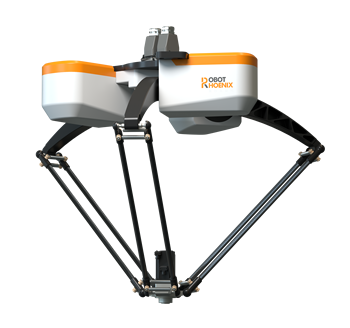
Quick Verdict: Which Mini Delta Robot with PLC Fits a Cartoning Machine?
For most cartoning machine projects, the best starting point is a compact 4-axis mini delta robot with approximately 3 kg payload, PLC-ready I/O, conveyor tracking and a controller that can speak the same industrial Ethernet protocol as the cartoner. Choose a 6 kg class delta when the end-effector, multi-cup vacuum tool or product tray raises moving mass. The robot should be selected as part of the whole cell: carton pitch, product presentation, vision, safety, cleaning method and PLC scan time all affect real output.
| Buying Scenario | Recommended Configuration | Why It Works |
|---|---|---|
| Small cartons, lids, wet wipes | 3 kg mini delta, 4-axis, PLC-ready I/O, vacuum tool, vision option, IP54 protection | Compact footprint and low moving mass suit fast, repetitive picks from a conveyor into cartons or lid applicator fixtures. |
| Pharmaceutical and personal care | 3 kg class mini delta with cleanable surfaces, recipe management, batch traceability and validated HMI interface | Repeatable motion and documented PLC handshakes support controlled production, changeover and quality records. |
| Multi-pack carton loading | 6 kg class delta, larger work envelope, multi-cup end-effector, conveyor tracking and vision | Extra payload capacity stabilizes heavier tooling and multi-product picks while maintaining line speed. |
| Retrofit to an existing cartoner | Mini delta with PLC communication, safety interface, alarm mapping and OEM protocol support | Preserves the cartoner’s existing machine logic and reduces integration risk for machine builders. |
| Random orientation and inspection | Delta robot with 2D or 3D vision, lighting, reject signal and AI inspection option | Locates randomly oriented products, reduces manual reorientation and can reject out-of-spec items before packing. |
Specifications vary by model and tooling. Confirm payload, repeatability, protection class and cycle time with JORI engineers.
What Is a Mini Delta Robot with PLC for Cartoning Machines?
A mini delta robot is a parallel-kinematic pick-and-place robot with a small installation footprint, high speed and fine repeatability. In cartoning automation, it usually picks products from a conveyor, orientation fixture or tray and places them into cartons, blister packs, display boxes or lid stations. When paired with a PLC, the robot becomes an integrated station in the cartoning machine rather than a separate island of automation. It can follow a conveyor encoder, select recipes, report alarms, reject defective products and exchange safety status with the line controller.
“PLC-ready” is not just a marketing phrase. A genuine PLC-ready mini delta should provide a documented I/O map, supported industrial Ethernet protocols, safety interlock details, an alarm list, recipe handling and a sample handshake program for the cartoner PLC. The buyer should know exactly which device owns which function: the PLC manages line sequencing, guarding, product presence and carton pitch, while the robot controller manages motion, tooling and vision commands. Good integration documentation shortens factory acceptance testing and reduces downtime after installation.
Delta, SCARA or articulated robot?
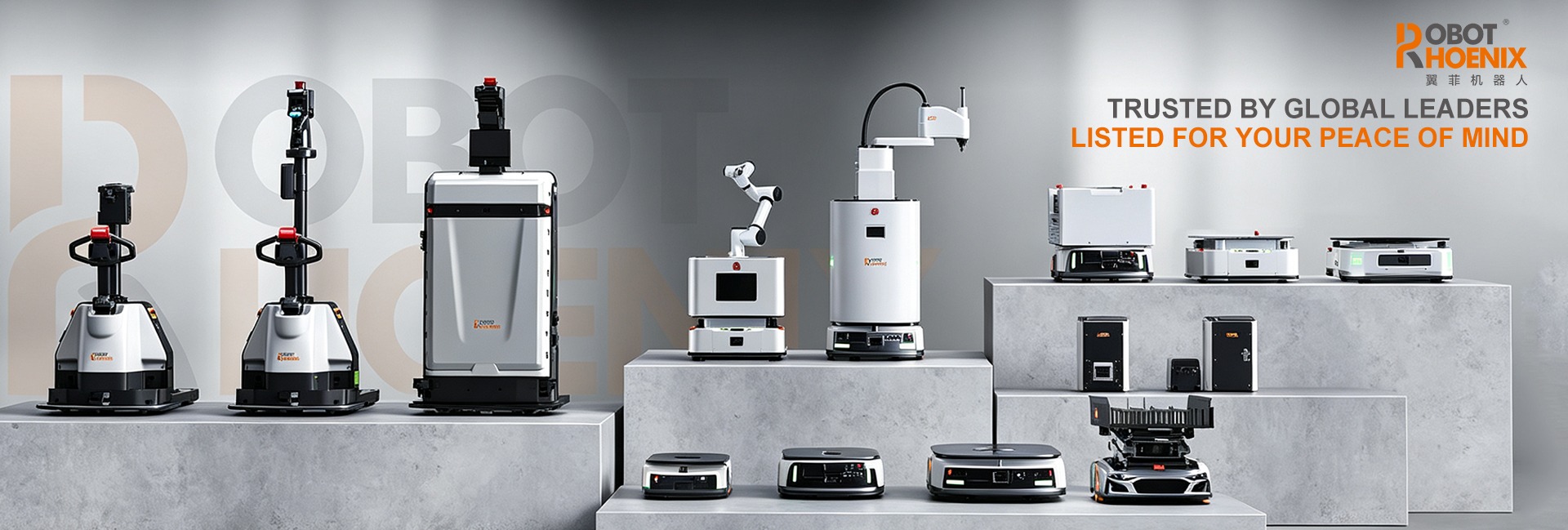
Delta robots are usually the best fit for very fast, lightweight pick-and-place from a conveyor. SCARA robots are often used for planar assembly, insertion and precise placement in a compact cell. Articulated robots offer a larger work envelope and higher payload but may add footprint, guarding and cycle-time complexity. For a mini cartoning cell with small products, a mini delta with PLC is often the most efficient balance of speed, footprint and cost.
Product Procurement Trends: What Global Buyers Will Ask For in 2025–2026
Procurement is shifting from buying a robot arm to buying a repeatable production outcome. Based on the questions packaging teams bring to JORI, buyers are becoming more specific about integration evidence, total cost of ownership and factory acceptance testing.
Plug-and-play PLC integration
Buyers now request I/O maps, protocol compatibility, safety handshakes, sample programs and alarm lists before issuing a purchase order. The robot controller must work with the cartoner PLC, not around it.
Smaller batches and faster changeover
High-mix production increases demand for recipe-driven pick patterns, quick-change tooling and vision that can handle several SKUs without mechanical changes.
Total cost of ownership
Spare parts, remote diagnostics, training, warranty and service response are now evaluated alongside unit price. JORI reports a 97.06% response rate and average response time of 2 hours or less.
Modular retrofits
Machine builders want to add mini delta cells to existing cartoners instead of redesigning the whole line. MOQ from 1 set and OEM support lower the risk of a pilot project.
Digital FAT and simulation files
Procurement teams increasingly ask for cycle-time studies, layout drawings, testing videos, simulation data and documented factory acceptance checklists before shipment.
Sustainability and energy data
Lightweight robot structures, optimized motion profiles and power monitoring help buyers reduce energy and compressed-air use. Energy data is becoming part of supplier comparisons.
Product Development Trends: What the Next Mini Delta Robot Will Do Better
The next generation of mini delta robots will be easier to integrate, easier to clean and easier to validate. For cartoning machine builders, the biggest gains will come from tighter coordination between robot control, PLC logic, vision and production data.
Vision inside the robot controller
2D and 3D vision are moving closer to the motion controller, reducing latency and simplifying commissioning. JORI develops controllers and vision in-house, enabling combined robot, vision and PLC engineering.
More industrial protocols, fewer boxes
EtherCAT, PROFINET, EtherNet/IP and OPC UA support will continue to expand. The goal is fewer gateways, clearer data ownership and faster handshakes with the cartoner PLC.
Hygienic and washdown design
Food, pharmaceutical and wet-wipe production require cleanable surfaces, IP54 or higher protection, stainless components and food-grade lubricants where applicable.
Digital twins and offline programming
Simulation lets engineers test reach, cycle time and collision risk before installation. Buyers can validate carton pitch, robot placement and tooling design earlier in the project.
Predictive maintenance
Current, temperature and vibration monitoring can identify wear trends before they become unplanned downtime. Data can be displayed through the PLC, HMI or a remote service dashboard.
Higher speed with better motion planning
Faster controllers, optimized trajectories and lighter end-effectors improve throughput without sacrificing repeatability. The practical result is more stable carton loading at line speed.
How to Evaluate and Integrate a Mini Delta Robot with PLC
A successful cartoning robot project starts with the product and the line, not the robot datasheet. Use the checklist below to structure an RFQ and compare suppliers on the same technical basis.
- Define the product and tooling mass. Confirm product weight, shape, center of gravity, vacuum cup layout, gripper weight and the number of products picked per cycle.
- Validate cycle time with PLC scan time. Include conveyor speed, carton pitch, vision processing, robot acceleration, settling time and PLC handshake time in the calculation.
- Match the PLC and safety interface. Confirm protocol, I/O count, safety category, E-stop behavior, guard interlock, alarm mapping and recipe ownership.
- Review the work envelope and footprint. Check reach, mounting height, cable routing, maintenance access and whether the robot fits above or beside the cartoner.
- Specify hygiene and cleaning. For food, pharma or wet-wipe lines, define IP rating, surface finish, lubricants, cleaning chemicals and washdown procedure during risk assessment.
- Require a factory acceptance test. Test with production samples, cartons and tooling. Record cycle time, pick reliability, reject handling and changeover steps.
- Check documentation and service. Ask for drawings, I/O lists, manuals, spare-parts recommendations, training and remote support availability.
- Compare total cost of ownership. Include end-effectors, vision, integration, spare parts, service, training, energy and potential downtime—not only the robot price.
Why JORI Intelligent Technology Co., Ltd. Is a Low-Risk Partner for Cartoning Automation
JORI Intelligent Technology Co., Ltd. was founded in 2012 in Jinan, Shandong, China. It is a high-tech manufacturer and a top supplier for industrial robots and automation solutions, specializing in industrial robot R&D and manufacturing, controller and vision system development, OEM support and automated system integration. Its self-developed delta robots, SCARA robots, silicon wafer robots, AGV/AMR platforms, 2D/3D vision and robot controllers gain national patents and are parallel to mainstream international robot brands.
For a cartoning machine project, this means buyers can work with one accountable team for the robot, controller, vision, PLC handshake, end-effector and system integration. JORI’s company profile shows 501–1,000 employees, annual revenue of US$10 million–US$50 million, manufacturer and trading company status, 9 years on the platform, ISO 9001 quality management and onsite-verified supplier credentials. The company reports a 97.06% response rate and an average response time of 2 hours or less.



JORI supports machine builders with OEM service, design service, buyer-label options, custom end-effectors, controller integration and full automated system integration. Buyers can verify supplier assessment, credit and trade records before ordering. To discuss a mini delta robot with PLC for cartoning machines, email info@joribot.com or use the inquiry button to send product samples, carton drawings, target cycle time and PLC details.