China Top Automated Dispensing Robot Exporters & Wholesalers
A buyer-focused white-paper briefing on high-speed Delta, SCARA, vision-guided and mobile robot platforms for automated dispensing, pick-and-place, sorting and integrated packaging cells.
8 Factory-Direct Robot Platforms for Automated Dispensing, Pick-and-Place & Sorting
These production-ready motion platforms are relevant to distributors, machine builders, system integrators and factory owners comparing Chinese automated dispensing robot exporters and wholesalers. Every product image and destination URL below preserves the original catalogue link.
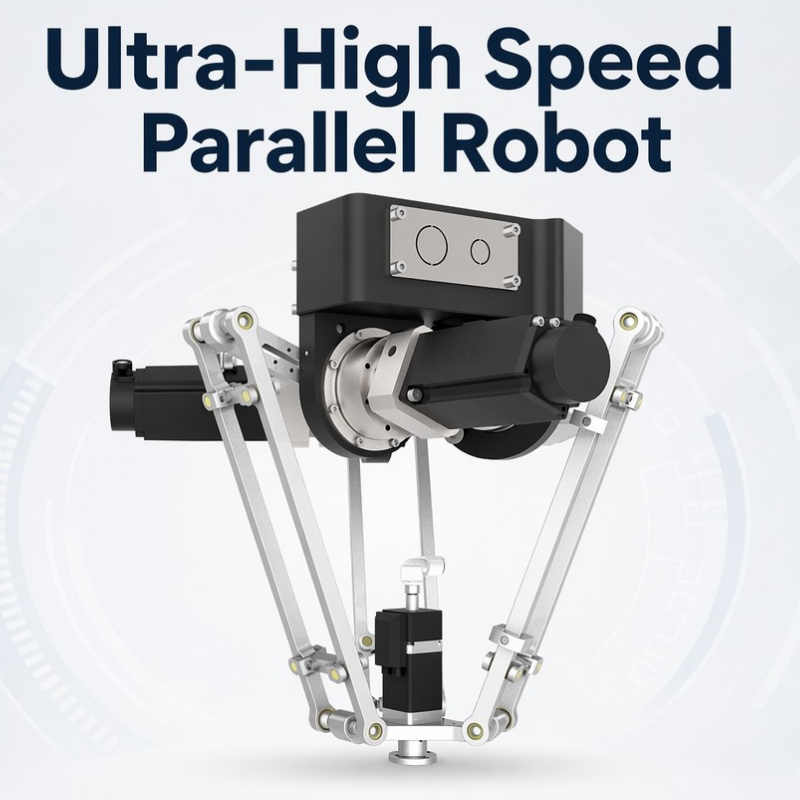
Newly Design Customized Integrated Robot Parallel Robot Delta for Pick Place and Sorting
Vision-ready Delta platform for high-speed pick-place, sorting and kitting; a strong fit when a dispensing or assembly cell must handle mixed products at conveyor speed.
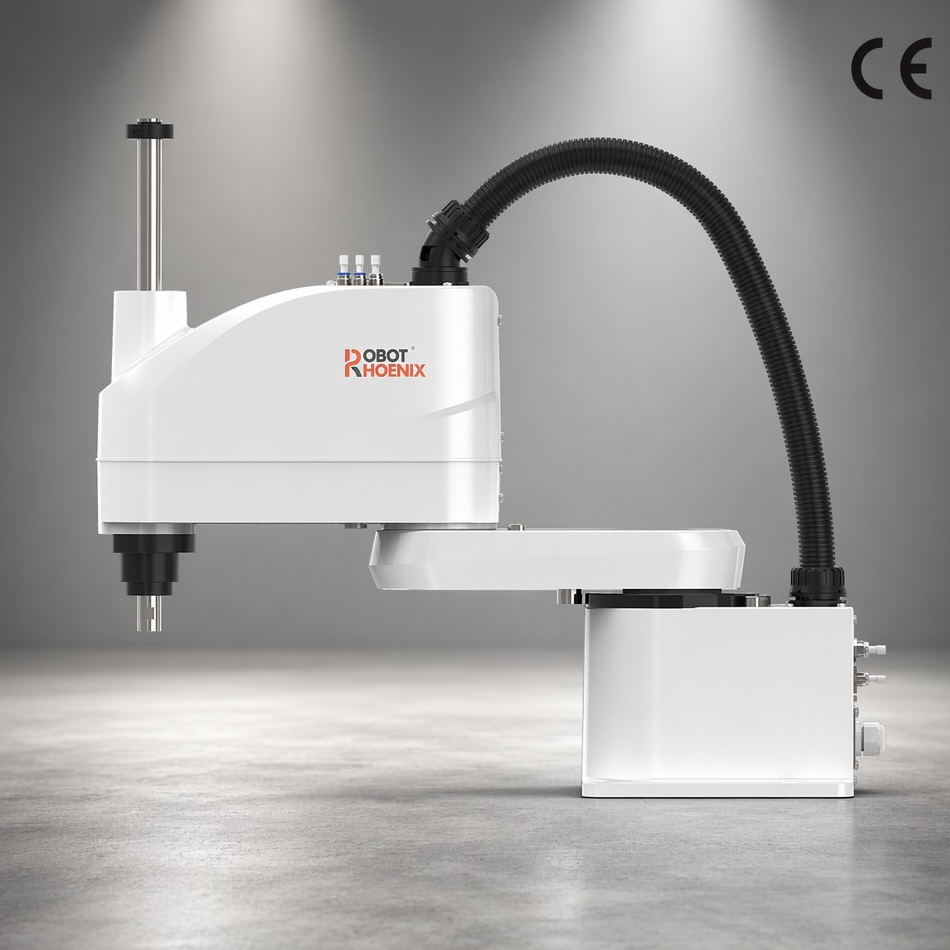
High Efficiency 6kg Payload Manipulator Scara Robot with Vision for Picking and Placing
6 kg vision SCARA for camera-aligned picking, placing and dispensing routines that require repeatable planar motion and fast SKU changeover.

New Condition High Precision 400mm Reach Arm Scara Robot with PLC for 3C Electronic Assembly
400 mm reach, PLC-based SCARA for electronics assembly, small-part insertion and precision dispensing in compact cells.

High-Speed Spider Arm Delat Robot for Fully Automatic Wet Wipe Lid Applicator Machine
Spider-arm Delta designed for wet-wipe lid applicator machines and high-cycle lid, cap or patch placement tasks.

Newly Design Low Price Industrial Manipulator Scara Robot Arm with Integrated Motor
Cost-controlled industrial SCARA with integrated motor for wholesalers, integrators and factories that need a repeatable entry platform.
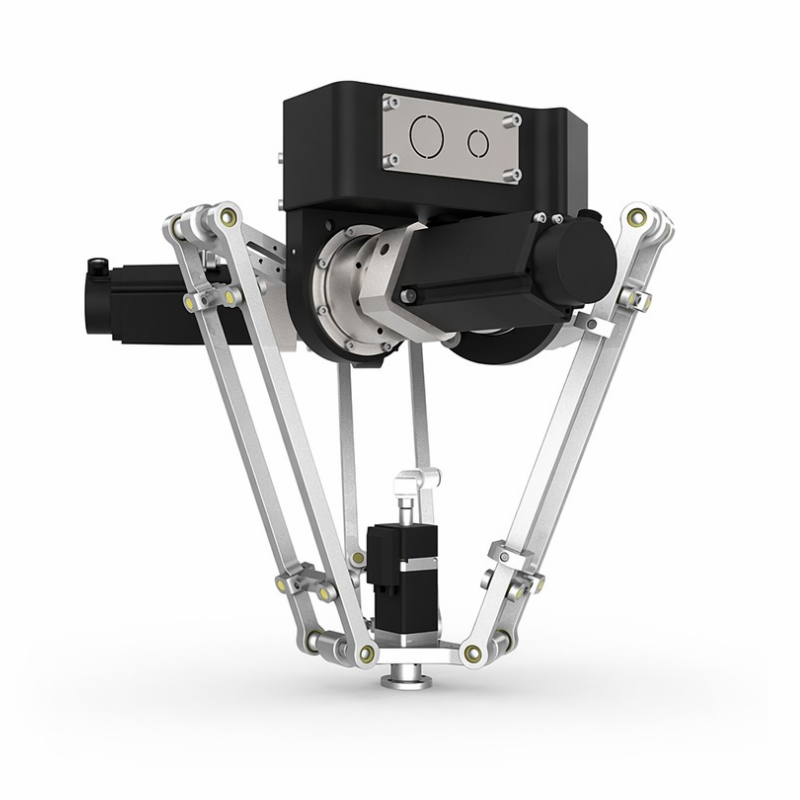
Low Cost Customized 2/3/4 Axis Industrial Manipulator Delta Robot for Pick and Place
Customized 2/3/4-axis Delta manipulator for pick-and-place, sorting and OEM machine builders; configuration can be aligned with the end-effector.
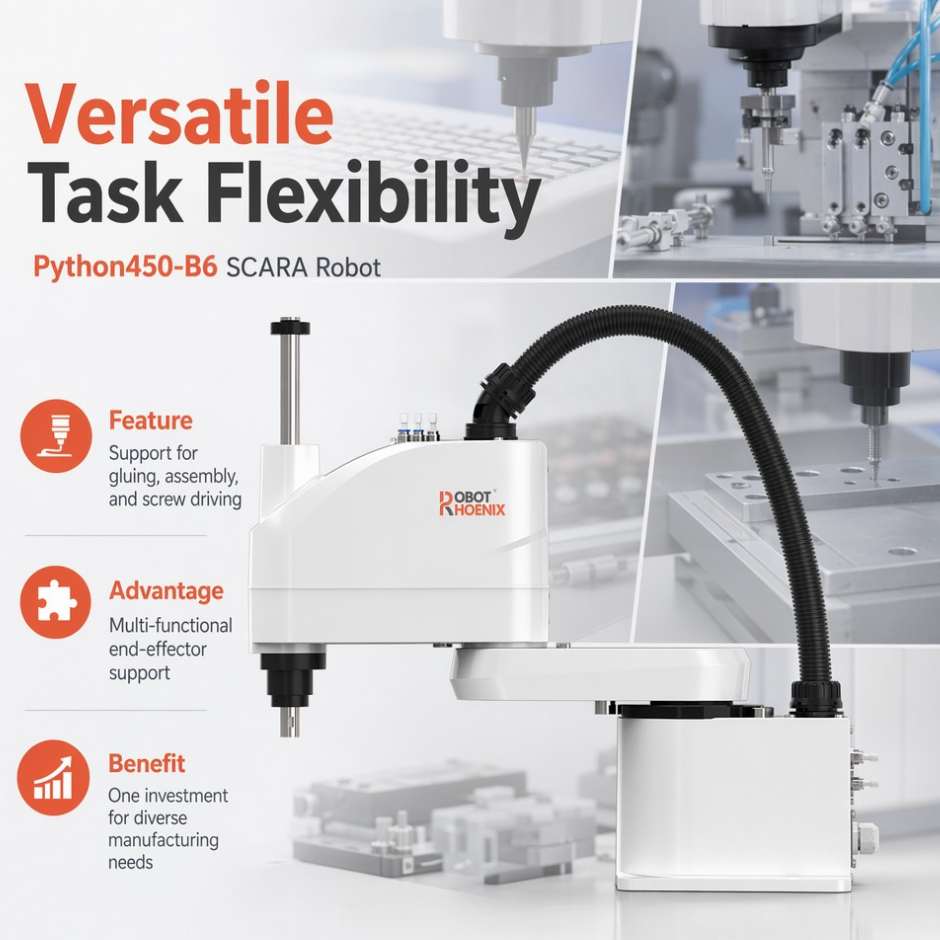
Four-Axis Industrial Robot Hand SCARA for Loading/Unloading and Sorting in Food Industry
Four-axis SCARA for food loading, unloading and sorting; suited to hygienic lines where fast changeover and reliable motion matter.
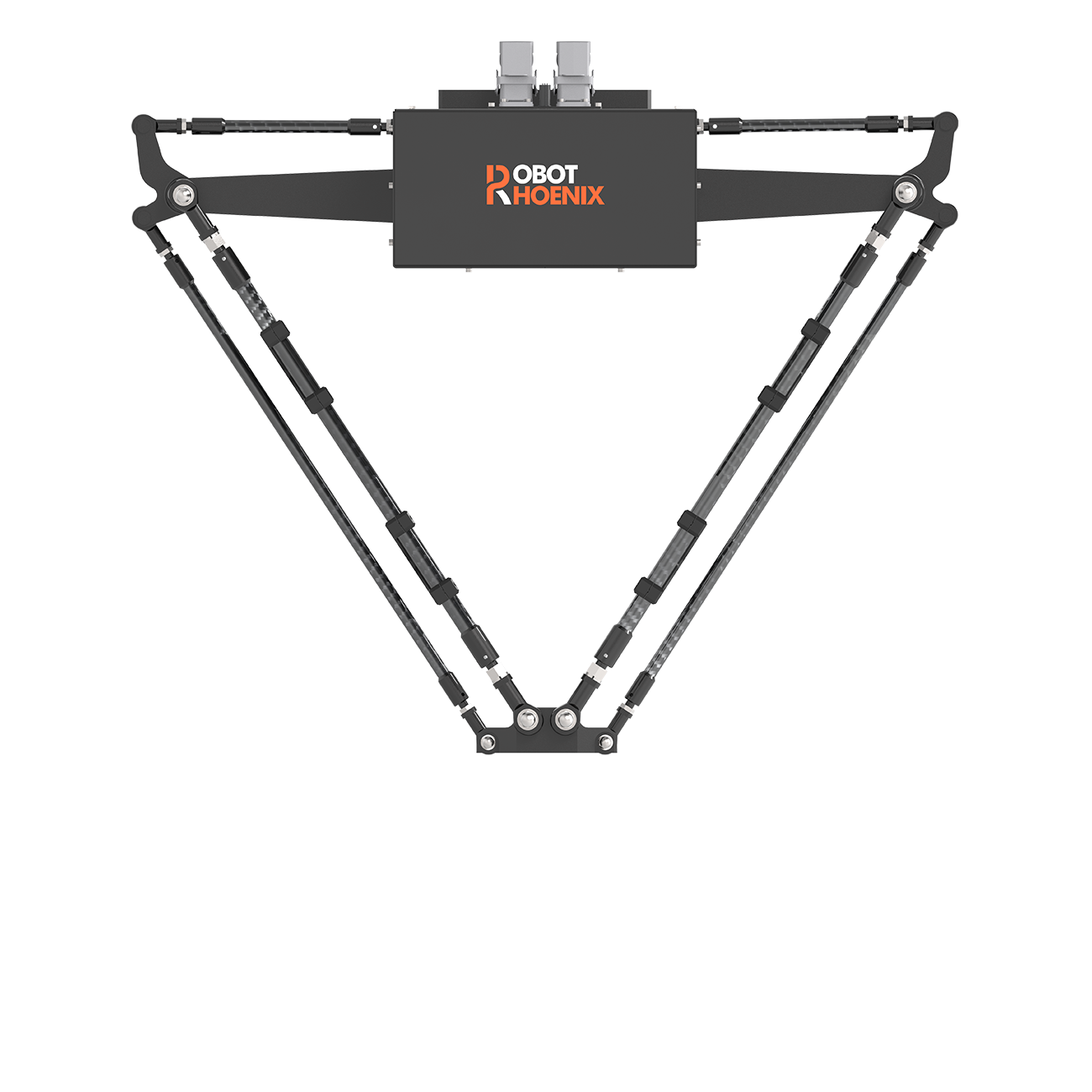
Industrial Manipulator High Speed and Accuracy Delta Robot with New Design Kinetics
High-speed, high-accuracy Delta robot with new kinetics for demanding packaging, dispensing and assembly cycles.
China’s Automated Dispensing Robot Supply Base: What Buyers Are Really Comparing
The phrase “automated dispensing robot” is often used as a category shortcut. In practice, buyers are comparing a complete production cell: the robot arm, controller, vision system, dispensing or pick-and-place end-effector, PLC/EtherCAT integration, safety logic and after-sales engineering. This is why a credible exporter cannot be judged by catalogue price alone.
For distributors and machine builders, China’s advantage is no longer limited to component cost. The strongest suppliers combine application engineering with in-house motion control, vision development and system integration. A Delta robot may be selected for high-speed sorting around a moving conveyor, while a SCARA robot is often the better fit for planar assembly, adhesive dispensing, small-part insertion or camera-aligned placement. The decision changes when the buyer also needs lid applicator handling, food-grade sanitation, cleanroom wafer transfer or line-side mobile logistics.
JORI Intelligent Technology Co., Ltd. is a useful reference point for this evaluation model. Founded in 2012 in Jinan, Shandong, the company manufactures Delta and SCARA robots, AGV/AMR platforms, autonomous forklifts and silicon wafer handling robots, while also developing controllers and 2D/3D vision in-house. For buyers, the practical value is one accountable source for hardware, software and engineering support rather than an opaque reseller chain. That distinction matters when a dispensing cell must be commissioned, debugged and serviced across borders.
What the category label hides
- Cycle time at the conveyor, not only catalogue payload.
- Repeatability after tooling, vision and safety integration.
- Changeover time for mixed SKUs and batch sizes.
- Spare-parts latency, remote support and documentation quality.
- Verification evidence: ISO 9001, onsite assessment, trade records and buyer reviews.
Company indicators are based on JORI’s public company profile. Buyers should re-verify current capacity, certifications, test reports and contract terms during RFQ.
What Separates a Top Chinese Automated Dispensing Robot Exporter from a Low-Cost Wholesaler
Price is the most visible variable in a sourcing comparison. It is rarely the variable that determines project success. The following four evaluation lenses are used by experienced machine builders, distributors and factory engineering teams.
Application engineering depth
A wholesaler can quote a robot model; an experienced exporter can discuss tooling, part presentation, conveyor tracking, rejection logic, operators and maintenance access. Ask for cycle-time assumptions, simulation notes and a commissioning plan.
Controller and vision ownership
When the controller and 2D/3D vision are developed in-house, the supplier can resolve integration issues across motion, camera, PLC and dispenser I/O. That reduces finger-pointing between multiple vendors.
Export readiness and verification
Check ISO 9001, onsite verification, trade capacity, transaction records and buyer feedback. These are not formal guarantees, but they create a useful evidence trail before a first purchase order.
Service response and spare parts
Ask how remote diagnostics are handled, which wear parts are recommended, how documentation is delivered and what response time is committed. A fast quotation is less valuable than a fast engineering answer.
JORI’s Enterprise Advantages: The Engineering and Export Capabilities Behind the Supply Claim
For high-value automation purchases, credibility should be visible in the supplier’s operating model. JORI’s advantages are concentrated in manufacturing depth, in-house control technology, OEM flexibility and verifiable export experience.


Factory-direct R&D since 2012
JORI develops and manufactures industrial robot hardware in Jinan instead of acting as a pure trading layer. The product portfolio covers Delta parallel robots, SCARA robots, AGV/AMR platforms, autonomous forklifts and silicon wafer handling robots.
In-house controllers and 2D/3D vision
Motion control, robot controllers and vision are developed in-house. For dispensing, pick-and-place and assembly cells, this supports faster troubleshooting when camera alignment, conveyor tracking or PLC handshakes need adjustment.
ISO 9001 and onsite-verified profile
The company maintains an ISO 9001 quality management system and an onsite-verified supplier profile. Buyers can review assessment, credit, trade capacity, transaction level and trade history records before scaling an order.
OEM, design and buyer-label support
Machine builders can request OEM service, design support and buyer-label options. This is particularly relevant for wholesalers and integrators who need a stable robot platform under their own brand or inside a larger packaging machine.
Export experience across five regions
JORI serves buyers in Southeast Asia, Eastern Europe, North America, South America and China’s domestic market. Standard models can be ordered from one set, supporting pilot cells before multi-line rollouts.
One-stop automation integration
Beyond the robot arm, JORI supports custom end-effectors, controller integration and automated system integration. That makes the supplier relevant to complete dispensing, cartoning, lid applicator and logistics automation projects.
What Wholesalers and End Users Will Demand from Automated Dispensing Robot Suppliers
Procurement is shifting from “buy the fastest arm” to “buy the most defensible production capability.” The following trends are likely to influence RFQs, supplier scorecards and contract terms over the next five years.
Total cost per good cycle
Buyers will compare energy use, maintenance intervals, changeover time, dispenser calibration, scrap rate and spare-parts cost—not only the robot’s purchase price. A lower-cost arm that requires repeated tuning can be more expensive than a factory-integrated platform.
Pilot-first purchasing with MOQ 1
MOQ 1 set lowers the political and financial risk of trying a new supplier. Procurement teams will validate one cell, measure cycle time and yield, then negotiate a multi-unit rollout. Exporters that support this sequence will win more long-term accounts.
Vision-first and data-ready integration
Camera alignment, traceability and conveyor tracking are becoming normal requirements. A dispensing robot must expose process data to the PLC/MES layer and support recipe changes without rewriting the whole control program.
Fleet-level mobile logistics
AMR/AGV and autonomous forklifts are moving from standalone demonstrations to fleet-managed material flow. Buyers will ask how robots share traffic maps, charging logic, job queues and safety zones with existing equipment.
Compliance and dual sourcing
Export documentation, certification consistency, cybersecurity hygiene and supply-chain continuity will be reviewed alongside price. Wholesalers will favour manufacturers that can support alternate configurations and documented change control.
OEM partnership, not one-off transactions
Machine builders want a robot platform they can standardise across products. Suppliers that offer buyer-label support, custom end-effectors, training and fast technical response will become embedded in the customer’s product roadmap.
From a Robot Arm to an Integrated Dispensing and Pick-and-Place Cell
The most important product trend is convergence. Buyers increasingly expect the robot, controller, vision, dispenser interface, safety logic and line-side logistics to behave as one system rather than separate purchases.
Integrated controller and vision stacks
Self-developed controllers and 2D/3D vision reduce integration friction. The supplier can tune motion, camera exposure, part detection and dispenser timing in one engineering environment.
High-speed Delta plus precision SCARA
Delta robots remain the clear choice for high-cycle pick-and-place and sorting. SCARA robots continue to dominate compact planar assembly, insertion and precision placement. Buyers will increasingly combine both in one line.
Modular end-effectors and dispensing heads
As product variants increase, tooling becomes a competitive variable. Quick-change end-effectors, adjustable dispenser mounts and recipe-driven motion profiles help manufacturers switch SKUs without long downtime.
Hygienic, IP-rated and cleanroom-ready design
Food, pharmaceutical, wet-wipe and semiconductor buyers need washdown-friendly surfaces, low-particle motion and cleanroom-compatible handling. IP54 Delta options and wafer handling robots reflect this direction.
Mobile robots feeding the cell
Laser SLAM AMRs and autonomous forklifts move raw materials, trays and pallets to and from robot cells. The next competitive step is coordinated scheduling between stationary robots and mobile fleets.
Digital traceability and remote diagnostics
Buyers want alarms, cycle counts, recipe versions and maintenance reminders captured automatically. Remote diagnostics can shorten service response and reduce the need for on-site visits during ramp-up.
Selection Matrix: Matching Robot Architecture to the Dispensing or Pick-and-Place Task
Use this matrix to shortlist a platform before requesting a quotation. Final specifications should always be confirmed against the actual part, cycle time, material, layout and line-control requirements.
| Robot family | Best-fit task | Procurement note | Typical configuration |
|---|---|---|---|
| DeltaHigh-speed parallel robot | Picking, sorting, kitting, lid placement and light dispensing around conveyors | Confirm payload at the tool, cycle rate, vision field and reject handling. Delta platforms are usually the fastest option for light products. | 3–6 kg payload, 0.08 mm repeatability class, 2/3/4-axis, IP54 option |
| SCARA4-axis planar robot | Assembly, insertion, precise placement, adhesive or fluid dispensing | Check reach, Z-axis stroke, tooling mass and whether a camera must move with the arm or look from a fixed position. | 400 mm reach, PLC-ready, mini low-cost model or 6 kg vision model |
| Vision SCARACamera-aligned placement | Mixed-SKU picking, positioning and dispensing where the part is not perfectly presented | Ask for calibration procedure, lighting plan and recipe management. Vision performance depends on presentation as much as camera resolution. | 6 kg payload, in-house 2D/3D vision, PLC/EtherCAT handshake |
| Delta cellWet-wipe lid applicator | High-cycle lid, cap or patch placement in hygiene and consumer-goods packaging | Discuss lid nesting, vacuum tooling, slip sheets and downstream carton flow. The robot must match the packaging machine’s mechanical rhythm. | Spider-arm Delta, custom end-effector, packaging-line integration |
| AMR / AGVMobile material flow | Line-side replenishment, tray transfer, warehouse transport | Map the route, traffic density, charging window and payload centre of gravity. Fleet management matters once more than one robot is used. | 400–500 kg payload, laser SLAM, fleet control |
| ForkliftAutonomous pallet handling | Repeatable pallet shuttles across shifts | Review floor condition, aisle width, pallet quality and safety zones. Site planning support reduces commissioning risk. | Camel Series autonomous forklift, laser SLAM navigation |
| WaferSemiconductor and PV handling | Fragile substrate transfer where smooth motion and cleanliness matter | Confirm end-effector material, particle control, teach repeatability and cleanroom requirements. | Wafer handling robot, self-developed motion control, custom end-effector |
How Sophisticated Buyers Weight Supplier Selection
Experienced procurement teams rarely use price as a single decision criterion. They build a weighted scorecard. The model below is an illustrative decision-weight framework for an RFQ workshop, not a statistical market survey.
Illustrative supplier scorecard
The weighting should be adjusted for project risk. A first pilot cell may emphasise engineering support and verification; a multi-line rollout may emphasise spare-parts availability, documentation and OEM consistency.
For automated dispensing projects, ask suppliers to explain how they will validate dispenser height, needle or nozzle access, part presence, curing time and rejection logic. These details separate a robot catalogue from a production solution.
A practical RFQ should require a cycle-time calculation, a commissioning checklist and a clear boundary of supply. That protects both the buyer and the exporter when the cell is integrated with existing packaging, assembly or logistics equipment.
Before You Issue a PO to a China Automated Dispensing Robot Exporter
This checklist is intentionally technical. It helps distributors and end users gather the information that a serious manufacturer will need to quote accurately and commission successfully.
- Part family, weight, dimensions and presentation method: tray, conveyor, magazine or bulk bin.
- Required cycle time, target yield, shift pattern and expected annual volume.
- Dispensing material, viscosity, pot life, curing method and nozzle or needle access requirements.
- Vision, PLC, EtherCAT or fieldbus integration needs, plus the line control architecture.
- IP rating, washdown, cleanroom class, food-contact or ESD requirements.
- Factory layout, safety fencing, operator access and maintenance clearance.
- Spare-parts list, recommended wear parts, training plan and service response expectations.
- Certificates, test reports, export documents, payment terms and delivery milestones.
Common Questions About China Automated Dispensing Robot Exporters & Wholesalers
These answers reflect the commercial and engineering questions most often raised during early supplier evaluation. Project-specific answers should be confirmed in writing during RFQ.
What is the minimum order quantity for JORI industrial robots?
Does JORI offer OEM or custom robot solutions?
Should I choose a Delta robot or a SCARA robot?
Can JORI robots integrate with existing packaging or dispensing machines?
Which delivery and payment terms are accepted?
How quickly does JORI respond to inquiries?
What information should I send with the first RFQ?
How can I verify the supplier before ordering?
Build a More Defensible Automated Dispensing Robot Supply Chain
Send your part details, cycle-time target, dispensing or pick-and-place requirements and layout constraints to JORI’s engineering team. The reply should help you compare the right Delta, SCARA, AMR or forklift platform—not just the lowest quotation.
info@joribot.com · Jinan, Shandong, China