China Top Flexible Assembly Robot Factories & Exporters
A procurement-grade guide to SCARA, delta, vision-guided and OEM assembly robots — how to separate true factory engineering from catalogue reselling, validate export readiness, and reduce integration risk before you place a pilot order.
- MOQ from 1 set
- ISO 9001 quality system
- OEM / buyer-label support
- 97.06% response rate
Eight Factory-Direct Robots for Flexible Assembly and Pick-and-Place
Shortlist by application first, then validate reach, payload, vision, cycle time and PLC integration. The eight models below are the practical building blocks buyers most often request when comparing China flexible assembly robot factories and exporters.
 SCARA
Best for 3C electronics and PLC-controlled assembly
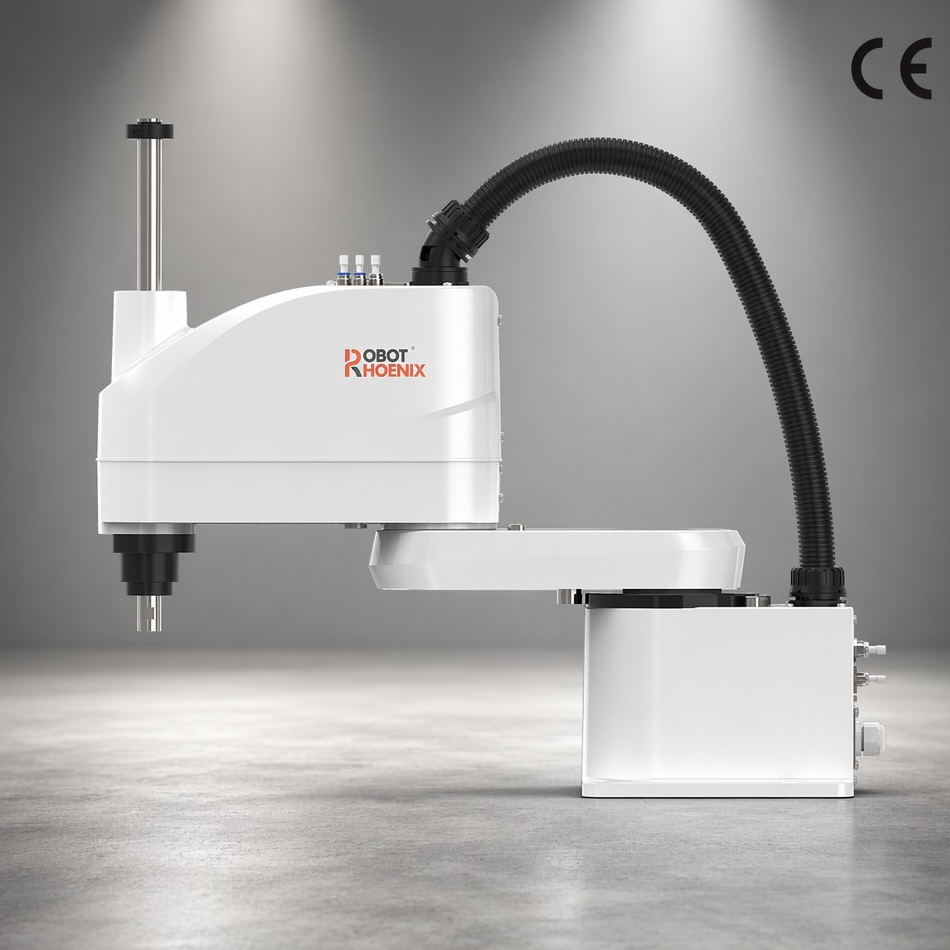
New Condition High Precision 400mm Reach Arm Scara Robot with PLC for 3C Electronic Assembly
- 400 mm reach
- High precision
- PLC-ready
 SCARA
Best for vision-guided picking and placing
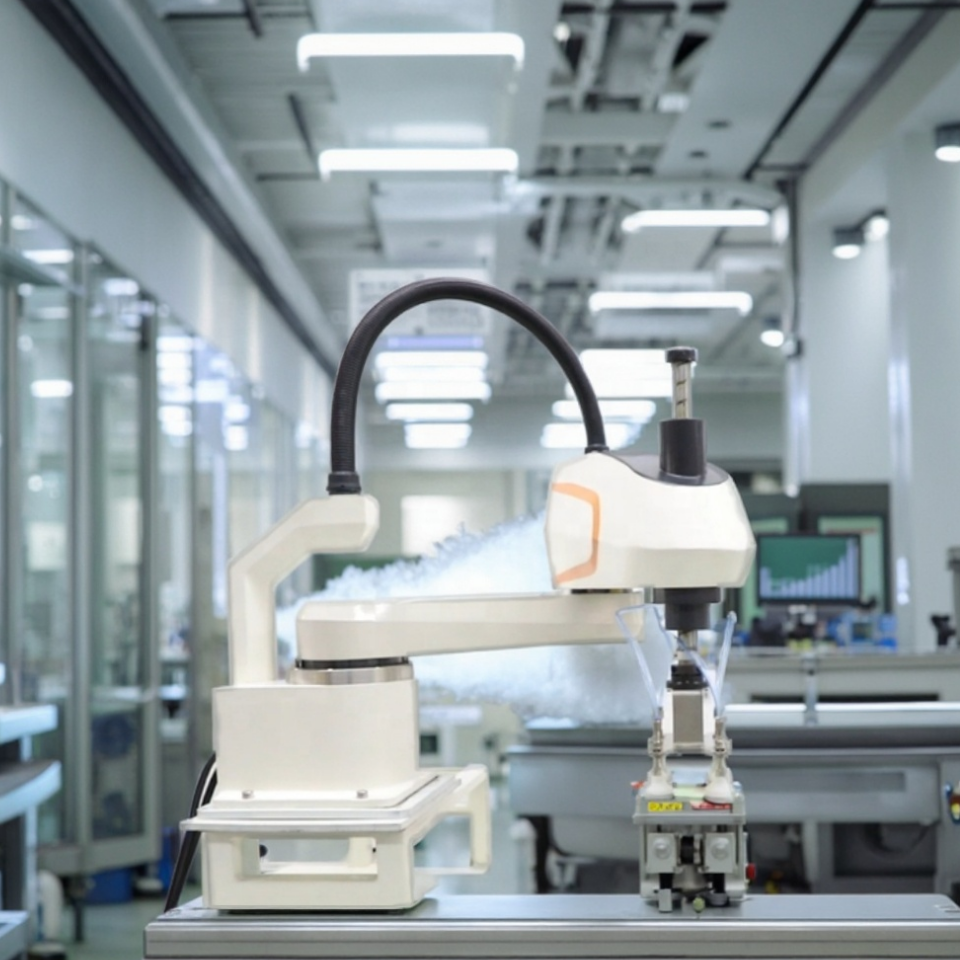
High Efficiency 6kg Payload Manipulator Scara Robot with Vision for Picking and Placing
- 6 kg payload
- Vision-guided
- Pick & place
 SCARA
Best for auto parts handling and inspection
Industrial 4-Axis Robot Arm Scara Robot Arm with Vision System for Auto Parts Industry
- 4-axis
- Vision system
- Auto parts
 DELTA
Best for high-speed bottle unscrambling
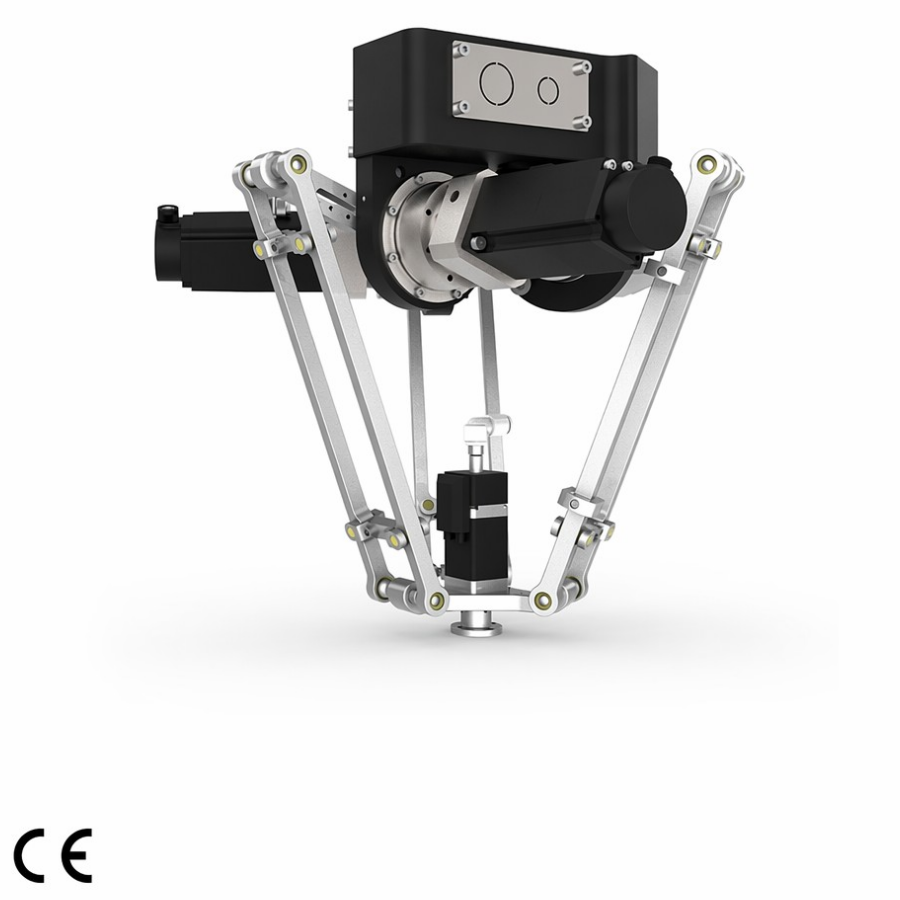
High Speed Consumer Goods Industries Bottle Unscrambling Machine Component Delta Robot
- High speed
- Consumer goods
- Delta structure
 SCARA
Best for precision assembly and handling
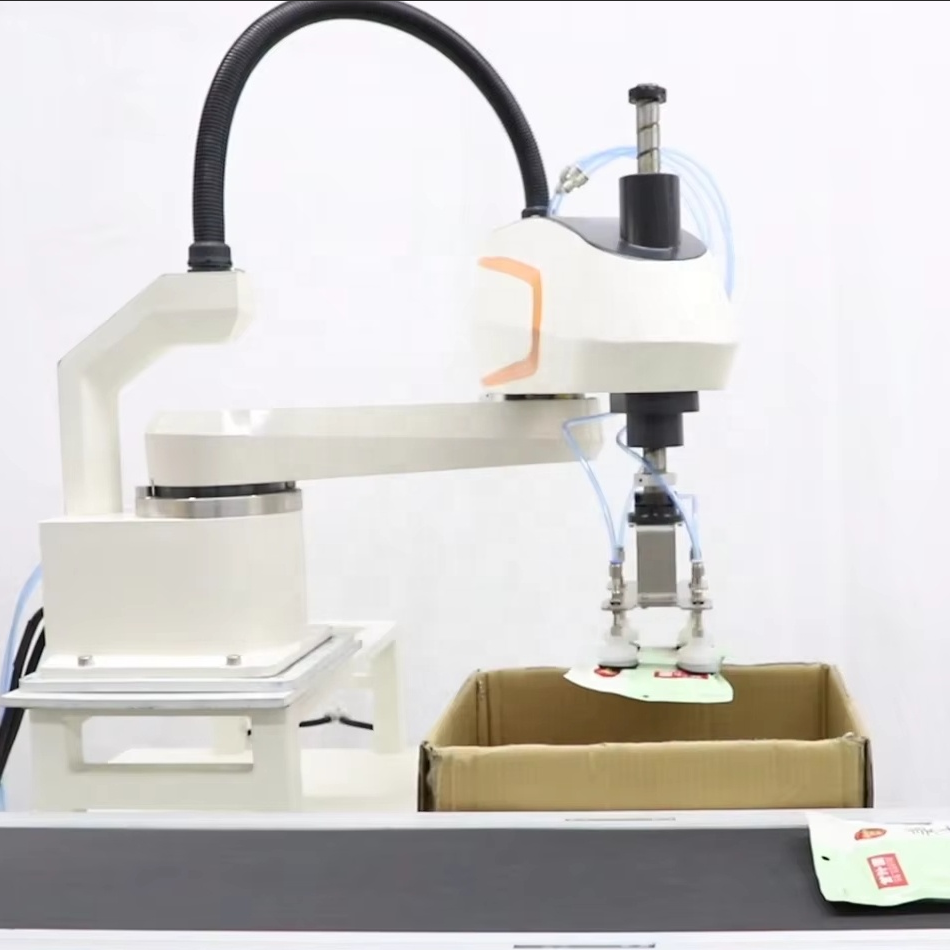
Newly Design Industrial Articulated Robotic Arm Scara for Precision Assembly & Handling
- Precision assembly
- Compact cell
- Industrial design
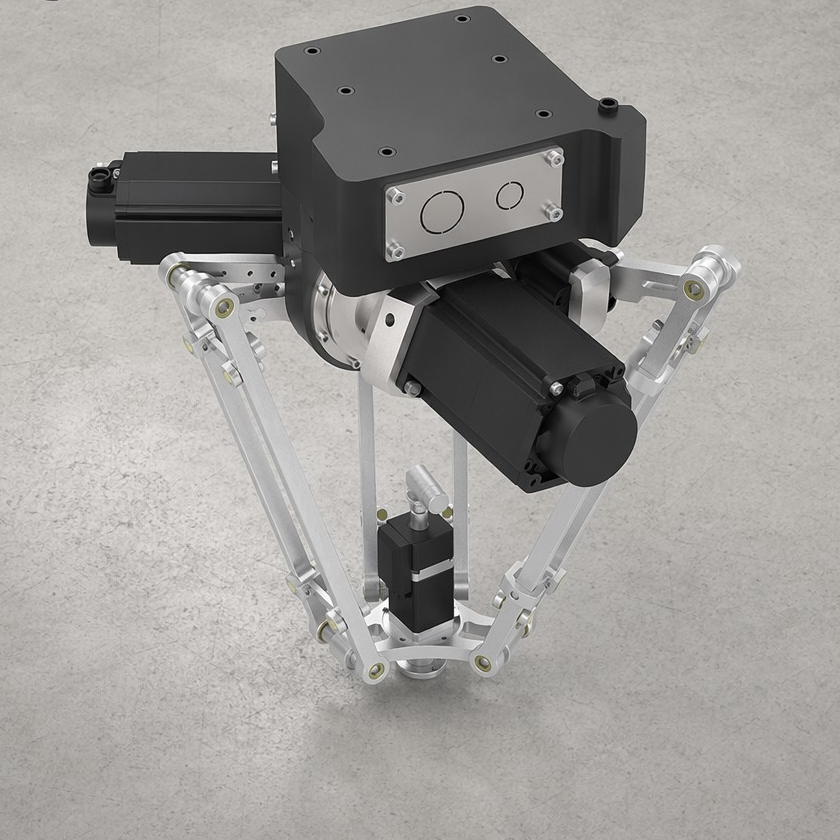 DELTA
Best for light-industry high-speed handling
New Condition High-Speed Industrial Innovative Manipulator Delta Robot for Light Industry
- High-speed
- Light industry
- Innovative manipulator
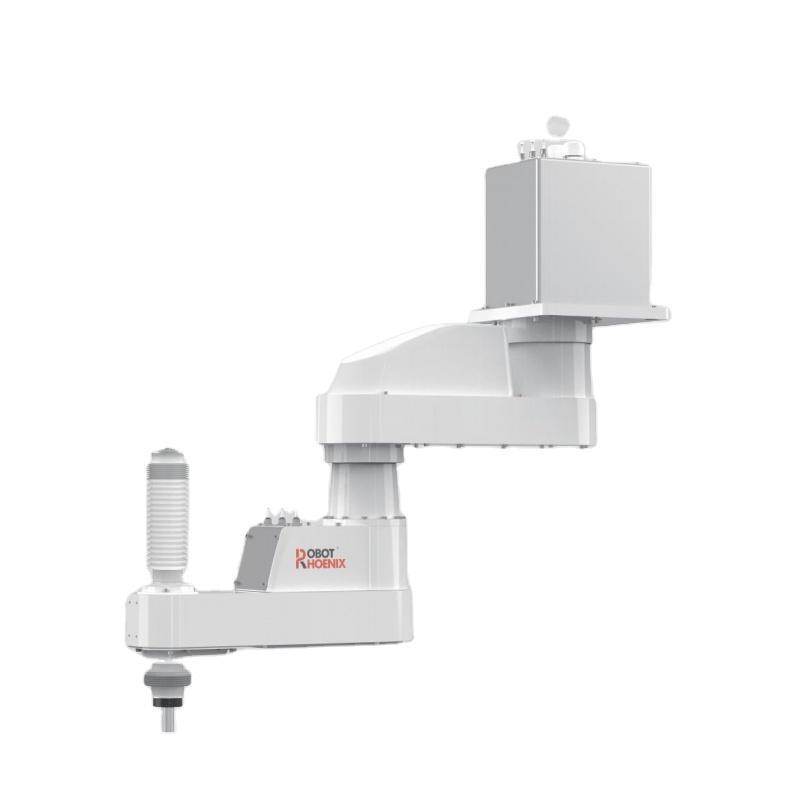 SCARA
Best for compact, cost-sensitive cells
Compact Structure High Precision 550mm Reach Radius 3kg Payload 4-axis SCARA Robot
- 550 mm reach
- 3 kg payload
- Compact structure
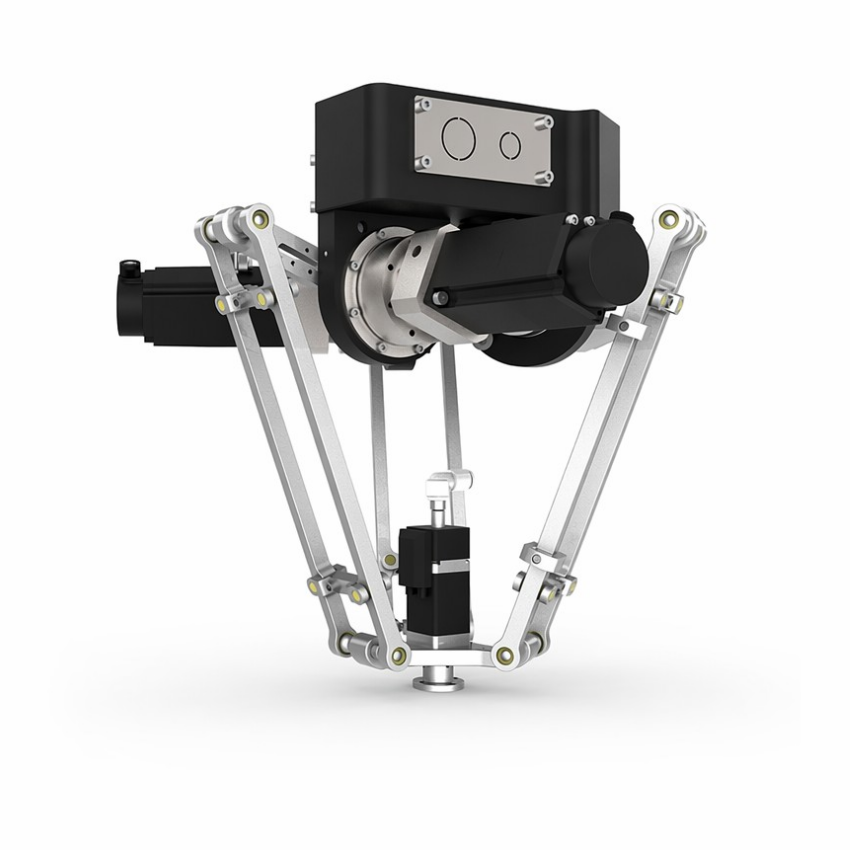 DELTA
Best for vision-tracking pick and place
High Precision Pick and Place 4-Axis Parallel Robot Delta with Vision Tracking System
- 4-axis parallel
- Vision tracking
- High precision
Not sure which architecture fits your line? Send part weight, cycle-time target, conveyor speed, reach requirement and a short video of the current process. The right recommendation should be application-led, not catalogue-led.
Send an InquiryThis Query Is a Factory Audit, Not a Price Search
Procurement teams searching for China top flexible assembly robot factories & exporters are usually shortlisting suppliers. The real decision is whether the factory can prove engineering ownership and repeatable application performance.
Google can show dozens of catalogues, but a serious buyer is not clicking to compare a single robot price. The query usually appears when the project has moved from “Do we automate?” to “Which Chinese factory can actually deliver a stable cell?” That shift changes the scoring model: engineering ownership, application validation, controller openness, export documentation and lifecycle support become more important than a low initial quotation.
Flexible assembly is an outcome, not one machine category. It can be a SCARA robot inserting a connector, a delta robot tracking bottles on a moving conveyor, a vision-guided pick-and-place cell handling mixed SKUs, or an OEM arm integrated into a cartoning or labelling machine. The supplier that wins the order is the one that can convert an application video, part drawing and cycle-time target into a repeatable cell — then support it over multiple shifts.
Three procurement shifts are visible. First, buyers fund a one-set pilot before scaling. Second, they compare total cost per good unit rather than robot price alone. Third, they demand open integration: PLC-ready I/O, fieldbus support, recipe management and spare-parts clarity. A supplier that cannot answer these questions early is a reseller risk, even if the website looks complete.
For that reason, credible China exporters now present evidence in layers: company verification, in-house R&D, controller and vision ownership, ISO 9001 quality management, export terms, response time and application references. JORI, founded in 2012 in Jinan, Shandong, is a useful benchmark for this model because its delta, SCARA, wafer, AGV/AMR and autonomous forklift lines are supported by self-developed controllers and 2D/3D vision, not only assembly of third-party components.
High-intent signals in a buyer brief
- Part weight, centre of gravity and gripper concept
- Required cycle time, number of shifts and OEE target
- Vision, conveyor tracking or mixed-SKU changeover
- PLC, EtherCAT, I/O map and existing machine interface
- MOQ 1 set, lead time, Incoterms and inspection plan
- Spare-parts kit, remote support and operator training
Six Buying Jobs Hidden Inside One Keyword
Semantic search rewards pages that answer the different jobs behind the same phrase. A factory website should speak to each buyer intent clearly, without forcing every visitor into the same catalogue path.
Application qualification
“Which SCARA or delta robot fits my part?” The buyer needs payload, reach, repeatability, end-effector logic and cycle-time evidence before a technical discussion can move forward.
Throughput validation
“Can it track a moving conveyor?” Bottle unscrambling, 3C handling and light-industry picking require live vision demonstrations, not only catalogue speed figures.
Integration compatibility
“Will it work with my PLC and packaging machine?” Machine builders ask for I/O maps, communication protocols, recipe control and controller documentation early.
OEM and private label
“Can you build under my brand?” OEM buyers want stable BOMs, controller customisation, buyer-label options and documentation that supports their own customer promise.
Supplier verification
“Is this a real factory?” ISO 9001, onsite verification, credit profile, trade history, buyer reviews and a documented response rate reduce sourcing risk.
Pilot economics
“Can I buy one set?” A one-set MOQ, realistic lead time, shipping terms and commissioning support let buyers validate a cell before committing capex to a full line.
Six Proof Points Behind a “Top Factory” Claim
The word “top” should be supported by evidence. Buyers comparing China flexible assembly robot exporters should ask for proof in six practical layers.
1. Engineering ownership
Does the factory develop the robot structure, controller and vision, or simply assemble purchased modules? In-house control of motion and vision usually shortens troubleshooting and improves long-term support.
2. Manufacturing and run-in testing
Ask how repeatability, cycle time, I/O behaviour and continuous running are verified before shipment. A factory acceptance test should produce data, not only a video of a robot moving.
3. Application validation
The supplier should test with your part, gripper concept, lighting conditions and conveyor speed. Flexible assembly cells live or die on changeover, calibration and recipe management.
4. Quality documentation
ISO 9001 is a baseline. Buyers should also request inspection records, calibration evidence, controller manuals, spare-parts lists and a clear warranty and service process.
5. Export and commercial governance
Confirm Incoterms, payment currencies, packing method, lead-time assumptions, inspection rights and after-sales escalation. Clear trade terms protect both the buyer and the factory.
6. Lifecycle service
A fair exporter plans for software updates, replacement parts, remote diagnostics and operator training. The goal is not only to deliver a robot but to keep the cell productive.
Inside JORI: A Verified Factory Model for Flexible Assembly Robots
JORI Intelligent Technology Co., Ltd. was founded in 2012 in Jinan, Shandong, China, a national hub for robotics. The company specialises in industrial robot R&D and manufacturing, controller and 2D/3D vision development, OEM support and automated system integration.
Because delta robots, SCARA robots, silicon wafer robots, AGV/AMR platforms, autonomous forklifts, controllers and vision systems are developed in-house and protected by national patents, buyers get one accountable source for hardware, software and after-sales engineering — not a reseller chain.
The factory reports more than 500 employees and more than 10,000 m² of factory area, with ISO 9001 quality management and onsite-verified supplier status. Its products serve machine builders, system integrators and factory owners across Southeast Asia, Eastern Europe, North America, South America and China.
- Independent R&D capability
- Original factory for delta, SCARA and AGV
- Self-developed controller and 2D/3D vision
- ISO 9001 and onsite-verified status
- OEM, design and buyer-label service
- One-stop automation integration
- 10+ years serving overseas markets
- MOQ 1 set and response within about 2 hours



Founded
R&D-driven industrial robot manufacturer in Jinan, Shandong.
Employees
Engineering, production, quality and export support under one organisation.
Factory area
Manufacturing and testing capacity for robots, controllers and automation cells.
Response rate
Average response time of about 2 hours or less for buyer inquiries.
What Flexible Assembly Robots Will Be Expected to Do by 2030
The next procurement cycle will reward factories that can deliver software-enabled flexibility, not only mechanical speed. These six trends should appear in a supplier roadmap.
Vision becomes the primary sensor
2D/3D vision and edge learning are moving from optional add-ons to core cell design. Buyers will expect robust recognition of mixed SKUs, faster recipe changeover and documented lighting and calibration methods.
Force-controlled precision assembly
Insertion, press-fit, screwdriving and delicate handling require force sensing and compliance. In 3C electronics and auto parts, the robot must control contact force as carefully as position.
Modular end-effectors
Quick-change grippers, standard flanges and tool changers reduce changeover time. Flexible assembly buyers will ask how the end-effector library supports new products without rebuilding the whole cell.
Open, PLC-friendly controls
Machine builders prefer robots that integrate cleanly with existing PLCs, fieldbuses and safety logic. EtherCAT, OPC UA, clear I/O maps and sample programs will increasingly influence supplier selection.
Digital twin and offline commissioning
Simulation reduces the risk of reach errors, collisions and slow ramp-up. Export buyers will value factories that can validate a cell digitally before shipment and shorten onsite commissioning.
Compact, efficient and safety-ready cells
Factories face labour shortages and limited floor space. Smaller footprints, lower energy use, safety-zone planning and easier maintenance will matter as much as peak speed.
How Export-Ready Buyers Will Compare Chinese Robot Factories
Price will always matter, but the purchasing scorecard is changing. These six trends reflect how professional buyers are de-risking flexible assembly robot sourcing from China.
Pilot-first capex
A one-set or one-cell trial is becoming standard. Buyers want to validate cycle time, yield, changeover and operator acceptance before committing to a multi-cell rollout. MOQ 1 set removes the excuse for an unproven line.
TCO and service-level clarity
Total cost of ownership includes spare parts, training, remote support, downtime risk and software updates. Exporters should state warranty terms and escalation paths clearly, not hide them in a generic quotation.
OEM and buyer-label demand
Machine builders want a robot platform they can brand and integrate. They look for stable BOMs, custom end-effectors, controller configuration and documentation that supports their own service teams.
A complete proof pack
ISO 9001, onsite verification, test records, manuals, calibration data and trade history are part of the product. Buyers increasingly score the evidence pack alongside the hardware specification.
Lead-time resilience
Shipping disruption and component shortages make delivery planning strategic. Buyers ask about standard-model lead times, buffer stock, spare-part availability and whether multiple robot families share common components.
Commercial clarity
Accepted terms may include FOB, CFR, CIF, EXW, CIP, FCA, CPT and express delivery. Payment can include T/T, L/C, credit card, PayPal, Western Union, MoneyGram and escrow in multiple currencies. Clear terms speed approval.
Match the Robot Architecture to the Assembly Risk
Do not start with a model number. Start with the production risk you need to remove, then request evidence that the factory has solved a similar problem.
| Robot family | Best-fit job | Evidence to request | Typical buyer question |
|---|---|---|---|
| SCARA robot | 3C electronics, connector insertion, small-part assembly and precise placement in a compact cell. | Repeatability report, cycle-time test, end-effector concept, I/O map and changeover method. | Can it hold precision over long shifts without constant re-teaching? |
| Delta robot | High-speed picking, bottle unscrambling, light-industry handling and conveyor-linked packaging. | Vision-tracking demo, continuous running data, hygiene or protection options and gripper design. | Can it track moving products at my line speed? |
| Vision-guided cell | Mixed SKUs, random orientation, inspection-linked picking and flexible feeding. | Lighting plan, calibration routine, recipe management and false-reject data from a similar part. | How long does a product changeover take? |
| Articulated / precision assembly arm | Multi-angle handling, precision assembly, machine tending and compact automation zones. | Reach study, collision-risk review, force-control option and maintenance access plan. | Can it integrate with my existing fixtures and safety logic? |
| AMR / AGV and autonomous forklift | Line-side material delivery, pallet movement and internal logistics that support flexible assembly. | Laser SLAM layout review, fleet-management demonstration and charging strategy. | Will it work in our aisles without floor tape? |
Figures and configurations must be confirmed per application. A responsible factory will validate your part, layout and cycle-time target before locking a final specification.
From One Set to Stable Output
A disciplined pilot protects both buyer and exporter. The fastest route to a reliable flexible assembly cell is a short, evidence-based sequence.
Application data pack
Share part CAD or samples, weight, centre of gravity, cycle-time target, conveyor speed, environment and existing PLC or machine interface.
Simulation and risk review
Confirm reach, vision field, gripper concept, safety zone and changeover logic. Identify what must be tested physically before quotation.
Factory acceptance test
Validate cycle time, repeatability, recipe switching, I/O behaviour and continuous running. Record the result so both sides know what “good” looks like.
Scale and support
After the pilot, standardise spare parts, operator training and service escalation. Scale to additional cells only when the first cell is stable.
Questions Buyers Ask Before a Factory Visit
Clear answers shorten the sourcing cycle. These are the questions that most often decide whether a China flexible assembly robot factory advances to the next round.
What does “top” mean when comparing China flexible assembly robot factories?
In practice, “top” should mean verifiable engineering capability, not just a large catalogue. Look for in-house controller and vision development, application validation with your part, ISO 9001 quality management, clear export documentation, stable spare-parts support and a realistic pilot process. A factory that can explain its test method is usually more useful than one that only lists model numbers.
What is the minimum order quantity for JORI industrial robots?
Standard delta robots, SCARA robots and AMR/AGV platforms can be ordered from one set. This allows buyers to validate a single cell or pilot line before scaling up. For custom end-effectors or OEM configurations, the scope and validation plan should be agreed before the order is finalised.
Should I choose a SCARA robot or a delta robot for flexible assembly?
Choose a SCARA robot for planar assembly, insertion, precise placement and compact cells. Choose a delta robot for very fast, lightweight pick-and-place from moving conveyors, especially where vision tracking and high throughput matter. Share part weight, reach, cycle time and layout, and ask the factory to justify the architecture with a reach and cycle-time study.
Can JORI robots integrate with existing packaging machines and PLCs?
Yes. JORI develops its own controllers and 2D/3D vision, offers PLC-ready delta robots for cartoning machines, and supports machine builders such as wet-wipe lid applicator and carton packer manufacturers. Buyers should supply the existing machine interface, I/O list and communication protocol during the technical review.
Does JORI offer OEM, private-label or custom robot solutions?
Yes. JORI provides OEM service, design service and buyer-label options. The company supports machine builders with custom end-effectors, controller integration and automated system integration. For OEM projects, ask for the BOM control method, documentation package, branding process and change-control procedure.
Which delivery and payment terms are accepted?
Accepted delivery terms include FOB, CFR, CIF, EXW, CIP, FCA, CPT and express delivery. Accepted payment methods include T/T, L/C, credit card, PayPal, Western Union, MoneyGram and escrow, with multiple currencies available. Final terms depend on destination, order value and project scope, so they should be confirmed in the quotation.
How quickly will I receive a reply, and what should I send?
JORI maintains an average response time of about two hours or less and a response rate of 97.06%. To speed up the technical review, send part photos or CAD, weight and centre of gravity, required cycle time, conveyor speed, reach requirement, existing PLC or machine details and any safety or documentation expectations.
How can I verify the factory before placing an order?
Review the company profile, ISO 9001 status, onsite verification, credit profile, trade capacity, transaction history and buyer reviews. Then ask application-specific questions: what similar part has been tested, what acceptance data will be provided, what spare-parts kit is recommended and who will support commissioning. A factory that answers with evidence is a safer partner than one that answers with price alone.
Build Your Flexible Assembly Cell With a Verified Factory
Send your product, cycle-time target, layout and integration requirements. The fastest path to a reliable quotation is a short application brief — not a generic request for “best price”.
Send an Inquiry