China Top Industrial Palletizer Wholesaler & Wholesalers
A buyer’s whitepaper for sourcing robot-based end-of-line automation with in-house controllers, 2D/3D vision, ISO 9001 manufacturing discipline, OEM support and a documented response rate of 97.06% within 2 hours.
8 Industrial Robot Modules for Palletizing, Sorting and Pick-and-Place Lines
Wholesale sourcing begins with the motion platform, not the catalogue cover. These eight factory-direct robot modules support high-speed infeed, case packing, sorting, tray loading and compact assembly cells that feed or complement robotic palletizers. Every link below preserves the original product URL so buyers can verify payload, repeatability, IP protection and integration options before requesting a quotation.
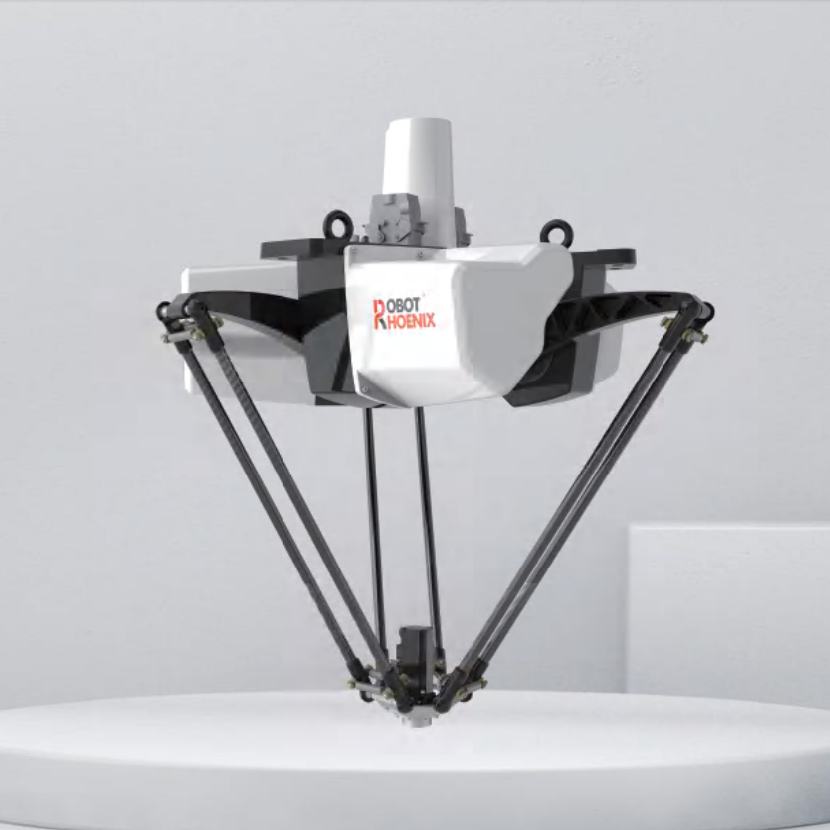
Robotphoenix 4 Arm Payload 3-6kgs Delta Robot for Pick Place Consumer Goods
Best for: consumer-goods picking, high-speed sortation and palletizer infeed.
View Product →
High-Precise Industrial Scara Robot Arm Scara Robot for Pick and Place in Light Industry
Best for: compact placement, light assembly and high-accuracy product transfer.
View Product →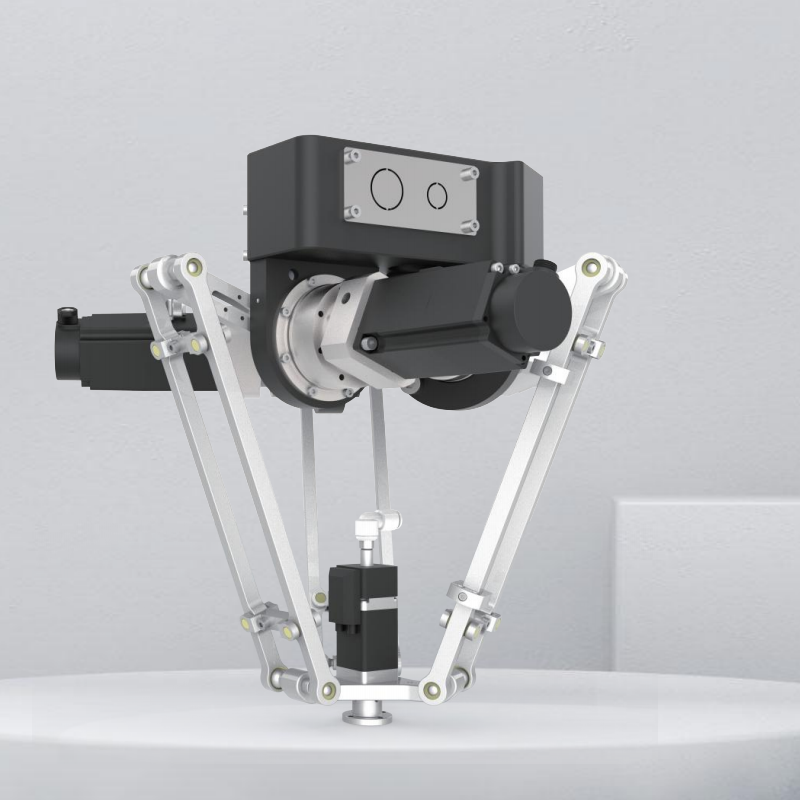
High Speed 3kg Load Industrial Delta Robot Arm with IP54 Protection for Robotic Pick& Place
Best for: fast picking in food, daily chemical and light packaging environments.
View Product →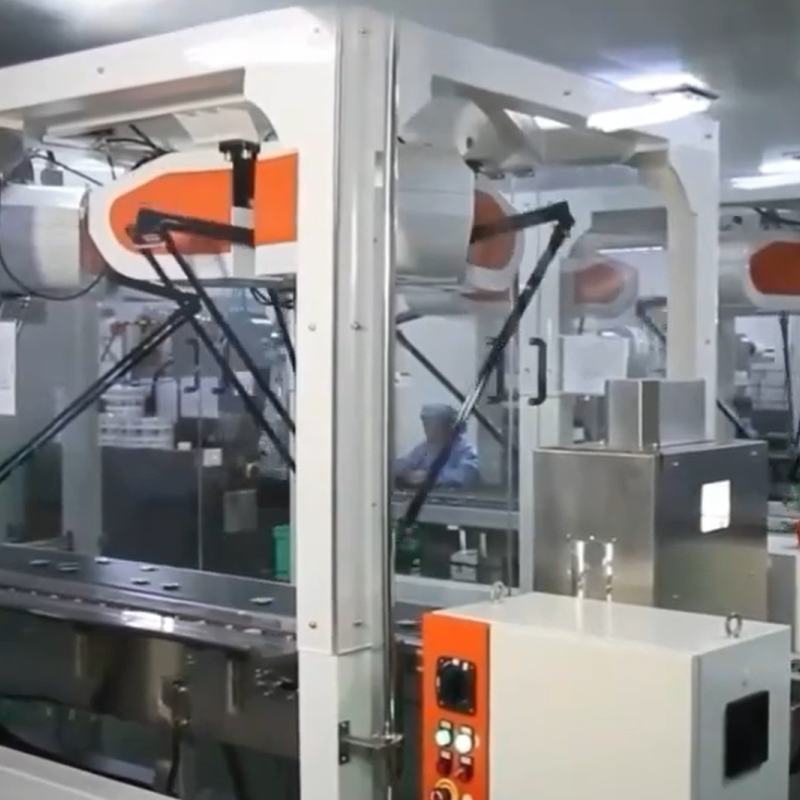
6kg Payload IP54 Protection Grade Pick Place Sorting Parallel Robot with Robot Gripper
Best for: heavier high-speed sorting, gripper-based transfer and packaging lines.
View Product →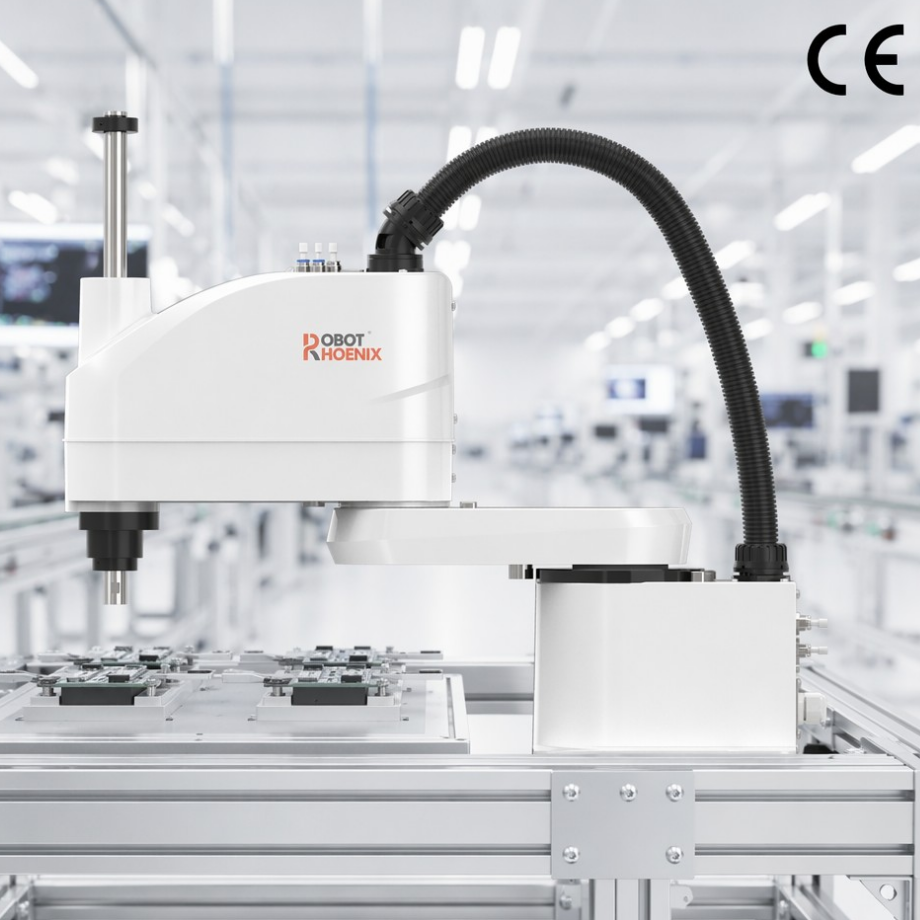
New Design Compact High Accuracy Industrial Robot Arm Scara with 2D/3D Vision System
Best for: vision-guided placement, small-cell automation and flexible packaging.
View Product →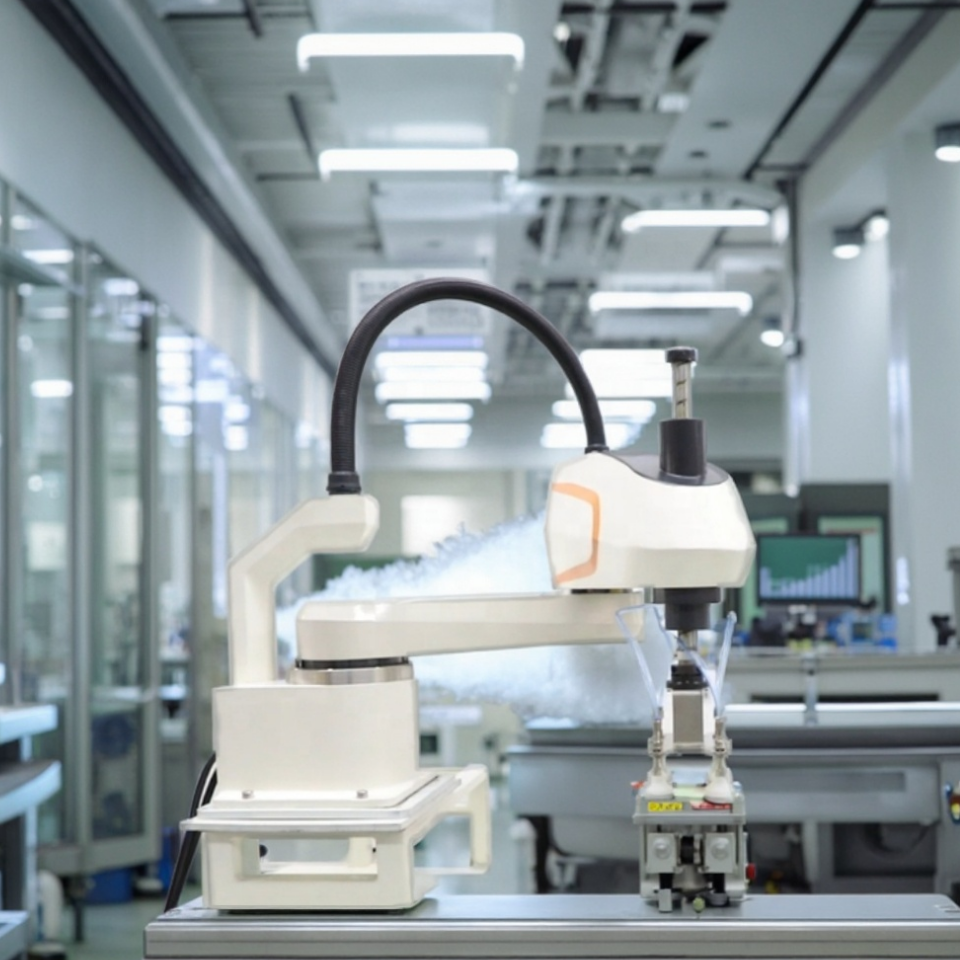
Industrial 4-Aixs Robot Arm Scara Robot Arm with Vision System for Auto Parts Industry
Best for: auto-parts handling, insertion and vision-assisted assembly operations.
View Product →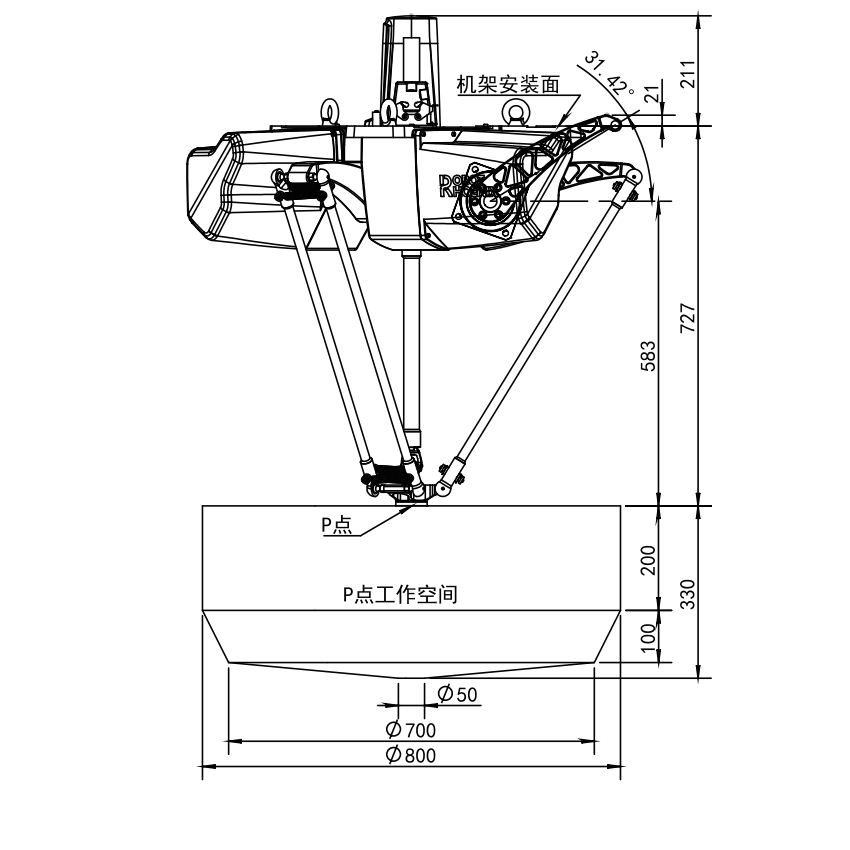
Industrial Delta Robot High Efficiency Parallel Robot for Goods Picking Placing Sorting
Best for: high-cycle goods picking, sorting and end-of-line automation modules.
View Product →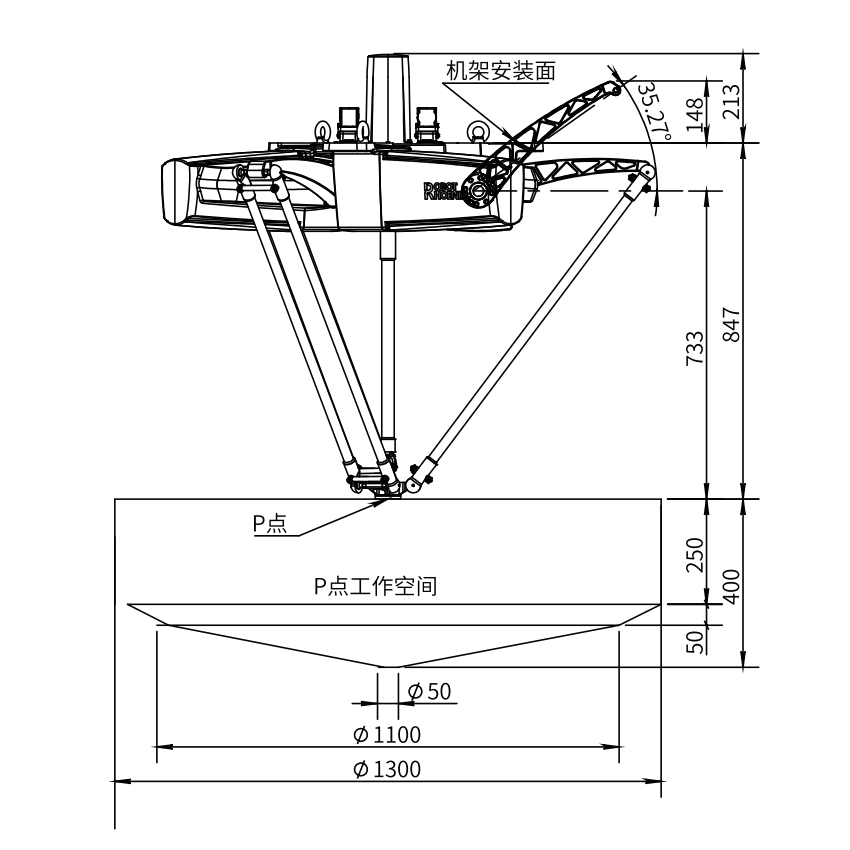
Industrial Robotic Arm Parallel Robot 2/3/4 Axis Delta Robot for Pick&Place Application
Best for: machine builders needing a configurable delta platform for OEM cells.
View Product →For palletizer OEMs, system integrators and distributors: share your product weight, conveyor speed, gripper concept and line layout. If a catalogue URL does not match your application, use the Contact Us button to request a configured robotic module.
What “China Top Industrial Palletizer Wholesaler & Wholesalers” Should Prove
China remains one of the most concentrated sources of robot-based end-of-line automation, but the phrase “China top industrial palletizer wholesaler & wholesalers” hides a wide quality gap. A credible factory-direct wholesaler should shorten the path from enquiry to commissioning by owning motion control, vision, mechanical design and quality documentation. It should also support OEM and buyer-label programs, publish verifiable company credentials and provide engineering evidence for cycle time, repeatability and total cost of ownership.
For procurement teams, the objective is not to secure the lowest initial price. The objective is to acquire a repeatable automation asset that can be validated with one set, replicated across plants and serviced over a five- to ten-year lifecycle. That is why this guide separates product recommendations from supplier due diligence. JORI Intelligent Technology Co., Ltd. has developed delta, SCARA, AGV/AMR, autonomous forklift and wafer-handling platforms in-house since 2012, with ISO 9001 quality management, national patents and export experience across Southeast Asia, Eastern Europe, North America, South America and China.
Palletizer Sourcing Readiness
A practical scorecard for comparing wholesale automation offers before the RFQ stage.
How to Evaluate a China Industrial Palletizer Wholesaler
Use the same six dimensions for a robotic palletizer, a layer palletizer, a case-packing cell or a high-speed pick-and-place line. The supplier’s capability matters more than a generic “top wholesaler” label.
1. In-House R&D and Patents
A true manufacturer can explain the robot arm, controller, servo tuning and vision architecture together. JORI develops delta, SCARA, wafer, AGV/AMR robots, controllers and 2D/3D vision in-house, supported by national patents. Ask for evidence: controller model, vision interface, software version control and test reports.
2. Factory-Direct Cost Base
Wholesalers add value when they consolidate specifications, spare parts and technical communication — not when they hide the factory. Request factory audit documents, production photos, test videos and the exact legal entity. JORI is an onsite-verified manufacturer based in Jinan, Shandong, with a 10,000+ m² factory and MOQ from one set.
3. Quality System and Traceability
ISO 9001 is the baseline, not the finish line. A palletizer wholesaler should document incoming component inspection, assembly checkpoints, run-in tests and final calibration. For food, pharma or hygiene projects, ask about IP protection, washdown strategy, lubricant compatibility and cleanroom options.
4. Application Engineering
A catalogue robot is not a palletizer cell. The supplier must confirm gripper design, product orientation, conveyor tracking, safety fencing, PLC handshakes and reject handling. JORI’s PLC-ready delta platforms and self-developed controllers are suited to machine builders, cartoning lines and automated system integration.
5. Global Service Response
Response speed is a procurement metric. JORI reports a 97.06% response rate and an average reply time of 2 hours or less. For overseas buyers, confirm documentation language, remote support process, spare-parts recommendations and commissioning responsibility before purchase.
6. Commercial and Shipping Clarity
Accepted terms include FOB, CFR, CIF, EXW, CIP, FCA, CPT and express delivery. Payment can be handled through T/T, L/C, credit card, PayPal, Western Union, MoneyGram and escrow, in USD, EUR, GBP, JPY, CAD, AUD, HKD, CHF and CNY. Clear terms reduce hidden coordination cost.
Which Robot Platform Fits Your Palletizing or Packaging Project?
Use this application-led shortlist to align the product recommendation with the real production constraint: speed, compactness or vision-guided flexibility.
Delta Robots for Fast Pick, Sort and Palletizer Infeed
Choose a 3–6 kg delta platform when lightweight products arrive randomly on a conveyor and cycle time is the bottleneck. IP54 versions support daily chemical, food and packaging environments. Pair with vision for orientation checks, defect rejection and pack-pattern verification before the palletizer layer.
SCARA Robots for Precision Placement and Assembly
Choose a 4-axis SCARA robot when the cell needs accurate planar motion in a small footprint. Mini and compact SCARA models suit electronics, auto parts and light-industry pick-and-place. For space-constrained wholesale projects, SCARA can reduce guarding volume and simplify manual loading access.
Controller + 2D/3D Vision for Machine Builders
For OEM carton packers, lid applicators and custom end-of-line machines, integrate a delta or SCARA platform with JORI’s in-house controller and 2D/3D vision. This creates one accountable technical path for motion, inspection and PLC communication, instead of mixing multiple vendors during commissioning.
How Palletizer Buyers Will Source from 2025 to 2030
Wholesale purchasing is moving from “machine price” to “repeatable automation asset”. These four shifts should shape your next RFQ.
Modular Cells Over Standalone Machines
Buyers will increasingly standardize robot modules, controllers and vision across multiple lines. A modular palletizer platform lowers engineering repetition, spare-part variety and operator training time.
TCO and Energy per Cycle
Procurement teams will compare energy consumption, maintenance intervals and changeover time, not only purchase price. Suppliers that document lifecycle assumptions will win more repeat orders.
Multi-Plant Standardization
Global manufacturers will ask wholesalers for one specification package, one spare-parts list and one training standard that can be deployed across countries without redesigning the cell.
Digital Validation and Remote FAT
Video acceptance tests, digital twins and remote PLC review will reduce travel before shipment. Buyers will expect simulation evidence for reach, cycle time and changeover before approving the final design.
Six Technical Trends Shaping the Next Generation of Palletizer Robots
The direction is clear: more intelligence at the edge, more protection in harsh environments and more flexibility for high-mix production.
Vision-First Robot Control
2D/3D vision is moving from optional inspection to core motion input. Vision can identify product orientation, verify pack patterns, detect defects and support random picking before the palletizer layer is formed.
Higher Protection and Hygiene
IP54 and higher protection grades will expand into food, daily chemical and pharmaceutical projects. Easy-clean surfaces, sealed cable routing and material compatibility will become RFQ requirements.
AMR + Palletizer Integration
Laser SLAM AMRs and autonomous forklifts will connect palletizing output to warehouse flow. Instead of fixed conveyor endpoints, mobile robots can move full pallets to dynamic storage or staging zones.
Modular End-Effectors
Quick-change grippers, vacuum arrays and tooling standards will reduce changeover time. Machine builders will prefer platforms that accept custom end-effectors without redesigning the robot interface.
Digital Twin and Offline Programming
Simulation will shorten commissioning and improve changeover planning. Buyers will ask for robot reach, cycle-time and layout data before placing a wholesale order, especially for multi-line rollouts.
Energy Efficiency and Safety by Design
Servo tuning, lightweight arms and smart standby modes will reduce energy per cycle. Safety fences, light curtains, safe-speed logic and risk assessment documentation will be evaluated together.
Why Buyers Shortlist JORI as a Factory-Direct Robot Partner
JORI Intelligent Technology Co., Ltd. combines robot hardware, controller and vision development with OEM support and automated system integration. The following advantages are especially relevant to palletizer wholesalers, machine builders and distributors.
Founded in 2012 in Jinan
JORI was founded in 2012 in Jinan, Shandong, a national robotics hub. More than a decade of R&D and export work supports buyers who need stable engineering communication, not a one-season trading company.
10,000+ m² Factory and 500+ Employees
The company operates a 10,000+ m² factory area with a team of more than 500 employees. This supports assembly, testing, documentation and export coordination for wholesale and OEM programs.
In-House Controller, Vision and Patents
Delta, SCARA, AGV/AMR, autonomous forklift and wafer-handling robot platforms are developed with in-house controllers and 2D/3D vision. National patents reduce the risk of undocumented dependencies during integration.
ISO 9001 and Onsite Verification
JORI holds ISO 9001 quality management certification and is an onsite-verified manufacturer. Buyers can review supplier assessment, credit profile, trade capacity and transaction records before ordering.
OEM, Design Service and Buyer Label
JORI provides OEM service, design service and buyer-label options for machine builders. Custom end-effectors, controller integration and automated system integration can be discussed at the inquiry stage.
Export Experience and Fast Response
JORI serves buyers in Southeast Asia, Eastern Europe, North America, South America and China, with a 97.06% response rate and average reply time of 2 hours or less. MOQ starts from one set for pilot verification.
Wholesaler Due Diligence Before You Approve the Quote
A compact comparison framework for procurement, engineering and finance teams.
| Evaluation Area | Evidence to Request | Why It Matters | Red Flag |
|---|---|---|---|
| Company Identity | Legal name, factory address, onsite audit, product-line ownership | Confirms whether the wholesaler is factory-direct or a multi-layer reseller | Only a generic email and no verifiable production address |
| Technical Fit | Payload chart, cycle-time calculation, reach drawing, vision and PLC interface | Prevents buying a robot that cannot meet line speed or product orientation | Claims “high speed” without part weight, pattern or cycle definition |
| Quality System | ISO 9001 certificate, incoming inspection records, run-in checklist | Shows whether quality is controlled by process or by final visual check | No test report or calibration record offered |
| Commercial Terms | MOQ, Incoterms, payment methods, spare-parts list, packaging plan | Reduces hidden logistics and currency risk in international purchase | No clear packing method or spare-parts recommendation |
| Service Model | Response-time evidence, remote support process, commissioning scope | Protects uptime after the robot enters production | No named engineering contact after shipment |
Industrial Palletizer Wholesaler FAQ
Direct answers for procurement teams comparing robot modules, OEM support and cross-border supply terms.
What is the minimum order quantity for JORI industrial robots?
Standard delta robots, SCARA robots and AMR/AGV platforms can be ordered from 1 set. This allows buyers to validate a single cell, pilot line or palletizer infeed module before scaling to multiple production sites. For custom end-effectors or buyer-label programs, MOQ and tooling requirements should be confirmed during engineering review.
Can JORI supply a complete palletizer solution, not only a robot arm?
JORI’s core catalogue focuses on robot platforms, controllers, vision and automation integration. A complete robotic palletizer requires application engineering for grippers, safety, conveyor interfaces, PLC communication and layer-pattern logic. Buyers should share product dimensions, weight, cycle time and layout so the engineering team can define the correct module scope and identify which parts are supplied by JORI or by the local integrator.
Should I choose a delta robot or a SCARA robot for my line?
Choose a delta robot for very fast, lightweight pick-and-place from moving conveyors, typically in the 3–6 kg range. Choose a SCARA robot for planar assembly, insertion, precise placement and compact cells where footprint is critical. If the application involves heavier palletizing payloads, share the details with JORI engineering so the recommended platform is based on cycle time, reach and product orientation rather than catalogue family alone.
Does JORI support OEM or private-label machine builders?
Yes. JORI provides OEM service, design service and buyer-label options for machine builders and distributors. Support can include custom end-effectors, controller integration and automated system integration. This is especially relevant for cartoning machines, wet-wipe lid applicator lines and packaging equipment that needs a PLC-ready robot module under the machine builder’s own brand.
Which delivery and payment terms are accepted?
Accepted delivery terms include FOB, CFR, CIF, EXW, CIP, FCA, CPT and express delivery. Accepted payment methods include T/T, L/C, credit card, PayPal, Western Union, MoneyGram and escrow, in USD, EUR, GBP, JPY, CAD, AUD, HKD, CHF and CNY. The final term should be confirmed in the quotation according to destination, order scope and project schedule.
Can JORI robots integrate with existing packaging machines?
Yes. JORI develops its own controllers and 2D/3D vision, and offers PLC-ready delta robots for cartoning machines and related packaging equipment. Integration discussions should include I/O handshakes, safety logic, conveyor tracking, reject handling and the required communication protocol. For older machines, a joint review of electrical drawings and mechanical interfaces is recommended before order confirmation.
Request a Palletizer Module Recommendation
Send your product weight, cycle time, conveyor layout, gripper concept and target market. Our engineering and export team will reply with a configured robot platform, OEM options and the next technical questions.