China Top Machine Loading Robot Supplier & Exporters
Buy high-speed delta robots, 4-axis SCARA robots and vision-guided loading cells from a verified Chinese manufacturer with in-house controllers, 2D/3D vision and one-stop automation integration.
- 3–6 kg payload
- 0.08 mm repeatability
- Vision tracking
- MOQ 1 set
- ≤2 h response
8 Ready-to-Quote Robot Configurations for Loading, Unloading and Pick-and-Place
These eight models are the practical starting points for packaging lines, carton loading, food sorting, electronics handling and vision-guided pick-and-place. Each product link preserves the original catalogue URL for fast technical review.
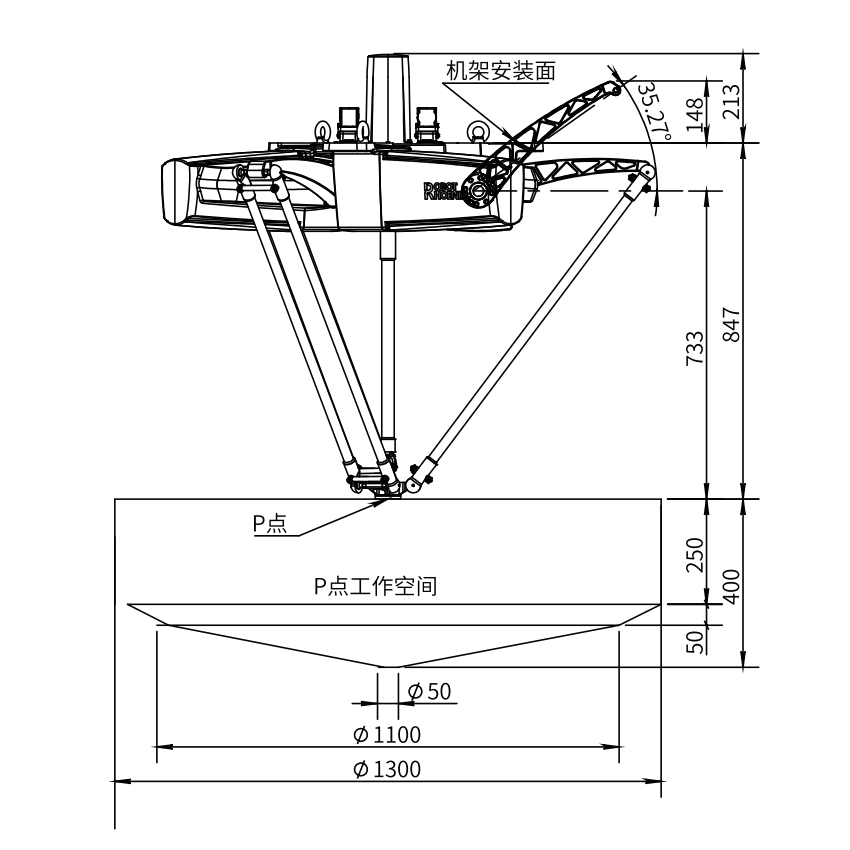
Industrial Robotic Arm Parallel Robot 2/3/4 Axis Delta Robot for Pick&Place Application
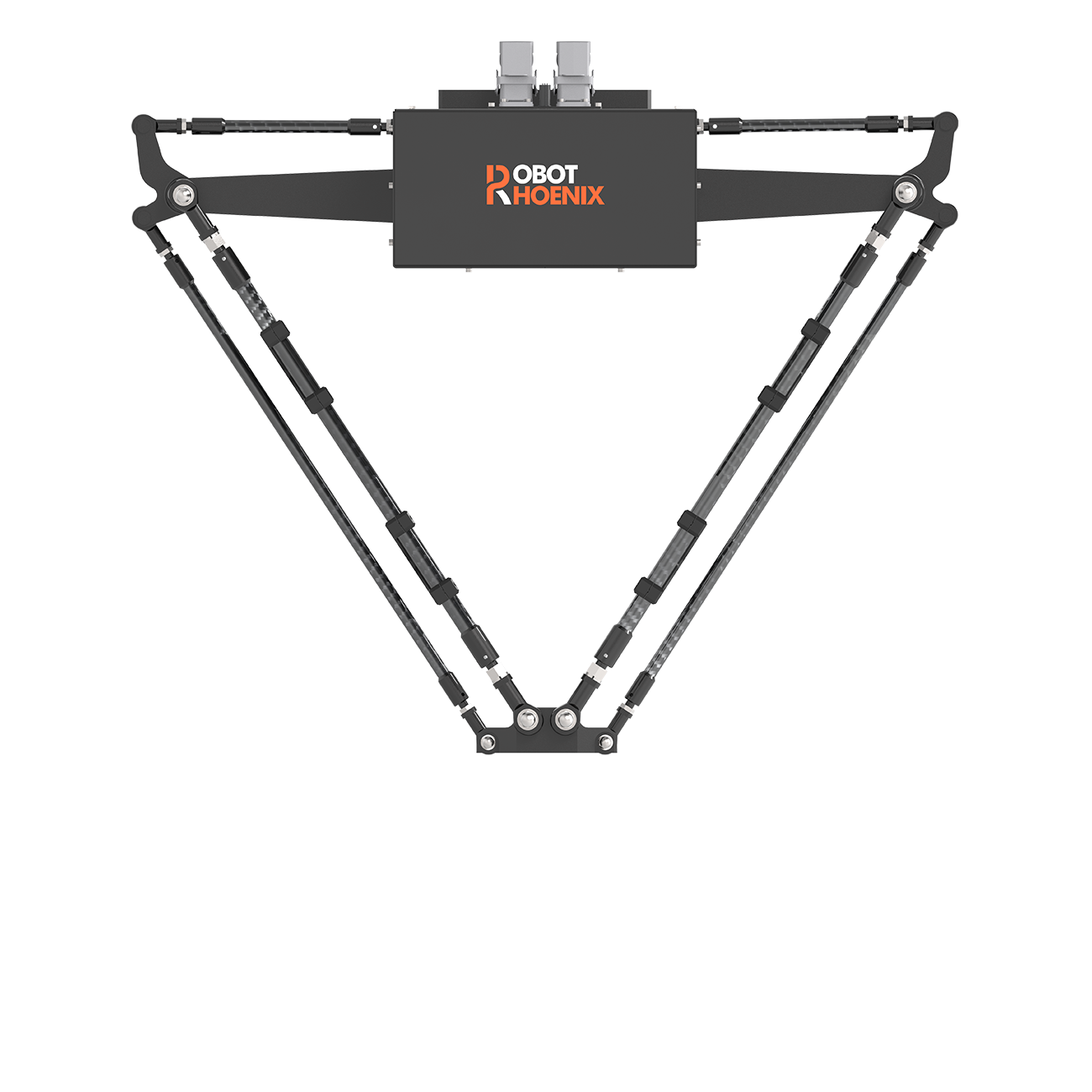
Industrial Manipulator High Speed and Accuracy Delta Robot with New Design Kinetics
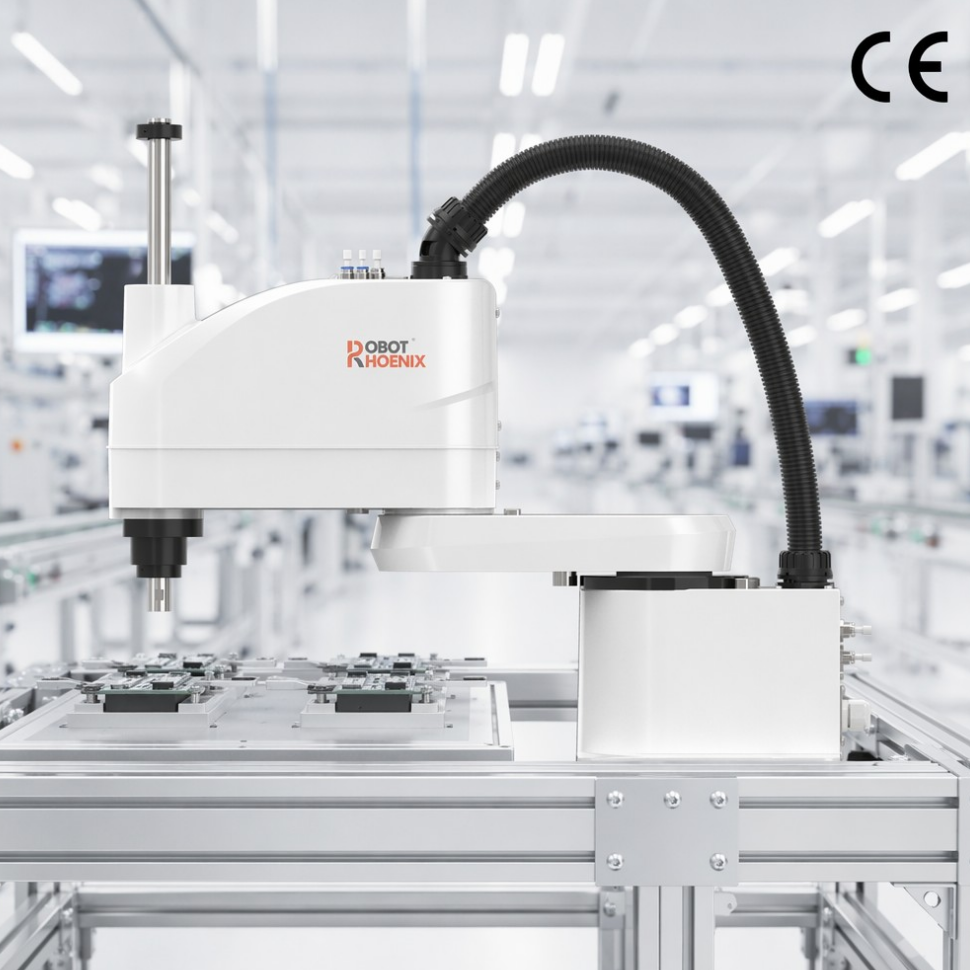
High Speed and Accuracy Newly Developed Industrial Robot Arm Four Axis Scara Robot
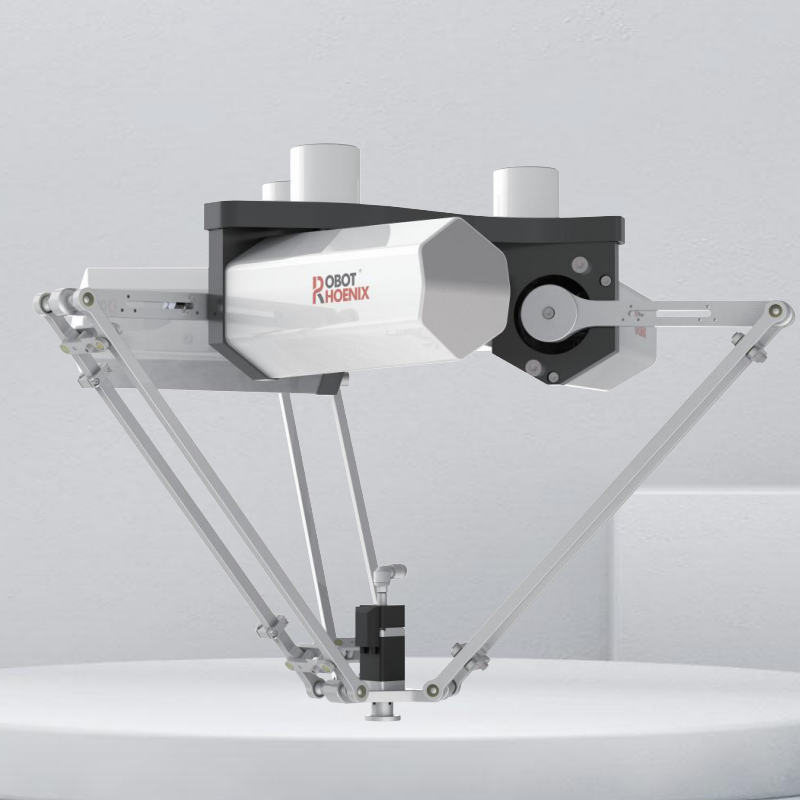
Robotphoenix New Design Industrial Robot Delta 6kg Payload 0.08mm Repeatability 2/3/4 Axis
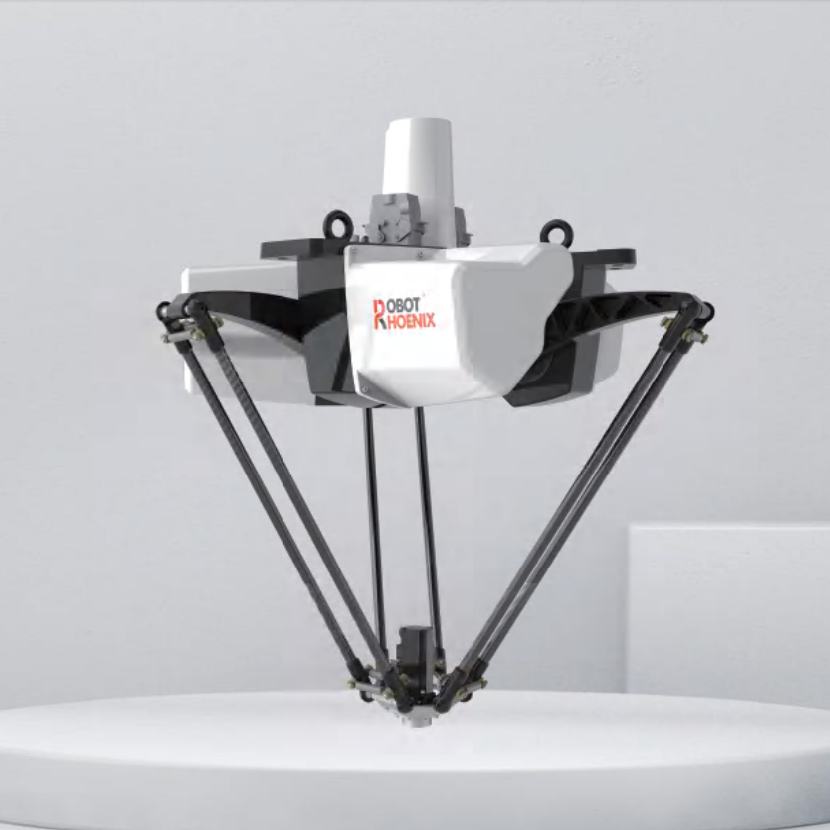
Robotphoenix 4 Arm Payload 3-6kgs Delta Robot for Pick Place Consumer Goods
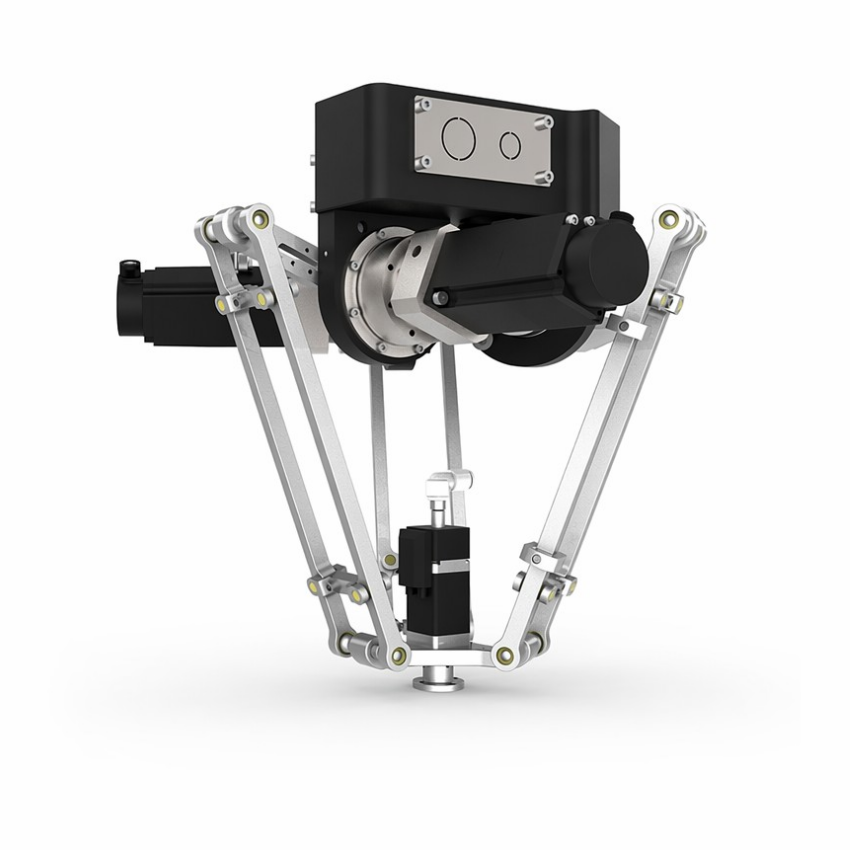
High Precision Pick and Place 4 Aixs Parallel Robot Delta with Vision Tracking System
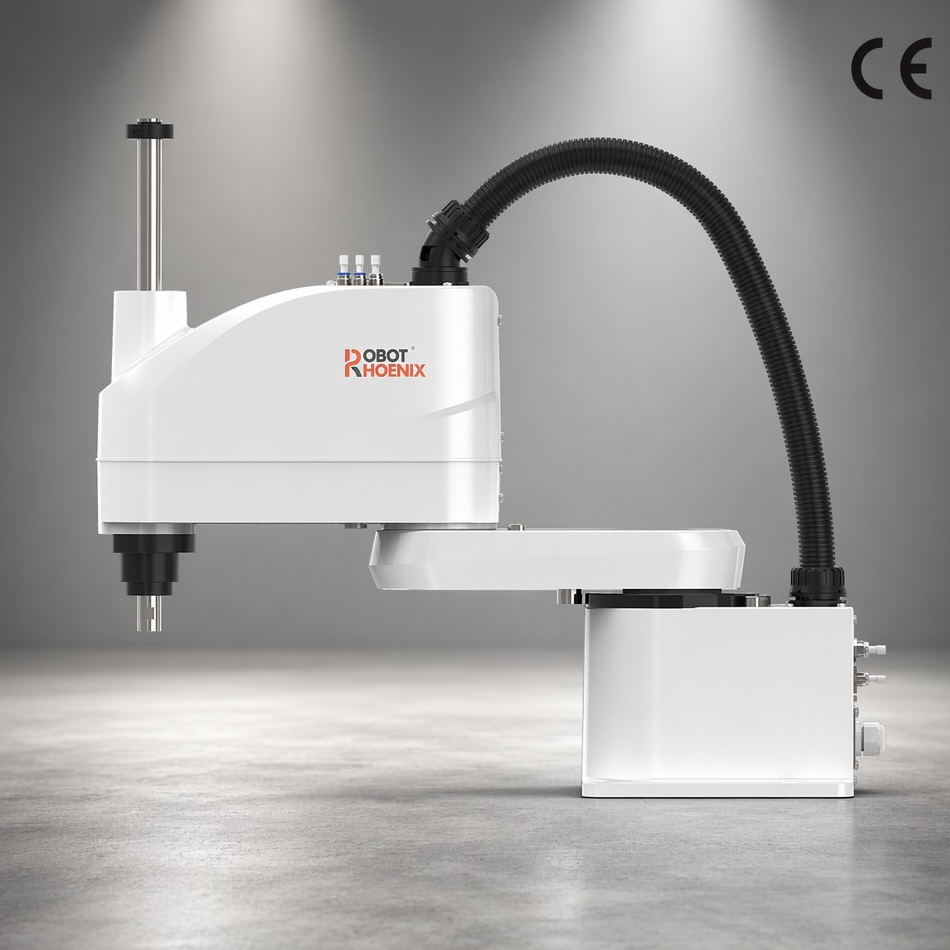
High Efficiency 6kg Payload Manipulator Scara Robot with Vision for Picking and Placing
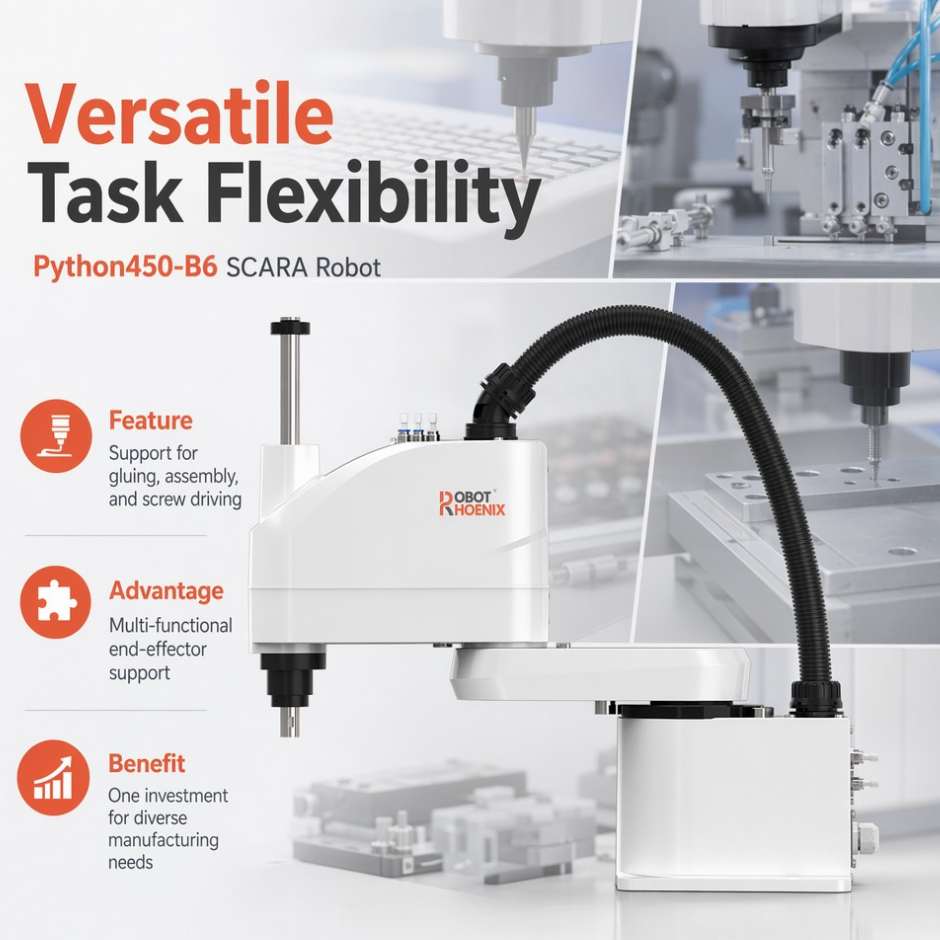
Four-Axis Industrial Robot Hand SCARA for Loading/Unloading and Sorting in Food Industry
All models above are supplied factory-direct with optional OEM support, custom end-effectors, controller integration and 2D/3D vision configuration.
Founded as an R&D-driven robot manufacturer
Employees across engineering, production and service
m² factory area for robot assembly and testing
Response rate, with average reply time ≤2 hours
What Machine Loading Robot Buyers Are Really Solving For
A machine loading robot is not simply an arm on a pedestal. It is a production cell built around part presentation, cycle time, changeover, safety and serviceability.
Buyers searching for a China top machine loading robot supplier & exporters usually have three search intents. The first is a fast, comparable quotation for a standard delta robot or SCARA robot. The second is a technical match: payload, reach, repeatability, vision, conveyor tracking, PLC integration and end-of-arm tooling. The third is risk reduction: verifying the factory, understanding spare parts, confirming controller ownership and checking export records before placing a pilot order.
The most common mistake is comparing robot arms as if they are commodity components. In real production, a 0.08 mm repeatability delta robot can still miss output targets if the product arrives inconsistently, the end-effector is poorly designed or the vision system was not validated under the plant’s lighting. A capable supplier should therefore discuss the whole loading cell: robot, controller, vision, gripper, product infeed, safety guarding, line communication and operator changeover.
For procurement teams, the strongest information gain comes from a pilot-line qualification model. Start with one set, run your own parts, measure cycle time at the conveyor, record mis-picks, inspect changeover time and request the spare-parts list before scaling. This is especially important for carton loading, bag-in-box, food sorting, blister handling and electronics tray loading, where part presentation variance is usually larger than the robot catalogue tolerance suggests.
JORI’s product range is aligned with this reality. Delta robots handle high-speed pick-and-place from moving conveyors, 4-axis SCARA robots handle precise planar loading and placement, and vision-guided models reduce dependence on manual fixture alignment. When these robots are paired with an in-house controller and 2D/3D vision, the buyer has one accountable source for the robot, software and integration support rather than a chain of resellers.
Which Loading Robot Should You Shortlist First?
Use this quick recommendation layer to match the robot family to the physical job, then confirm final specifications with JORI’s engineers.
High-Speed Carton & Tray Loading
Choose a 2/3/4-axis delta robot when light products arrive continuously or randomly on a conveyor. Prioritise 3–6 kg payload, stable repeatability, PLC-ready communication and an end-effector designed for your product surface. For cartoning lines, ask for cycle-time validation with your actual box and product orientation.
Precision Assembly & Machine Tending
Choose a 4-axis SCARA robot when the task requires compact footprint, planar reach, insertion and repeatable placement. SCARA robots are often the better choice for electronics, small-parts loading, inspection and secondary packaging where the cell must fit into existing floor space without waiting for a large delta envelope.
Random Pick & Vision-Guided Loading
Choose a vision-enabled delta or SCARA robot when parts are randomly oriented, translucent, shiny or supplied in mixed batches. Request sample testing under your lighting. A good vision supplier will report recognition rate, false-pick rate, calibration method and recovery behaviour after a missed pick.
Machine Loading Robot Procurement Trends for 2025–2030
Buyers are moving from “lowest FOB price” to measurable lifetime performance, verified suppliers and flexible pilot deployment.
1. Total Cost of Ownership Replaces Sticker Price
Procurement teams now compare integration, spare parts, training, changeover time and downtime risk. A slightly higher robot price can be cheaper over five years if the controller and vision are supported by the same factory and spare parts arrive within the agreed lead time.
2. Pilot Line Before Multi-Line Rollout
MOQ 1 set matters because buyers want to validate one loading cell before committing to a fleet. A supplier that supports pilot documentation, cycle-time reports and operator feedback is easier to scale than one that only quotes catalogue robots.
3. Single-Source Controller and Vision
When the controller and 2D/3D vision are in-house, engineering accountability is clearer. This reduces the “robot vendor blames vision vendor” problem and simplifies software updates, calibration support and PLC communication.
4. Verifiable Supplier Data Before Deposit
International buyers increasingly request onsite verification, ISO 9001 evidence, patent lists, export records, transaction history and buyer reviews. A transparent factory profile shortens the approval process for distributors, system integrators and end users.
5. Modular Cells and Faster Changeover
Packaging lines change products more often. Buyers are asking for quick-change grippers, recipe management, conveyor tracking and modular safety guards so one robot cell can handle multiple SKUs without long mechanical reset time.
6. Local Service and Software Lifecycle
After-sales support is now part of the quotation. Ask for spare-parts recommendations, remote support capability, firmware update policy and training materials. A robot that cannot be maintained locally becomes a production risk, not an automation asset.
Where Machine Loading Robot Technology Is Moving
The next generation of loading robots is being shaped by vision, software integration, hygiene, energy efficiency and multi-robot coordination.
Higher Speed Without Sacrificing Stability
Delta robots remain the benchmark for lightweight high-speed picking. Development is focused on lightweight arms, optimised kinematics and motion planning that maintains repeatability while reducing vibration at the end-effector.
Vision and AI-Based Part Recognition
2D and 3D vision are becoming easier to deploy. Future loading cells will use AI-assisted recognition to handle mixed SKUs, random orientation and translucent packaging, with fewer mechanical fixtures and faster line changeover.
Compact SCARA and 4-Axis Integration
SCARA robots are becoming more compact and easier to communicate with PLCs, vision controllers and safety systems. This supports machine builders who need a precise loading robot inside an existing enclosure rather than a large standalone cell.
Hygienic and IP-Ready Designs
Food, wet-wipe, pharmaceutical and daily-chemical lines require cleanable surfaces, protected joints and hygienic end-effectors. IP54 and stainless-oriented options will continue to expand as buyers demand washdown-ready or easy-clean loading cells.
Robot-to-AMR and Robot-to-Forklift Workflows
Loading robots no longer stand alone. They increasingly connect to AMR/AGV platforms, autonomous forklifts and warehouse systems. The robot must share status, cycle data and material-flow signals with fleet-management software.
Digital Twin, Data and Safety Validation
Simulation before build is becoming practical for cycle-time checks, reach studies and safety-zone planning. Buyers will expect digital documentation, risk-assessment support and clear safety validation for the destination market.
What Procurement Teams Should Verify Before Ordering
Use a structured evidence request to separate a real robot manufacturer from a trading channel.
| Procurement Question | Evidence to Request | Why It Matters |
|---|---|---|
| Is the supplier the original factory? | Onsite verification, factory photos, production video, company profile, patent list. | Reduces hidden mark-ups and improves engineering accountability. |
| Can the controller and vision be supported? | Controller architecture, vision calibration method, PLC communication protocol, software update policy. | Prevents integration dead-ends and simplifies long-term maintenance. |
| Has this application been tested? | Sample test video with your part, cycle-time report, mis-pick analysis, changeover estimate. | Confirms the robot matches your real product presentation, not a catalogue demo. |
| What is the export and service record? | Trade capacity, transaction history, buyer reviews, spare-parts list, response-time commitment. | Supports purchasing risk assessment and after-sales planning. |
Why Global Buyers Shortlist JORI as a China Machine Loading Robot Supplier
JORI Intelligent Technology Co., Ltd. combines robot manufacturing, controller development, 2D/3D vision and automation integration under one engineering team.
Founded in 2012 in Jinan, Shandong, China, JORI is a high-tech manufacturer specialising in industrial robot R&D and production, controller and vision development, OEM support and automated system integration. The company’s product lines include delta parallel robots, SCARA robots, silicon wafer handling robots, AGV/AMR platforms and autonomous forklifts.
Because the robot arm, controller and 2D/3D vision are developed in-house and protected by national patents, buyers can work with one accountable source for hardware, software and after-sales engineering. JORI is not a reseller chain. It is an original factory for delta, SCARA and AGV robot families, with more than a decade of experience serving overseas markets.
For machine loading projects, this matters at the integration stage. The supplier can discuss PLC handshaking, end-effector design, vision lighting, conveyor tracking and safety-zone planning together, rather than separating the robot from the vision and controls.
- Independent R&D capability
- Original factory for delta, SCARA & AGV
- 10+ years serving overseas markets
- One-stop automation integration
- OEM, design & buyer-label service
- ISO 9001 quality management


Independent R&D and Patents
National patents cover delta, SCARA, wafer and AGV robot technology, controllers and vision systems. This supports custom engineering without relying entirely on third-party control platforms.
Original Robot Factory
JORI manufactures delta, SCARA and mobile robot families as an original factory. Buyers gain factory-direct pricing, engineering access and clearer responsibility for quality issues.
Controller and Vision In-House
Self-developed controllers and 2D/3D vision simplify PLC integration and reduce multi-vendor friction. The same team can support robot motion, vision calibration and line communication.
OEM, Design and Buyer Label
OEM service, design service and buyer-label options support machine builders and distributors. Custom end-effectors, controller integration and automated system integration are available.
Verified Export Profile
ISO 9001, onsite-verified supplier status, credit profile, trade capacity and transaction history give overseas buyers a documented starting point for supplier approval.
Fast Response and One-Stop Support
Average response time is 2 hours or less with a 97.06% response rate. Standard robots can be ordered from one set, making pilot validation practical before scaling.
Verify JORI Before You Buy
Review independent assessment, credit, trade capacity, transaction level, trade history and buyer feedback.
Machine Loading Robot Procurement FAQ
Answers procurement teams ask before requesting a quotation or booking a sample test.
What is the minimum order quantity for JORI industrial robots?
Standard delta robots, SCARA robots and AMR/AGV platforms can be ordered from one set. This lets buyers validate a single loading cell or pilot line before scaling to multiple lines.
Does JORI offer OEM or custom robot solutions?
Yes. JORI provides OEM service, design service and buyer-label options, and supports machine builders with custom end-effectors, controller integration and automated system integration.
Should I choose a delta robot or a SCARA robot?
Choose a delta robot for very fast, lightweight pick-and-place from moving conveyors, typically 3–6 kg payload. Choose a SCARA robot for planar assembly, insertion and precise placement in a compact footprint. Share part weight, cycle time and layout for a model recommendation.
Which delivery and payment terms are accepted?
Delivery terms include FOB, CFR, CIF, EXW, CIP, FCA, CPT and express delivery. Payment methods include T/T, L/C, credit card, PayPal, Western Union, MoneyGram and escrow, in USD, EUR, GBP, JPY, CAD, AUD, HKD, CHF and CNY.
Can JORI robots integrate with existing packaging machines?
Yes. JORI develops its own controllers and 2D/3D vision, offers PLC-ready delta robots for cartoning machines, and supports machine builders such as wet-wipe lid applicator and carton packer manufacturers.
How quickly does JORI respond to inquiries?
JORI maintains an average response time of 2 hours or less and a 97.06% response rate. Buyers can email info@joribot.com with application details, drawings or videos of the current process.
How should I verify a China machine loading robot supplier?
Request onsite verification, ISO 9001 evidence, patent list, export records, buyer reviews, spare-parts list and a sample test video using your own product. Confirm whether the controller and vision are developed in-house.
What information is needed for an accurate quotation?
Provide part weight, dimensions, material, surface condition, orientation, required cycle time, conveyor speed, available floor space, destination voltage, safety standard, upstream/downstream equipment and annual production volume.
Planning a Machine Loading Robot Cell or Packaging Line Upgrade?
Send your part photos, cycle-time target and layout requirements. JORI’s engineers will recommend a delta, SCARA or vision-guided loading configuration and reply within 2 hours on average.
Inquire Now