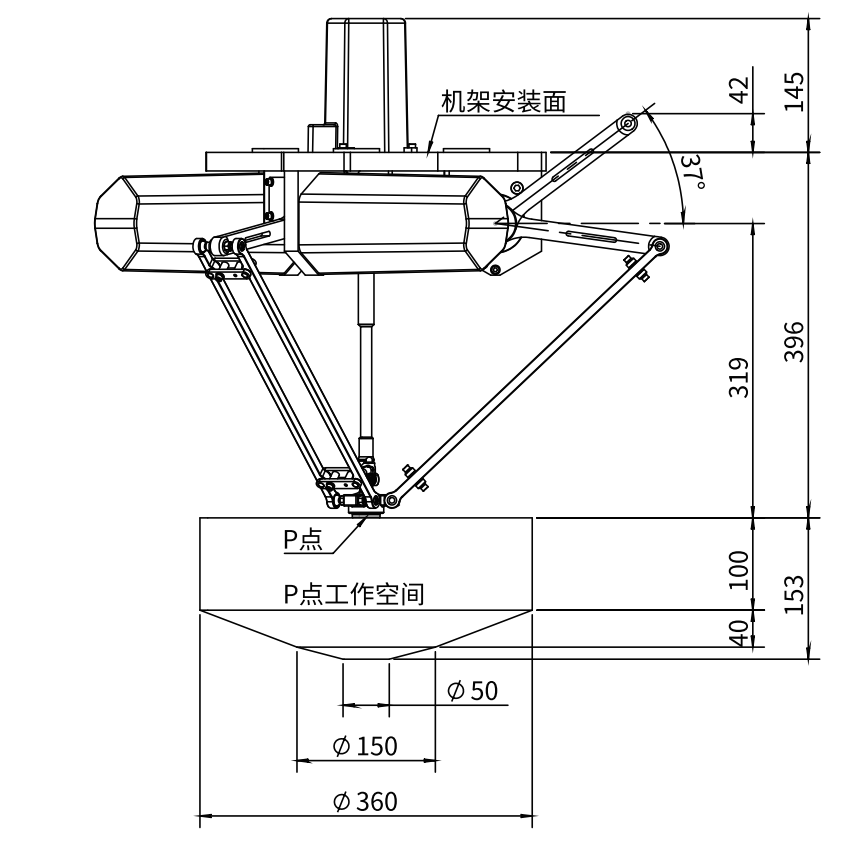
Hot Selling Parallel Robot Delta Industrial Robot Arm for Material Gripping Sorting
High-speed gripping & sorting
Robotic handling is a system outcome: part presentation, end-effector, robot kinematics, vision, controller, safety and data have to work together. The eight systems below are recommended because they cover the most common export-project constraints — high-speed pick-and-place, narrow-aisle transport, precision assembly, compact SCARA deployment and IP54 operation. Each URL is preserved so engineers can verify payload, reach, repeatability and integration options directly.
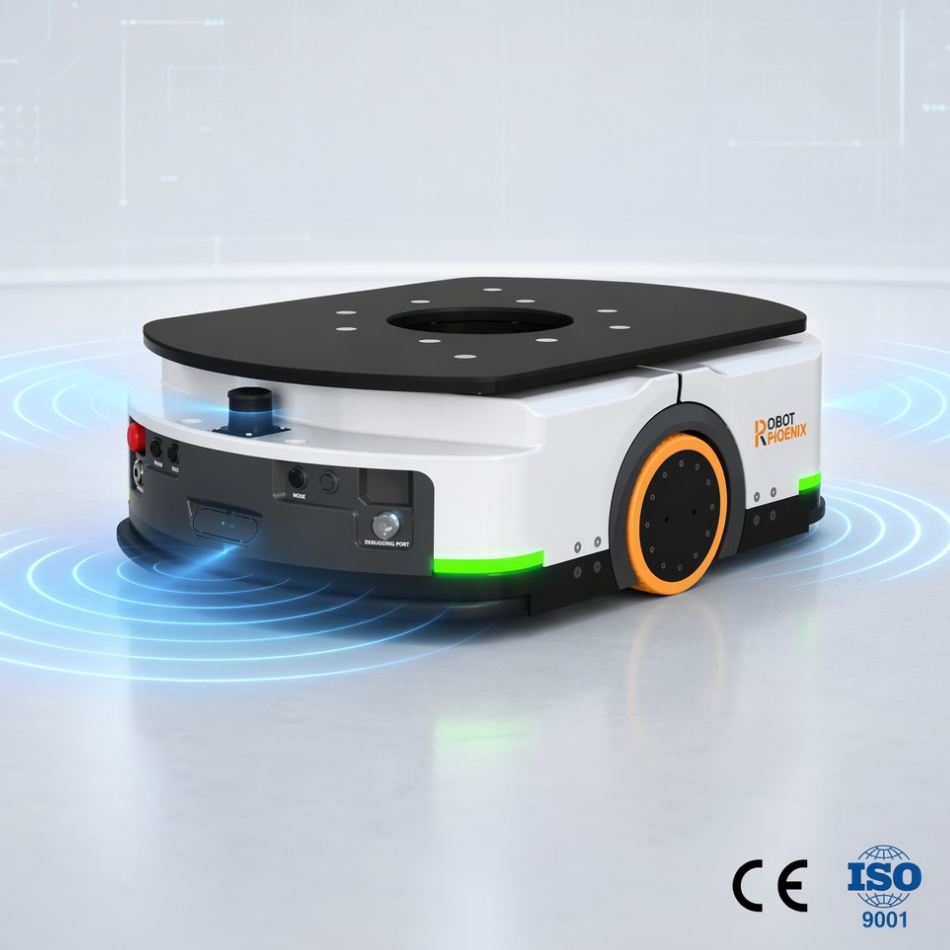

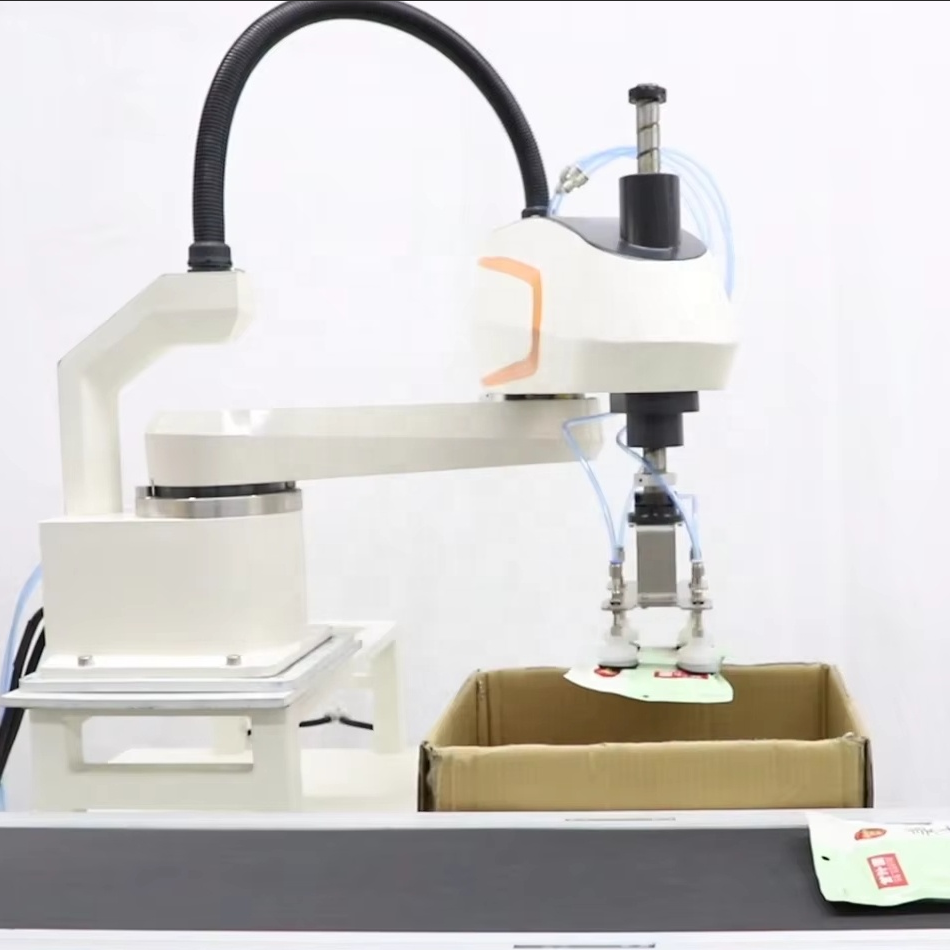
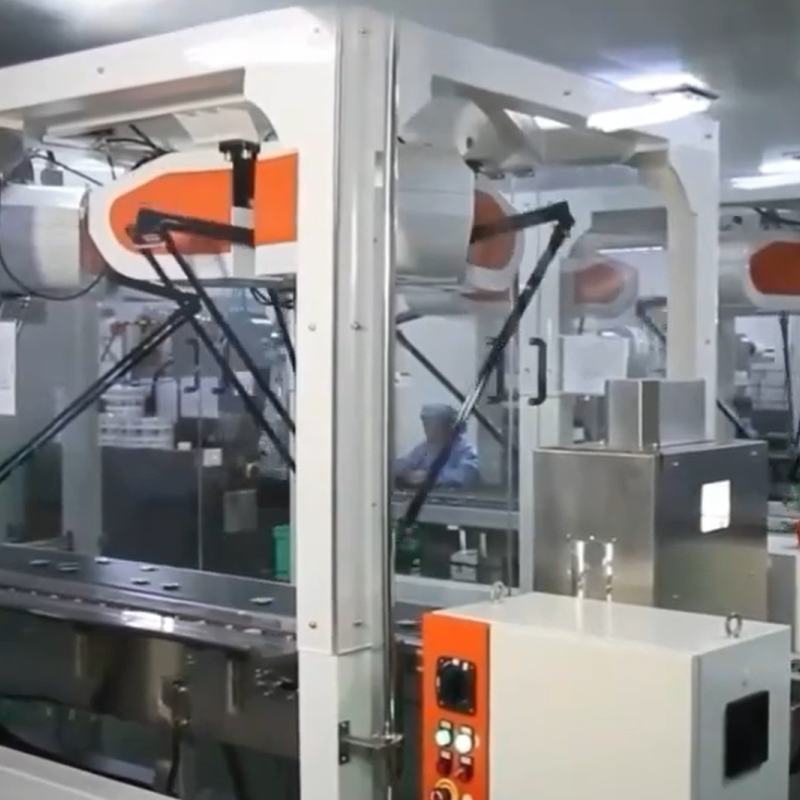
Catalogs are easy to publish. The harder question is whether the manufacturer can own performance after the specification leaves the sales deck. JORI Intelligent Technology Co., Ltd. — founded in 2012 in Jinan, Shandong — is a useful benchmark because it builds delta parallel robots, SCARA robots, silicon wafer robots, AGV/AMR platforms and autonomous forklifts, and develops its own controllers and 2D/3D vision. That vertical scope is protected by national patents and supported by ISO 9001 quality management.
Arms, controllers and 2D/3D vision are developed under one roof and protected by national patents. When accuracy drifts, engineering can inspect the whole motion chain rather than issue a component-level finger-pointing report.
Machine builders can specify custom end-effectors, controller integration, documentation and private-label options. MOQ from one set reduces the cost of validating a new handling concept before scale-up.
Delta, SCARA, AMR/AGV, autonomous forklifts and wafer robots share one engineering team. This is especially relevant for cartoning, lid application, packaging and internal logistics, where the robot must interface with existing equipment.
ISO 9001, onsite verification, trade history and a reported 97.06% response rate with average replies within two hours give international buyers a documented starting point for due diligence.
A manufacturer confident in its engineering should welcome these requests. They also make quotations comparable across suppliers, which is the fastest way to remove hidden integration risk.
The buying center for a robotic handling system has widened. Production engineering owns cycle time, maintenance owns uptime, EHS owns safety, IT/OT owns data, and finance owns payback. That changes the scorecard. The following six procurement shifts are already visible in serious RFQs for Chinese-made delta, SCARA and mobile robots.
Finance teams now compare the landed cost of a working cell: robot, gripper, vision, guarding, integration, programming, spare parts, training, energy and changeover time. A lower unit price can lose on total cost of ownership if the controller is closed, spares are slow or changeover needs an engineer.
Buyers increasingly validate one cell or one aisle before committing to a fleet. MOQ from one set and expansion-ready controllers reduce the risk of a pilot becoming a stranded asset. The purchase order is becoming a staged investment decision.
Robots are now expected to log cycle time, faults, vision confidence and maintenance events. Procurement teams ask how data leaves the cell, which protocols are supported and whether the line can be integrated with MES or WMS without a custom middleware project.
Export buyers want a named service path, spare-parts availability, remote diagnostics and documentation in the buyer's language. Dual sourcing is common, but it only works when specifications, interfaces and acceptance tests are written precisely enough to compare suppliers.
Risk assessment, guarding strategy, IP rating and cleanroom suitability are moving from “nice to have” to gate items. Energy use, standby strategy and material efficiency are also entering the scorecard, especially for multi-shift operations.
Mass customization pushes buyers toward modular end-effectors, recipe-driven changeover and standard interfaces. A robot that can switch between product families without a mechanical rebuild is worth more than a faster robot that requires a line stop to change over.
Weights vary by industry, but the direction is clear: integration and uptime now outrank the headline payload in many projects. Use this as a discussion tool with your engineering and finance teams, not as a fixed rule.
Product trends become useful only when they translate into procurement questions. The next generation of handling systems is being shaped less by a single axis specification and more by how quickly the robot can be integrated, changed over and kept running.
Delta platforms remain the reference for high-speed picking, sorting and labeling. The meaningful upgrades are IP54 protection, PLC-ready control, vision-guided picking and faster changeover. For food, pharma and daily chemicals, the question is not only cycle rate but washdown, product contact and line clearance.
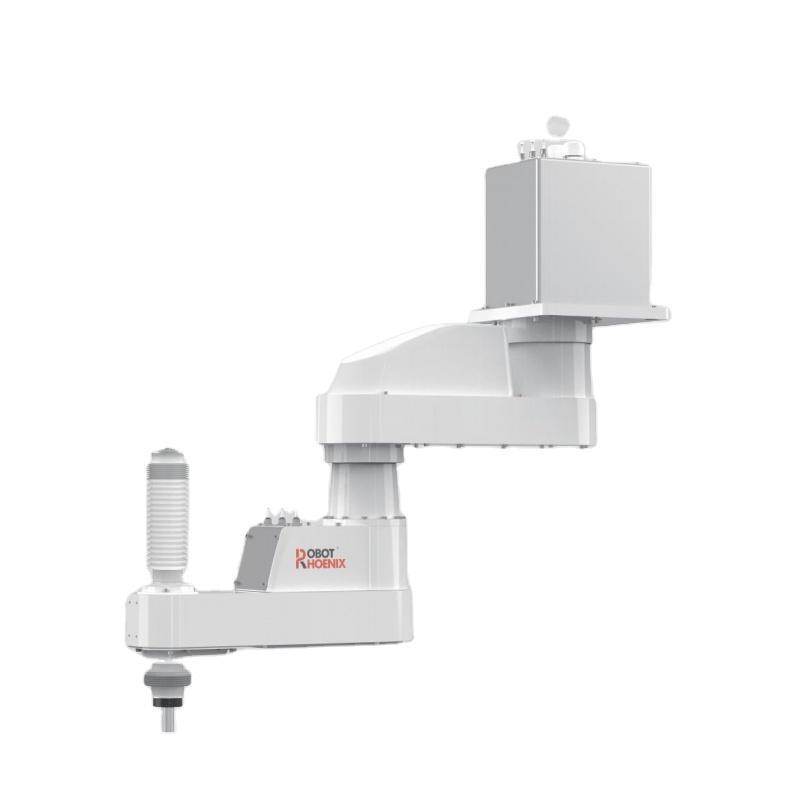
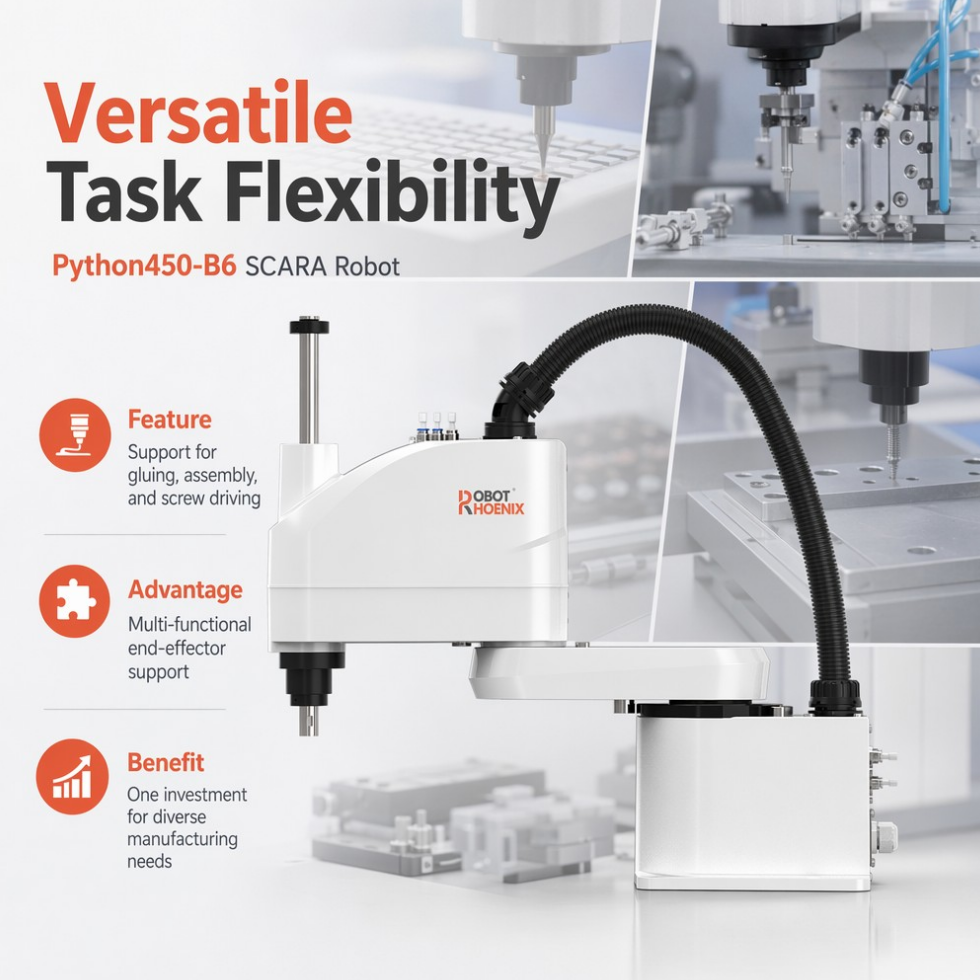
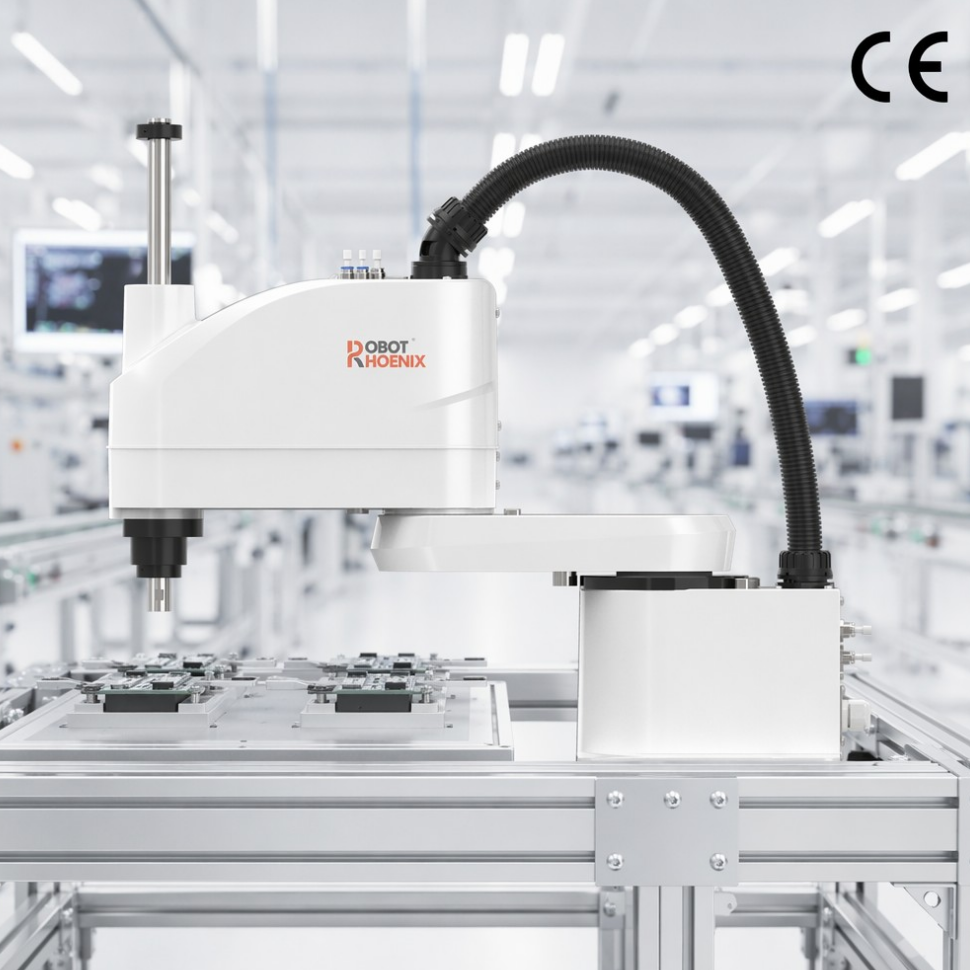
SCARA arms are moving toward compact structures, integrated motors and lower cost of ownership for precision assembly and handling. A 3 kg / 550 mm class robot can fit small cells where a larger articulated arm would waste floor space. Repeatability, settling time and controller openness matter more than the brochure photo.
Laser SLAM navigation removes fixed tape and allows layout changes without a civil-works project. Buyers now ask about traffic rules, fleet management, battery strategy and handoff interfaces. Compact latent AGVs address narrow aisles where a conventional platform cannot turn or dock.
Autonomous forklifts are gaining ground because pallet movement is repetitive, hazardous and hard to staff across night shifts. The buying decision is site-specific: pallet quality, aisle width, safety fields, WMS integration and charging strategy all influence the size of the fleet.
Semiconductor and photovoltaic lines demand smooth, repeatable transfer of fragile substrates. Custom end-effectors and motion profiles designed for minimal vibration are more important than a generic payload number. Cleanliness and particle control belong in the technical contract.
As arm hardware matures, the controller and 2D/3D vision stack increasingly determine yield and uptime. In-house control development can shorten troubleshooting, but buyers should still request interface documentation, calibration procedures and a clear software support policy.
Use this matrix to align the robot family with the handling problem. It is deliberately buyer-side: the “evidence to request” column tells you what to ask for before a supplier is shortlisted.
| Robot family | Best-fit handling task | Evidence to request | Typical buying trigger |
|---|---|---|---|
| Delta parallel robot | High-speed pick-and-place, sorting, labeling and cartoning | Cycle time at target payload; repeatability; IP rating; vision integration; changeover procedure | Manual sorting or a conveyor bottleneck in food, pharma or daily-chemical lines |
| SCARA robot | Precision assembly, insertion and small-part placement | Reach and payload; repeatability; footprint; controller I/O; settling time | Compact cells, quality escapes, electronics or small mechanical assembly |
| AMR / AGV | Station-to-station transport and narrow-aisle movement | Navigation method; fleet traffic rules; battery and charging; docking accuracy; WMS interface | Cart pushing, frequent layout changes or 24/7 material flow |
| Autonomous forklift | Pallet shuttles, inbound and outbound flow | Pallet detection; safety fields; site survey; WMS/VDA connection; charging strategy | Labor shortages, repetitive pallet movement or night-shift constraints |
| Wafer handling robot | Semiconductor and photovoltaic wafer transfer | Particle control; end-effector design; vibration; motion smoothness; cleanroom compatibility | Fragile substrate yield and manual-handling risk |
Figures reflect current catalog examples; final specifications must be confirmed by a product-specific cycle-time study.
These are the questions that most often decide whether a quotation becomes a purchase order. If your application is not covered, include part drawings, target cycle time and a line layout in your inquiry.
Standard delta robots, SCARA robots and AMR/AGV platforms can be ordered from one set. This lets a buyer validate a single cell or pilot line before scaling to multiple stations. Custom end-effectors or OEM projects may require a project-specific quotation, but the commercial entry point is deliberately low.
Yes. JORI provides OEM service, design service and buyer-label options. Machine builders can request custom end-effectors, controller integration, branded documentation and automated system integration. For export buyers, this is often the difference between buying a generic robot and owning a handling solution that fits the machine.
Choose a delta robot for very fast, lightweight pick-and-place from moving conveyors, typically 3–6 kg payload. Choose a SCARA robot for planar assembly, insertion and precise placement in a compact footprint. Share part weight, cycle time, orientation and layout; the kinematics should follow the process, not the other way round.
Delivery terms include FOB, CFR, CIF, EXW, CIP, FCA, CPT and express delivery. Payment methods include T/T, L/C, credit card, PayPal, Western Union, MoneyGram and escrow. Currencies include USD, EUR, GBP, JPY, CAD, AUD, HKD, CHF and CNY. Final terms are confirmed on the proforma invoice.
Yes. JORI develops its own controllers and 2D/3D vision, and its PLC-ready delta robots are designed for cartoning machines, carton packers and wet wipe lid applicator machines. Integration discussions should cover I/O, fieldbus, safety logic, product flow and acceptance tests before the robot is ordered.
JORI reports an average response time of two hours or less and a 97.06% response rate. To get a useful answer, include product photos or drawings, weight and material, target cycle time, line layout, environment (washdown, cleanroom, temperature), existing controller/PLC details and your acceptance criteria.
Share your part weight, target cycle time, line layout, environment and acceptance criteria. Our engineers will respond with a configuration recommendation, integration notes and commercial terms — usually within two hours.
Get a Quote NDA-friendly · MOQ 1 set · OEM / buyer-label available · Export documentation supported