8 High-Speed Delta, Parallel and SCARA Robots for Wholesale Buyers
Buyers comparing China wholesale high speed delta robot manufacturers usually need more than a catalogue. They need a robot that can hit a verified cycle rate, integrate with an existing conveyor or packaging machine, and remain serviceable after commissioning. The eight models below are the practical shortlist for sorting, light-industry pick-and-place, vision-guided assembly, wet-wipe lid application and consumer-goods handling.
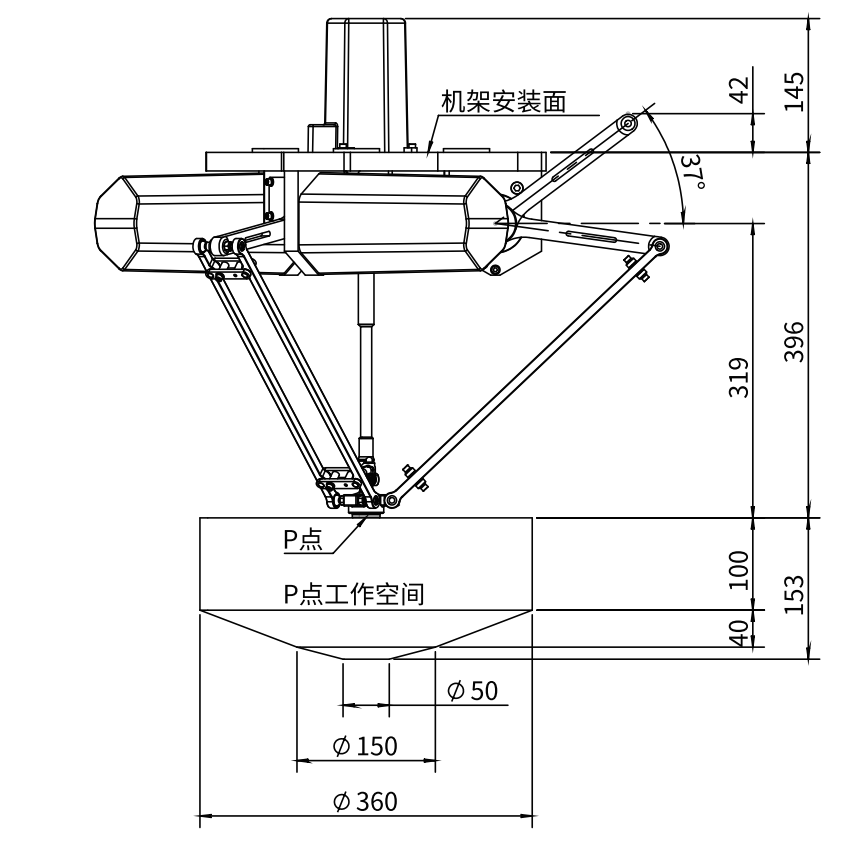
Hot Selling Parallel Robot Delta Industrial Robot Arm for Material Gripping Sorting
Best for material gripping, sorting and high-speed transfer in a compact robotic cell.
View product details
New Condition High-Speed Industrial Innovative Manipulator Delta Robot for Light Industry
Best for light-industry pick-and-place where speed, footprint and uptime drive the business case.
View product details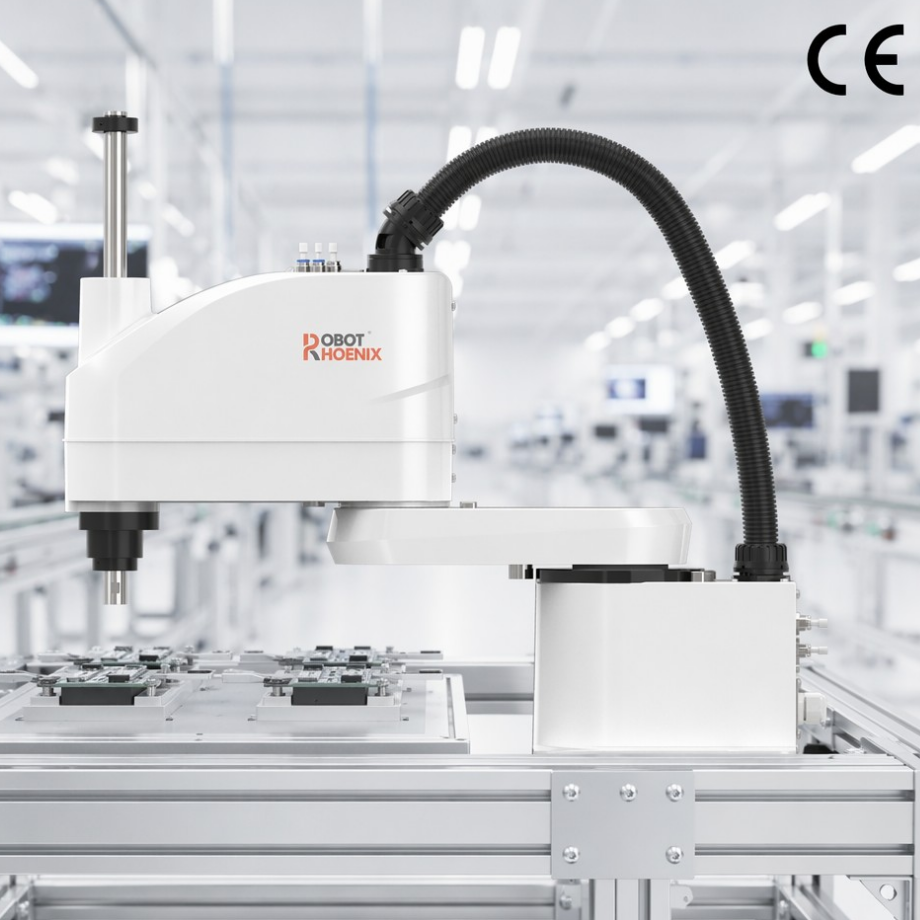
New Design Compact High Accuracy Industrial Robot Arm SCARA with 2D/3D Vision System
Best for vision-guided assembly, insertion and precise placement in a compact production cell.
View product details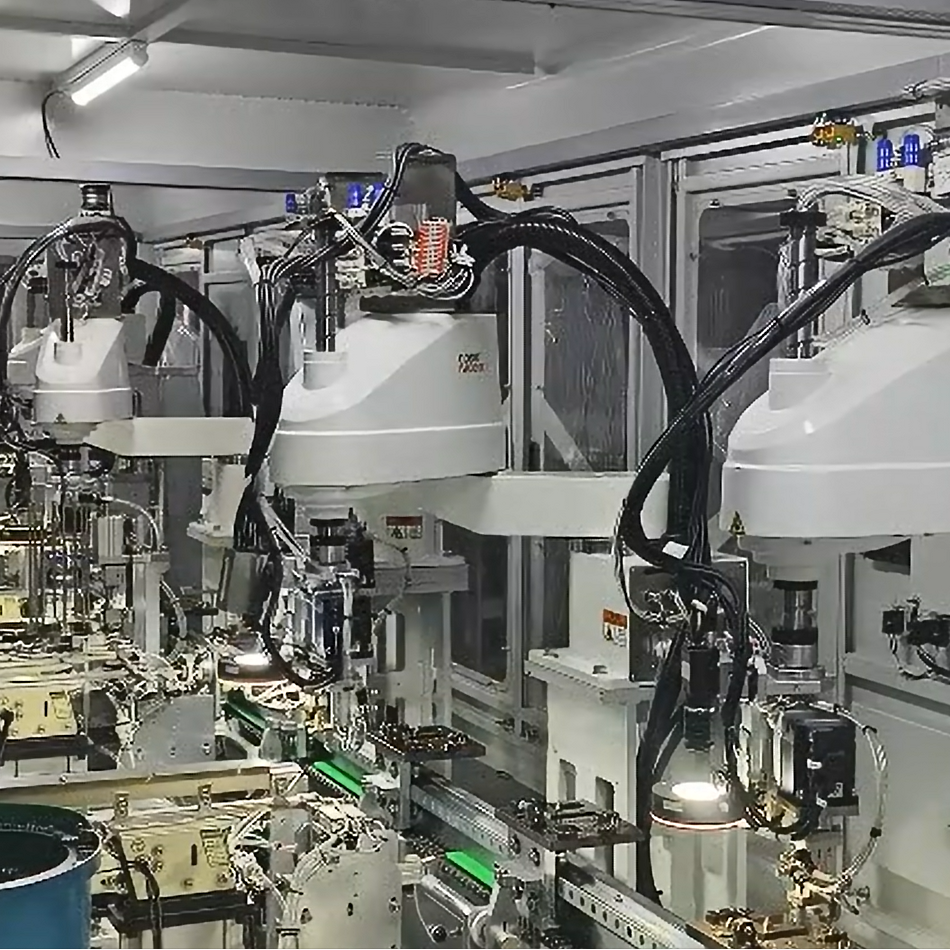
High Quality Mini Industrial Robot Scara for Pick and Place at Low Cost-New Condition
Best for cost-sensitive pick-and-place and pilot automation before a line-wide rollout.
View product details
High Speed 3kg Load Industrial Delta Robot Arm with IP54 Protection for Robotic Pick& Place
Best for food, hygiene and light packaging lines that need IP54 protection and fast picking.
View product details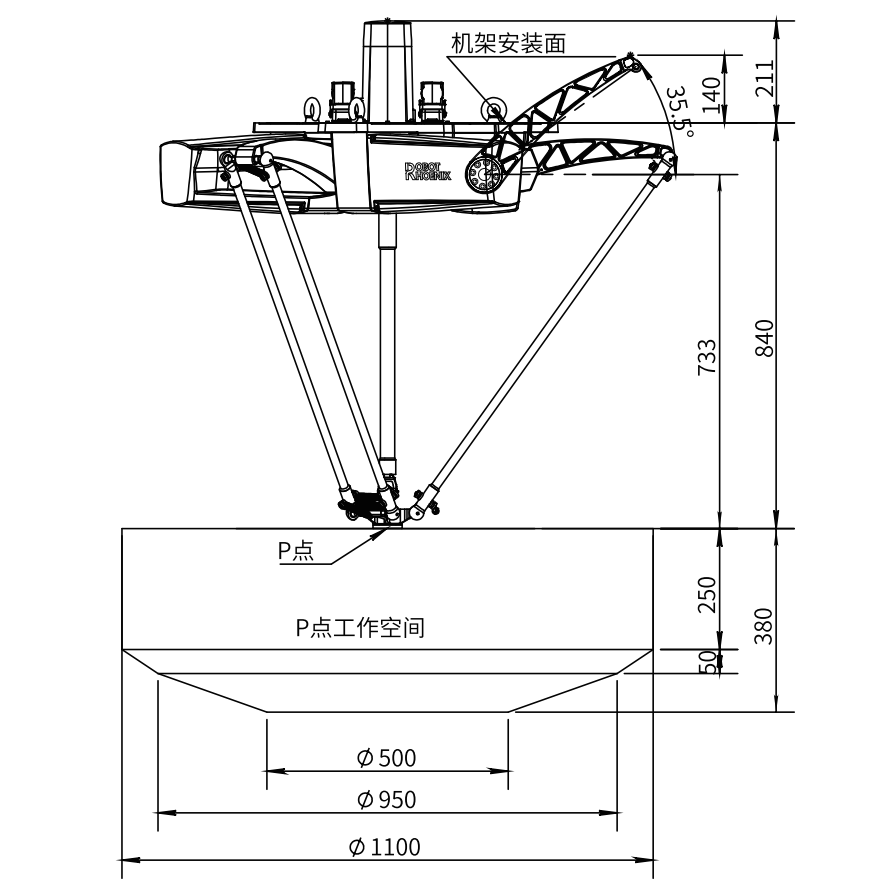
High-Speed Spider Arm Delat Robot for Fully Automatic Wet Wipe Lid Applicator Machine
Best for wet-wipe lid applicator machines and machine-builder integration projects.
View product details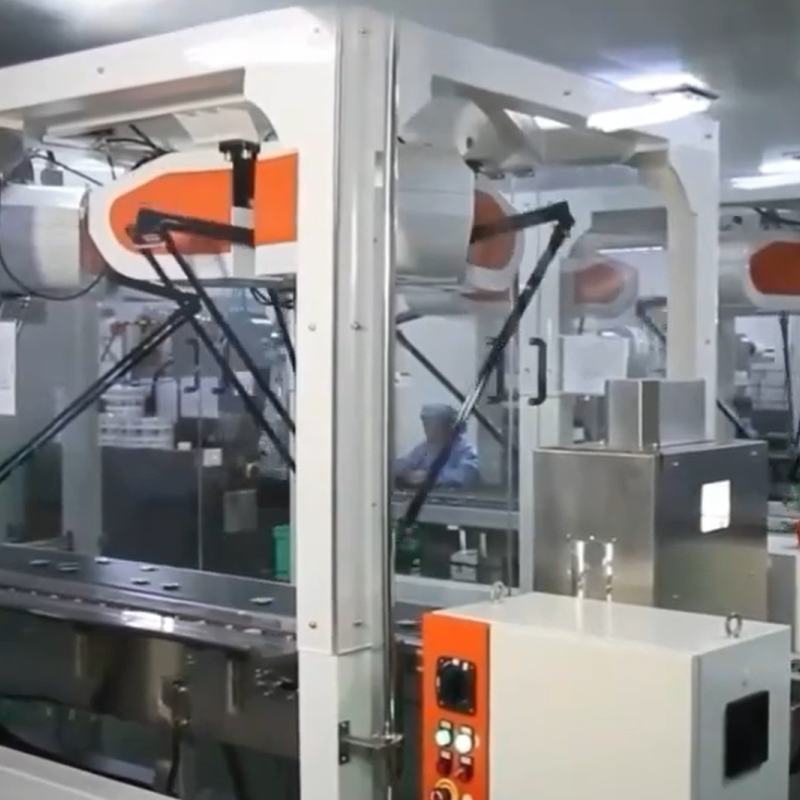
6kg Payload IP54 Protection Grade Pick Place Sorting Parallel Robot with Robot Gripper
Best for heavier sorting and pick-and-place duties that still require delta-arm speed.
View product details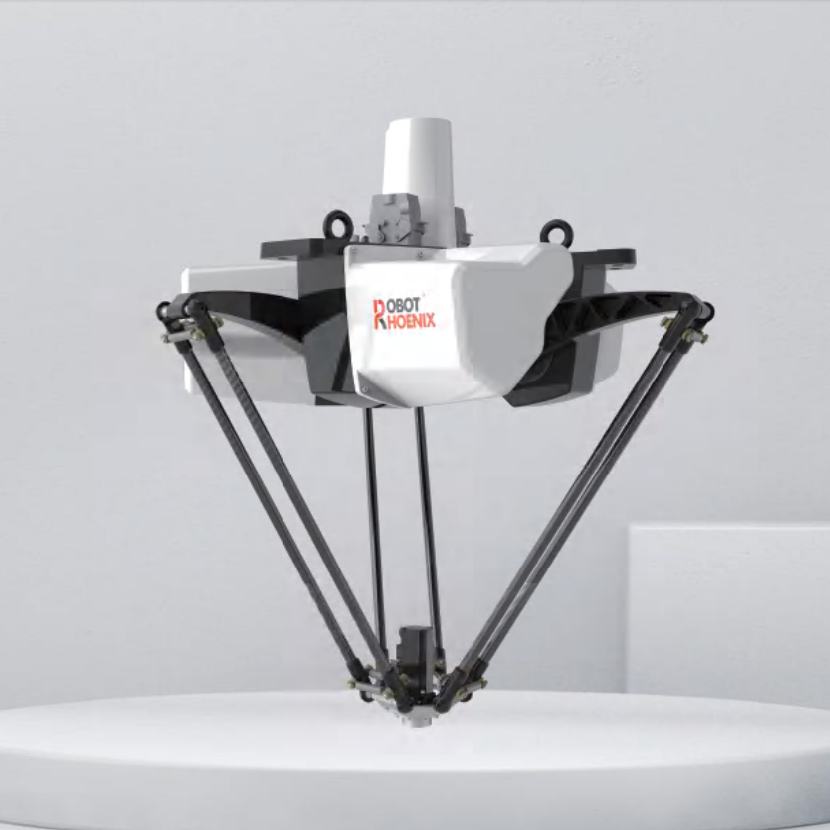
Robotphoenix 4 Arm Payload 3-6kgs Delta Robot for Pick Place Consumer Goods
Best for consumer-goods picking where four-arm delta kinematics and 3–6 kg payload fit the line.
View product detailsFacts Buyers Can Verify Before Shortlisting a China Delta Robot Manufacturer
JORI Intelligent Technology Co., Ltd. has built industrial robots in Jinan, Shandong, since 2012. The figures below are the practical evidence points that matter when a procurement team compares a factory-direct manufacturer with a trading company.
Founded in Jinan, Shandong, with in-house R&D for robots, controllers and vision.
Factory area for robot assembly, controller production and run-in testing.
Employees supporting engineering, production, quality and export projects.
Inquiry response rate, with an average reply time of two hours or less.
Why Global Machine Builders and Wholesale Buyers Choose JORI
High-speed delta robot sourcing is an engineering decision as much as a purchasing decision. The strongest supplier is the one that can trace the arm, controller, vision, end-effector and after-sales support back to one accountable engineering team.
Original factory, not a reseller layer
Founded in 2012, JORI develops and manufactures delta parallel robots, SCARA robots, wafer robots, AGV/AMR platforms and autonomous forklifts. Buyers get one source for hardware, controllers, vision and after-sales engineering.
Controllers and 2D/3D vision developed in-house
Because motion control and vision are developed internally, integration is more direct. JORI supports PLC-ready cells, custom end-effectors, conveyor tracking and machine-builder requirements instead of handing off critical tuning to third parties.
One partner for mixed robot cells
Delta robots, SCARA robots, AMR/AGV, autonomous forklifts and wafer handling robots can be specified together. That reduces integration friction when a line needs fast picking, planar assembly and internal material transport in the same project.
OEM, design service and buyer-label support
Machine builders can request OEM service, design support and private-label options. Standard models can start from one set, which lets a buyer validate a pilot cell before scaling to a line or a distributor programme.
Credentials that can be checked
ISO 9001 quality management, onsite-verified supplier status, supplier assessment, credit profile, trade capacity and trade history are available for review. Procurement teams can verify the company before releasing a deposit.
Export-ready terms and fast response
Delivery terms include FOB, CFR, CIF, EXW, CIP, FCA, CPT and express delivery. Payment methods include T/T, L/C, credit card, PayPal, Western Union, MoneyGram and escrow, with support for multiple currencies. Average reply time is two hours or less.
What a High-Speed Delta Robot Really Changes on a Production Line
A delta robot is not simply a faster pick-and-place arm. It is a parallel-kinematic system whose real performance is created by the robot, controller, vision, gripper, conveyor tracking and acceptance test working together.
Cycle rate is a system number
Catalogue cycle time rarely equals line throughput. Vision latency, conveyor speed, product pitch, vacuum recovery, PLC handshakes and gripper mass all affect the real pick rate. Ask for a time study with your sample.
Payload includes the tool
In the 3–6 kg delta class, the useful product payload is lower once the vacuum cup, bracket, gripper and hose package are counted. Select for inertia and duty cycle, not only the product weight on the drawing.
Repeatability alone does not guarantee yield
A 0.08 mm repeatability figure is valuable, but product presentation, vision calibration, fixture stiffness and changeover discipline determine whether the cell reaches its target yield. Acceptance criteria should include recognition rate and false-pick rate.
IP54 needs a cleaning definition
IP54 protection is useful for dusty and splash-exposed environments, but it is not a washdown guarantee. For food, wet-wipe and hygiene applications, discuss stainless hardware, lubricant choice, drainage and cleaning access with the robot supplier.
Build the business case around the cell, not the arm
Wholesale buyers often start by comparing robot prices, yet the largest cost drivers usually sit around the arm: vision architecture, custom end-effectors, safety guarding, conveyor tracking, PLC integration, factory acceptance testing, spare parts and commissioning. A low headline robot price can become an expensive project if the supplier cannot tune the complete cell or support the machine builder after delivery. This is why an information-rich quotation should separate robot, controller, vision, gripper, safety and engineering scope.
Throughput should be calculated from the line requirement. If the packaging line presents products at a fixed pitch across one or more lanes, the required picks per minute can be estimated before the robot is selected. Add headroom for rejects, product orientation and changeover. Then verify the candidate delta robot with a sample-product test. The most useful discussion with a China delta robot manufacturer is not “what is the fastest model?” but “what cycle rate can you guarantee with our gripper, our vision conditions and our conveyor stop tolerance?”
Selection discipline matters. A high-speed delta robot is usually the right tool for small, light products arriving randomly on a conveyor, especially where the bottleneck is speed and product orientation. A SCARA robot is often better for planar assembly, screw insertion, precise placement and compact cells. AMR and autonomous forklifts should be considered when the real constraint is material movement between stations, not picking from a conveyor. When a project combines all three, a supplier with an in-house controller, vision team and system integration capability reduces coordination risk.
For first-time China sourcing, use a pilot-first approach. MOQ from one set lets the buyer validate a single cell, confirm the interface with the existing packaging machine and check spare-parts documentation before scaling. Include a factory acceptance test with product samples, repeatable pass/fail criteria and a changeover routine. This approach gives procurement, engineering and operations teams a common evidence base and turns a price comparison into a defensible purchasing decision.
How to Match the Robot Family to the Work
Use this engineering comparison to shortlist the right robot family before requesting a quotation. Final specifications should always be confirmed with a sample-product time study.
| Robot family | Best-fit work | Key figures to discuss | Choose it when |
|---|---|---|---|
| High-speed deltaParallel / spider robot | High-speed picking, sorting, labeling, cartoning and lightweight transfer. | 3–6 kg payload, 0.08 mm repeatability, up to 120 pcs/min labeling, IP54 option. | Light products arrive randomly on a conveyor and cycle time is the bottleneck. |
| SCARA + visionCompact assembly robot | Planar assembly, insertion, inspection and precise placement. | 4-axis architecture, compact footprint, 2D/3D vision integration. | You need accurate planar motion in a small cell, such as electronics or parts loading. |
| Mini SCARALow-cost pick-and-place | Simple placement, pilot automation and cost-sensitive cells. | Compact structure, fast deployment, low entry cost. | One robot cell must prove the application before a wider line investment. |
| IP54 deltaHygienic packaging cell | Food, wet-wipe, daily chemical and light packaging lines. | IP54 protection, wet-wipe lid applicator integration, high-speed pick-and-place. | Dust, splash or cleaning routines require a more protected robot envelope. |
| 6 kg parallelHeavier delta sorting | Consumer goods, carton sorting and gripper-based transfer. | 6 kg payload class, robot gripper, high-speed parallel kinematics. | The product plus tooling exceeds a 3 kg platform but still needs delta speed. |
Future Purchasing Trends for China Wholesale Delta Robot Buyers
Procurement teams are moving away from single-part price comparison and toward evidence-based robot sourcing. The trend is visible across packaging machine builders, system integrators and factory owners who need repeatable automation rather than one-off equipment.
Pilot-first purchasing
Buyers increasingly validate one cell before committing to a full line. MOQ from one set supports a pilot that proves cycle rate, vision recognition and machine integration.
Total cost of ownership
Spare parts, gripper consumables, energy, changeover time and remote support are now part of the comparison. The lowest robot price is not automatically the lowest project cost.
Vision-native specifications
2D/3D vision, conveyor tracking and easy recipe switching are becoming standard requirements for delta robots used in packaging and consumer-goods handling.
PLC-ready machine integration
Machine builders want robots that integrate cleanly with cartoners, lid applicators and packaging lines. Controller compatibility and custom end-effectors are decisive.
Verifiable supplier credentials
ISO 9001, onsite verification, trade history, credit records and buyer reviews are being reviewed earlier in the sourcing process, especially for repeat wholesale orders.
Service-level planning
Response time, spare-parts availability, training and remote diagnostics are moving into the quotation stage. A two-hour average reply is now a practical benchmark.
Where High-Speed Delta Robot Technology Is Moving Next
The next generation of delta robots will be judged less by isolated speed claims and more by how quickly a buyer can validate, integrate and maintain a complete automated cell.
Faster, but more stable
Higher pick rates will depend on vibration control, lightweight arm design, smoother motion profiles and better tuning of the controller and conveyor tracking.
Hygienic and IP54 design
Food, wet-wipe and daily-chemical lines will continue to demand protected robot envelopes, cleanable surfaces and end-effectors that are easy to remove and sanitise.
Controller and vision convergence
Self-developed controllers with 2D/3D vision reduce integration friction. Expect simpler recipe management, faster changeover and more intuitive machine-builder interfaces.
Modular end-effectors
Vacuum grippers, mechanical grippers and custom tooling will be designed as modules, allowing a delta robot to move from one product family to another with less downtime.
Inside the JORI Factory: Evidence Behind the Quotation
JORI operates as an original factory in Jinan, Shandong, with in-house R&D, controller development, 2D/3D vision capability and automated system integration. These company images from the original site show the production, testing and corporate profile context that buyers can review before a project starts.

Company headquarters and robot manufacturing facility in Jinan, Shandong, China.

Robot assembly and testing area supporting delta, SCARA, AMR and system integration projects.
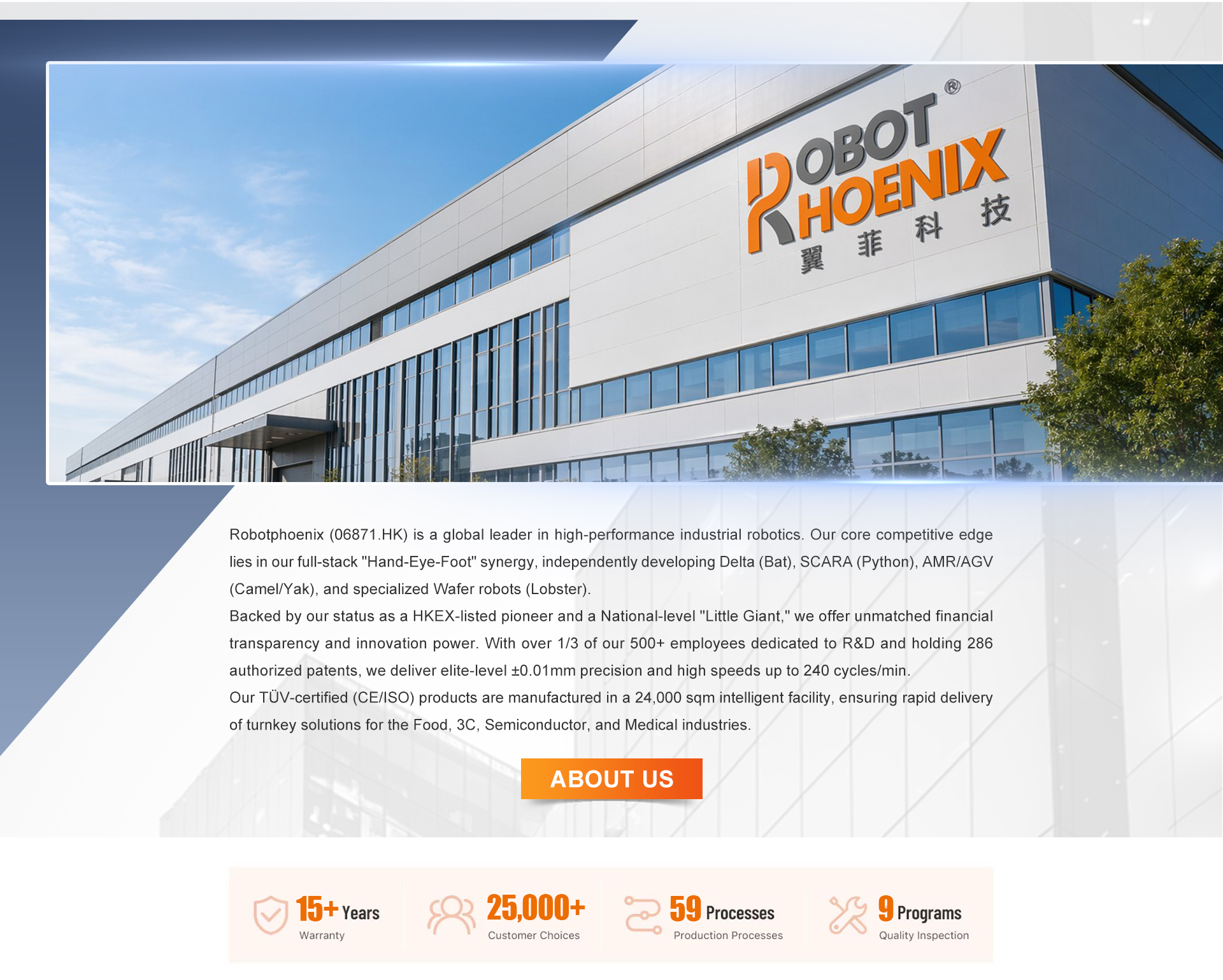
Corporate profile material available for supplier review, trade verification and project qualification.
Common Procurement Questions About China Wholesale Delta Robots
What is the minimum order quantity for JORI industrial robots?
Standard delta robots, SCARA robots and AMR/AGV platforms can be ordered from one set. This allows a buyer to validate a single cell or pilot line before scaling to multiple robots or a distributor programme.
Does JORI offer OEM or custom robot solutions?
Yes. JORI provides OEM service, design service and buyer-label options. The team supports machine builders with custom end-effectors, controller integration, vision configuration and automated system integration for applications such as cartoning and wet-wipe lid application.
Should I choose a delta robot or a SCARA robot?
Choose a delta robot for very fast, lightweight pick-and-place from a moving conveyor, typically in the 3–6 kg payload class. Choose a SCARA robot for planar assembly, insertion, inspection and precise placement in a compact footprint. Share part weight, cycle time, orientation and layout for a model recommendation.
Can a high-speed delta robot integrate with my existing packaging machine?
Yes. JORI develops its own controllers and 2D/3D vision, and offers PLC-ready delta robots for cartoning machines, carton packers and wet-wipe lid applicator machines. Provide the machine interface, conveyor details and product samples so the integration scope can be defined accurately.
Which delivery and payment terms are accepted?
Delivery terms include FOB, CFR, CIF, EXW, CIP, FCA, CPT and express delivery. Payment methods include T/T, L/C, credit card, PayPal, Western Union, MoneyGram and escrow, with support for USD, EUR, GBP, JPY, CAD, AUD, HKD, CHF and CNY.
How can I verify the manufacturer before placing an order?
Review the ISO 9001 credential, onsite-verified supplier status, supplier assessment, credit profile, trade capacity and trade history. Buyers can also request company documents, factory video, references and a pilot-cell acceptance plan before releasing a deposit.
How fast does JORI respond to an inquiry?
The average response time is two hours or less, with a reported response rate of 97.06%. For a faster quotation, include product photos, weight, required cycle rate, conveyor speed, layout drawing and the target commissioning date.
What should be included in a delta robot acceptance test?
A practical acceptance test should state the product sample, tooling configuration, required picks per minute, vision recognition rate, false-pick rate, repeatability check, changeover routine and PLC interface. This gives both buyer and supplier measurable criteria before shipment.
Planning a High-Speed Delta Robot Cell or Wholesale Programme?
Send your product weight, required cycle rate, conveyor speed, gripper or vision requirements, layout drawing and target date. JORI engineers will recommend a delta, SCARA or combined automation configuration and respond with a line-specific quotation.