China Wholesale SCARA Automation Manufacturers & Exporters
A 2025 buyer’s brief for global distributors, machine builders and factory owners comparing SCARA and delta robots, in-house controllers, vision integration, export terms and total cost of ownership.
8 SCARA & Delta Automation Models for Wholesale Programs
The eight products below are the fastest route from a sourcing query to a testable specification. Each model links to its original product page; use the specifications to shortlist payload, repeatability, protection grade, vision readiness and line integration before requesting a quotation.
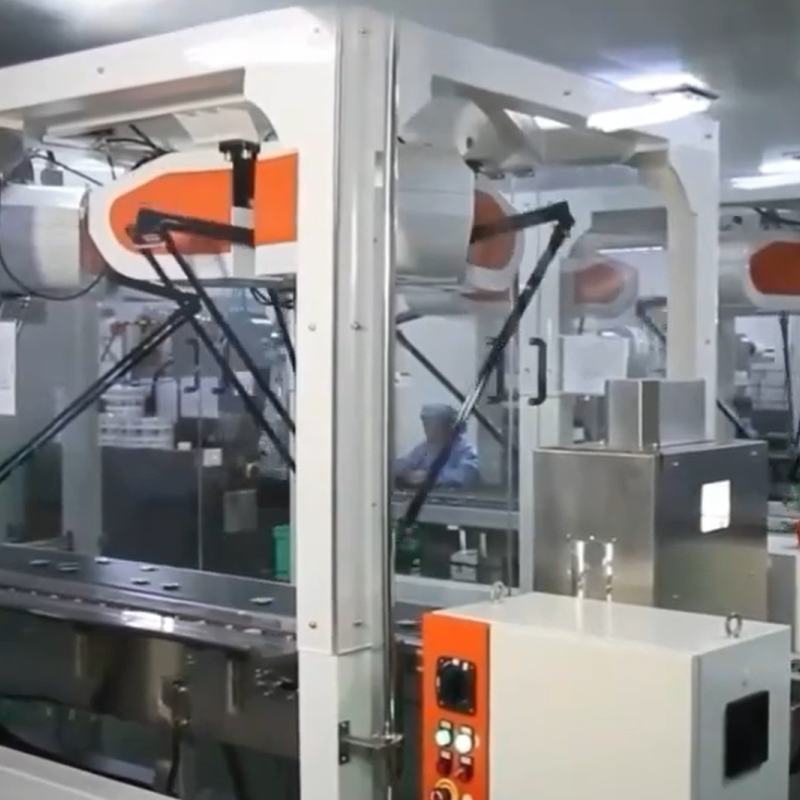
6kg Payload IP54 Protection Grade Pick Place Sorting Parallel Robot with Robot Gripper
A 6 kg parallel robot with IP54 protection and robot gripper for sorting, pick-and-place and packaging cells where fast changeover and protected mechanics matter.
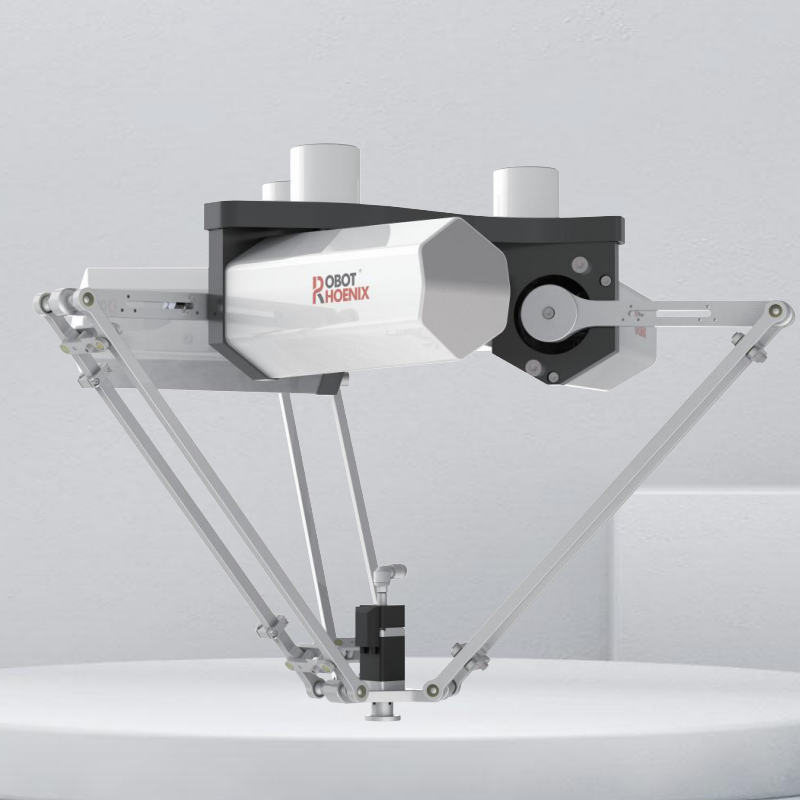
Robotphoenix New Design Industrial Robot Delta 6kg Payload 0.08mm Repeatability 2/3/4 Axis
A high-speed delta platform with 0.08 mm repeatability and 2/3/4-axis formats for buyers standardizing one architecture across multiple picking and packing lines.
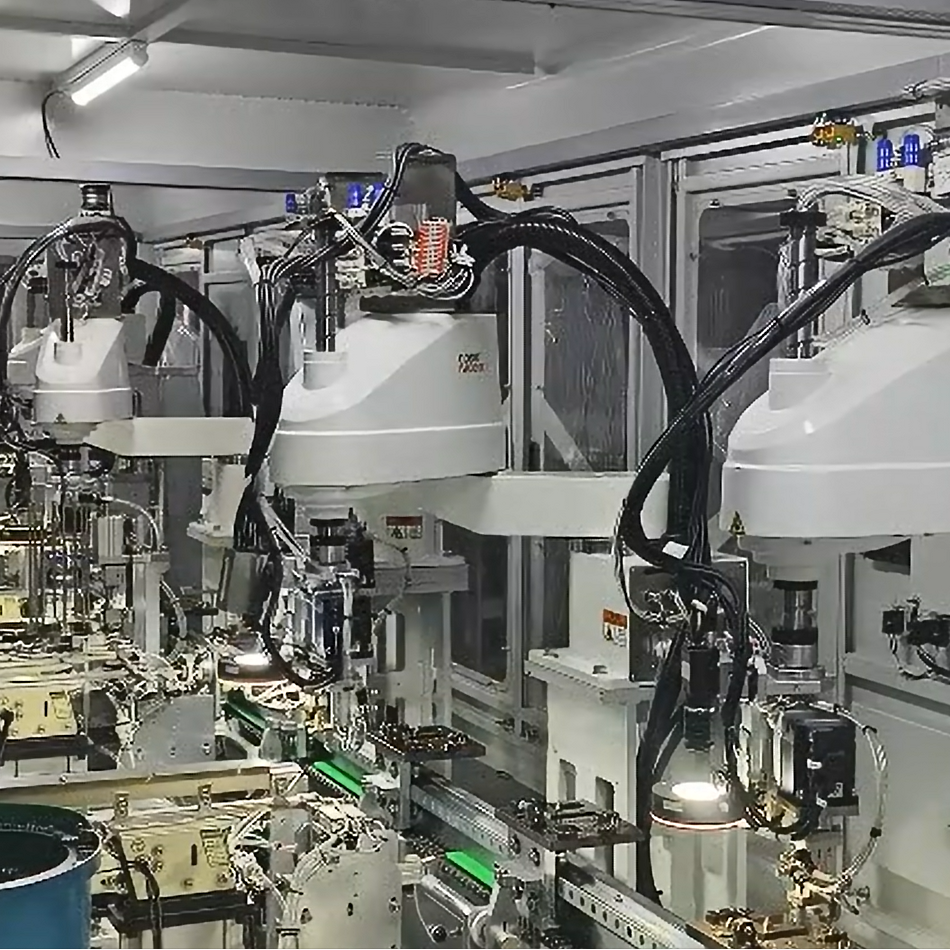
High Quality Mini Industrial Robot Scara for Pick and Place at Low Cost-New Condition
Compact 4-axis SCARA for cost-sensitive pick-and-place, PCB handling, small-part assembly and machine tending where floor space is limited.
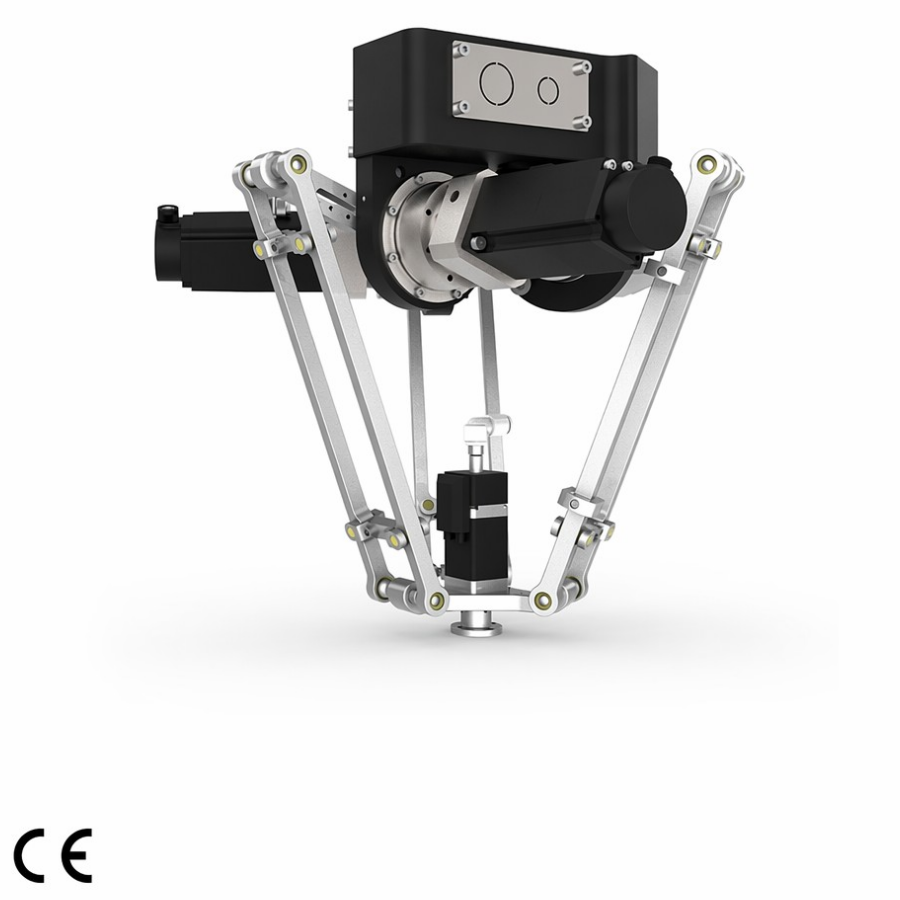
High Speed Consumer Goods Industries Bottle Unscrambling Machine Component Delta Robot
A bottle unscrambling delta robot for consumer goods lines that need high-speed orientation and feeding with minimal manual intervention.
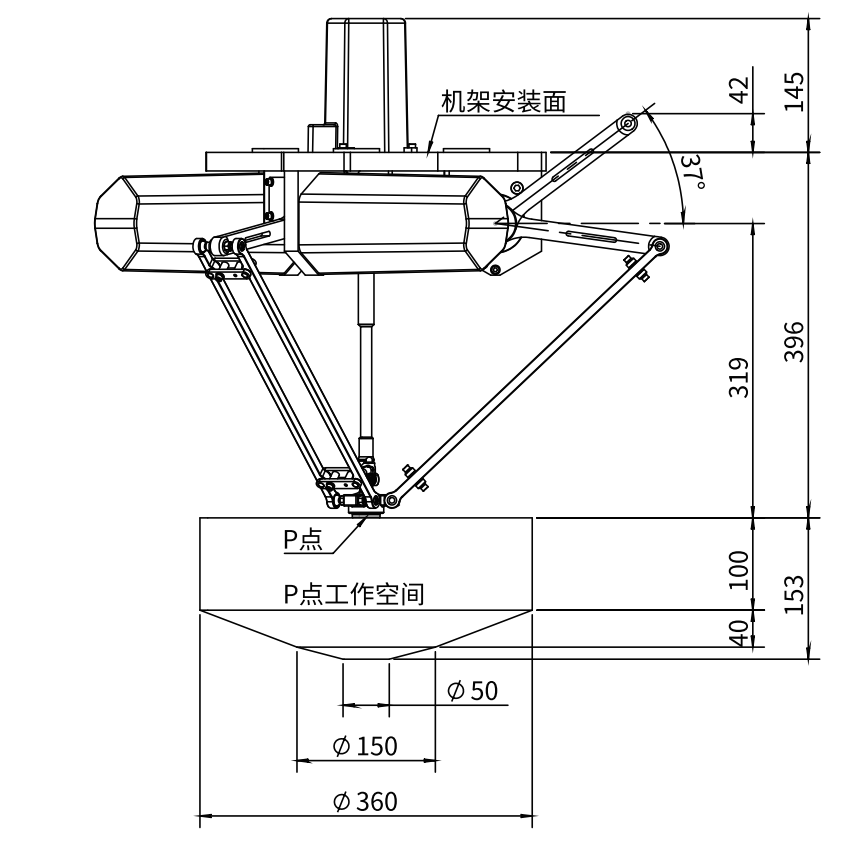
Hot Selling Parallel Robot Delta Industrial Robot Arm for Material Gripping Sorting
Parallel robot arm for material gripping and sorting, suited to vision-guided random orientation and repetitive transfer tasks on high-speed conveyors.

High Precision Pick and Place 4 Aixs Parallel Robot Delta with Vision Tracking System
A vision tracking delta robot for high-precision, high-speed picking where part position and orientation change on a moving conveyor.
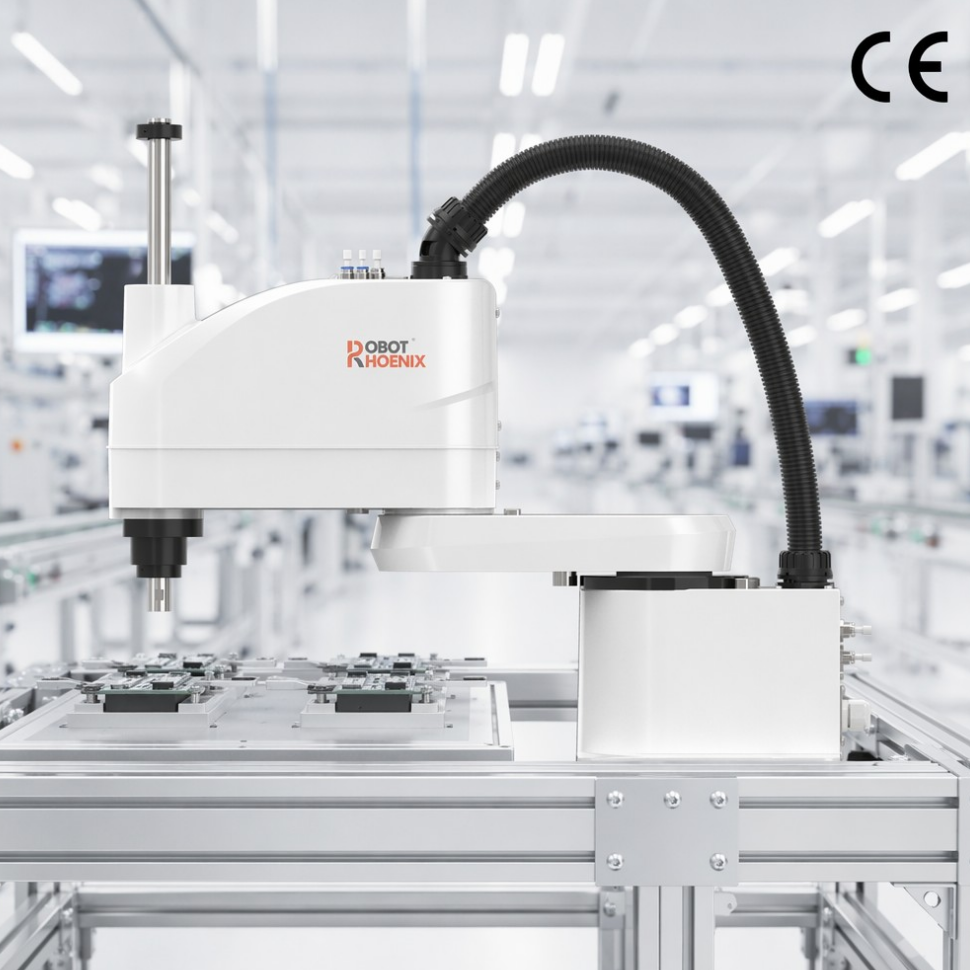
High Speed and Accuracy Newly Developed Industrial Robot Arm Four Axis Scara Robot
A newly developed four-axis SCARA for repetitive assembly, placement and load/unload tasks where cycle time, accuracy and compact integration all matter.

High Speed 3kg Load Industrial Delta Robot Arm with IP54 Protection for Robotic Pick& Place
A 3 kg delta robot arm with IP54 protection for fast pick-and-place, sorting and packaging applications where compact, protected mechanics are required.
The Search Intent Behind China Wholesale SCARA Automation
Buyers using this phrase are rarely looking for a single catalog page. They are combining an engineering-fit decision, a supplier-verification decision and an export-execution decision. That is why a credible manufacturer must show the robot architecture, controller and vision strategy, factory evidence, acceptance process and after-sales plan in one place.
JORI Intelligent Technology Co., Ltd. has been manufacturing industrial robots in Jinan, Shandong, since 2012. The portfolio includes delta parallel robots, SCARA robots, AGV/AMR platforms, autonomous forklifts and wafer handling robots, supported by in-house development of controllers and 2D/3D vision. For a wholesale buyer, this matters because the robot arm, controller, vision package and integration responsibility can come from one accountable manufacturer rather than a reseller chain.
This guide adds procurement-level information gain: how to separate SCARA from delta by motion profile, which models fit common production scenarios, which buying trends will affect 2025–2027 projects, what a serious RFQ must contain and how to verify quality before shipment. Use it as a pre-RFQ brief, then request a configuration that matches your part, cycle time and line layout.
SCARA vs Delta: Match the Robot to the Motion, Not the Brochure
SCARA and delta robots are often marketed with the same automation language, but they solve different motion problems. Comparing them by unit price alone hides integration cost, floor-space cost and lost production time.
Choose a SCARA Robot When Planar Precision Is the Bottleneck
A SCARA is a horizontal articulated 4-axis robot. It excels at assembly, insertion, screwdriving, dispensing, inspection loading and precise placement in a compact cell. It is usually the stronger choice when accuracy, repeatability and clean integration matter more than raw pick speed.
- Best for electronics, small-part assembly and machine tending
- Compact footprint with predictable reach and repeatable planar motion
- Easy to integrate with PLC-controlled fixtures and end-effectors
- Use when the part path is mostly X-Y with controlled Z and rotation
Choose a Delta Robot When Speed and Vision Tracking Decide Output
A delta, or parallel robot, suspends multiple arms from a fixed base and converges on a light end-effector. It is the right architecture for high-speed pick-and-place from moving conveyors, sorting, bottle unscrambling and packaging, especially when 2D/3D vision tracks randomly oriented parts.
- Best for food, pharma, consumer goods and carton packing lines
- High cycle speed over a defined pick-and-place envelope
- Strong fit for vision-guided picking and conveyor tracking
- Use when lightweight parts arrive randomly and speed is the constraint
| Production Scenario | Recommended Model | Why It Fits |
|---|---|---|
| High-speed pick-and-place with gripper | 6kg IP54 parallel robot with gripper | Protected mechanics and integrated gripper suit sorting and packaging cells with fast changeover. |
| Standard high-speed delta platform | Robotphoenix industrial delta 6 kg | 0.08 mm repeatability and 2/3/4-axis options support multi-line standardization. |
| Cost-sensitive mini SCARA cell | Mini industrial SCARA | Compact 4-axis placement for small-part handling, PCB work and machine tending. |
| Bottle feeding and unscrambling | High-speed bottle unscrambling delta | High-speed orientation and feeding for consumer goods packaging lines. |
| Random material sorting | Parallel delta for material sorting | Vision-ready parallel arm for gripping, sorting and repetitive high-speed transfer. |
| Vision-guided precision picking | 4-axis delta with vision tracking | Combines high precision with conveyor tracking for changing part positions. |
| High-speed SCARA assembly | 4-axis industrial SCARA arm | Accurate planar motion for repetitive placement, assembly and load/unload. |
| 3 kg hygiene-ready pick-and-place | 3 kg IP54 delta robot arm | Protected delta design for fast picking in compact packaging cells. |
Procurement Trends Reshaping 2025–2027 SCARA Automation Orders
Wholesale robot procurement is moving from a one-off machine purchase to a repeatable, exportable automation asset. The six trends below appear repeatedly in RFQs from North America, Europe, Southeast Asia and South America.
TCO Replaces Sticker Price
Buyers now model hardware, integration, commissioning, spare parts, training, energy and downtime. A lower-priced robot that needs extra engineering can lose on total cost of ownership.
Pilot Cells and MOQ 1 Set
A single-cell trial is common before a multi-line rollout. Standard models available from one set reduce the risk of validating a new product, packaging format or market.
Vision-First Specifications
RFQs increasingly ask for camera resolution, field of view, lighting, part presentation and tracking latency, not only payload and repeatability.
PLC-Ready and Line-Builder Friendly
Machine builders want robots that integrate with existing PLCs, cartoners, lid applicators, conveyors and safety circuits without custom middleware.
Verified Manufacturer Due Diligence
Overseas buyers check onsite verification, ISO 9001, trade capacity, transaction history and buyer feedback before releasing a deposit.
Service and Spare-Parts Commitments
Response time, spare-parts lists, remote diagnostics and commissioning support are now part of the award decision, not an afterthought.
Technology Trends Defining the Next SCARA and Delta Generation
The next buying cycle will reward suppliers who can deliver robot mechanics, motion control, vision and communication as one validated system, not as disconnected components.
Self-Developed Controllers and Vision
In-house controllers and 2D/3D vision reduce finger-pointing between robot, camera and PLC vendors. Integration becomes a single engineering conversation.
IP54 and Hygiene-Ready Mechanics
Food, pharmaceutical and daily-chemical lines increasingly require protected joints, washdown-adjacent design and easy cleaning access without sacrificing cycle speed.
More Speed Without Losing Repeatability
Delta platforms now combine high cycle rates with repeatability around 0.08 mm, while labeling and packing applications target up to 120 pcs/min in suitable configurations.
Modular End-Effectors
Grippers, vacuum tools, custom fingers and quick-change interfaces let one robot platform serve multiple SKUs and packaging formats across a product family.
Traceable Acceptance Data
Buyers want run-in logs, cycle-time reports, vision test results and inspection records. Digital acceptance evidence reduces commissioning disputes.
Compact, Energy-Aware Cells
Smaller footprints and lower moving mass help manufacturers fit automation into existing buildings and reduce energy use per accepted cycle.
Why JORI Is an Export-Ready Partner for SCARA and Delta Automation
For overseas buyers, supplier advantage is not a slogan. It is the ability to prove engineering depth, factory capability, export experience and lifecycle support before a purchase order is released.
JORI Intelligent Technology Co., Ltd. is a high-tech manufacturer specializing in industrial robot R&D and production, controller and 2D/3D vision development, OEM support and automated system integration. The company was founded in 2012 in Jinan, Shandong, a national robotics hub, and today serves machine builders, system integrators and factory owners across Asia, Europe and the Americas.
Independent R&D Since 2012
Delta, SCARA, wafer, AGV/AMR and controller development are supported by in-house engineering and national patents, giving buyers a technology source rather than a catalog reseller.
One Accountable Source
Robot arm, controller, vision and integration support can be coordinated through one manufacturer. That reduces interface risk when a line includes conveyors, PLCs, safety and packaging equipment.
Export-Ready Quality Evidence
ISO 9001 quality management, onsite-verified factory status and documented inspection processes help overseas procurement teams complete supplier approval.
OEM, Design and Buyer Label
OEM service, design service and buyer-label options support machine builders that need custom end-effectors, controller integration or their own brand presentation.
Scale and Application Coverage
With 500+ employees and 10,000+ m² of factory area, JORI supports applications in food and beverage, pharma, 3C electronics, semiconductor, logistics and daily chemicals.
Responsive Export Team
A 97.06% response rate and average reply time of 2 hours or less help overseas buyers keep procurement schedules moving across time zones.



Review company profile, supplier assessment, credit, trade capacity and trade history as part of your due-diligence file.
Where SCARA and Delta Robots Earn Their ROI
Robot selection becomes easier when the application is clear. The same payload and repeatability figures can produce very different results depending on hygiene requirements, part presentation and line speed.
Food & Beverage
Delta robots pick, sort and case-pack at conveyor speed. IP54 models support washdown-adjacent zones and fast product changeovers.
Pharmaceutical
Repeatable motion for blister, vial and carton handling. Validation documentation and inspection records can be scoped per project.
Electronics & 3C
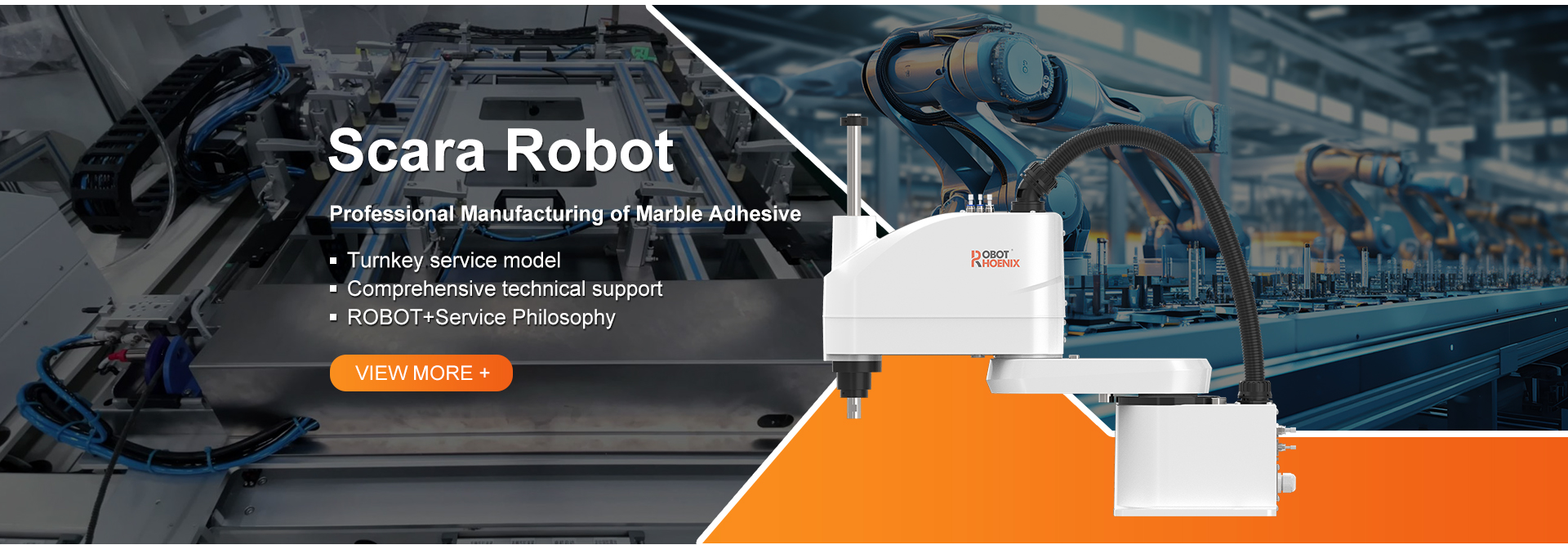
Mini SCARA and 4-axis SCARA robots perform assembly, insertion, screwdriving and inspection inside compact production cells.
Semiconductor & Solar
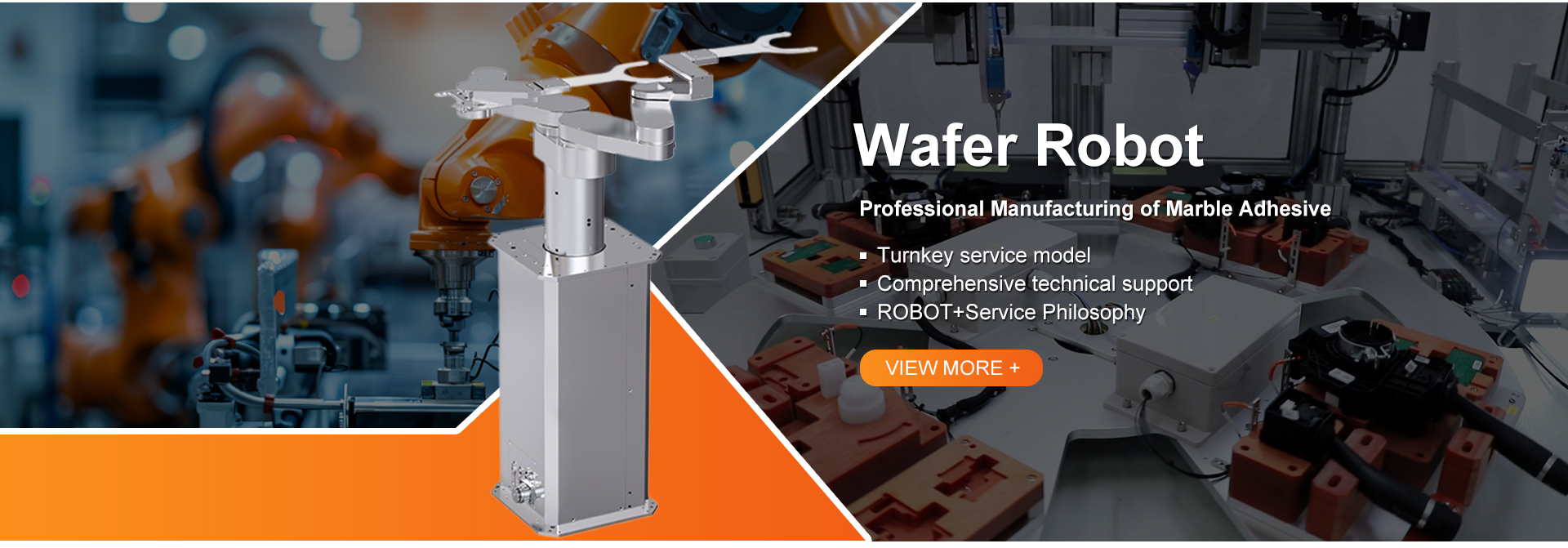
Wafer handling robots support smooth transfer of fragile substrates. Custom end-effectors can be developed for specific wafer sizes and line interfaces.
Warehouse & Logistics
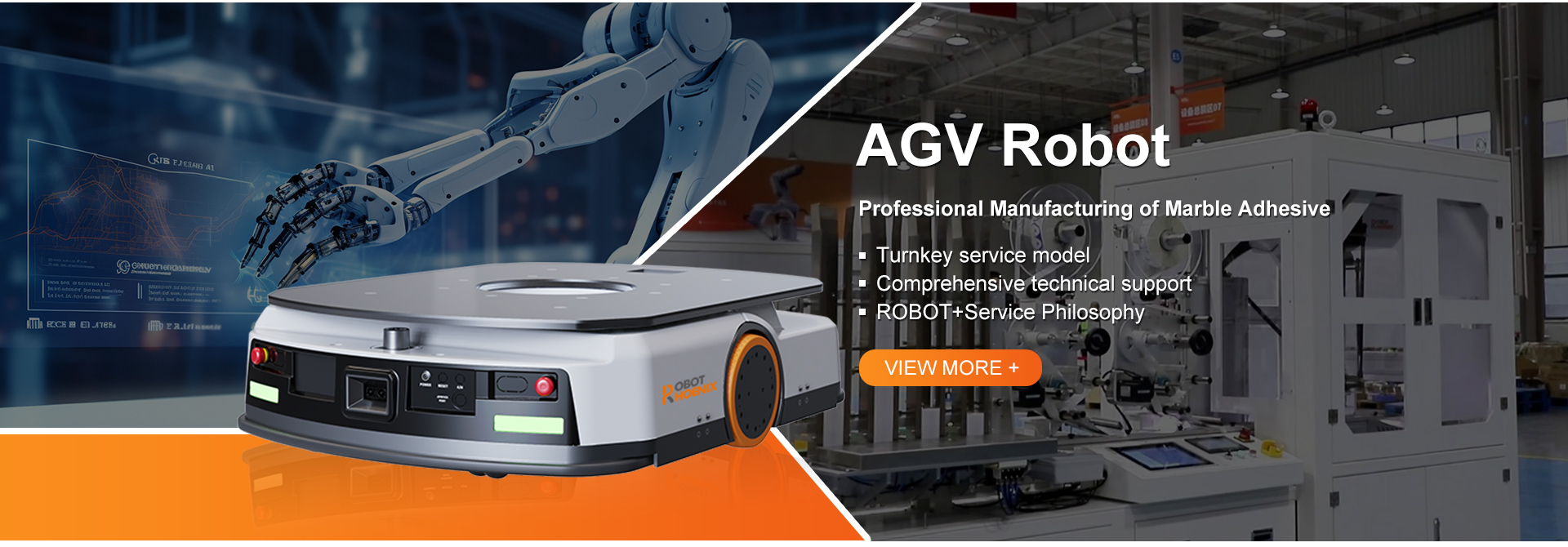
Laser SLAM AMR/AGV platforms and autonomous forklifts connect islands of automation, with fleet management for multi-robot traffic.

Daily Chemicals & Wet Wipes
Delta-based lid applicator and carton packer cells help hygiene manufacturers raise output with fewer manual touches.
A Four-Step Due Diligence Protocol for Overseas Buyers
Whether you are buying one pilot cell or planning a wholesale program, the same four controls reduce technical risk and protect the project schedule.
1. Write the Application Data Pack
Include part weight, dimensions, material, orientation, cycle time, conveyor speed, vision needs, IP rating, line layout, destination voltage, PLC protocol and annual volume.
2. Verify the Manufacturer
Check ISO 9001 scope, onsite verification, patents, trade capacity and transaction history. Ask for references in your industry and review buyer feedback.
3. Agree on Acceptance Criteria
Define cycle time, repeatability, pick success rate, vision accuracy, safety requirements and factory acceptance test protocol. Require video and run-in logs.
4. Lock Down Lifecycle Terms
Put Incoterms, payment currency, lead time, packaging, spare parts, warranty, training, remote support and escalation path into the quotation.
Frequently Asked Questions from Procurement and Engineering Teams
These are the questions that usually decide whether a supplier moves from the long list to the pilot order.
What is the minimum order quantity for SCARA and delta robots?
Should we choose a SCARA robot or a delta robot?
Can you support OEM, ODM, private label and custom end-effectors?
What details should be in an RFQ for accurate pricing?
Which delivery and payment terms are accepted?
Can your robots integrate with existing packaging or PLC-controlled lines?
How do you control quality, warranty and spare parts after shipment?
How quickly can JORI respond, and what is the next step?
Build a More Competitive SCARA Automation Program
Send your part data, cycle-time target, line layout and annual volume. We will propose a robot configuration, controller and vision architecture, integration notes and a quotation with export terms. If you are comparing multiple models, ask for a side-by-side comparison of SCARA and delta options for the same process.