Custom OEM Articulated Robot Arm Supplier & Wholesaler
Factory-direct custom robot arm programs for machine builders, wholesalers and automation teams — combining delta, SCARA, integrated controllers and 2D/3D vision engineering from Jinan, China.
8 Robot Arm Models for Pick-and-Place, Assembly and Packing
These models answer high-intent buying questions from OEM wholesalers, system integrators and factory owners comparing delta, SCARA and parallel robot arm configurations for real production cells.
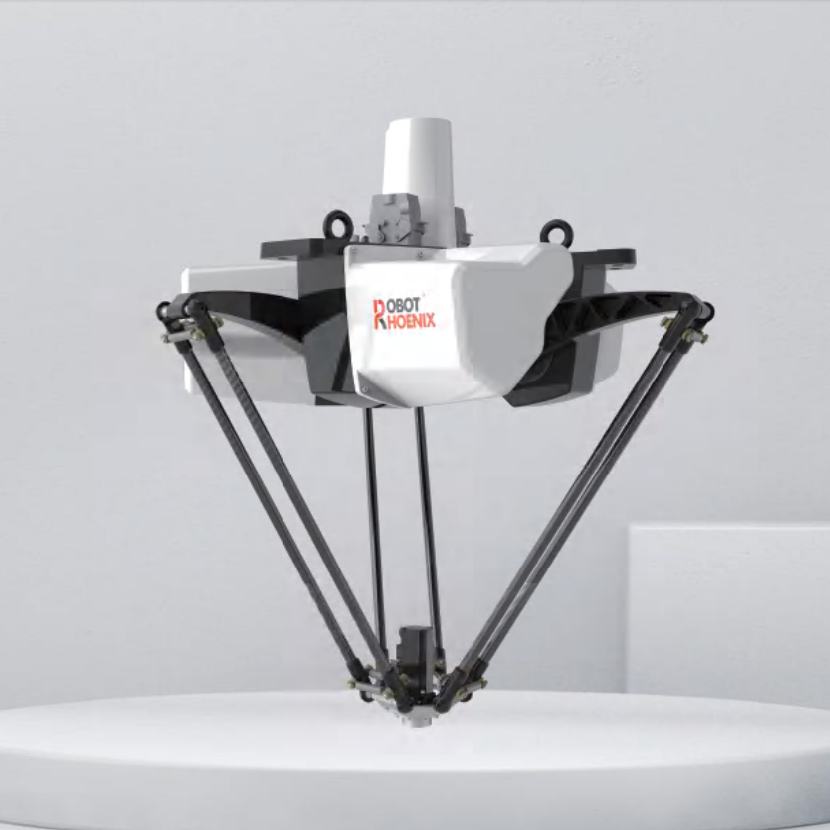
Robotphoenix 4 Arm Payload 3-6kgs Delta Robot for Pick Place Consumer Goods
Four-arm parallel platform for fast consumer goods picking, with 3–6 kg payload options and OEM integration support.
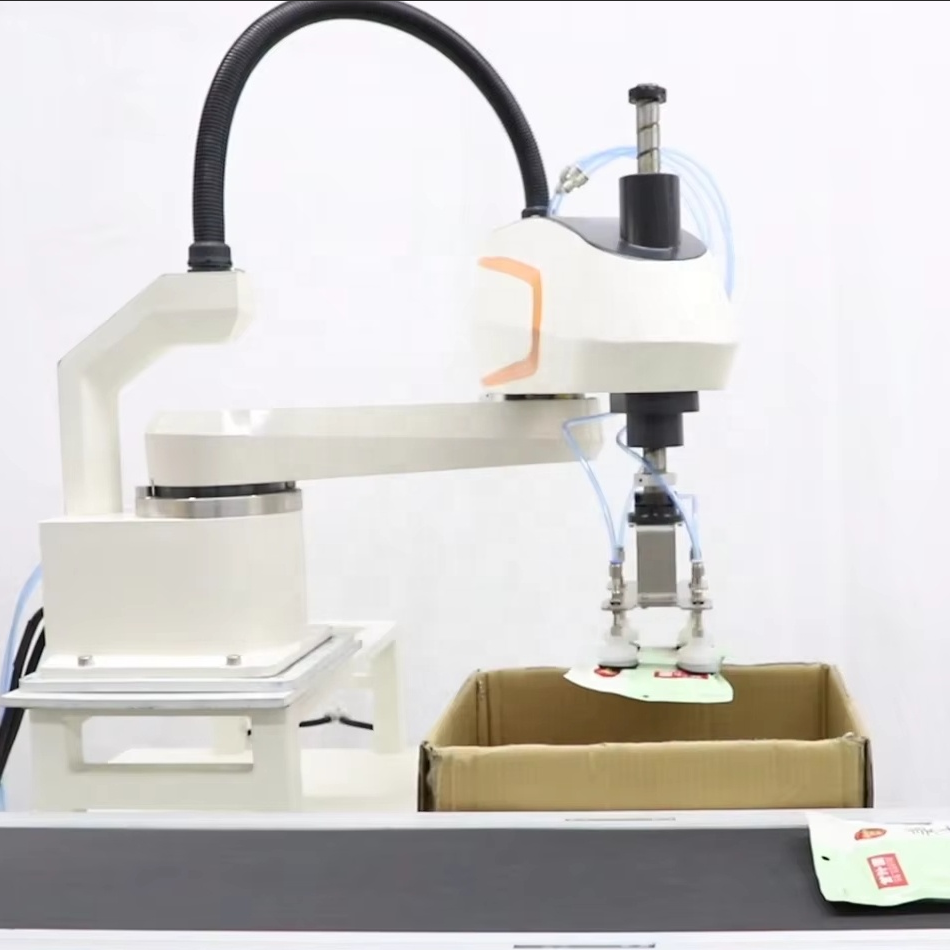
Newly Design Industrial Articulated Robotic Arm Scara for Precision Assembly & Handling
4-axis SCARA architecture for compact planar assembly, insertion and handling with flexible OEM controller options.
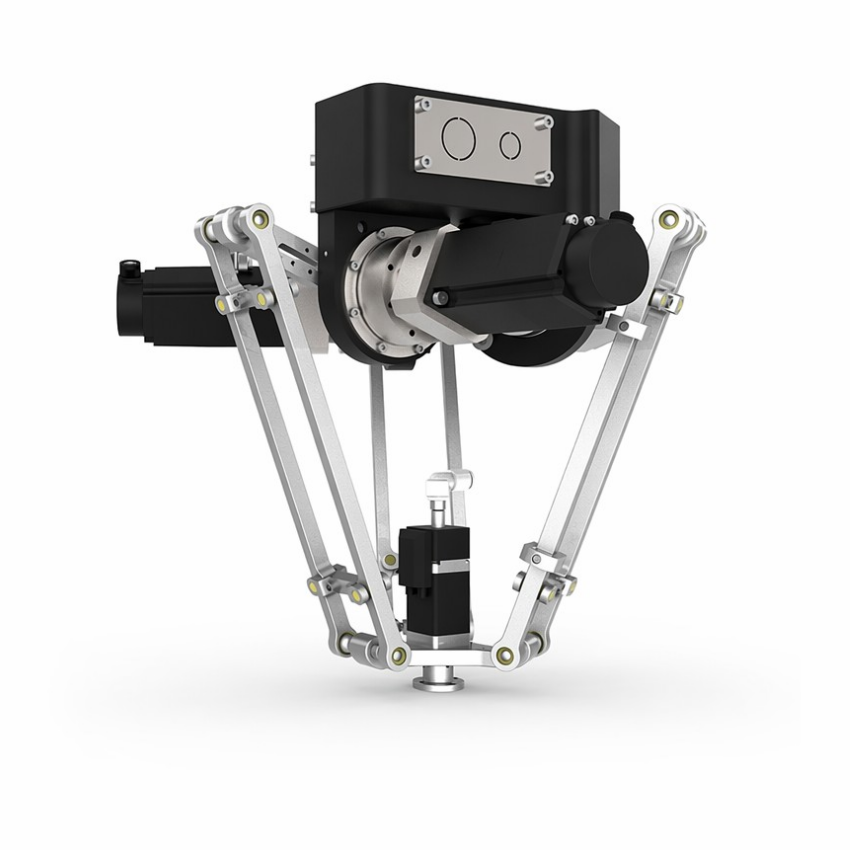
High Precision Pick and Place 4 Aixs Parallel Robot Delta with Vision Tracking System
Vision-tracked delta cell for random-orientation products, moving conveyors and high-speed quality inspection lines.
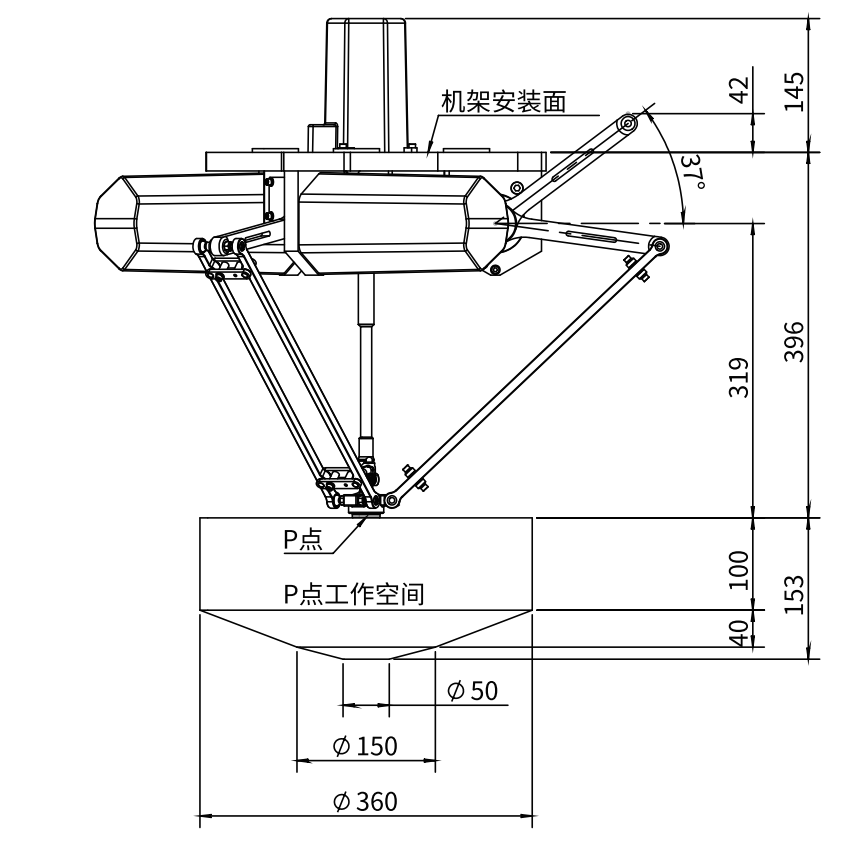
Hot Selling Parallel Robot Delta Industrial Robot Arm for Material Gripping Sorting
Fast sorting and gripping for food, pharmaceutical and small-part handling, with IP-rated configurations available.

New Condition High Precision 400mm Reach Arm Scara Robot with PLC for 3C Electronic Assembly
400 mm reach SCARA with PLC-ready control for 3C electronics assembly, loading and precise small-part placement.
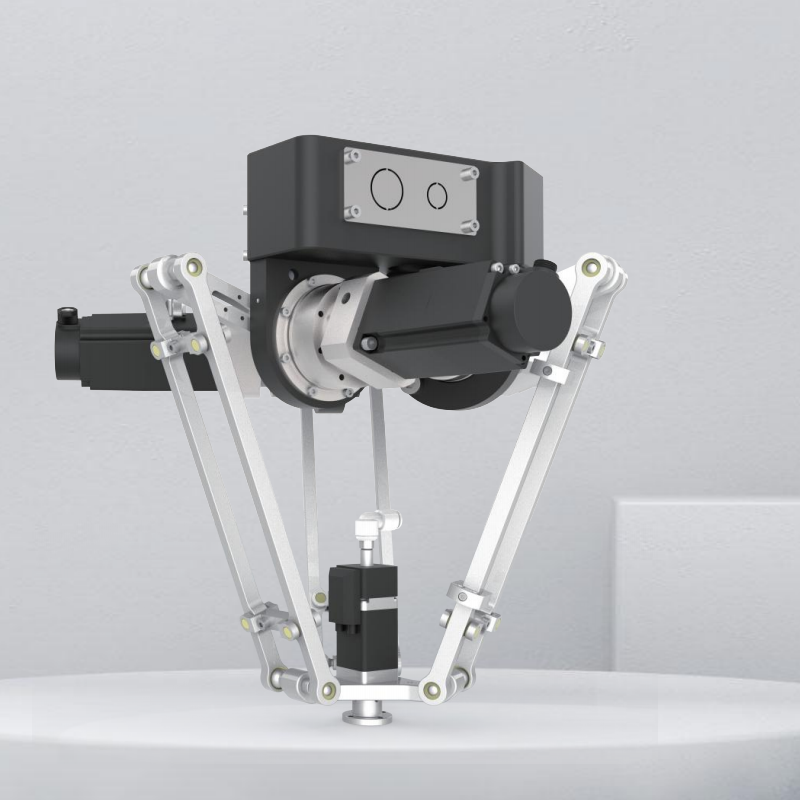
High Speed 3kg Load Industrial Delta Robot Arm with IP54 Protection for Robotic Pick& Place
3 kg payload, IP54 protection and high-speed motion for dusty, washdown-adjacent or demanding production environments.

Robotphoenix New 4-Axis Parallel Robot Arm Delta Spider Hand Robot for Carton Packer Line
4-axis delta spider-hand for cartoning and packer lines, designed for PLC integration with existing packaging machines.
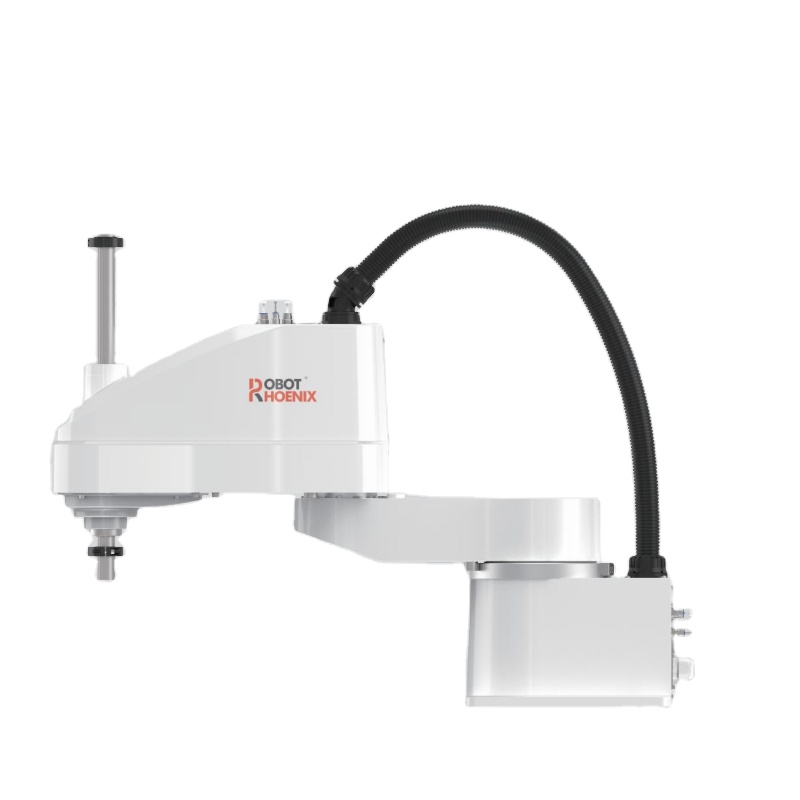
Advanced Industrial 4 Axis Robot Scara Robot for Pick and Place in Food Industry Gripping
Food-industry pick-and-place SCARA with cleanable geometry, custom end-effectors and hygienic production support.
Custom OEM Articulated Robot Arm Supply: What Serious Buyers Evaluate
Most buyers searching for a custom OEM articulated robot arm supplier are not simply buying a catalog arm. They are buying a predictable cycle time, a stable interface with existing machinery, a controller and vision stack that can be supported locally, and a supplier that can scale from a single pilot cell to wholesale or multi-line deployment.
In practice, the term covers several programmable arm architectures: high-speed delta parallel robots for lightweight pick-and-place, 4-axis SCARA robots for planar assembly and insertion, and multi-axis articulated platforms for flexible reach. The correct choice depends on payload at the tool center point, reach envelope, product presentation, hygiene requirements, vision complexity and the controls architecture of the host machine.
JORI’s advantage is vertical engineering depth. Since 2012, the company has developed robot mechanics, controllers and 2D/3D vision in-house, supported by national patents, ISO 9001 quality management and an onsite-verified factory. For OEM buyers, this means one accountable source for the arm, controller, vision, end-effector integration and after-sales engineering — rather than a chain of resellers.
The procurement lesson is simple: evaluate the cell, not only the arm. Ask for cycle-time validation with your product, interface drawings, FAT/SAT criteria, spare-parts recommendations and a clear escalation path for engineering support.

JORI factory and engineering base in Jinan, Shandong — robot R&D, controller development and system integration under one roof.
Which Robot Arm Should You Shortlist?
Use this intent-based comparison to align the buying question with the right robot family before requesting a quotation.
| Buying Intent | Recommended Family | Why It Fits | Example Model |
|---|---|---|---|
| High-speed conveyor picking | Delta parallel robot | Lightweight payloads, short cycle times, vision tracking and moving-conveyor synchronization. | Vision-guided 4-axis delta |
| Precision 3C assembly | SCARA robot | Compact footprint, planar accuracy and PLC-ready control for electronics assembly and insertion. | 400 mm reach SCARA |
| Cartoning and packing lines | 4-axis delta spider hand | Fast pick-and-place above carton conveyors with integration into existing packaging machines. | 4-axis delta for carton packing |
| Food and consumer goods handling | Delta or SCARA with custom tooling | Hygienic geometry, IP-rated options and end-effectors matched to product shape and weight. | Food-industry SCARA |
| OEM wholesale program | Custom robot arm platform | Buyer-label options, controller integration, design service and scalable production support. | 4-arm consumer goods delta |
Why Global Buyers Choose JORI as an OEM Robot Arm Supplier
Authority in robotics procurement comes from verifiable engineering, transparent quality systems and the ability to support the entire automation cell.
In-House R&D Since 2012
Robot mechanics, controllers and 2D/3D vision are developed in-house, supported by national patents and a dedicated engineering team.
One Accountable Source
Arm, controller, vision and system integration come from one manufacturer, reducing interface risk for machine builders and wholesalers.
OEM, Design and Buyer Label
OEM service, design service and buyer-label options support custom end-effectors, controller integration and private-label robot programs.
Verified Quality Credentials
ISO 9001 quality management, onsite-verified manufacturer status, trade records and assessment profile give procurement teams verifiable evidence.
Packaging and Integration Experience
PLC-ready delta robots are used with cartoning machines, carton packers and wet-wipe lid applicator equipment, helping OEMs shorten commissioning.
Fast, Export-Ready Response
A 97.06% response rate and average reply within 2 hours or less help overseas buyers keep technical and commercial evaluations moving.
What Wholesalers and OEM Buyers Will Expect Next
Robot arm procurement is shifting from component buying to outcome buying. These trends matter for distributors, machine builders and end users planning 2025–2030 automation projects.
Total Cost of Ownership over Unit Price
Buyers now model cost per 100,000 cycles, energy use, changeover time, spare parts and downtime — not simply the quoted arm price.
Factory-Direct OEM Validation
Wholesalers increasingly want a manufacturer that can provide controllers, vision, end-effectors and buyer-label support from one engineering source.
Pilot-to-Scale Purchasing
MOQ 1 set lets buyers validate a single cell before scaling to multi-line, multi-robot or wholesale programs.
Local Service and SLA Clarity
Spare-parts lists, remote diagnostics, training and escalation paths are becoming tender requirements, especially for export projects.
Verified Credentials
ISO 9001, onsite verification, patents and transaction history are now used as early filters in supplier shortlisting.
Multi-Robot and Packaging Integration
Delta, SCARA, AMR and forklift fleets are being planned together, so suppliers must prove controls and integration capability.
Where Custom Robot Arms Are Heading
Hardware is becoming more integrated, more modular and more data-aware. The result is shorter commissioning and better performance per square meter of production space.
Integrated Controller and Vision
Fewer cabinets, simpler interfaces and tighter synchronization between robot motion, conveyor tracking and inspection.
AI-Assisted Perception
Adaptive picking for random orientation, variable packaging and difficult lighting is moving from custom project work into repeatable OEM configurations.
Modular Mechanics and End-Effectors
Quick-change tooling, modular wrists and configurable mounting reduce engineering time for machine builders and wholesale programs.
Energy-Efficient, Compact Drives
Higher performance per watt and smaller footprints help factories fit robots into existing lines without major civil works.
IP54 and Hygiene-Ready Designs
Food, pharmaceutical and consumer goods buyers demand protection, cleanability and material choices that support audit-ready production.
Digital Twin and Offline Programming
Simulation-ready robot models reduce risk before shipment and shorten onsite commissioning for complex OEM cells.
A Practical RFQ and TCO Checklist for Robot Arm Buyers
Use this checklist to compare suppliers on engineering substance rather than brochure claims. It also helps your team prepare a clearer RFQ for faster quotation.
- Define payload at the tool center point, not at the robot flange.
- Confirm cycle time with the actual product, orientation and gripper.
- Validate lighting, conveyor tracking and vision for random products.
- Require FAT/SAT acceptance criteria, data logs and video evidence.
- Model cost per cycle, energy, spares, changeover and downtime.
- Confirm PLC, EtherCAT, I/O and safety interfaces with the host machine.
- Ask for a recommended spare-parts list and software support terms.
- Verify ISO 9001, onsite assessment, patents and installed references.
Where JORI Robot Arms Are Deployed
Application fit is the fastest way to narrow a robot arm search. These four production environments represent common OEM and wholesale demand.
Food & Beverage
Vision-guided delta picking, sorting and case packing at conveyor speed.
3C Electronics
SCARA assembly, insertion and inspection for compact production cells.
Pharma & Medical
Blister, vial and carton handling with clean, repeatable motion.
Cartoning & Logistics
4-axis delta spider-hand robots integrated with carton packers and packer lines.
Custom OEM Articulated Robot Arm Supplier FAQ
Direct answers to the questions procurement teams and machine builders ask most often before shortlisting a robot arm supplier.
What does custom OEM mean at JORI?
What is the minimum order quantity?
Should I choose a delta robot, SCARA robot or articulated arm?
Can JORI robots integrate with existing packaging machines?
Which delivery and payment terms are accepted?
How can I verify quality before shipment?
How quickly will I receive a reply?
Do you support spare parts and after-sales engineering?
Ready to Specify a Custom OEM Robot Arm?
Send your payload, reach, cycle time, product presentation and packaging-line interface. Our engineers will recommend a delta, SCARA or custom OEM configuration and respond within 2 hours on average.
Get a Quote