Custom OEM Cobot Palletizer Manufacturer & Factory
Engineered collaborative palletizing cells for cartons, bags, trays, pails and mixed-SKU pallets — supported by in-house controllers, 2D/3D vision, robot integration, ISO 9001 quality control and one-set MOQ validation.
8 Factory-Direct Modules for Custom Palletizer Builds
These JORI automation modules are commonly specified in OEM palletizing projects where high-speed picking, precise placement, vision guidance and mobile pallet transport must work as one system. Product links are preserved exactly for easy technical review.
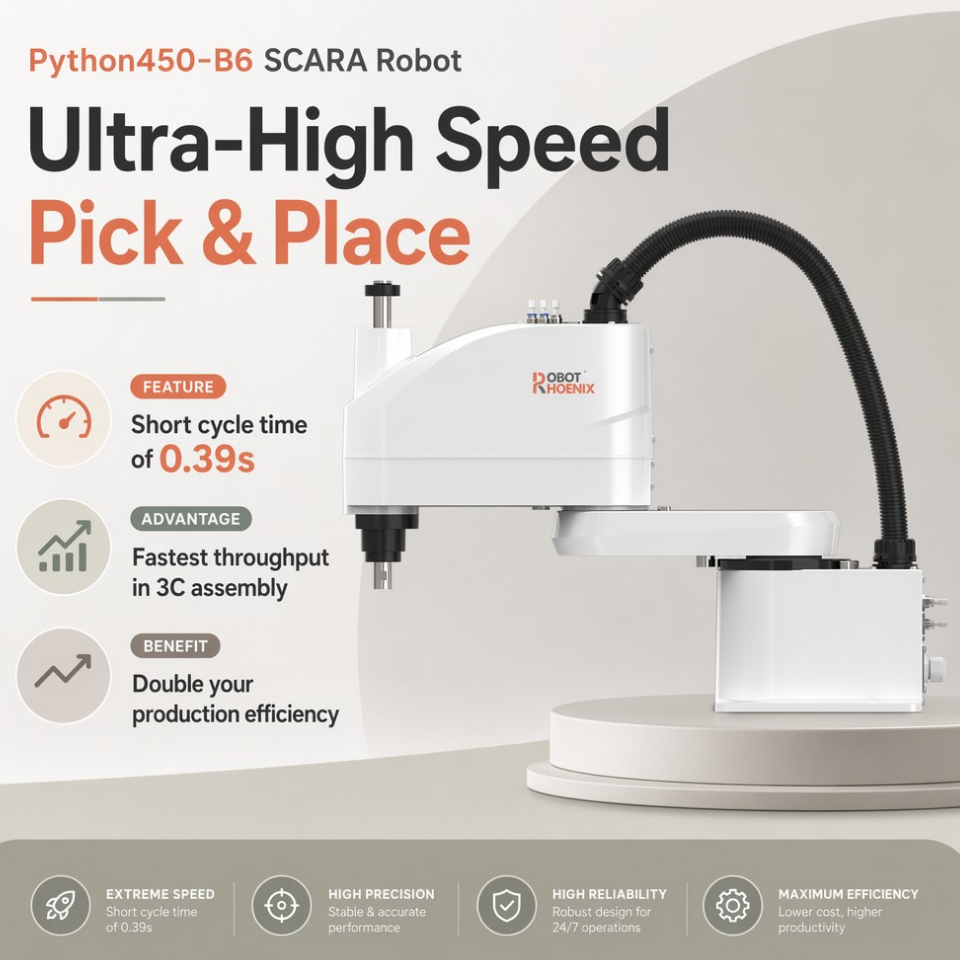
Robotphoenix High Speed Manipulator Scara Robot with Gripper for Product Accuracy Picking
Ideal for compact pre-palletizing, tray loading and small-carton placement where repeatable positioning matters more than long reach.
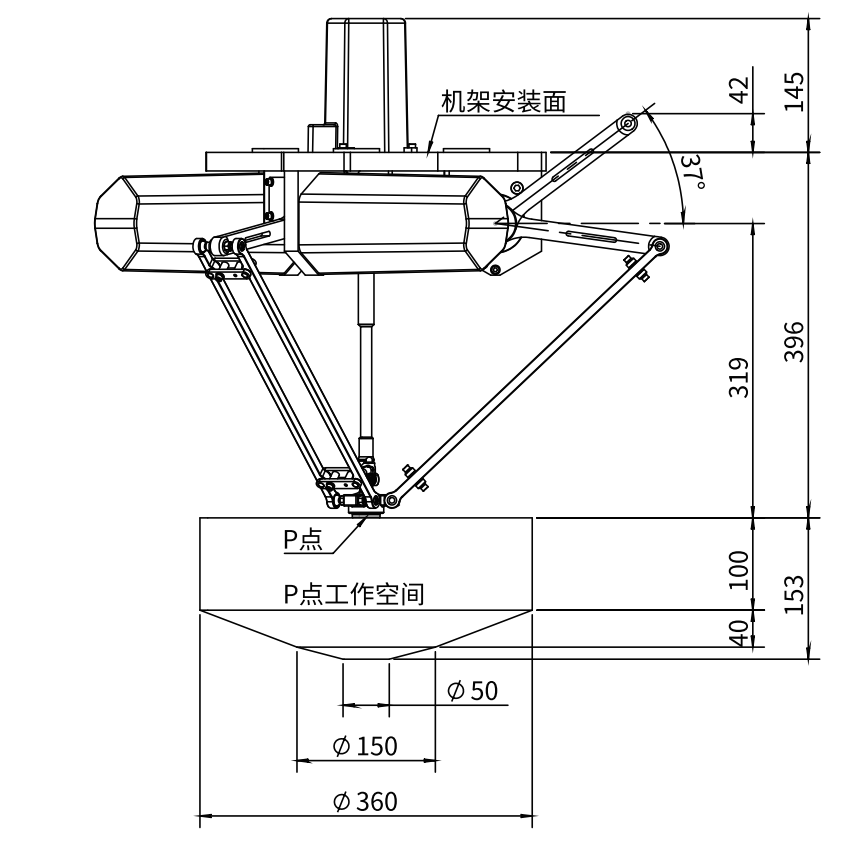
Hot Selling Parallel Robot Delta Industrial Robot Arm for Material Gripping Sorting
Used upstream of palletizing to sort, orient and group incoming products before a cobot or cartesian palletizer completes the pattern.
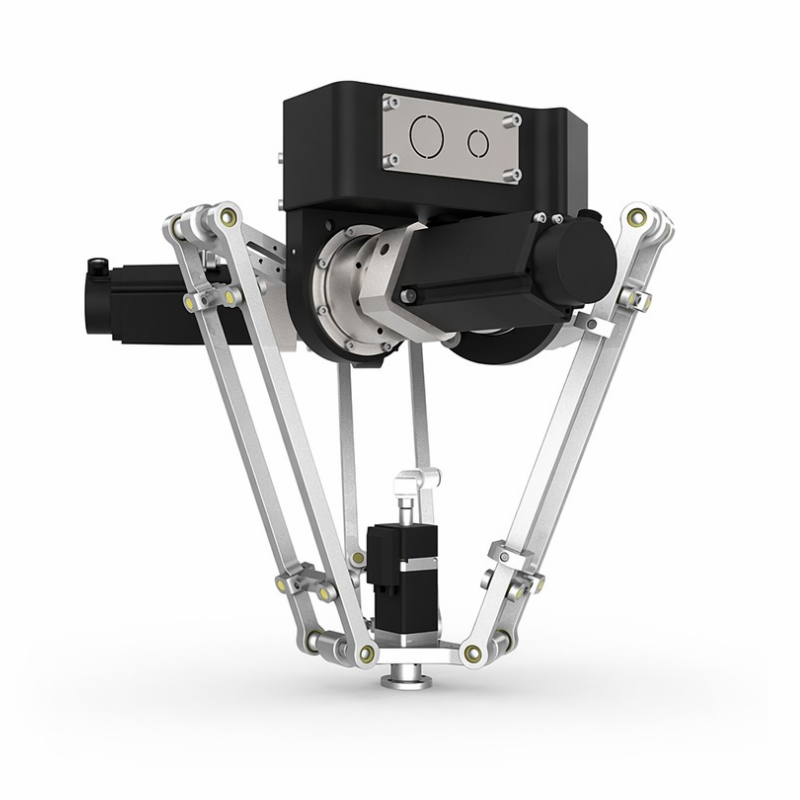
Low Cost Customized 2/3/4 Axis Industrial Manipulator Delta Robot for Pick and Place
A cost-sensitive delta platform for machine builders that need custom grippers, PLC-ready integration and fast line commissioning.

New Condition High Precision 400mm Reach Arm Scara Robot with PLC for 3C Electronic Assembly
Suited to small-part palletizing, blister tray handling and electronics assembly cells where footprint and accuracy are tightly constrained.
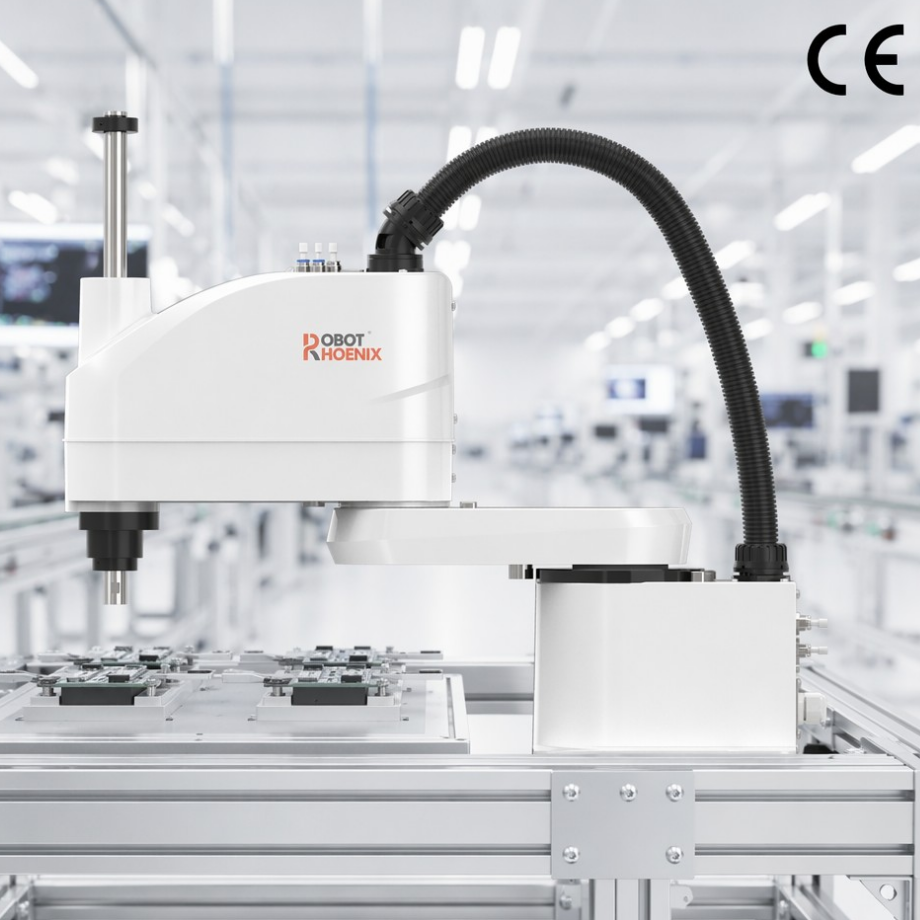
New Design Compact High Accuracy Industrial Robot Arm Scara with 2D/3D Vision System
Brings vision-guided picking into mixed-SKU palletizing, including random orientation, missing-part detection and quality traceability.
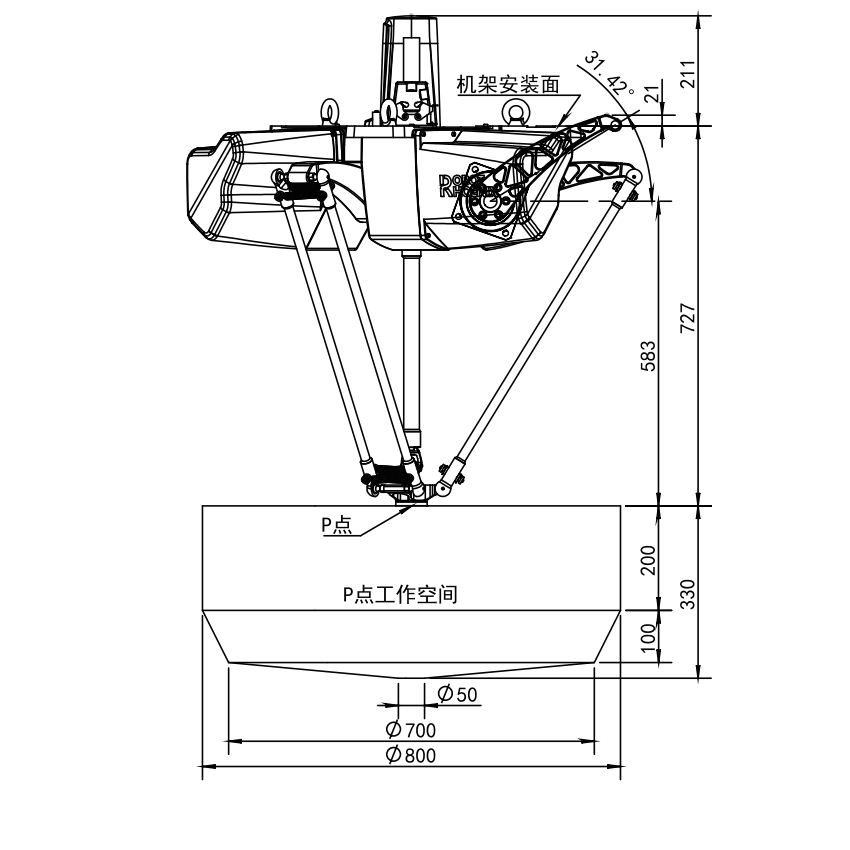
Industrial Delta Robot High Efficiency Parallel Robot for Goods Picking Placing Sorting
Useful for high-cycle picking, sorting and infeed stabilization before pallet build, especially where conveyor speed is the bottleneck.

High-Precise Industrial Scara Robot Arm Scara Robot for Pick and Place in Light Industry
Provides repeatable planar motion for light-industry palletizing, kitting, labeling and placement tasks inside existing production cells.
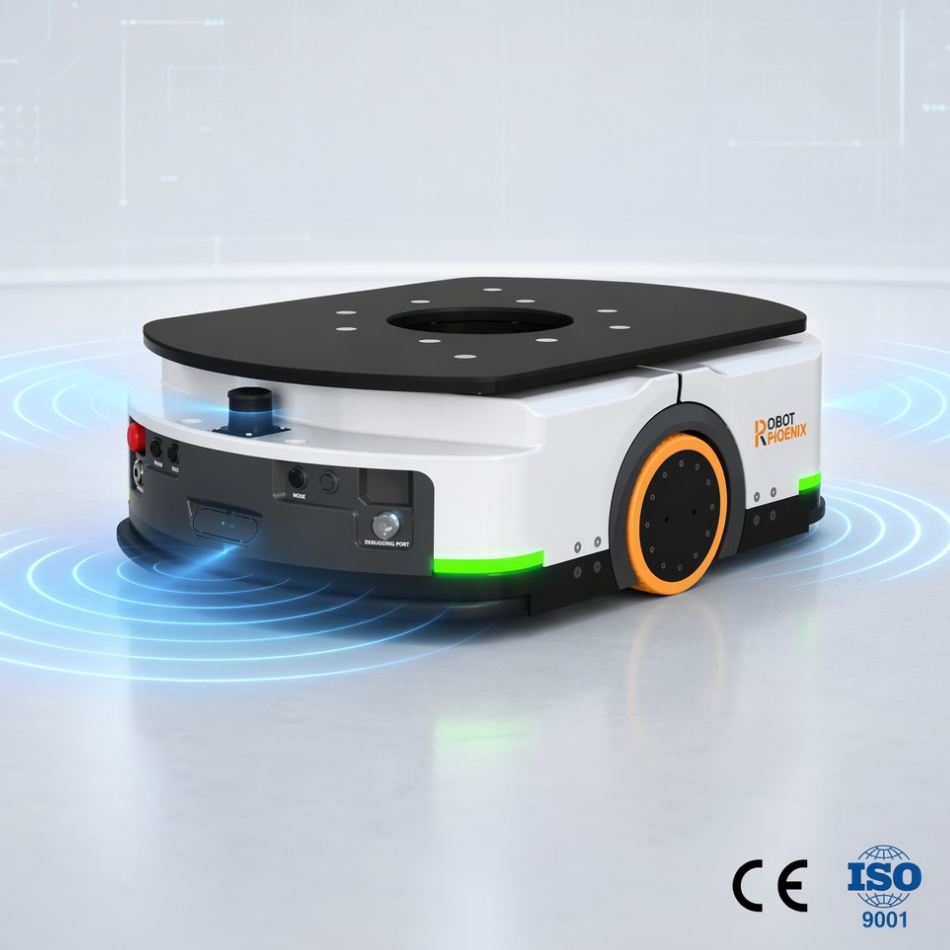
Compact and Latent Mobile Robot AGV for Narrow Aisle Warehouse and Factory Transportation
Moves empty pallets, finished pallets or work-in-process to the palletizing station without fixed conveyors in narrow aisles.
Custom OEM Cobot Palletizer: A System, Not a Standalone Arm
Procurement teams searching for a custom OEM cobot palletizer manufacturer are usually not buying a robot arm in isolation. They are buying a validated end-of-line system that must fit an existing line, pallet pattern, safety envelope, SKU mix and service model.
Collaborative Safety Envelope
Safety scanners, speed-and-separation monitoring, force-limited operation and guarded pallet exchange must be engineered as one risk-assessed cell.
OEM Customization
Custom end-effectors, pallet dispensers, conveyor interfaces, branding, controllers, software screens and documentation can be adapted to the machine builder’s offer.
Pallet Pattern Intelligence
2D/3D vision, recipe management and pattern logic help handle multiple carton sizes, mixed layers and changeovers without long mechanical changeover time.
Factory Accountability
When controller, vision, robot, integration and after-sales engineering come from one manufacturer, project responsibility does not fragment between resellers.
Why Custom OEM Cobot Palletizers Are Replacing Rigid End-of-Line Automation
Palletizing is no longer a simple repeat-motion task. SKU proliferation, labor variability and shorter production runs have made flexibility a procurement requirement, not a premium option.
Absorb Labor Volatility
Repetitive lifting, stacking and pallet exchange are difficult to staff consistently. A well-designed cell stabilizes throughput across shifts and reduces reliance on temporary labor.
Handle More SKUs
Recipe-driven changeovers and vision-based orientation make it practical to palletize mixed cartons, trays and bags without rebuilding the line for every product family.
Improve Safety and Quality
Controlled placement reduces dropped cases, damaged corners and repetitive-strain incidents. Integrated inspection can also catch mislabels or missing packs before shipping.
Scale Without Replatforming
Modular robot, vision, conveyor and AMR interfaces let buyers start with one palletizing cell, validate ROI, then add infeed lines, pallet transfer or mobile feed.
A credible custom palletizer project should be judged by total cost per pallet, not by arm price alone. The calculation must include integration engineering, safety validation, changeover time, spare parts, training, energy use, floor space and after-sales response.
Inside the Factory: JORI’s E-E-A-T Advantages for Palletizer Buyers
JORI Intelligent Technology Co., Ltd. was founded in 2012 in Jinan, Shandong, China, and operates as a high-tech manufacturer focused on industrial robot R&D and production, controller and 2D/3D vision development, OEM support and automated system integration.
For custom palletizer procurement, that matters because the arm, controller, vision and integration team can be coordinated under one quality system. Buyers are not forced to arbitrate between a robot supplier, a vision vendor and a system integrator when a pattern change or safety issue appears during commissioning.


What Palletizer Buyers Will Expect in 2025–2030
Procurement criteria are shifting from “Can it palletize?” to “Can it adapt, report, scale and stay supported?” These are the commercial signals worth modeling before a capital request.
TCO per Pallet
Buyers increasingly compare energy per cycle, changeover labor, spare-part consumption and service response against revenue per pallet. The lowest purchase price is rarely the lowest operating cost.
Modular Scalability
Pilot-to-scale purchasing is becoming standard: one cell first, then additional infeed, pallet transfer or AMR feed. Modular interfaces reduce the risk of a second capital project.
OEM and Private Label
Machine builders want palletizing modules that can carry their brand, documentation and controls. OEM customization is moving from a special request to a normal supply-chain expectation.
Data Traceability
OEE dashboards, fault logs, recipe usage and pallet-count records are increasingly requested at FAT and handover. Data helps maintenance teams resolve stoppages without guesswork.
Cobot Palletizer Technology Trends That Affect Specification
These trends are not buzzwords for a brochure. Each one changes the questions a buyer should ask during technical review, factory acceptance testing and after-sales planning.
Mobile Palletizing
Cobot arms mounted on mobile bases or served by AMR pallet transport reduce fixed conveyor length and allow one palletizing resource to serve multiple packaging lines.
Vision-First Flexibility
2D/3D vision is moving from optional inspection to core picking logic, enabling random-orientation handling, mixed-case layers and faster product changeovers.
Simulation Before Steel
Digital validation of reach, cycle time, pallet pattern and safety zones reduces surprises at commissioning. Buyers should request simulation evidence when cycle time is contractual.
Safety and Standards
Risk assessment, validated separation monitoring, lockout procedures and clear operator zones remain essential even in collaborative systems. Documentation quality is a procurement criterion.
Which Robot Architecture Fits Your Palletizing Requirement?
Custom palletizing should begin with the product, pack pattern and line layout. Use this quick comparison to shortlist the right technical route before requesting a quotation.
Flexible End-of-Line Palletizing
Best for medium-speed, multi-SKU lines where floor space, changeover and safe collaboration are priorities.
High-Speed Picking and Sorting
Best for lightweight products moving at high conveyor speed before grouping, orientation or pattern build.
Precision Placement and Assembly
Best for compact cells requiring repeatable planar motion, insertion, tray loading or small-carton placement.
Pallet Transport and Mobile Feed
Best for moving empty or finished pallets between palletizing, stretch wrapping and warehouse staging areas.
From Inquiry to Factory Acceptance: A Lower-Risk Palletizer Project
A practical procurement process keeps engineering assumptions visible. It also creates clear checkpoints before the cell reaches your factory floor.
Application Audit
Share product dimensions, pack weight, pallet pattern, cycle time, line layout, safety constraints and existing PLC or conveyor interfaces. Our team replies with a technical direction, usually within two hours.
Concept and Simulation
We review reach, gripper concept, pallet exchange, infeed buffer and safety zones. Where cycle time is critical, simulation and layout drawings should be agreed before purchase order release.
Build and FAT
Robot, controller, vision, end-effector and OEM branding are coordinated under ISO 9001 processes. Factory acceptance testing should include pallet patterns, fault recovery and safety checks.
Shipment and Support
Export packing, documentation, spare-parts recommendations and remote commissioning support are planned before dispatch. Terms can include FOB, CIF, EXW and other agreed delivery methods.
Frequently Asked Questions About Custom OEM Cobot Palletizers
These answers reflect common procurement and engineering questions from machine builders, distributors and factory owners evaluating a custom palletizing program.
What is the minimum order quantity for a custom palletizer?
Standard robot modules and many palletizing configurations can start from one set. This allows buyers to validate a single cell, pallet pattern or pilot line before committing to multiple lines or a private-label program.
Can you provide OEM, private-label or buyer-branded palletizer solutions?
Yes. JORI supports OEM service, design service and buyer-label options. Custom end-effectors, controller integration, documentation, branding and machine-builder interfaces can be discussed during the technical review.
Should I choose a cobot palletizer, delta robot or SCARA robot?
Choose a cobot palletizer for flexible end-of-line stacking with moderate speed and frequent changeovers. Use a delta robot for high-speed lightweight sorting before pallet build. Use a SCARA robot for compact, precise planar placement or assembly-linked palletizing.
Can the palletizer integrate with existing packaging machines and conveyors?
Yes. JORI develops controllers and 2D/3D vision in-house and supports PLC-ready integration. The review should cover infeed height, conveyor speed, carton orientation, pallet dispenser logic and the handshake with existing cartoners or wrappers.
What product types can a custom palletizer handle?
Typical projects involve cartons, trays, bags, pails, blister packs and mixed cases. Fragile, unstable or unusually shaped products require a tailored end-effector and pattern validation before final quotation.
How long does a custom palletizer project take?
Lead time depends on reach, payload, gripper complexity, vision requirements, safety validation and whether the project is a standard module or a full OEM cell. A firm schedule should be confirmed after drawings, pallet patterns and FAT criteria are agreed.
Which payment and delivery terms are accepted?
Delivery terms can include FOB, CFR, CIF, EXW, CIP, FCA, CPT and express delivery. Payment methods include T/T, L/C, credit card, PayPal, Western Union, MoneyGram and escrow, subject to project value and commercial agreement.
What support is available after shipment?
Support can include commissioning guidance, operator training materials, spare-parts recommendations and remote troubleshooting. Buyers should confirm the service scope, response expectations and local support arrangement during contract review.
Request a Custom Palletizing Concept
Send your carton dimensions, pack weight, pallet pattern, cycle-time target, line layout and safety requirements. Our engineering team will review the application and recommend a factory-direct cobot palletizer architecture, OEM module set or phased automation plan.