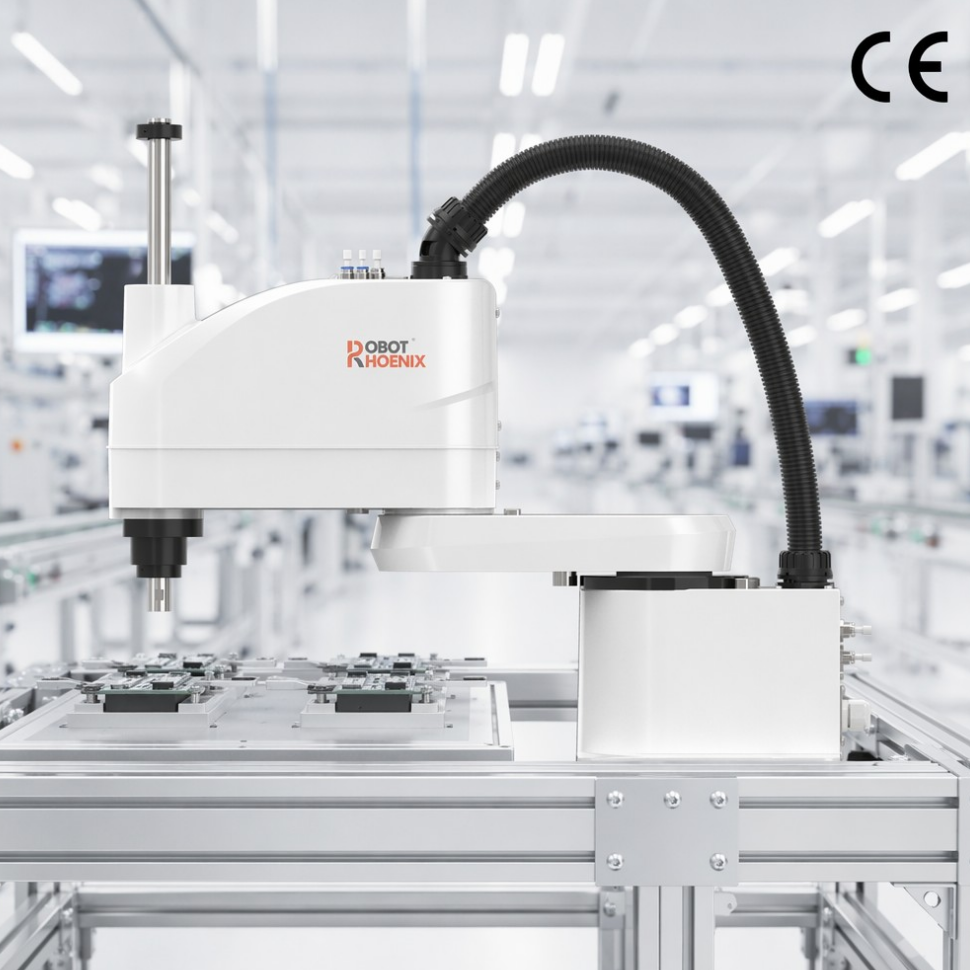
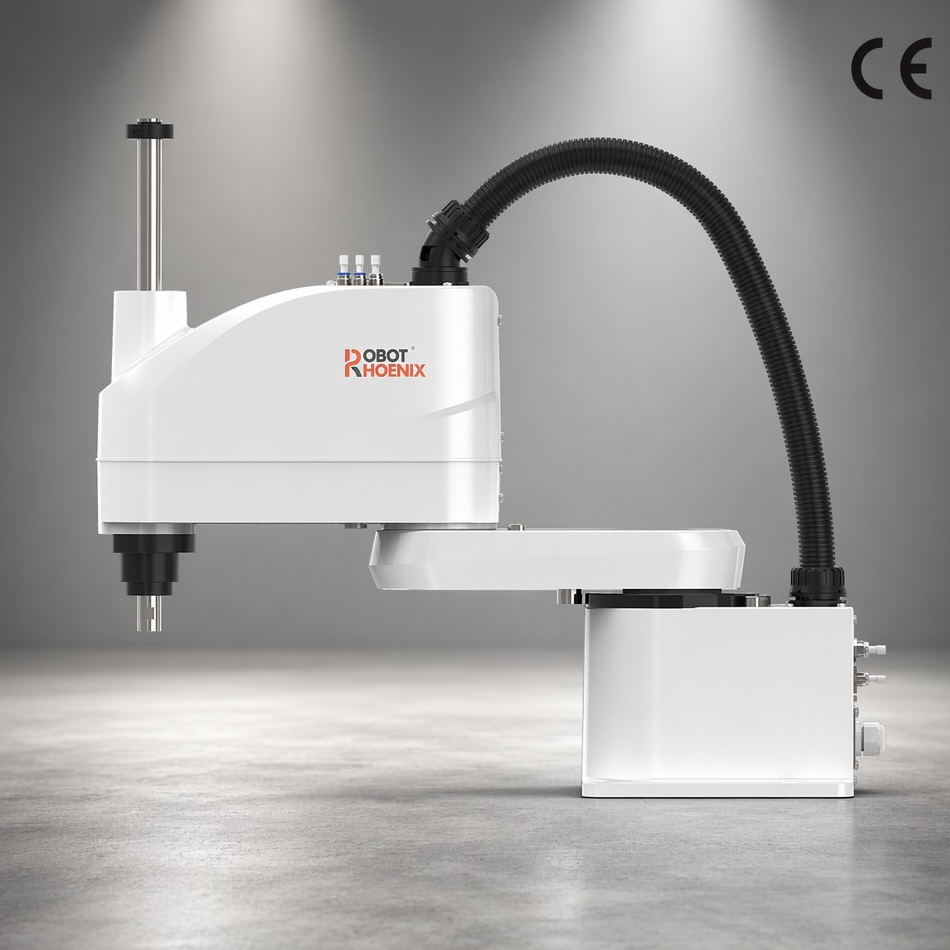
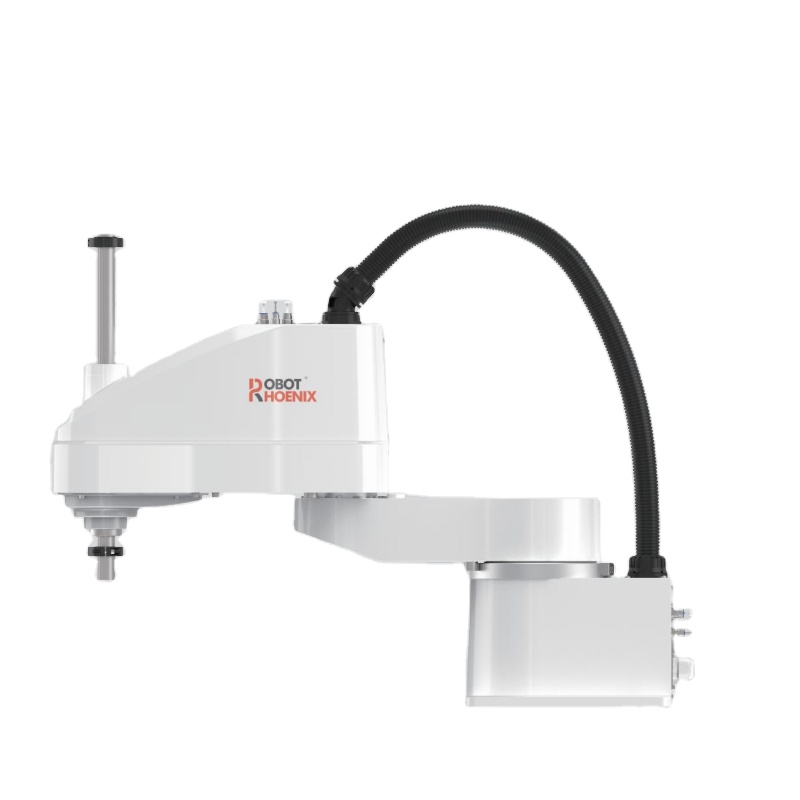
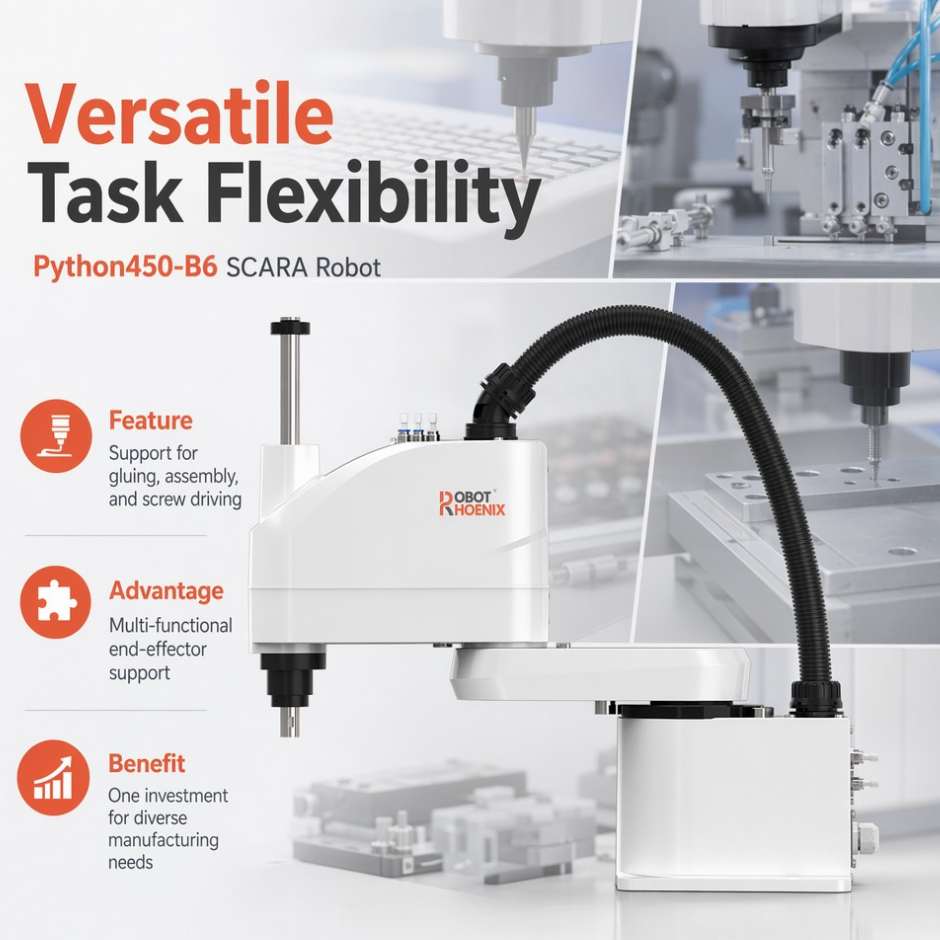
New Design Compact High Accuracy Industrial Robot Arm Scara with 2D/3D Vision System
A compact vision-guided SCARA platform for space-constrained cells that need precise pick-and-place, inspection and repeatable assembly motion.
Factory-direct delta, SCARA, AMR and vision-guided robot handling systems engineered by JORI for machine builders, system integrators and global production teams that need accountable OEM support, fast response and one engineering source from controller to end effector.
The eight configurations below are practical starting points for packaging, food handling, electronics assembly, inspection and high-speed picking. Each product page preserves the original model link so buyers can move directly from application fit to technical review.

A compact vision-guided SCARA platform for space-constrained cells that need precise pick-and-place, inspection and repeatable assembly motion.

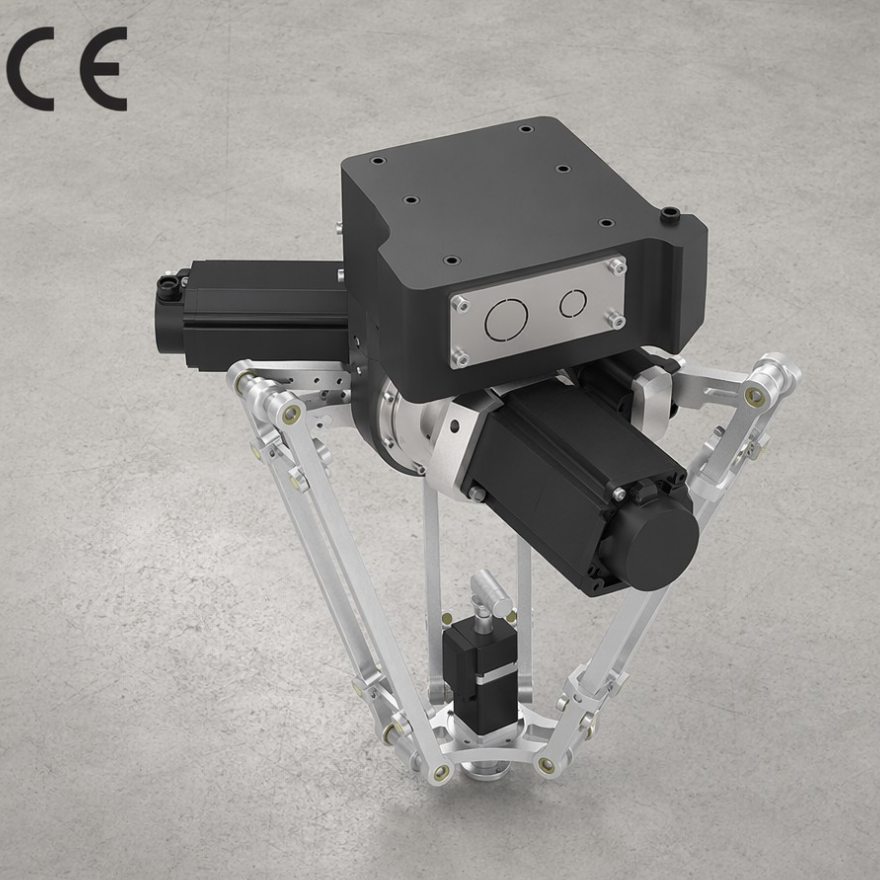
A lightweight high-speed delta robot for food, pharmaceutical and packaging lines where washdown protection and short cycle times matter.

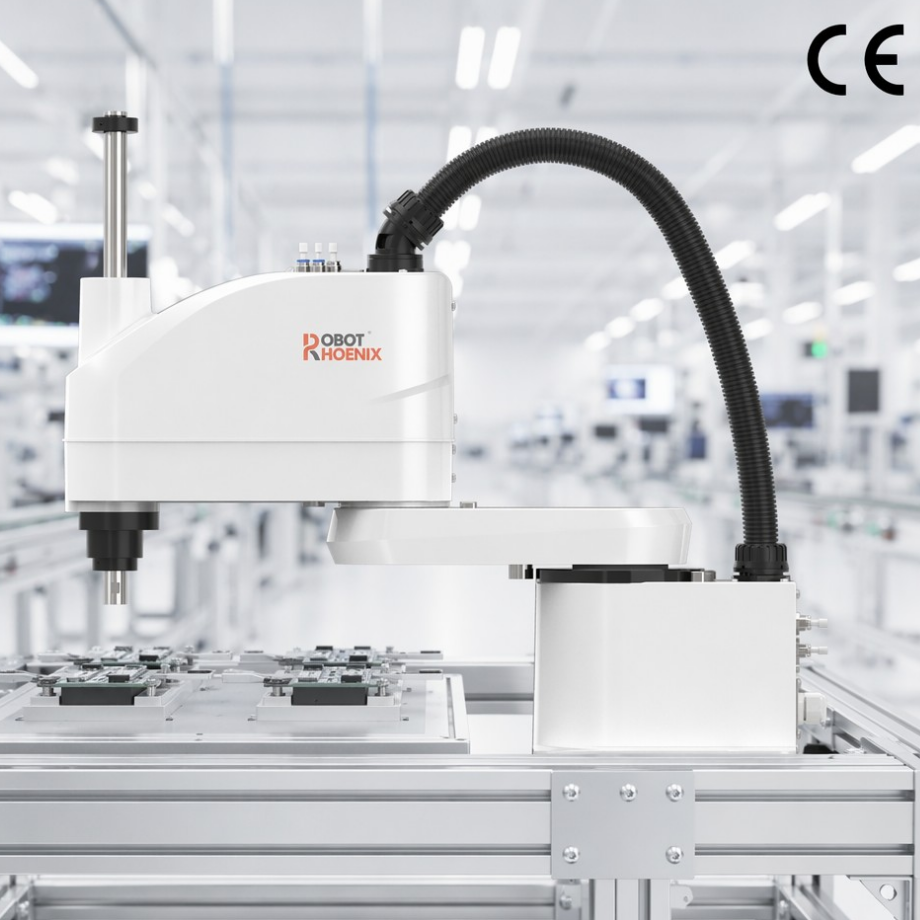
A four-axis SCARA robot for planar loading, assembly and placement tasks that require speed, repeatability and a clean machine footprint.

A parallel delta robot with vision tracking for random-orientation products moving on a conveyor, ideal for sorting and packaging lines.

A higher-payload vision SCARA for mixed production where the handling system must move heavier parts without sacrificing placement quality.

A four-axis SCARA handling system for food gripping, sorting and packaging support where repeatable motion and hygiene-aware design are priorities.

A smart parallel robot with visual system integration for flexible picking and placing, suitable for OEM machine builders that need rapid deployment.

A four-axis SCARA robot hand for loading, unloading and sorting in food production, built for repetitive handling that requires stable accuracy.
A robot handling system becomes commercially valuable only when the arm, end effector, gripper, vision, controller, safety logic, conveyor interface and commissioning plan work as one repeatable cell. This is why the title Custom OEM Robot Handling System Factories & Exporters should be evaluated as a manufacturing capability question, not a catalogue keyword. The right factory must be able to adjust reach, payload, cycle time, mounting, communication protocol and protective finishes without turning a proven platform into an unproven experiment.
For OEM machine builders, the buying decision is even more demanding. The robot must fit an existing cartoner, labeler, wet-wipe lid applicator, food tray line or electronics assembly station. It must also be documented, repeatable and export-ready, with clear spare-part logic and engineering support after shipment. JORI has focused on this layer of the market since 2012 by developing its own controllers, vision systems and robot families in-house.
This white-paper-style guide explains the product recommendations, procurement trends, development trends, factory advantages and FAQ that matter when a buyer compares custom OEM robot handling system factories and exporters. The aim is not to publish another product list, but to give procurement and engineering teams a practical evaluation model that reduces both technical risk and total cost of ownership.
JORI Intelligent Technology Co., Ltd. was founded in 2012 in Jinan, Shandong, China, and develops industrial robots, controllers and 2D/3D vision in-house. The company serves OEM buyers, system integrators and factory owners across North America, South America, Eastern Europe, Southeast Asia and China.
The strongest supplier is not always the one with the widest catalogue. For custom handling systems, the advantage comes from engineering accountability, in-house control of critical technology, and a documented quality system that export buyers can verify.
JORI develops delta robots, SCARA robots, wafer handling robots, AGV/AMR platforms, controllers and 2D/3D vision in-house. This reduces the risk of an OEM buyer receiving a robot that depends on an unmanaged mix of third-party components.
Machine builders can work with JORI on OEM service, design service and buyer-label options. The objective is to let the machine builder keep its own brand, documentation and customer relationship while using a proven robot platform underneath.
Vision-guided picking is not a bolt-on feature. JORI's self-developed controllers and 2D/3D vision support make it easier to align camera calibration, conveyor tracking, robot motion and PLC communication in one engineering discussion.
The factory operates under ISO 9001 quality management, and the supplier profile has been subject to third-party checks. Export buyers can review assessment, credit, trade capacity, transaction level, trade history and buyer reviews before placing a pilot order.
JORI maintains a high response rate with an average reply time of about 2 hours. For an OEM project, that speed matters because the robot enquiry is often part of a larger machine quotation with fixed customer deadlines.
From robot selection and end-effector review to controller integration and automated system integration, JORI supports the wider handling cell. This is especially useful for packaging machines, food sorting lines and logistics systems that must be delivered as a complete solution.
Use this engineering comparison to shortlist the right family before requesting a detailed quotation. The best configuration depends on payload, cycle time, part orientation, available footprint and the control environment around the robot.
| Robot family | Best for | Selection signals | OEM customisation potential |
|---|---|---|---|
| Recommendation 01Delta parallel robot | High-speed pick-and-place, sorting, labeling, cartoning and packaging infeed. | Light products arrive on a moving conveyor; cycle time is the bottleneck; 3–6 kg payload is common; IP54 protection may be required. | Custom grippers, conveyor tracking, vision calibration, PLC-ready interfaces and line-level integration. |
| Recommendation 02SCARA robot | Planar assembly, insertion, loading/unloading, precision placement and electronics handling. | The cell needs accurate X-Y motion in a compact footprint; parts require consistent placement; a mini model may suit cost-sensitive projects. | End-effector design, controller integration, vision options, fixture coordination and buyer-label configuration. |
| Recommendation 034-axis delta with vision | Random-orientation picking, food sorting, packaging, inspection or labeling lines. | Products are not precisely spaced; camera-guided picking can replace manual orientation; line speed varies during production. | Vision-guided robot programming, lighting review, reject logic, packing pattern and machine interface support. |
| Recommendation 046 kg vision SCARA | Heavier pick-and-place, mixed-product assembly and handling where reach and payload both matter. | Part weight exceeds typical light payloads; placement accuracy remains important; the cell needs future product flexibility. | Gripper sizing, collision review, placement validation, communication configuration and system integration. |
| Recommendation 05AMR, AGV and autonomous forklift | Material transport between stations, warehouse logistics, pallet movement and multi-robot fleet coordination. | Operators spend time pushing carts or pallets; layout changes frequently; floor tape is undesirable; fleet traffic must be managed. | Laser SLAM navigation, fleet management, top-module adaptation and integration with production or warehouse systems. |
| Recommendation 06Wafer handling robot | Semiconductor and photovoltaic wafer transfer where fragile substrates need smooth, repeatable handling. | Clean handling is important; custom end effectors may be needed; motion quality matters more than simple speed alone. | Motion-control tuning, end-effector design, contamination-aware configuration and line integration. |
For the eight featured configurations, use the product cards above. For AMR, forklift and wafer robot projects, JORI's wider product families can be evaluated in parallel with the robot arm selection.
Custom OEM robot handling system procurement is shifting from a one-time equipment purchase toward a lifecycle partnership. Buyers increasingly compare suppliers by total cost of ownership, engineering responsiveness, documentation quality and the ability to support repeat orders across multiple markets.
Procurement teams are asking for commissioning time, spare-part availability, training, documentation and response commitments. A lower robot price can become expensive if integration delays production or if a replacement part stops a line.
Machine builders want a robot partner that can support repeat orders, buyer-label documentation and controlled change management. They also qualify a second source for critical components to protect delivery schedules.
2D/3D vision, conveyor tracking and recipe management are becoming standard expectations rather than premium options. Buyers want faster product changeover without extensive mechanical adjustment.
Stationary robot cells and mobile robots are being planned as one production system. Procurement criteria increasingly include PLC compatibility, data visibility, fleet management and layout flexibility.
The weighting above is an illustrative project-discovery model for custom robot handling systems, not a market forecast or a claim about every buyer.
Development is moving toward faster, easier-to-integrate and more data-aware handling systems. For buyers, the practical question is whether a supplier's platform can support today's cell and tomorrow's product variants without a costly redesign.
Delta robots continue to evolve around lightweight structures, optimized kinematics and stable repeatability. The goal is not only higher picks per minute, but stable output across long shifts and product changes.
2D/3D vision is becoming more capable in random picking, orientation detection and quality checks. This supports packaging lines that handle mixed products, frequent changeovers or variable incoming quality.
OEM machine builders prefer controllers that speak clearly to existing PLCs, fieldbus networks and safety systems. Self-developed controllers can shorten the integration cycle when the supplier also owns the vision and motion layer.
Factories increasingly combine pick-and-place cells with AMR, AGV and autonomous forklift fleets. A robot supplier that understands both stationary handling and mobile logistics can reduce interface gaps in a larger automation project.
Handling automation is usually justified by a combination of labor stability, cycle-time consistency, hygiene requirements, product quality and line flexibility. These application areas are well matched to JORI's delta, SCARA, vision and mobile robot platforms.
Vision-guided delta picking, sorting and case packing at conveyor speed. IP54 delta configurations help address washdown and hygiene expectations when the application requires it.
Blister, vial, carton and kit handling with repeatable motion. The objective is to reduce manual variation while keeping changeover and verification procedures manageable.
SCARA assembly, insertion, inspection and fixture loading for compact production cells. Mini SCARA models can be attractive where cost, footprint and precision must be balanced.
Laser SLAM AMRs, AGVs and autonomous forklifts support 24/7 material flow. Fleet management and layout planning help keep multi-robot traffic stable as production or storage areas change.
Delta-based lid applicator and carton packer cells for hygiene products. These projects benefit from robot suppliers that understand packaging-machine interfaces and high-speed repeatability.
Silicon wafer transfer robots for semiconductor and photovoltaic lines. Smooth handling, custom end effectors and motion-control tuning are central to protecting fragile substrates.
These are the questions procurement, engineering and import teams most often ask before evaluating a robot handling system factory or exporter.
Share your product, cycle-time, layout and integration requirements. The team will help shortlist a delta, SCARA, vision-guided or mobile robot solution and confirm the appropriate OEM configuration, delivery terms and next engineering step.
info@joribot.com