Custom OEM Robotic Depalletizer Exporters & Wholesaler
JORI engineers factory-direct robotic depalletizing modules for machine builders, system integrators and wholesale automation buyers – combining in-house controllers, 2D/3D vision and proven delta, SCARA and mobile robot platforms.
Why Robotic Depalletizing Is Moving From “Nice to Have” to Core Automation
Depalletizing is one of the most repetitive, physically demanding and injury-prone tasks in food, beverage, pharmaceutical, chemical, electronics and warehouse operations. As SKU counts rise, labour availability tightens and pallet patterns become more variable, buyers are no longer asking only for a robot arm. They are asking for a custom OEM robotic depalletizer that can be replicated, branded, serviced and scaled across multiple plants or distributor territories.
For exporters and wholesalers, this shift changes the procurement logic. The lowest quote is rarely the lowest total cost. A robotic depalletizing system is a production asset that must match carton quality, layer patterns, slip sheets, conveyor height, safety rules, PLC architecture and local maintenance capability. That is why serious buyers now evaluate an OEM robotic depalletizer manufacturer on engineering depth, controller ownership, vision capability, spare-parts strategy and export support – not simply on robot payload.
JORI’s approach is to combine proven robot modules with application engineering. Delta robots deliver high-speed picking for small cartons and secondary packaging; SCARA robots support compact layer and tray handling; AGV/AMR platforms enable mobile infeed and outfeed; and in-house controllers and 2D/3D vision help machine builders integrate depalletizing intelligence without relying on fragmented third-party stacks. This is particularly valuable for wholesale buyers who need stable specifications across repeat orders.
This guide is written from the perspective of an industrial robot manufacturer founded in 2012, with in-house R&D, ISO 9001 quality management, onsite-verified supplier records and export experience across Asia, Europe and the Americas. It is designed to help procurement teams, integrators and distributors compare custom robotic depalletizer options with greater technical and commercial clarity.
What a custom OEM depalletizer really includes
A complete system is more than a robot. It is an engineered cell with repeatable interfaces.
- Robot arm or gantry platform matched to payload and reach
- End-of-arm tooling for cartons, trays, bags, pails or layer sheets
- 2D/3D vision, laser sensors or layer-detection logic
- Safety guarding, interlocks, light curtains and risk assessment
- PLC, controller, HMI and communication with existing lines
- Conveyors, pallet dispensers, layer formers and outfeed logic
- Factory acceptance testing, commissioning and operator training
- Spare-parts kits, documentation and long-term service support
8 Robot Modules for Custom Robotic Depalletizer Integration
These product links are preserved exactly as supplied. Each platform can be evaluated as a building block for OEM depalletizing cells, mobile depalletizing concepts or wholesale automation programmes.
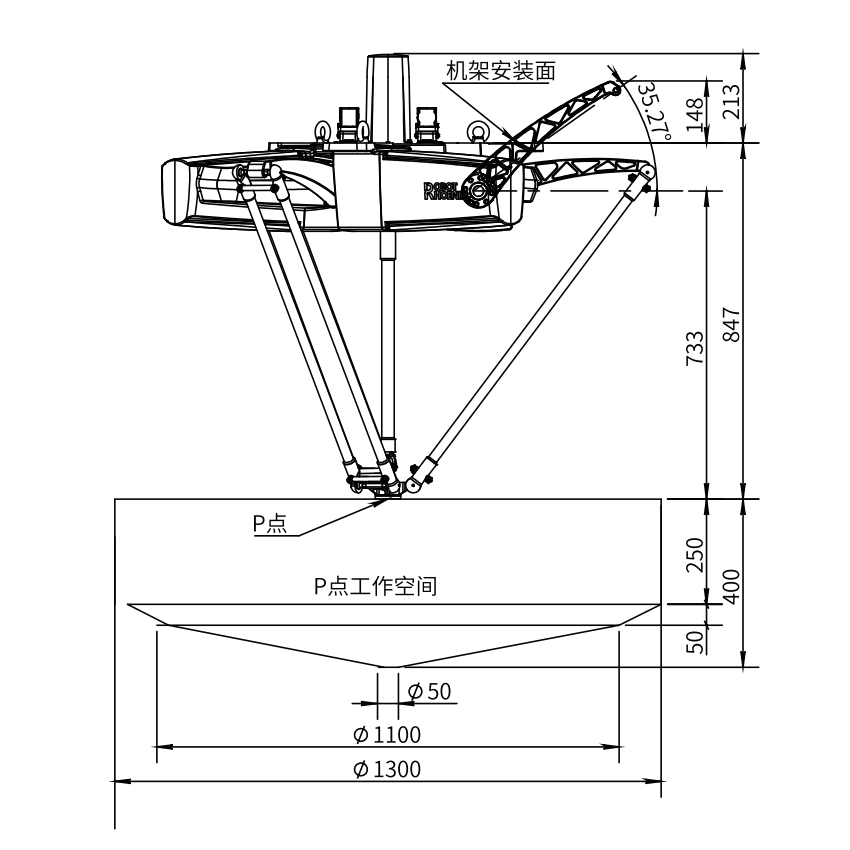
Industrial Robotic Arm Parallel Robot 2/3/4 Axis Delta Robot for Pick&Place Application
High-speed pick-and-place module for small cartons, trays and secondary packaging in OEM depalletizing cells.
View module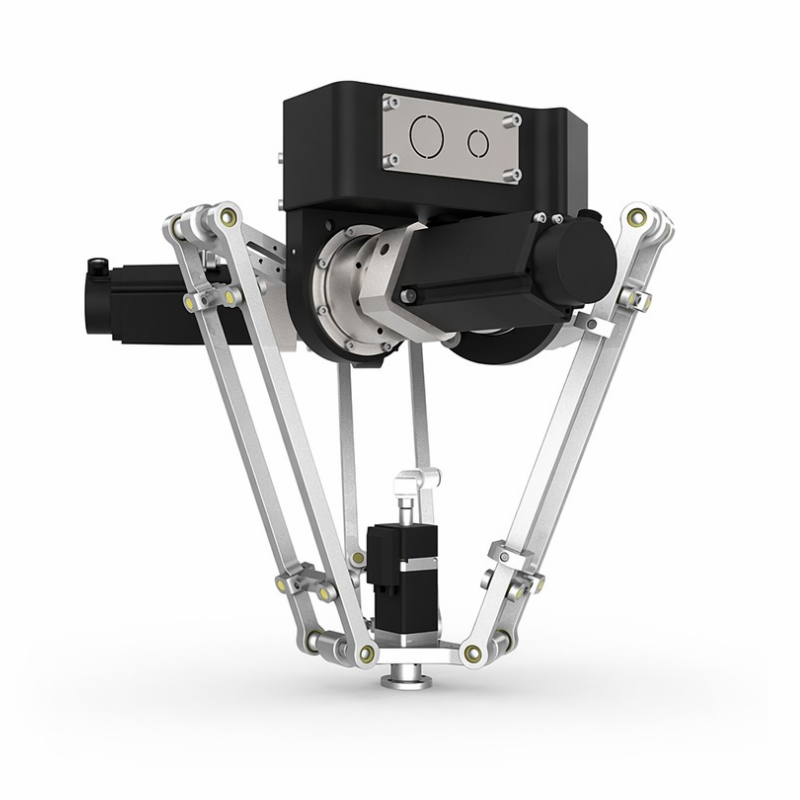
Low Cost Customized 2/3/4 Axis Industrial Manipulator Delta Robot for Pick and Place
Cost-controlled OEM platform for distributors and machine builders repeating depalletizing cells across projects.
View module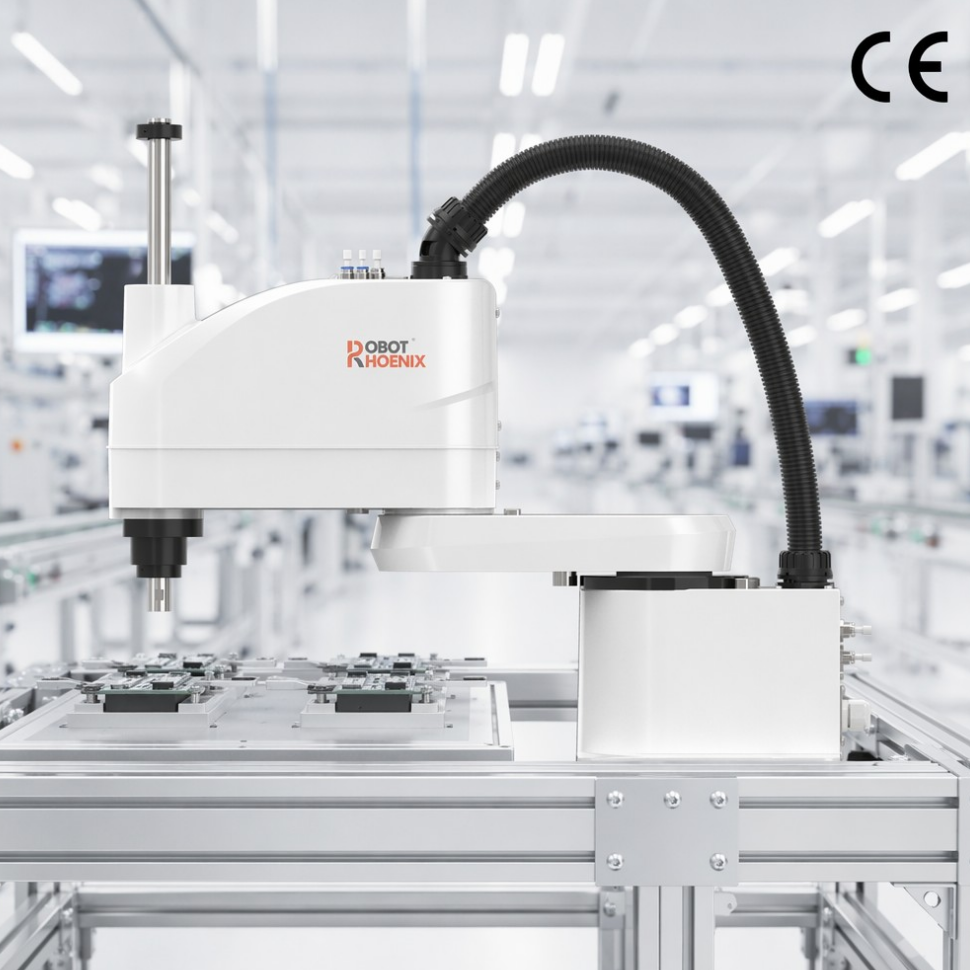
High Speed and Accuracy Newly Developed Industrial Robot Arm Four Axis Scara Robot
Compact layer and tray handling for space-constrained depalletizing lines requiring repeatable placement.
View module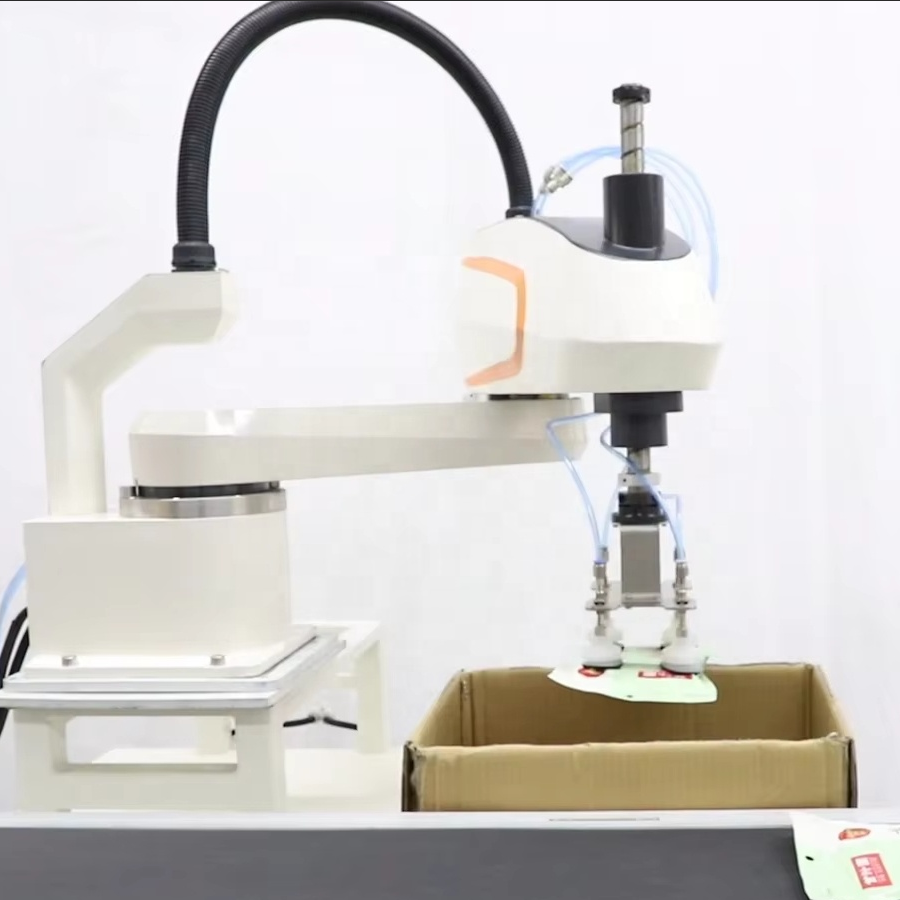
Light Load 4 Axis Industrial Manipulator Robot Scara Robot for Pick and Place Application
Light-load automation for electronics, pharma and small-part handling where footprint and precision matter.
View module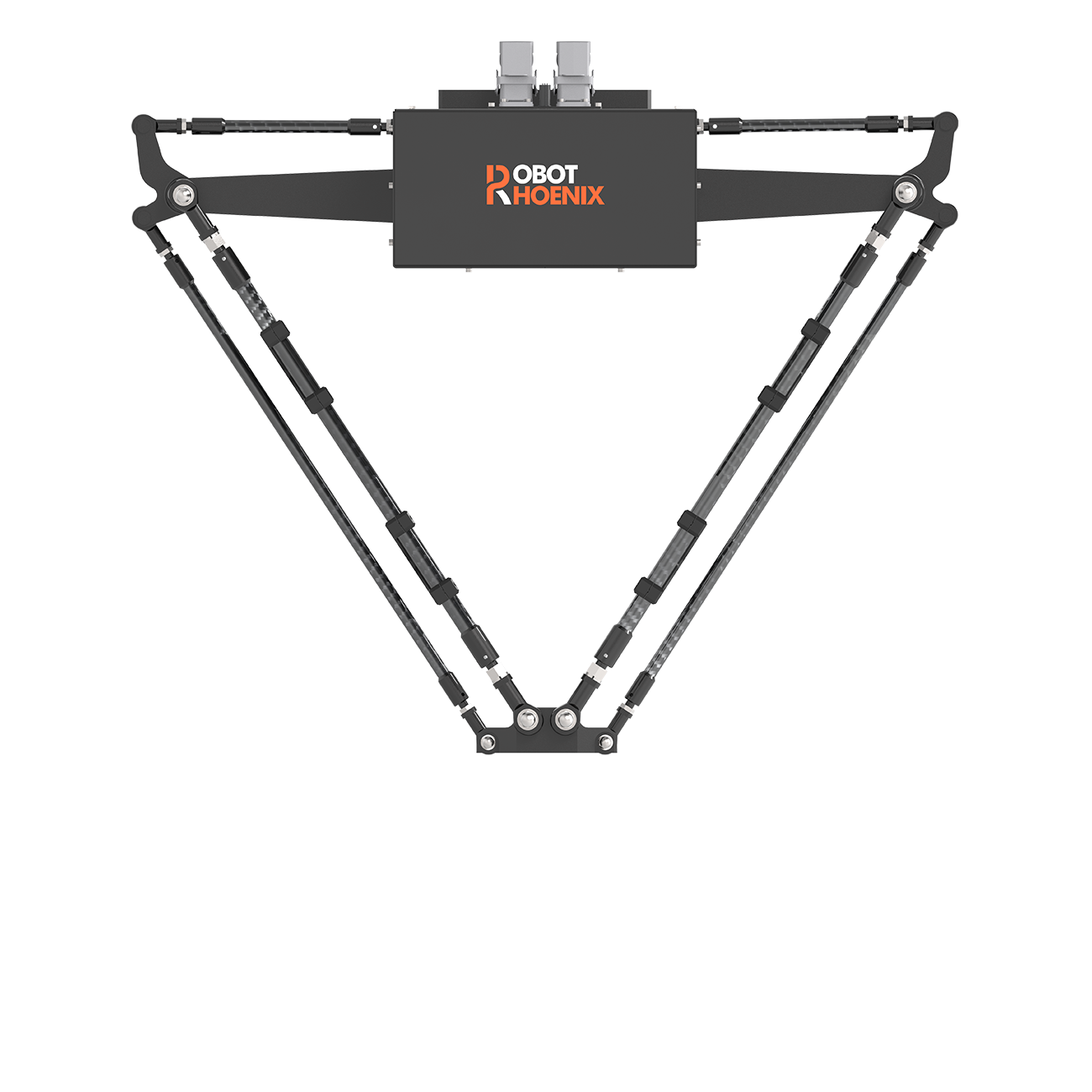
Industrial Manipulator High Speed and Accuracy Delta Robot with New Design Kinetics
Vision-ready high-speed platform for mixed-SKU picking, sorting and layer-transfer concepts.
View module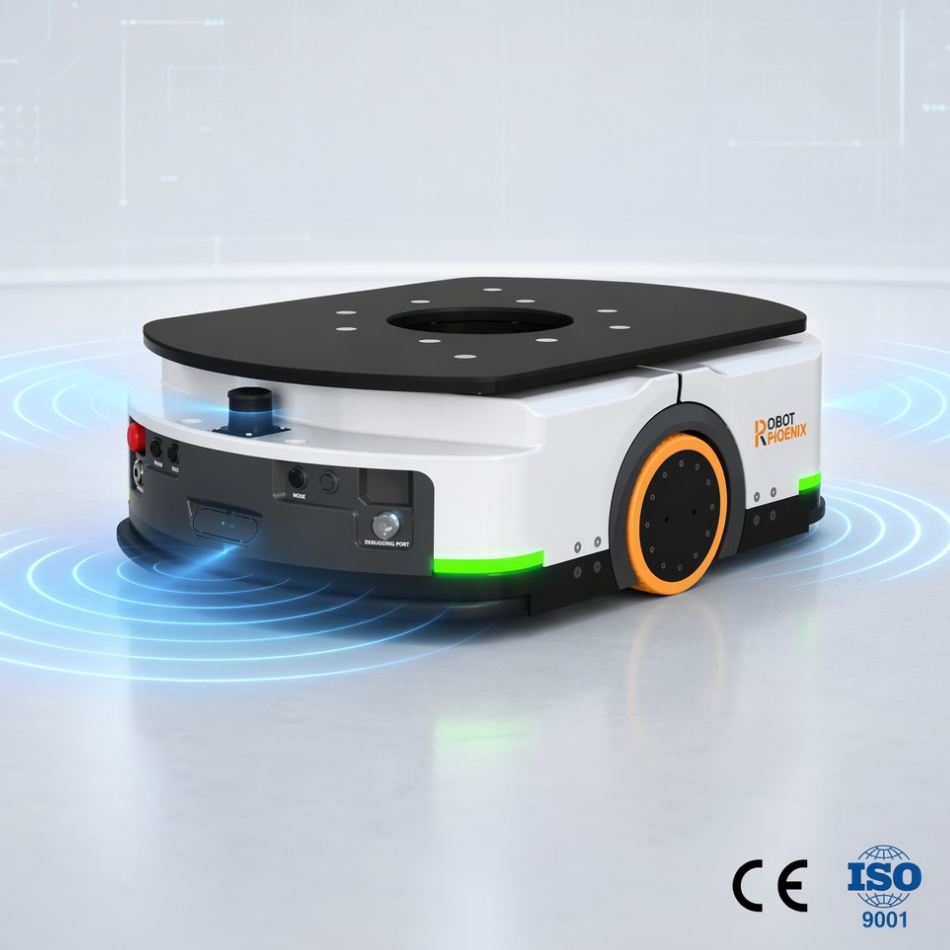
Compact and Latent Mobile Robot AGV for Narrow Aisle Warehouse and Factory Transportation
Mobile infeed and outfeed option for lean depalletizing cells and narrow-aisle warehouse flows.
View module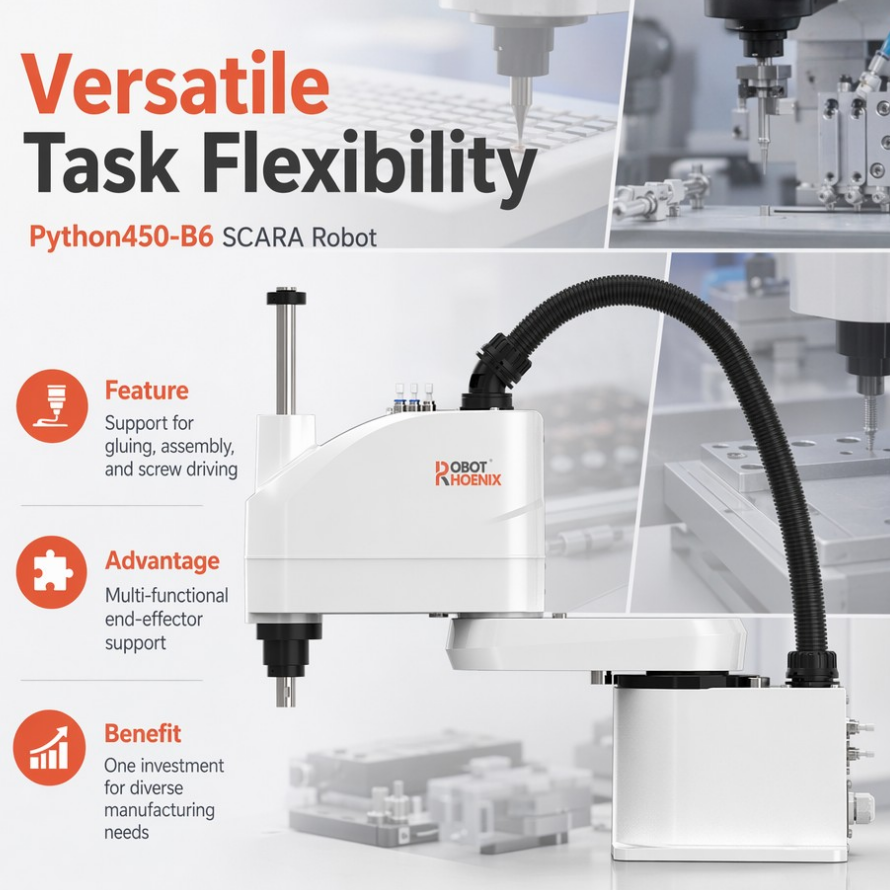
New Condition High Precision 400mm Reach Arm Scara Robot with PLC for 3C Electronic Assembly
PLC-ready precision module for electronics trays, small cartons and controlled-placement tasks.
View module
High Precision Pick and Place 4-Axis Parallel Robot Delta with Vision Tracking System
Vision-tracking platform for mixed layers, variable carton positions and higher-mix depalletizing.
View moduleWhat Wholesale Buyers Will Demand From Robotic Depalletizer Exporters
Procurement is becoming more engineering-led. The following trends are already shaping RFQs, supplier scorecards and framework agreements.
OEM Partnership Over One-Off Purchase
Distributors want repeatable private-label depalletizing modules, stable BOMs and engineering documentation. A supplier that can support design service, buyer-label options and controller integration is more valuable than a trader quoting a single machine.
Framework Agreements & Spare-Parts Kits
Wholesale buyers increasingly ask for annual pricing, critical spare-parts lists, training packages and service-level commitments. Depalletizing lines cannot wait weeks for a vacuum generator or controller module.
High-Mix, Low-Volume Pallet Patterns
SKU proliferation makes fixed mechanical changeover less attractive. Buyers will prioritise recipe-driven software, 3D vision, quick-change EOAT and layer-detection logic that can handle mixed carton sizes without long stoppages.
Digital Acceptance & Simulation
Procurement teams are asking for cycle-time validation, layout drawings, PLC interface maps and simulation before shipment. A credible OEM exporter should support factory acceptance testing and transparent technical documentation.
Local Service With Global Supply
Export buyers want factory-direct pricing without losing commissioning support. Remote diagnostics, clear manuals, multi-language training and regional partner networks are becoming part of the buying decision.
TCO, Safety & Cyber Criteria
Specifiers are adding total cost of ownership, energy consumption, safety validation, software ownership and data-security questions to RFQs. The cheapest cell often becomes the most expensive after changeover and downtime.
Where Robotic Depalletizing Technology Is Heading
These development directions matter for exporters and wholesalers building a long-term product portfolio rather than selling single machines.
AI-Assisted 3D Vision
3D cameras and AI classification help detect carton edges, missing products, damaged layers and slip sheets. For OEM depalletizers, vision is becoming the difference between fixed automation and flexible automation.
Modular End-of-Arm Tooling
Vacuum arrays, grippers, fork-style tools and layer-sheet handlers are being designed as quick-change modules. This shortens changeover, reduces engineering repetition and supports wholesale spare-part programmes.
Mobile Depalletizing With AMR
AGV and AMR platforms allow pallet movement to and from the cell without fixed conveyors. Mobile depalletizing is attractive in warehouses where layout changes and narrow aisles make fixed infrastructure costly.
Open Controls & PLC-Ready Integration
Buyers want depalletizers that speak to existing PLCs, MES and WMS systems. In-house controllers and PLC-ready robot modules reduce integration risk and make export projects easier to support locally.
Safety-Rated Collaborative Cells
Risk assessment, guarded zones, safety scanners and controlled speeds remain essential. The trend is not simply “cobots”, but right-sized safety architecture that lets operators work near the cell without compromising throughput.
Predictive Maintenance & Data Logging
Vacuum pressure, motor current, cycle counts and fault histories can be logged to plan maintenance. Exporters that provide service data and spare-part recommendations gain an advantage in long-term wholesale contracts.
How to Specify a Custom OEM Robotic Depalletizer Before You Request a Quote
A strong RFQ reduces engineering rework, protects cycle time and makes supplier comparison more objective.
1. Payload, Reach & Product Condition
Define maximum carton or bag weight, unit dimensions, centre of gravity, surface friction and whether products are rigid, flexible or fragile. Share worst-case samples, not only ideal specifications.
2. Cycle Time & Throughput Target
State required picks per minute, layer cycle time, pallet exchange time and planned uptime. A robotic depalletizer must be sized for sustained throughput, not laboratory peak speed.
3. Pallet Patterns, Slip Sheets & Interlayers
Provide drawings or videos of pallet build patterns, layer sheets, tie sheets, stretch wrap and damaged-layer conditions. These details determine EOAT design, sensing and software logic.
4. EOAT, Vision & Changeover Strategy
Decide whether the cell needs vacuum cups, mechanical grippers, fork tooling or a hybrid. If SKUs will change, request recipe management, quick-change tooling and 3D vision options.
5. Safety, PLC & Factory Interfaces
Confirm guarding standards, fence height, light curtains, safety PLC brand, communication protocol and interface with existing conveyors, WMS or MES. Clear interface responsibility prevents project delays.
6. FAT, Documentation & Spares
Ask for factory acceptance testing, layout drawings, electrical diagrams, PLC maps, operation manuals and a recommended spare-parts list. Also confirm commissioning, training and warranty support.
A practical RFQ should include drawings, videos, pallet photos, product samples, target throughput, plant layout, safety standards and the name of the existing controls architecture. Buyers who provide this information usually receive faster and more accurate quotations.
Why JORI Is Positioned as a Credible OEM Robotic Depalletizer Exporter
Authority in this category comes from engineering control, verifiable company information and the ability to support repeat orders after the first shipment.
Built by a robot manufacturer, not a trading desk
JORI Intelligent Technology Co., Ltd. was founded in 2012 in Jinan, Shandong, a robotics hub in China. The company develops and manufactures industrial robots, controllers and 2D/3D vision systems in-house, and supports OEM service, design service and buyer-label programmes. For buyers of custom robotic depalletizers, this matters because the controller, vision and robot platform can be engineered as one system rather than sourced from unrelated suppliers.
Product families include delta parallel robots, SCARA robots, AGV/AMR mobile robots, autonomous forklifts and silicon wafer handling robots, supported by national patents and ISO 9001 quality management. The company states 500+ employees, a 10,000+ m² factory area and an average inquiry response time of 2 hours or less, with a 97.06% response rate. These are not decorative claims – they are the operating context for export projects that require documentation, responsiveness and repeatability.
For wholesale buyers, JORI’s OEM and system integration experience is especially relevant. Machine builders can request custom end-effectors, controller integration, PLC-ready robot modules and support for packaging machines, cartoning lines and wet wipe lid applicator applications. Export markets include Southeast Asia, Eastern Europe, North America, South America and China, with delivery terms such as FOB, CFR, CIF, EXW, CIP, FCA, CPT and express delivery available depending on the project.



Procurement confidence checklist
- Independent R&D in robots, controllers and vision
- Original factory for delta, SCARA and AGV platforms
- 10+ years of experience serving overseas markets
- ISO 9001 quality management system
- Onsite-verified manufacturer records available
- OEM, design and buyer-label support
- MOQ from 1 set for standard robot modules
- Export documentation and multiple payment terms
- Technical response average of 2 hours or less
- One-stop automation integration support
Controller & Vision Ownership
Robot, controller and 2D/3D vision development under one engineering team reduces integration friction for custom depalletizing projects.
Buyer-Label & Custom Builds
OEM service, design service and buyer-label options help distributors and machine builders build their own depalletizer product lines.
Documentation & Terms
FOB, CFR, CIF, EXW, CIP, FCA, CPT and express delivery options are supported, with multiple payment methods and currencies.
Fast Technical Response
A stated average response time of 2 hours or less and a 97.06% response rate supports buyers who need quick engineering feedback.
Common Questions About Custom Robotic Depalletizer Procurement
These answers reflect JORI’s published product, export and service information. Final specifications are confirmed project by project.
What is the minimum order quantity for JORI industrial robots?
Standard delta robots, SCARA robots and AMR/AGV platforms can be ordered from 1 set, allowing buyers to validate a single cell or pilot depalletizing project before scaling to multiple lines or distributor inventory.
Can JORI support OEM or custom robotic depalletizer builds?
Yes. JORI provides OEM service, design service and buyer-label options, and supports custom end-effectors, controller integration, vision configuration and automated system integration for machine builders and distributors.
What information is needed for an accurate depalletizer quotation?
Provide product type, carton or bag dimensions, maximum weight, pallet patterns, layer sheets, target picks per minute, conveyor height, plant layout, safety standard, PLC architecture and any existing WMS or MES interface requirements. Photos and videos of the current process are highly useful.
Should I choose a delta robot or a SCARA robot for depalletizing?
Delta robots are typically selected for high-speed, lightweight pick-and-place from conveyors or infeed positions. SCARA robots are often chosen for compact planar placement, tray handling and precise insertion tasks. The final choice depends on product weight, reach, cycle time, layer pattern and available floor space.
Can the system integrate with existing packaging machines?
JORI develops its own controllers and 2D/3D vision, and offers PLC-ready robot modules for cartoning machines, carton packers, wet wipe lid applicator equipment and other packaging line interfaces. Integration scope should be confirmed during engineering review.
How are slip sheets, tie sheets and mixed layers handled?
These conditions require application engineering. Depending on the product and pallet pattern, the solution may use vacuum tooling, mechanical grippers, layer detection, vision, suction cups or custom end-effectors. Share samples and pallet photos so the EOAT and sensing strategy can be evaluated properly.
Which delivery and payment terms are accepted?
Delivery terms include FOB, CFR, CIF, EXW, CIP, FCA, CPT and express delivery. Payment methods include T/T, L/C, credit card, PayPal, Western Union, MoneyGram and escrow. Supported currencies include USD, EUR, GBP, JPY, CAD, AUD, HKD, CHF and CNY.
How can buyers verify the manufacturer before placing an order?
Review the company profile, third-party supplier assessment, credit profile, trade capacity, transaction level, trade history and buyer reviews. JORI also maintains ISO 9001 quality management and onsite-verified supplier records that can be checked before purchase.
What after-sales support is available for export projects?
Support can include technical documentation, remote assistance, commissioning guidance, operator training and recommended spare-parts lists. The appropriate service scope should be written into the quotation and contract for each project.
How quickly will my inquiry receive a response?
JORI maintains an average response time of 2 hours or less and a 97.06% response rate. For faster engineering feedback, include product details, target throughput, pallet photos, layout drawings and your contact information in the first message.
Build a Repeatable OEM Robotic Depalletizer Programme
Send your product, pallet pattern, cycle-time target and plant layout. JORI’s engineering team can review the application and recommend suitable robot modules, vision options, EOAT concepts and integration considerations for your market.
For custom OEM robotic depalletizer exporters, wholesalers, machine builders and system integrators, the strongest starting point is a clear technical brief. Include product samples, pallet photos, throughput targets, safety standards and destination market requirements so the quotation can be engineered rather than estimated.