Custom OEM SCARA Robot Supplier & Wholesalers
Factory-direct SCARA and delta robot programs for pick-and-place, assembly, packaging and high-speed sorting — supported by in-house controllers, 2D/3D vision, OEM customization and export-ready engineering service.
8 Factory-Direct SCARA and Delta Robots for OEM Programs
Shortlist by application, payload and integration style. Each model below links to the original product page for a deeper specification review and engineering discussion.

Why a Custom OEM SCARA Robot Supplier Is Not a Catalogue Purchase
A SCARA robot is only one part of a production cell. The useful output of that cell is decided by part presentation, gripper design, vision field of view, PLC handshake, safety logic, fixture repeatability and the supplier's ability to prove cycle time before shipment. This is why serious buyers increasingly treat the search for a custom OEM SCARA robot supplier as a manufacturing partnership decision, not a simple price comparison.
The most expensive robot is rarely the one with the highest purchase price. It is the one that arrives without a validated end-effector strategy, without clear PLC interface documentation, without spare-part visibility, or without a practical acceptance test. For OEM machine builders and wholesale distributors, those gaps create re-engineering work, delayed installations and after-sales pressure long after the arm has left the factory.
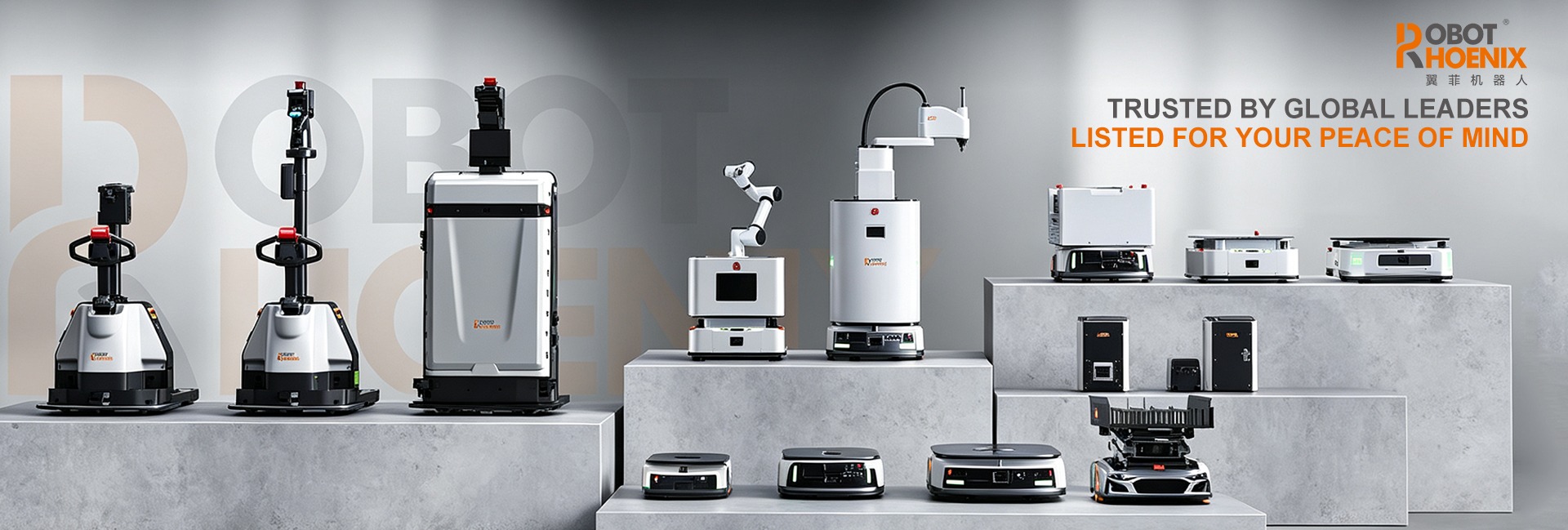
JORI’s model is built around the whole motion system: delta robots, SCARA robots, AGV/AMR platforms, autonomous forklifts and wafer-handling robots, supported by in-house controller and 2D/3D vision development. Buyers can source the robot, discuss the vision architecture, define the integration boundary and plan the after-sales route with one engineering team.
- In-house robot, controller and vision R&D
- Original factory for delta, SCARA and AGV
- OEM, design and buyer-label service
- PLC-ready and packaging-line integration
- ISO 9001 quality management system
- Third-party onsite-verified manufacturer

Factory-direct engineering: robot, controller, vision and integration support handled by one accountable team.
Built for Buyers Who Need Evidence, Not Promises
JORI Intelligent Technology Co., Ltd. was founded in 2012 in Jinan, Shandong, China. The company combines industrial robot R&D and manufacturing with controller and vision development, OEM support and automated system integration.
Independent R&D
Robot structures, controllers and 2D/3D vision are developed in-house and protected by national patents.
Controller & vision
One engineering source for motion control, vision logic and PLC communication boundary planning.
Original factory
Factory-direct production for delta, SCARA, AGV/AMR, autonomous forklifts and wafer robots.
OEM & buyer label
OEM service, design service and private-label options for machine builders and distribution partners.
ISO 9001
Documented quality control from component inspection to final robot run-in testing.
Onsite verified
Factory premises checked onsite and legal status confirmed through third-party verification.
MOQ from 1 set
Pilot cells and single-line validation are possible before a wider wholesale or OEM rollout.
Fast response
Average reply time of two hours or less helps keep RFQs, drawings and samples moving.
SCARA vs Delta: Choose the Right Architecture Before You Compare Prices
SCARA and delta robots solve different motion problems. A clear architecture decision prevents overpaying for speed you do not need or underestimating the motion envelope your application requires.
| Selection factor | SCARA robot | Delta robot | Procurement implication |
|---|---|---|---|
| Primary motion | 4-axis planar movement with precise vertical placement | Parallel-link overhead motion for very fast pick-and-place | Define the part path and whether assembly, insertion or sorting dominates. |
| Best cycle profile | Precise assembly, insertion, inspection handling and compact-cell placement | High-speed picking from conveyors, bottle handling, cartoning and sorting | Ask for a cycle-time test with your product, gripper mass and vision overhead. |
| Typical payload view | Light to medium payload with careful end-effector and Z-axis design | Commonly 3–6 kg class for fast pick-and-place; tooling mass must be checked | Payload must be validated at the tool centre point, not only at the flange. |
| Footprint & envelope | Compact base with a planar work envelope | Overhead frame with a cone-shaped work envelope | Check ceiling height, frame stiffness, guard layout and maintenance access early. |
| Vision integration | Strong fit for fixed inspection stations and precise placement | Strong fit for high-speed locating, tracking and sorting | Specify camera mounting, lighting, calibration and reject handling in the RFQ. |
| Typical risk | Underestimating moment loads, cable routing and Z-axis rigidity | Underestimating gripper mass, conveyor tracking and hygiene/IP requirements | Use an engineering review before the purchase order, not after shipment. |
Relative application-fit signals
These bars are relative selection indicators, not product test data. Final performance depends on payload, gripper, vision, conveyor speed and acceptance criteria.
Recommended Robot Types by Production Goal
Use these starting points to narrow the conversation. A short application video, part weight, cycle-time target and factory layout will help our engineers recommend a more precise configuration.
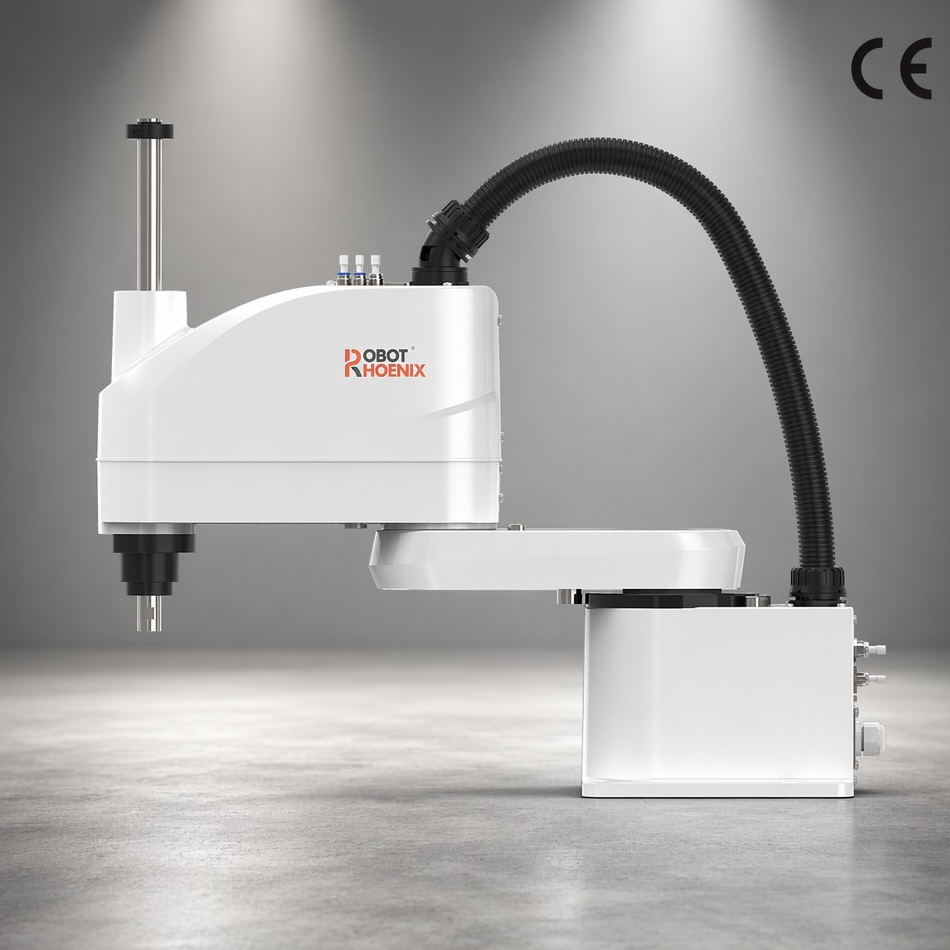
Light-industry pick-and-place with tight placement accuracy
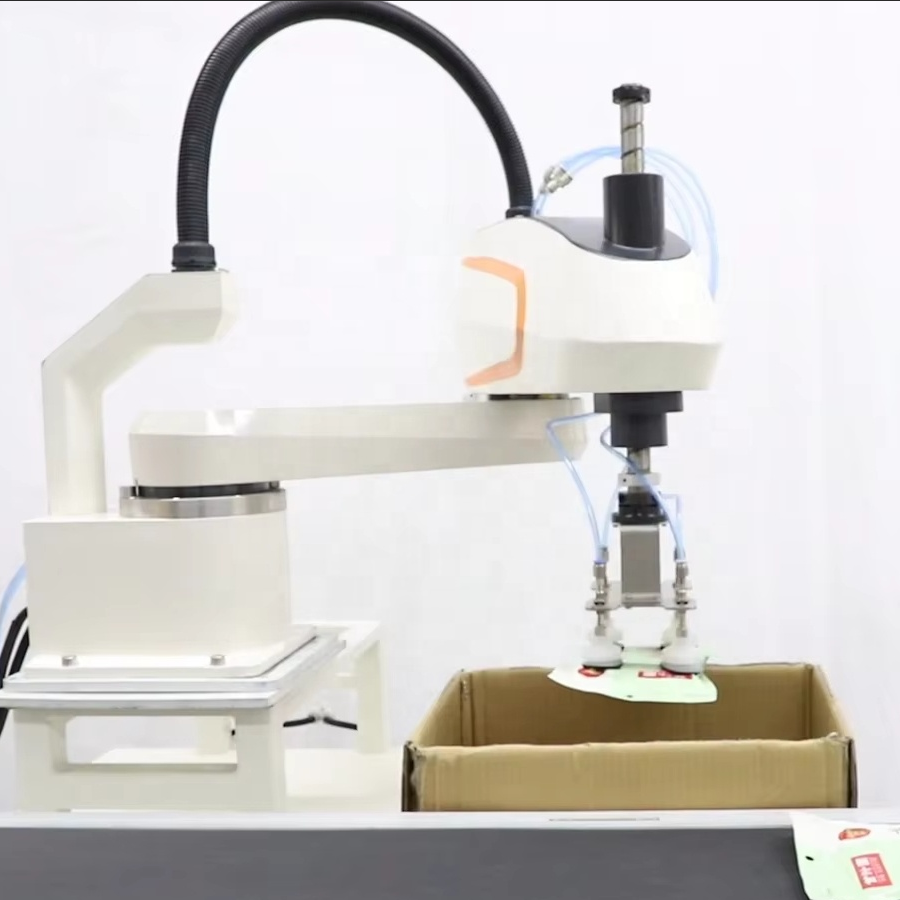
Choose this direction when the cell needs repeatable planar movement, a compact footprint and a clean integration path for fixtures, grippers and inspection.
Review model Consumer goodsBottle unscrambling and high-speed handling
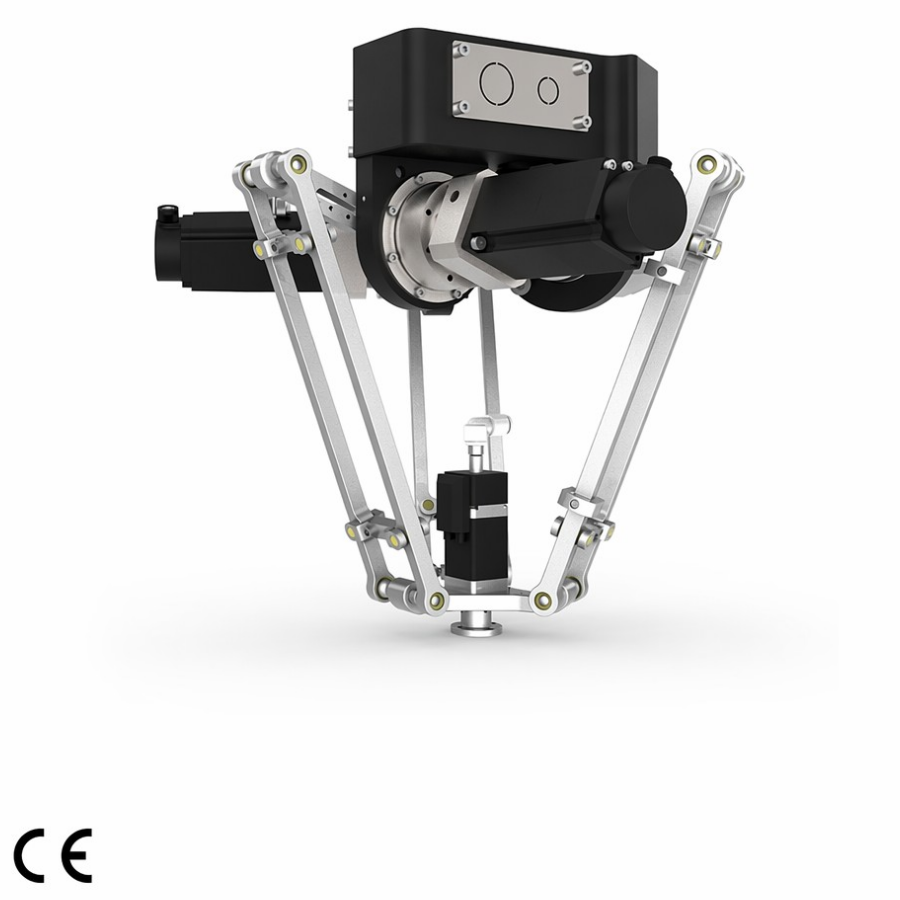
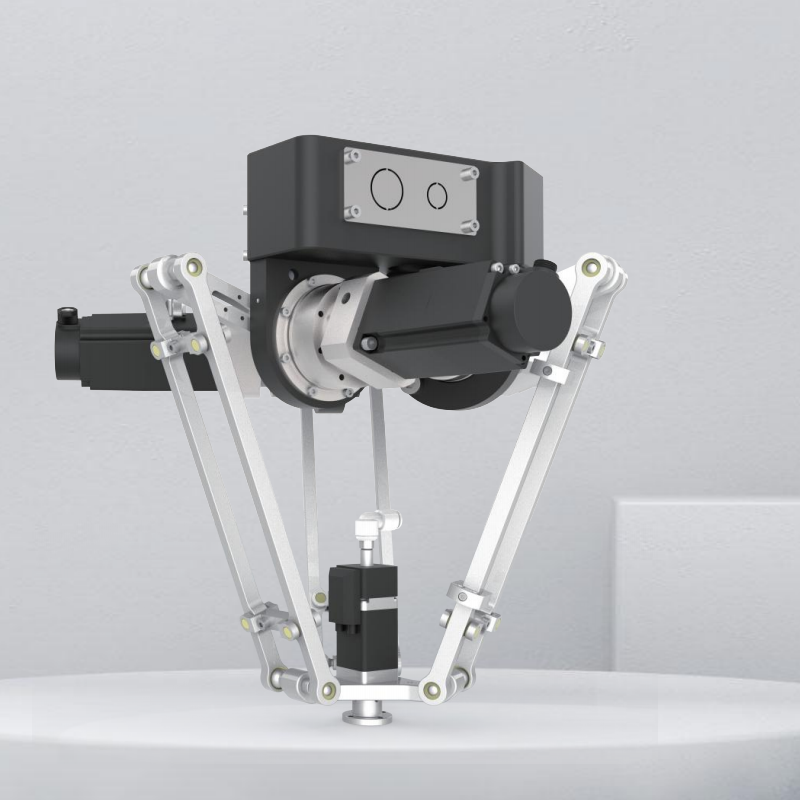
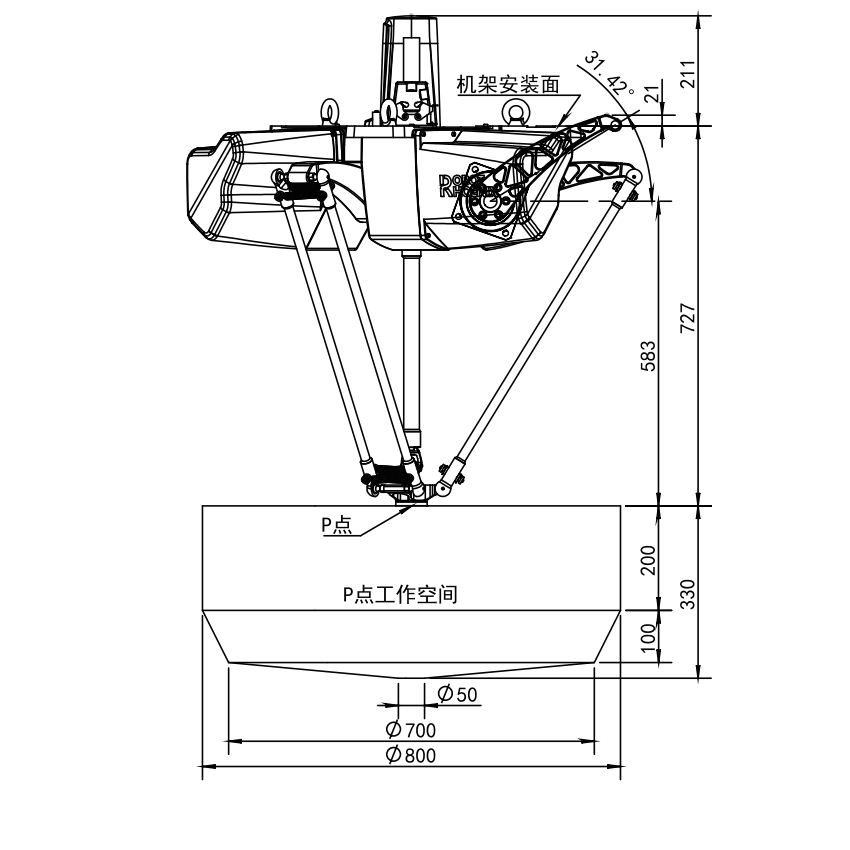
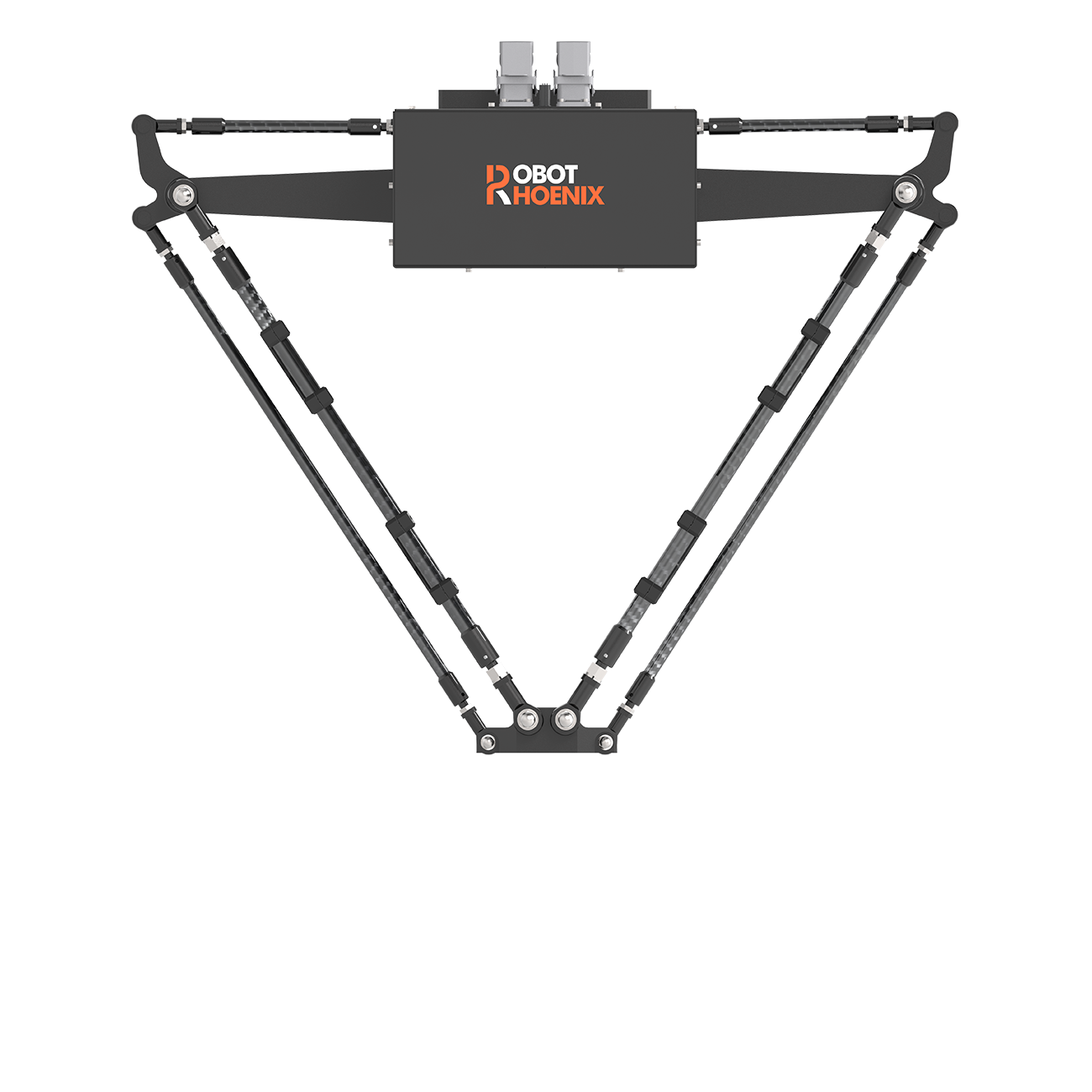
Delta architecture is often the better fit when lightweight products arrive quickly and the bottleneck is product transfer speed rather than assembly force.
Review model IP54 delta3 kg pick-and-place with protection for real production floors
A practical candidate for packaging, sorting and light handling where dust or splash exposure must be discussed with the robot specification.
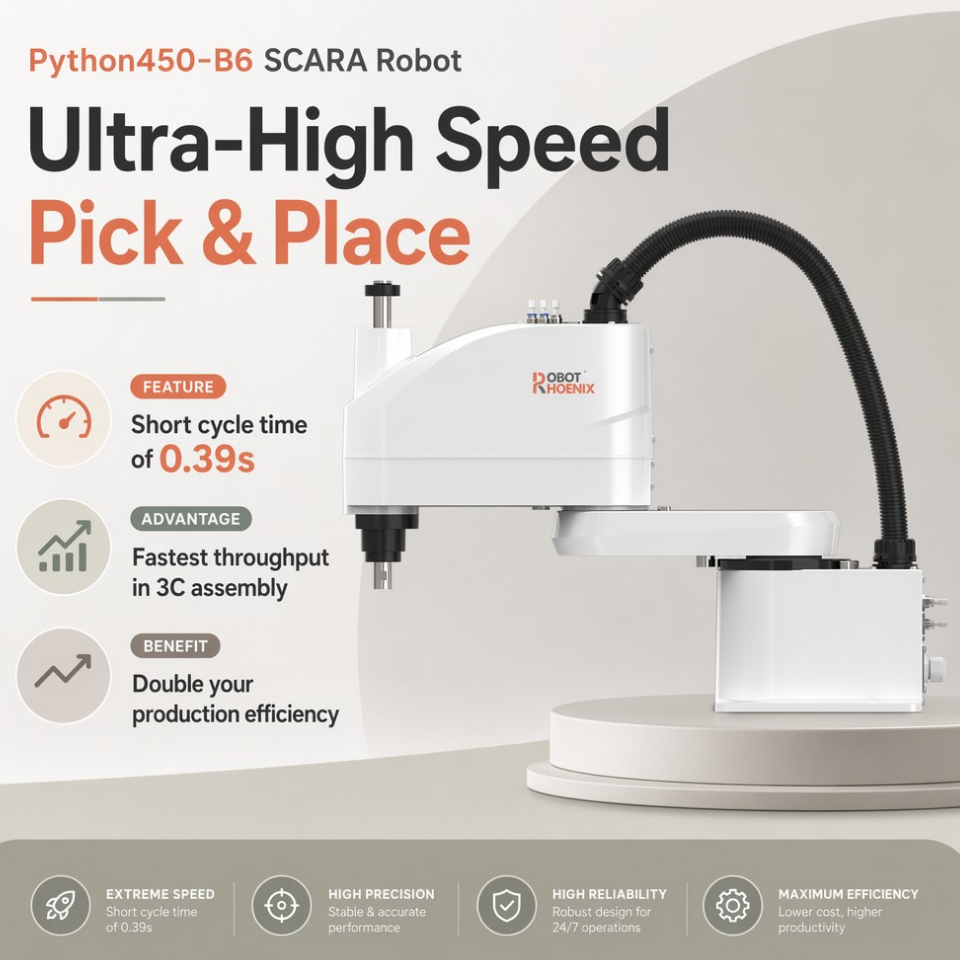
Review model Vision SCARA6 kg payload with vision-guided picking and placing
Useful when parts are presented with variation and the cell needs camera-based locating before the robot commits to a placement move.
Review model Gripper-readyHigh-speed SCARA with gripper for accuracy-critical picking
A starting point for machine builders that want to discuss gripper design, cycle time and accuracy together rather than as separate purchases.
Review model Sorting deltaIndustrial delta for picking, placing and sorting lines
Well matched to high-throughput sorting cells where lightweight goods must be redirected quickly and consistently across a conveyor layout.
Review modelHow SCARA and Delta Robot Buying Is Changing
Procurement teams are rewriting RFQs around measurable cell outcomes. Price still matters, but it is increasingly evaluated against validation quality, integration risk, spare-part visibility and lifecycle support.
Proof of cycle time before purchase
Buyers are moving from “send me a 6 kg SCARA” to “prove the cycle with this gripper, vision field of view and reject routine.” A validated cell reduces commissioning surprises and makes supplier comparison more meaningful.
Single-source accountability
When robot, controller, vision and integration advice come from separate vendors, every issue can become a boundary dispute. OEM buyers increasingly prefer one engineering team accountable for the motion system definition.
Modular customization at wholesale scale
Wholesalers and private-label brands need more than a standard arm. They need model naming, documentation, packaging, spare-part kits and configuration control that can scale without losing engineering discipline.
Software and PLC integration earlier
RFQs now ask about communication protocols, vision triggering, safety handshakes and data logging before the robot is ordered. Integration assumptions are being pushed into the technical review instead of the installation week.
Total cost of ownership in the contract
Spare parts, response time, remote support, training and maintenance access are moving into the commercial conversation. A low robot price is less attractive if a production line waits for unclear after-sales support.
Documentation and acceptance criteria
OEM buyers want drawings, interface lists, inspection records and acceptance tests aligned before shipment. Clear documentation shortens installation and protects both the machine builder and the end user.
What the Next SCARA Generation Must Deliver
Robot hardware is converging quickly. The next differentiation will come from how cleanly the robot, controller, vision and service model work together in a real production environment.
Compact integrated control
Smaller control cabinets and simpler cable routing help machine builders fit robots into existing packaging and assembly lines without redesigning the whole electrical enclosure.
Native vision and motion fusion
Vision should not feel like a bolt-on accessory. Camera triggering, calibration, coordinate transforms and reject handling need to be engineered into the motion workflow.
Higher payload-to-weight efficiency
Stiffer lightweight structures and better joint design help reduce moving mass. The practical result is faster settling, lower energy use and more stable accuracy over long production runs.
Simpler programming and commissioning
Machine builders need faster teaching, reusable recipes and clear diagnostics. Easier commissioning lowers the skill barrier and shortens the time from installation to stable output.
Hygiene and protection by design
Food, pharmaceutical and daily-chemical projects increasingly require IP protection, smooth surfaces and cleaning-friendly details. IP54-class options and careful sealing choices matter.
Lifecycle data and serviceability
Error logs, maintenance counters and clear spare-part identification help distributors and end users plan service. The robot becomes easier to support after the warranty period, not harder.
Where These SCARA and Delta Robots Earn Their Keep
Application context is part of the specification. A robot that looks similar on a datasheet can behave very differently once the gripper, vision, conveyor and safety enclosure are added.
Food & beverage
Vision-guided delta picking, sorting and case packing at conveyor speed.
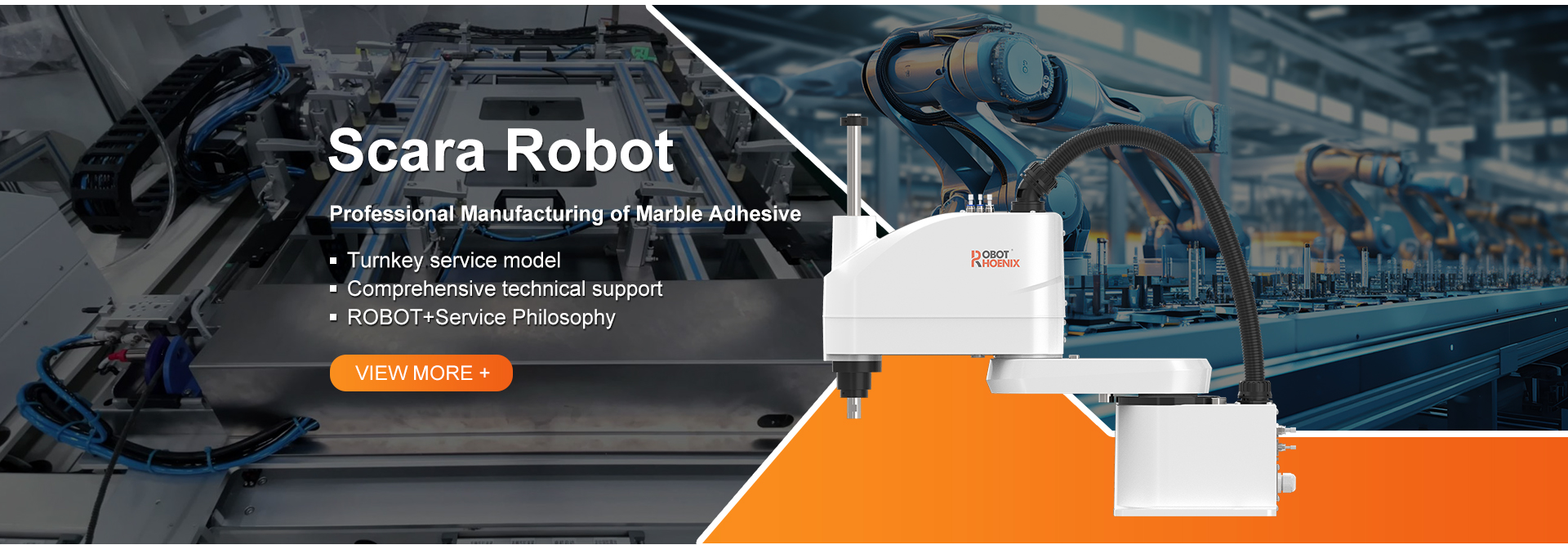
Electronics & 3C
SCARA assembly, insertion and inspection for compact production cells.

Precision assembly
Repeatable placement, testing and inspection handling for machine builders.
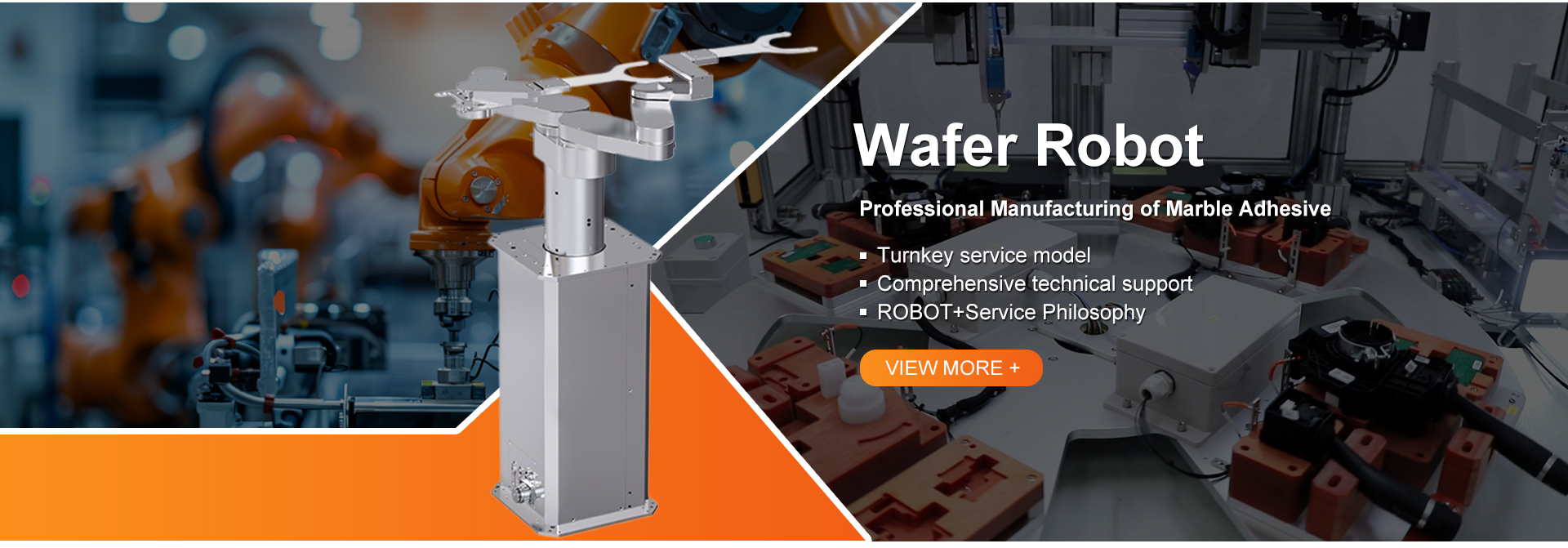
Semiconductor & solar
Silicon wafer transfer for fragile substrates and clean production flows.
For Wholesalers, Distributors and Private-Label Robot Brands
A wholesale partnership should reduce technical friction, not hide it. JORI supports OEM and buyer-label discussions with factory-direct engineering, configuration planning and export-ready documentation.
Buyer-label options
Explore OEM service, design service and private-label support for machine builders and regional distributors.
Documentation packages
Define drawings, interface lists, inspection records and acceptance documents before the order is released.
Spare parts & service path
Plan wear parts, service access and after-sales routing so end users are not left with unclear support ownership.
Rollout planning
Start with a pilot cell, validate the application and scale the configuration with controlled repeatability.
Answers Procurement Teams Ask First
Use these answers to prepare a clearer RFQ. Share the application details and our engineering team can respond with a more relevant configuration direction.
What is the minimum order quantity for JORI industrial robots?
Does JORI offer OEM or custom robot solutions?
Should I choose a delta robot or a SCARA robot?
Which delivery and payment terms are accepted?
Can JORI robots integrate with existing packaging machines?
How quickly does JORI respond to inquiries?
What information should I send with my RFQ?
Can wholesalers and distributors request private-label support?
How should we plan lead time and validation?
Why choose JORI instead of a reseller?
Ready to Shortlist a Custom OEM SCARA Robot?
Send your product, payload, cycle-time target, factory layout and gripper concept. Our engineers will help you compare SCARA and delta architecture, define the controller and vision boundary, and prepare a more relevant quotation.
- Factory-direct engineering support
- MOQ from 1 set for standard models
- OEM, design and buyer-label options
- Average response time ≤2 hours
ISO 9001 · Onsite-verified · Export-ready documentation · info@joribot.com