OEM/ODM Industrial Robot Arm Factories & Supplier
Delta, SCARA, AMR/AGV, autonomous forklift and wafer handling robots engineered in-house — with self-developed controllers, 2D/3D vision, MOQ 1 set and global OEM support.
Industrial Robot Arms Ready for OEM/ODM Evaluation
Eight production-focused models for 3C assembly, vision picking, packaging, food handling, consumer goods and high-speed lid application.
 SCARA
New Condition High Precision 400mm Reach Arm Scara Robot with PLC for 3C Electronic Assembly
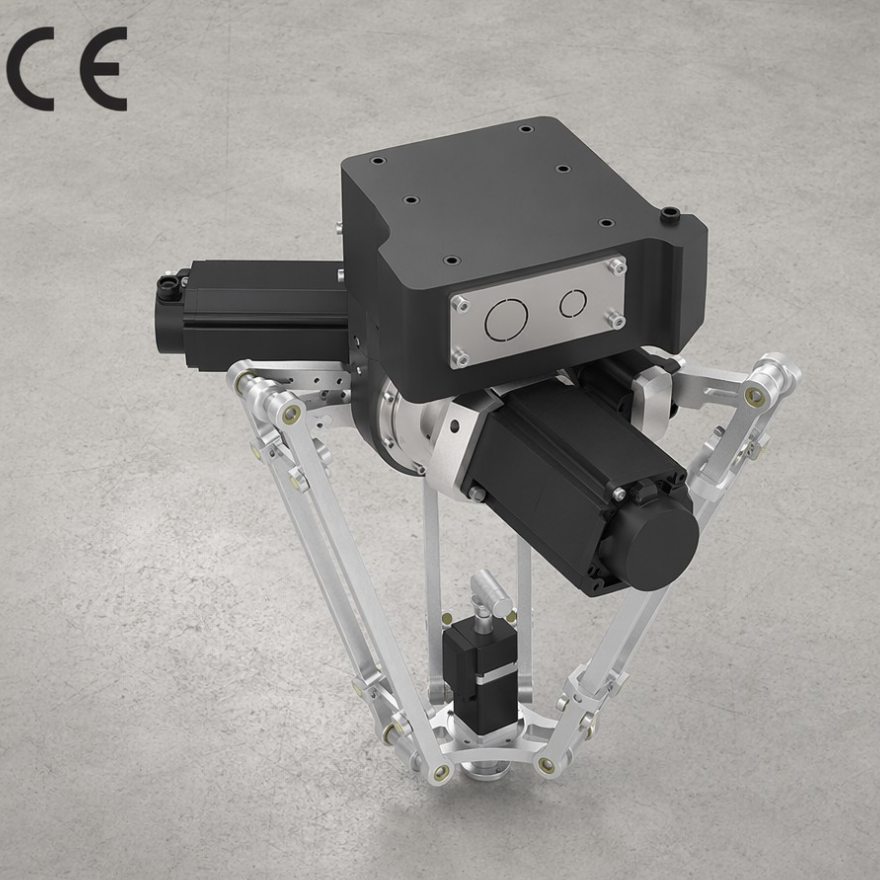 Delta
Smart Parallel Robot Picking and Placing Robot Manipulator Delta Robot with Visual System
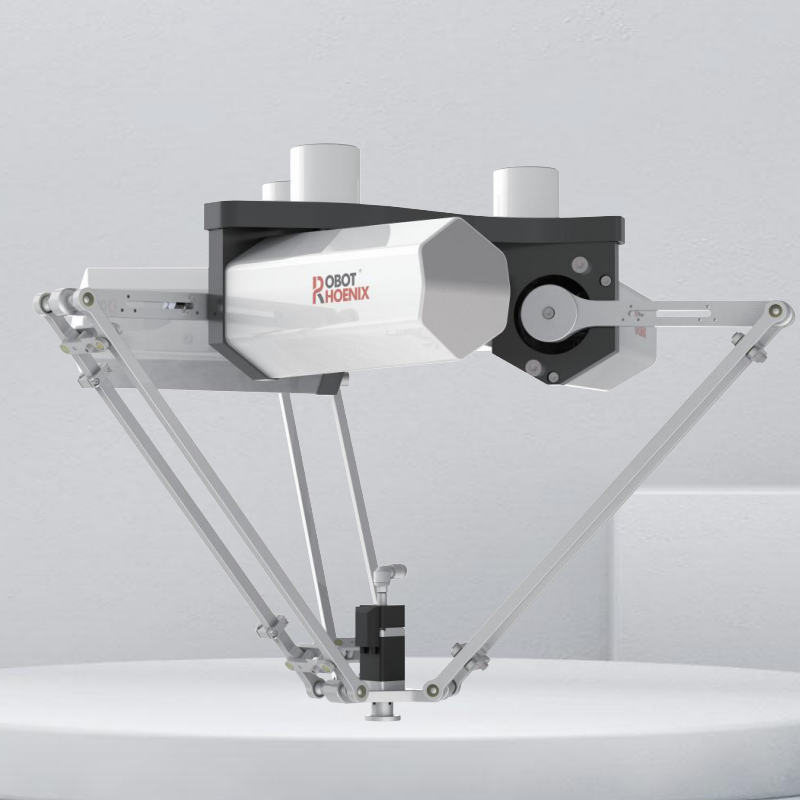 Delta
Robotphoenix New Design Industrial Robot Delta 6kg Payload 0.08mm Repeatability 2/3/4 Axis
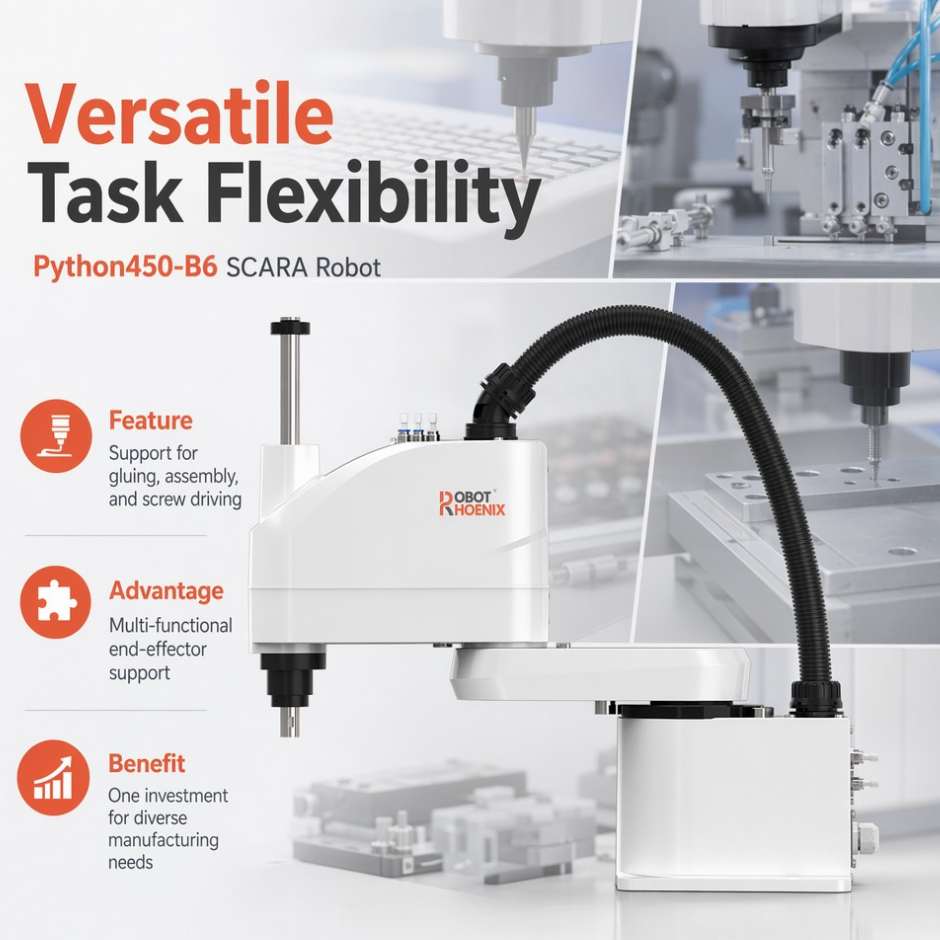 SCARA
Four-Axis Industrial Robot Hand SCARA for Loading/Unloading and Sorting in Food Industry
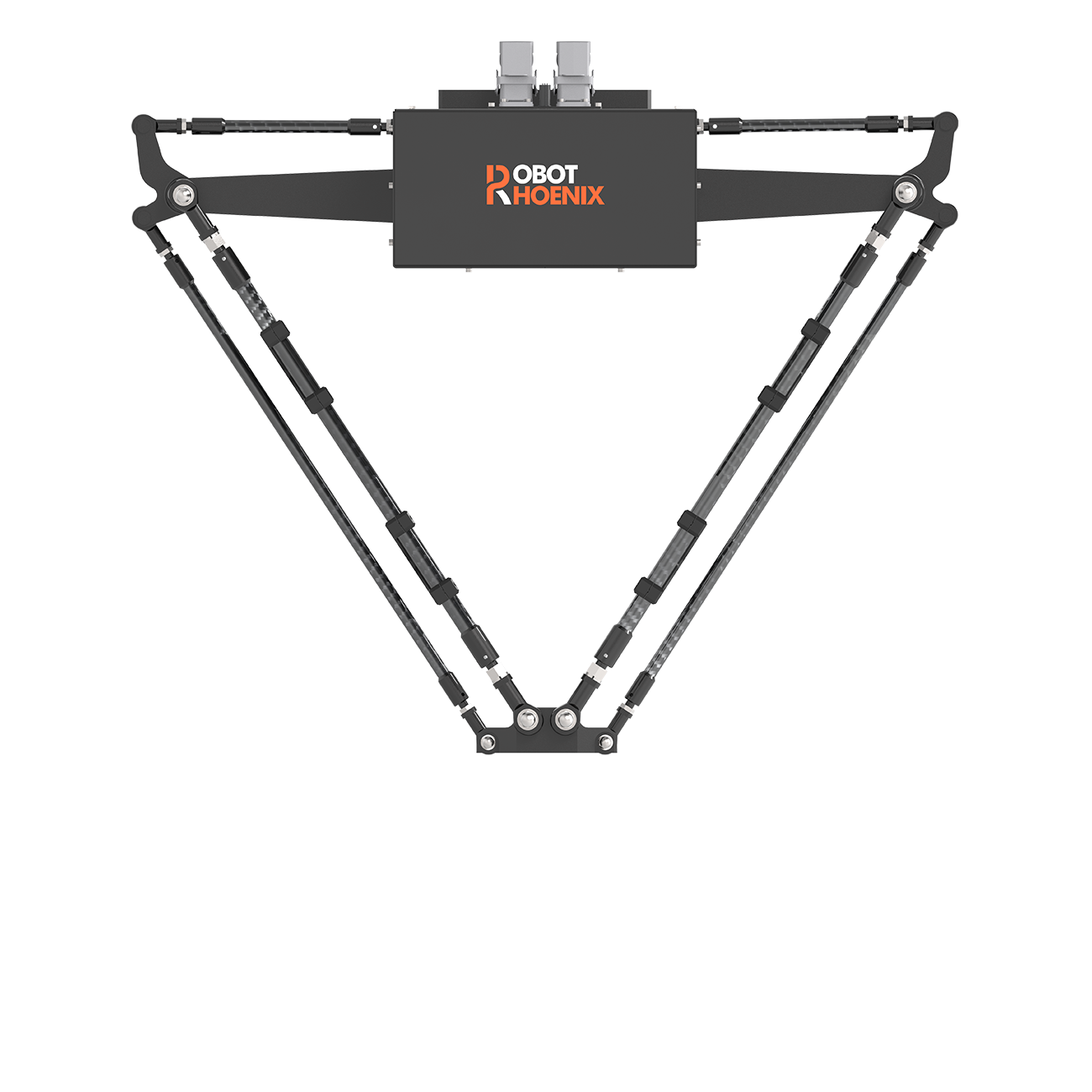 Delta
Industrial Manipulator High Speed and Accuracy Delta Robot with New Design Kinetics
 Delta
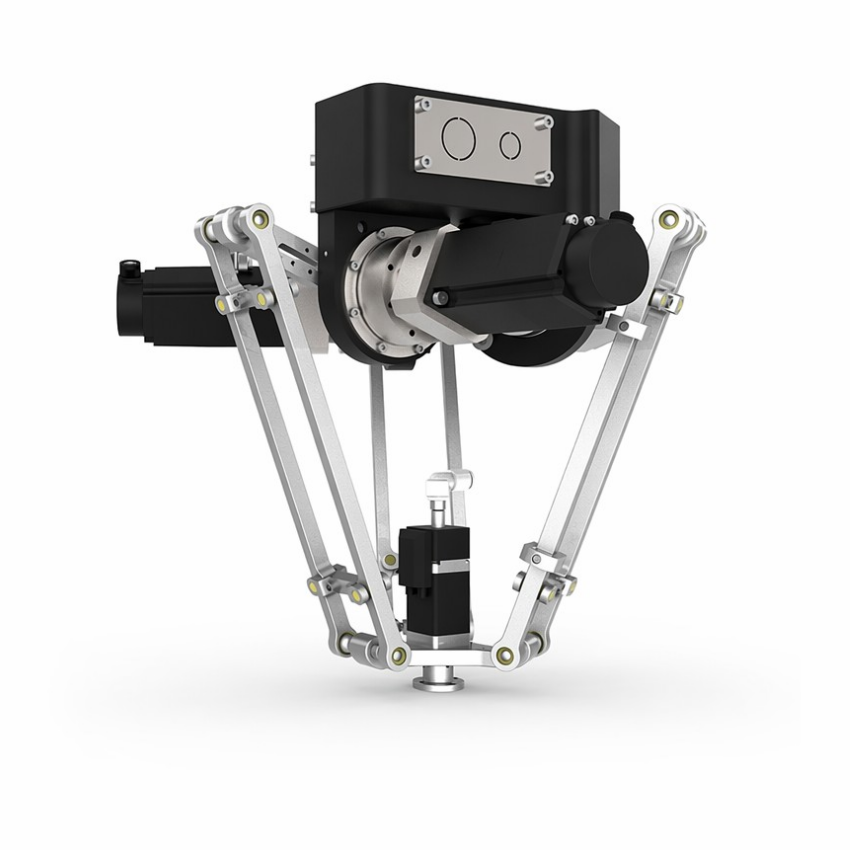
High-Speed Spider Arm Delta Robot for Fully Automatic Wet Wipe Lid Applicator Machine
 Delta
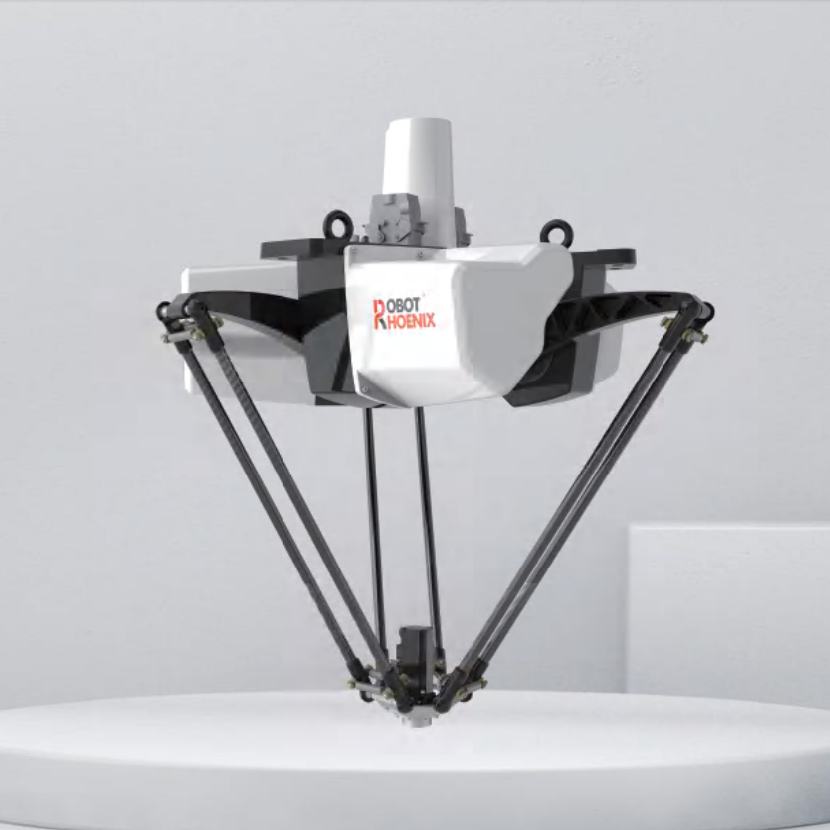
High Precision Pick and Place 4-Axis Parallel Robot Delta with Vision Tracking System
 Delta
Robotphoenix 4 Arm Payload 3-6kgs Delta Robot for Pick Place Consumer Goods
OEM/ODM Industrial Robot Arm Sourcing: From Catalog Shopping to Capability Validation
Buyers looking for an industrial robot arm factory now compare engineering accountability, application fit, integration risk and total cost of ownership — not just the purchase price of an arm.
Search intent for “OEM/ODM industrial robot arm factories & supplier” is rarely just informational. It usually comes from a machine builder, system integrator, factory owner or procurement engineer who needs a production-ready robot arm, a custom end-effector, a PLC-ready controller, a vision-guided picking cell or a long-term OEM partner. Those buyers need proof that the supplier can co-engineer the application, not only ship a standard unit. A delta robot on a packaging line, a SCARA robot in 3C electronics assembly, an AMR in a warehouse and a wafer handling robot in a semiconductor fab all look like “robot arms” in a catalog, but they require very different mechanical design, control architecture, safety logic and after-sales support.
JORI Intelligent Technology Co., Ltd. was founded in 2012 in Jinan, Shandong, China, and is a high-tech manufacturer focused on industrial robot R&D and production, controller and 2D/3D vision development, OEM support and automated system integration. The product portfolio covers delta parallel robots, SCARA robots, AGV/AMR mobile robots, autonomous forklifts and silicon wafer handling robots. Because key hardware and software are developed in-house and protected by national patents, buyers can discuss payload, cycle time, vision, end-effector design, PLC communication and line integration with one engineering team rather than coordinating a reseller chain.
For procurement teams, the real question is not “Who sells the lowest-cost robot arm?” It is “Which factory can reduce the risk of a stalled automation project?” A capable OEM/ODM partner should document repeatability, explain how vision tracking is calibrated, provide PLC-ready integration options, support pilot production, and offer a practical path from MOQ 1 set to multi-cell or fleet rollout. This is where information gain matters: the supplier should ask about product weight, grip point, incoming orientation, conveyor speed, reject handling, operator safety, changeover frequency and maintenance access before recommending a model.
- In-house arm, controller and 2D/3D vision development
- OEM, ODM, design service and buyer-label support
- ISO 9001 quality management and onsite-verified factory
- MOQ 1 set for pilot cells and phased rollout
- Average response time ≤2 hours and 97.06% response rate
- Export experience across Asia, Europe and the Americas
Why JORI Is a Practical OEM/ODM Robot Arm Factory Partner
A robot arm is only one part of a reliable automated cell. JORI’s advantage is the ability to connect mechanics, controllers, vision, integration and commercial flexibility under one accountable engineering team.
One Accountable Source for Arm, Controller and Vision
JORI develops delta robots, SCARA robots, wafer robots, AGV/AMR platforms, robot controllers and 2D/3D vision in-house. Buyers gain a single engineering contact for mechanical hardware, motion control, vision calibration and PLC communication, which shortens problem-solving loops during commissioning.
OEM, ODM, Design Service and Buyer Label
Machine builders can ask for custom end-effectors, controller integration, PLC-ready delta robots, private-label options and application-specific motion configurations. This is particularly relevant for cartoning machines, wet wipe lid applicator lines and packaging equipment where the robot must fit an existing machine frame.
ISO 9001 Quality Management
Quality control is documented from component inspection through final robot run-in testing. For procurement teams, this matters because repeatability, cycle time and electrical reliability must be verified before a robot cell enters production, not discovered after installation.
Factory Scale and Engineering Depth
Founded in 2012 and located in Jinan, Shandong, JORI operates with 500+ employees and a 10,000+ m² factory area. That scale supports both standard robot production and custom OEM projects, while in-house R&D helps protect buyers from undocumented changes in critical components.
Global Reach and Fast Response
JORI serves buyers in Southeast Asia, Eastern Europe, North America, South America and China, with an average response time of 2 hours or less and a 97.06% response rate. International exhibitions and field projects help the team understand packaging, electronics, food, pharma, semiconductor and warehouse automation requirements.
Commercial Flexibility for Pilot and Scale-Up
Standard delta robots, SCARA robots and AMR/AGV platforms can be ordered from 1 set, so buyers can validate a single cell before scaling. Delivery terms include FOB, CFR, CIF, EXW, CIP, FCA, CPT and express delivery; payment options include T/T, L/C, credit card, PayPal, Western Union, MoneyGram and escrow in multiple major currencies.
 Headquarters · Jinan, Shandong
 Assembly and run-in testing
 Application engineering support
Verify the Supplier Before You Commit
Review company profile, supplier assessment, credit, trade capacity and buyer feedback before requesting a quotation.
Match the Robot Arm to the Real Cycle Time and Handling Risk
Use this comparison to shortlist the right architecture before asking for a quote. The best result usually comes from sharing product samples, videos and target throughput with the factory engineer.
| Application Priority | Recommended Robot Arm | Why It Fits |
|---|---|---|
| 3C electronics assembly | 400 mm reach SCARA with PLC | Compact planar assembly, consistent placement and straightforward PLC integration for electronics cells. |
| Vision-guided random picking | Smart parallel delta robot with visual system | Combines high-speed delta motion with visual recognition for parts arriving in random orientation. |
| High-speed cartoning and packaging | 6 kg delta robot, 0.08 mm repeatability | Balances payload capacity, repeatability and multi-axis flexibility for cartoning, sorting and pick-and-place lines. |
| Food loading, unloading and sorting | Four-axis SCARA robot hand | Provides repeatable planar movement for food handling tasks where cleanliness, speed and simple integration matter. |
| Wet wipe lid application | High-speed spider arm delta robot | Designed around the repetitive, high-cycle motion profile of fully automatic wet wipe lid applicator machines. |
| Consumer goods pick and place | 4-arm delta robot, 3–6 kgs payload | Supports flexible picking of packaged consumer goods where payload and cycle time must be balanced. |
Engineering note: A 3 kg payload robot arm should not be selected only because the current product weighs 2.5 kg. The engineer must also consider gripper weight, dynamic acceleration, vacuum hose or cable stiffness, product center of gravity and emergency-stop deceleration. A supplier that asks these questions is more likely to deliver a stable cell than one that simply quotes the lowest-payload model.
What the Next Industrial Robot Arm Should Deliver
Robot arms are becoming easier to integrate, more vision-aware and more adaptable to frequent product changeovers. The procurement question is whether the supplier’s architecture can support that direction.
Vision-First Motion Architecture
2D and 3D vision are moving from optional add-ons to core robot cell functions. Buyers want faster calibration, robust recognition of transparent or reflective parts, and simple recipe switching. Delta robots with integrated vision tracking are already used for random picking, labeling and packing, where the product position changes every cycle.
Open Control and PLC-Ready Integration
Machine builders prefer robot arms that communicate cleanly with PLCs, safety controllers, conveyors and MES systems. An in-house controller can reduce integration friction, but buyers still need clear documentation for I/O, fieldbus options, safety logic and recipe management. Open interfaces make future line expansion less dependent on one automation vendor.
Modular End-Effectors and Fast Changeover
Packaging and assembly lines increasingly run smaller batches. A robot arm that can change grippers, vacuum tools or insertion heads quickly is more valuable than one optimized for a single product. Modular tooling also simplifies spare-parts planning and reduces downtime when a product format changes.
Mobile Manipulation and Fleet Integration
AMR/AGV platforms, autonomous forklifts and robot arms are becoming connected parts of the same material-flow strategy. Laser SLAM navigation, fleet management and robot-to-robot handoff allow factories to move from isolated cells to flexible production lines. The same trend raises expectations for remote diagnostics and service responsiveness.
How Global Buyers Will Source OEM/ODM Robot Arms
The purchasing process is shifting from one-time price comparison to risk-controlled, data-backed supplier selection. These six trends should shape your next RFQ.
Pilot-First Procurement with MOQ 1 Set
Buyers increasingly order one set to validate cycle time, gripper design, vision calibration and operator acceptance before scaling. A factory that supports MOQ 1 set lets engineering and procurement teams reduce risk without blocking future volume orders.
Total Cost of Ownership Instead of Unit Price
Robot arm price is only the first line of the business case. Integration labor, programming time, spare parts, energy use, changeover time, maintenance access and downtime cost can outweigh a low initial quote. Smart buyers request a TCO model before approving a cell.
Verified Factory Credentials
ISO 9001 certification, onsite-verified manufacturer status, patents, trade capacity, credit records and buyer reviews are now part of supplier due diligence. Procurement teams want evidence that the factory exists, engineers the product and can support repeat orders.
Dual Sourcing and Supply Resilience
Supply chain disruptions have made dual sourcing more common. Even when a primary robot arm supplier is selected, buyers may qualify a second source for end-effectors, controllers or specific robot families. Clear documentation and standard interfaces make qualification faster.
Service Response as a Contract Requirement
Remote commissioning, spare-parts planning and rapid engineering response are becoming measurable procurement criteria. JORI’s average response time of 2 hours or less and 97.06% response rate show why communication speed should be checked before a line is down.
Open Ecosystems and Integration Ownership
Buyers want to retain control of PLC logic, vision recipes and data connectivity. Robot suppliers that support open integration reduce long-term dependency and make it easier to add conveyors, safety scanners, MES links or new end-effectors as production requirements change.
Build a Business Case Beyond the Robot Arm Purchase Price
A strong OEM/ODM robot arm supplier helps the buyer build a realistic TCO case. The calculation should include the arm, controller, vision hardware, end-effector, safety guarding, conveyor or machine modification, programming and commissioning, operator training, spare parts, energy consumption and expected maintenance. It should also include the cost of changeover and downtime, because a high-speed packaging line can lose more value in a few hours of unplanned stoppage than it saves through a small price difference between two robot arms.
Before issuing a purchase order, ask for a clear configuration sheet, interface list and acceptance criteria. Confirm how repeatability is defined, how vision accuracy is tested, which PLC protocols are supported and what spare parts are recommended for the first year. For OEM/ODM projects, request drawings or a joint review of the machine envelope so the robot arm does not create a new bottleneck at the infeed, outfeed or operator access point. JORI’s ability to develop controllers, 2D/3D vision and robot mechanics in-house makes this kind of technical review more direct.
The most reliable RFQ is specific: product weight, center of gravity, target cycle time, incoming orientation, conveyor speed, required accuracy, changeover frequency, available footprint, power supply, safety requirements and communication protocol. Send video of the current manual process if available. This gives the factory engineer enough information to recommend a delta robot, SCARA robot, AMR, autonomous forklift or wafer robot instead of guessing from a catalog page.
OEM/ODM Industrial Robot Arm Supplier Questions
Practical answers for procurement teams evaluating robot arm factories, customization options and international purchasing terms.
What is the difference between an OEM and ODM industrial robot arm supplier?
Can I order only one set for a pilot cell before scaling up?
How do I choose between a delta robot and a SCARA robot?
What customization can JORI support for OEM/ODM projects?
Can JORI robots integrate with my existing packaging machine?
Which delivery and payment terms are accepted?
What verification and quality credentials can I check?
How quickly will JORI reply, and what should I include in my inquiry?
Which regions does JORI serve?
What should I ask before approving an OEM/ODM robot arm factory?
Planning an OEM/ODM Robot Arm Cell or Warehouse Upgrade?
Send your product, payload, cycle time, layout and PLC/vision requirements. JORI’s engineering team can recommend a delta robot, SCARA robot, AMR/AGV, autonomous forklift or wafer handling robot and support you from pilot to production rollout.
Factory-direct OEM/ODM · ISO 9001 · MOQ 1 set · Average response time ≤2 hours · 97.06% response rate