Top 10 Industrial Automation Robot Manufacturer & Suppliers
A practical, E-E-A-T-oriented sourcing guide to delta robots, SCARA robots, AGV/AMR platforms, autonomous forklifts and wafer-handling robots—written for buyers who need measurable cycle-time gains, integration confidence and verifiable supplier evidence.
8 Industrial Automation Robots Buyers Can Evaluate First
These eight models cover the highest-intent robot categories in factory automation: high-speed delta picking, precision SCARA assembly, compact mobile transport and narrow-aisle logistics. Each card preserves the original product link so engineering teams can move from research to a quotation without losing context.
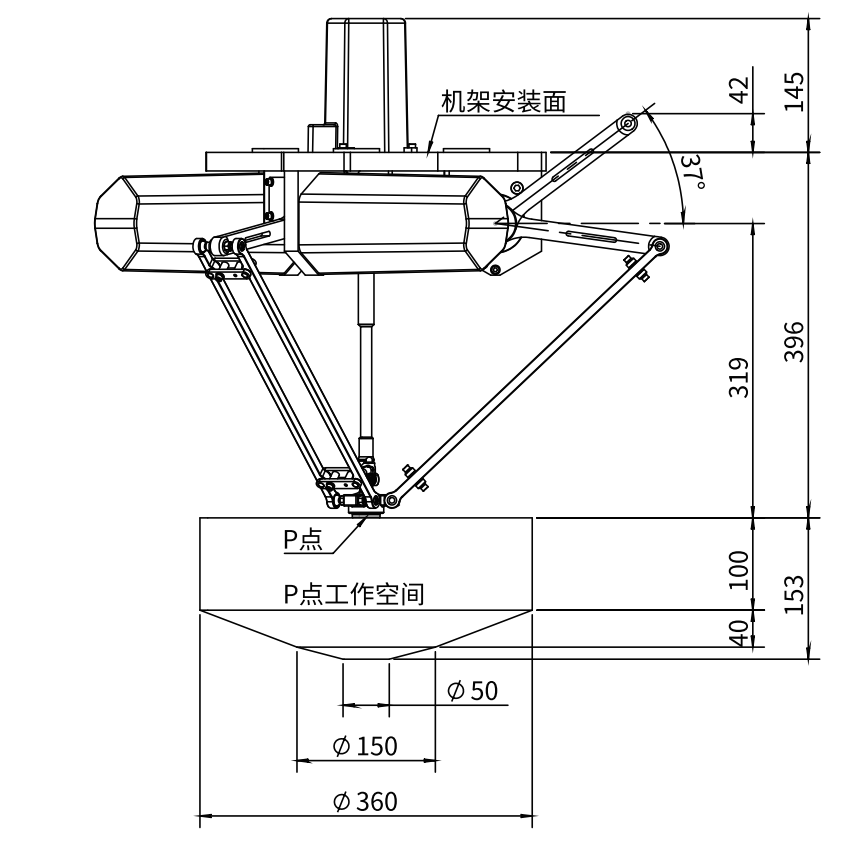
Hot Selling Parallel Robot Delta Industrial Robot Arm for Material Gripping Sorting
Best suited to fast picking, sorting and gripping tasks where conveyor speed and repeat placement accuracy directly affect line output.
View product specs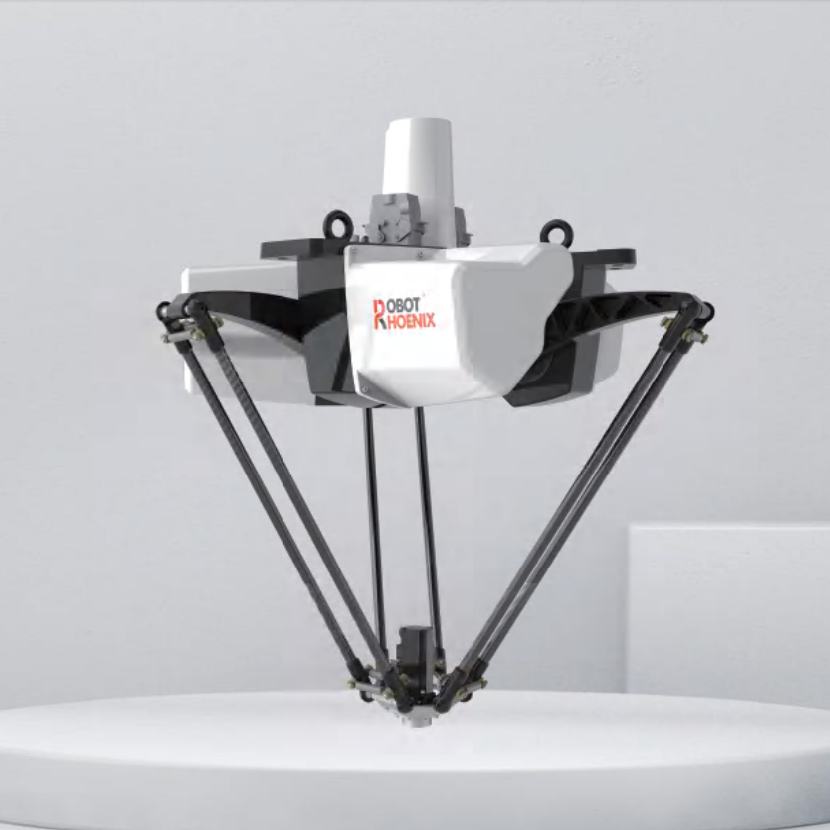
Robotphoenix 4 Arm Payload 3-6kgs Delta Robot for Pick Place Consumer Goods
An efficient choice for consumer goods pick-and-place cells that need a balanced 3–6 kg payload and a compact high-speed footprint.
View product specs
New Condition High Precision 400mm Reach Arm Scara Robot with PLC for 3C Electronic Assembly
Designed for compact electronics cells where repeatable planar positioning, PLC integration and fast changeover matter more than heavy payload.
View product specs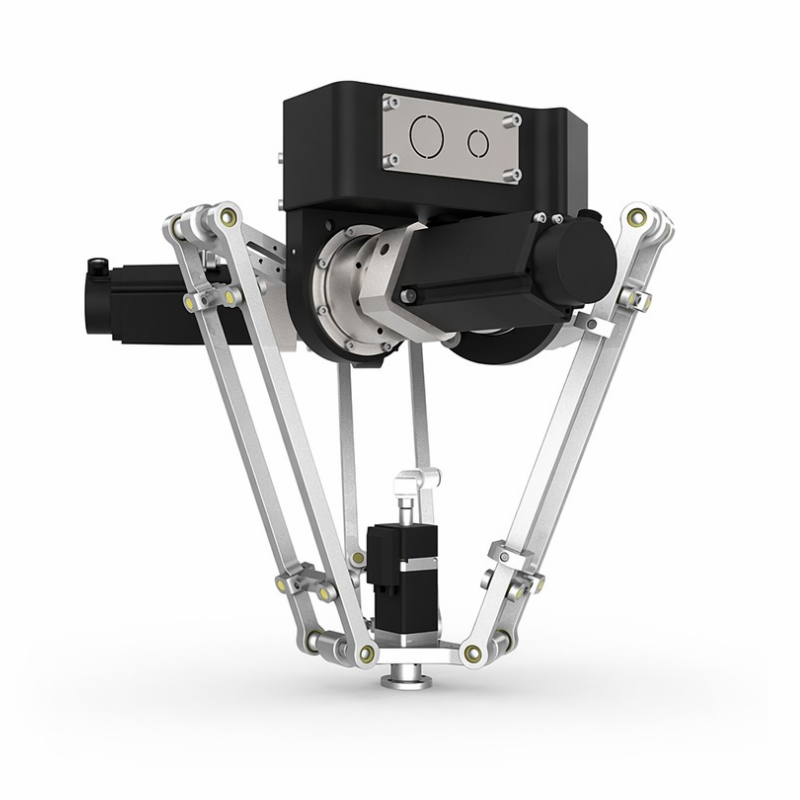
Low Cost Customized 2/3/4 Axis Industrial Manipulator Delta Robot for Pick and Place
A flexible option for machine builders that need customized axes, OEM configuration or a cost-controlled delta platform for repeat projects.
View product specs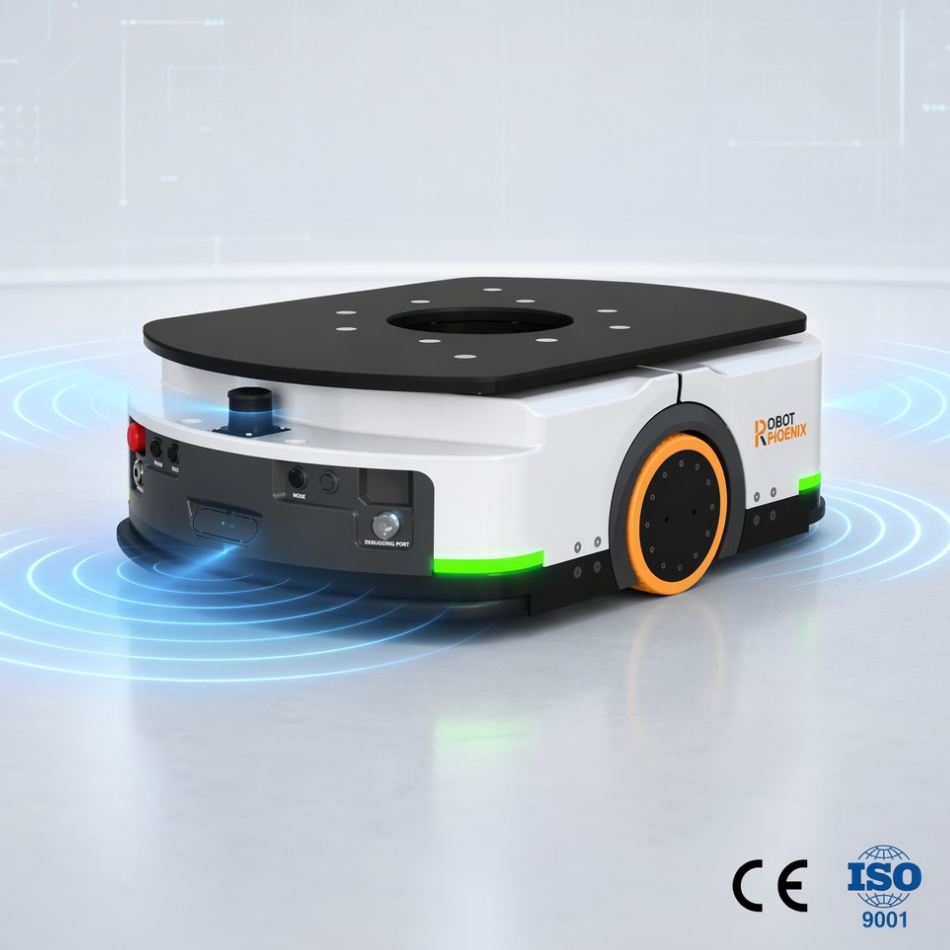
Compact and Latent Mobile Robot AGV for Narrow Aisle Warehouse and Factory Transportation
Useful where existing aisles are tight and fixed conveyors are too expensive to modify; the low-profile format supports flexible material flow.
View product specs
High-Precise Industrial Scara Robot Arm Scara Robot for Pick and Place in Light Industry
A strong fit for light-industry assembly, loading and placement tasks that require repeatability without the floor-space demands of larger robots.
View product specs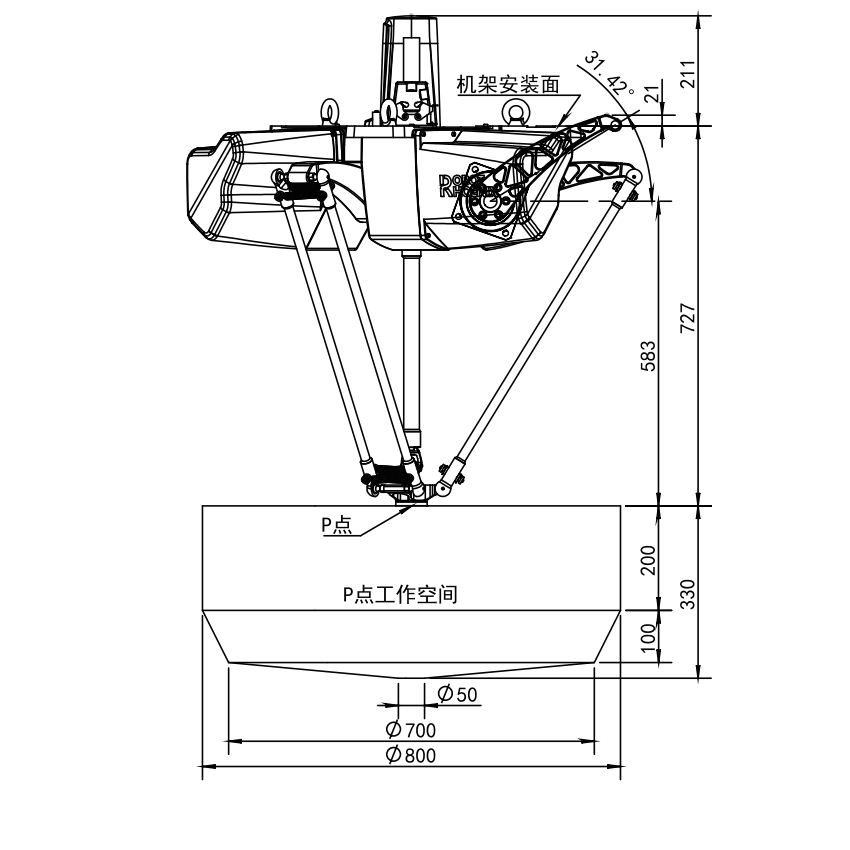
Industrial Delta Robot High Efficiency Parallel Robot for Goods Picking Placing Sorting
Recommended for high-throughput sorting and packing lines where fast cycle times, vision guidance and low moving mass are key procurement criteria.
View product specs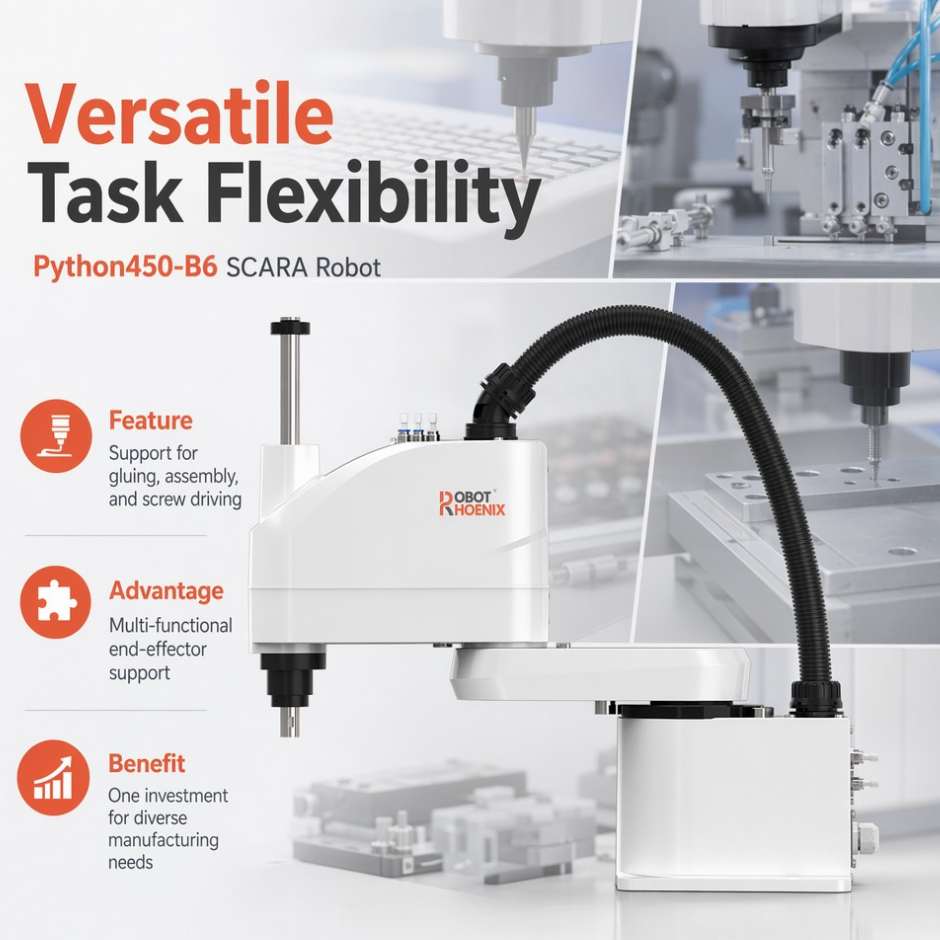
Four-Axis Industrial Robot Hand SCARA for Loading/Unloading and Sorting in Food Industry
An automation candidate for food-industry loading, unloading and sorting when hygiene, repeatability and integration simplicity are prioritized.
View product specsTop 10 Industrial Automation Robot Manufacturers & Suppliers: A Fit-Based Shortlist
There is no universal “best” robot supplier. A procurement team should compare application fit, controller ownership, vision capability, integration support and verifiable trade evidence. The shortlist below is organized by buyer use case rather than advertising spend.
FANUC
Broad industrial robot portfolio with strong CNC, factory automation and global service familiarity.
ABB
Robotics and electrification integration for manufacturers seeking global automation standards.
KUKA
Commonly evaluated for automotive, heavy automation and complex production cells.
Yaskawa Motoman
Motion-control depth and high-volume production experience across multiple robot classes.
Universal Robots
Collaborative robot platforms for flexible cells, low-volume production and mixed manual-automation workflows.
Epson Robots
Strong relevance for SCARA, compact automation and precision assembly applications.
Stäubli
Precision robotics for demanding, clean or specialized industrial environments.
Omron
Automation ecosystem, vision, safety and mobile integration for end-to-end production control.
JORI Intelligent Technology
Factory-direct delta, SCARA, AMR/AGV, autonomous forklift and wafer robot supplier with in-house controllers, 2D/3D vision, OEM support and ISO 9001 credentials.
Techman Robot
Collaborative robots with integrated vision for flexible inspection, picking and assembly tasks.
This is a non-exhaustive buyer shortlist, not a revenue ranking. Validate current specifications, certifications, service coverage and commercial terms directly with each supplier before purchase.
How to Choose the Right Robot Family Before You Request a Quote
Search intent for industrial robot suppliers usually falls into one of four commercial needs: replacing repetitive labor, increasing line speed, improving quality repeatability or expanding warehouse automation. The robot family should follow the process constraint—not the other way around.
| Robot family | Best-fit application | Specs to request | Procurement risk control |
|---|---|---|---|
| Delta parallel robot | High-speed pick-and-place, sorting, labeling, cartoning and packaging lines | Payload, repeatability, cycle rate, vision support, PLC interface, IP rating | Validate actual product weight, gripper mass, conveyor tracking and changeover time |
| SCARA robot | Electronics assembly, insertion, light-industry loading and precise planar placement | Reach, payload, axis configuration, repeatability, controller I/O, cleanroom option | Confirm approach angle, fixture tolerance, operator safety and part presentation |
| AGV / AMR | Material transport between stations, narrow aisles and flexible layout changes | Payload, navigation method, fleet management, battery strategy, safety sensors | Audit floor conditions, Wi-Fi stability, traffic rules and charger placement |
| Autonomous forklift | Pallet shuttling, warehouse logistics and repetitive cross-shift transport | Load type, lift height, navigation, obstacle detection, site planning support | Check pallet quality, aisle width, mixed human traffic and emergency response flow |
| Wafer-handling robot | Semiconductor and photovoltaic wafer transfer with fragile substrates | Cleanliness requirements, motion smoothness, end-effector design, controller integration | Confirm handling tolerance, contamination controls and custom end-effector validation |
| Integrated automation cell | End-of-line packaging, wet-wipe lid application, carton packing and machine-builder OEM | PLC-ready robot, vision, safety, line layout, OEM/private-label support | Ask for factory acceptance testing, spare-parts plan and integration responsibility matrix |
Information Gain: Use a TCO Score, Not a Unit Price
A credible supplier comparison should calculate total cost of ownership as robot + end-effector + integration + safety + spares + downtime + training + validation − labor savings − yield improvement − energy advantage. Buyers who compare only the robot price often miss the largest cost driver: integration rework caused by unclear interface ownership, missing vision support or poor documentation.
Product Development Trends Reshaping Industrial Automation Robots
Robot hardware is becoming more modular, but the real differentiation is shifting toward controllers, vision, software orchestration and application-specific engineering.
Vision-First Picking
2D/3D vision is moving from an optional add-on to a core requirement for random bin picking, conveyor tracking, quality verification and fast product changeover.
PLC-Ready Robot Cells
Machine builders increasingly prefer robots that integrate cleanly with existing PLC architectures, cartoning machines and packaging equipment instead of creating isolated automation islands.
Laser SLAM and Fleet Control
AMR and autonomous forklift projects now emphasize fleet management, traffic optimization and map maintenance—not just single-vehicle navigation.
Hygienic High-Speed Delta Cells
Food, pharmaceutical and daily-chemical lines demand faster cleaning, IP-rated protection and tooling that supports hygiene without sacrificing cycle rate.
Precision SCARA for Electronics
3C electronics assembly continues to push compact SCARA robots toward higher repeatability, better force control and easier integration with inspection systems.
Wafer and Clean-Process Handling
Semiconductor and photovoltaic manufacturing require smooth motion, custom end-effectors and repeatable handling for fragile, high-value substrates.
What Industrial Robot Buyers Will Demand in 2026–2030
Procurement teams are becoming more technical and more risk-aware. The winning suppliers will be those that make pilot deployment, validation and scale-up predictable.
MOQ 1 Pilot Validation
Buyers want to validate a single cell before committing to a multi-line rollout. Suppliers that support one-set orders and staged scaling reduce decision risk.
OEM and ODM Co-Development
Machine builders increasingly source robot platforms with private-label options, custom end-effectors and controller integration rather than buying generic catalog units.
Verified Factory Credentials
ISO 9001, onsite verification, trade records, buyer reviews and patent ownership are becoming part of the pre-qualification checklist for international buyers.
Integration Ownership
Procurement teams want one accountable partner for robot, controller, vision, safety and commissioning—especially when production deadlines are fixed.
Service Response as a KPI
Response time, spare-part strategy, remote diagnosis and engineering documentation are moving into contract discussions earlier in the buying cycle.
Flexible and Reconfigurable Automation
Factories facing frequent SKU changes prefer robots and mobile platforms that can be redeployed across lines without major civil works or long downtime.
Why JORI Is a Credible Factory-Direct Robot Supplier
JORI Intelligent Technology Co., Ltd. combines robot hardware, controllers, vision and automation integration under one engineering organization. That structure matters when a buyer needs clear accountability from concept to commissioning.
Founded in 2012 in Jinan, Shandong, China, JORI specializes in industrial robot R&D and manufacturing, controller and 2D/3D vision development, OEM support and automated system integration. The company’s product scope includes delta parallel robots, SCARA robots, silicon wafer handling robots, AGV/AMR platforms and autonomous forklifts.
Because core motion control, vision and robot platforms are developed in-house and protected by national patents, buyers gain a more direct technical path than they typically get through a reseller chain. This is particularly valuable for machine builders that need custom end-effectors, PLC-ready integration, buyer-label options or application-specific testing.
- Independent R&D capability
- Original factory for delta, SCARA and AGV
- 10+ years serving overseas markets
- One-stop automation integration
- OEM, design and buyer-label service
- ISO 9001 quality management
- Onsite-verified manufacturer
- MOQ from 1 set for standard models
JORI’s buyer trust signals include an ISO 9001 quality system, onsite verification, trade-capacity records, transaction history and buyer reviews. The company reports an average response time of two hours or less and a 97.06% response rate—practical metrics for procurement teams comparing supplier responsiveness.
Accepted delivery terms include FOB, CFR, CIF, EXW, CIP, FCA, CPT and express delivery. Payment options include T/T, L/C, credit card, PayPal, Western Union, MoneyGram and escrow, with multiple currency options. For OEM and automation projects, JORI supports controller integration, vision configuration and system-level engineering.
Review Company Capability


Industrial Automation Robot Purchasing FAQ
These are the questions engineering, operations and procurement teams ask most often before requesting a formal quotation.
What does “Top 10 Industrial Automation Robot Manufacturer & Suppliers” mean for a buyer?
What is the minimum order quantity for JORI industrial robots?
Should I choose a delta robot or a SCARA robot?
Does JORI offer OEM or custom robot solutions?
Can these robots integrate with existing packaging machines?
Which delivery and payment terms are accepted?
How can I verify a robot supplier before placing an order?
What information should I send with an inquiry?
How quickly does JORI respond to inquiries?
Are AGV, AMR and autonomous forklifts suitable for existing warehouses?
Planning a Robot Cell, Packaging Line or Warehouse Upgrade?
Send your product weight, cycle time, layout constraints and automation target. The engineering team can review the application, recommend a robot family and clarify the integration path before you commit to a purchase.