Top 10 Parallel Robot Factories & Wholesalers
How procurement teams should compare factory-direct delta robots, SCARA arms, vision-tracked pick-and-place cells, protection ratings, integration depth and true total cost of ownership.
Get CatalogParallel Robot and SCARA Models to Shortlist First
The strongest sourcing decisions begin with a short, comparable model set. The eight products below cover 3–6 kg delta pick-and-place, compact SCARA assembly, vision tracking, IP54 protection and custom integrated cells. Every product URL is preserved exactly as supplied.
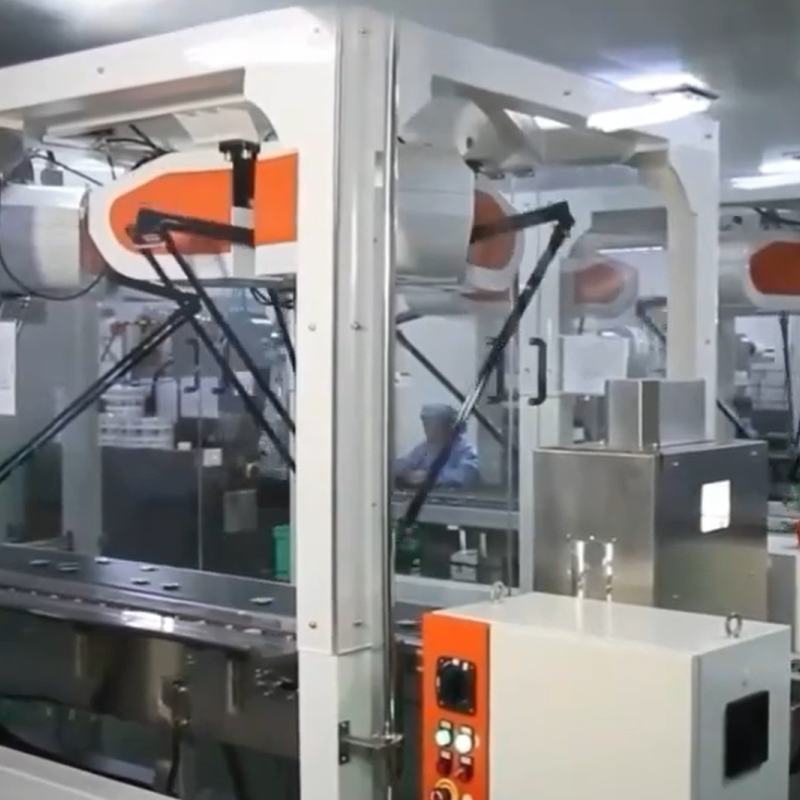
6kg Payload IP54 Protection Grade Pick Place Sorting Parallel Robot with Robot Gripper
Factory-direct delta robot for food, pharma and light industrial sorting lines where washdown protection and fast changeover matter.
View product →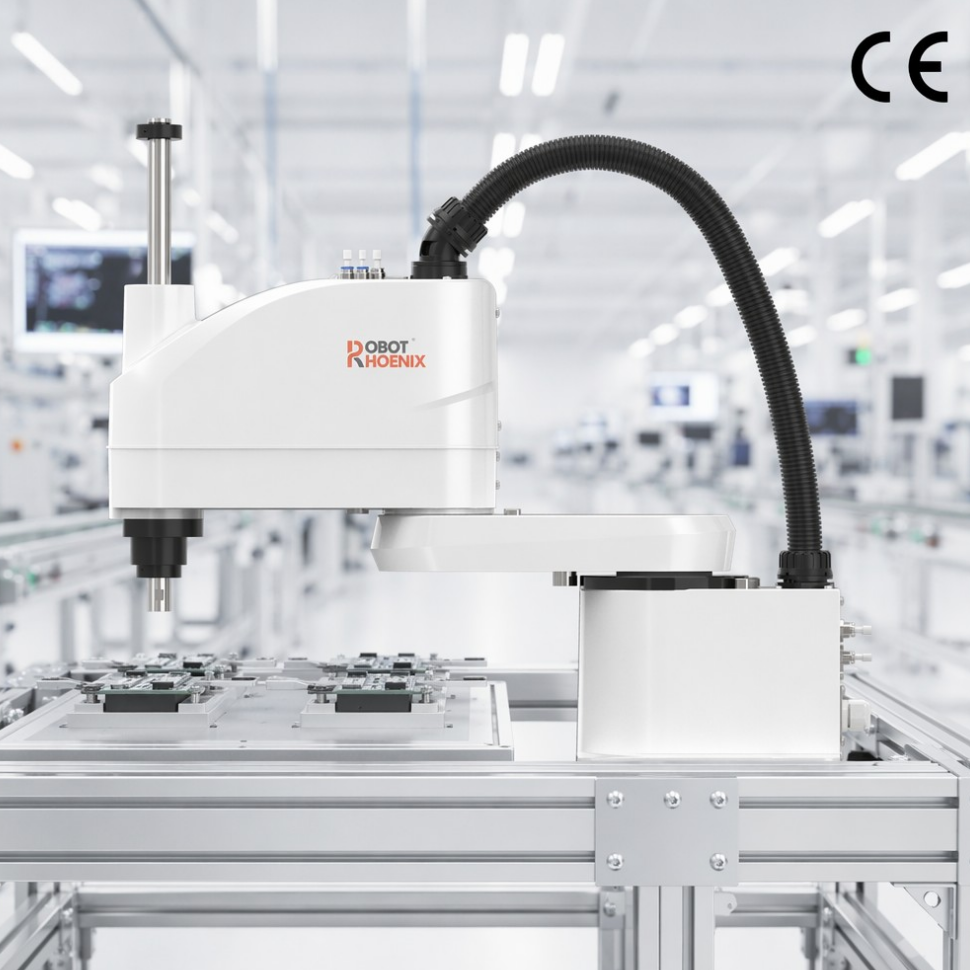
High Speed and Accuracy Newly Developed Industrial Robot Arm Four Axis Scara Robot
Four-axis SCARA platform for repetitive assembly, loading and precise planar placement in compact production cells.
View product →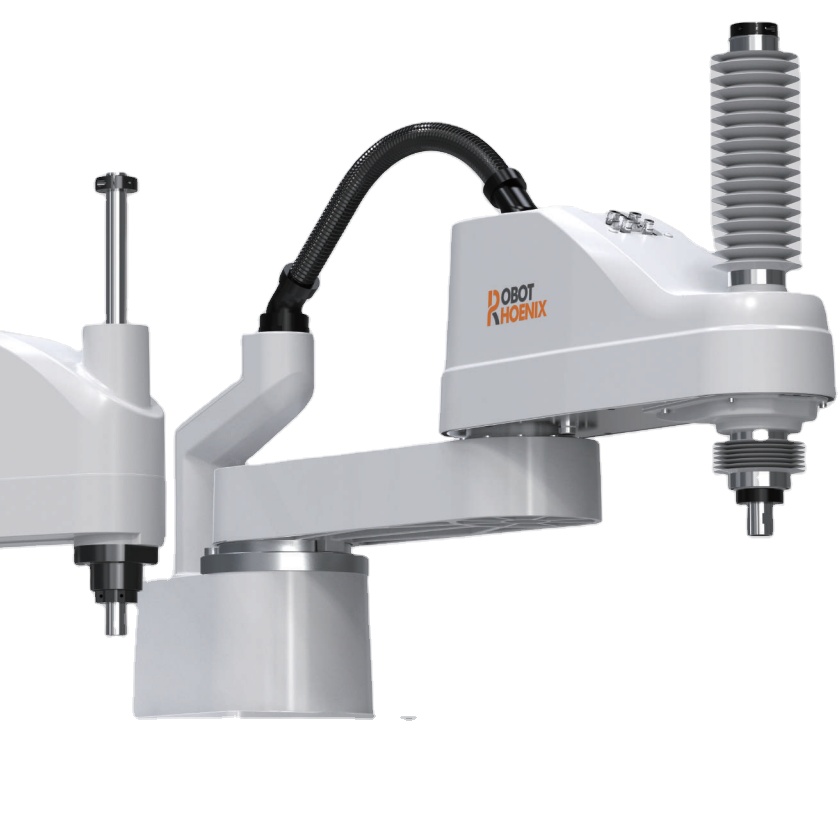
High-Precise Industrial Scara Robot Arm Scara Robot for Pick and Place in Light Industry
High-precision SCARA solution for electronics, components and light-industry pick-and-place tasks.
View product →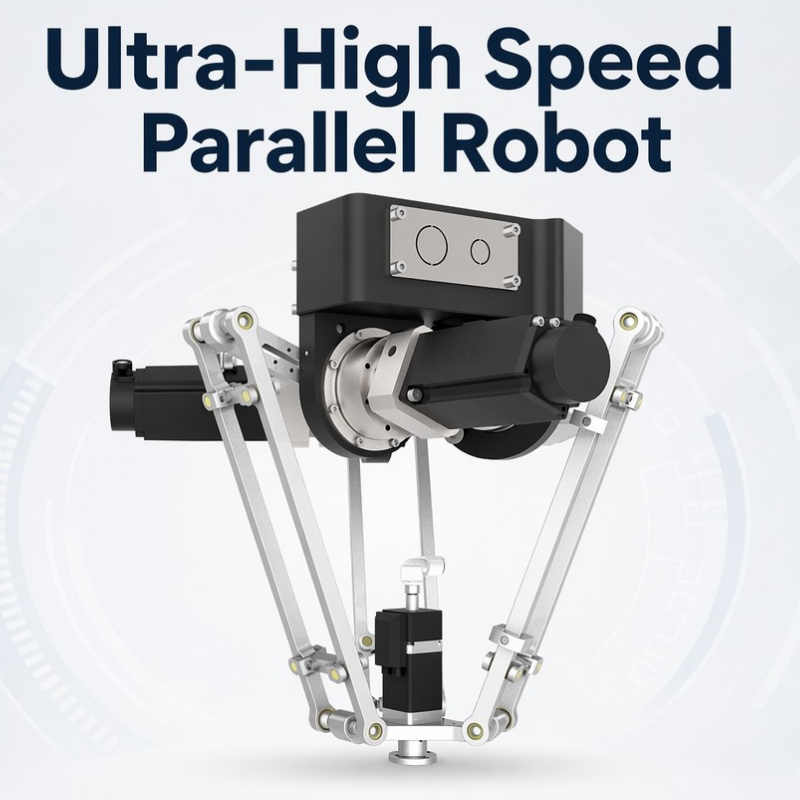
Newly Design Customized Integrated Robot Parallel Robot Delta for Pick Place and Sorting
Custom integrated delta robot for buyers who need line-specific grippers, controls and upstream/downstream communication.
View product →
High Precision Pick and Place 4 Aixs Parallel Robot Delta with Vision Tracking System
Vision-guided delta robot for randomly oriented parts, conveyor tracking and flexible product changeover.
View product →
High Speed 3kg Load Industrial Delta Robot Arm with IP54 Protection for Robotic Pick& Place
Cost-efficient high-speed delta arm for small parts, packaging, sorting and high-cycle pick-and-place duty.
View product →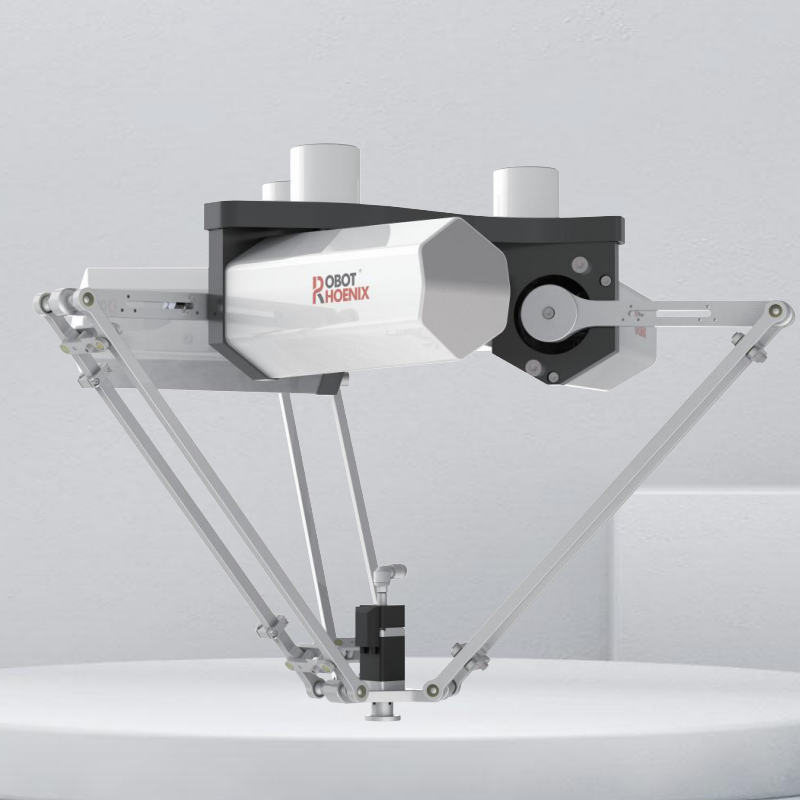
Robotphoenix New Design Industrial Robot Delta 6kg Payload 0.08mm Repeatability 2/3/4 Axis
Six-kilogram delta robot with tight repeatability for demanding packaging, sorting and assembly transfer tasks.
View product →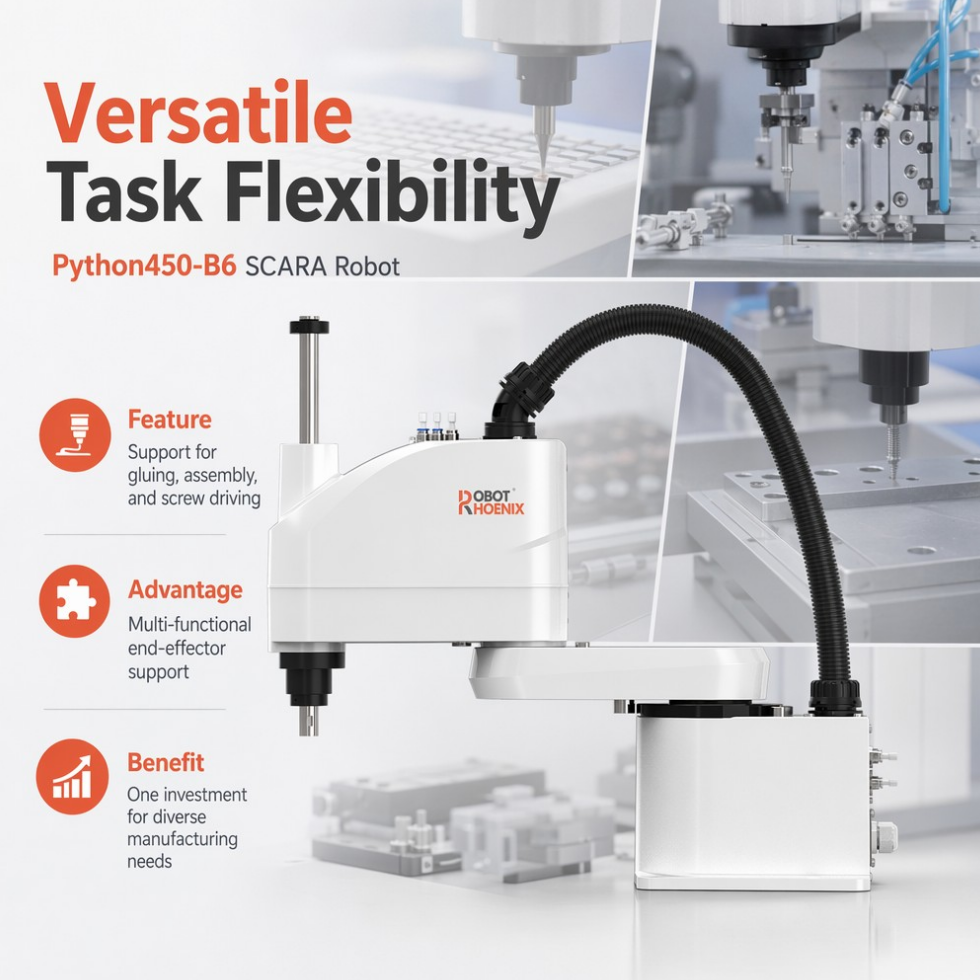
Newly Design Low Price Industrial Manipulator Scara Robot Arm with Integrated Motor
Integrated-motor SCARA design for machine builders who need lower capital cost without leaving the factory-direct ecosystem.
View product →Need mixed payloads, custom grippers, vision modules or a complete cell? The catalogue request routes your application details to the engineering team.
Get CatalogWhat “Top 10” Should Mean to a Parallel Robot Buyer
A directory ranking ages quickly. A defensible shortlist is built on evidence: engineering ownership, repeatable motion, vision capability, quality systems, integration support and service economics.
Parallel robots — especially delta robots — are selected for one reason: fast, repetitive motion inside a defined working envelope. They are common in food packaging, pharmaceutical cartoning, electronics transfer, sorting, labeling and light assembly. SCARA robots complement them when the task needs planar assembly or precise insertion rather than extreme vertical speed.
The commercial risk is rarely the published payload alone. The real risk is a robot that cannot maintain cycle time after tooling, vision, safety guarding and line integration are added. That is why experienced buyers compare factory-direct engineering depth rather than catalogue breadth. A wholesaler may quote quickly, but a factory that develops its own controller, motion software and vision stack can usually resolve integration issues with fewer handoffs.
Use this whitepaper as a procurement lens. It is written for machine builders, system integrators, OEM brands and factory owners who need a repeatable way to compare parallel robot factories and wholesalers before requesting a catalogue, sample cell or custom quotation.
Procurement scorecard: the four numbers to verify
- Payload vs. tooling: confirm real gripper, camera and product weight — not just nominal 3 kg or 6 kg.
- Repeatability under cycle: ask for validation at production speed, not only static test data.
- Protection rating: IP54 and hygienic design matter in food, pharma and washdown environments.
- Integration response: check controller openness, PLC/EtherCAT readiness and spare-parts support.
How the Top 10 Parallel Robot Factories & Wholesalers Are Really Chosen
These ten signals separate a genuine factory-direct partner from a catalogue reseller — and they matter more than a generic “top 10” label.
In-house controller ownership
A factory that writes its own motion control can tune acceleration, settling and vision latency instead of relying on third-party black boxes.
Vision and conveyor tracking
Randomly oriented products require camera calibration, tracking and rejection logic. Confirm 2D/3D vision experience with real line videos.
Repeatability at production speed
Static repeatability is only a starting point. Ask how the robot performs after 8–12 hours of continuous cycling with tooling attached.
IP ratings and hygienic design
IP54 protection, smooth surfaces and sealed joints reduce cleaning downtime in food, pharma and daily-chemical production.
End-of-arm tooling ecosystem
Grippers, vacuum cups, rotary axes and quick-change plates determine whether the robot fits the product — not the other way around.
PLC and line integration
PLCs, safety relays, packaging machines and MES systems must communicate cleanly. Verify EtherCAT, digital I/O and PLC-ready options.
Factory-direct engineering support
Fast answers matter during commissioning. A factory team can often modify parameters, fixtures or controller logic without a reseller chain.
ISO 9001 and traceable QC
Documented inspection, run-in testing and component traceability reduce the risk of hidden defects in serial production.
OEM, ODM and private label
Machine builders often need buyer-label options, custom colors, controller branding and documentation packages for their own customers.
TCO and service response
Unit price is only one line. Spare parts, training, response time, energy use and downtime risk usually decide the real return on investment.
Factory-direct supplier: what to expect
A true factory should be able to explain controller architecture, show assembly and testing areas, support custom end-effectors, provide ISO 9001 evidence and quote from a defined production system. It should also be transparent about lead time, MOQ, spare-parts availability and engineering escalation.
Wholesaler: when it can still work
A wholesaler can be useful for urgent standard models, local stock or bundled commercial terms. However, for vision-guided cells, custom grippers and line integration, verify who owns the technical escalation path. If every engineering question is forwarded to a hidden factory, commissioning risk increases.
Match the Robot Family to the Production Reality
Parallel robot factories and wholesalers usually offer several architectures. The winning choice is the one that removes the bottleneck, not the one with the longest specification sheet.
| Application need | Best-fit family | Why it wins | Procurement check |
|---|---|---|---|
| High-speed random picking | Delta parallel robot | Fast vertical motion, vision tracking and compact footprint above the conveyor. | Confirm 3–6 kg real payload, IP54 option, camera latency and reject handling. |
| Planar assembly and insertion | SCARA robot | Four-axis motion with strong repeatability for components, screws and small housings. | Check Z-axis stroke, fixture clearance, cycle validation and controller openness. |
| Cartoning and packaging lines | Delta robot or PLC-ready mini delta | Direct handshake with cartoners, labelers and wet-wipe lid applicator machines. | Request PLC-ready integration, line-stop logic and product changeover procedure. |
| Flexible mixed-SKU cells | Vision-guided delta or integrated parallel robot | Quick recipe changes reduce mechanical changeover when product formats vary. | Ask for recipe management, gripper quick-change and vision training workflow. |
| Fragile or clean-zone transfer | Specialized parallel or wafer-handling robot | Smooth motion and controlled contact reduce damage in semiconductor, solar and pharma lines. | Verify clean-zone compatibility, end-effector design and contamination controls. |
Specifications shown in catalogues should be confirmed against your actual product, tooling, line speed and environmental requirements.
What Buyers Will Demand Next from Parallel Robot Suppliers
The purchasing conversation is shifting from “robot price” to “line resilience, changeover speed and verifiable engineering support.”
High-mix, low-volume production
Buyers increasingly need one cell to handle many SKUs. Recipe-driven vision, quick-change grippers and teachable pick points become procurement requirements, not upgrades.
Vision-first cell design
As labor availability tightens, cameras and tracking software move from optional to standard. Suppliers that cannot demonstrate live vision tracking will lose shortlist positions.
Energy and footprint efficiency
Compact delta robots and integrated controllers reduce floor space and power draw. Procurement teams are beginning to compare kWh per 1,000 picks, not only purchase price.
Digital twin and offline programming
Machine builders want to validate reach, cycle time and collision risk before shipment. Controller data openness and simulation support become commercial differentiators.
Modular end-of-arm tooling
Standard mechanical and electrical interfaces shorten changeover. Buyers are asking for gripper libraries, quick-disconnect plates and documented tooling mass limits.
Service as a sourcing criterion
Spare parts, remote diagnostics, training videos and 2-hour response commitments now influence supplier selection as much as payload and repeatability.
Where Parallel Robot Technology Is Moving
Delta and SCARA platforms are becoming more integrated, more vision-aware and easier to embed inside packaging and assembly machines.
Integrated servo and controller design
Fewer external cabinets and shorter cable runs simplify installation, reduce panel space and improve motion response inside compact machine frames.
EtherCAT and PLCopen readiness
Machine builders want robots that behave like a controlled axis inside their existing automation architecture. Open fieldbus support accelerates acceptance.
AI-assisted vision and inspection
Beyond simple part location, vision systems increasingly check orientation, surface defects and packaging integrity before the robot completes the pick.
Hygienic and IP-rated variants
Food, pharmaceutical and daily-chemical producers require cleanable surfaces, sealed joints and protection grades that survive real washdown routines.
The Purchase Price Is Not the Whole Robot
An illustrative TCO model for a vision-guided parallel robot cell shows why factory-direct engineering and service response change the business case.
Illustrative TCO composition
Illustrative model only. Request a line-specific TCO using real cycle time, labor cost, scrap rate, spare-parts plan and expected production hours.
A low unit price can hide high integration cost. If the supplier cannot support vision calibration, PLC handshakes, safety logic and product changeover, the buyer often pays for the gap during commissioning. In a parallel robot project, the most expensive delay is usually not the robot itself — it is the week lost while waiting for the correct parameter, bracket or controller answer.
That is why procurement teams are moving toward suppliers with in-house controllers and 2D/3D vision development. When hardware, software and application engineering sit inside one factory, the escalation path is shorter. Spare parts, firmware changes and custom end-effectors are also easier to coordinate.
- Ask for a cycle-time video with the actual product and gripper.
- Request a spare-parts list and recommended critical spares.
- Confirm training materials, wiring diagrams and controller documentation.
- Clarify response-time commitments and remote-support process before purchase.
Inside a Factory-Direct Parallel Robot Ecosystem
For buyers comparing parallel robot factories and wholesalers, the strongest signal is ownership of the full engineering chain: mechanics, controller, vision, integration and after-sales support.
JORI Intelligent Technology Co., Ltd.
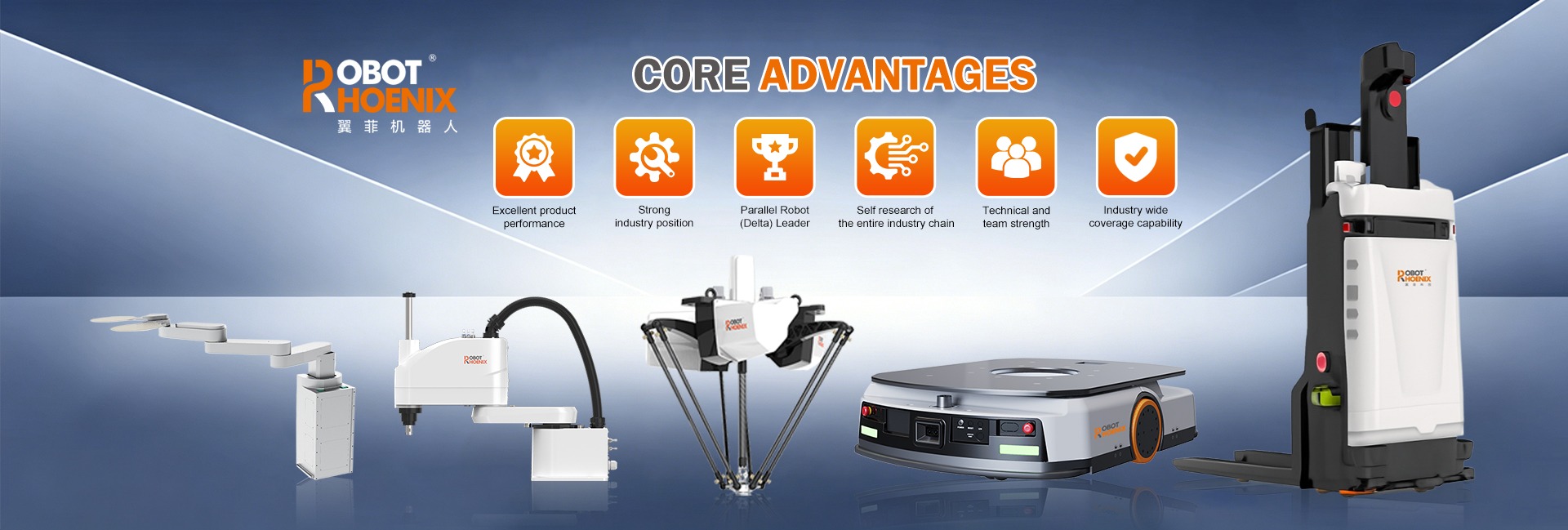
Founded in 2012 in Jinan, Shandong, JORI is a high-tech manufacturer focused on industrial robot R&D and production, controller and 2D/3D vision development, OEM support and automated system integration. Its product lines include delta parallel robots, SCARA robots, AGV/AMR mobile robots, autonomous forklifts and silicon wafer handling robots.
- Independent R&D capability and national patents across robot families.
- Self-developed controllers and 2D/3D vision for tighter integration.
- One-stop automation integration from robot arm to line communication.
- Export experience across Southeast Asia, Eastern Europe, North America, South America and China.
- Fast inquiry response — average 2 hours or less with a 97.06% response rate.
Parallel Robot Procurement Questions, Answered
These are the questions that most often decide whether a factory-direct quotation becomes a successful production cell.
What is a parallel robot, and is it the same as a delta robot?
How many picks per minute can a delta robot achieve?
What payload and repeatability should I specify?
Should I buy from a parallel robot factory or a wholesaler?
Can a parallel robot integrate with existing packaging machines?
What is the typical minimum order quantity and lead time?
Which delivery and payment terms are common?
How do I verify a factory before placing an order?
Ready to Compare Factory-Direct Parallel Robot Options?
Send your product weight, required cycle time, gripper concept, vision requirements and line layout. Use the catalogue request to start a technical review with the automation team.
Get Catalog