8 Factory-Direct Pick-and-Place Robots Buyers Shortlist First
When procurement teams compare a top 10 pick and place robot supplier and wholesaler shortlist, the useful question is not how many models a supplier lists. It is how quickly a model can be matched to a conveyor, PLC, vision recipe, end effector and acceptance test. These eight representative models cover fast light-industry picking, vision-guided placement, compact SCARA assembly, 4-axis spider-hand carton packing and high-efficiency sorting.

New Condition High-Speed Industrial Innovative Manipulator Delta Robot for Light Industry
For light-industry conveyors where fast cycle time, stable repeatability and compact integration matter more than heavy payload.
View specifications →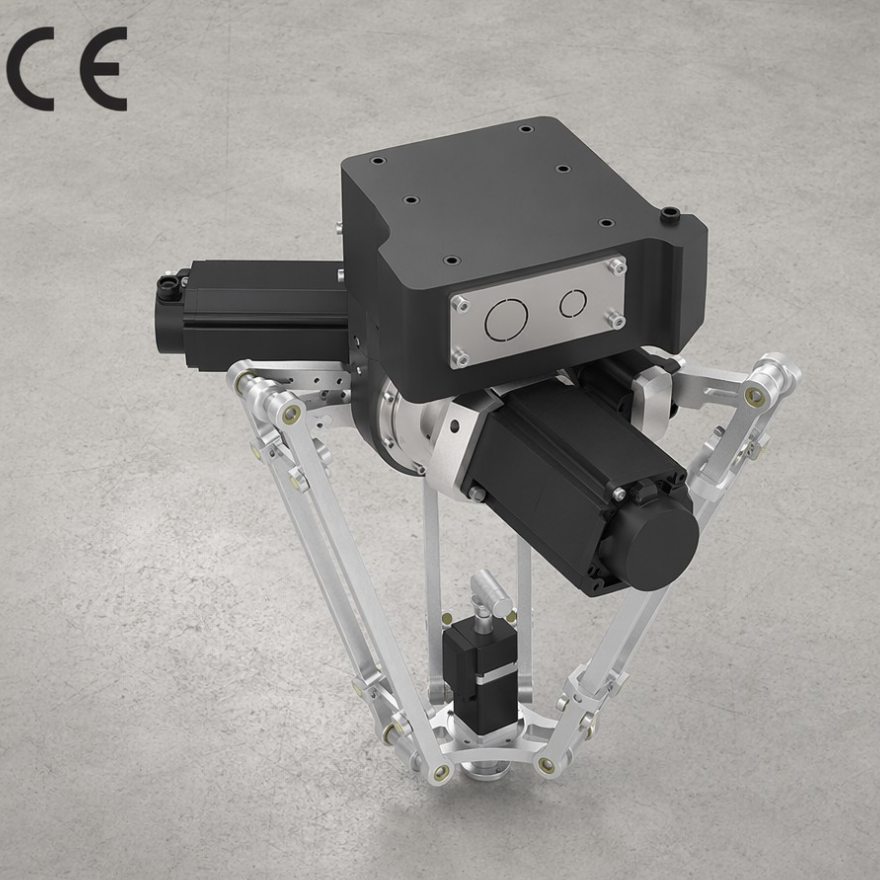
Smart Parallel Robot Picking and Placing Robot Manipulator Delta Robot with Visual System
A vision-guided parallel robot for random orientation picking, mixed SKUs and inspection-linked placement tasks.
View specifications →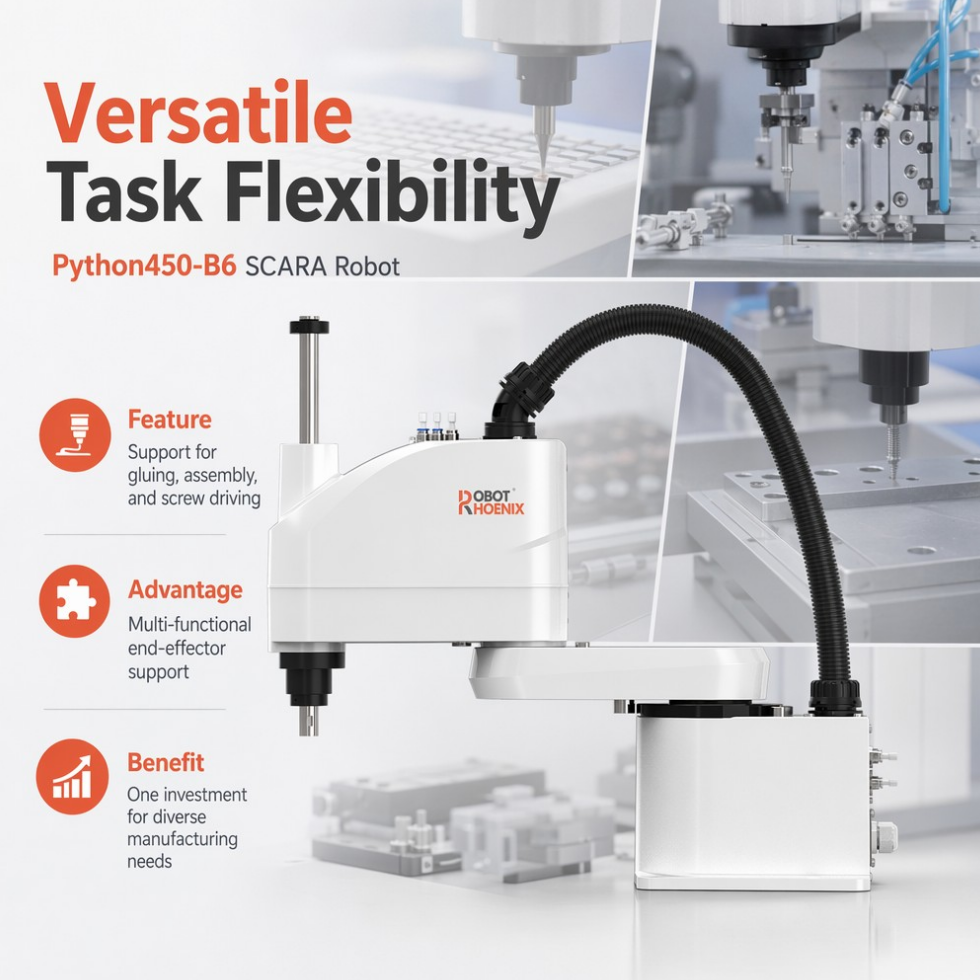
Newly Design Low Price Industrial Manipulator SCARA Robot Arm with Integrated Motor
Cost-controlled SCARA architecture for compact assembly, parts loading and precise planar pick-and-place.
View specifications →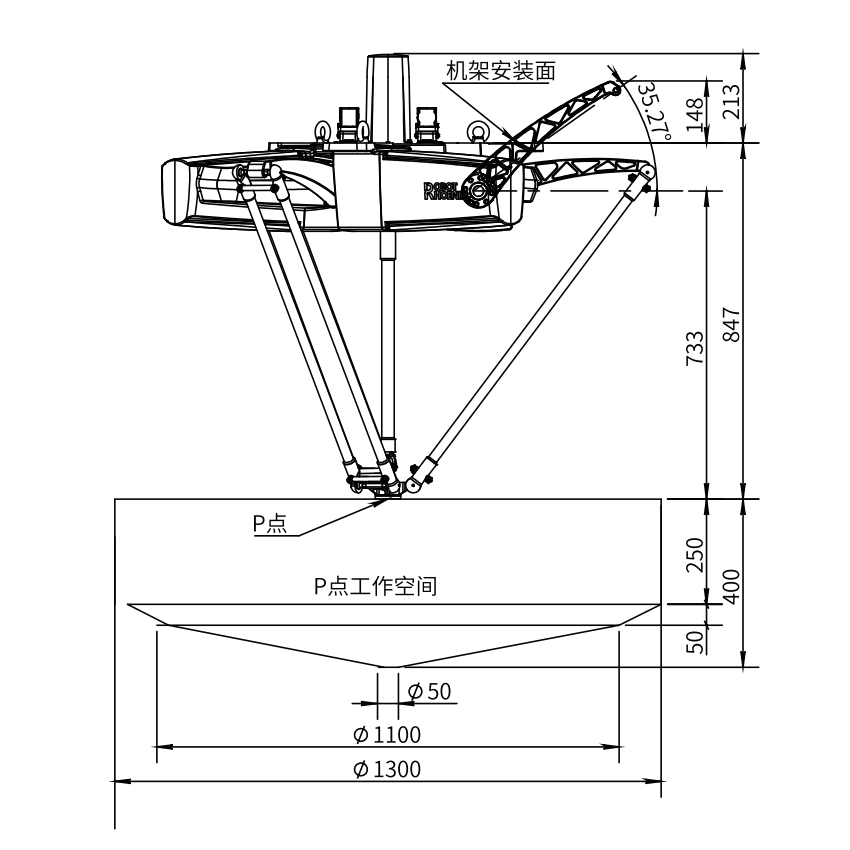
Industrial Robotic Arm Parallel Robot 2/3/4 Axis Delta Robot for Pick & Place Application
A flexible delta platform for packaging, small-part handling and multi-axis pick-and-place applications.
View specifications →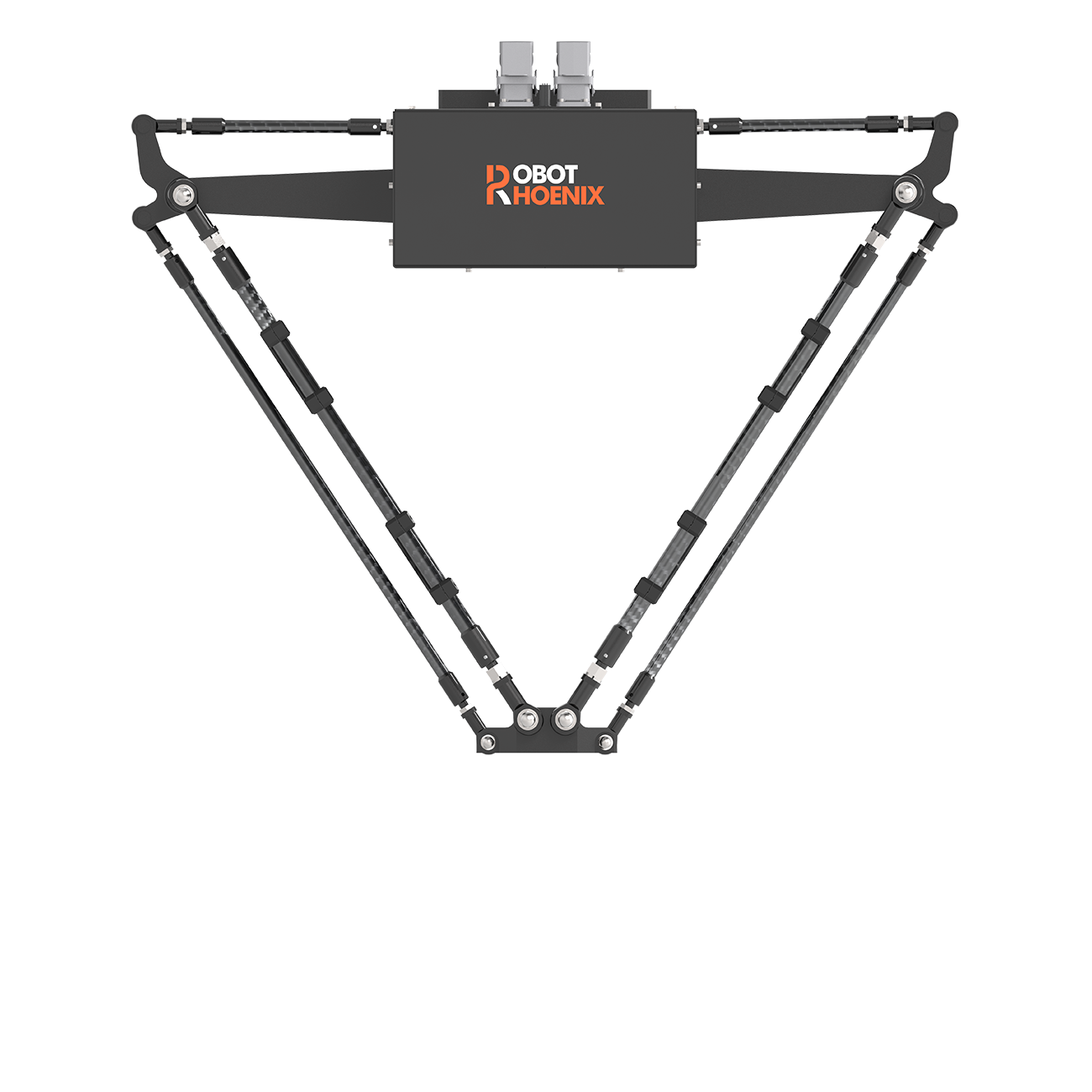
Industrial Manipulator High Speed and Accuracy Delta Robot with New Design Kinetics
For demanding continuous motion where kinematic design, vibration control and repeatability affect throughput.
View specifications →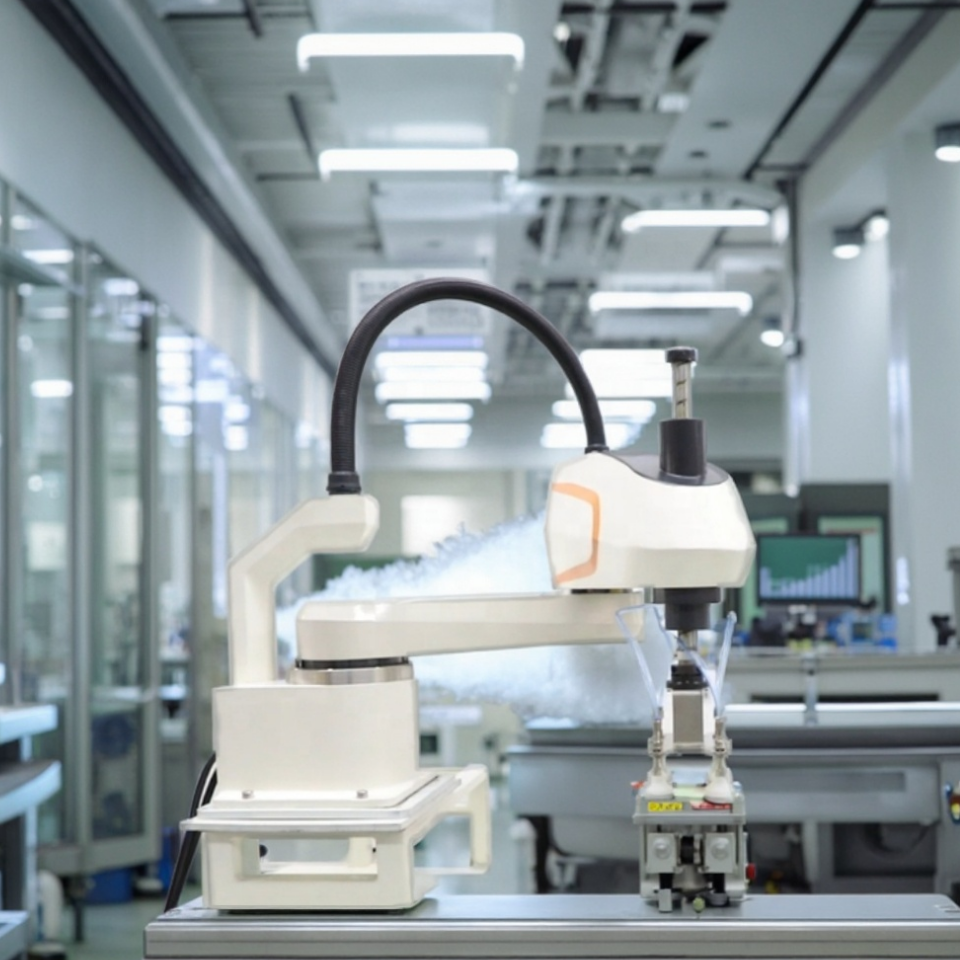
Industrial 4-Axis Robot Arm SCARA Robot Arm with Vision System for Auto Parts Industry
A 4-axis SCARA with vision for auto-parts handling, inspection and accurate placement in compact cells.
View specifications →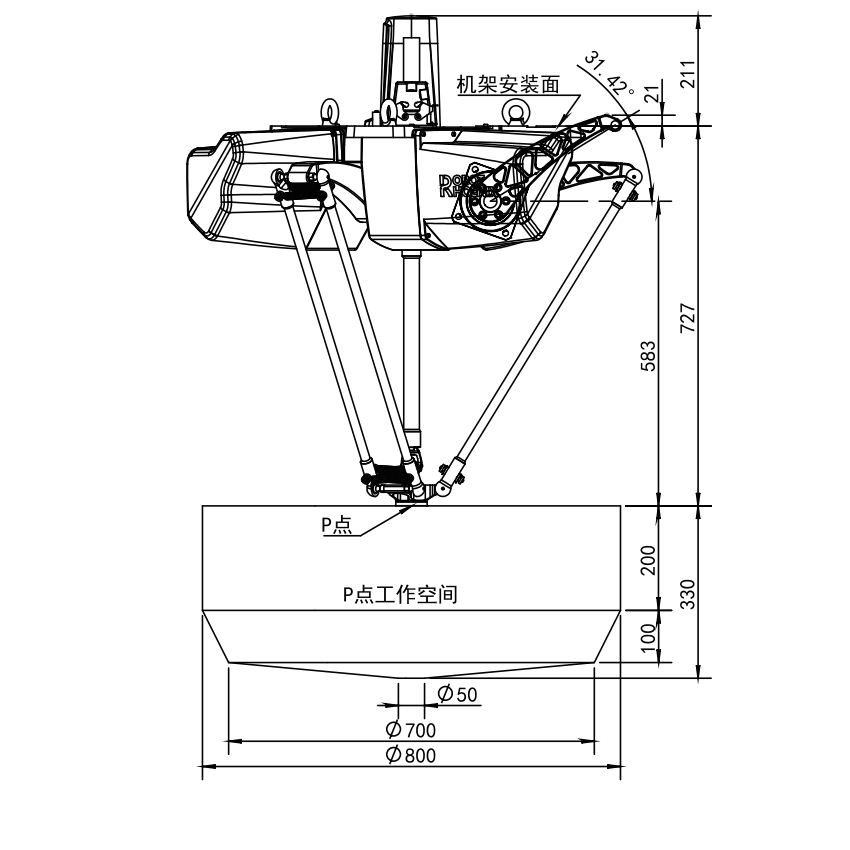
Industrial Delta Robot High Efficiency Parallel Robot for Goods Picking Placing Sorting
High-efficiency delta handling for goods picking, placing and sorting in packaging and distribution lines.
View specifications →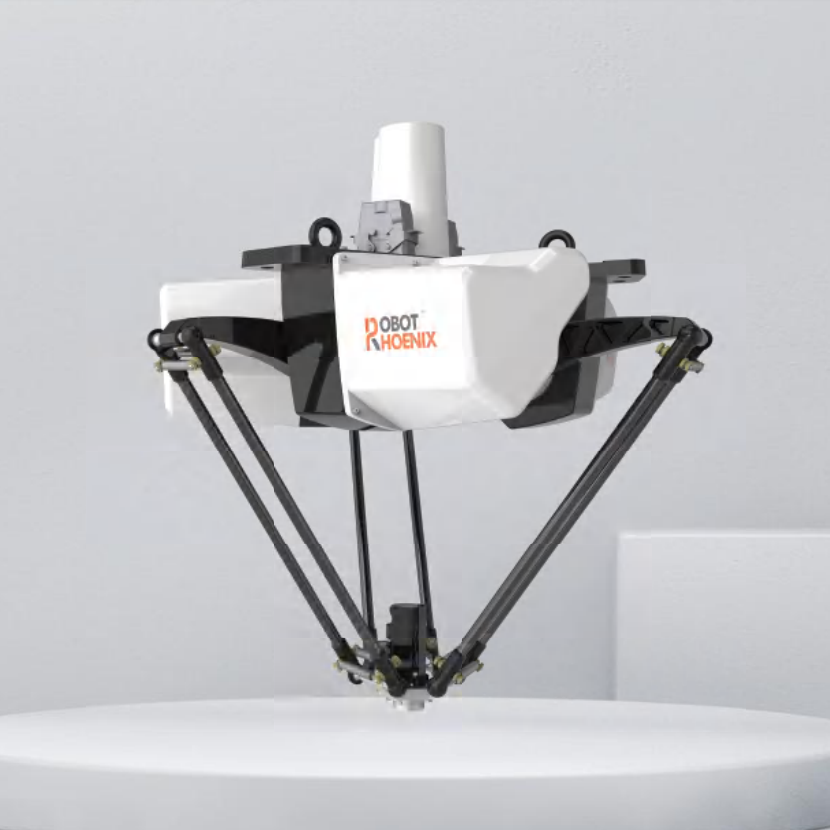
Robotphoenix New 4-Axis Parallel Robot Arm Delta Spider Hand Robot for Carton Packer Line
A spider-hand style parallel robot for carton packing lines and end-of-line automation with repeatable placement.
View specifications →Why Pick-and-Place Robot Procurement Is Now a Board-Level Decision
Pick-and-place automation is no longer a single-cell purchase. It sits at the intersection of labor availability, packaging speed, product quality, traceability and energy productivity. A buyer searching for a “pick and place robot supplier” may actually need a delta robot for high-speed food handling, a SCARA robot for electronics assembly, a 4-axis spider-hand robot for carton packing, or a vision-guided parallel robot that can handle random orientation on a moving conveyor. The search phrase is short; the engineering intent is not.
That is why serious procurement teams now compare suppliers by evidence, not by catalogue volume. They ask for the cycle time at the rated payload, the repeatability test method, the conveyor tracking specification, the vision latency, the end-effector changeover time, and the controller’s ability to communicate with an existing PLC or MES. A supplier that answers only with a payload figure and a price is not giving the buyer enough information to calculate risk.
JORI has served industrial automation buyers since 2012 from Jinan, Shandong, with in-house development of robots, controllers and 2D/3D vision. That experience produces a practical rule for any top 10 pick and place robot supplier and wholesaler shortlist: score the supplier on the engineering questions it can answer before the order, not only on the discount it offers after the order.
Manufacturer Credibility, Expressed in Numbers
These are the practical proof points procurement teams should verify when comparing a factory-direct robot manufacturer with a trading wholesaler.
What a Qualified Pick-and-Place Robot Wholesaler Should Be Able to Prove
A wholesaler can quote a robot. A qualified manufacturer must prove how the robot, controller, vision, end effector and after-sales engineering work together.
Independent R&D Since 2012
JORI’s delta, SCARA, wafer, AGV/AMR and autonomous forklift development is handled by an in-house team. Buyers get direct engineering feedback instead of a relay through anonymous trading partners.
Self-Developed Controllers & Vision
In-house controllers and 2D/3D vision reduce the risk of finger-pointing between robot, camera and PLC vendors. Recipes, handshakes and rejection logic can be validated before shipment.
Full Pick-and-Place Portfolio
Delta parallel robots, SCARA robots, 4-axis spider-hand robots, vision-guided models, AGV/AMR and wafer robots allow JORI to recommend the correct architecture rather than forcing one model into every line.
ISO 9001 & Onsite Verification
ISO 9001 quality management supports documented inspection and run-in testing. Onsite-verified manufacturer status, credit records and trade history give procurement teams independent checkpoints.
OEM/ODM & Buyer Label
Machine builders can request OEM service, design service, buyer-label options, custom end effectors, controller integration and automated system integration support for packaging and assembly equipment.
One-Stop Automation Integration
From the robot arm and controller to vision, safety logic and line-side commissioning, JORI supports a single accountable path. This is valuable for carton packers, wet wipe lid applicator machines and fast-moving packaging projects.
 Factory-direct engineering and robot production in Jinan, Shandong.
 Export support for buyers across Asia, Europe, the Americas and other regions.
Pick-and-Place Robot Procurement Trends for 2025–2030
The next buying cycle will reward suppliers who can prove scalability, software readiness and lifecycle support, not merely a low initial quotation.
From One Cell to a Scalable Fleet
Buyers increasingly ask whether a single robot can be replicated across lines without re-engineering every recipe. Fleet-ready controllers, documented I/O maps and repeatable cell designs are becoming part of the purchase decision.
Vision-First, Not Vision-Later
Random orientation, mixed SKUs and inspection requirements are now specified at the start of a project. Retrofit vision often adds cost and commissioning risk. Procurement teams prefer suppliers that can validate camera, lighting and recipe logic upfront.
TCO Replaces Sticker Price
Energy use, vacuum air consumption, changeover time, spare-parts holding, training and downtime risk are being added to the commercial comparison. A low machine price with slow support is not a low-cost automation project.
Local Service Response Enters the Contract
Wholesalers are being evaluated on spare-parts access, remote diagnostics, engineer response time and documentation quality. A documented response process is becoming as important as the robot’s repeatability specification.
Modular End Effectors Reduce Changeover
Quick-change grippers, vacuum arrays and tooling standards reduce product changeover. Buyers are asking suppliers to design end effectors around product families rather than one fixed SKU.
Dual Sourcing & Verifiable Credentials
Procurement teams compare top 10 suppliers with the same scorecard: factory verification, patents, ISO 9001, trade capacity, buyer reviews, payment terms and a clear technical response. Verifiable credentials reduce supply risk.
Technology Trends Reshaping Delta, SCARA and 4-Axis Robots
Robot development is moving toward lower vibration, tighter controller integration, easier vision deployment and faster line commissioning.
Delta Kinematics with Lower Vibration
New kinematic designs target higher speed without sacrificing repeatability. Buyers should ask for cycle-time tests at the rated payload rather than maximum speed demonstrations with lightweight dummy parts.
Integrated-Motor SCARA Designs
Compact SCARA robots with integrated motors reduce cabinet space and simplify installation. They suit electronics, auto-parts and small-part assembly cells where footprint and cable routing affect layout.
AI-Assisted 2D/3D Vision
Vision systems are becoming easier to teach and more tolerant of lighting variation. For pick-and-place, the key metric is not only recognition accuracy but also vision latency, because latency directly affects cycle time.
PLC-Ready, Software-Defined Cells
Machine builders want robots that fit existing control architectures. PLC-ready delta robots and documented handshakes reduce commissioning time for cartoning machines, packers and labeling lines.
Application-Specific Packaging Robots
Carton packing, wet-wipe lid application, labeling and sorting lines are becoming more specialized. Suppliers with application experience can shorten recipe development and reduce mechanical interference during commissioning.
Digital-Twin Commissioning & Safety
Simulation, safety-rated logic and digital commissioning are becoming practical ways to reduce onsite time. Buyers should request the supported simulation format, safety documentation and recovery procedure before placing a factory order.
Which Pick-and-Place Robot Should You Buy?
Use the same comparison framework for every supplier. The right architecture depends on part weight, orientation, cycle time, accuracy, conveyor movement and the existing control environment.
| Robot Architecture | Best Fit | What to Ask the Supplier to Prove | Common Specification Error |
|---|---|---|---|
| Delta parallel robot3–6 kg payload options | High-speed picking, sorting, labeling and cartoning from moving conveyors. | Cycle rate at rated payload; repeatability test method; conveyor tracking; IP54 option for dusty or washdown areas. | Quoting maximum payload without stating the speed and accuracy achievable at that payload. |
| 4-axis delta / spider handCarton packing focus | End-of-line packing, carton loading and repeatable placement where rotation control matters. | Axis configuration; tooling clearance; carton pitch; downstream conveyor handshake; changeover procedure. | Selecting a 3-axis delta when the product requires orientation control at placement. |
| SCARA robotCompact planar assembly | Electronics assembly, insertion, inspection and precise placement in a small footprint. | Repeatability; Z-axis stroke; allowable moment; controller integration; vision calibration method. | Using a high-speed delta for insertion tasks that require controlled vertical force and planar accuracy. |
| Vision-guided deltaRandom picking | Mixed SKUs, random orientation, inspection-linked picking and quality rejection. | Vision latency; lighting requirements; recipe teaching time; false-reject recovery; integration with reject gates. | Accepting recognition accuracy as the only metric without measuring end-to-end pick latency. |
| 4-axis SCARA with visionAuto-parts handling | Auto-parts picking, inspection, precise placement and compact assembly cells. | Vision repeatability; part-present sensing; communication protocol; fixture design; acceptance test parts. | Testing with perfect samples instead of production-representative parts with burrs, oil or orientation variation. |
Specifications must be confirmed per configuration. Final acceptance should be based on the buyer’s real parts, target cycle time and line layout.
What Buyers Weight Most in a Supplier Scorecard
Procurement teams rarely use a single price metric. In recent pick-and-place project briefs for packaging, electronics and auto-parts lines, the decision weighting tends to cluster around technical proof and lifecycle support.
Illustrative decision-weighting framework based on common pick-and-place project briefs. Use it as a discussion tool, not as a market statistic.
A Practical Acceptance Test Before You Place an Order
The strongest way to reduce procurement risk is to validate a real part, a real cycle and a real recovery procedure. A 1-set pilot is often enough to expose integration problems before scale-up.
Send Production-Representative Parts
Do not test only with perfect samples. Include normal variation in weight, surface, orientation and packaging so the supplier must prove the recognition and gripping strategy.
Time the Full Pick-and-Place Cycle
Measure from product detection to release confirmation, not only the robot arm movement. Conveyor tracking, vision latency and gripper actuation all affect the real cycle time.
Verify Vision Latency
Ask for the end-to-end delay under production lighting. A camera that recognizes parts accurately but responds slowly can still limit throughput and force a larger robot or buffer.
Test Reject and Recovery Logic
Simulate missing parts, double picks, misplaced products and communication faults. The recovery procedure matters as much as normal operation because it protects uptime after commissioning.
Simulate Changeover
Ask how long it takes to change recipes, grippers or product formats. For high-mix production, changeover time can outweigh a small difference in robot speed.
Check Documentation and Spares
Request the spare-parts list, maintenance schedule, safety documentation, controller backup procedure and training plan. These items determine the real cost of ownership.
The Hidden Cost Gap Between a Cheap Wholesaler and a Low-TCO Partner
The lowest quotation is not the lowest cost. Total cost of ownership includes the robot, controller, end effector, vacuum generation, vision, safety enclosure, integration programming, commissioning, training, spare-parts stock, energy, reject rates and downtime risk. A shorter warranty or a slower response time can erase the saving from a lower machine price.
Example: a delta robot with a slightly higher purchase price but documented PLC-ready integration and local controller support may reduce commissioning time and spare-parts holding. Over three years, engineering hours and downtime often outweigh the initial machine-price difference. Buyers should ask for a written TCO comparison that includes the acceptance test, warranty terms and spare-parts list.
TCO model: purchase price + end effector + vision + integration + commissioning + training + spare parts + energy + expected downtime − residual value. If a supplier cannot provide the inputs for this model, its low price is an incomplete number.
This is why a factory-direct pilot with MOQ from 1 set is useful. It allows the buyer to compare cycle time, reject rate and engineering response before committing to a multi-line rollout. For a top 10 pick and place robot supplier and wholesaler comparison, the most valuable supplier is the one that helps the buyer quantify these inputs honestly.
Pick-and-Place Robot Procurement FAQ
Answers to the questions procurement teams ask first when comparing suppliers, wholesalers and factory-direct manufacturers.
What is the minimum order quantity for pick-and-place robots?
Standard delta robots, SCARA robots and AMR/AGV platforms can be ordered from 1 set, so a buyer can validate a single cell or pilot line before scale-up. For custom end effectors or full system integration, scope and lead time are confirmed after drawing review.
How do I choose between delta, SCARA and 4-axis pick-and-place robots?
Choose a delta robot for very fast, lightweight picking from moving conveyors. Choose a SCARA robot for planar assembly, insertion and precise placement in a compact footprint. Choose a 4-axis delta or spider-hand robot for carton packing and end-of-line tasks. If parts arrive in random orientation, specify 2D/3D vision upfront.
What payload and repeatability should I specify?
Prepare part weight and dimensions, required cycle time, conveyor speed, orientation, repeatability, environment, PLC/MES protocol, available footprint, changeover frequency and acceptance criteria. Ask for cycle time at rated payload and for the test method used to confirm repeatability.
Does JORI provide OEM, ODM or private-label service?
Yes. JORI provides OEM service, design service and buyer-label options. Machine builders can request custom end effectors, controller integration and automated system integration. This is relevant for carton packers, wet wipe lid applicator machines and other packaging equipment.
Can the robot integrate with my existing conveyor, packaging machine or PLC?
Yes. JORI develops its own controllers and 2D/3D vision, and offers PLC-ready delta robots for cartoning machines and packaging lines. Integration discussions should cover I/O handshake, recipe handling, safety interlocks, rejection logic and operator interface.
Which delivery and payment terms are accepted?
Accepted delivery terms include FOB, CFR, CIF, EXW, CIP, FCA, CPT and express delivery. Payment methods include T/T, L/C, credit card, PayPal, Western Union, MoneyGram and escrow, in USD, EUR, GBP, JPY, CAD, AUD, HKD, CHF and CNY. Confirm the exact combination in the proforma invoice.
How quickly does JORI respond to an inquiry?
JORI maintains an average response time of 2 hours or less and a 97.06% response rate. Buyers should include product photos, target cycle time, conveyor speed and line layout so the reply is an engineering answer rather than a generic price list.
How do I verify a supplier before placing a factory order?
Ask for ISO 9001, onsite verification, patents, trade capacity, transaction history and buyer reviews. A genuine manufacturer should provide a factory video, reference projects and a clear model-level quotation. Compare top 10 suppliers using the same scorecard: technical fit, integration proof, response time, spare-parts plan, payment terms and TCO.
Get a Factory-Direct Recommendation for Your Pick-and-Place Cell
Send your part photos, target cycle time, conveyor speed, payload, PLC standard and plant layout. JORI will recommend the most suitable delta, SCARA or 4-axis configuration, confirm MOQ from 1 set and outline the integration requirements before you commit capital.