Top 10 SCARA Robot Arm Supplier & Suppliers
A buyer’s guide for selecting a SCARA robot arm supplier with verifiable engineering depth, repeatable quality, integration capability, and a lower total cost of ownership.
8 Automation Products from a Factory-Direct Robot Supplier
The following machines represent the product families often evaluated alongside SCARA cells: high-speed delta and parallel robots, vision-guided pick-and-place systems, and narrow-aisle mobile platforms. All product links and images are preserved for direct technical review.
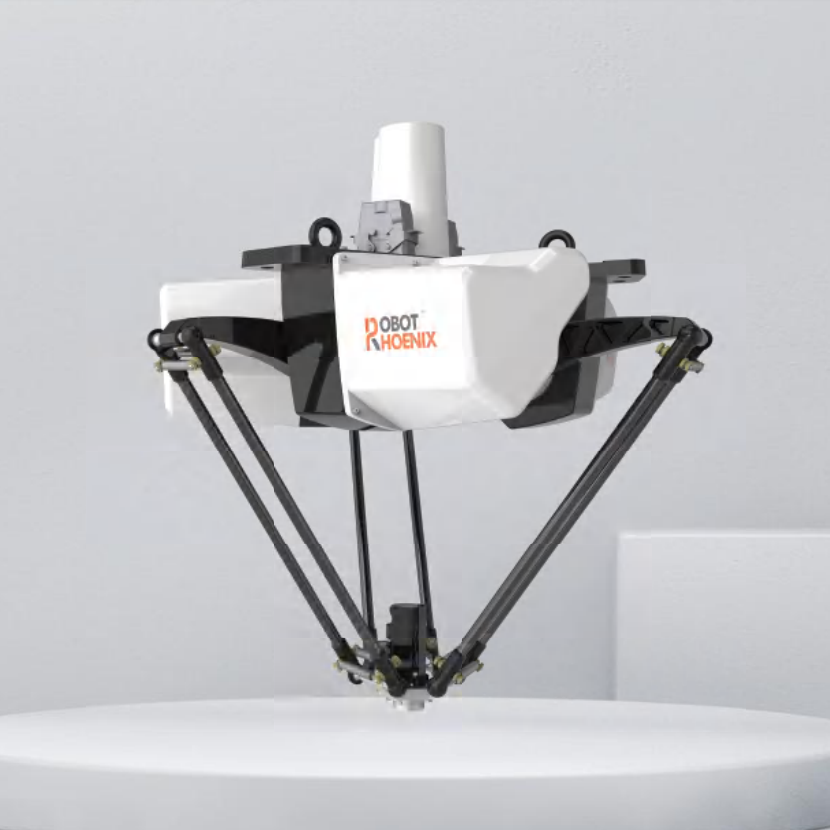 Carton Packing
Robotphoenix New 4-Axis Parallel Robot Arm Delta Spider Hand Robot for Carton Packer Line
High-speed 4-axis parallel robot concept for carton packing, spider-hand picking, and repetitive end-of-line handling.
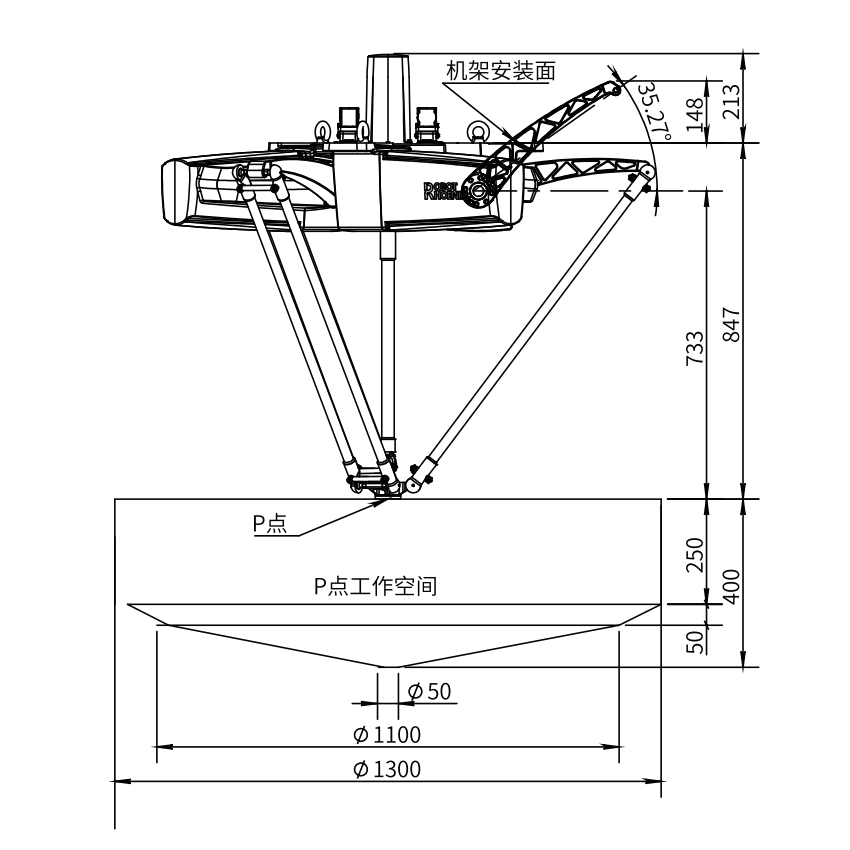 Pick & Place
Industrial Robotic Arm Parallel Robot 2/3/4 Axis Delta Robot for Pick&Place Application
Multi-axis delta platform for fast pick-and-place tasks where cycle time, repeatability, and conveyor synchronization matter.
 Vision Tracking
High Precision Pick and Place 4 Aixs Parallel Robot Delta with Vision Tracking System
Vision-integrated parallel robot for random-orientation picking, quality sorting, and traceable high-precision placement.
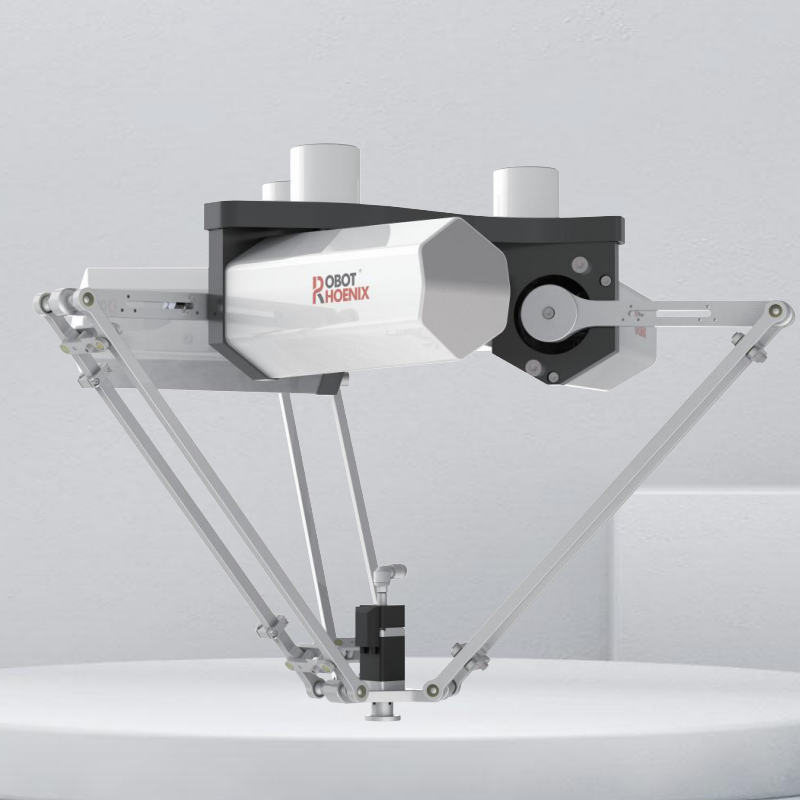 6 kg Payload
Robotphoenix New Design Industrial Robot Delta 6kg Payload 0.08mm Repeatability 2/3/4 Axis
Production-ready delta design with 6 kg payload and 0.08 mm repeatability for packaging, sorting, and assembly support.
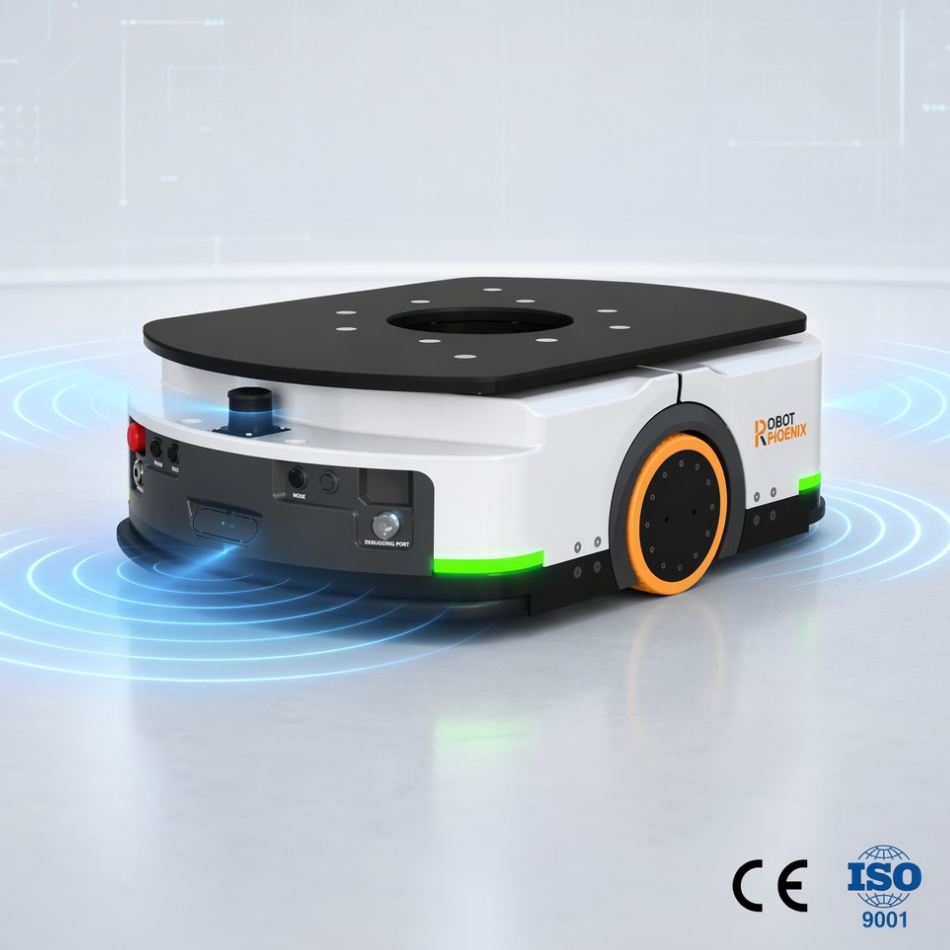 Narrow Aisle AGV
Compact and Latent Mobile Robot AGV for Narrow Aisle Warehouse and Factory Transportation
Low-profile autonomous transport platform for narrow aisles, line-side replenishment, and space-constrained factories.
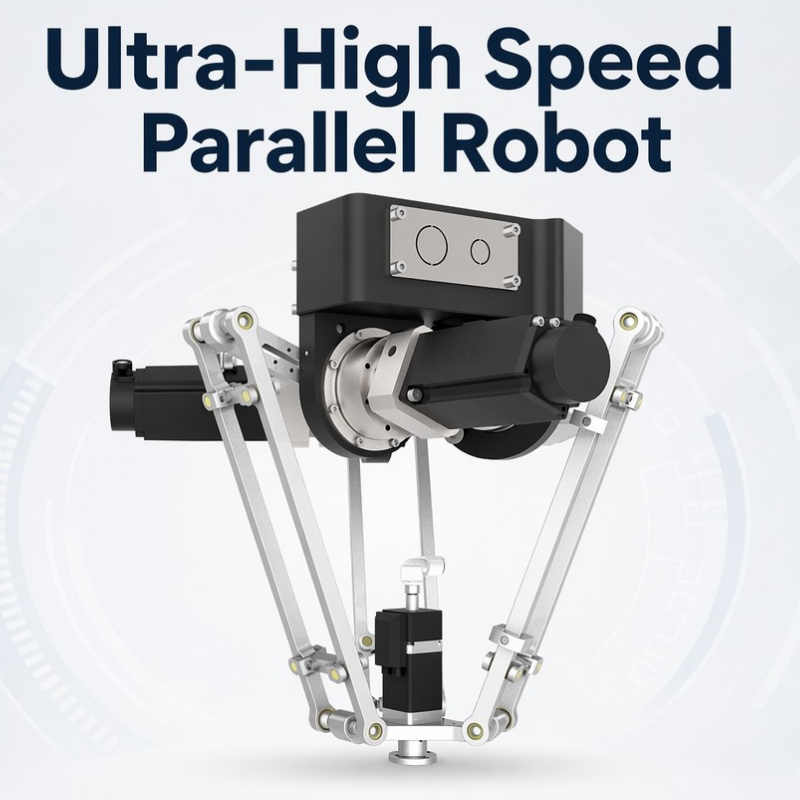 Custom Integrated
Newly Design Customized Integrated Robot Parallel Robot Delta for Pick Place and Sorting
Customized parallel robot configuration for integrated pick-place-sort cells where OEM engineering support is important.
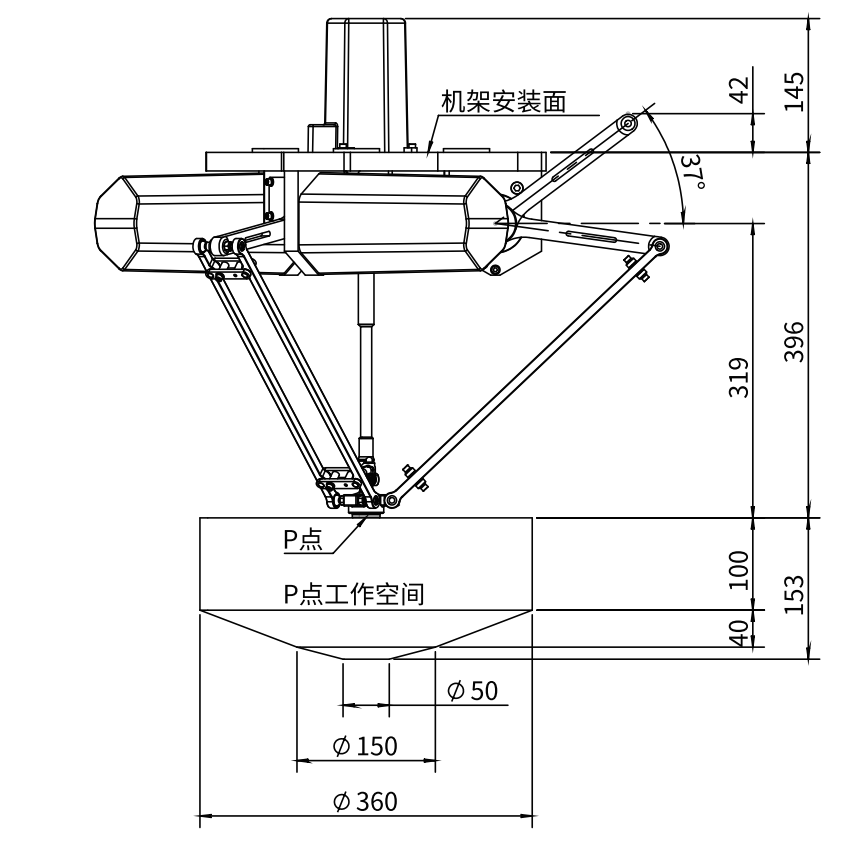 Material Sorting
Hot Selling Parallel Robot Delta Industrial Robot Arm for Material Gripping Sorting
Fast delta robot for material gripping, sorting, and transfer tasks that require robust repeat motion and easy integration.
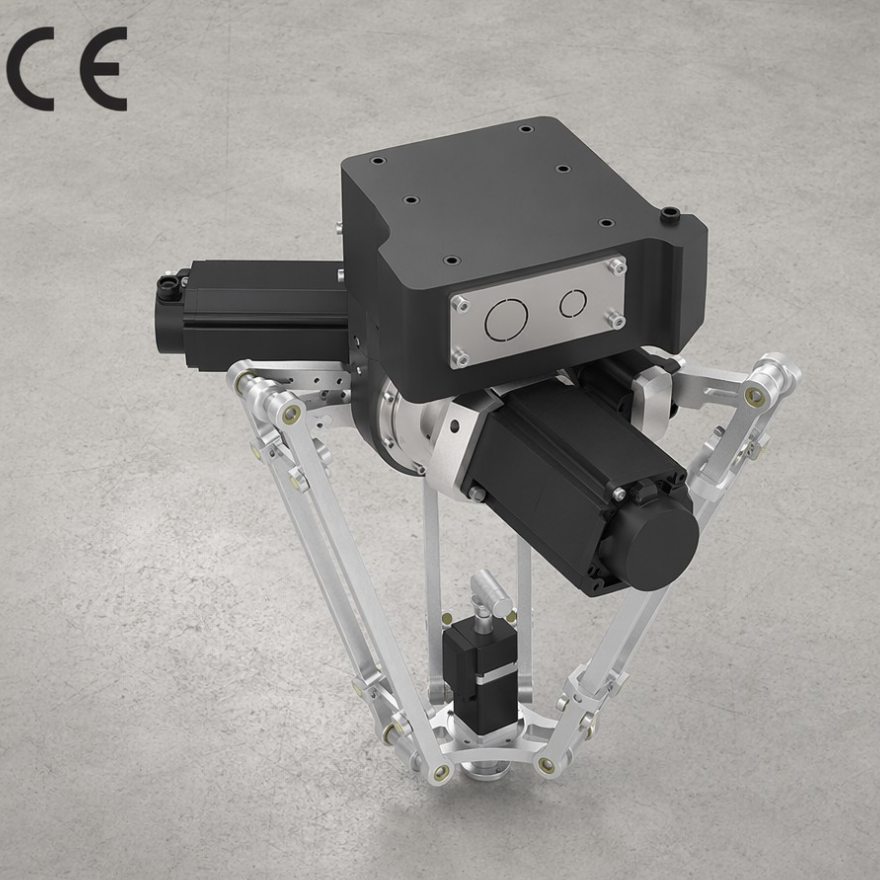 Smart Vision
Smart Parallel Robot Picking and Placing Robot Manipulator Delta Robot with Visual System
Smart visual picking platform designed to handle flexible product variants and reduce manual inspection in fast lines.
What Defines a Top-Tier SCARA Robot Arm Supplier & Suppliers?
A serious SCARA procurement decision is not a beauty contest between catalogues. The winning supplier should reduce engineering risk, shorten commissioning time, and remain accountable after the robot is installed.
This guide does not rely on paid rankings. Instead, it applies the same ten tests used by experienced automation buyers to compare SCARA robot arm supplier candidates, delta robot vendors, and integrated automation partners. The strongest supplier is the one that can prove application fit with data, not just promise it with a brochure.
Application-Fit Validation
Confirm that the supplier has actually solved comparable tasks: planar assembly, screw driving, insertion, pick-and-place, or conveyor tracking. Ask for cycle-time studies and reject-rate evidence.
Payload and Reach Reserve
Do not select a SCARA robot arm at its absolute payload limit. A practical reserve protects accuracy, duty life, and future tooling changes when end-effectors or vision cameras are added.
Repeatability Proof
Repeatability should be demonstrated under temperature, speed, and payload conditions close to production. A number on a datasheet is not the same as stable accuracy after 8,000 cycles.
Controller and Vision Ownership
Suppliers that develop their own controllers and 2D/3D vision can respond faster to integration issues, custom I/O needs, and PLC or EtherCAT communication requirements.
OEM and Private-Label Capability
Machine builders often need buyer-label options, custom end-effectors, and controller integration. OEM service is a sign of engineering depth, not merely a sales policy.
Quality Traceability
ISO 9001 is a baseline, not a complete answer. Ask about incoming component inspection, run-in testing, calibration records, packing standards, and warranty handling.
Packaging-Line Integration
SCARA and delta robots rarely work alone. The supplier should show experience with carton packers, labeling, wet-wipe lid applicators, sorting conveyors, and existing PLC architectures.
Service Response and Spares
High-speed production tolerates little downtime. Check spare-parts strategy, remote diagnostics, engineer response time, and whether the supplier provides integration support after shipment.
Commercial Flexibility
Pilot-first procurement reduces risk. A supplier able to support a single set for validation, then scale to multiple cells, is often more valuable than one demanding a large initial order.
Verified Evidence
Use third-party assessments, trade records, buyer reviews, patents, factory videos, and reference projects to verify claims. E-E-A-T in industrial procurement is earned through evidence.
A 100-Point SCARA Supplier Scorecard
Use weighted scoring before issuing a purchase order. This prevents a low purchase price from hiding integration, service, or validation risk.
Application Fit
25Comparable cases, cycle-time proof, and understood part behavior.
Quality & Repeatability
20Calibration discipline, run-in testing, and warranty clarity.
Controller & Vision
15In-house software, PLC readiness, and 2D/3D vision capability.
Total Cost of Ownership
15Commissioning, spare parts, energy use, and maintenance over time.
Service & Response
15Engineer responsiveness, training, and global support coverage.
Verified Credentials
10Assessment, credit record, patents, and reference checks.
A Practical 14-Day Validation Plan
For pilot cells, structure the acceptance test before shipment or on arrival. This is one of the clearest ways to separate a capable SCARA robot arm supplier from a catalogue reseller.
Define the Baseline
Record part weights, tolerances, cycle-time target, reject budget, operator interface, and upstream/downstream handshakes.
Run the Cycle Test
Test at the intended speed and payload. Document repeatability over thousands of cycles, not a short demonstration run.
Validate Vision & PLC
Inject variation: position drift, mixed SKUs, lighting changes, and communication faults. Confirm recovery procedures.
Reliability & Handover
Review alarms, spare parts, calibration, training, warranty terms, and the escalation path for production support.
Which Robot Configuration Should You Shortlist?
SCARA robots and delta robots solve different motion problems. Match the robot family to the process before comparing supplier quotations.
High-Speed Carton Packing
Choose a 3–6 kg delta or parallel robot when light products arrive randomly and the bottleneck is speed. Verify vision tracking, gripper design, and protective IP rating.
Explore Delta Robots →Compact Planar Assembly
Choose a 4-axis SCARA robot for insertion, screw driving, dispensing, and precise placement in a compact cell where vertical compliance and floor-space efficiency matter.
Explore SCARA Robots →Vision-Guided Sorting
Specify in-house 2D/3D vision, conveyor encoders, and reject logic when mixed products or orientation variation make fixed tooling unreliable.
Review Vision-Robot Options →Narrow-Aisle Material Flow
For line-side transport, compare compact AGV or AMR platforms with laser SLAM navigation, fleet management, and safe traffic control in confined layouts.
Explore AGV / AMR →How SCARA Robot Arm Procurement Is Changing
Buyers are moving from “lowest price per robot” toward verified productivity, lifecycle cost, and supplier accountability.
TCO Beats Sticker Price
Procurement teams increasingly compare total cost of ownership: commissioning hours, spare parts, energy, uptime, training, and service response are now part of the business case.
Supplier Verification First
International buyers now check factory assessments, transaction records, buyer reviews, and patents before discussing price. Credible suppliers make this evidence easy to find.
Pilot-First Purchasing
MOQ-friendly trials let buyers validate a single cell before scaling. A supplier that supports one-set orders and documents the pilot reduces both technical and political risk.
Factory-Direct Partnerships
Machine builders want direct engineering communication with the manufacturer, especially when custom end-effectors, PLC integration, or buyer-label programs are required.
Service-Level Expectations
Two-hour response targets, online diagnostics, spare-part kits, and remote commissioning support are becoming normal expectations for production-critical automation.
Interoperability & Modularity
Buyers prefer robots that connect cleanly to existing PLC, MES, and safety architectures. Modular cells can be expanded without replacing the whole automation platform.
Where SCARA and High-Speed Robot Technology Is Heading
Hardware improvements matter, but the largest productivity gains are coming from integrated vision, software, and application-specific engineering.
Integrated Vision & AI
2D/3D vision, deep-learning inspection, and adaptive grasp planning are becoming embedded functions rather than expensive add-ons. This improves flexibility for mixed-SKU production.
Faster, Smaller Footprints
SCARA and delta robot designs continue to improve speed-to-footprint ratios. Compact cells are especially valuable where factory space is expensive or line retrofits are constrained.
Hygienic and IP-Rated Designs
Food, pharmaceutical, and wet-wipe applications are pushing demand for IP-rated protection, washdown compatibility, and smoother surfaces that reduce contamination risk.
Digital Twin & Simulation
Robot cells are increasingly simulated before build. Suppliers that support digital modelling can reduce commissioning time and catch reach, cycle-time, or safety issues earlier.
Deeper PLC & Software Integration
Buyers expect robots to behave like native components of the production line. EtherCAT, PLC-ready packages, and open interfaces reduce integration friction for machine builders.
Energy & Maintenance Efficiency
New generations focus on efficient motion profiles, condition monitoring, and longer service intervals. The result is lower energy use and fewer unplanned stoppages.
Why JORI Is a Credible SCARA & Parallel Robot Supplier
JORI Intelligent Technology Co., Ltd. was founded in 2012 in Jinan, Shandong, China, and specializes in industrial robot R&D and manufacturing, controller and vision system development, OEM support, and automated system integration. Its product scope includes delta parallel robots, SCARA robots, silicon wafer robots, AGV/AMR platforms, and autonomous forklifts.
Because core hardware, controllers, and vision are developed in-house and protected by national patents, buyers gain a single accountable engineering source rather than a fragmented reseller chain. This matters when a SCARA cell must connect to an existing packaging line, a vision system, or a larger factory data architecture.

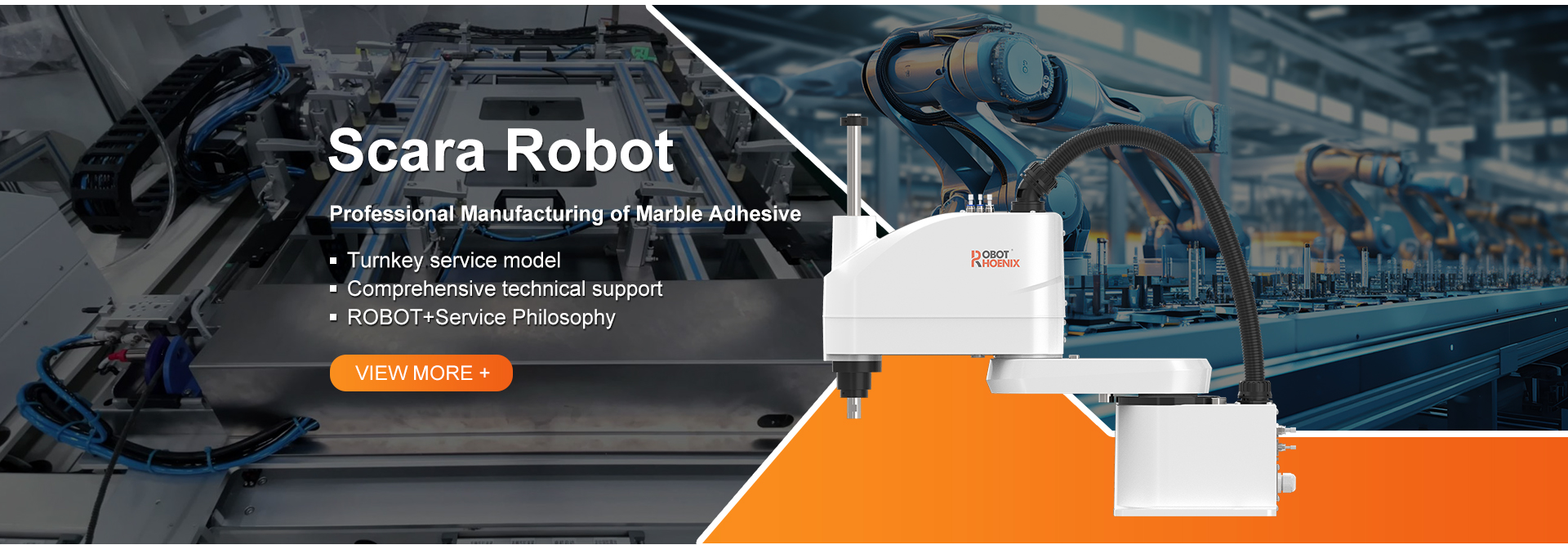
SCARA Robot Arm Supplier & Suppliers: Common Procurement Questions
These are the questions machine builders, system integrators, and factory owners ask most often before requesting a quotation.
What is the minimum order quantity for JORI industrial robots?
Should I choose a SCARA robot or a delta robot?
Does JORI offer OEM or customized robot solutions?
Can JORI robots integrate with existing packaging machines?
Which delivery and payment terms are accepted?
How can I verify a SCARA robot arm supplier before ordering?
How quickly will JORI respond to an inquiry?
Planning a SCARA, Delta, or Vision-Guided Robot Cell?
Send your product, payload, cycle-time target, and layout constraints. JORI’s engineering team can recommend a robot configuration, confirm feasibility, and prepare a factory-direct quotation.