Eight Product Platforms for Automated Depalletizing and Line-Side Handling
These models support top-layer picking, tray placement, bottle unscrambling, precision assembly and flexible sorting. The product links below are preserved from the original catalogue; request a catalogue for configuration guidance.

High Speed 3kg Load Industrial Delta Robot Arm with IP54 Protection for Robotic Pick& Place
High-speed pick & place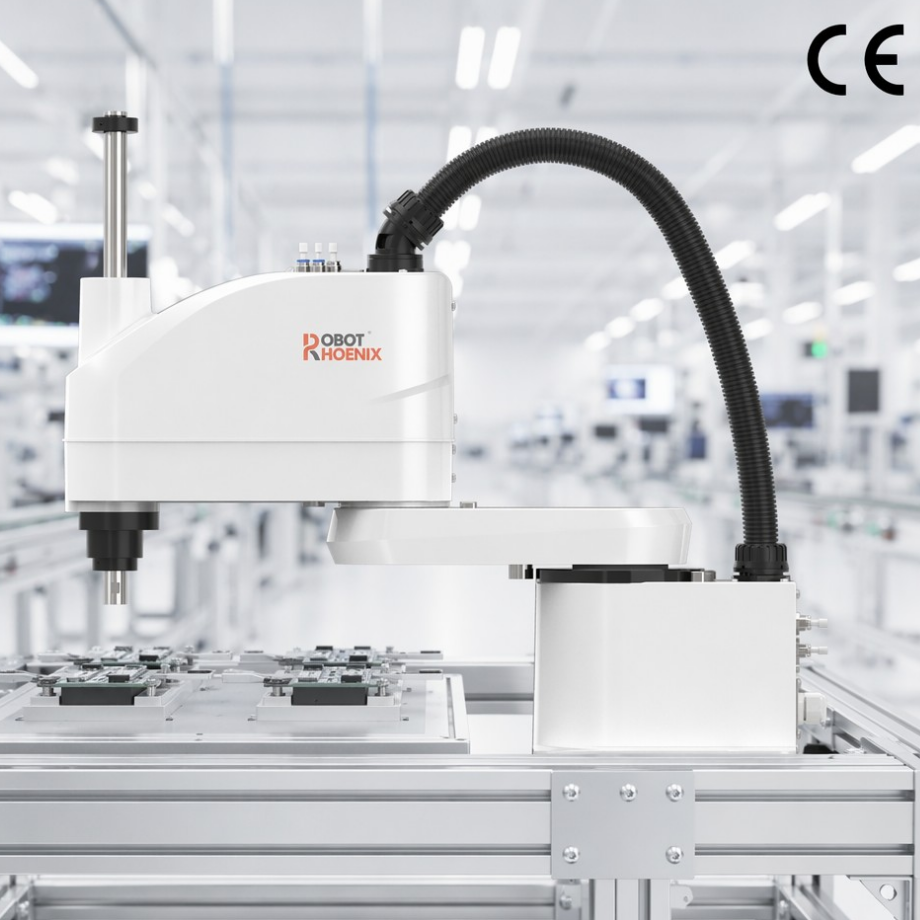
New Design Compact High Accuracy Industrial Robot Arm Scara with 2D/3D Vision System
Vision-guided placement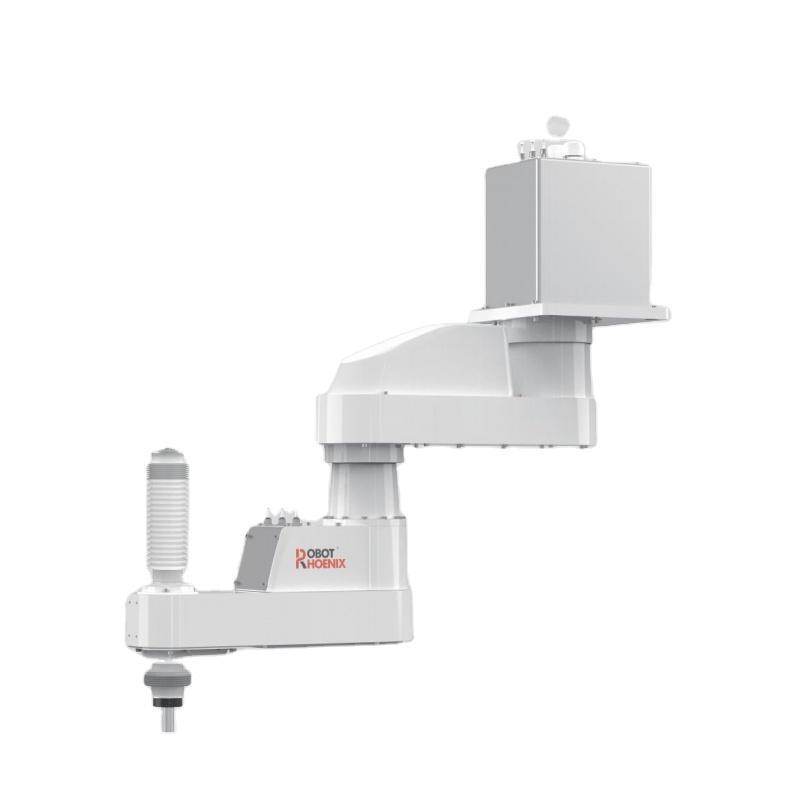
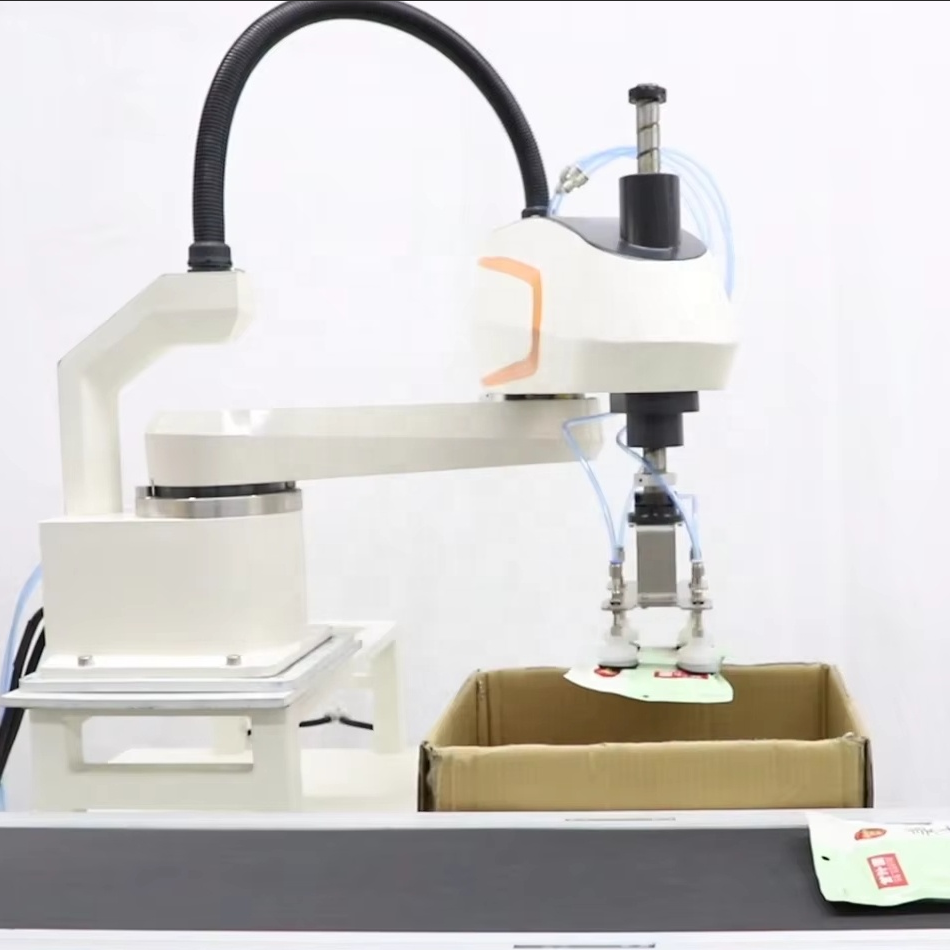
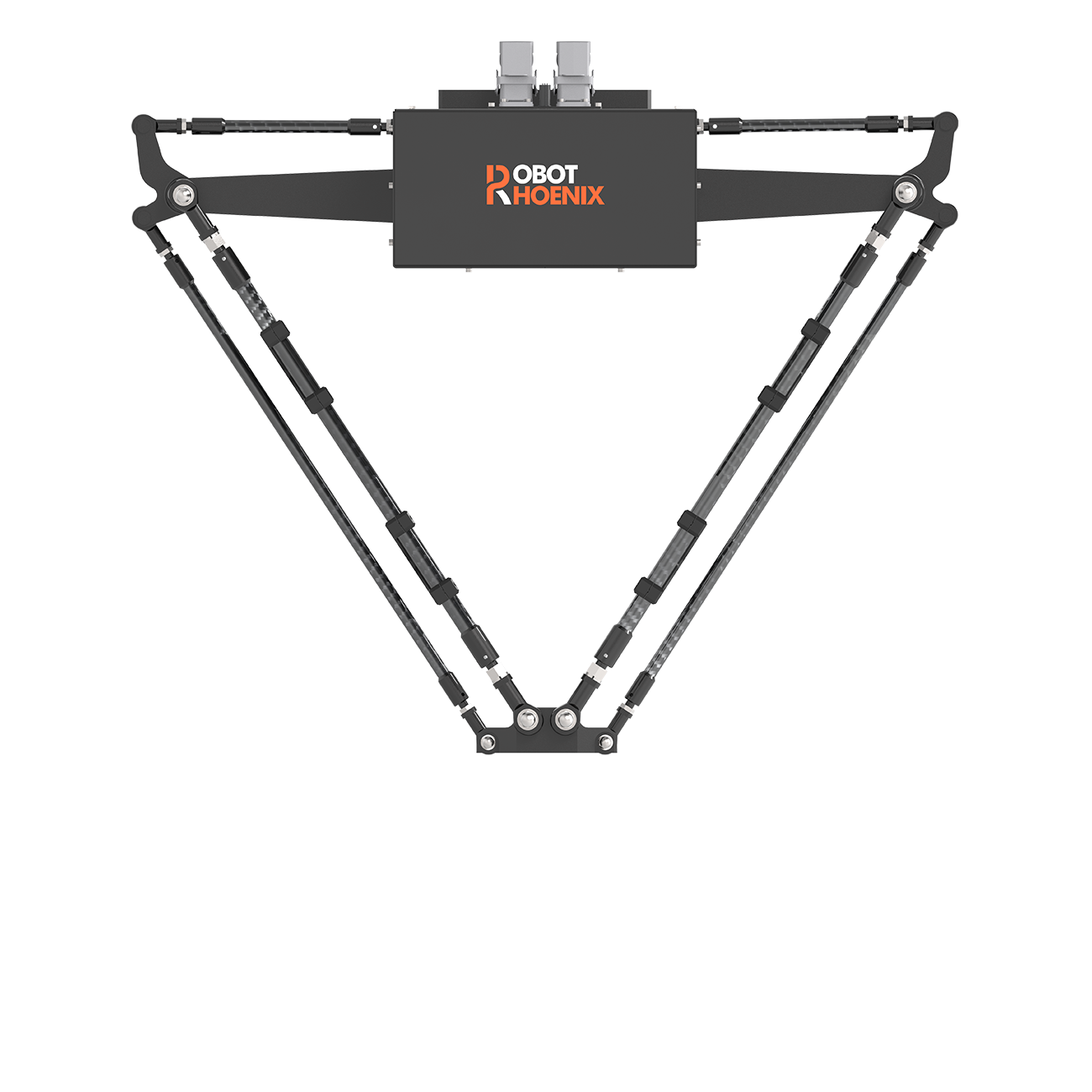
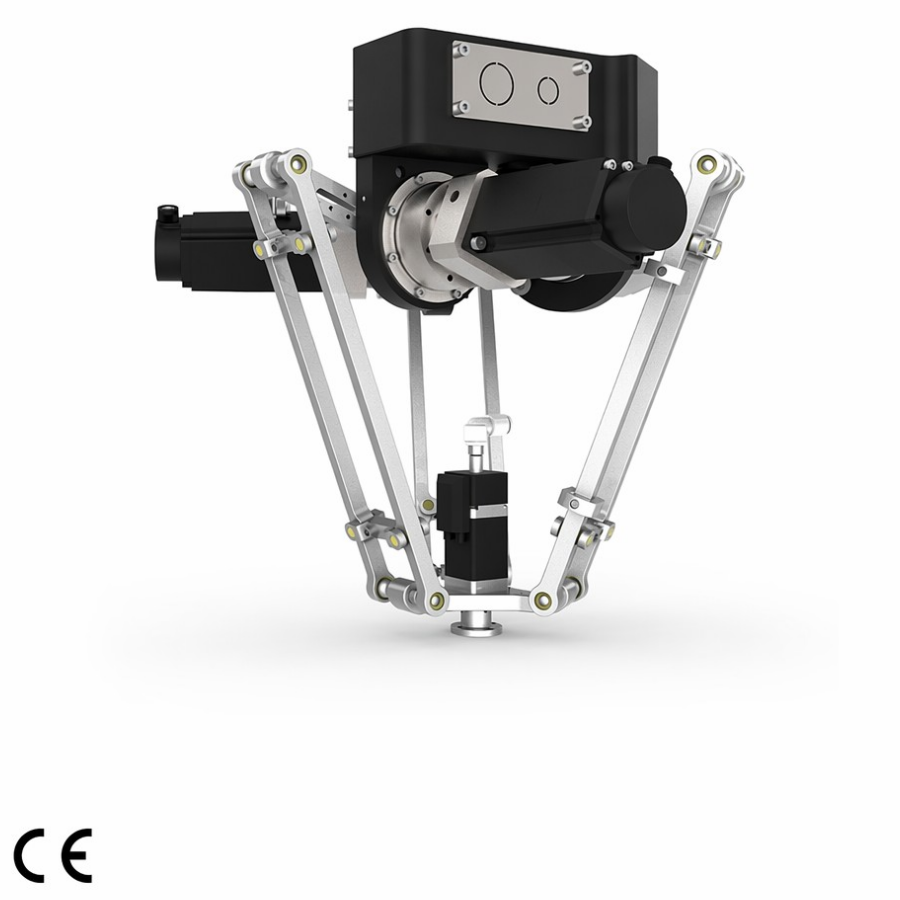
High Speed Consumer Goods Industries Bottle Unscrambling Machine Component Delta Robot
Bottle and container flow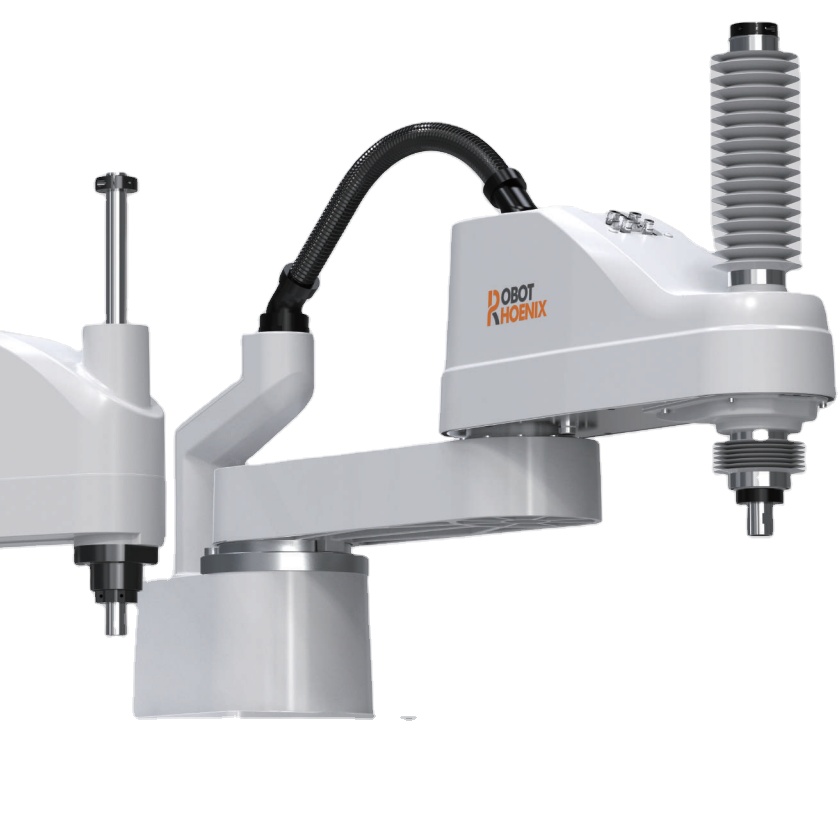
High-Precise Industrial Scara Robot Arm Scara Robot for Pick and Place in Light Industry
Light-industry picking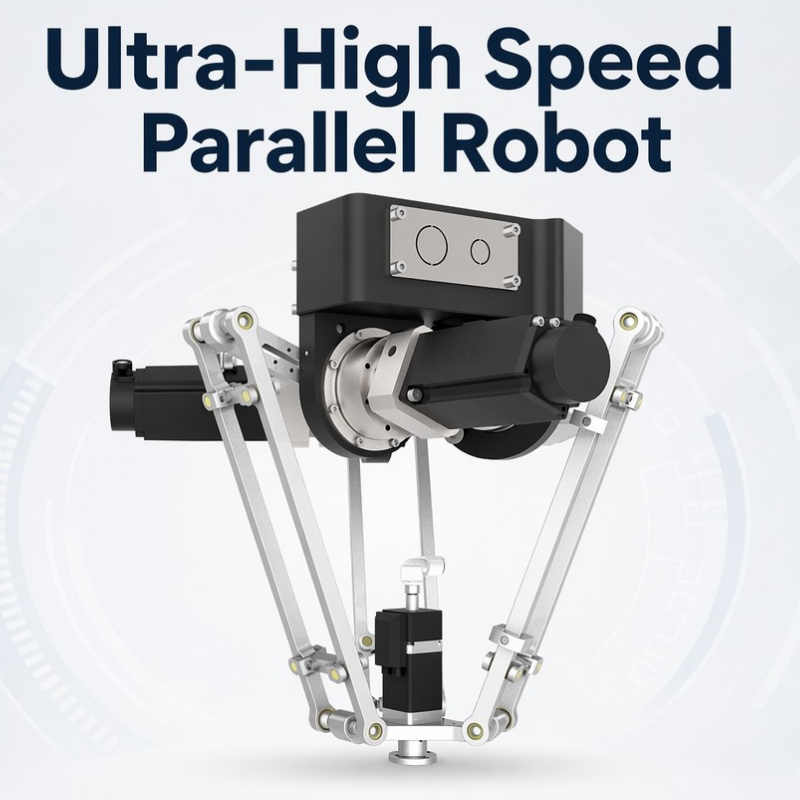
Why Automated Depalletizing Is Now a System-Level CAPEX Decision
Buyers are no longer comparing robot arms in isolation. They are comparing the reliability of the complete material-flow chain.
Automated depalletizing has moved out of the “single machine” category. In food and beverage, pharmaceutical, consumer goods, electronics and warehouse operations, the business case now depends on how well a cell handles mixed SKUs, unstable layers, slip sheets, damaged cases, label orientation, pallet exchange, cleaning requirements and line-side accumulation. A robot that is fast in a demo but poorly integrated with conveyors, safety controls and pallet logistics can create a new bottleneck within one shift.
China automated depalletizing suppliers and exporters are therefore evaluated on more than payload and price. The strongest partner can explain the controller architecture, 2D/3D vision strategy, end-of-arm tooling, PLC handshake, acceptance test, spare-parts plan and export documentation. JORI has developed industrial robots, controllers and vision systems in-house since 2012, which matters because depalletizing is solved by a chain of documented interfaces — not by an arm alone.
Use this page as a buyer’s whitepaper: first shortlist the robot kinematics, then verify the integration layer, then compare the supplier’s evidence. The product links above connect to specific JORI models that can serve as building blocks for top-layer picking, tray placement, bottle unscrambling, precision assembly, sorting and pallet movement.
- First-pass pick success and recovery logic for missing, rotated or damaged cases.
- Changeover time between pallet patterns, not only nominal picks per minute.
- Pallet exchange and AMR/forklift handshake time in the production cycle.
- Critical spare-parts list, remote diagnostics and operator-training plan.
- Safety, guarding, cleaning access and washdown constraints for each zone.
- Export documentation, Incoterms and payment terms confirmed before the PO.
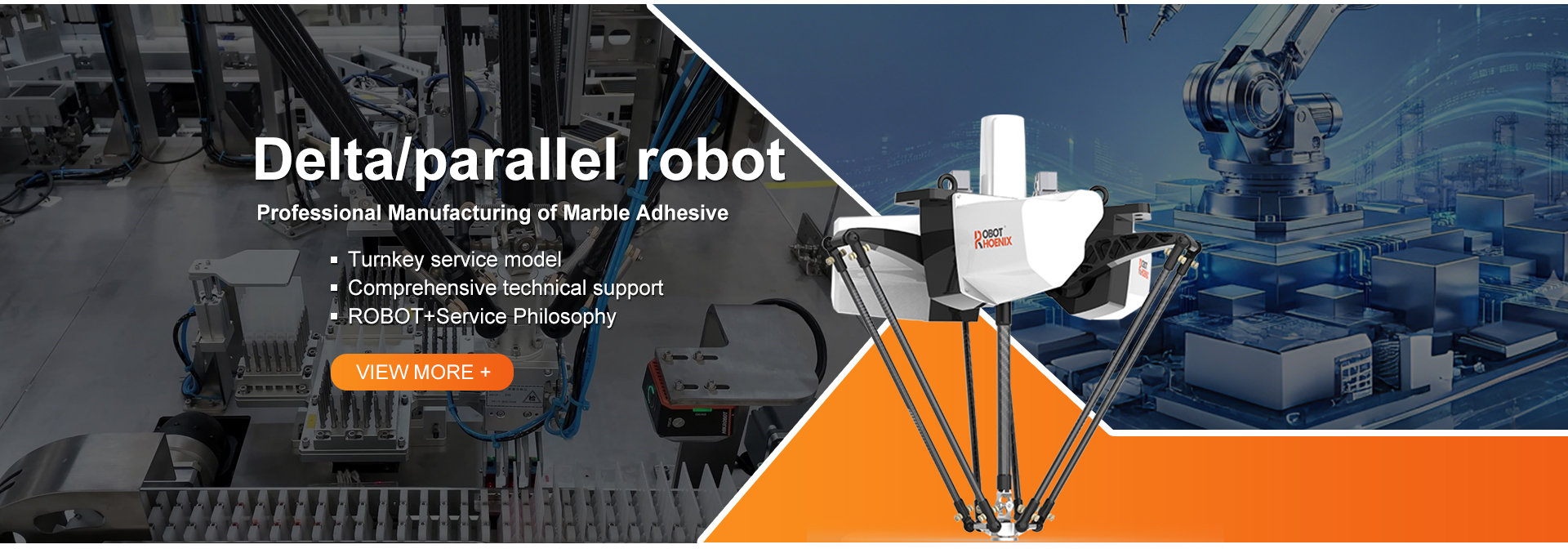
Delta and SCARA robot families provide the motion core; vision and controllers provide the decision layer; AMR and forklift platforms move pallets between value streams.
A Practical Selection Model: Match the Robot to the Depalletizing Task
Depalletizing cells can use different kinematic structures depending on product weight, rate, orientation and pallet pattern.
Delta robots for speed-first layer picking
When the payload is within a few kilograms and the priority is short cycle time, a delta robot can accelerate and settle quickly. The High Speed 3kg Load Industrial Delta Robot Arm with IP54 Protection is relevant for pick-and-place areas where dust or splash protection is required. For labelling, cartoning and bottle unscrambling, 4-axis delta variants can be matched with vision and a PLC handshake.
SCARA robots for compact precision
SCARA robots are useful when product orientation is stable and the cell needs compact planar motion for trays, small cases, bottles or components. The Compact Structure 550 mm Reach 3 kg SCARA and the Compact SCARA with 2D/3D Vision can be combined with custom grippers, conveyor tracking and safety fencing.
Vision and controller integration
Vision is the difference between a fixed-pattern machine and a flexible depalletizing cell. JORI’s in-house 2D/3D vision and controllers can support pattern recognition, missing-case detection, orientation checks and integration with PLCs. Ask for a sample test using your own cases, labels, shrink wrap and pallet pattern.
Pallet logistics beyond the robot cell
A pallet that waits for an operator is still a bottleneck. Laser SLAM AMR platforms and autonomous forklifts can move full pallets from the cell to staging without floor tape. This is particularly valuable when a depalletizing cell feeds multiple packaging or assembly lines.
Procurement Trends Shaping China Automated Depalletizing Purchases in 2025–2027
Procurement teams are changing how they compare suppliers. The conversation is moving from “What is the price per robot?” to “What is the verified cost per pallet, per shift and per year?”
TCO replaces the lowest quote
Buyers are adding integration engineering, end-of-arm tooling, vision, guarding, commissioning, training, spare parts and uptime to the business case. A lower robot price can be outweighed by a slow pallet exchange or a vision package that needs constant retuning.
Pilot cells and modular expansion
A single cell or pilot line is often used to validate the pallet pattern, pick success and operator workflow before scaling. Suppliers that offer MOQ from 1 set and a clear replication package reduce the risk of a plant-wide rollout.
Verified credentials before the RFQ
Third-party assessment, credit profile, trade capacity, patents and buyer reviews are checked earlier. The goal is to confirm that the exporter is a manufacturer with a stable quality system, not only a trading account.
Mixed-SKU flexibility
More buyers ask for changeover within minutes rather than hours. Quick-change grippers, recipe-driven vision and clear pallet-pattern libraries are becoming procurement requirements, especially for e-commerce, food variety packs and seasonal promotions.
Service response and spare parts
Response time, remote diagnostics, critical spare parts and local-language documentation are now part of the evaluation. JORI reports an average response time of 2 hours or less and a 97.06% response rate, which buyers can test during the RFQ stage.
Export terms and payment fit
Accepted delivery terms include FOB, CFR, CIF, EXW, CIP, FCA, CPT and express delivery. Payment options include T/T, L/C, credit card, PayPal, Western Union, MoneyGram and escrow in multiple currencies. Confirm Incoterms, packaging and documents before the PO.
Illustrative TCO scorecard for a depalletizing cell
The weighting below is a discussion tool, not a fixed formula. It helps a buying committee compare quotes on the same basis and prevents a low robot price from hiding integration and uptime costs.
Product Development Trends in Automated Depalletizing Systems
The next generation of depalletizing cells will be judged by flexibility, data visibility and serviceability — not only peak speed.
AI-assisted 3D vision
3D vision is moving from simple height maps to pattern learning and exception handling. The practical benefit is fewer teach points when a case is missing, rotated, damaged or covered by a slip sheet.
In-house controller and PLC/IT integration
A supplier that develops its own controller can expose the right data to a PLC, MES or line dashboard. Buyers should ask which data is available: pick count, error code, vision result, cycle time and maintenance alerts.
Quick-change end effectors
Vacuum arrays, grippers and hybrid tools are being designed for faster changeover. For mixed pallets, the end effector is often the limiting factor, not the robot’s reach or payload.
AMR and forklift handshakes
Depalletizing is increasingly linked to autonomous pallet transport. Laser SLAM navigation and fleet management reduce the need for floor tape and allow layouts to change without a full rebuild.
Digital twin and acceptance testing
Simulation before build and recorded acceptance tests after build reduce commissioning risk. Buyers should request the test protocol, sample product list and pass/fail criteria in the quote.
Safety, sanitation and operator workflow
Guarding, light curtains, washdown considerations and ergonomic loading are not add-ons. They affect cycle time, operator training and total cost. Design reviews should include maintenance access and cleaning routines.
Why JORI Is a Credible China Automated Depalletizing Supplier & Exporter
JORI Intelligent Technology Co., Ltd. was founded in 2012 in Jinan, Shandong, China, and specialises in industrial robot R&D, controller and 2D/3D vision development, OEM support and automated system integration.
In-house R&D since 2012
More than a decade of robot, controller and vision development reduces dependence on third-party black boxes and improves accountability during integration.
Self-developed controller and vision
Patented delta, SCARA, wafer, AGV, controller and vision technology supports a more direct engineering path from sample test to production cell.
Manufacturing scale
A 10,000+ m² factory area and 500+ employees support production, testing and project delivery for export buyers.
ISO 9001 quality management
Documented quality control from component inspection to final robot run-in testing helps protect the acceptance and ramp-up stage.
OEM, design and buyer-label support
Machine builders can request custom end-effectors, controller integration, design service and private-label options for OEM programmes.
MOQ from 1 set
Standard delta, SCARA and AMR/AGV platforms can be ordered from one set so buyers can validate a pilot cell before scaling across lines.
Fast export communication
Average response time of 2 hours or less with a 97.06% response rate; buyers can send product, cycle-time and layout data for an initial review.
Global market experience
Export experience across Southeast Asia, Eastern Europe, North America, South America and China domestic, with English-language support.

JORI’s Jinan manufacturing base supports robot production, controller development, vision integration and export project delivery.
A transparent supplier file for E-E-A-T review
Experience, expertise, authoritativeness and trust are easier to assess when the supplier publishes verifiable evidence. JORI’s company profile, third-party supplier assessment, credit profile, trade capacity, transaction level and buyer reviews are available for review. For a depalletizing project, request a scope that names the robot model, controller, vision package, end-effector, safety devices, PLC interface, acceptance criteria, spare-parts list and training plan.
This level of documentation helps procurement teams compare a China automated depalletizing exporter on engineering depth and long-term support, not only on a headline robot price.
FAQ: Sourcing Automated Depalletizing from China
Practical answers for procurement teams comparing a China automated depalletizing supplier or exporter.
What is the minimum order quantity for JORI industrial robots?
Standard delta robots, SCARA robots and AMR/AGV platforms can be ordered from 1 set, so you can validate a single cell or pilot line before scaling up. A complete depalletizing cell is quoted according to the robot model, vision package, end-effector and integration scope.
Should I choose a delta robot or a SCARA robot for automated depalletizing?
Choose a delta robot for very fast, lightweight pick-and-place from moving conveyors, typically 3–6 kg payload. Choose a SCARA robot for planar assembly, insertion and precise placement in a compact footprint. Share your part weight, cycle time, pallet pattern and layout, and JORI’s engineers can recommend a model.
Can JORI robots integrate with existing packaging machines?
Yes. JORI develops its own controllers and 2D/3D vision, offers PLC-ready delta robots for cartoning machines, and supports machine builders such as wet wipe lid applicator and carton packer manufacturers.
Which delivery and payment terms are accepted?
Accepted delivery terms include FOB, CFR, CIF, EXW, CIP, FCA, CPT and express delivery. Payment methods include T/T, L/C, credit card, PayPal, Western Union, MoneyGram and escrow, in USD, EUR, GBP, JPY, CAD, AUD, HKD, CHF and CNY.
Does JORI offer OEM or custom robot solutions?
Yes. JORI provides OEM service, design service and buyer-label options, and supports machine builders with custom end-effectors, controller integration and automated system integration.
How quickly does JORI respond to inquiries?
JORI maintains an average response time of 2 hours or less and a 97.06% response rate. For a faster review, send product dimensions, pallet patterns, layer weights, target cycle time, line layout and any current process videos to info@joribot.com.
Specify a Depalletizing Cell Around Your Real Product Mix
Send product dimensions, pallet patterns, layer weights, cycle-time targets, line layout and current labour constraints. JORI’s engineers will recommend a robot platform, vision strategy and pallet-flow concept, then confirm the export scope, lead time and documentation.