8 Production-Ready Robots for Gluing, Dispensing and Assembly Cells
A reliable robot gluing system is built around the right motion base. These eight platforms are practical starting points for adhesive bead layout, sealant application, lid placement, high-speed feeding and compact assembly. Each product link is preserved for direct evaluation.

High-Precise Industrial SCARA Robot Arm for Pick and Place in Light Industry
Suited to compact adhesive dotting, part placement and assembly cells that need repeatable planar motion and fixture access.
View product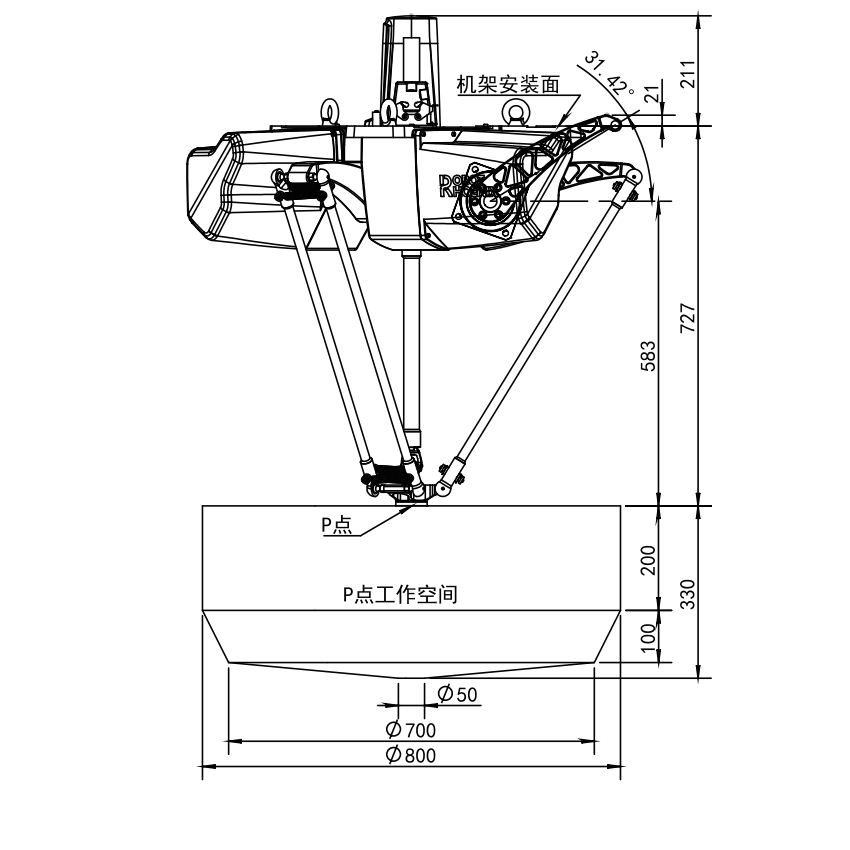
Industrial Delta Robot High Efficiency Parallel Robot for Goods Picking, Placing and Sorting
A strong fit for conveyor-fed cells where adhesive application, lid feeding or sorting must match fast line rhythm.
View product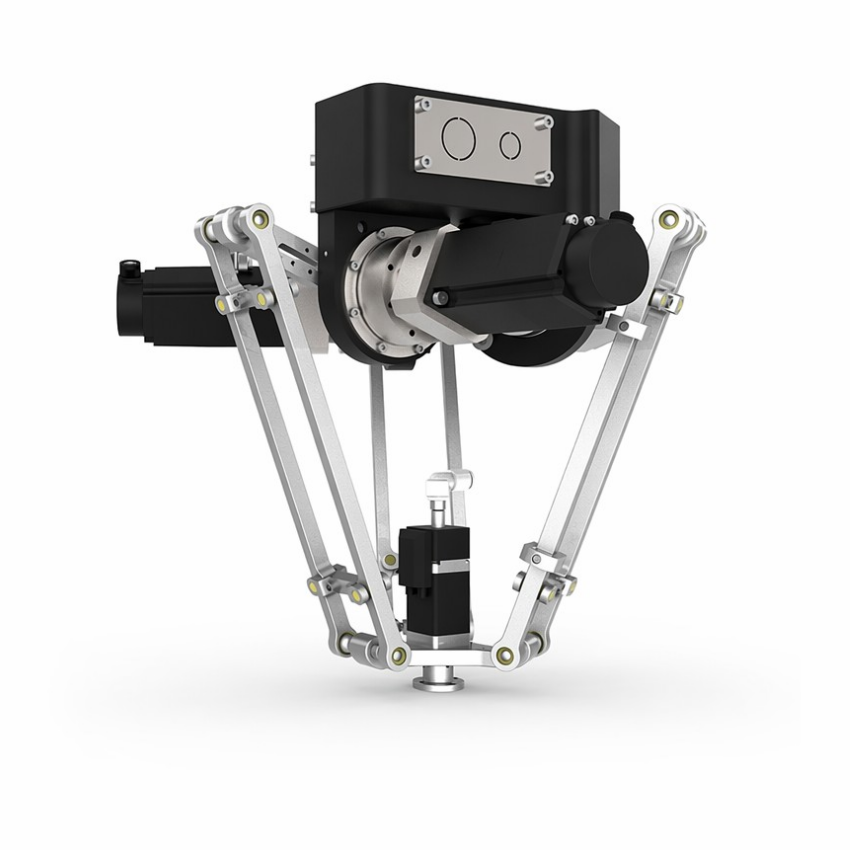
High Precision Pick and Place 4-Axis Parallel Delta Robot with Vision Tracking System
Vision-guided handling supports product alignment before dispensing, placement verification and variable-position feeding.
View product
High-Speed Spider Arm Delta Robot for Fully Automatic Wet Wipe Lid Applicator Machine
Designed for repetitive lid pick-and-place duties where gluing, sealing and placement must stay synchronized.
View product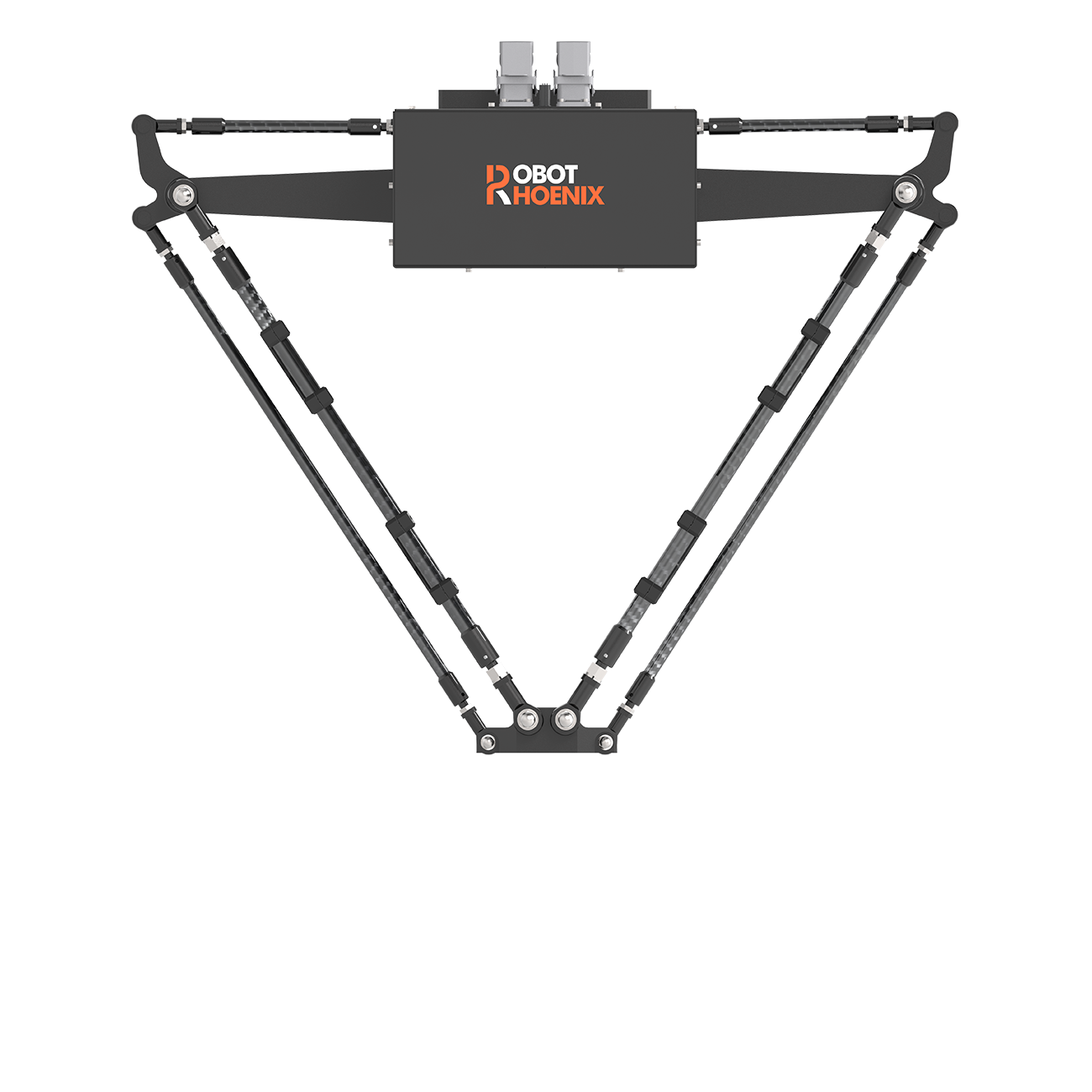
Industrial Manipulator High Speed and Accuracy Delta Robot with New Design Kinetics
Useful for high-cycle gluing support tasks, loading, unloading and precision placement around a dispensing station.
View product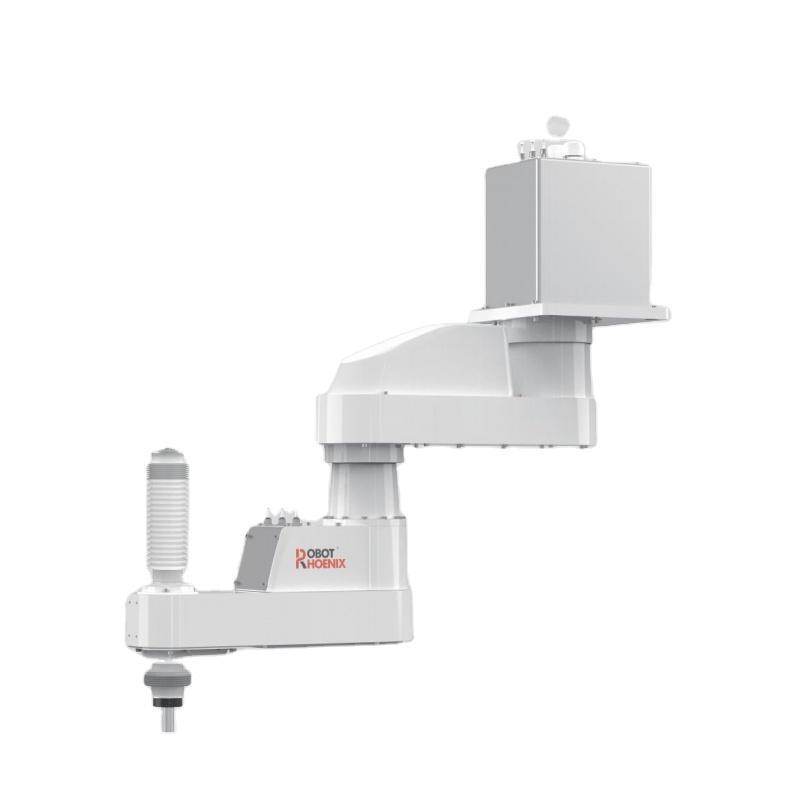
Compact Structure High Precision 550mm Reach Radius 3kg Payload 4-axis SCARA Robot
A compact option for small adhesive cells, electronics assembly and precise part placement where floor space is tight.
View product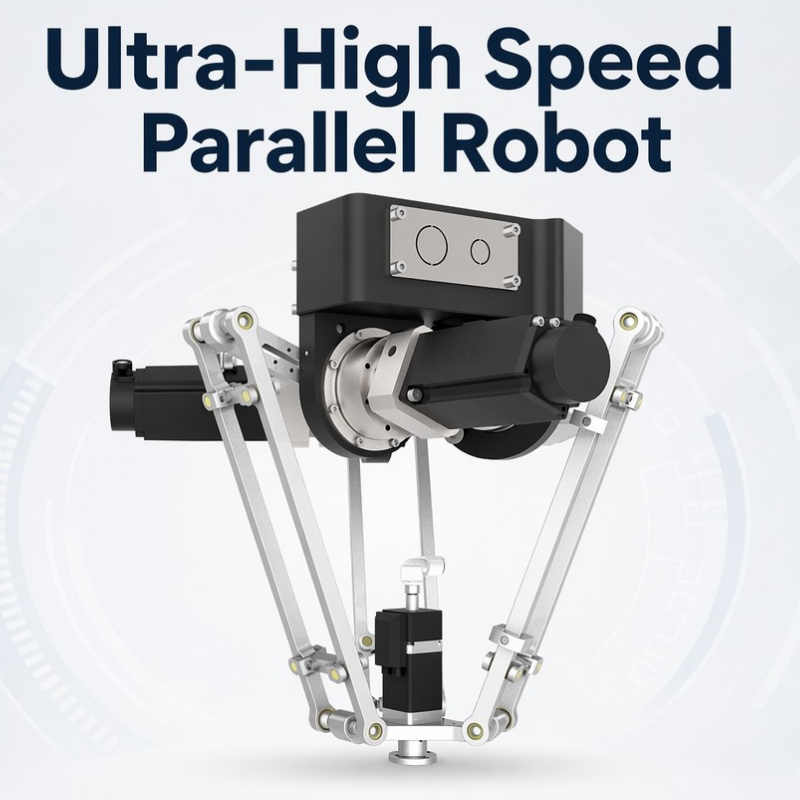
Newly Design Customized Integrated Robot Parallel Robot Delta for Pick Place and Sorting
For machine builders and OEM projects that need tailored end-effectors, controller integration and dispensing logic.
View product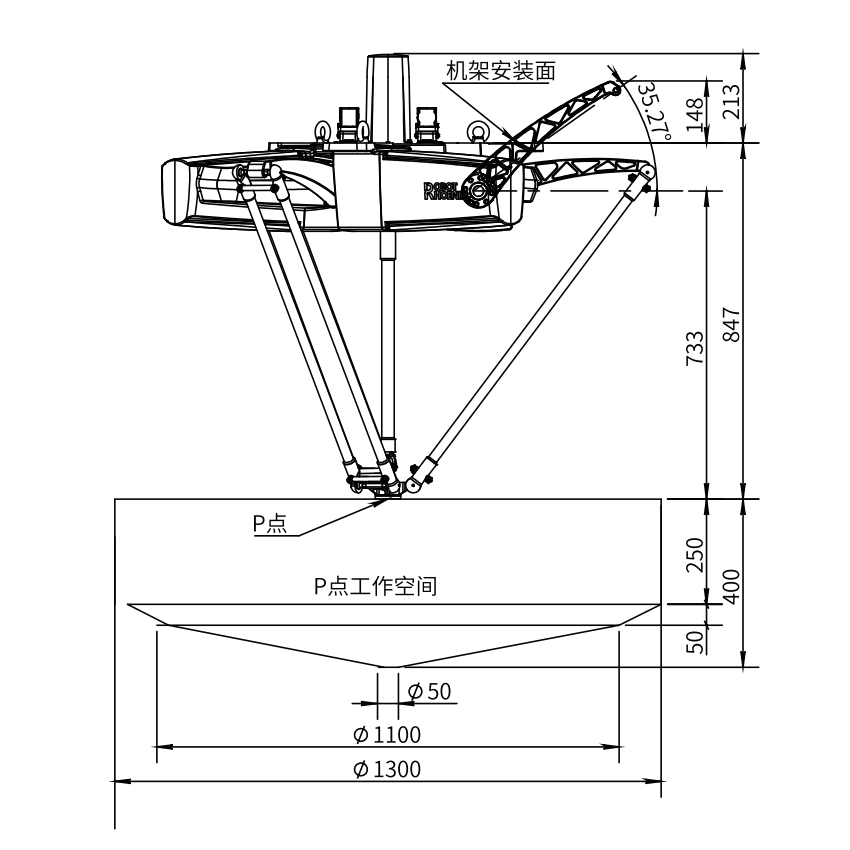
Industrial Robotic Arm Parallel Robot 2/3/4 Axis Delta Robot for Pick & Place Application
A flexible delta platform for feeding, placement and packaging automation around gluing, sealing or assembly processes.
View productA robot gluing system is no longer a peripheral upgrade. It is a production-control asset. Adhesive bead width, dispense gap, robot acceleration, cure timing and part location all interact. A variation that looks minor at the nozzle can become leakage, weak bonding, rework, scrap or a field failure. For procurement teams, the real question is not who sells the fastest arm. It is who can stabilise the adhesive process window across a product mix and keep the cell available shift after shift.
China has become a benchmark market for robotic gluing because mechanical design, motion control, vision, dispensing hardware and packaging-machine integration sit close together. That proximity shortens iteration. It allows a supplier to test an end-effector, adjust a controller parameter and validate the cell around a real conveyor within one engineering loop. But supplier quality still varies widely. A serious buyer should separate assembly factories from engineering partners by examining controller ownership, vision capability, process validation, export documentation and service response.
This guide is written for machine builders, system integrators and factory owners evaluating a China robot gluing system manufacturer. It combines application logic, procurement trends, development trends and verifiable company evidence from JORI Intelligent Technology Co., Ltd. — an original robot manufacturer founded in 2012 with in-house R&D, ISO 9001 quality management and export experience across five continents.
How to Identify a Genuine Top China Robot Gluing System Manufacturer
Price comparison is useful only after the engineering scope is comparable. Use these four evidence areas to test whether a supplier can own the full gluing outcome, not just deliver a robot arm.
Mechanical & Motion Ownership
Ask who designs the robot structure, controller and motion tuning. In-house control shortens integration and makes repeatability easier to defend at acceptance.
Dispensing Process Integration
Gluing is a fluid process. The end-effector, pressure control, nozzle selection, height sensing and robot path must be engineered as one system.
Vision & Traceability
Vision handles part offset, orientation and bead inspection. Data logging supports traceability when adhesive volume, pressure and cycle time must be audited.
Validation & Global Support
Require a factory acceptance test, documentation package, spare-parts plan and service response commitment. Export experience matters as much as catalogue specifications.
Inside a High-Performance Robotic Adhesive Dispensing Cell
A robot gluing system becomes profitable when four layers work together: motion, fluid delivery, visual alignment and production data. Weakness in any layer shows up as inconsistent bead geometry.
What Buyers Will Demand from Robot Gluing System Suppliers
Procurement is shifting from arm-level purchasing to outcome-level validation. The following six trends should be built into CAPEX planning, supplier scorecards and acceptance criteria.
Pilot-first procurement
Buyers want one set or one cell to prove adhesive quality before scaling. MOQ 1 set reduces the risk of locking CAPEX into an unvalidated process.
Total cost of ownership
The lowest quotation often ignores changeover time, adhesive waste, spare parts, energy and engineering hours. TCO models now compare uptime and recipe flexibility.
OEM co-development
Machine builders increasingly seek OEM design support, buyer-label options and custom end-effectors rather than off-the-shelf robots with limited integration help.
Vision-led acceptance
Acceptance tests are moving from repeatability-only reports to real-product trials: bead width, gap tolerance, missing-bead detection and changeover time under production conditions.
Modular mixed-model cells
Lines must handle more SKUs without long downtime. Quick-change tooling, recipe management and modular robot bases become purchasing requirements, not optional extras.
Remote support and spares
Overseas buyers evaluate service speed before failure occurs. Response time, spare-parts availability, remote diagnostics and English-language documentation affect supplier ranking.
Where Robotic Gluing Systems Are Heading Next
The next generation of gluing robots will be judged by process stability, digital connectivity and the ability to handle variation without manual tuning.
Closed-loop adhesive control
Pressure, flow and dispense-gap feedback will increasingly adjust bead geometry in real time, reducing waste and improving consistency across viscosity drift.
AI-assisted 3D vision
Advanced vision will recognise flexible parts, uneven surfaces and subtle bead defects, supporting automatic offset correction and faster product changeover.
Compact hygienic designs
IP-rated covers, smooth surfaces, cable routing and washdown-friendly end-effectors are becoming more important in food, medical and daily-chemical packaging cells.
Digital twins and offline programming
Simulation will shorten commissioning by validating reach, collision risk and dispense paths before the robot reaches the factory floor, especially for custom cells.
Multi-robot and modular cells
Gluing, pick-and-place, inspection and lid application will be combined into modular cells that scale by adding stations rather than rebuilding the whole line.
Sustainability and material efficiency
Lower adhesive waste, reduced purge cycles, energy monitoring and compatibility with water-based or low-VOC adhesives will influence both cost and compliance.
Match the Robot Platform to the Gluing Task
A faster shortlist comes from matching the process, not the catalogue headline. Use this matrix to align robot family, application risk and evidence requests.
| Application Scenario | Recommended Platform | Why It Fits | Evidence to Request |
|---|---|---|---|
| High-speed lid or cap feeding with adhesive | 4-axis delta robot with vision | Fast lightweight pick-and-place, conveyor tracking and repeatable placement | Cycle-time video, repeatability report, vision alignment test and end-effector drawing |
| Compact adhesive dotting and assembly | SCARA robot, 3 kg / 550 mm class | Planar precision, small footprint and easy fixture access | Reach study, payload calculation, dispensing-height tolerance and changeover procedure |
| Wet-wipe lid applicator line | High-speed spider-arm delta | High cycle rate for repetitive lid pick, glue support and placement | Line-speed simulation, PLC integration map, jam-recovery logic and hygiene design review |
| Custom OEM gluing module | Customized integrated delta or SCARA | End-effector, controller and vision can be co-designed around the machine | OEM scope, IP ownership, controller protocol, FAT/SAT plan and spare-parts list |
Final specifications depend on adhesive chemistry, substrate, nozzle type, fixture tolerance and required cycle time. Always validate with a real-product sample.
Why JORI Is a Credible China Robot Gluing System Supplier
JORI Intelligent Technology Co., Ltd. combines original robot manufacturing with in-house controller, vision and integration capability. These advantages are relevant to buyers who need a robot base, a custom cell or an OEM partner.



R&D-driven robot manufacturer
JORI was founded in 2012 in Jinan, Shandong, China, and focuses on industrial robot R&D, production and automated system integration.
Controller and vision development
Self-developed controllers and 2D/3D vision reduce dependence on third-party integration and support faster customisation for gluing cells.
Delta, SCARA, AMR and wafer robots
JORI manufactures multiple robot families, giving buyers one accountable source for motion platforms, controllers and application engineering.
ISO 9001 and onsite-verified profile
ISO 9001 quality management, third-party onsite verification and documented trade records help procurement teams complete supplier due diligence.
Design, buyer label and custom end-effectors
OEM service, design service and buyer-label options support machine builders developing proprietary gluing, packaging or assembly equipment.
MOQ from 1 set
Standard delta robots, SCARA robots and AMR platforms can be ordered from one set, enabling pilot cells and single-station upgrades before scale-up.
Global terms and documentation
Accepted delivery terms include FOB, CFR, CIF, EXW, CIP, FCA, CPT and express delivery, with multiple payment methods and currencies for international buyers.
97.06% response rate, ≤2 hours
JORI maintains an average response time of two hours or less, helping overseas buyers resolve technical questions quickly during evaluation and commissioning.
Robot Gluing System Procurement Questions
These answers address the questions most frequently raised by procurement, engineering and production teams during supplier evaluation.
What is a robot gluing system?
A robot gluing system combines an industrial robot, adhesive dispensing hardware, motion control, vision or sensing, and line integration. It applies adhesive or sealant along a programmed path with repeatable position and timing. The robot may also handle lid feeding, part placement or inspection inside the same cell.
Should I choose a delta robot or a SCARA robot for gluing?
Choose a delta robot for very fast lightweight pick-and-place, conveyor tracking, lid application and packaging-line duties, typically in the 3–6 kg payload class. Choose a SCARA robot for compact planar assembly, insertion, precise placement and small adhesive cells where footprint and fixture access are critical.
Can JORI customize the end-effector, controller or vision?
Yes. JORI provides OEM service, design service and buyer-label options. Machine builders can request custom end-effectors, controller integration and 2D/3D vision configuration for gluing, sealing, lid applicator and cartoning applications.
What is the minimum order quantity?
Standard delta robots, SCARA robots and AMR/AGV platforms can be ordered from one set. This allows buyers to validate a single cell, pilot line or prototype machine before committing to a larger fleet or multi-line rollout.
Which delivery and payment terms are accepted?
Delivery terms include FOB, CFR, CIF, EXW, CIP, FCA, CPT and express delivery. Payment methods include T/T, L/C, credit card, PayPal, Western Union, MoneyGram and escrow, with support for USD, EUR, GBP, JPY, CAD, AUD, HKD, CHF and CNY.
Can the robot integrate with existing packaging machines?
Yes. JORI develops controllers and vision in-house and offers PLC-ready delta robots for cartoning machines, carton packers and wet wipe lid applicator machines. Integration scope should be defined during technical review.
What acceptance tests should I request?
Request a real-product trial covering bead width, dispense gap tolerance, cycle time, vision alignment, missing-bead detection, changeover time and safety logic. A factory acceptance test should include the agreed adhesive, nozzle and substrate.
How quickly will I receive a reply?
JORI’s average response time is two hours or less, with a 97.06% response rate. For a faster quotation, send your product photo, adhesive type, required cycle time, line layout and target output to the engineering team.
Send Your Gluing Challenge, Product Drawing or Line Video
Tell us the substrate, adhesive, bead tolerance, cycle time and available space. Our engineers will recommend a robot platform, dispensing approach and validation plan — with a response target of two hours or less.