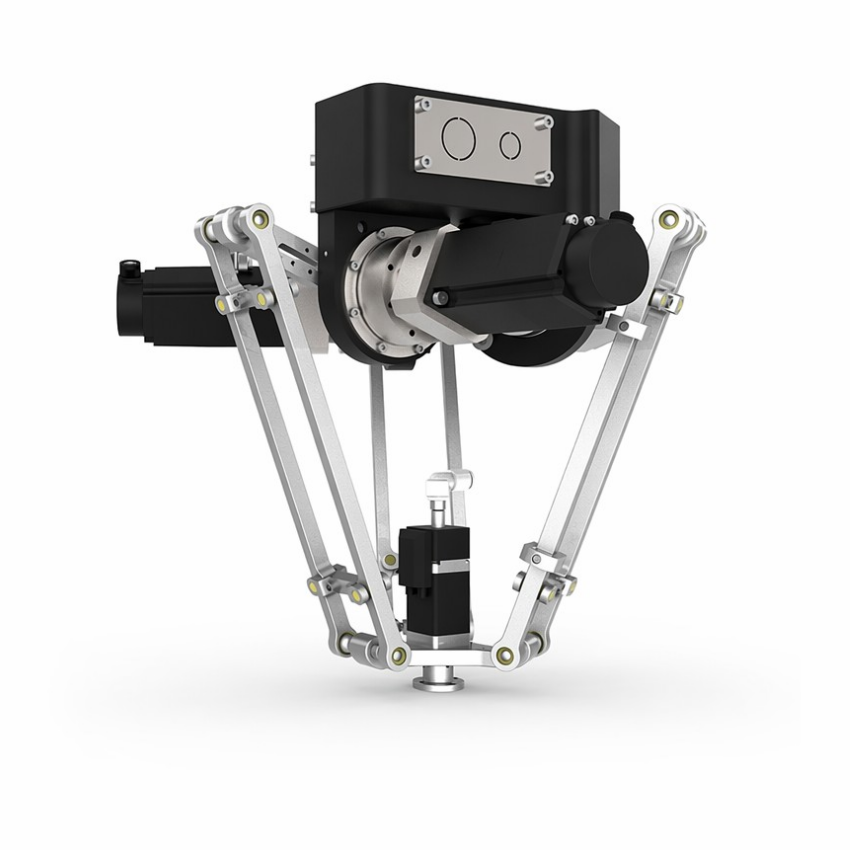
Delta · Vision
High Precision Pick and Place 4 Aixs Parallel Robot Delta with Vision Tracking System
Best forHigh-speed vision picking
JORI Intelligent Technology Co., Ltd. is a high-tech industrial robot manufacturer established in 2012 in Jinan, Shandong, China. The company specializes in industrial robot R&D and production, controller and 2D/3D vision development, OEM support and automated system integration. For wholesale buyers, machine builders and factory owners, that means one accountable source for the robot arm, the control platform, the vision system and the engineering support behind it.
Our product portfolio covers delta parallel robots, SCARA robots, AGV/AMR mobile robots, autonomous forklifts and silicon wafer handling robots. Because these product families are developed in-house and protected by national patents, JORI can support a single pilot cell, a multi-station packaging line or a fleet-based warehouse project without handing the buyer into an unverified reseller chain.



Robot buyers rarely purchase a bare arm. They buy cycle time, integration confidence, spare-part continuity and a supplier that can answer engineering questions before the purchase order is signed.
Delta, SCARA, wafer, AGV/AMR, controller and vision technologies are developed under one engineering organization, shortening the path from application question to validated configuration.
ISO 9001 quality management, onsite-verified factory premises, credit profile, trade capacity, transaction level and trade history give procurement teams independent checkpoints before deposit.
Machine builders can use JORI as an OEM robot platform partner, with design service, private-label options, custom end-effectors and controller integration support.
From a single delta cell to a packaging line or mobile logistics fleet, JORI supports the robot, PLC-ready interfaces, vision and project engineering as one coordinated scope.
A 97.06% response rate and average reply time of two hours or less help buyers keep feasibility studies, samples and line-upgrade schedules moving.
MOQ from one set, FOB, CFR, CIF, EXW, CIP, FCA, CPT and express delivery options, plus T/T, L/C, credit card, PayPal, Western Union, MoneyGram and escrow payment methods.
These recommendations match the most common buying intents we see: high-speed pick-and-place, precision assembly, narrow-aisle transport, bottle unscrambling, custom sorting and vision-guided SCARA handling.
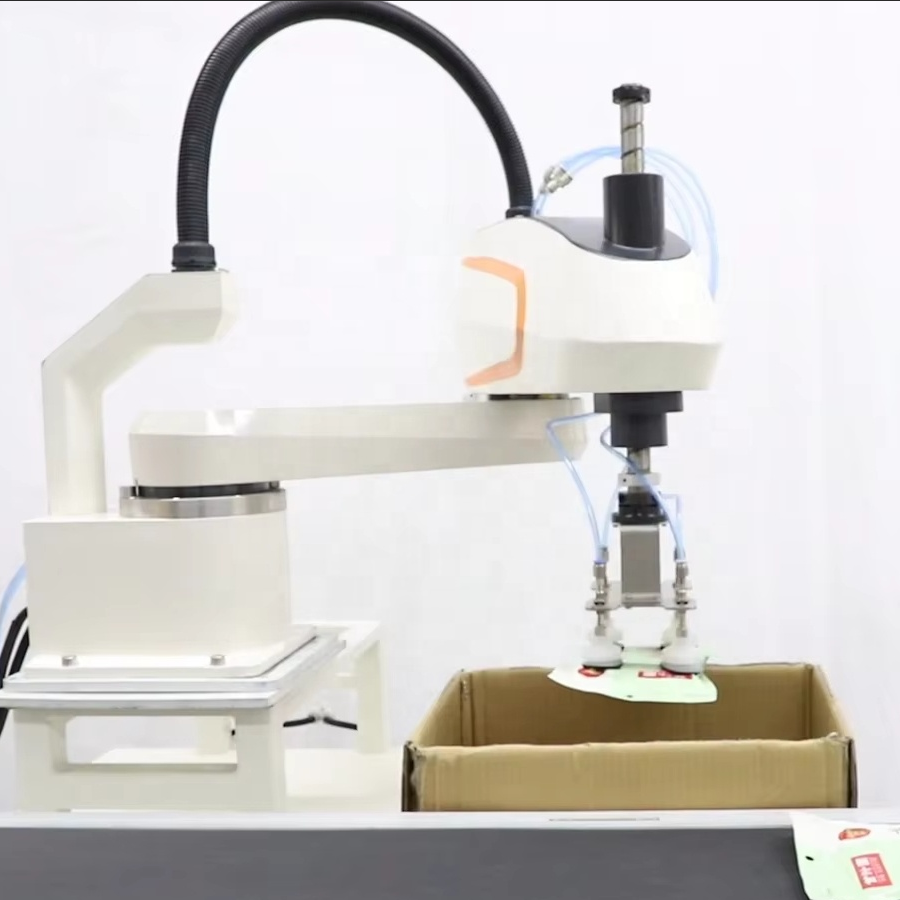
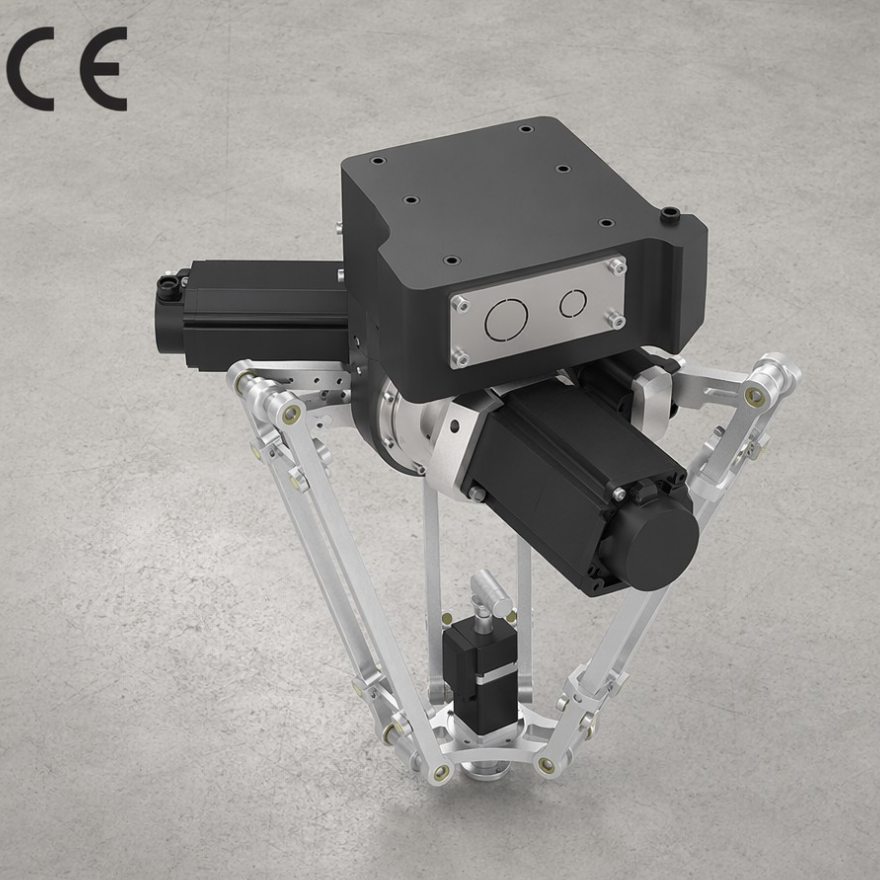
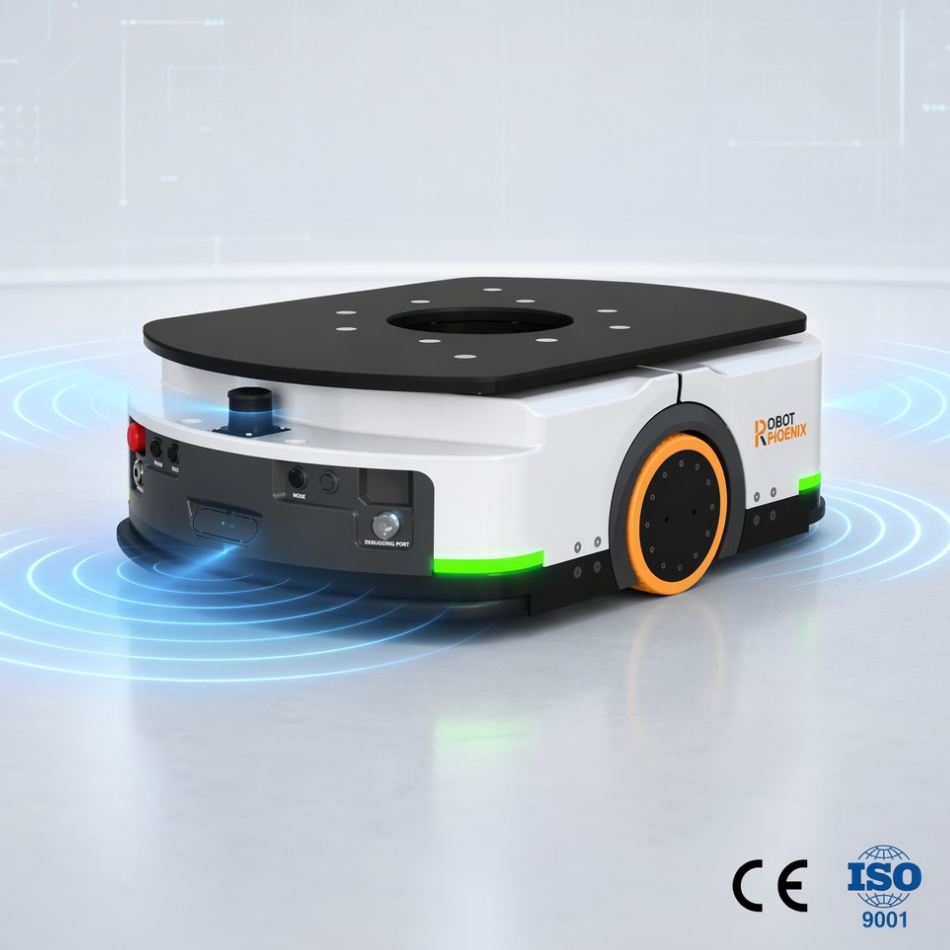
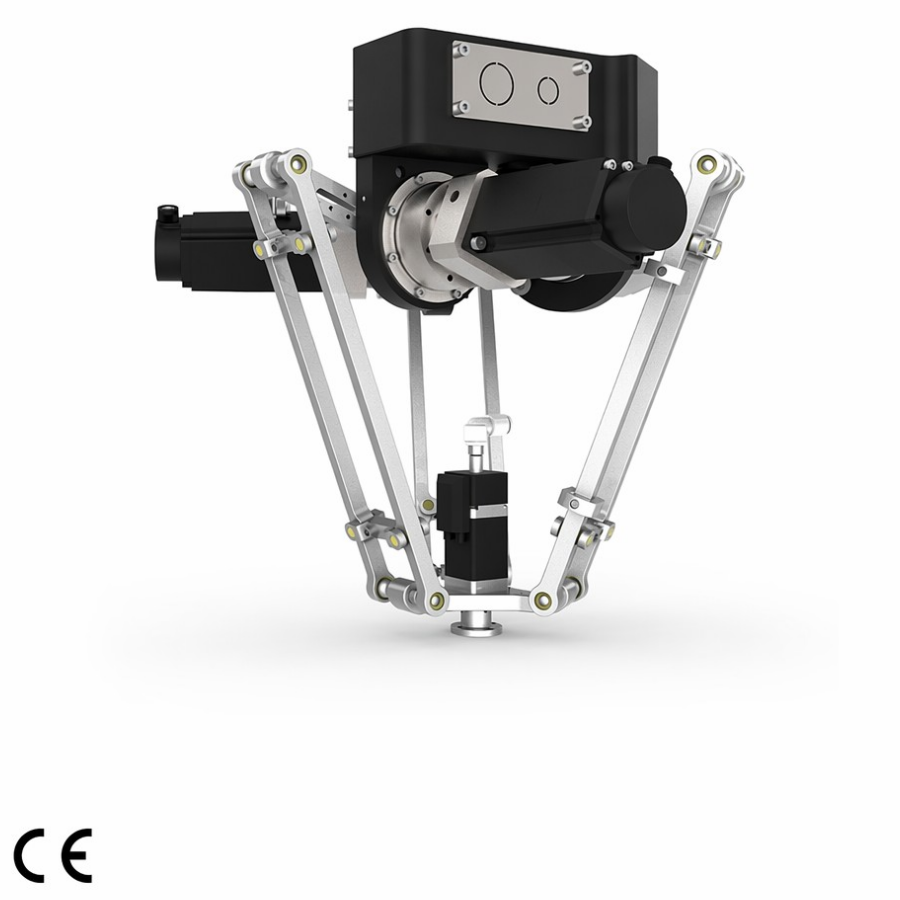
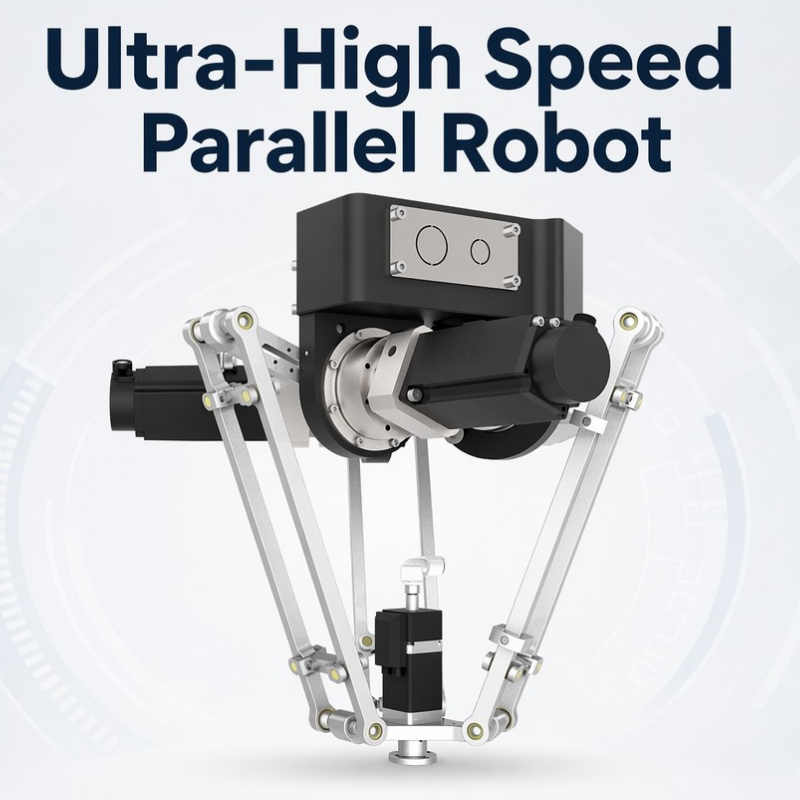
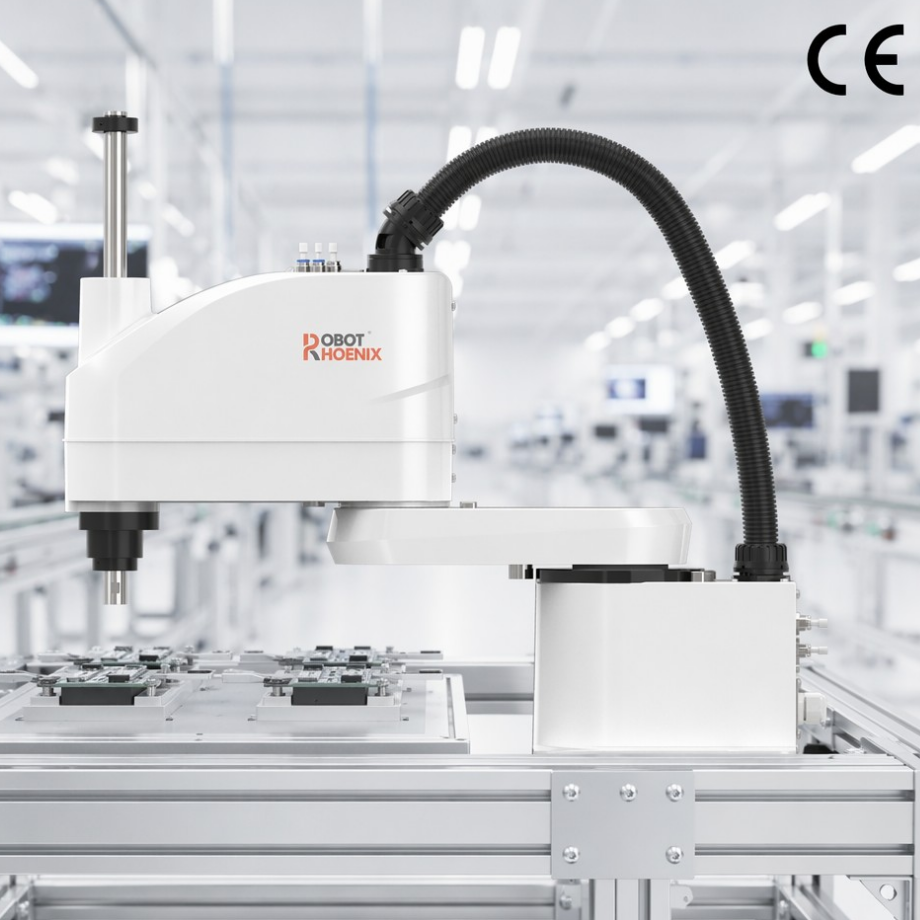
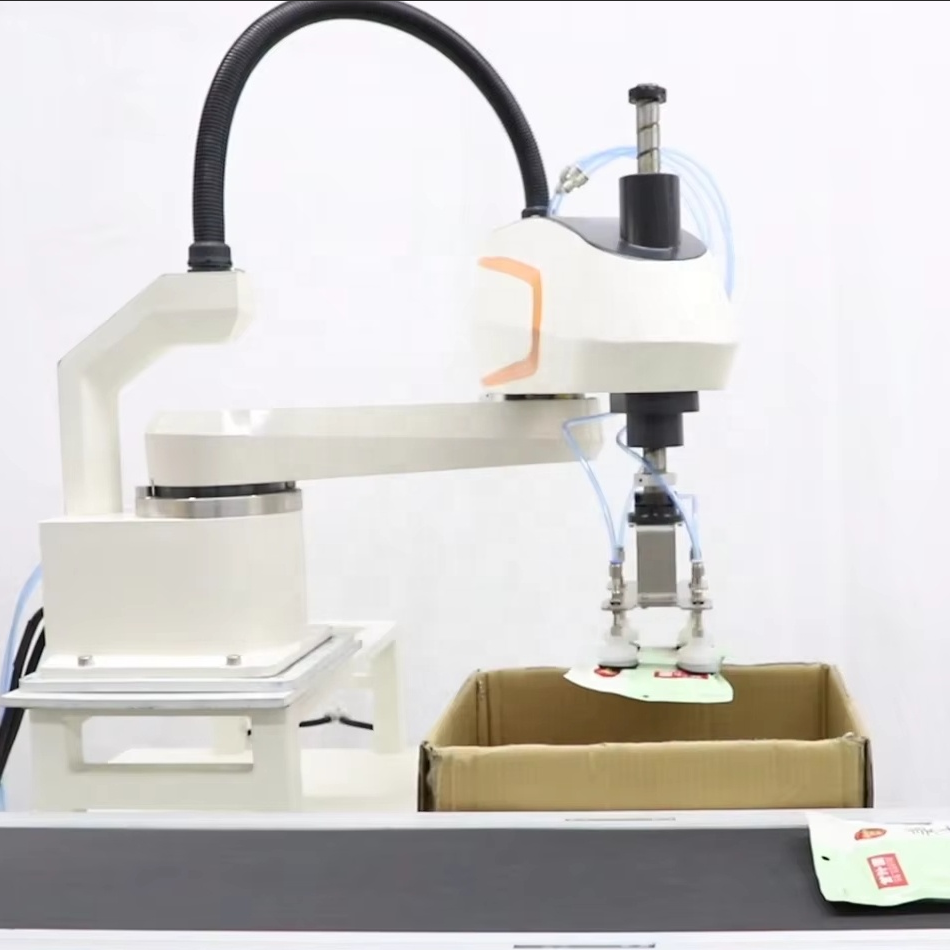
A qualitative decision map used during application review — not a substitute for a cycle-time study.
Procurement is moving from component price comparison toward validated productivity, supplier transparency and scalable integration. The strongest tenders now ask for evidence, not just a catalogue.
Buyers increasingly validate a single cell before committing to a full line. A one-set MOQ lets engineering teams test cycle time, vision accuracy, changeover and operator acceptance with limited capital exposure.
Purchase price is only one line in the business case. Spare-part continuity, controller compatibility, response time, installation support and integration effort now carry more weight in supplier selection.
Procurement teams expect ISO 9001 evidence, onsite verification, trade history and clear factory ownership. A factory-direct manufacturer reduces the risk of undocumented changes between sample and mass production.
Random product orientation and mixed SKU runs are driving demand for delta and SCARA robots with integrated 2D/3D vision, rather than fixed mechanical feeding alone.
Laser SLAM AGV/AMR platforms and autonomous forklifts are being specified as expandable modules. Buyers want fleet management and layout flexibility without ripping up existing infrastructure.
Machine builders prefer a robot partner that can support buyer labels, custom end-effectors and controller integration. This shortens development cycles and protects the builder’s brand in front of its own customers.
JORI’s development roadmap follows the production realities our customers face: faster changeover, tighter quality records, smaller footprints and fewer disconnected vendors.
Self-developed controllers and 2D/3D vision reduce compatibility gaps between camera, robot and line logic. This matters when a packaging machine needs reliable pick coordinates at production speed.
AGV/AMR platforms, compact latent models and autonomous forklifts are increasingly purchased as building blocks for warehouse and factory transport, with smart fleet management coordinating traffic.
Delta robots continue to move toward higher speed and repeatability for cartoning, labeling, bottle unscrambling and sorting. SCARA robots are being configured for compact assembly cells where planar precision is critical.
Wafer handling robots require smooth motion and careful substrate contact. Custom end-effectors and in-house motion control support fragile-product transfer in semiconductor and photovoltaic production.
ISO 9001 processes, component inspection records and final run-in testing help buyers demonstrate due diligence to their own quality and compliance teams.
Global buyers are asking how quickly a supplier can respond after installation. A two-hour average response time and a documented response rate become part of the equipment specification, not an afterthought.
The right robot is defined by the product, the line layout and the operating environment. These application modules show where JORI’s robot families are most often specified.
Vision-guided delta picking, sorting, bottle unscrambling and case packing at conveyor speed.
Repeatable blister, vial and carton handling for clean, traceable production cells.
SCARA assembly, insertion, placement and inspection in compact production footprints.
Silicon wafer transfer robots for fragile-substrate handling in semiconductor and photovoltaic lines.
Laser SLAM AMRs, compact AGVs and autonomous forklifts for 24/7 material flow.
Delta-based lid applicator and carton packer cells for hygiene and consumer-goods production.
Use this engineering comparison to shortlist a robot family before requesting a configuration review. Final specifications are confirmed against part weight, cycle time and line layout.
| Robot Family | Best For | Key Figures | Choose It When |
|---|---|---|---|
| Series 01Delta Robot | High-speed picking, sorting, labeling, cartoning, bottle unscrambling | 3–6 kg payload options · 0.08 mm repeatability · up to 120 pcs/min labeling · IP54 option | Light products arrive randomly on a conveyor and cycle time is the bottleneck. |
| Series 02SCARA Robot | Assembly, insertion, precise placement, visual handling | 4-axis architecture · compact footprint · mini low-cost models · 2D/3D vision options | You need accurate planar moves in a small cell, such as electronics or parts loading. |
| Series 03AGV / AMR | Material transport between stations and narrow-aisle movement | 400–500 kg payload · laser SLAM · fleet management · compact latent models | Operators spend hours moving carts and the layout changes frequently. |
| Series 04Autonomous Forklift | Pallet handling in warehouses and production logistics | Laser SLAM navigation · Camel Series · site layout planning support | Repetitive pallet shuttles run across shifts with labor shortages. |
| Series 05Wafer Robot | Semiconductor and photovoltaic wafer transfer | Self-developed motion control · custom end-effectors · smooth fragile-part handling | Fragile substrates require careful, repeatable transfer with contamination awareness. |
These are the practical questions that shape supplier shortlists: minimum order, robot selection, OEM support, payment terms, integration and response speed.
Send your part weight, cycle time, layout and integration requirements. JORI engineers will respond with a suitable delta, SCARA, AGV/AMR, forklift or wafer robot configuration — and a clear path from pilot cell to volume production.
info@joribot.com