Factory-direct industrial robots since 2012 ISO 9001 · Onsite-verified · OEM / ODM info@joribot.com
Industrial automation sourcing intelligence · 2026–2030

Top Trusted Industrial Handling Robot Factories & Exporters

A buyer-focused white paper on delta, SCARA and parallel handling robots — covering supplier verification, total cost of ownership, export terms, product trends and factory-direct model selection.

ISO 9001 quality system In-house controller & vision MOQ 1 set Average reply ≤2 hours
Product recommendations

8 Factory-Direct Handling Robots for Pick-and-Place, Sorting and Assembly

The models below are practical starting points for buyers comparing trusted industrial handling robot factories and exporters. Each product link is preserved from the original catalogue, and every model can be discussed for OEM support, gripper selection, controller integration and export delivery.

All featured handling robots are available from one set for pilot validation and can be quoted with matched grippers, controllers, vision options and export documentation. Final specifications are confirmed against your part weight, cycle time, layout and environmental requirements.

◈
2012Founded · R&D-driven manufacturer
◉
500+Employees supporting robot and automation projects
▣
10,000+m² factory area for production and testing
↗
≤2hAverage inquiry response · 97.06% reply rate

Why Industrial Handling Robot Factories Are Being Re-Ranked by Serious Buyers

A trusted industrial handling robot factory or exporter is no longer judged only by the unit price of a delta or SCARA arm. Procurement teams now compare process fit, controller ownership, vision integration, uptime evidence, spare-parts strategy and export documentation. The supplier that can explain why a robot should be selected — and how it will be integrated into a live line — is usually safer than a trading company that can only quote a payload and a price.

For pick-and-place applications, the robot is only one part of the handling cell. Grippers, conveyors, machine vision, safety, PLC communication and operator training all influence the real operating cost. This is where factory-direct engineering becomes commercially important: the manufacturer can match the arm, controller and vision system, reduce integration friction and support OEM machine builders who need repeatable configurations over many projects.

The buying intent behind searches for “top trusted industrial handling robot factories and exporters” is usually not casual research. It often comes from plant managers, machine builders and sourcing engineers comparing delta robots, SCARA robots and parallel robots for packaging, electronics, food, pharmaceutical and light industrial assembly. They need evidence: who owns the technology, who supports the line, how fast does the factory respond, what terms are accepted, and what happens after acceptance. This guide addresses those questions with procurement-oriented information rather than generic product claims.

Information gain for buyers: In high-speed handling projects, a 10–15% lower robot price can be erased by a small drop in line availability. On a 6,000-hour annual schedule, every lost percentage point of uptime represents 60 production hours. That is why total cost of ownership, not sticker price alone, should frame the shortlist.
Selection matrix

Which Handling Robot Family Should You Shortlist?

Use this comparison to move from a broad supplier list to a focused technical discussion. The correct answer depends on part geometry, cycle time, hygiene level, footprint and integration strategy.

Robot family Best-fit handling task Why buyers choose it Procurement note
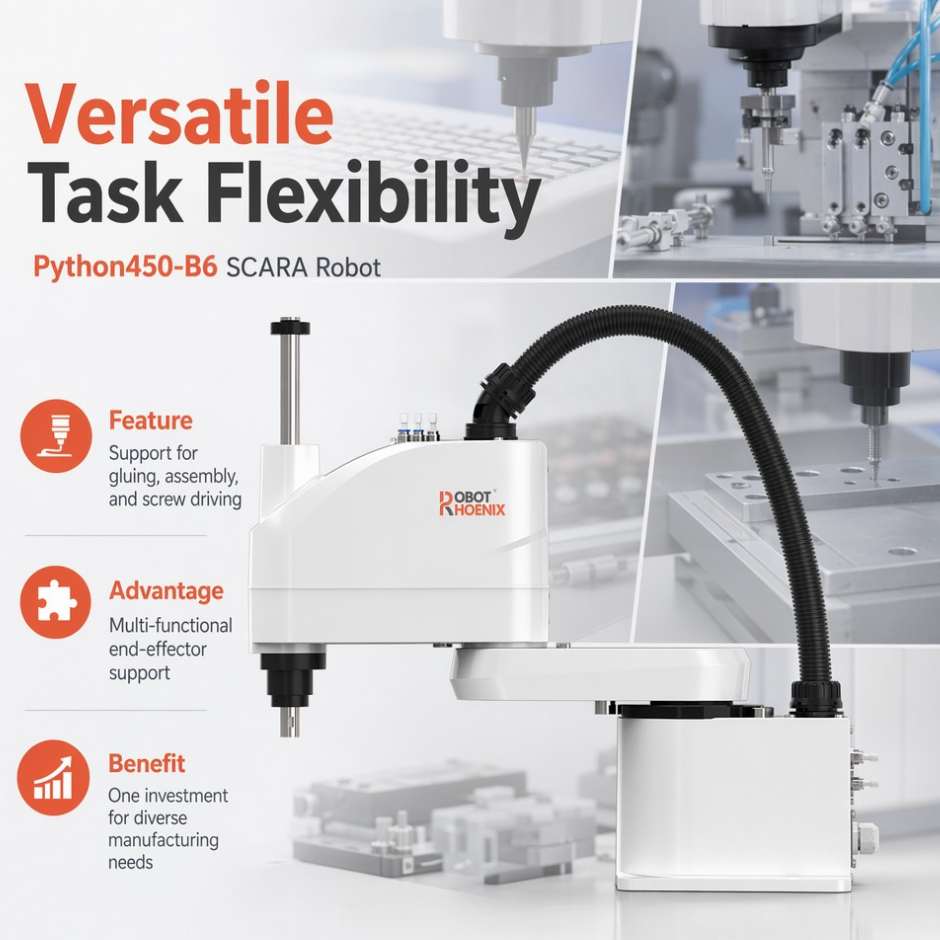
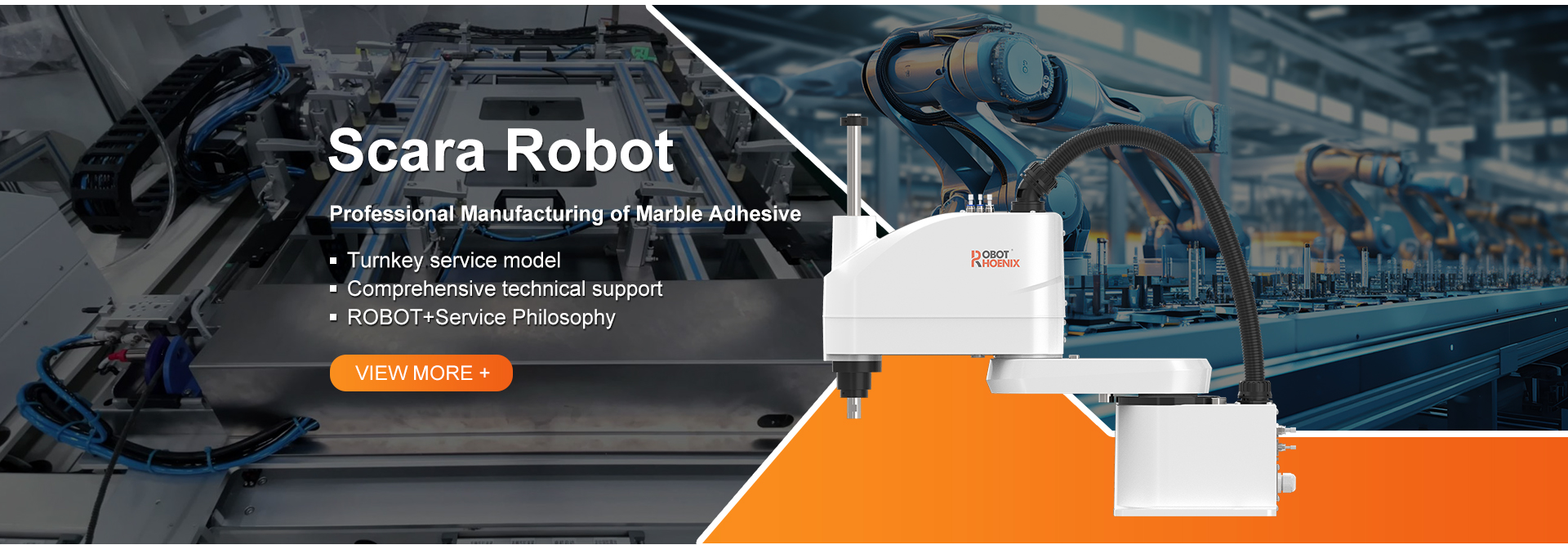
Recommendation 014-axis SCARA Light pick-and-place, small-part assembly, loading and sorting Compact footprint, accurate planar motion and familiar integration for machine builders Confirm gripper design, part presentation and required repeatability before comparing price.
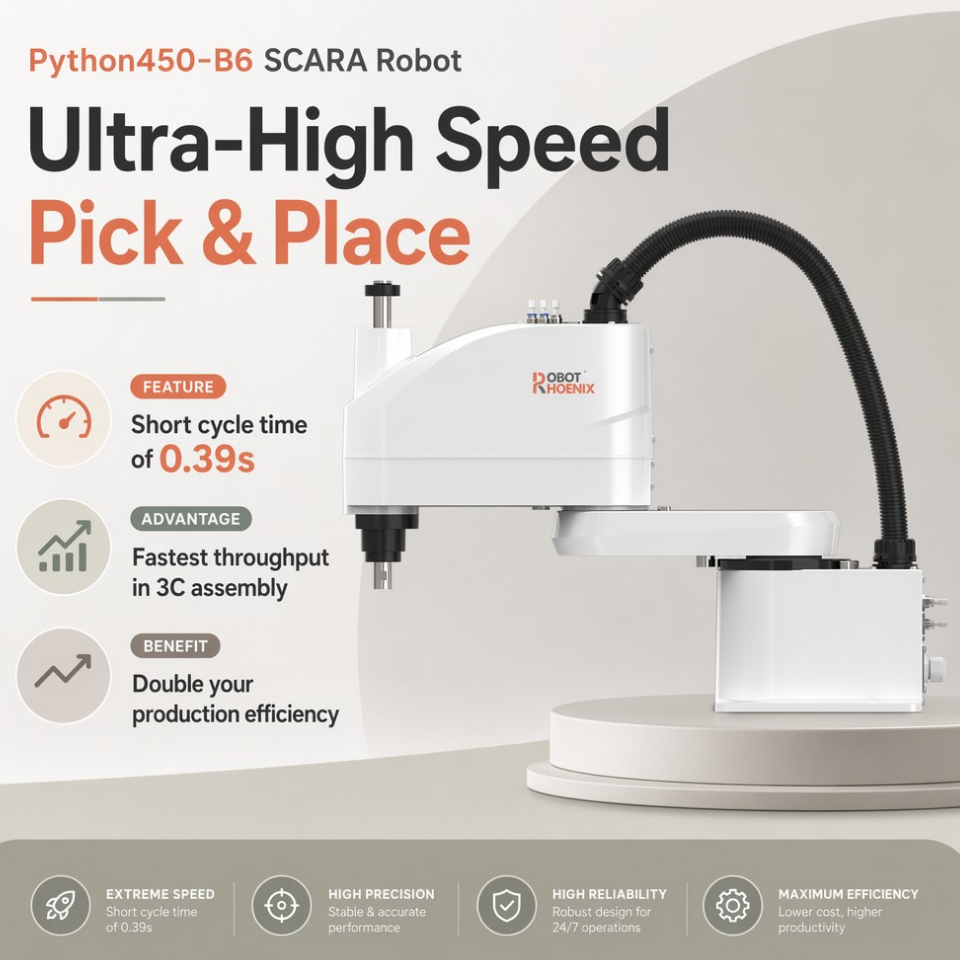
Recommendation 02High-speed SCARA with gripper Accurate picking in electronics, packaging and small components Fast cycle and repeatable placement for high-mix cells Ask for cycle-time validation using your part weight and grip method.
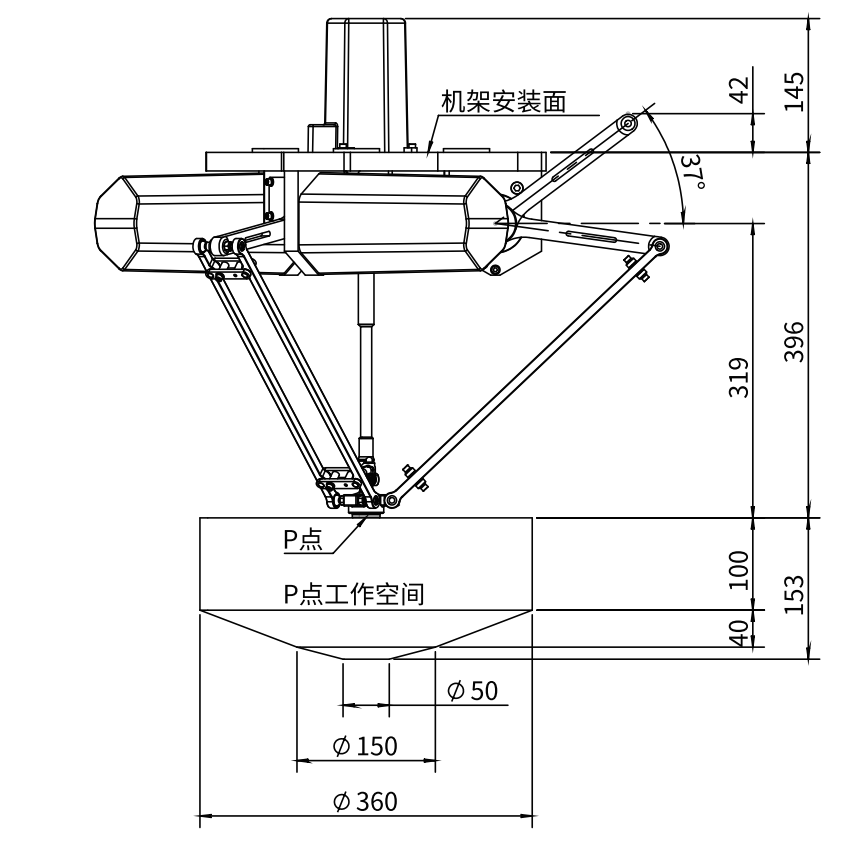
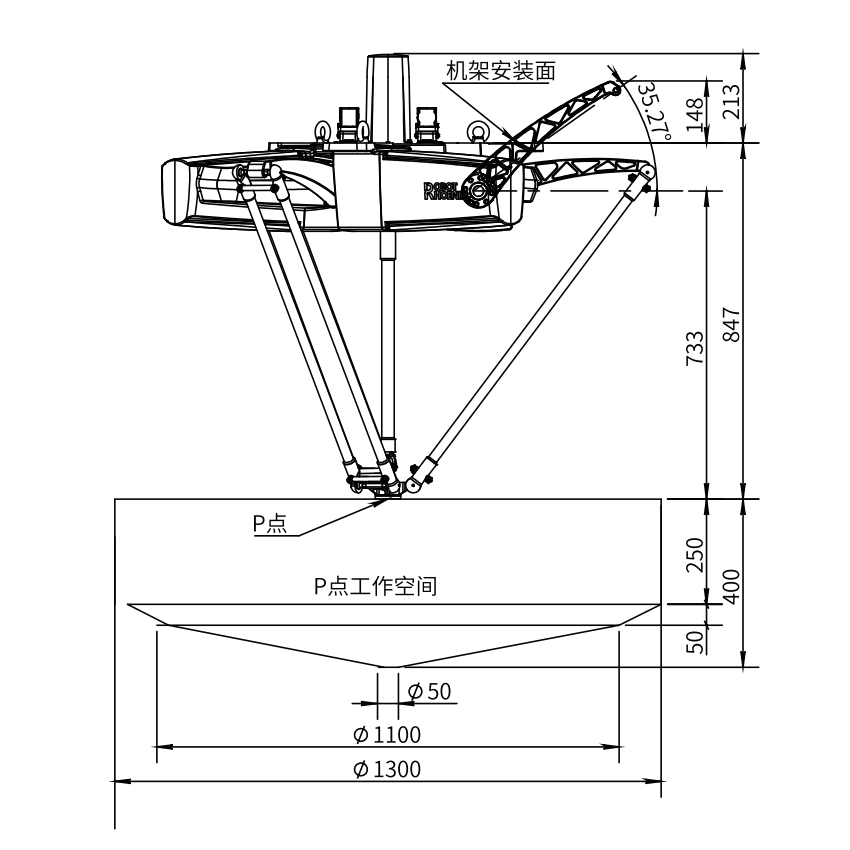
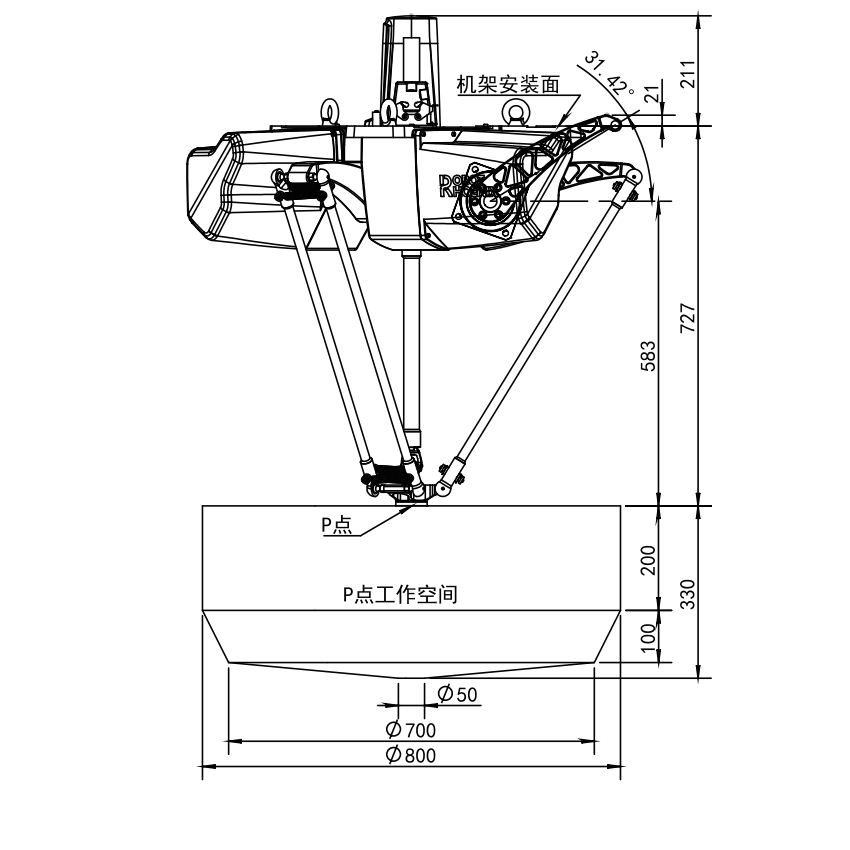
Recommendation 03Delta parallel robot Conveyor picking, sorting, packing, feeding and light-industry transfer Low moving mass supports high-speed motion and fast settling Evaluate vision guidance, conveyor tracking and rejection handling as one system.
Recommendation 04IP54 delta robot Handling near dust, splash or food-production environments Protected design without giving up pick-and-place speed Clarify washdown expectations, material compatibility and maintenance access.

Figures and configurations should always be confirmed for the final application. A supplier that invites part samples, CAD data and line videos into the selection process is usually more accountable than one that quotes blindly.

Procurement trends

How Buyers Will Evaluate Handling Robots in 2026–2030

The purchase decision is shifting from “which arm is fastest” to “which supplier can deliver a stable, export-ready handling cell with measurable lifetime value.”

£

TCO-first sourcing

Buyers are comparing integration hours, energy use, spare-part lead times and line availability alongside the robot price. A factory that can document testing and after-sales support has an advantage over a low-cost reseller offering no engineering depth.

◎

Pilot-first validation

MOQ 1 set is increasingly important. Procurement teams want to prove a single cell, verify cycle time and de-risk the scale-up. Factories that support pilot cells reduce the political risk of automation investment.

▤

Export documentation readiness

Certificates, packing lists, voltage confirmation, controller language, spare-parts lists and delivery terms matter as much as the arm. Export-ready factories are easier to qualify with finance, legal and logistics teams.

⌁

Modular and connected cells

Handling robots are being specified as modules inside packaging, assembly and intralogistics systems. PLC-ready controls, vision integration and data-friendly controllers are becoming purchasing requirements.

Product development trends

From Faster Arms to Smarter Handling Systems

Industrial handling robots are evolving from standalone motion hardware into integrated, application-specific production modules. These trends should be written into your specification before comparing quotations.

◍

In-house controller and vision

Suppliers that develop the robot, controller and 2D/3D vision together can shorten integration and resolve communication issues faster. This is especially valuable for deltas working with moving conveyors and variable product positions.

⌘

Application-specific grippers

The end-effector often determines whether a handling robot succeeds. Buyers should look for gripper-compatible platforms, custom end-effector capability and experience with suction, mechanical and soft-handling tools.

◇

Hygiene, IP and traceability

Food, pharmaceutical and daily-chemical lines require more than fast motion. IP-rated delta robots, easy-clean surfaces and repeatable handling help manufacturers protect yield and meet internal quality audits.

▦

Simulation before installation

Cycle-time simulation, reach studies and layout review reduce commissioning risk. Factories that can evaluate CAD models and product videos before shipping are better equipped to deliver predictable ramp-up.

Supplier due diligence

What to Verify Before You Approve an Exporter

A robot arm can be copied; an accountable engineering process cannot. Use this verification table to separate a real handling robot factory from a catalogue reseller.

Evidence to request Why it matters Typical red flag
01Factory and R&D evidence Confirms that robot, controller and vision development are controlled by the supplier rather than outsourced through unknown intermediaries. Only generic product images are available and technical questions are redirected without clear ownership.
02Application review Shows whether the supplier can evaluate part weight, cycle time, reach, gripper and conveyor tracking as a system. A quotation is issued without drawings, videos or clear assumptions.
03Quality system and testing ISO 9001 and run-in testing reduce the risk of receiving a robot that is mechanically correct but poorly configured. No inspection or acceptance documentation is offered.
04Export terms and payment methods Clear delivery and payment terms shorten internal approval and reduce transaction friction for overseas buyers. The supplier cannot explain Incoterms, currency or documentation requirements.
05Spare-parts and response path Handling cells are production assets. A documented support path protects uptime after installation. Support depends on an individual salesperson with no engineering escalation process.
Commercial analysis

Total Cost of Ownership for Industrial Handling Robot Procurement

Use this model to compare suppliers on commercial and technical risk. It is not a substitute for a formal quotation, but it helps procurement teams ask better questions before a factory visit, sample trial or pilot line.

Six cost layers to compare

Cost layer Questions buyers should ask
01Robot and controller Are controller, cables, software and required options included? Is the controller developed by the robot factory?
02End-effector Who supplies and validates the gripper? Is it tested with the actual part weight and surface finish?
03Integration labour How many engineering days are estimated for PLC, vision, safety and conveyor integration?
04Commissioning risk Can the supplier simulate cycle time and provide acceptance criteria before shipment?
05Spares and service Are recommended spare parts identified? What is the escalation path for technical issues?
06Training and ramp-up Does the quotation include operator training, documentation and post-installation support?

Buyer readiness scorecard

Illustrative project-readiness indicators for a handling robot shortlist.

Payload and reach fit95%
Cycle-time margin88%
Controller and vision readiness92%
Export documentation readiness96%
Operator training plan85%
Spare-parts strategy91%

High-scoring projects usually combine clear part data, a validated gripper concept and an acceptance test that reflects real production conditions.

Factory advantage

JORI: A Factory-Direct Partner for Handling Robot Export Projects

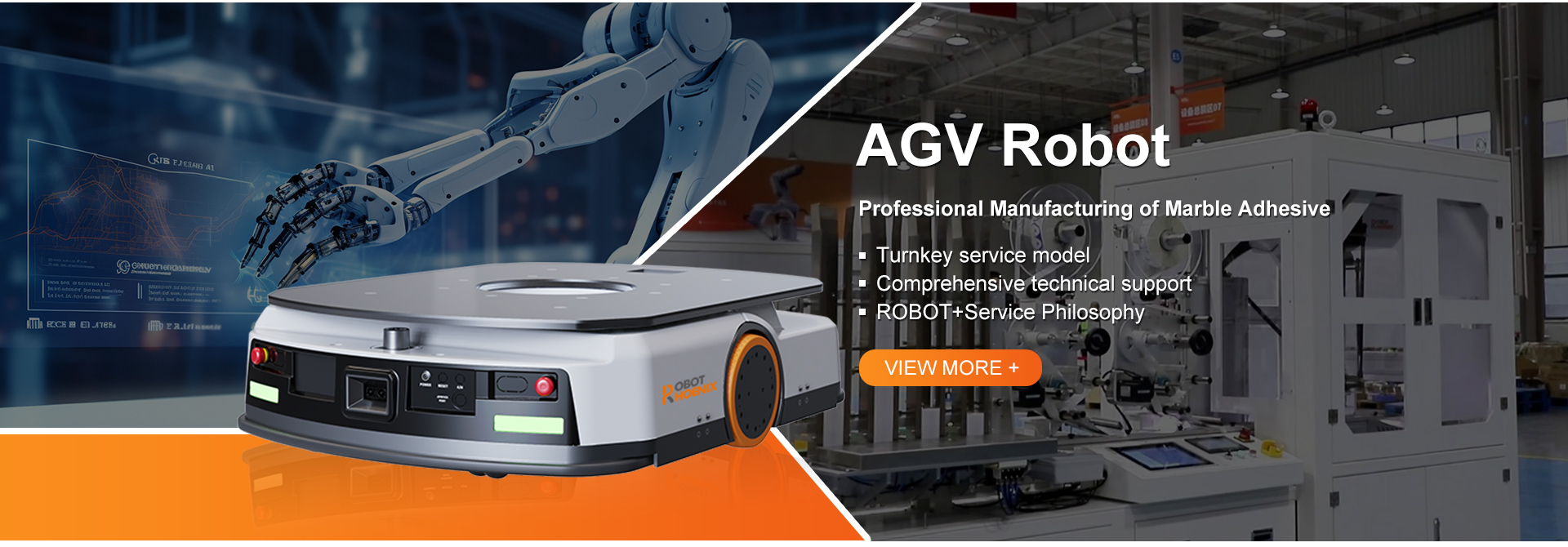
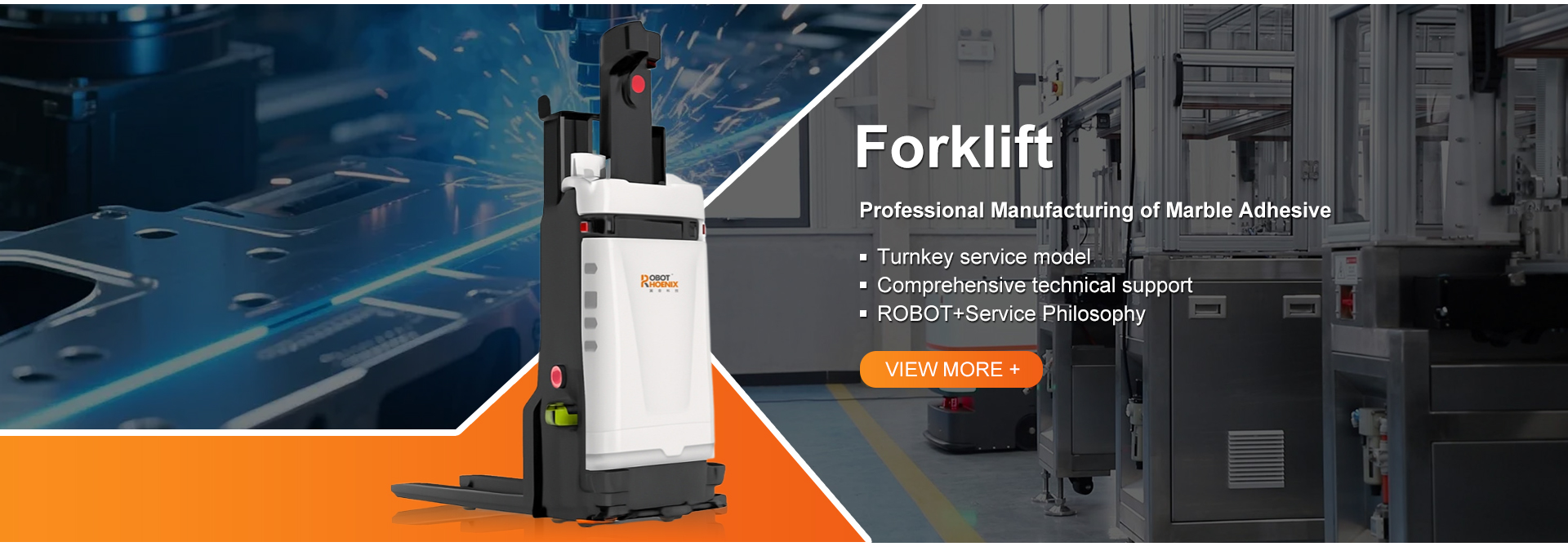
JORI Intelligent Technology Co., Ltd. was founded in 2012 in Jinan, Shandong, China, a major robotics and manufacturing hub. The company specializes in industrial robot R&D and production, controller and 2D/3D vision development, OEM support and automated system integration. Rather than reselling unrelated equipment, JORI builds its own delta parallel robots, SCARA robots, AGV/AMR platforms, autonomous forklifts and silicon wafer handling robots, with national patents supporting the technology stack.

For overseas buyers, the practical advantage is accountability. The robot arm, controller, vision options and application engineering can be discussed with one technical team. That reduces the gap between a catalogue specification and a working handling cell, especially for machine builders who need OEM configuration, custom end-effectors or buyer-label support.

Independent R&D and manufacturing capability Original factory for delta, SCARA and mobile robots Controller and 2D/3D vision developed in-house OEM, design and buyer-label service ISO 9001 quality management system 10+ years serving overseas markets One-stop automation integration support MOQ from 1 set for pilot validation

JORI serves markets across Southeast Asia, Eastern Europe, North America, South America and China, and maintains an average response time of two hours or less with a 97.06% response rate. Accepted delivery terms include FOB, CFR, CIF, EXW, CIP, FCA, CPT and express delivery. Payment methods include T/T, L/C, credit card, PayPal, Western Union, MoneyGram and escrow, with multiple currency options available for international buyers.
JORI Intelligent Technology headquarters and robot manufacturing facility
JORI robot assembly and testing area
JORI engineering team supporting industrial automation projects
Quality and export support

What a Factory-Direct Export Process Should Include

A trusted exporter should make technical and commercial verification easier, not more opaque. The best suppliers document the steps between order confirmation and production start-up.

✓

Incoming component and assembly control

Mechanical parts, motors, reducers, controllers and cables should be checked against defined specifications before assembly. A documented quality system helps buyers audit consistency across repeat orders.

◎

Run-in testing and configuration review

Final robot testing should verify motion, repeatability, I/O communication, software parameters and agreed accessories. For OEM projects, the acceptance criteria should reflect the machine builder’s own line requirements.

⇄

Export paperwork and logistics support

Commercial invoice, packing list, certificate package, voltage confirmation, spare-parts recommendations and shipping terms should be aligned before dispatch. Flexible Incoterms and payment methods reduce friction for first-time importers.

Applications

Where Trusted Industrial Handling Robots Deliver Fast Payback

The strongest business case appears where repetitive handling limits throughput, labour stability or product consistency. These are the applications most often discussed by overseas buyers.

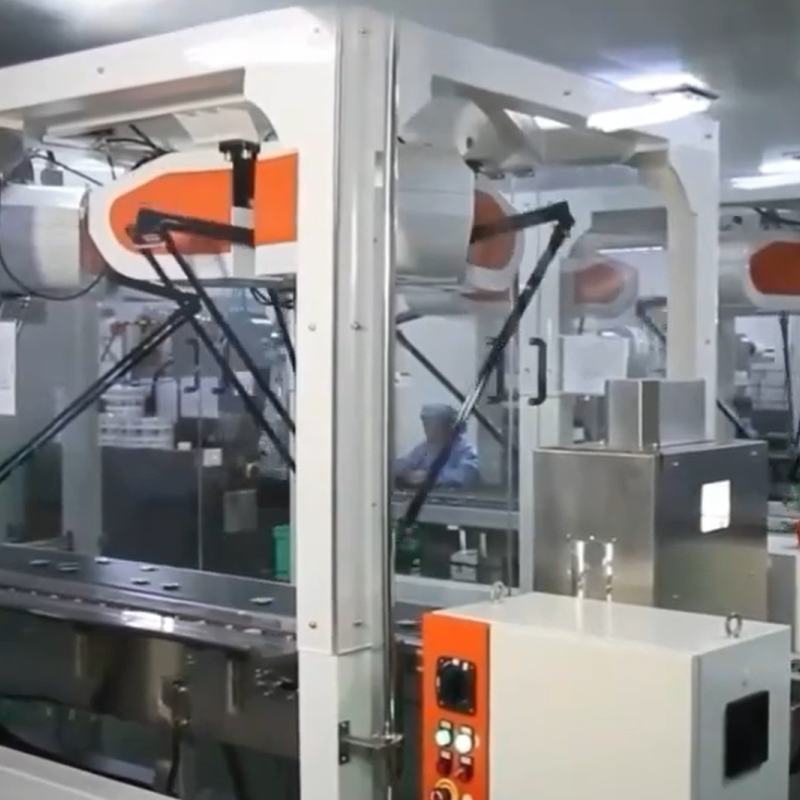
Delta robot food and beverage packaging and pick and place application

Food and beverage

Vision-guided delta picking, sorting and case packing at conveyor speed. Buyers should confirm hygiene level, cleaning routine and product variation before selecting the robot surface finish.

SCARA robot electronics assembly and pick and place application

Electronics and 3C

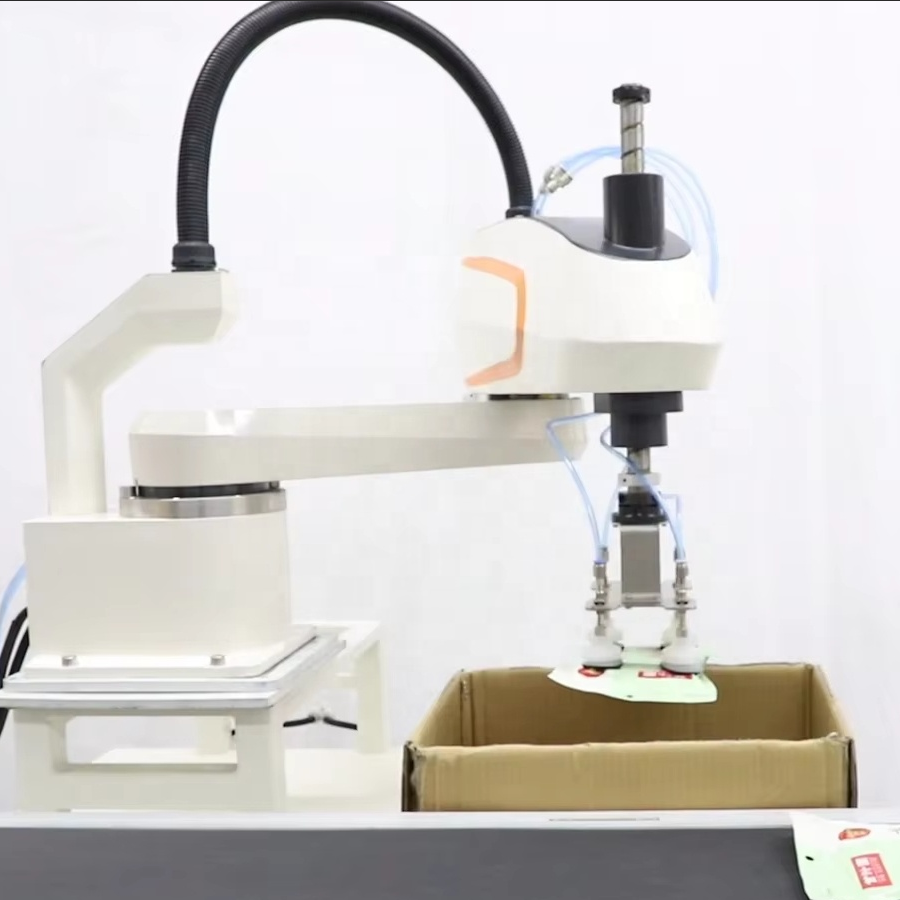
SCARA assembly, insertion, inspection and small-part handling in compact cells. Accurate planar motion and stable gripper design are usually more valuable than maximum payload.

Pharmaceutical packaging and clean handling automation

Pharmaceutical

Blister, vial and carton handling with clean, repeatable motion. Procurement teams should request material compatibility, documentation and acceptance testing as part of the quotation.

Silicon wafer handling robot for semiconductor and solar production

Semiconductor and solar

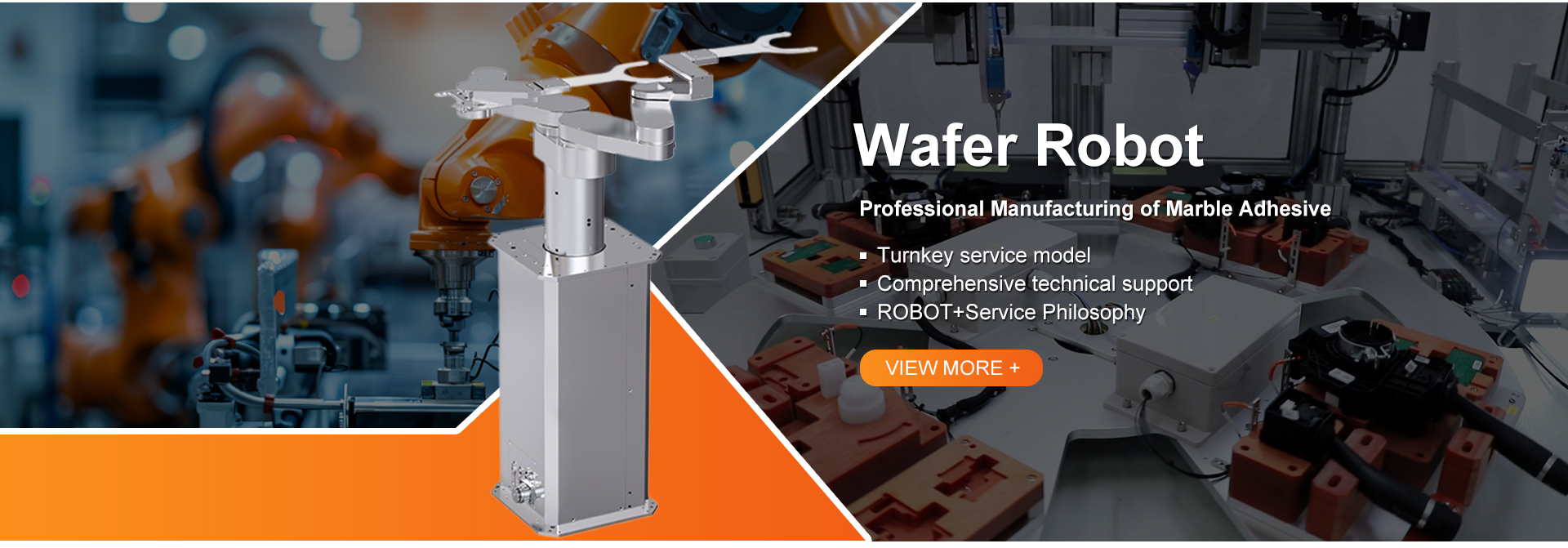
Wafer transfer requires smooth motion and careful handling of fragile substrates. Application-specific end-effectors and contamination-conscious design often matter more than headline speed.

AMR AGV and autonomous forklift robots for warehouse logistics

Warehouse and logistics

Laser SLAM AMRs, latent AGVs and autonomous forklifts support material flow between stations. They are often purchased with handling robots as part of a larger automation roadmap.

Autonomous forklift robot for pallet transport and warehouse logistics

Light manufacturing and daily chemicals

Delta-based pick-and-place, lid application and carton packing cells can stabilise output in repetitive processes where labour turnover and line speed create daily pressure.

Implementation roadmap

A Lower-Risk Path from Inquiry to Production Start-Up

The best handling robot projects are planned as staged engineering decisions rather than a single purchase transaction.

1

Part and process audit

Share part photos, weight, dimensions, material, required cycle time, layout constraints and current pain points. This allows the factory to recommend a delta, SCARA or parallel platform instead of guessing.

2

Simulation and gripper selection

Review reach, payload margin, gripper concept, vision need and conveyor tracking. A good supplier will document assumptions and highlight factors that could affect cycle time or yield.

3

Factory acceptance and integration

Confirm controller configuration, I/O, PLC communication, safety interfaces, accessories and acceptance criteria before shipment. This is especially important for OEM machine builders.

4

Ramp-up and after-sales support

Train operators, keep recommended spares, verify production data and establish a technical escalation path. The goal is not only installation; it is sustained handling performance.

Procurement FAQ

Common Questions Asked by Handling Robot Buyers

These answers reflect the practical questions raised during international robot sourcing, supplier comparison and export order preparation.

What is the minimum order quantity for industrial handling robots?

Standard delta robots, SCARA robots and related handling platforms can be ordered from one set in many cases, allowing buyers to validate a single cell or pilot line before scaling up. For customized end-effectors, special vision configurations or OEM branding, the minimum order and engineering scope should be confirmed in the quotation.

Should I choose a delta robot or a SCARA robot?

Choose a delta robot for very fast, lightweight pick-and-place from moving conveyors, typically in the 3–6 kg payload class. Choose a SCARA robot for planar assembly, insertion, loading/unloading and precise placement in a compact footprint. The right answer depends on part shape, required cycle time, reach and the gripper strategy.

Does JORI offer OEM or custom robot solutions?

Yes. JORI provides OEM service, design service and buyer-label options, and supports machine builders with custom end-effectors, controller integration and automated system integration. Buyers should provide application details, drawings or videos so the engineering team can confirm the appropriate level of customization.

Can these robots integrate with existing packaging machines?

Yes. In-house controller and 2D/3D vision development support integration with cartoning machines, carton packers and wet wipe lid applicator machines. PLC-ready delta robots can be configured for machine builders who need the robot to behave as part of an existing packaging line.

What delivery and payment terms are accepted?

Accepted delivery terms include FOB, CFR, CIF, EXW, CIP, FCA, CPT and express delivery. Accepted payment methods include T/T, L/C, credit card, PayPal, Western Union, MoneyGram and escrow. Currency options include USD, EUR, GBP, JPY, CAD, AUD, HKD, CHF and CNY. Final terms are confirmed in the commercial quotation.

How quickly does the factory respond to an inquiry?

JORI maintains an average response time of two hours or less and a 97.06% response rate. For faster technical feedback, include part photos, weight, cycle-time target, layout drawing, voltage requirement and the machine or process you want to automate.

How can I verify that a robot exporter is trustworthy?

Ask for factory evidence, R&D ownership, ISO 9001 documentation, product testing records, export experience and references relevant to your application. Request a technical review of your part and process, not only a price list. A trustworthy exporter should be comfortable explaining assumptions, limitations and acceptance criteria.

What information should I send for a fast robot recommendation?

Send product photos or videos, part weight and dimensions, material, required cycle time, conveyor speed, pick position and placement position, available floor space, existing PLC or packaging machine details, voltage and destination country. With these inputs, a factory can recommend a delta, SCARA or parallel model and propose the gripper, vision and controller configuration.

Next step

Send Your Part Data, Cadence and Layout — Get a Configuration Review

Share your application with the JORI engineering team to compare delta, SCARA and parallel handling robots, confirm gripper and vision requirements, and receive a factory-direct quotation with export terms. The average response time is two hours or less.

Send an Inquiry info@joribot.com