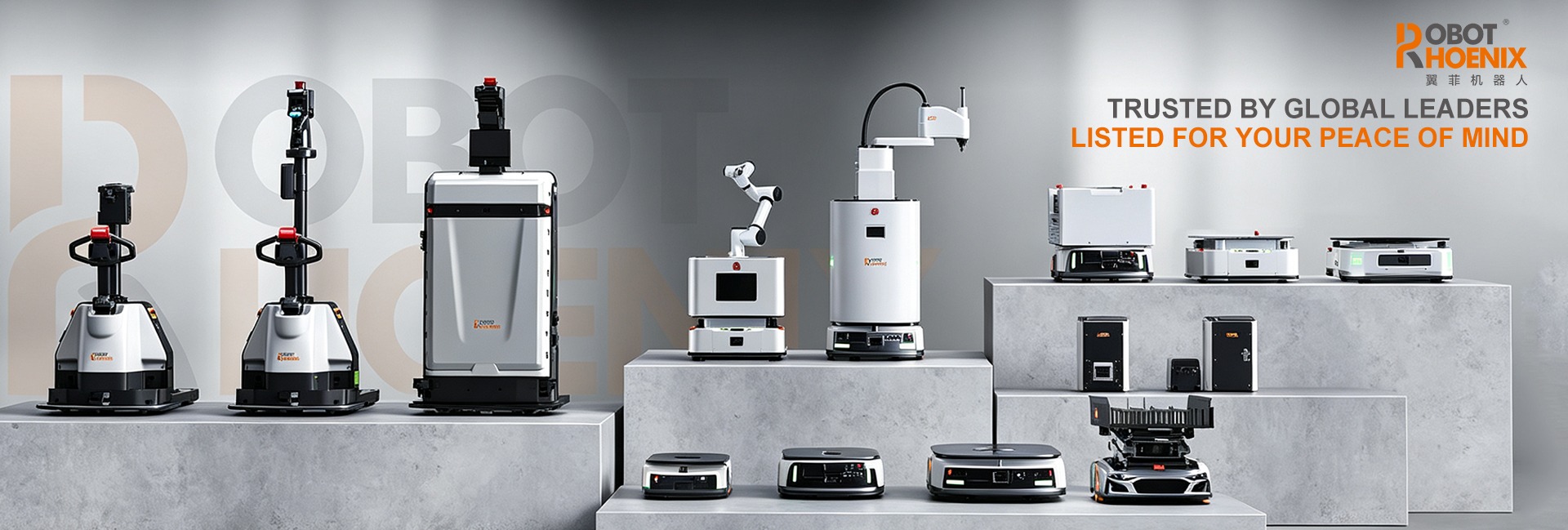
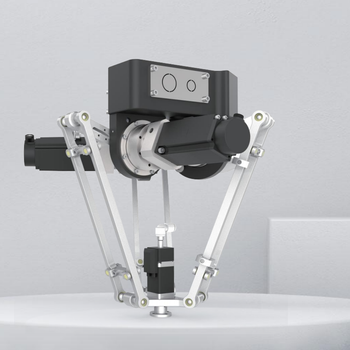
6 kg Delta Robot for Multipacks and Small Cartons
6 kg · ±0.08 mm
MOQ: 1 Set
A delta robot for consumer goods pick and place is only as effective as the product, gripper, vision and packaging line around it. This guide gives global buyers a practical way to evaluate payload, cycle time, hygiene, integration and total cost of ownership before requesting a quotation.
Consumer goods pick and place usually involves light products moving quickly: sachets, caps, small bottles, jars, blister packs, pouches, cartons, multipacks, wet-wipe lids, household goods and small electronic accessories. A delta parallel robot places the motors on a fixed base and uses lightweight arms to move a small platform at high speed. That architecture is well suited to repetitive pick-and-place tasks where the product is light, the conveyor is continuous and every fraction of a second affects line output.
For procurement teams, the value is not simply “faster picking.” The real value is a stable, repeatable cell that maintains output through product changeovers, shift changes and packaging material variation. A well-specified delta robot should match the conveyor speed, product spacing, vision field of view, gripper weight and downstream packaging rhythm. The information advantage comes from asking for the right data before comparing prices.

| Selection Factor | What Buyers Should Specify | Why It Changes the Project |
|---|---|---|
| 01Payload | Product weight + gripper weight + vacuum cups or fingers + safety margin. A 3 kg delta robot often fits caps, sachets and small bottles; a 6 kg model supports multipacks, cartons and heavier tooling. | Payload affects acceleration, stability, motor sizing and long-term maintenance. Under-specifying payload to save cost can reduce attainable cycle time. |
| 02Cycle Time | Target pieces per minute, pick-to-place distance, conveyor speed, product spacing, orientation and reject handling. | Cycle time must be validated with the actual gripper and vision routine, not only from a catalogue speed figure. |
| 03Working Envelope | Conveyor position, pack-out trajectory, product height, cell width, guard openings and end-effector length. | A robot that is fast in isolation may be restricted by mechanical reach, frame design or guard clearance. |
| 04Axis Configuration | 3-axis for simple pick and place, 4-axis for rotation, and PLC-ready models for cartoning or packaging machinery integration. | Rotation and orientation requirements often decide whether a 3-axis or 4-axis delta robot is the better procurement choice. |
| 05Accuracy | Repeatability requirement, product tolerance, visual alignment strategy and insertion or placement clearance. | Repeatability such as ±0.08 mm on selected 6 kg models is useful only when the gripper, vision and fixture are engineered for it. |
| 06Hygiene & IP | Dust, splash, cleaning chemicals, washdown method, lubricant requirements and material declarations. | IP54 can suit dust and splash conditions, but washdown or food-contact needs must be reviewed with the full cell design. |
| 07Vision & Controls | 2D vision for conveyor tracking, 3D vision for random pile or height variation, PLC protocol, reject data and traceability needs. | Vision and controls determine changeover speed, false-reject rate and how easily the cell connects to the existing line. |
Request a line audit before final model selection. JORI Intelligent Technology Co., Ltd. can review your product samples, conveyor videos and packaging layout and recommend a delta robot configuration matched to your output target.
These recommended models are suited to global procurement projects where speed, integration and a clear technical scope matter more than a generic catalogue price.
No matching delta robot models on this page — send your requirement and JORI Intelligent Technology Co., Ltd. will recommend a configuration.
The purchase decision for a delta robot for consumer goods pick and place is moving from “find the lowest price per robot” to “secure a production asset that can change over quickly and remain supported.” These are the procurement patterns buyers should plan for now.
Consumer goods brands increasingly run more SKUs with shorter campaigns. Procurement teams now ask for recipe-driven vision, quick-change grippers and a clear changeover procedure instead of assuming one fixed product will run for years. In the RFQ, specify how many SKUs, how often the line changes and whether the operator needs to teach new product positions without engineering support.
A delta robot should be evaluated with the end effector, vision, controller, guarding, conveyor tracking, commissioning, spare parts, training and remote support included. Buyers who compare only the robot price may overlook compressed-air consumption, gripper maintenance, changeover downtime and software support. Ask for a five-year TCO worksheet and a spare-parts list with lead times.
Food, personal care and wet-wipe producers are bringing cleaning procedures into the robot specification stage. Decisions about IP rating, surface finish, lubricants, cable routing and tooling material should be documented before the purchase order. JORI Intelligent Technology Co., Ltd. can review the cell concept with the buyer’s hygiene and maintenance teams so the delta robot is not isolated from the cleaning method.
Random orientation, missing parts, colour variation and packaging defects are common reasons for manual picking. Buyers increasingly request 2D/3D vision validation using real samples. A useful information gain is to ask for a sample test report: recognition rate, false reject rate, gripper access, cycle-time sensitivity and lighting assumptions. This is more reliable than comparing camera resolution alone.
| Procurement Question | What Mature Buyers Ask For |
|---|---|
| ChangeoverSKU flexibility | Recipe storage, vision teaching, quick-change end effector and documented changeover time. |
| ValidationSample test | Product samples tested with the proposed gripper and vision routine before final model selection. |
| UptimeSpare parts | Recommended spare kit, critical-part lead time and service response process. |
| IntegrationLine data | PLC interface, reject signal, traceability data, safety coordination and operator screens. |
| SupportKnowledge transfer | Commissioning checklist, maintenance training, operating manual and remote diagnostic plan. |
| CostFive-year TCO | Energy, air, maintenance, spares, changeover labour and expected production availability. |
For a procurement decision, require a factory acceptance test plan. JORI Intelligent Technology Co., Ltd. supports documented testing of cycle time, vision picks, reject handling and basic integration signals when the project scope is confirmed.
The next procurement cycle will reward buyers who understand how controllers, vision, tooling and data will affect the robot’s useful life. These trends are practical, not speculative, because they directly affect changeover, uptime and integration cost.
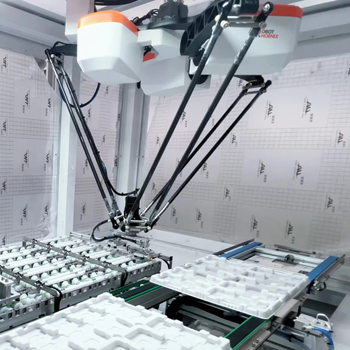
Each consumer goods line has a different definition of speed. JORI Intelligent Technology Co., Ltd. engineers delta robot cells around the product, gripper, packaging format and quality requirement.
Vision-guided picking, sorting and case packing for bags, bottles, jars and multipacks at conveyor speed.
High-speed lid placing, flow-wrap handling and cartoning for hygiene products and personal care items.
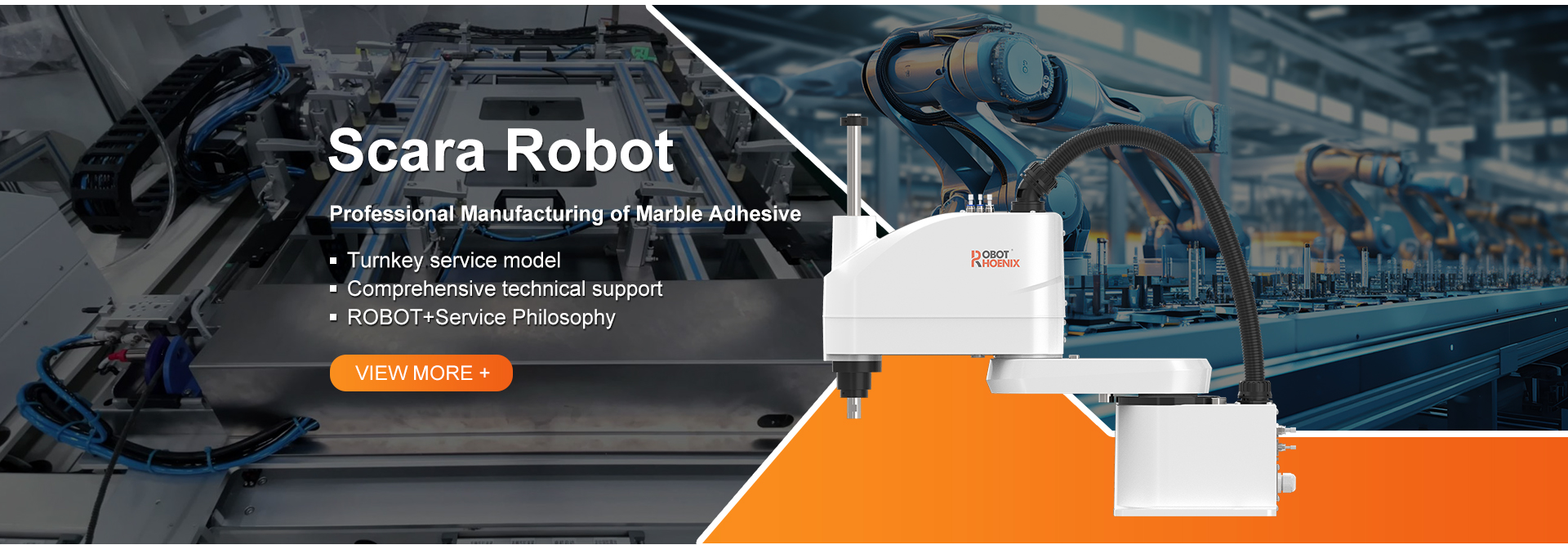
Precise placement of small components, accessories and e-commerce products in compact production cells.

Repeatable handling of blisters, vials, cartons and hygiene products where consistency and documentation matter.
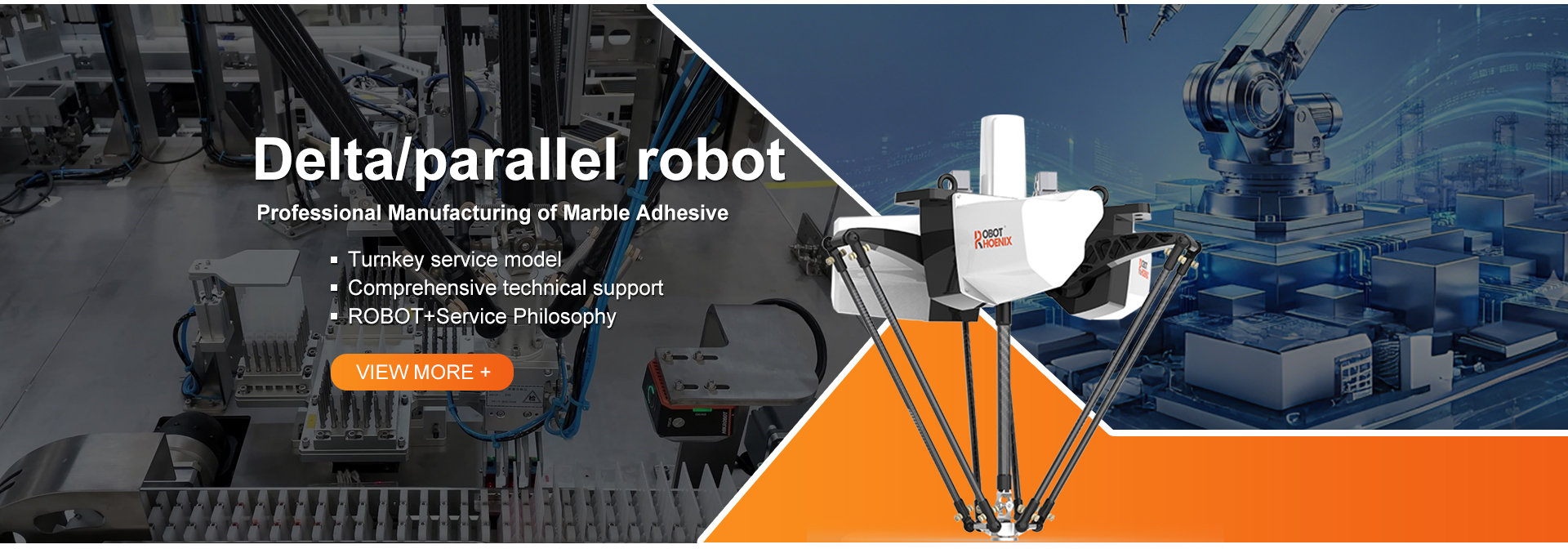
4-axis delta robots for carton packing, product orientation and PLC-ready packaging machinery integration.
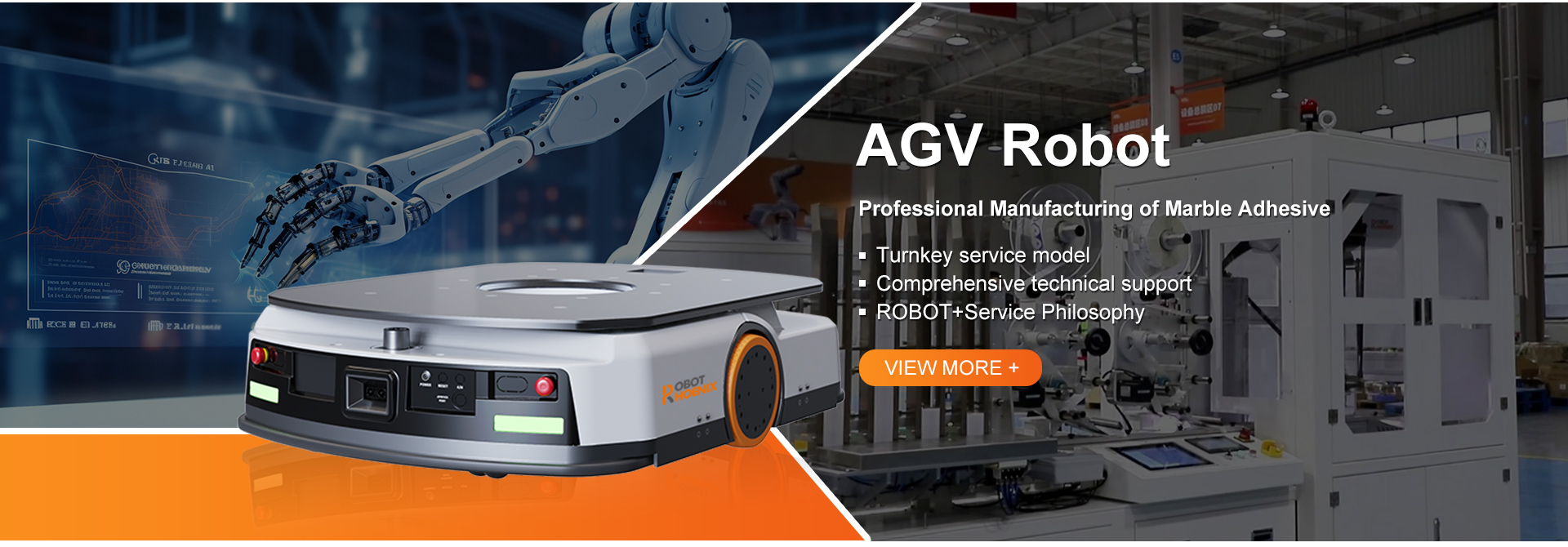
Delta pick-and-place cells can be coordinated with AMR/AGV transport for a more complete automation flow.
JORI Intelligent Technology Co., Ltd. was founded in 2012 and is located in Jinan, Shandong Province, China. The company is a high-tech manufacturer focused on industrial robot R&D and production, controller and vision system development, OEM support, automated system integration and other automation solutions. Its self-developed delta robot, SCARA robot, silicon wafer robot, AGV robot, 2D/3D vision and controller systems are protected by national patents and are positioned alongside mainstream international robot brands.
For a consumer goods pick-and-place project, this engineering scope matters. The robot arm, controller, vision and integration are not separate supply-chain promises. Buyers can discuss cycle time, gripper design, PLC signals, line layout, acceptance testing and spare-parts planning with one accountable manufacturer source.
Procurement teams can verify the company’s trade capacity, transaction history, supplier assessment and credit profile before purchase. Standard robots can be ordered from 1 set, allowing a pilot cell or single packaging line to be validated before scaling across factories. For technical selection, email info@joribot.com with product samples, videos and target cycle time.

These answers reflect the questions purchasing teams, machine builders and factory engineers commonly raise during technical evaluation and supplier comparison.
Send product samples, photos, video, cycle-time target and packaging format. JORI Intelligent Technology Co., Ltd. engineers will recommend a delta robot configuration and review vision, PLC and end-effector requirements with you.
info@joribot.com