Factory-direct industrial robots since 2012 ISO 9001 · Onsite-verified · OEM / ODM info@joribot.com
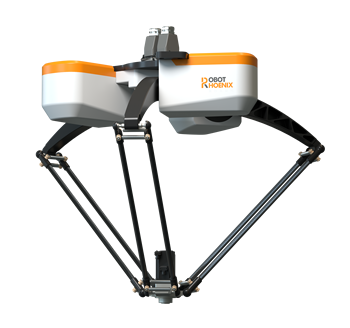
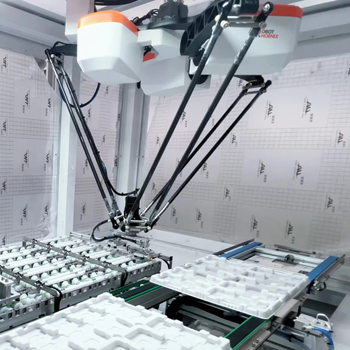
Industrial parallel robot for packaging automation operating on a high-speed conveyor line
Buyer Guide · Parallel Robotics for Packaging

Industrial Parallel Robot for Packaging Automation: Selection, ROI, Integration and Procurement Trends

An evidence-led guide for global buyers comparing delta robots, vision-guided pick-and-place, carton packing, labeling, lid application and end-of-line automation from JORI Intelligent Technology Co., Ltd.

2012
Founded · in-house R&D
501–1,000
Employees
97.06%
Response rate
≤2h
Average response time
Semantic Search and Buyer Intent

What an Industrial Parallel Robot for Packaging Automation Really Has to Solve

An industrial parallel robot for packaging automation is not simply a fast arm. It is a system decision that connects product flow, gripper design, machine vision, controls, hygienic requirements, line layout, operator safety and after-sales risk. For global procurement teams, the real challenge is that most supplier pages list payloads and cycle times without answering the questions that decide whether a packaging cell will run at rate, pass factory acceptance testing and remain serviceable for years. This guide is written to close that information gap.

In semantic search terms, the query “industrial parallel robot for packaging automation” sits inside a wider intent cluster. Buyers may mean a delta robot for high-speed pick-and-place, a parallel robot for carton packing, a vision-guided robot for random product orientation, a PLC-ready robot for an existing cartoner, an IP54 delta robot for food or pharmaceutical packaging, or a robot for wet wipe lid application. They may also be comparing a parallel robot with a SCARA robot before issuing an RFQ. The best supplier content must answer these related questions in one place, not repeat the same phrase in every paragraph.

The information gain comes from translating technical specifications into procurement outcomes. A 0.08 mm repeatability figure matters only when it is connected to product size, label placement tolerance, carton fit and scrap rate. A “3–6 kg payload” specification matters only when it is tested with the actual gripper, product weight, acceleration profile and vacuum or mechanical end-effector. A “high-speed” claim matters only when the buyer can see a validated cycle with the real product orientation on a conveyor.

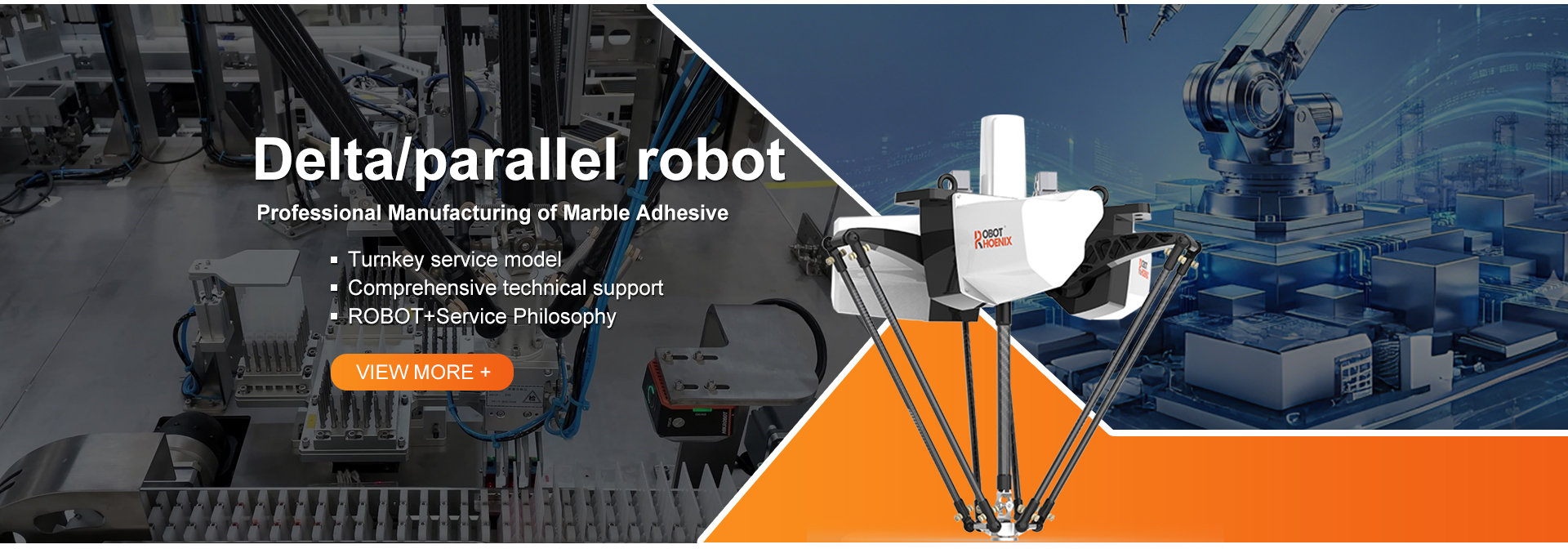
For packaging automation, parallel robots are usually delta-style robots with three or four axes. Their closed-kinematic structure supports the end-effector from multiple linkage points, removing much of the moving mass from the wrist. This is why they can accelerate quickly, maintain precise repeatability and sustain packaging rhythms that would be difficult for a conventional serial arm. They are especially effective when products arrive continuously, when orientation changes, when the robot must track a moving conveyor, or when the cell must fit above an existing conveyor and packer.

Five packaging jobs where parallel robots create measurable value

  • High-speed primary picking: moving small products from a conveyor into trays, blister packs, pouches or flow-wrap infeed positions with vision-guided orientation.
  • Secondary carton packing: loading bottles, sachets, wet wipes, snack packs or daily chemical products into cartons while maintaining pack pattern accuracy.
  • Labeling and lid application: placing labels, lids, caps or coupons at rates and tolerances that manual operators cannot hold across multiple shifts.
  • Sorting and quality rejection: combining robot motion with 2D or 3D vision to remove defective products without stopping the line.
  • Flexible changeover: switching recipes and grippers quickly for multi-SKU production, pilot lines and seasonal packaging runs.

Search intent also changes by buyer role. A plant manager wants OEE, labor stability and uptime. A packaging machine builder wants a robot that is easy to integrate with PLC logic, guarding, safety circuits and existing eccentric motion mechanisms. A purchasing director wants commercial protection: MOQ, delivery terms, payment terms, spare parts, IP ownership, warranty and supplier verification. An engineer wants drawings, cycle-time data, controller options, vision performance and end-effector recommendations. A page that satisfies only one role creates a weak buying experience and also gives search engines less semantic coverage.

This is why the most useful content on an industrial parallel robot for packaging automation includes product recommendations, a selection table, procurement trends, technology trends, common questions and verifiable supplier evidence. Buyers should not need to decode a catalogue before they know which architecture to investigate. They should be able to request a catalog, send application data and receive an engineering response with a reasonable next step.

Product Recommendations

Which Parallel Robot Configuration Fits Your Packaging Line?

Shortlist by packaging task, not by catalogue page. These configurations reflect the practical choices global buyers make when balancing cycle time, product handling, hygiene, integration effort and total cost of ownership.

6 kg Delta Parallel Robot with 0.08 mm Repeatability

6 kg · ±0.08 mm · vision-ready
Best for carton packing, sorting and conveyor picking.

3 kg IP54 Delta Robot for Food, Pharma and Daily Chemicals

3 kg · IP54 · hygiene-focused
Best for washdown-adjacent or dust-controlled packaging.

4-Axis Delta Robot for Labeling and Lid Application

Up to 120 pcs/min · high precision
Best for wet wipes, daily chemicals and carton labels.

Mini Delta Robot with PLC for Compact Cartoning Machines

PLC-ready · compact footprint
Best for space-constrained machine builders and pilot cells.

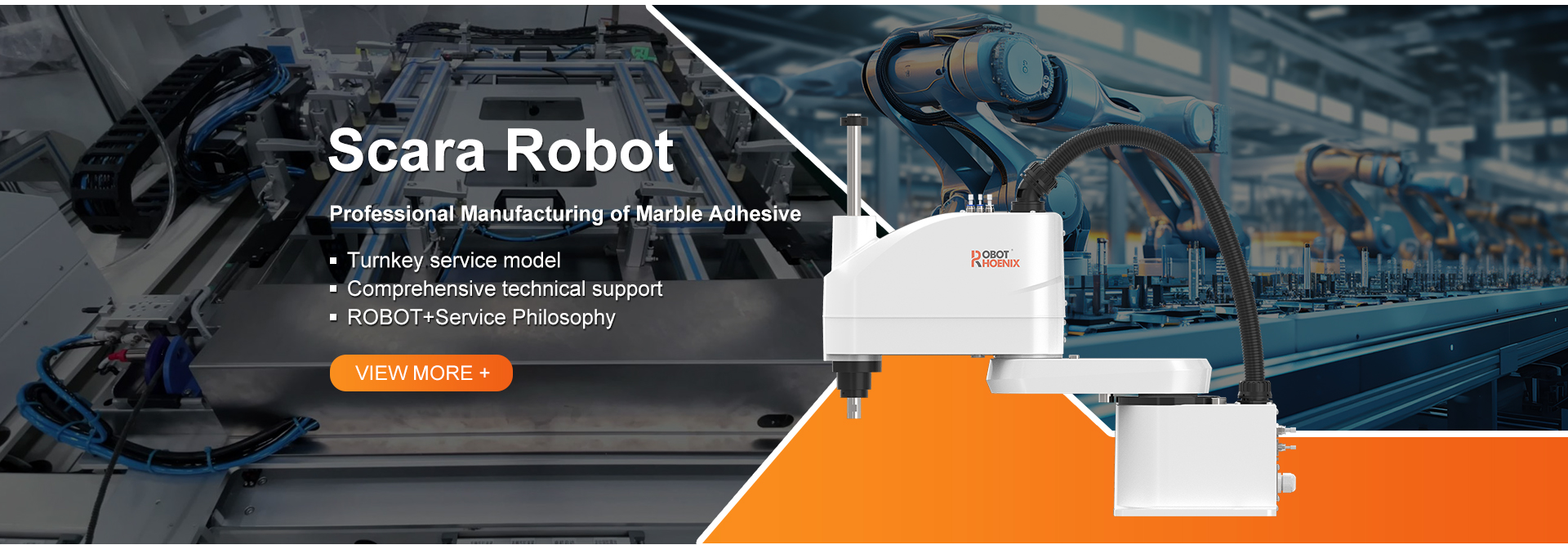
Mini SCARA Robot for Secondary Packaging Assembly

4-axis · compact · precise placement
Best for insert feeding, assembly and planar handling.

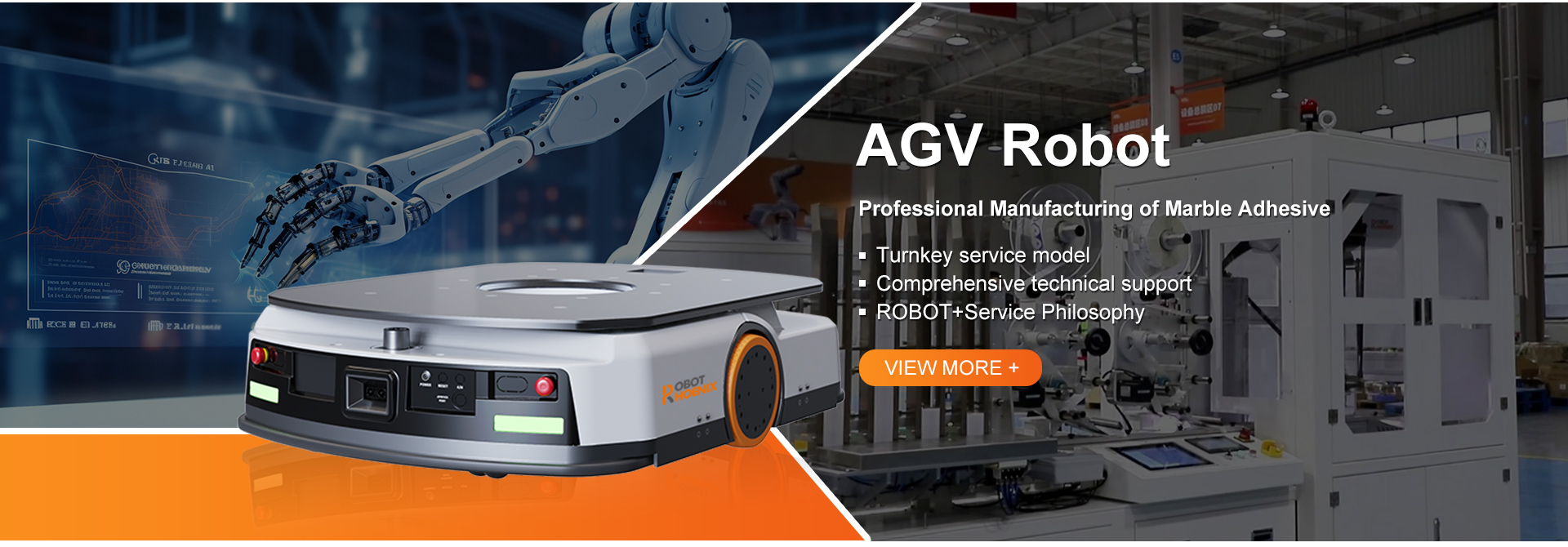
500 kg AMR for Packaging Line Material Flow

500 kg · laser SLAM · fleet-ready
Best for moving film, cartons, labels and finished pallets.
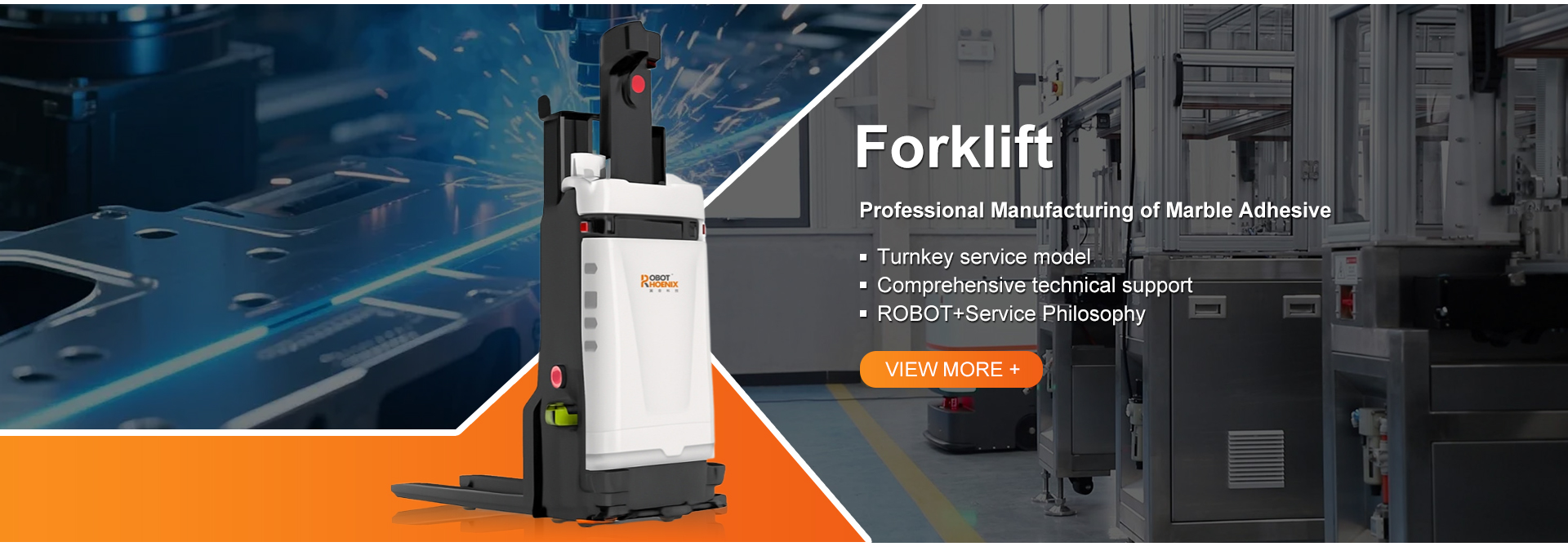
ForkliftLaser SLAM autonomous forklift for pallet handling in packaging warehouses

Camel Series Autonomous Forklift for Pallet Handling

Laser SLAM · pallet transport
Best for replacing repetitive pallet shuttles between packaging and shipping.

High-Speed Parallel Delta Robot for Precision Picking

Fast cycle · custom end-effector
Best for high-rate picking with vision and custom grippers.

No matching robots on this page — browse the full catalogue or email info@joribot.com for a recommendation.

Engineering Selection Guide

Match the Robot Architecture to the Packaging Task

Use this table to define the first technical questions before you request a quotation. It is intentionally practical: the right choice is the one that meets the handling, hygiene, integration and service requirements with the least hidden risk.

Packaging taskFirst-choice architectureEvidence to requestWhy it matters
PrimaryPick-and-place from a moving conveyor3–6 kg delta / parallel robot with visionCycle-time video using your product, conveyor speed, vision calibration report, repeatability and gripper conceptConveyor tracking and product orientation often decide the real rate more than the robot’s catalogue speed.
SecondaryCarton packing and tray loading4-axis delta robot, PLC-ready or in-house controllerPack pattern study, end-effector drawing, changeover procedure, carton size range and integration interfaceThe robot must fit the carton, not the other way around. End-effector design can make or break a line.
LabelingLabel, lid and coupon placementHigh-precision delta with 2D/3D visionReference videos, tolerance stack-up, vision rejection logic, hygienic protection and access for cleaningSmall placement errors become visible defects or downstream jams at high line speed.
AssemblySecondary packaging assembly and insertionSCARA robot with compact footprintPlanar reach, repeatability, IO and PLC support, gripper exchange time and guarding layoutSCARA robots are efficient for planar work where a full delta cell is unnecessary.
LogisticsPallet and material movementAMR, AGV or autonomous forkliftSite map, traffic study, payload, battery cycle, fleet software and safety validationPackaging speed is wasted if cartons, film or pallets are not delivered to the line on time.
QualityInspection and rejectionDelta robot with integrated vision and controllerDefect sample images, false-reject targets, traceability data and line-stop recovery logicVision and motion must work as one system; separate suppliers can slow validation.

Specifications vary by model, end-effector and application. Confirm final performance with a joint test or validated reference before purchase.

Enterprise Advantages and E-E-A-T Evidence

Why JORI Intelligent Technology Co., Ltd. Is a Serious Packaging Robot Partner

JORI Intelligent Technology Co., Ltd. is a high-tech manufacturer founded in 2012 and located in Jinan, Shandong, China. The company specializes in industrial robot R&D and manufacturing, controller and vision system development, OEM support and automated system integration. Its self-developed delta robots, SCARA robots, silicon wafer robots, ground AGV robots, 2D/3D vision and controllers have obtained national patents and operate alongside mainstream international robot brands.

For packaging automation buyers, the advantage is not only the robot arm. It is the ability to discuss product handling, gripper design, vision, controller integration, PLC communication, safety, machine interface and after-sales support with one engineering team. Because the core technologies are developed in-house, the supplier can respond faster when an application requires a customized end-effector, a different control interface or a buyer-label machine configuration.

The company profile is verifiable. JORI Intelligent Technology Co., Ltd. operates as a manufacturer and trading company with 501–1,000 employees, annual revenue in the range of US$10 million to US$50 million, a 97.06% response rate and an average response time of two hours or less. It holds ISO 9001 quality management certification and has an onsite-verified supplier profile supported by third-party assessment, credit records, trade capacity, transaction history and buyer reviews.

Experience is visible in the factory, not just in copy. The company has more than a decade of history since 2012, serves buyers across North America, South America, Eastern Europe, Southeast Asia and China, and supports machine builders with OEM, design and buyer-label services. Expertise is demonstrated through in-house controllers, 2D/3D vision, delta/SCARA/AGV platforms and national patents. Authority comes from verifiable company records and trade history. Trust comes from clear communication, response-rate evidence, quality certification and a documented supplier profile.

  • Founded in 2012 · 10+ years of industrial robot experience
  • Independent R&D for robots, controllers and vision
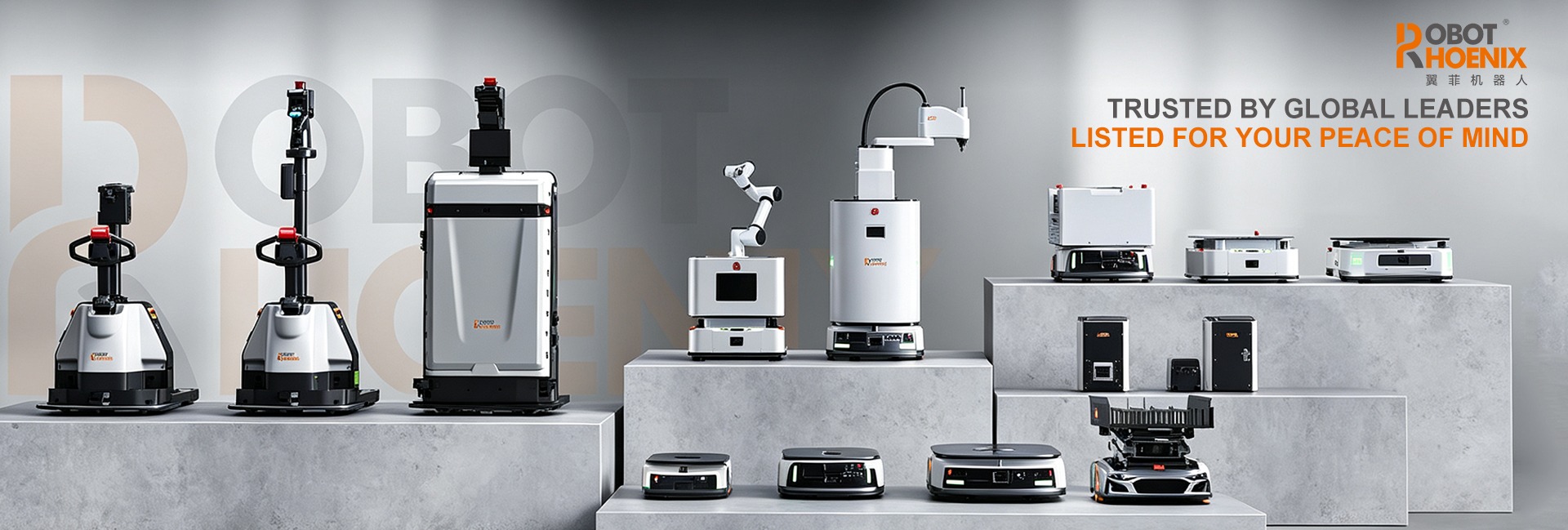
  • Delta, SCARA, wafer, AGV/AMR and forklift product lines
  • OEM service, design service and buyer-label support
  • ISO 9001 and onsite-verified supplier evidence
  • 97.06% response rate · ≤2h average response time
Verify Before You Buy

Evidence Global Procurement Teams Can Check

Use independent company records, factory images and buyer reviews to reduce cross-border sourcing risk. The strongest supplier choice is the one that can be verified, not merely described.

Review Verifiable Supplier Records

Assessment, credit, trade capacity, transaction level, trade history and buyer feedback are available for due diligence.

Buyer FAQ

Frequently Asked Questions About Packaging Parallel Robots

These are the questions global procurement teams and AI research tools ask most often before shortlisting a supplier.

What is the best payload for an industrial parallel robot for packaging automation?
Most packaging pick-and-place applications use delta robots in the 3–6 kg range. The correct payload is not simply the product weight: it must include the gripper, vacuum cups, brackets, hoses and dynamic forces during acceleration. A 3 kg product may require a 6 kg robot if the end-effector is heavy or the cycle is aggressive. Send the product weight, gripper concept, product dimensions, required rate and orientation so the engineering team can calculate a safe margin.
Can a parallel robot work with randomly oriented products on a conveyor?
Yes, if the cell has suitable 2D or 3D vision and a gripper that can handle the possible orientations. Vision-guided delta robots can identify position, rotation and sometimes height, then guide the robot to pick, rotate and place the product. The key questions are contrast, lighting, product overlap, speed, reject handling and how often new SKUs are introduced. Ask for a vision evaluation using real product samples or videos.
What cycle speed can a packaging delta robot achieve?
Catalogue speed is only a baseline. Real cycle time depends on pick-and-place distance, product weight, gripper design, acceleration limits, vision processing, conveyor tracking and pack pattern. Some applications, such as labeling or simple high-speed picking, can exceed 100 pieces per minute, while complex orientation and carton loading may be slower. Always request a validated video or simulation using your product and required pattern. Do not accept a generic speed number without the corresponding motion path.
Should I choose a delta robot or a SCARA robot for packaging automation?
Choose a delta/parallel robot for very fast, lightweight pick-and-place from moving conveyors, especially where product orientation changes and the robot must reach over a conveyor or packer. Choose a SCARA robot for planar assembly, insertion, precise placement and compact cells where high-speed 3D picking is not required. Many packaging lines use both: delta robots for primary picking and carton loading, SCARA robots for secondary assembly or insert handling.
Can JORI robots integrate with my existing cartoner, labeler or wet wipe lid applicator machine?
Yes. JORI Intelligent Technology Co., Ltd. develops its own controllers and 2D/3D vision and offers PLC-ready delta robots for cartoning machines. The team supports machine builders with custom end-effectors, controller integration and automated system integration. For the best result, provide the existing machine drawings, PLC type, communication protocol, safety circuit, available space and the required interface signals.
What is the minimum order quantity for a packaging parallel robot?
Standard delta robots, SCARA robots and AMR/AGV platforms can be ordered from 1 set, which allows a pilot cell or single-line validation before scaling. Customized end-effectors, OEM configurations and buyer-label projects may require an engineering review and a different commercial structure. Pilot deployments are often the fastest way to prove cycle time, quality and operator acceptance.
Which delivery and payment terms are accepted?
Accepted delivery terms include FOB, CFR, CIF, EXW, CIP, FCA, CPT and express delivery. Accepted payment methods include T/T, L/C, credit card, PayPal, Western Union, MoneyGram and escrow, in USD, EUR, GBP, JPY, CAD, AUD, HKD, CHF and CNY. Final terms depend on the product configuration, destination and order value.
How can I verify JORI Intelligent Technology Co., Ltd. before placing an order?
Review the company profile, factory images and video, ISO 9001 certification, supplier assessment, credit profile, trade capacity, transaction level, trade history and buyer reviews. Ask for reference videos of applications similar to yours, clarification of warranty and spare parts, and a video call with the engineering team if needed. The supplier’s onsite-verified profile and documented response rate provide additional evidence for internal approval.
What information should I send to get an accurate quotation?
Send product photos, dimensions and weight; conveyor speed and product orientation; required cycle rate; carton, tray or pouch dimensions; pack pattern; gripper requirements; existing PLC and safety interface; environmental conditions such as dust or washdown; line layout; destination country; and target installation date. If available, include a video of the current manual process. This reduces engineering guesswork and shortens the quotation cycle.
How quickly does JORI respond to an inquiry?
JORI Intelligent Technology Co., Ltd. reports a 97.06% response rate and an average response time of two hours or less. For application-specific recommendations, email info@joribot.com with product details, cycle requirements and current line constraints so the engineering team can respond with a useful next step rather than a generic catalogue reply.
Does JORI offer OEM, design and buyer-label services?
Yes. JORI provides OEM service, design service and buyer-label options for machine builders and automation integrators. This includes engineering support for custom end-effectors, controller integration, documentation and system integration. Buyers should define the brand requirements, quantities, technical responsibilities, documentation language and after-sales model before the project starts.

Ready to Specify a Packaging Parallel Robot?

Send your product, cycle-time, conveyor and carton requirements to JORI Intelligent Technology Co., Ltd. Our engineering team will help you shortlist a delta, SCARA or AMR configuration and identify the information needed for a faster quotation.

info@joribot.com
Get Catalog