Automated Forklift Supplier & Wholesalers in the Philippines Market
Factory-direct laser SLAM autonomous forklifts, AMR/AGV platforms and high-speed robots for Philippine warehouses, 3PLs and manufacturers—engineered in-house since 2012, backed by ISO 9001 quality management, OEM support and a documented average response time of two hours or less.
8 Factory-Direct Robots for Philippine Automation Projects
These production-proven products are frequently evaluated for packaging, 3PL, electronics and light-manufacturing projects. Product URLs are preserved exactly; forklift and AMR buyers can share load, aisle and throughput data through the inquiry button for a matched recommendation.



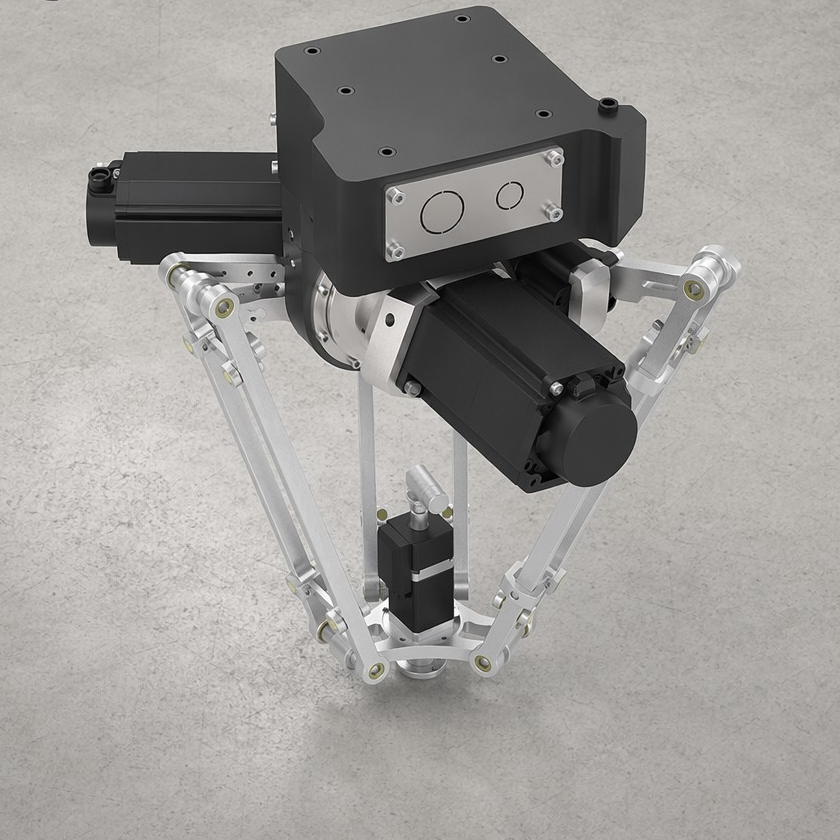
Automated Forklift Supplier & Wholesalers in the Philippines Market: What to Evaluate Before You Shortlist
For Philippine buyers, the buying decision is not only a unit-price comparison. It is a supplier-accountability decision covering application fit, safety, integration, spare parts and total operating cost.
From “Can You Supply?” to “Can You Make the Workflow Work?”
Warehouse operators in Metro Manila, Laguna, Cavite, Batangas, Clark, Subic, Cebu and Davao are dealing with the same commercial pressure: storage demand is rising, skilled labor is harder to retain across night shifts, and customers expect faster order cycles. A laser SLAM autonomous forklift or 400–500 kg AMR can reduce repeated pallet and cart moves, but only when the supplier understands how incoming freight, racking, staging lanes and charging windows interact.
This is why the strongest automated forklift supplier conversations start with a site walkthrough and a process map—not a product poster. JORI approaches the Philippines market as a factory-direct manufacturer of autonomous forklifts, AMR/AGV platforms, delta robots, SCARA robots and wafer handling robots, with self-developed controllers and 2D/3D vision. Buyers get one accountable engineering source instead of a reseller chain that cannot explain tolerances, software limits or spare-parts planning.
For wholesalers and system integrators, the search intent is different. They need a factory partner that protects margin, supports OEM/design work and can help with integration. JORI was founded in 2012, operates a 10,000+ m² facility with 500+ employees, holds ISO 9001 quality management, and supports OEM, design and buyer-label services. The original site also reports an average response time of two hours or less and a 97.06% response rate—operational signals that matter when a project team is waiting for drawings, lead times or integration answers.
- End users: validate with actual pallets, floor conditions and shift peaks; pilot from one set before scaling.
- Wholesalers: define service scope, spare-parts coverage and target segments before discussing volume pricing.
- Integrators: request controller, vision, PLC and I/O details early; integration risk is usually higher than robot price.
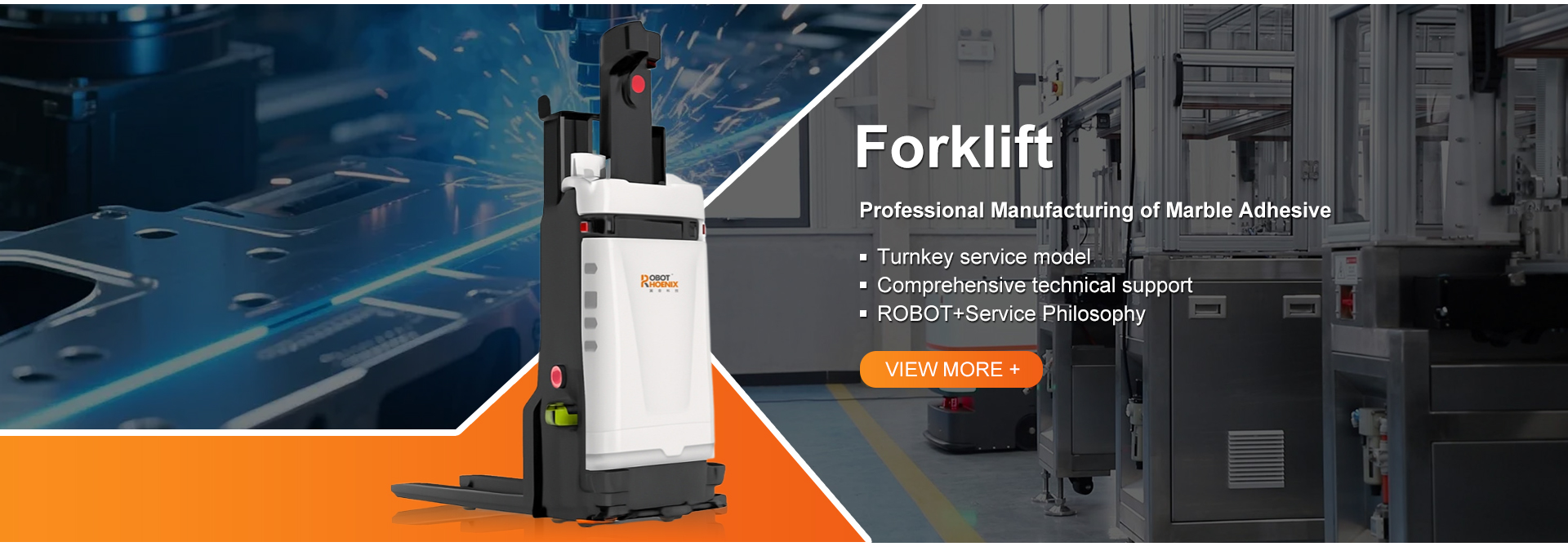
Where Automated Forklifts, AMRs and Robots Fit in the Philippines
The Philippines is not one single logistics market. Site conditions in a Cavite 3PL warehouse, a Laguna PEZA plant and a Cebu distribution center can require different navigation, safety and integration choices.
3PL & E-commerce Fulfilment
Use autonomous forklifts or 400–500 kg AMRs to move pallets and totes between receiving, putaway, staging and dispatch. Fleet management helps coordinate repeated routes across shifts.
PEZA Manufacturing & Electronics
SCARA robots support compact assembly and insertion cells. AMRs can deliver work-in-progress between stations, reducing manual cart traffic while keeping line-side replenishment predictable.
Wet Wipes & Personal Care
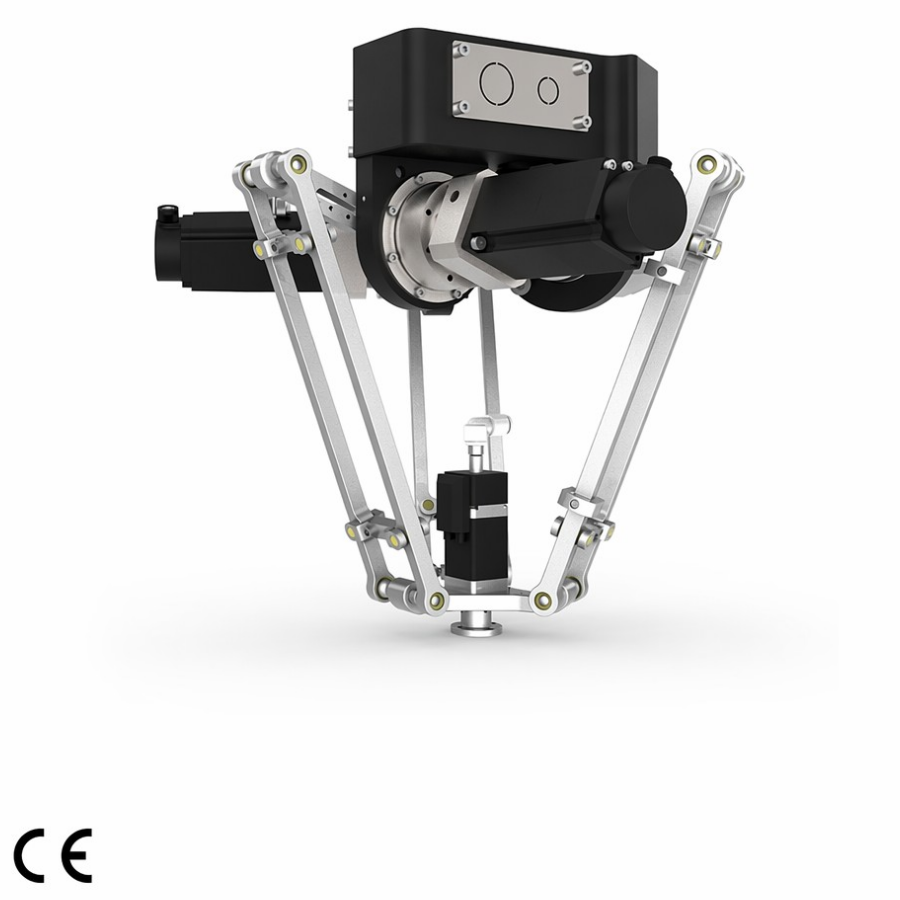
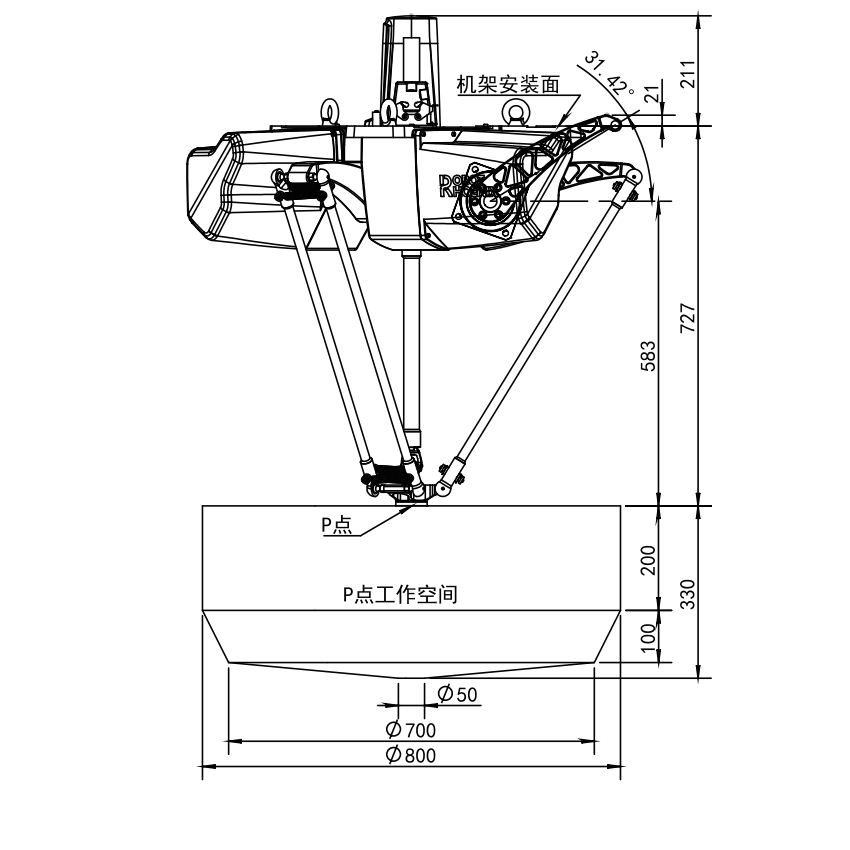
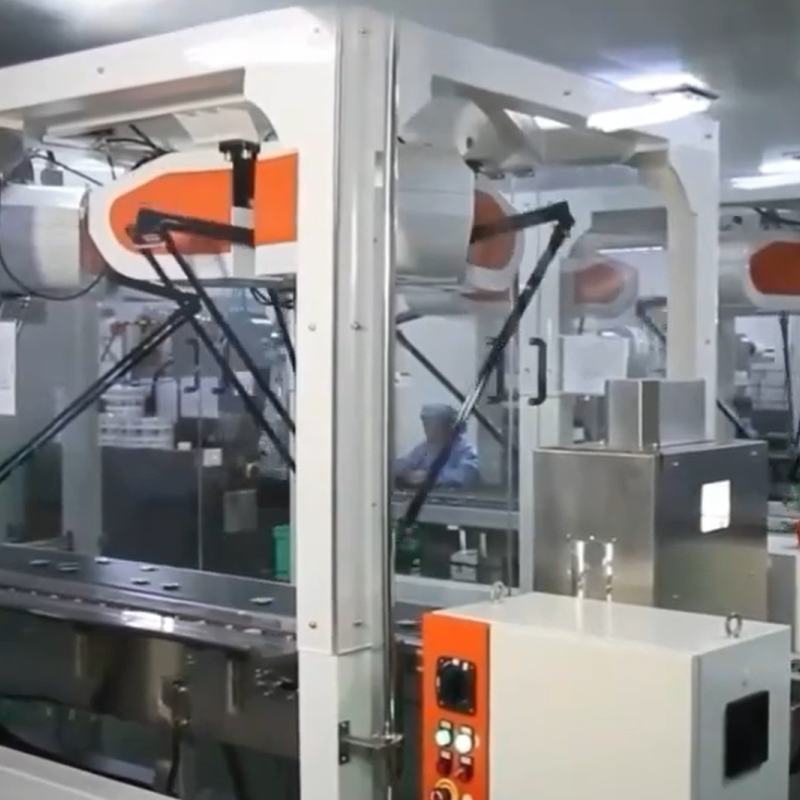
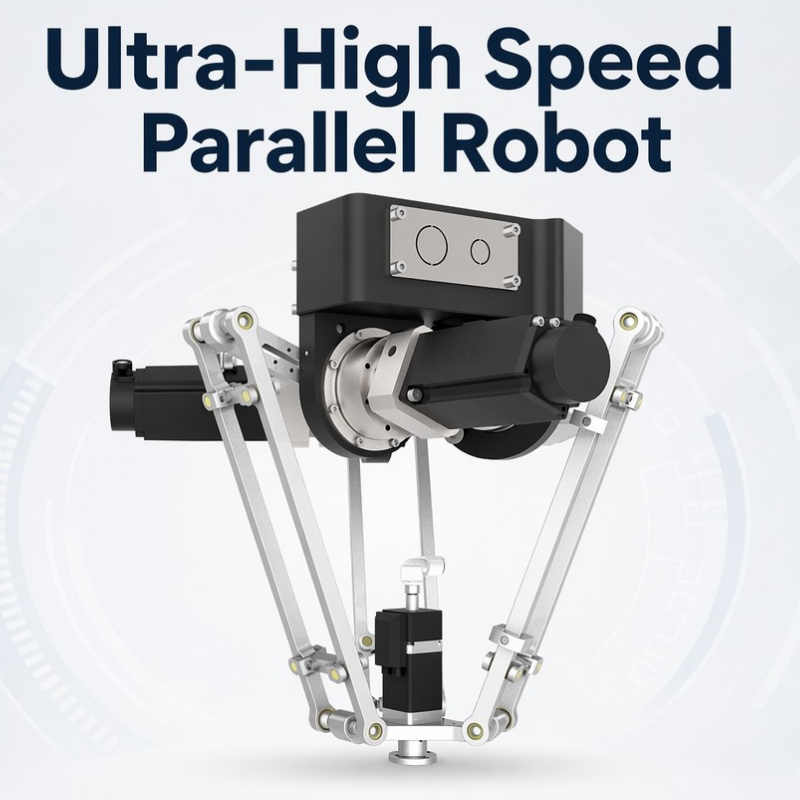
High-speed delta robots are suited to lid application, bottle unscrambling and carton packing. These are repetitive, precision-sensitive tasks where cycle consistency matters more than brute payload.
Cold Chain & Food Distribution
Automated transfer can reduce repeated entry into chilled areas and improve shift consistency. The final scope still needs condensation, cleaning, traffic and safety validation for each site.
Port & Distribution Centers
Long pallet shuttles and repetitive staging runs are strong candidates for laser SLAM forklifts. Charging location, route clearance and crossing-point safety should be designed upfront.
Semiconductor & Solar
Wafer handling robots support fragile-substrate transfer where smooth motion and repeatability matter. Custom end-effectors may be required after reviewing the carrier and clean-environment requirements.
Six Trends Shaping Automated Forklift Procurement in the Philippines
Buyers are becoming more technically literate. The winning supplier conversation is moving away from “cheapest unit” toward measurable uptime, integration quality and lifecycle support.
From Single Machine to Fleet Thinking
Philippine buyers increasingly ask how five or ten robots will share traffic, charging and task priorities. Fleet management and route logic are becoming part of the purchase decision.
Total Cost of Ownership Over Unit Price
Labor turnover, damage, safety incidents, downtime and spare-parts lead time matter more than a low initial quote. Serious suppliers help calculate these categories before the order.
Layout and Safety Engineering First
Warehouse teams now request site surveys, aisle definitions and pedestrian crossing plans before committing to automation. This is a healthy shift—robots cannot fix an unsafe layout.
WMS and ERP Integration
Buyers want task assignment, status feedback and exception reports connected to existing systems. API and PLC integration questions should be raised before the technical proposal.
Workplace Safety Due Diligence
Safety is no longer a checklist at the end. Risk assessment, traffic rules, emergency stops, obstacle detection and operator training are evaluated earlier in the project.
Local Service & Spare-Parts Planning
Support language, time zone, remote diagnostics and critical spare parts affect uptime. Wholesalers and integrators that can offer first-line service are becoming more valuable.
Illustrative Due-Diligence Priority for Philippines Buyers
This is a practical evaluation framework—not a statistical survey. Use it to align procurement, operations and engineering before requesting final pricing.
Automated Forklift vs AMR vs Fixed Robot: Select by Workflow
Before comparing quotes, define the work. A pallet shuttle, a cart route and a high-speed packaging cell are different automation problems with different payback drivers.
| Automation Option | Best Fit in the Philippines | Strength | Watch-Out | Choose It When |
|---|---|---|---|---|
| Pallet TransportLaser SLAM Autonomous Forklift | 3PL, distribution centers, warehouse putaway and replenishment | Flexible routes without fixed floor tracks; takes over repetitive pallet shuttles | Requires route mapping, safety-zone planning, charging strategy and obstacle management | You need pallet-level transport and want safer, more predictable shift coverage. |
| Cart & Tote Flow400–500 kg AMR / AGV | Line-side delivery, electronics, pharma and e-commerce zones | Compact platforms, fleet coordination and adaptable routes | Network coverage, traffic rules and floor conditions must be checked | You have repeated short routes and want a scalable pilot before wider automation. |
| High-Speed PickDelta Parallel Robot | Wet wipes, personal care, food and consumer goods packaging | Fast pick-and-place, vision readiness and repeatable cycle consistency | Fixed guarding and line integration are required; payload is limited | Your bottleneck is repetitive picking, sorting, labeling or cartoning from a conveyor. |
| Precision PlacementSCARA Robot | Electronics assembly, insertion, inspection and small-part handling | Compact footprint with precise planar motion | Less suited to random high-speed conveyor picking | You need accurate placement in a compact cell with predictable part presentation. |
| Fragile SubstrateWafer Handling Robot | Semiconductor and solar manufacturing | Smooth, repeatable handling with custom end-effector options | Clean-environment, carrier and contamination requirements need review | You handle fragile substrates where manual transfer risk is unacceptable. |
Specifications shown for JORI product families include 3–6 kg payload delta options, 0.08 mm repeatability, IP54 variants, 400–500 kg AMR platforms and PLC-ready integration. Final configuration must be confirmed against your actual line and site survey.
A Philippines-Specific Checklist Before You Approve an Automated Forklift Order
Use this checklist to compare suppliers on engineering quality rather than brochure claims. It also creates the information gain your internal team needs for a defensible purchasing decision.
1. Measure the Real Workload
Record pallet or cart weight, dimensions, travel distance, trips per hour, peak shifts and pallet condition. A robot sized to an average day can fail during seasonal peaks.
2. Confirm Site & Safety Conditions
Check floor flatness, aisle width, racking clearance, blind corners, pedestrian crossings, charging locations and fire-safety rules. Safety validation belongs in phase one.
3. Map WMS / ERP / PLC Integration
Ask how tasks are assigned, how exceptions are reported and what happens during network loss. For packaging lines, confirm PLC-ready interfaces and vision requirements early.
4. Plan Spare Parts & Training
List critical wear parts, expected replacement intervals, remote diagnostics options and operator/maintenance training. Uptime depends on response logistics, not only product quality.
5. Clarify Commercial & Import Terms
Confirm Incoterms, port of discharge, packing, warranty, payment method and documentation. Use a Philippine customs broker for HS codes, duties and VAT; this guide is not local tax advice.
6. Verify the Supplier
Review company profile, onsite verification, credit and trade records, product patents and buyer reviews. Request a factory video and references relevant to your application.
Why JORI Is a Credible Factory Partner for Philippine Automation
JORI competes on engineering accountability: robot hardware, controllers, vision and OEM support are developed and coordinated by one manufacturer.

Factory Accountability, Not a Reseller Chain
When a Philippine buyer sources an autonomous forklift, AMR or high-speed packaging robot, the supplier must answer three questions: can you support the application, can you keep the unit running, and can you prove your company is real? JORI answers through verifiable company information and a product scope that includes delta parallel robots, SCARA robots, AGV/AMR platforms, autonomous forklifts and wafer handling robots.
The company reports 500+ employees, a 10,000+ m² factory area and ISO 9001 quality management. Its internal engineering covers controllers and 2D/3D vision, which reduces the fragmentation that occurs when robot hardware, vision and controls come from different vendors. For wholesalers and machine builders, JORI also provides OEM, design and buyer-label support.
Before payment, buyers can review the supplier assessment, credit profile, trade capacity, transaction level and trade history on the original website. That is the right due-diligence behavior for any cross-border automation project.
Independent R&D Since 2012
Long-term engineering focus across robot structures, controllers and vision—not a trading catalogue assembled from unrelated suppliers.
ISO 9001 & Onsite-Verified
Documented quality management and third-party onsite verification support a more reliable supplier evaluation.
Self-Developed Controllers & Vision
One engineering team can align robot motion, vision and integration logic, reducing vendor hand-off risk.
OEM, Design & Buyer Label
Machine builders and wholesalers can discuss customization, end-effectors and brand-label requirements with the factory.
Patented Product Families
National patents across delta, SCARA, wafer and AGV development support the company’s technical positioning.
Fast inquiry Response
Average response time of two hours or less and a 97.06% response rate help Philippine buyers keep project timelines moving.
A Practical Path for Philippine Wholesalers and System Integrators
If you serve 3PLs, food manufacturers, electronics plants or packaging converters, JORI can support a factory-direct partnership conversation around product mix, customization and after-sales scope. The goal is not to push every robot into every project; it is to match the right product family to the customer’s process.
Standard delta robots, SCARA robots and AMR/AGV platforms can be ordered from 1 set, which lets you validate a pilot cell before scaling. For wholesale or distributor discussions, be ready to share target industries, estimated annual units, service capability, spare-parts plan and whether you need OEM or buyer-label support.
JORI does not make unverifiable claims about a local Manila warehouse. Delivery, support coverage and spare-parts arrangements should be confirmed project by project in the quotation and service agreement.
Send an InquiryWhat to Send for a Faster Engineering Review
- Product photos, weight, dimensions and pack pattern
- Required cycle time, shift pattern and peak throughput
- Aisle width, racking layout, floor condition and charging location
- Existing WMS/ERP/PLC details and integration expectations
- Destination port, Incoterms preference and target installation date
Common Questions from Philippine Procurement Teams
These answers reflect JORI’s published product, company and commercial information. Project-specific terms must be confirmed in writing.
Are JORI automated forklifts and AMRs available for the Philippines market?
Yes. JORI exports to Southeast Asia and can support shipments to Philippine ports such as Manila, Subic, Batangas, Cebu and Davao, subject to the final project quotation. Product families include laser SLAM autonomous forklifts, 400–500 kg AMR/AGV platforms, delta robots, SCARA robots and wafer handling robots. Confirm the exact port, Incoterms, packing and delivery schedule before issuing a purchase order.
What is the minimum order quantity for JORI robots and automated forklifts?
Standard delta robots, SCARA robots and AMR/AGV platforms can be ordered from one set, so a Philippine buyer can validate a single cell or pilot line before scaling. Wholesale and distributor discussions can cover mixed models, spare parts and service planning, but volume terms should be confirmed project by project.
Which delivery and payment terms are accepted?
Published delivery terms include FOB, CFR, CIF, EXW, CIP, FCA, CPT and express delivery. Payment methods include T/T, L/C, credit card, PayPal, Western Union, MoneyGram and escrow, in currencies such as USD, EUR, GBP, JPY, CAD, AUD, HKD, CHF and CNY. Final terms are subject to order confirmation and commercial review.
What site conditions should a Philippine warehouse check first?
Check floor flatness, aisle width, racking clearance, pallet condition, pedestrian traffic, blind corners, charging location, fire-safety rules and network coverage. For AMRs and autonomous forklifts, route mapping and traffic logic should be reviewed before the final model is selected. A site survey is more valuable than a generic specification sheet.
Can JORI robots integrate with existing WMS, ERP, conveyors and packaging machines?
JORI develops its own controllers and 2D/3D vision and offers PLC-ready delta robots for cartoning and packaging integration. Machine builders such as wet wipe lid applicator and carton packer manufacturers can discuss custom end-effectors, controller integration and automated system integration. Share the existing control architecture and communication protocol for an accurate review.
How quickly does JORI respond to inquiries, and what after-sales support is available?
JORI reports an average response time of two hours or less and a 97.06% response rate. After-sales scope can include remote support, spare-parts planning and training, with onsite service arrangements quoted according to the project and location. Buyers should confirm warranty terms, critical spare parts and escalation channels in the contract.
How can a Philippine buyer verify the supplier before paying?
Review the supplier assessment, credit profile, trade capacity, transaction level, trade history and buyer reviews. Request a factory video, relevant application references and written confirmation of company registration details. For JORI, these records are available through the original company profile and verification pages, including onsite assessment and trade history.
How should ROI and total cost of ownership be calculated in the Philippines?
Include labor cost and turnover, shift coverage, product damage, safety exposure, throughput improvement, energy consumption, maintenance, spare parts, integration, training, import duties and VAT. Then compare a pilot deployment against the current process. A robot that reduces one bottleneck may still fail if charging, maintenance or integration costs are ignored. Use actual site data, not vendor assumptions.
Planning an Automated Forklift, AMR or Robotic Cell for the Philippines?
Send your product details, cycle time, pallet dimensions, aisle layout and destination port. JORI engineers can review the application and recommend a suitable factory-direct configuration.
Send an Inquiry