8 Robot Modules for Palletizing, End-of-Line Automation and Pallet Transfer
The shortlist below is intentionally narrow. For an automated palletizing system in Phuket, the robot arm is only one part of the cell: grippers, conveyors, pallet dispensers, safety fencing and stretch-wrapping must be engineered around the carton range, pallet pattern and local operating conditions. These eight modules cover high-speed picking, precise placement, vision-guided handling and narrow-aisle pallet movement.
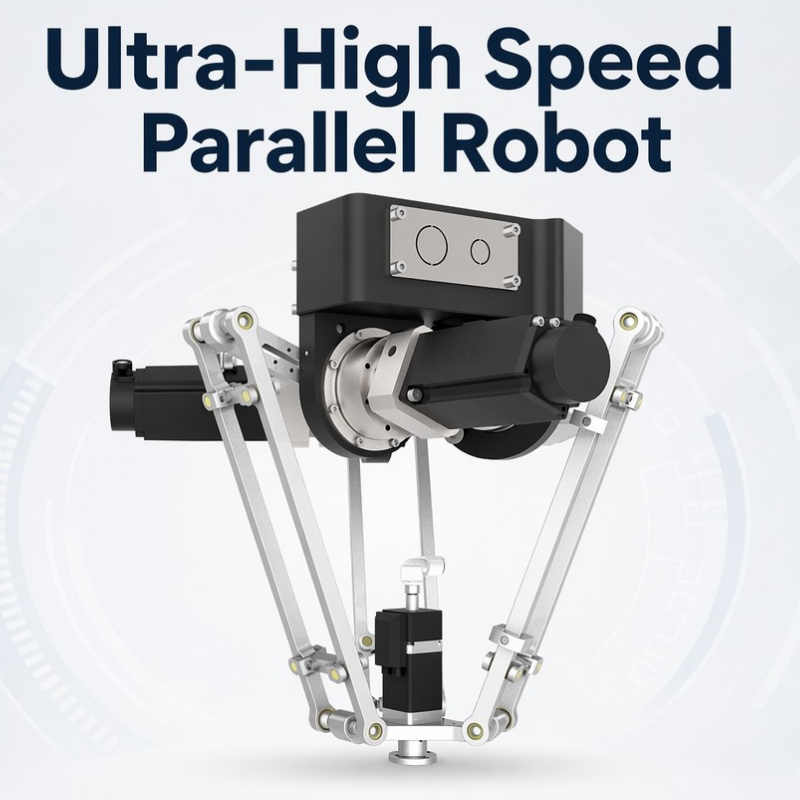
Newly Design Customized Integrated Robot Parallel Robot Delta for Pick Place and Sorting
Phuket fit: high-speed infeed sorting, tray loading and light-carton handling before palletizing.
View product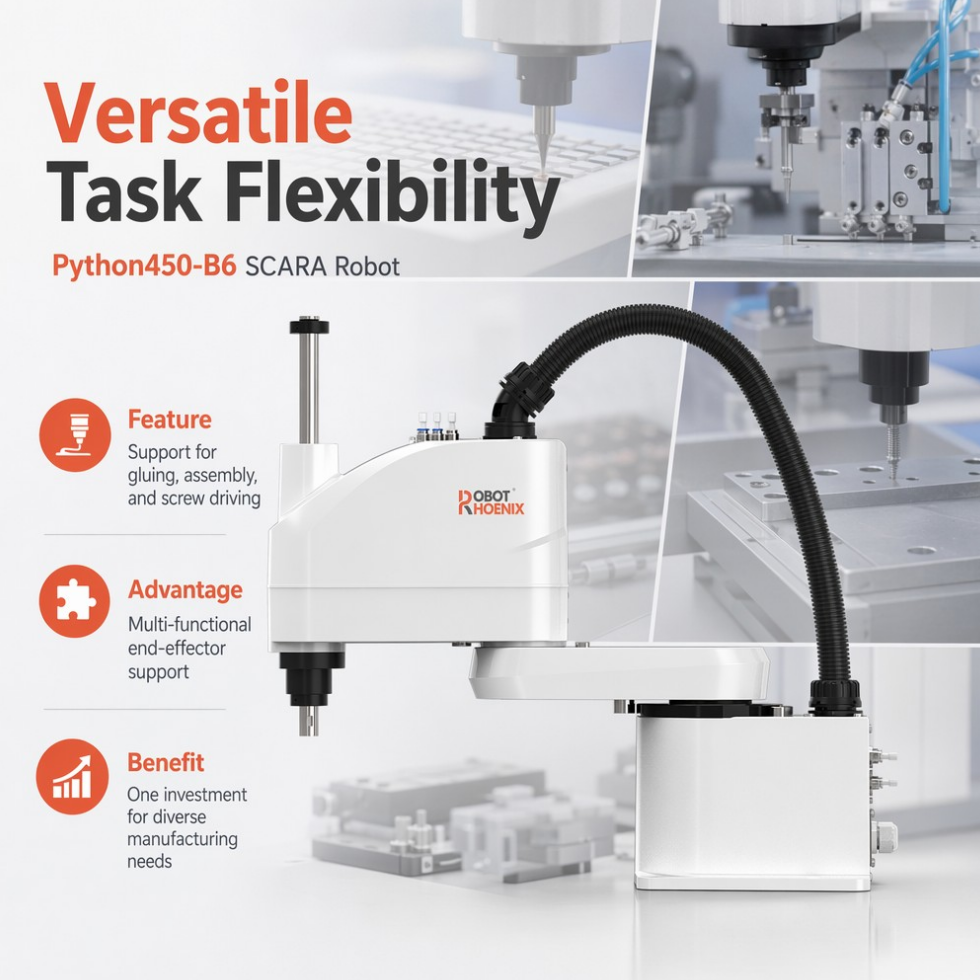
Newly Design Low Price Industrial Manipulator Scara Robot Arm with Integrated Motor
Phuket fit: cost-sensitive cells where reliable pick-and-place is needed in a compact footprint.
View product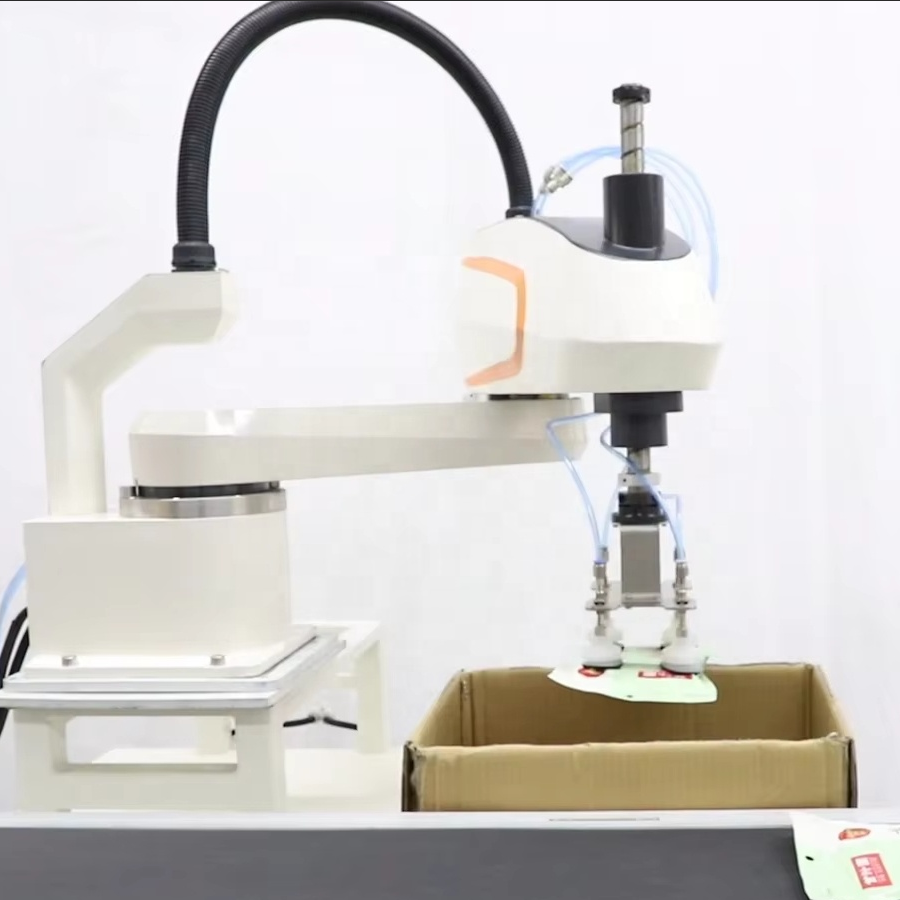
Light Load 4 Axis Industrial Manipulator Robot Scara Robot for Pick and Place Application
Phuket fit: light cartons, small components and end-of-line feeding where changeover speed matters.
View product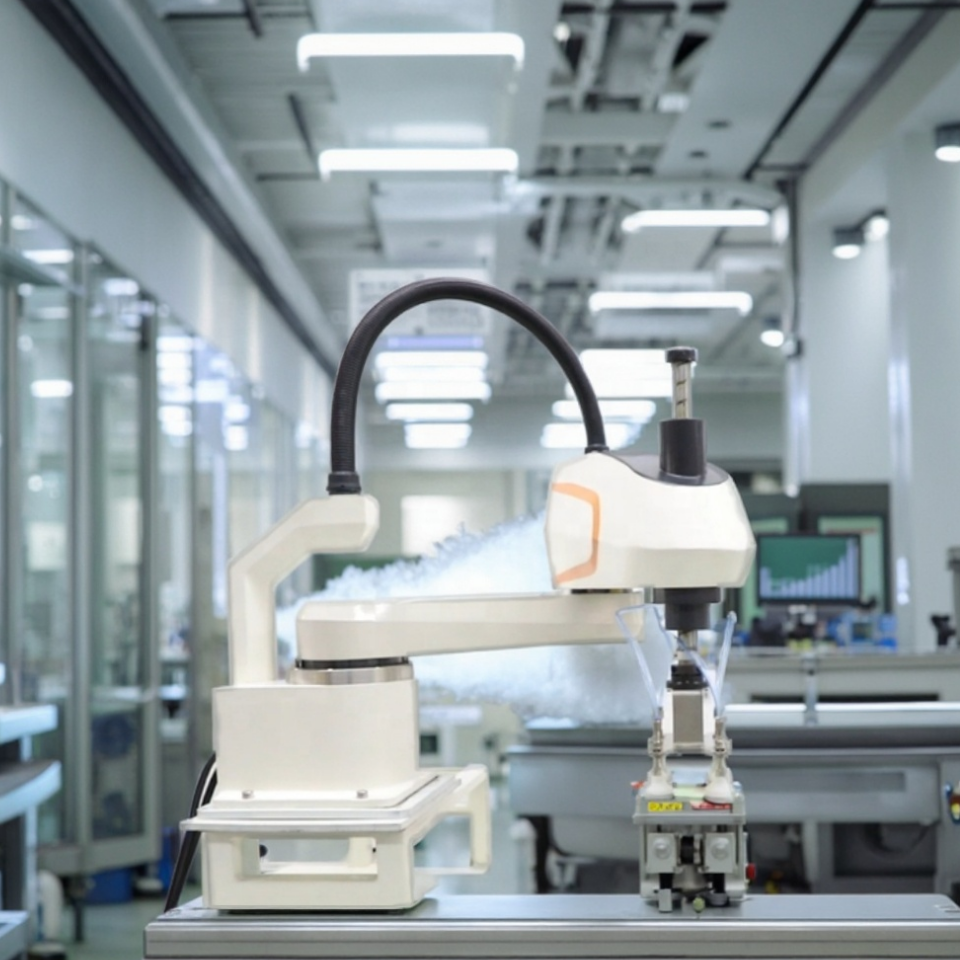
Industrial 4-Axis Robot Arm SCARA Robot Arm with Vision System for Auto Parts Industry
Phuket fit: vision-guided alignment for mixed-model production and accurate infeed placement.
View product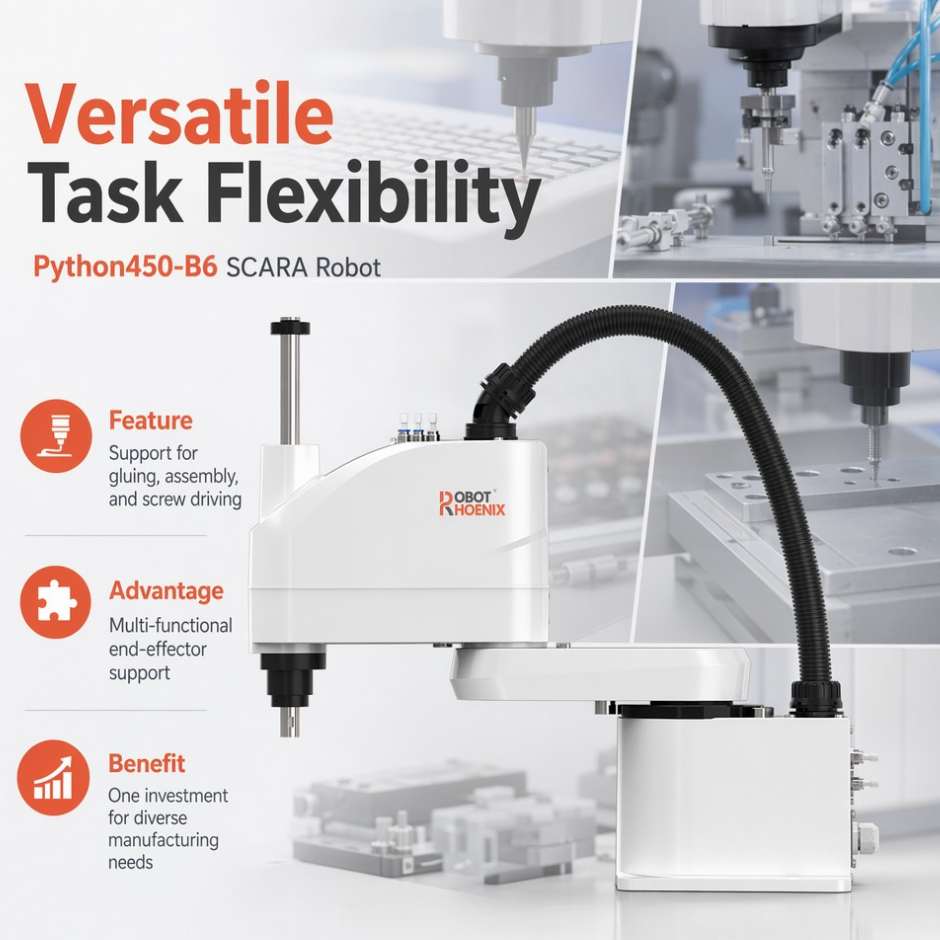
Four-Axis Industrial Robot Hand SCARA for Loading/Unloading and Sorting in Food Industry
Phuket fit: food loading, sorting and repetitive transfer tasks in chilled or high-hygiene areas.
View product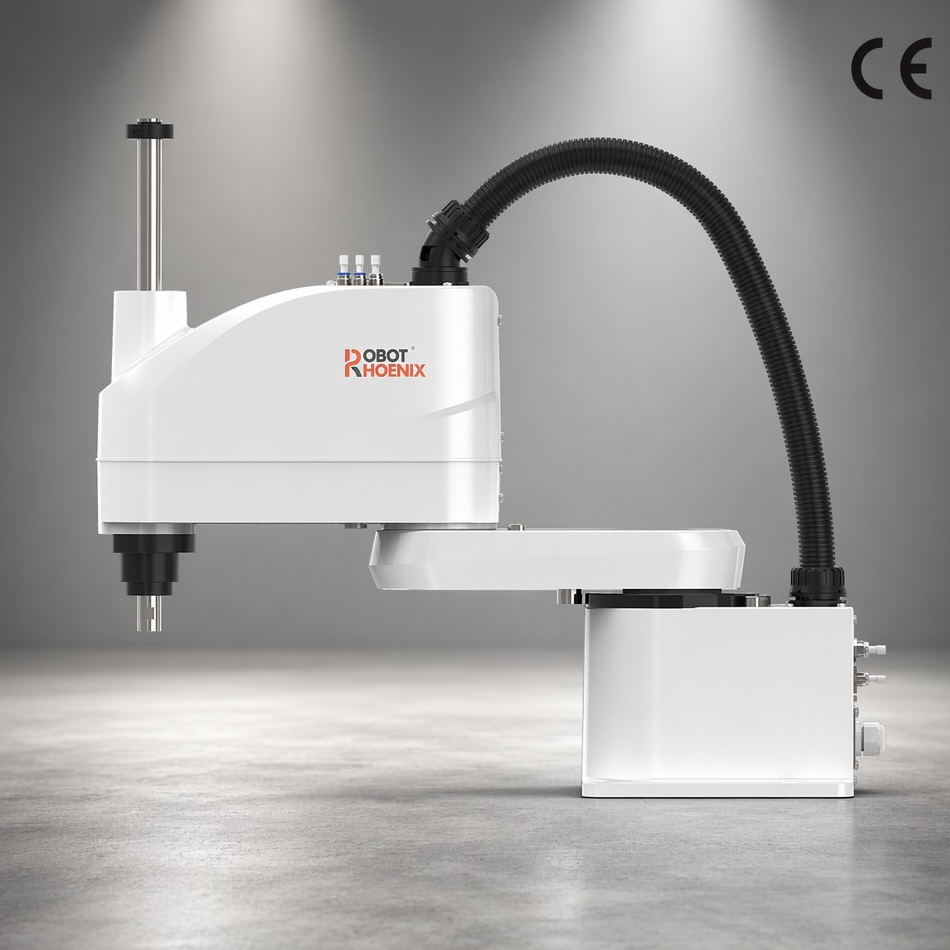
High Efficiency 6kg Payload Manipulator Scara Robot with Vision for Picking and Placing
Phuket fit: medium-payload picking with vision feedback for variable cartons and product positions.
View product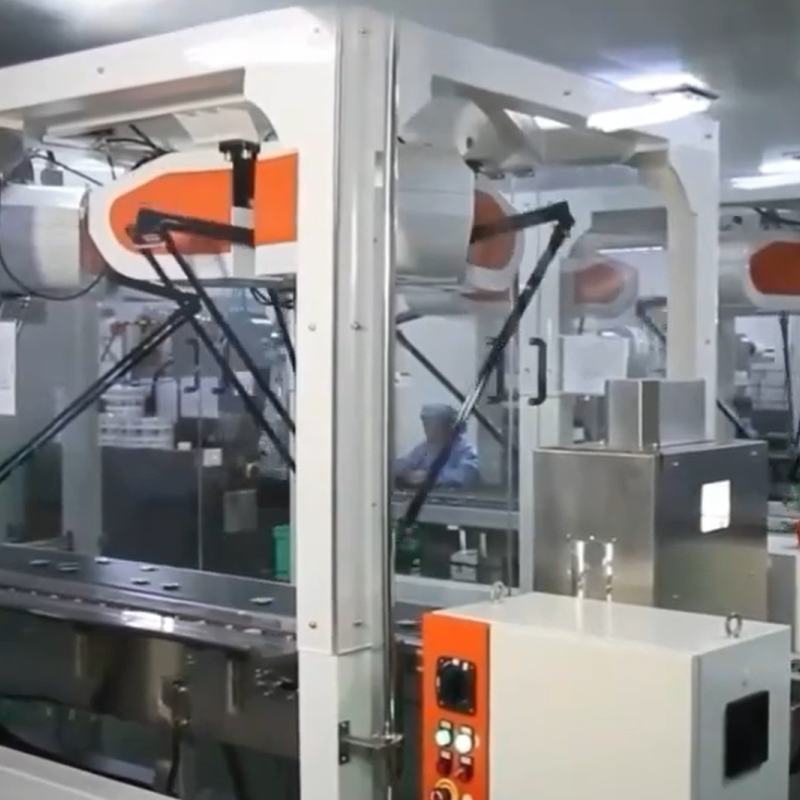
6kg Payload IP54 Protection Grade Pick Place Sorting Parallel Robot with Robot Gripper
Phuket fit: humid, washdown-adjacent or condensation-prone zones where IP54 protection is preferred.
View product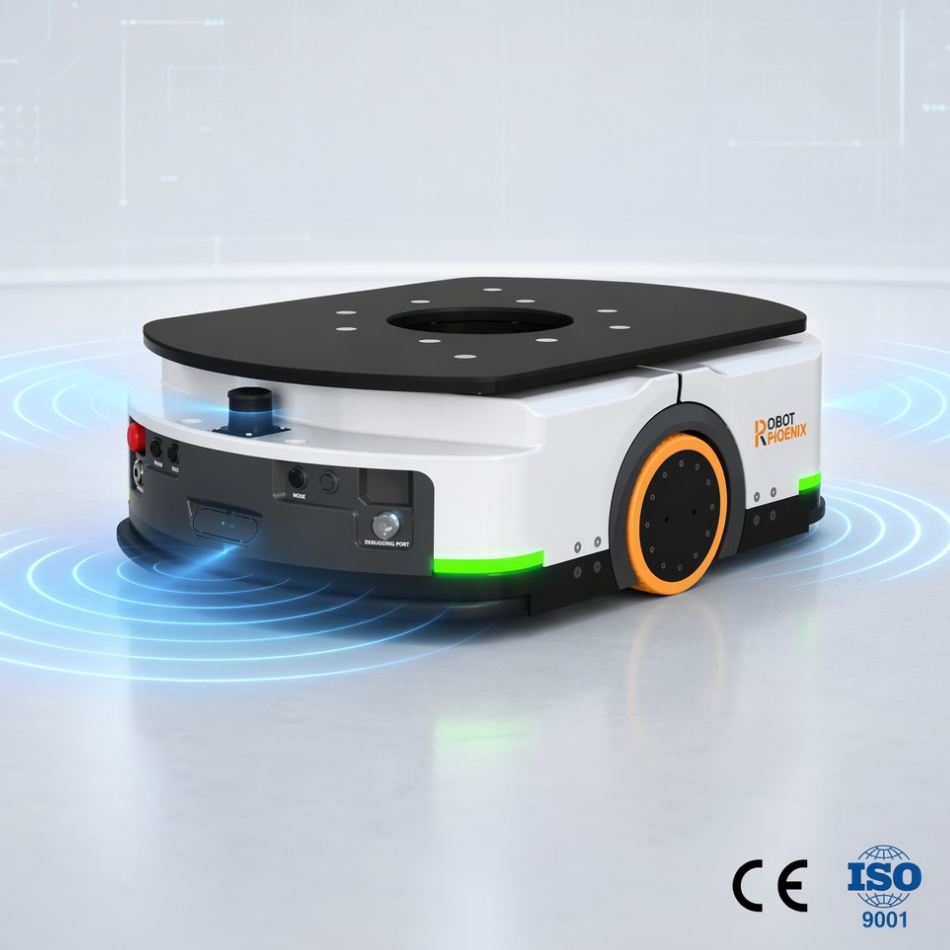
Compact and Latent Mobile Robot AGV for Narrow Aisle Warehouse and Factory Transportation
Phuket fit: moving pallets or totes through older factories and narrow aisles with limited floor space.
View productFrom Search Intent to Shop Floor: How Phuket Buyers Should Read This Query
The search phrase “automated palletizing system manufacturers & factories for the Phuket market” mixes three buying intents: finding a real factory, validating whether the system will survive local conditions, and obtaining a quotation that can be installed without disrupting production. A useful white paper must answer all three, not simply list robot models.
Phuket is not a generic “Thailand” search market. It combines tourism-driven demand peaks, export-oriented seafood and food processing, cold-chain logistics, land and floor-space constraints, and a climate best described as hot, humid and salt-laden. A palletizing cell specified for a dry inland warehouse may need different protection, service access and cleaning routines when it is installed near the Andaman coast. Buyers should also consider the wider southern Thailand supply chain: carton and film suppliers, local integrators, electrical contractors, spare-parts access and truck routes linking Phuket Port, airport cargo and mainland road networks.
For procurement teams, the critical question is not “which robot is cheapest?” but “which factory can document the engineering assumptions behind the cell?” That means asking for carton dimensions, pallet patterns, cycle time, gripper design, voltage, safety category, floor condition, humidity exposure and operator training. Factory-direct accountability matters because palletizing uptime depends on the controller, vision, gripper and conveyor interface working together, not on the arm alone.
Factory Verification
Check founding year, production area, employee scale, ISO 9001 status, export history and whether the controller and vision are developed in-house. This reduces the risk of buying a rebadged arm with a fragmented support chain.
Climate-Ready Specification
For Phuket, ask about IP54 protection, corrosion-conscious fasteners, cold-room condensation, washdown-adjacent placement and cable routing under high humidity.
Line Integration
A palletizing cell must communicate with checkweighers, labelers, carton sealers, pallet conveyors and safety systems. Ask for PLC-ready interfaces, I/O lists and who owns the integrated acceptance test.
Local Support & Spares
Define a critical spare-parts list, remote diagnostics rules, operator training and response-time expectations before the purchase order, not after the first unplanned stoppage.
Where Automated Palletizing Creates ROI in Phuket
Palletizing pays back when it removes a repetitive, safety-sensitive or bottleneck task that cannot be staffed consistently during peak season. In Phuket, the strongest starting points usually involve seafood and food export, cold-chain warehouses, retail distribution and compact factory layouts.
Seafood & Frozen Food Export
Case and carton palletizing from cold rooms, with grippers designed for wet or frozen packaging, stable layer patterns and traceability labels. IP54 delta and food-handling SCARA modules can support upstream sorting and loading tasks.
Food, Beverage & Hospitality Supply
Hotels, resorts and distributors require mixed-SKU cartons and short delivery windows. Vision-guided SCARA picking and flexible pallet patterns help factories switch between products without rewriting the whole line.
Rubber, Latex & Light Industrial
Repetitive carton stacking, bag handling and pallet transfer can be stabilized with a compact robot cell and AGV pallet movement. The layout should account for dust, product variation and local maintenance access.
Warehouse & Port Logistics
Narrow-aisle AGVs and 400–500 kg AMR platforms can move pallets or totes between receiving, staging and dispatch. For Phuket operators, floor surveys, Wi-Fi coverage and charging strategy are as important as payload.
Retail & FMCG Distribution
Seasonal tourism demand creates peaks in bottled water, packaged food, cleaning products and household goods. Palletizing cells with quick recipe changeover reduce overtime and protect delivery schedules.
OEM Machine Builders
Local integrators and packaging-machine builders need PLC-ready robots, custom end-effectors, documentation and private-label options. A factory that supports OEM engineering can shorten project cycles for Phuket end users.
What Is Changing in Phuket Palletizing Demand?
Phuket’s automation conversation is moving from “Can we replace one manual task?” to “Can the cell remain flexible through high season, low season, product changes and staff turnover?” The directional priorities below reflect the application questions export-oriented food and logistics buyers typically raise before a factory visit.
Labor Continuity Through Peak Season
Tourism and export orders create uneven staffing pressure. Buyers want cells that can run predictable shifts without depending on scarce night-shift labor.
Humidity, Salt Air & Cold Chain
Condensation, washdown-adjacent zones and coastal humidity push buyers toward IP54 options, protected cabling and corrosion-conscious maintenance plans.
Space-Efficient Layouts
Land and floor space are expensive. Compact SCARA cells, low-profile AGVs and well-planned pallet conveyor routes are often more valuable than a bigger robot.
Mixed SKU & Traceability
Retail, food-service and export customers demand more product codes per shift. Vision, recipe management and barcode reading are becoming standard expectations.
The index above is directional and intended for project discussion only. It is not a statistical survey of the Phuket market. Final automation priorities should be validated with your carton data, labor model, floor plan and export audit requirements.
Match the Robot Module to the Phuket Task
Use this matrix to narrow the technical conversation before requesting a layout or quotation. A complete palletizing cell may combine more than one module.
| Phuket Need | Suggested Robot Module | Why It Matters Locally | Ask Before Ordering |
|---|---|---|---|
| High-speed carton or tray picking | Delta parallel robot, 3–6 kg payload, IP54 option | Fast infeed and sorting before palletizing; useful for seafood, bakery, FMCG and small cartons. | Cycle-time target, product weight, gripper style, conveyor tracking, washdown exposure. |
| Precise placement and infeed alignment | 4-axis SCARA with vision or integrated motor | Compact footprint for high-cost floor space; good for food loading, electronics and light assembly. | Repeatability, vision calibration, product mix, operator interface language. |
| Narrow-aisle pallet or tote movement | Compact latent AGV | Older Phuket factories and warehouses often have constrained aisles and mixed pedestrian traffic. | Floor survey, route planning, safety scanners, charging location, Wi-Fi stability. |
| Multi-point material flow | 400–500 kg AMR platform with fleet management | Supports staging, cold-store transfer and dispatch without fixed floor tape. | Fleet size, traffic rules, battery strategy, integration with doors and lifts. |
| OEM machine builder integration | PLC-ready delta or SCARA, custom gripper, private label | Local integrators can deliver a localized machine while keeping core robot engineering factory-direct. | Protocol support, documentation package, spare-parts list, buyer-label approval. |
Why JORI as a Factory-Direct Palletizing Automation Partner for Phuket
JORI Intelligent Technology Co., Ltd. was founded in 2012 in Jinan, Shandong, China, and specializes in industrial robot R&D, controller and 2D/3D vision development, OEM support and automated system integration. For a Phuket buyer, that means the robot arm, controller, vision and application engineering can be discussed with one accountable factory team rather than separated across several resellers.
Robot, Controller & Vision
JORI develops delta robots, SCARA robots, AGV/AMR platforms, controllers and vision systems in-house. This helps stabilize interfaces between picking, placing, pallet-transfer and safety logic.
MOQ 1 Set, Design Support
Standard models can be ordered from one set, allowing Phuket buyers to validate a pilot cell before scaling. OEM service, design service, buyer-label options and custom end-effectors are available for machine builders.
IP54 and Food-Handling Options
For humid and cold-chain environments, IP54-protected delta robots and food-industry SCARA configurations can be evaluated against cleaning routines, condensation risk and maintenance access.
Five Continents, Verified Credentials
ISO 9001 quality management, onsite-verified manufacturer status, export experience across Southeast Asia and other regions, plus delivery terms including FOB, CFR, CIF, EXW, CIP, FCA and CPT.

Factory evidence: robot manufacturing and assembly capability supported by in-house engineering.

Testing and run-in routines help confirm motion, controller and vision performance before shipment.

Application engineering support for machine builders, integrators and end users planning new cells.
Procurement Questions Phuket Factories Ask First
These answers are written for factory owners, procurement teams and system integrators comparing automated palletizing system manufacturers and factories for the Phuket market.
What is the minimum order quantity for JORI robots?
Can JORI supply a complete palletizing system or only the robot?
Should a Phuket project choose delta, SCARA or AGV?
How should humidity, salt air and cold rooms be handled?
What electrical standard should be confirmed for Thailand?
Which delivery and payment terms are accepted?
How are installation, training and spare parts planned?
Does JORI offer OEM or private-label support?
Request a Phuket-Specific Palletizing Layout Review
Send carton dimensions, product weight, pallet pattern, target cycle time, available floor space, voltage and photos or video of the current end-of-line process. Our engineers can then recommend a delta, SCARA, AGV or combined module configuration and confirm the information needed for a quotation.