8 Production-Ready Robot Modules for Portland Automation Projects
Below the banner are eight core products for buyers comparing China-based robotic production line factories serving Portland, Oregon and the wider Pacific Northwest. Each model can be evaluated as a stand-alone cell or integrated into a larger packaging, assembly or intralogistics line.
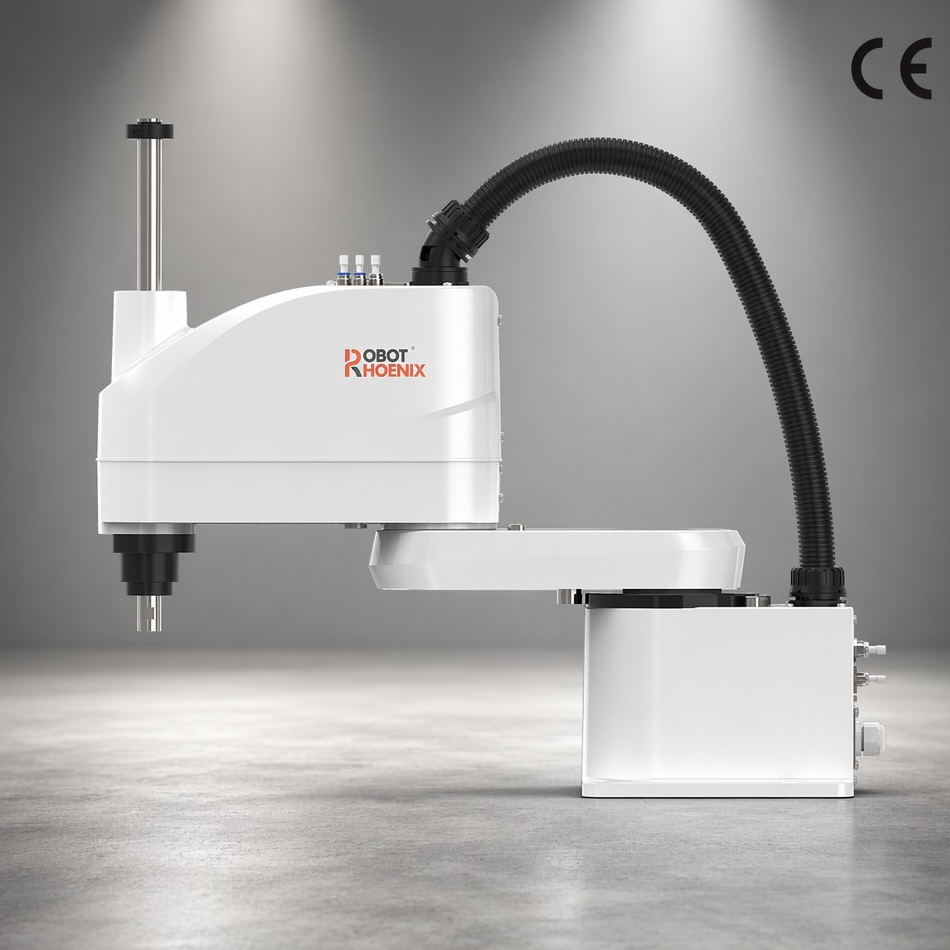
High Efficiency 6kg Payload Manipulator Scara Robot with Vision for Picking and Placing
Vision-guided pick-and-place for small parts, kitting and packaging where Portland producers need fast changeovers and consistent placement.
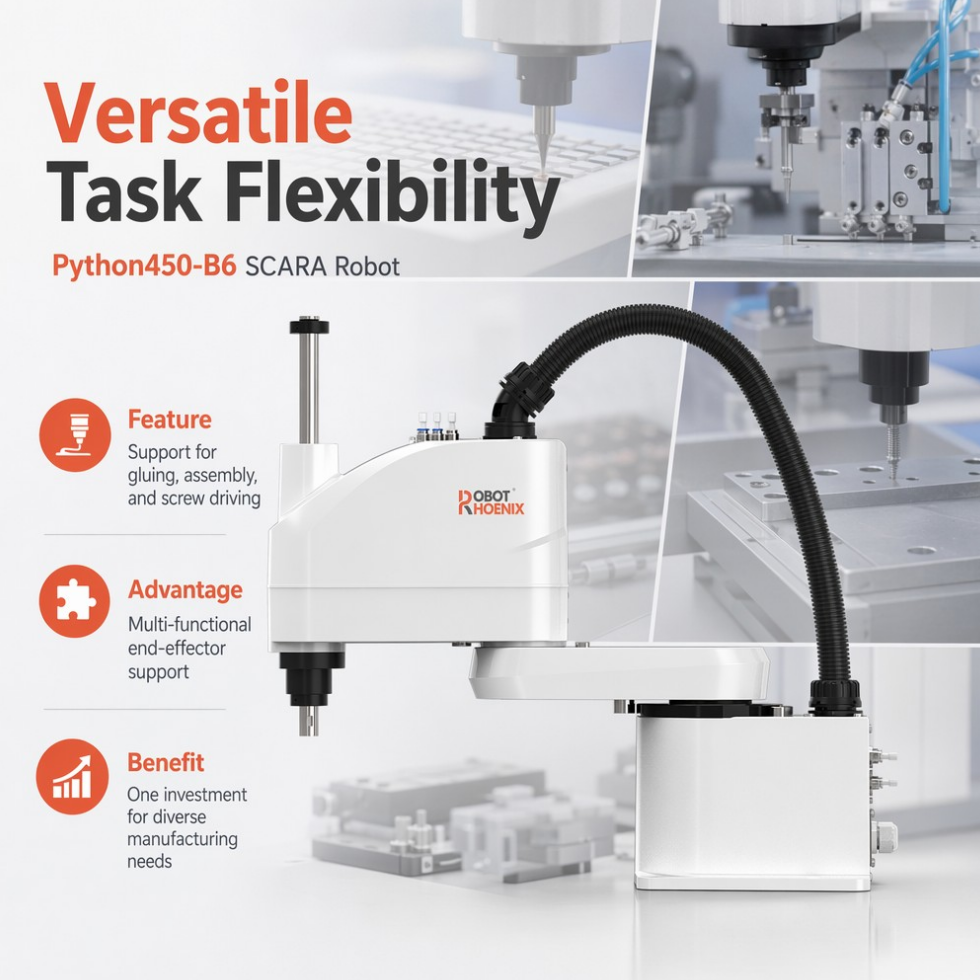
Newly Design Low Price Industrial Manipulator Scara Robot Arm with Integrated Motor
A practical SCARA platform for repetitive loading, assembly and packaging support where floor space and capital budget are tightly controlled.
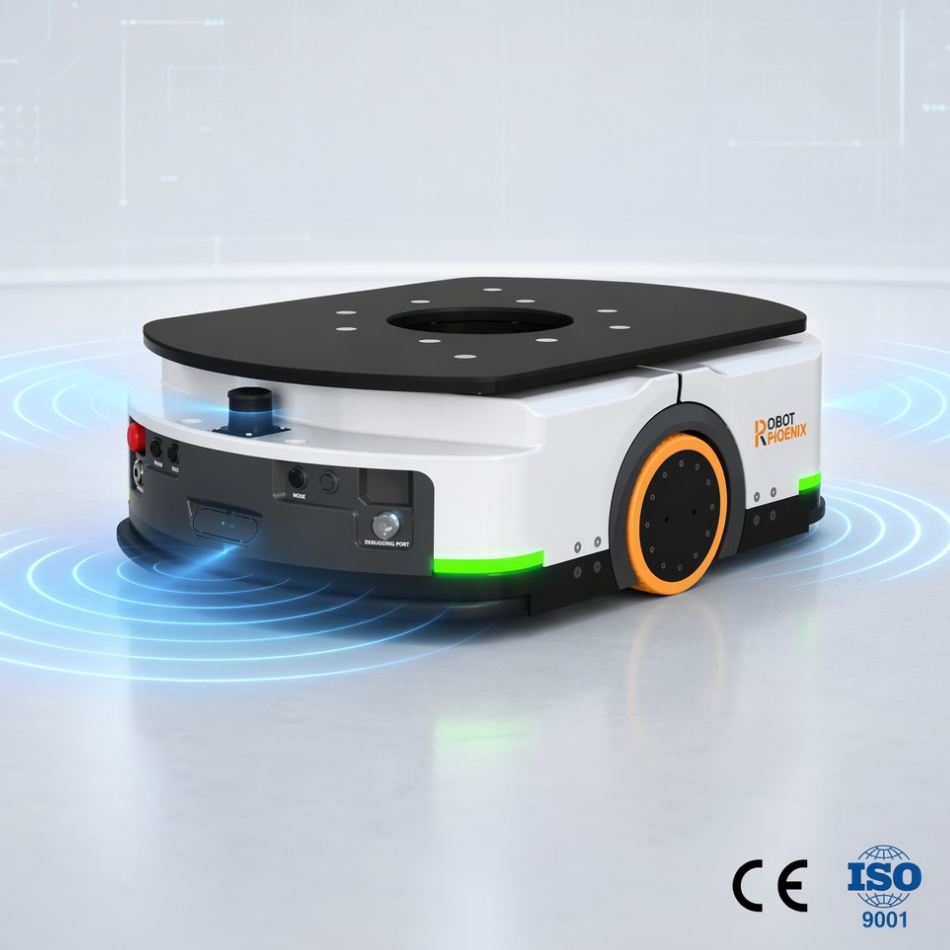
Compact and Latent Mobile Robot AGV for Narrow Aisle Warehouse and Factory Transportation
Low-profile transport for narrow aisles and retrofitted warehouses, ideal for Portland distribution sites where every square foot matters.
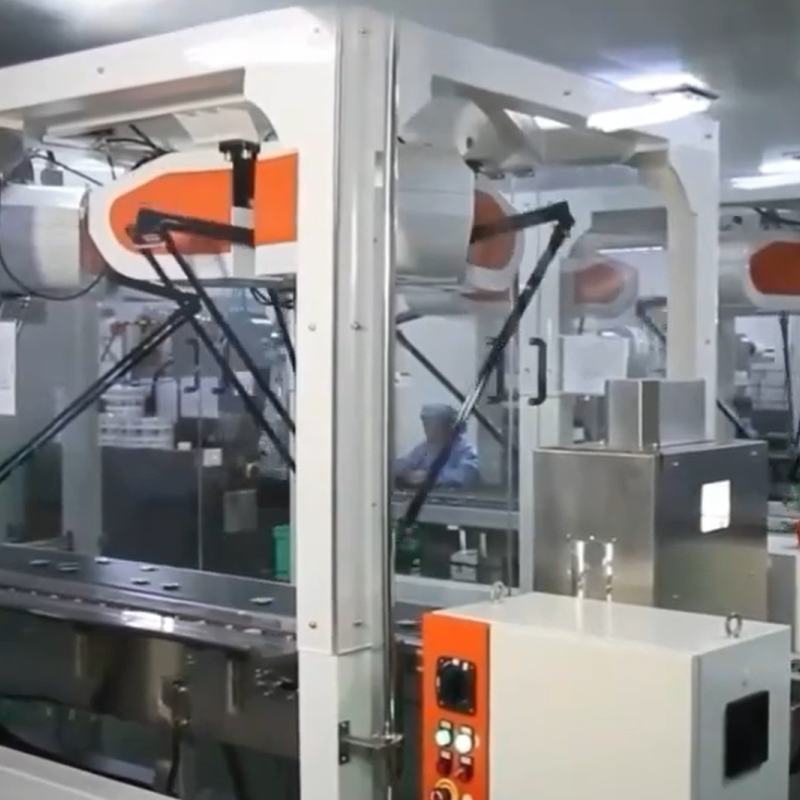
6kg Payload IP54 Protection Grade Pick Place Sorting Parallel Robot with Robot Gripper
High-speed delta picking for food, beverage and consumer-goods lines that need IP54 protection, quick cycles and reliable sorting.
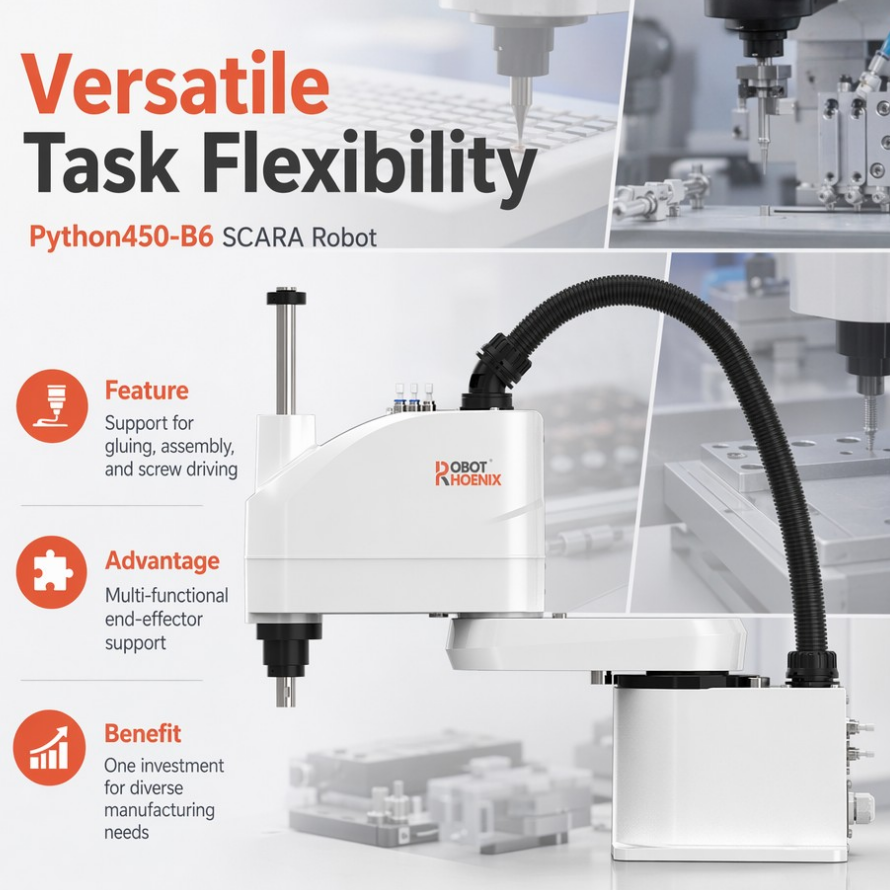
New Condition High Precision 400mm Reach Arm Scara Robot with PLC for 3C Electronic Assembly
Compact 400 mm reach for electronics insertion, inspection and small-part placement in high-mix Portland technology cells.
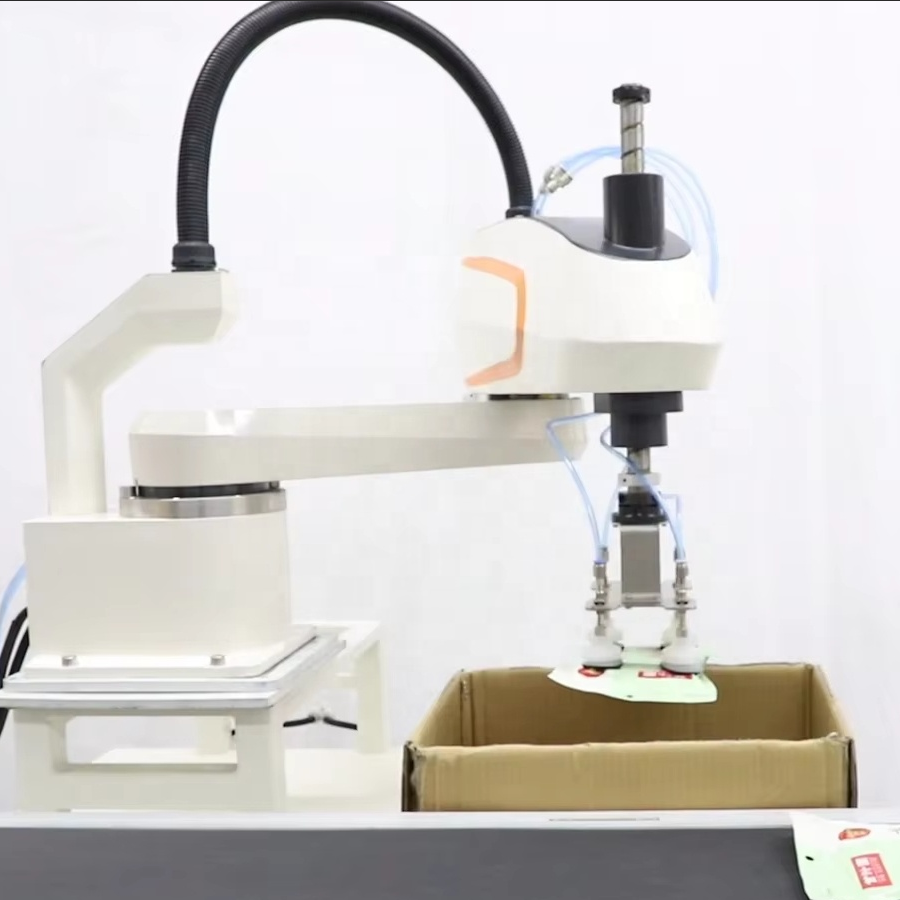
Light Load 4 Axis Industrial Manipulator Robot Scara Robot for Pick and Place Application
Light-load handling for assembly, tray loading and packaging tasks where simple programming and low maintenance are priorities.
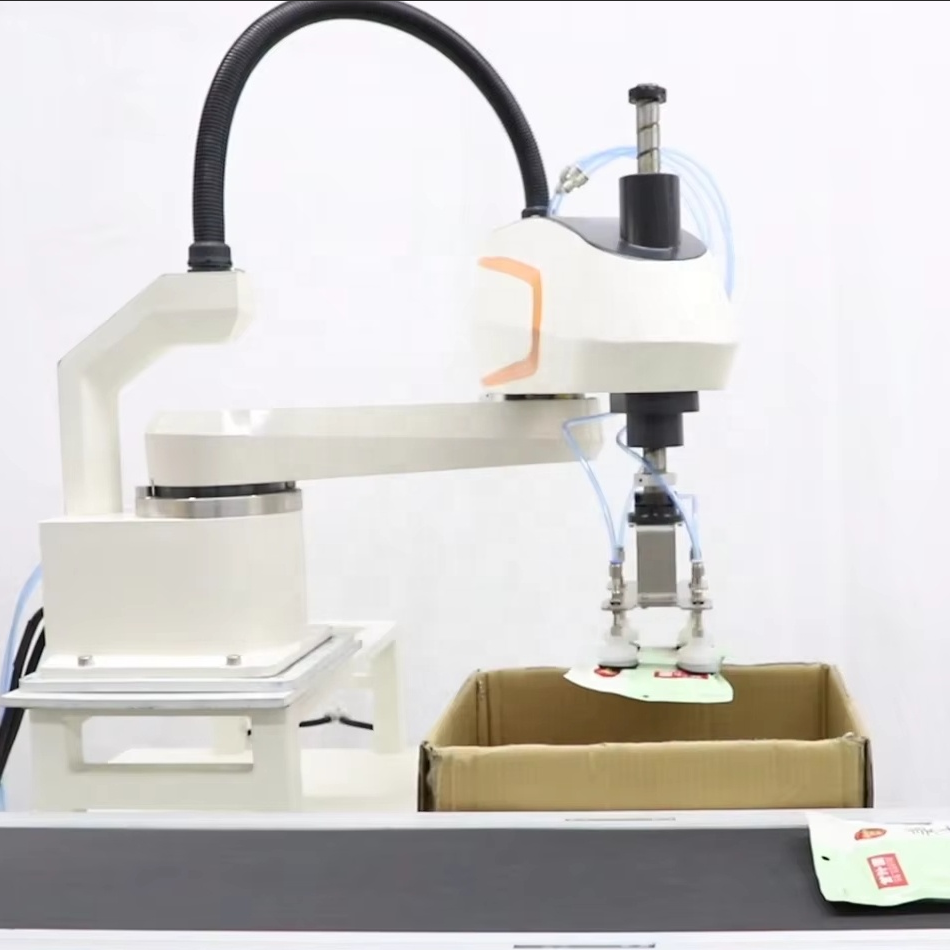
Newly Design Industrial Articulated Robotic Arm Scara for Precision Assembly & Handling
For assembly and handling steps that need stable repeatability, compact motion and straightforward integration with existing stations.
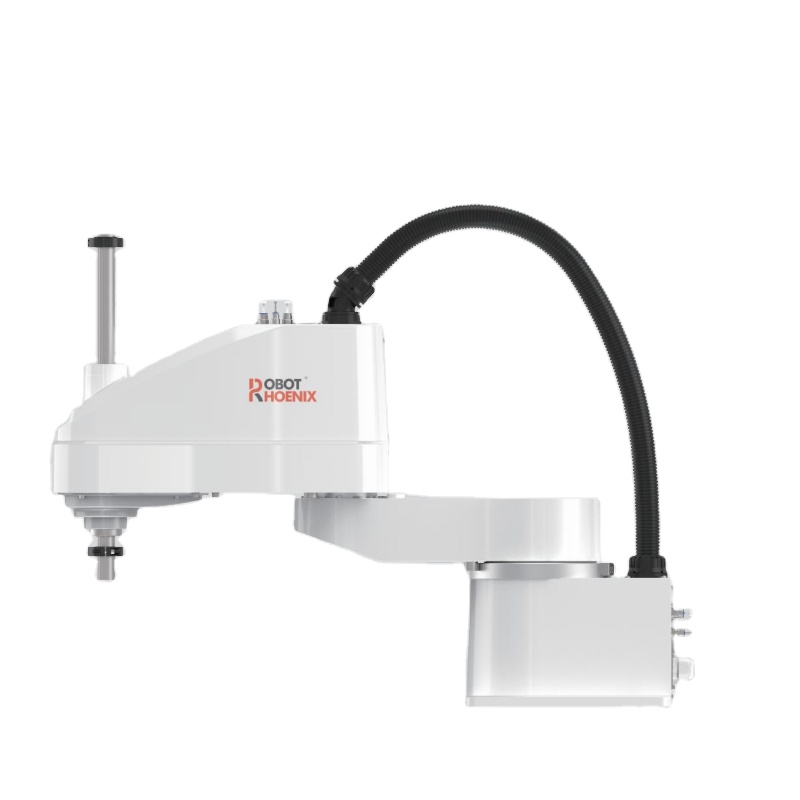
Advanced Industrial 4 Axis Robot Scara Robot for Pick and Place in Food Industry Gripping
Food-industry pick-and-place configuration for tray handling, sorting and packaging support when paired with the correct hygienic gripper.
What “Best” Should Mean for a Robotic Production Line in Portland
Portland, Oregon and the surrounding Pacific Northwest are not generic automation markets. The metro economy combines food and beverage processing in the Willamette Valley, electronics and advanced manufacturing, apparel and footwear workflows, life sciences, e-commerce fulfillment along the I-5 corridor, and a strong engineering culture. A robotic production line that succeeds in a high-volume overseas plant may still fail in a Portland facility if it cannot handle high-mix changeovers, limited floor space, cold-chain conditions, labor availability or short-run packaging schedules.
For procurement teams, the phrase “China best robotic production line manufacturer” should not be treated as a slogan. It is a hypothesis to test. The strongest China-based factory for a Portland project is the one whose engineering data, controller architecture, vision capability, factory verification, export documentation and after-sales response survive due diligence. A low robot price can be erased quickly by integration rework, spare-parts delays or an end-effector that cannot handle the real part.
JORI Intelligent Technology Co., Ltd. was founded in 2012 in Jinan, Shandong, China, a national robotics hub. The company develops delta robots, SCARA robots, silicon wafer robots, AGV/AMR platforms, autonomous forklifts, robot controllers and 2D/3D vision systems in-house. For Portland buyers, that matters because a line is not just a robot arm. It is the arm, end effector, controller, vision, safety logic, PLC handshake, conveyor tracking, operator interface and service plan working as one system.
ISO 9001 quality management, onsite-verified manufacturer status, OEM/design service, buyer-label support and more than a decade of overseas market experience are useful evidence points. They do not replace a factory audit, but they give Portland engineering teams a faster path to a credible shortlist. When comparing suppliers, ask for the exact controller model, vision software version, cycle-time validation method, spare-parts list, safety architecture and the name of the engineer responsible for commissioning support.
The six-number brief that speeds up a Portland line quote
Illustrative procurement framework for early engineering discussion. Final robot selection depends on measured samples, simulation and site validation.
A Robot Factory That Builds the Arm, Controller and Vision
JORI is an original factory for delta, SCARA and AGV robot families, not a reseller chain. Its engineering team develops robot controllers and 2D/3D vision in-house, supports OEM and design service, and offers automated system integration for machine builders and end users. That structure gives Portland buyers one accountable source for the robot, the motion software and the vision handshake.
The company serves buyers across North America, South America, Eastern Europe, Southeast Asia and China, and its public profile includes ISO 9001 certification, onsite verification, credit and trade-capacity links, buyer reviews and trade-history evidence. For a Portland purchasing team, those checkpoints are more useful than a list of adjectives: they show whether a China-based robot manufacturer has the processes, documentation and export experience expected by U.S. industrial buyers.



Where Portland Manufacturers Use These Robotic Modules
Portland-area factories rarely buy “a robot” in isolation. They buy throughput, quality consistency, safer work and a line that can absorb product changes. These application patterns help local buyers map the eight products above to real use cases.
Food & Beverage in the Willamette Valley
Delta robots support high-speed sorting, tray loading, case packing and labeling. The 6 kg IP54 parallel robot is a strong starting point when product is light, cycles are fast and washdown-adjacent protection is required.
Electronics & 3C Assembly in Portland Metro
Compact SCARA robots handle insertion, dispensing support, inspection and small-part placement. The 400 mm reach model with PLC integration is suited to tight cells where floor space and changeover speed matter.
Warehouse & E-commerce Along the I-5 Corridor
Compact latent AGVs move totes, carts and materials through narrow aisles. For Portland fulfillment centers retrofitting existing buildings, a low-profile transport platform can reduce walking time without a full conveyor rebuild.
Apparel, Footwear & Consumer Goods
Vision-guided SCARA pick-and-place supports kitting, labeling, inspection and mixed-pack handling. It is useful for product lines that change frequently and cannot justify a dedicated hard-automation cell.
Life Sciences & Medical Packaging
Repeatable SCARA and delta motion can support blister, vial, pouch and carton handling. The engineering discussion should include cleanroom classification, surface finish, gripper material and validation documentation.
Precision Assembly & Industrial Handling
Light-load SCARA and precision assembly arms fit compact workstations, machine tending support and small-part handling where a six-axis robot would be oversized or difficult to integrate.
Portland Automation Trends Shaping 2025–2030 Robot Purchases
Buyers in Portland are balancing labor pressure, sustainability goals, reshoring interest and high-mix production. These trends change how a robotic production line is specified, financed and supported.
Labor availability and wage pressure
Portland manufacturers face high costs for repetitive picking, packing and machine tending roles. Robots are increasingly evaluated as a way to stabilize output without relying on overtime during peak weeks.
Supply-chain resilience
Reshoring and nearshoring discussions make flexible automation more attractive. A line that can run multiple SKUs and be reconfigured without a complete rebuild fits Portland’s diversified industrial base.
High-mix, lower-volume production
Electronics, footwear, food and consumer-goods producers need faster changeovers. Vision-guided SCARA and delta robots reduce mechanical changeover time compared with fixed tooling.
Warehouse automation along I-5
Portland distribution centers are retrofitting AGV/AMR transport into existing buildings. Narrow-aisle and latent AGV designs are useful when conveyor expansion is too disruptive or expensive.
Sustainability and energy efficiency
Right-sized robots and efficient controls can reduce scrap and wasted material, while compact cells may lower new floor-space requirements. Buyers should compare total line energy, not only robot power.
Digital traceability and vision inspection
Traceability expectations are rising. In-house vision and controller development make it easier to log inspection results, part positions and reject reasons for quality audits.
Shortlists for Three Common Portland Buying Scenarios
These recommendations are starting points for an engineering conversation, not final guarantees. The right robot depends on measured part samples, required rate, environment and line layout.
Start with the 400 mm Precision SCARA
Use the high-precision 400 mm reach SCARA when the cell is compact, the part is light and the operation requires PLC handshakes, insertion accuracy and repeatable placement. Pair it with the 6 kg vision SCARA when parts arrive randomly and orientation must be detected.
Review the 400 mm SCARA →Start with the 6 kg IP54 Delta Robot
Choose the 6 kg IP54 parallel robot for fast sorting and pick-and-place where product is lightweight and the conveyor never stops. Validate gripper design, product orientation, washdown plan and reject handling before fixing the final cycle rate.
Review the IP54 delta robot →Start with the Compact Latent AGV
For Portland warehouses with constrained aisles, the compact latent AGV can move carts or materials without demanding a large footprint. Pair transport automation with SCARA packing cells to connect replenishment, kitting and outbound packing.
Review the latent AGV →Application fit at a glance
Illustrative fit scores for early shortlisting only; not a performance guarantee. Validate with engineering data and line simulation.
How Portland Buyers Can Compare China-Based Robot Factories
A good quote is not the same as a good production line. Use this checklist to separate an experienced robot manufacturer from a trading intermediary.
Confirm the factory’s legal entity, founding year, factory address and onsite verification records.
Ask whether the controller, vision and robot software are developed in-house or sourced from third parties.
Request a cycle-time calculation based on part samples, conveyor speed and gripper design.
Review ISO 9001 scope, inspection records, run-in testing procedure and spare-parts list.
Clarify OEM, private-label, end-effector design and PLC integration responsibilities before the PO.
Agree on delivery terms, payment method, packaging standard and who owns commissioning support.
Local Buyer Questions for China Robotic Production Line Factories
What is the minimum order quantity for a JORI robot?
Standard delta robots, SCARA robots and AMR/AGV platforms can be ordered from 1 set, so Portland buyers can validate a pilot cell before scaling to a full line. Custom end effectors and line integration are quoted by scope.
Does JORI offer OEM or custom robot solutions?
Yes. JORI provides OEM service, design service and buyer-label options. Machine builders can request custom end-effectors, controller integration, vision configuration and automated system integration support.
Should a Portland food plant choose delta or SCARA?
Choose a delta robot for very fast, lightweight pick-and-place from moving conveyors, typically 3 to 6 kg payload. Choose a SCARA robot for planar assembly, insertion and precise placement in a compact footprint. Share part weight, cycle time and layout for a model recommendation.
Which delivery and payment terms are accepted?
Delivery terms include FOB, CFR, CIF, EXW, CIP, FCA, CPT and express delivery. Payment methods include T/T, L/C, credit card, PayPal, Western Union, MoneyGram and escrow, with currencies such as USD, EUR, GBP, JPY, CAD, AUD, HKD, CHF and CNY.
Can JORI robots integrate with existing packaging machines?
Yes. JORI develops its own controllers and 2D/3D vision and offers PLC-ready delta robots for cartoning machines. The team supports machine builders such as wet wipe lid applicator and carton packer manufacturers.
How fast will a Portland buyer receive a reply?
JORI reports an average response time of 2 hours or less and a 97.06% response rate. Send product details, drawings, videos of the current process and your target cycle time to info@joribot.com for a faster engineering review.
How do we handle freight, customs and delivery to Portland?
Provide the Portland delivery ZIP code, dock access, voltage and any receiving constraints. JORI can quote FOB, CFR, CIF, EXW, CIP, FCA, CPT or express delivery options so the freight and documentation scope are clear before the order.
Can a China-based factory support a Portland installation?
Support scope should be agreed before the PO. JORI’s engineering team can provide remote technical support, integration documentation and commissioning planning with the buyer’s local integrator where required. Confirm who handles electrical connection, safety validation and operator training.
Planning a Robot Cell or Warehouse Upgrade in Portland?
Send your product mix, payload, cycle-time target, layout constraints and delivery ZIP code. Our engineering team will help you shortlist the right delta, SCARA, AGV or integrated line module and prepare a factory-direct quotation.