8 Vision-Guided Picking Robots for New York Buyers
These eight models cover high-speed delta picking, SCARA precision placement, bottle unscrambling, customized parallel robot cells and visual picking systems. Product URLs are preserved for direct specification review.
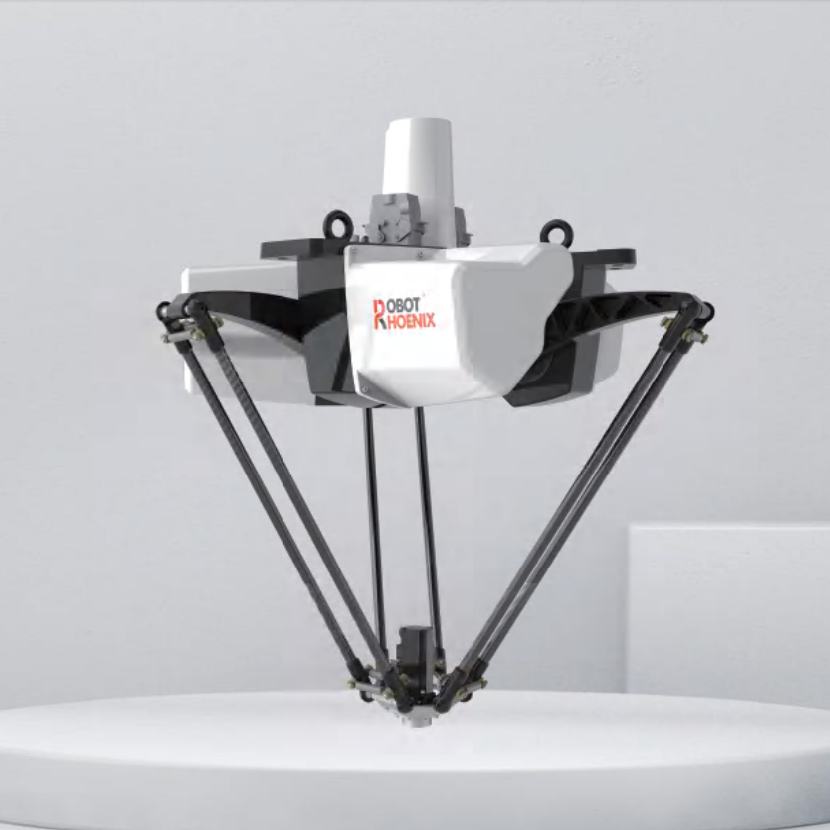
Robotphoenix 4 Arm Payload 3–6 kg Delta Robot for Pick & Place Consumer Goods
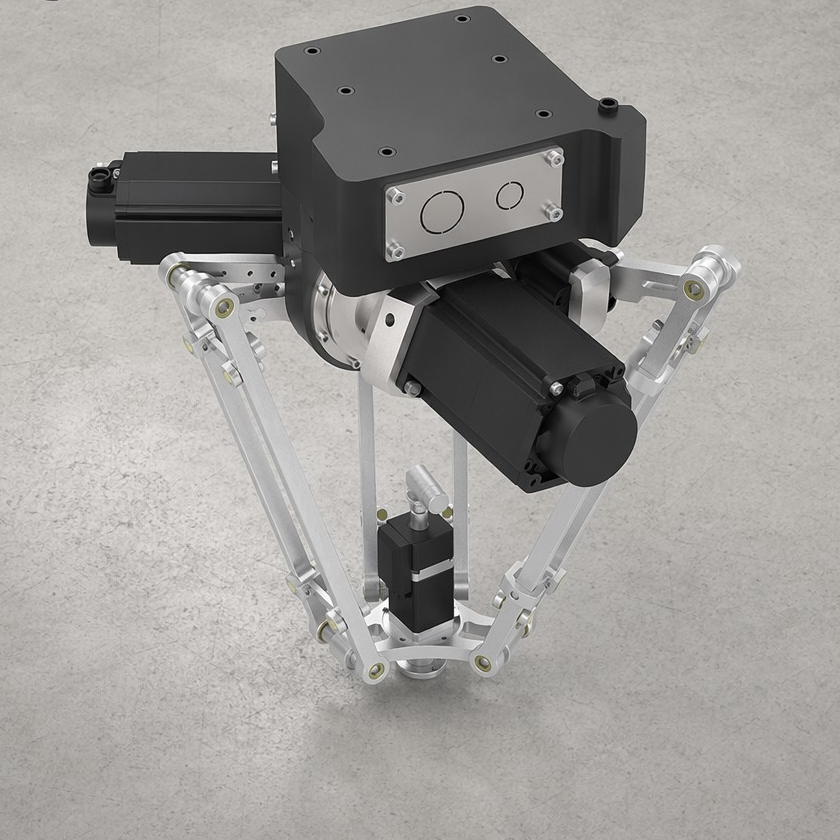
New Condition High-Speed Industrial Innovative Manipulator Delta Robot for Light Industry
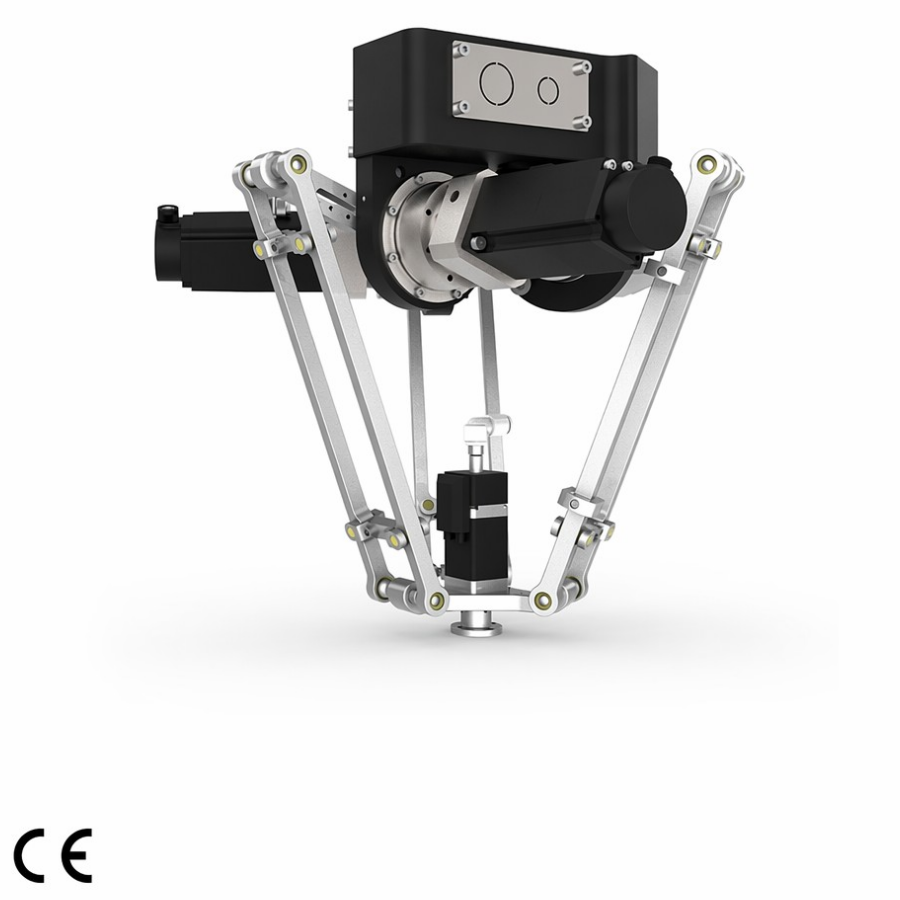
High Speed Consumer Goods Industries Bottle Unscrambling Machine Component Delta Robot
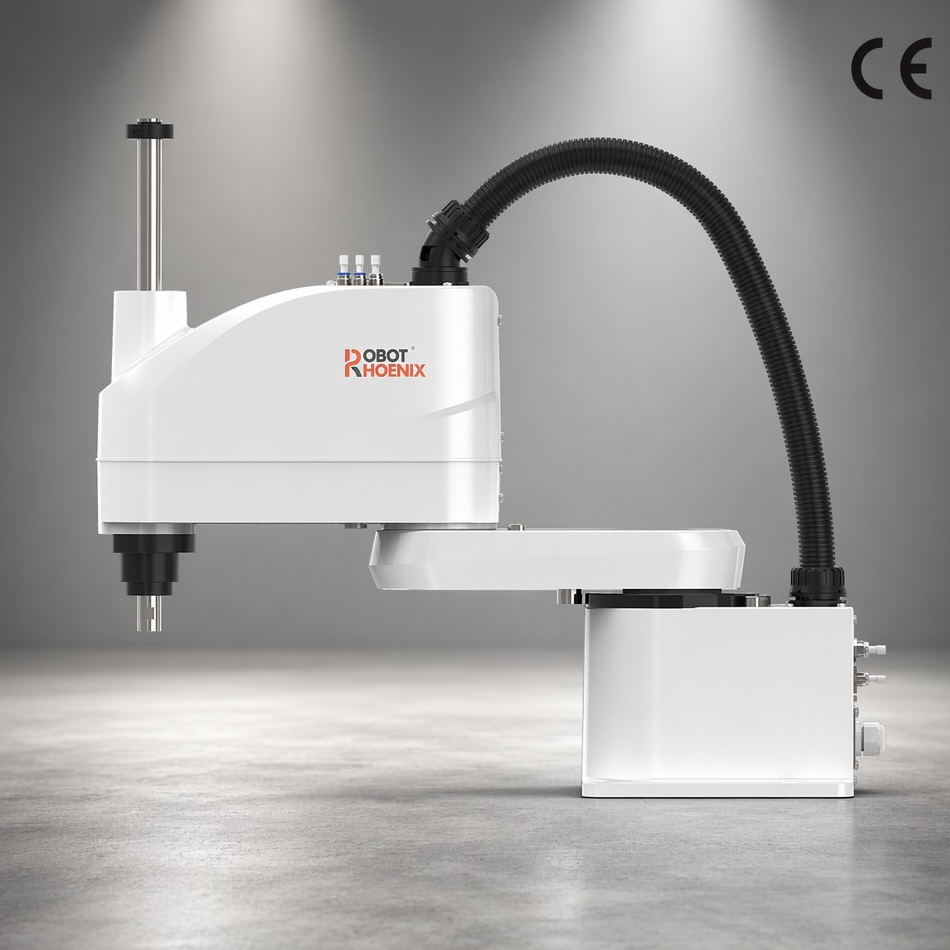
High Efficiency 6 kg Payload Manipulator SCARA Robot with Vision for Picking and Placing
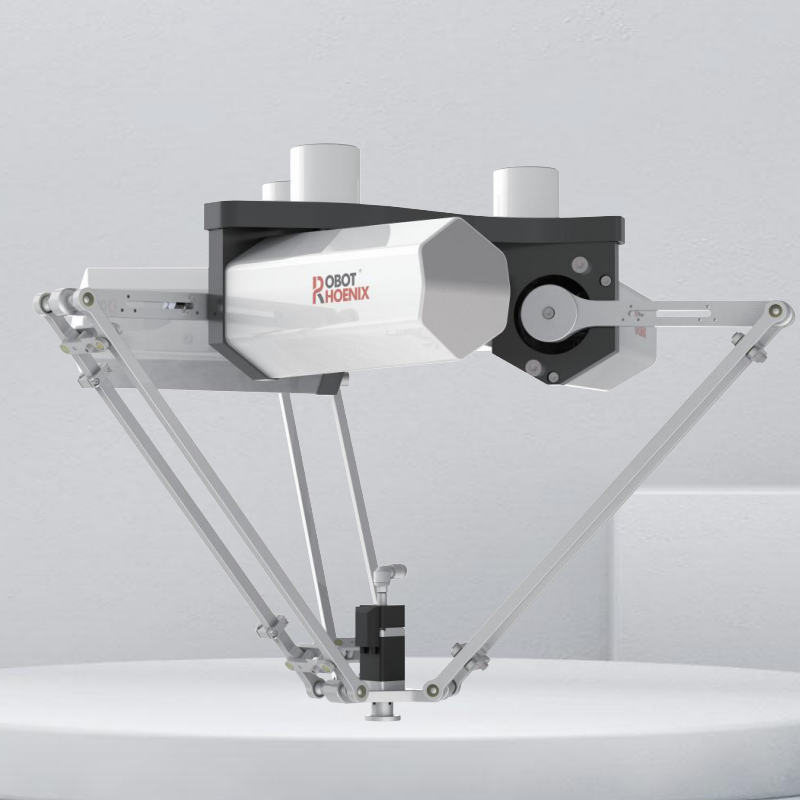
Robotphoenix New Design Industrial Robot Delta 6 kg Payload, 0.08 mm Repeatability, 2/3/4 Axis
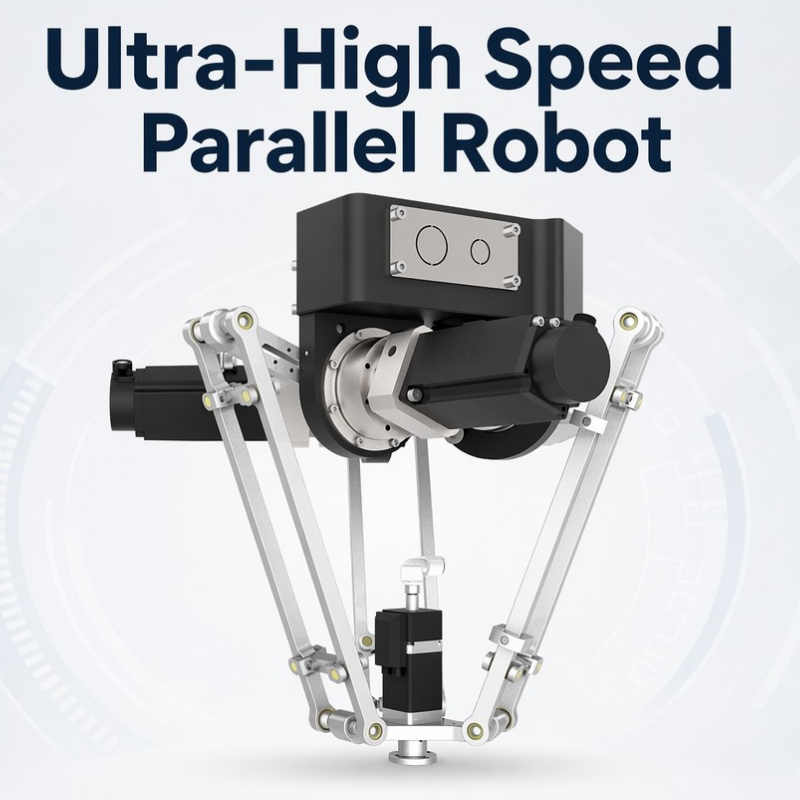
Newly Design Customized Integrated Robot Parallel Robot Delta for Pick Place and Sorting
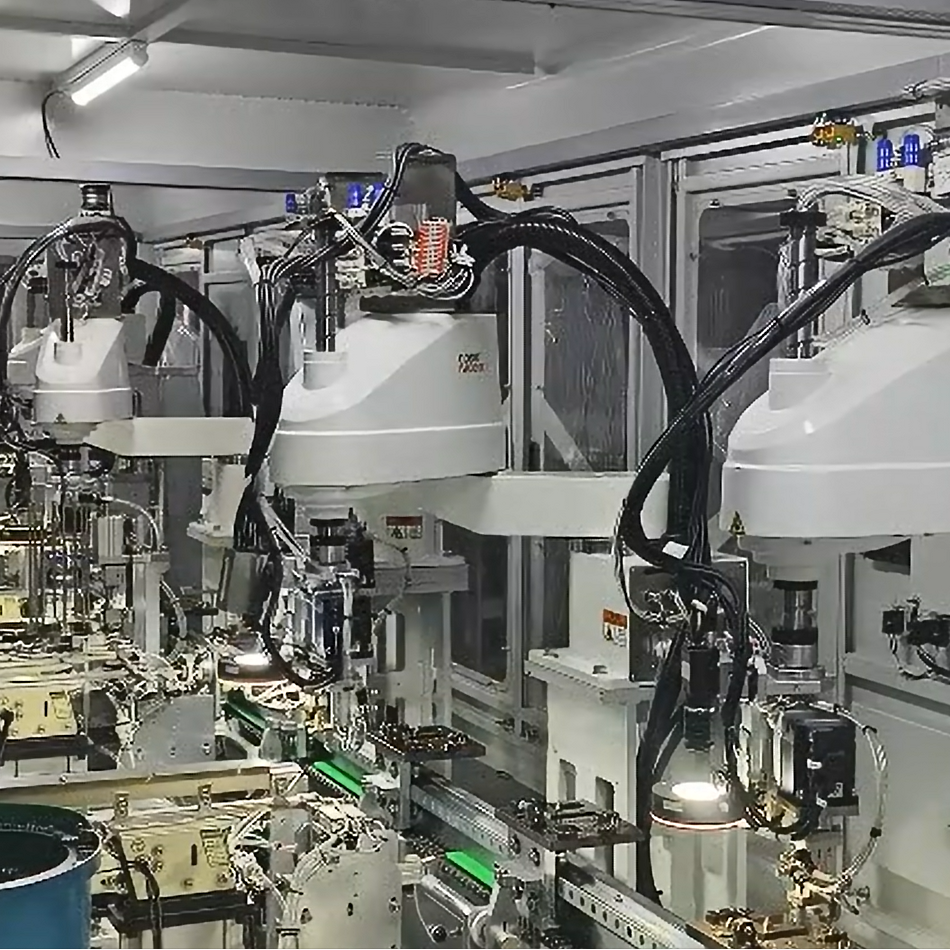
High Quality Mini Industrial Robot SCARA for Pick and Place at Low Cost — New Condition
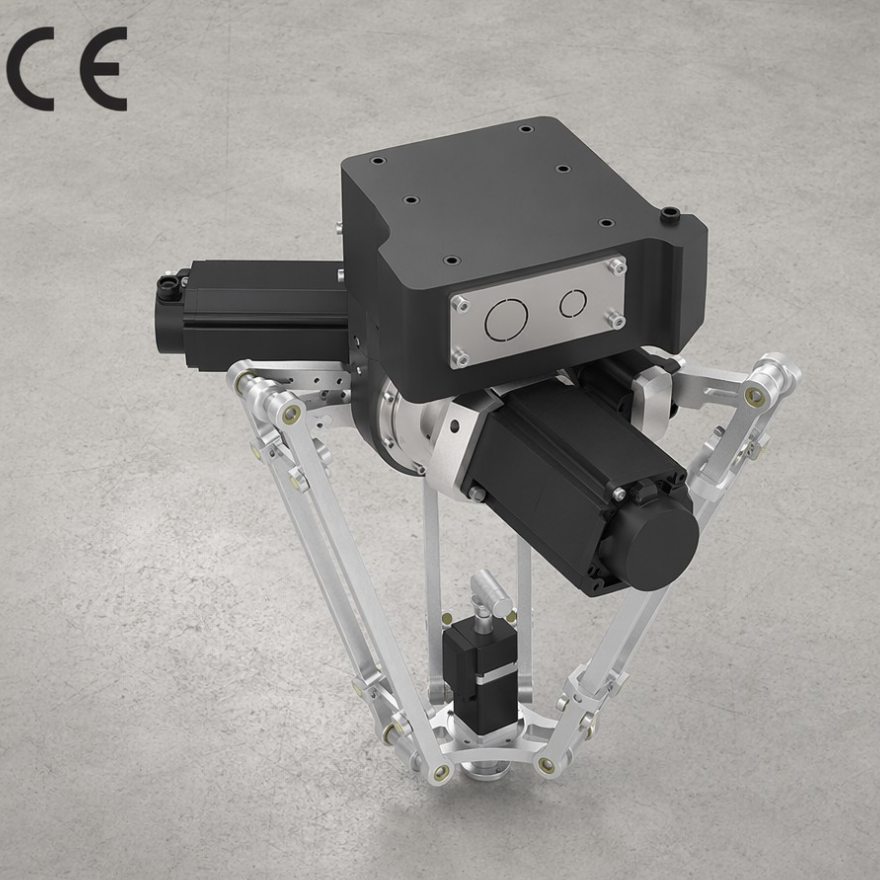
Smart Parallel Robot Picking and Placing Robot Manipulator Delta Robot with Visual System
How New York Buyers Should Evaluate China Vision-Guided Picking Suppliers
New York is not a single buying market. It is a dense, high-cost network of co-packers, food and beverage distributors, pharmaceutical teams, electronics assemblers, fashion and e-commerce fulfillment operations, and system integrators serving New York City, Long Island, Westchester, northern New Jersey and upstate industrial corridors. Buyers searching for China best vision guided picking manufacturers & wholesalers for New York usually need more than a low unit price. They need a robot that can see randomly oriented parts, synchronize with moving conveyors, fit a compact production room, and remain supported long after installation.
This white-paper-style guide maps search intent to procurement reality. A manufacturer query usually signals interest in engineering depth, in-house controllers, vision capability and factory verification. A wholesaler query often signals interest in OEM support, private label, repeatable documentation, spare-parts planning and stable supply for resale or integration. An end-user query focuses on throughput, changeover, labor pressure and total cost of ownership. The strongest supplier shortlist address all three.
For New York buyers, the practical question is rarely “Which robot is cheapest?” The better question is: Which factory can prove cycle time, vision repeatability, mechanical quality and export support before the purchase order? That is why this guide combines product recommendations, local application scenarios, deployment trends, a procurement checklist and common FAQ answers from a manufacturer founded in 2012 with in-house R&D for delta robots, SCARA robots, AGV/AMR platforms, autonomous forklifts, wafer robots, controllers and 2D/3D vision.
Manufacturer intent
Verify factory capability, patents, controller ownership, vision integration and onsite-checked supplier records before asking for a quote.
Wholesaler intent
Look for OEM service, design service, buyer-label options, repeatable quality documentation and export packing discipline.
Integrator intent
Ask about PLC-ready models, I/O openness, end-effector customization, conveyor tracking and remote engineering communication.
End-user intent
Confirm cycle time, repeatability, changeover, footprint, floor-space cost and operator training before approving a pilot cell.
Where Vision-Guided Picking Fits in New York Operations
New York-area production economics reward compact automation, fast changeover and reliable documentation. These are the application clusters most often discussed by local buyers.
NYC and New Jersey contract packaging
Co-packers handling cartons, lids, sachets, bottles and promotional packs need vision-guided delta robots that fit tight rooms and switch products quickly. A 3–6 kg delta robot with 0.08 mm repeatability supports high-speed pick-and-place without demanding a long conveyor footprint.
Food and beverage distribution
High-volume food lines around the New York metro area face labor turnover and strict hygiene expectations. Vision picking helps orient wrapped products, sort mixed packs and place items into trays, cartons or multipacks with repeatable motion and optional IP54 protection.
Life-science and pharmaceutical packaging
New Jersey and New York life-science teams value traceability, clean handling and repeatability. SCARA robots are often shortlisted for precise planar placement, while delta robots support secondary packaging and carton handling when cycle time is the bottleneck.
E-commerce and apparel fulfillment
Random SKUs, polybags, returns and promotional peaks are common in New York and Long Island fulfillment centers. Vision-guided picking with 2D/3D vision and flexible end-effectors can reduce manual sorting steps, especially when the cell is designed around product variability.
Electronics and medical-device assembly
Compact SCARA cells suit electronics assembly, insertion, inspection and small-part placement where floor space is expensive. Mini SCARA models lower the entry cost for pilot automation, while larger 6 kg vision SCARA models support heavier fixtures and tooling.
Warehouse and port-linked intralogistics
The New York–New Jersey port complex and regional distribution centers create heavy pallet and tote movement. JORI AMR/AGV platforms, laser SLAM autonomous forklifts and 400–500 kg mobile bases can support material flow between picking, packing and shipping zones.
What “Vision-Guided Picking” Really Means
A vision-guided picking system is not just a robot arm plus a camera. It is a calibrated chain of camera, lighting, software, controller, conveyor tracking and end-effector decisions. Buyers should ask who owns each layer.
Imaging and calibration
Camera resolution, lens choice, lighting and hand-eye calibration determine whether the robot can locate parts repeatably under real factory lighting and vibration.
Conveyor tracking
Moving-line picking requires encoder synchronization and latency management. The robot must place parts accurately even when products arrive at random spacing and orientation.
Controller openness
PLC-ready integration, digital I/O and communication with existing packaging machines reduce commissioning risk for New York integrators and machine builders.
End-effector design
Vacuum cups, grippers, soft fingers and custom tooling must match product weight, surface, hygiene requirements and changeover targets.
Relative fit by application — a buyer’s visualization
Relative fit is a qualitative comparison for shortlisting. Final specifications depend on part weight, cycle time, vision conditions, gripper design and line layout.
How to Compare China Manufacturers Without Wasting a Site Visit
Use a structured evaluation before requesting a quote. This six-point framework helps New York buyers separate strong factory partners from reseller listings.
Share real process data
Provide part photos, videos, weights, dimensions, target cycle time, conveyor speed, orientation range and gripper constraints. Real samples reveal whether vision picking is feasible.
Demand verifiable cycle time
Ask for a test plan that includes product presentation, vision recognition, pick motion, placement accuracy and rejection handling—not just the robot’s catalogue speed.
Check software ownership
A manufacturer that develops its own controllers and 2D/3D vision can respond faster to integration changes and spare-part questions than a pure trading company.
Review electrical planning
Confirm site voltage, phase, frequency, safety circuit requirements and control architecture before shipment. New York facilities vary widely from older buildings to new fulfillment centers.
Verify factory quality
Look for ISO 9001, onsite-verified supplier records, patents and documented testing. Ask for factory video, production photos and inspection reports before the order.
Plan after-sales communication
Clarify remote support hours, documentation language, spare-parts lists, training material and escalation paths. A 97.06% response rate and average reply of two hours or less are useful signals.
New York Automation Trends Affecting Picking Decisions
These trends explain why factory-direct vision-guided picking systems are becoming a board-level topic for New York manufacturers and distributors.
High-cost floor space
New York metro real estate encourages compact cells. Delta robots and mini SCARA robots can deliver high throughput without consuming long conveyor runs or large operator zones.
Labor availability and turnover
Repetitive picking, sorting and cartoning roles are hard to staff consistently. Automation helps stabilize output during peaks and reduce dependence on temporary labor.
High-mix, low-volume production
Co-packers and e-commerce operations need rapid changeover. Vision systems can identify mixed products and reduce mechanical changeover time when the cell is designed correctly.
East Coast supply-chain resilience
Port activity, regional warehousing and near-shoring discussions are pushing New York and New Jersey buyers to build flexible production capacity closer to demand.
Traceability and quality pressure
Food, pharmaceutical and medical-device customers expect repeatable handling, inspection data and controlled changeovers. Vision-guided picking supports these goals when validated properly.
Energy and total cost focus
Buyers are increasingly comparing right-sized robots, compressed-air use, gripper efficiency and spare-part logistics rather than only the initial purchase price.
JORI Factory Advantages for New York Wholesalers and Integrators
JORI Intelligent Technology Co., Ltd. is a high-tech robot manufacturer founded in 2012 in Jinan, Shandong, China. The company develops robots, controllers and 2D/3D vision in-house and supports OEM, design service, buyer-label production and automated system integration.
In-house R&D and national patents
Delta robot, SCARA robot, wafer robot, AGV/AMR, controller and vision technologies are developed internally, giving buyers one accountable engineering source.
One robot family covers many cells
Delta parallel robots, SCARA robots, AMR/AGV platforms, autonomous forklifts and wafer robots support picking, placement, assembly and intralogistics projects.
ISO 9001 and onsite-verified supplier
Quality management, factory premises checks and legal-status verification help New York buyers reduce sourcing risk before a first pilot order.
OEM, design and buyer-label support
Machine builders and wholesalers can discuss custom end-effectors, controller integration, labeling needs and project-specific documentation.
Export experience across five continents
JORI serves buyers in North America, South America, Eastern Europe, Southeast Asia and China, with more than ten years of overseas market experience.
Responsive quotation and MOQ 1 set
Standard delta robots, SCARA robots and AMR/AGV platforms can be ordered from one set, allowing a New York buyer to validate a pilot cell before scaling.
Verify the supplier before you commit
Review assessment, credit, trade capacity and transaction records. Ask for the factory video and current product documentation.
From Application Data to FAT and Shipping to New York
A disciplined path reduces surprises. This is the practical sequence JORI uses when a New York buyer sends an application for review.
1. Application intake
Share product samples, target cycle time, conveyor details, layout drawings, photos and videos of the current process.
2. Concept and quote
Engineers recommend delta, SCARA, AMR or wafer robot options, vision configuration, gripper strategy and export scope.
3. Testing and FAT
Confirm pick logic, placement accuracy, rejection handling, PLC integration and acceptance criteria before shipment.
4. Export and support
Prepare export packing, documentation, shipping coordination to NY/NJ and remote commissioning communication.
What Local Procurement Teams Ask Before a Purchase Order
These answers address common sourcing, integration and shipping questions from New York manufacturers, machine builders and wholesalers.
Are you a manufacturer or a trading company?
JORI Intelligent Technology Co., Ltd. is a manufacturer founded in 2012 in Jinan, Shandong. We develop delta robots, SCARA robots, AMR/AGV platforms, autonomous forklifts, wafer robots, controllers and 2D/3D vision, and we provide OEM and design service.
What is the minimum order quantity for a New York pilot?
Standard delta robots, SCARA robots and AMR/AGV platforms can be ordered from one set. This lets New York buyers validate a single cell, packaging line or warehouse route before scaling to multiple units. Custom cells may require project-specific review.
Should I choose a delta robot or a SCARA robot?
Choose a delta robot for very fast, lightweight pick-and-place from moving conveyors, typically 3–6 kg payload. Choose a SCARA robot for planar assembly, insertion and precise placement in a compact footprint. Share product weight, cycle time and layout for an engineer recommendation.
Can you integrate with existing cartoners or packaging machines?
Yes. JORI controllers and vision are developed in-house, and PLC-ready delta robots are designed for cartoning machines, carton packers and lid applicator lines. Share your machine I/O list and sequence diagram for a practical integration review.
How do you handle electrical and safety requirements for New York?
Electrical configuration is confirmed per project. Our engineers review site voltage, phase, frequency, control architecture and safety-circuit requirements before quotation. Buyers should also involve their local integrator or electrical contractor for final site compliance.
What can I receive before shipment?
Project documentation can include drawings, operation manuals, factory testing records, packing lists, commercial invoices and shipment photos. Compliance documents are confirmed according to configuration and destination requirements.
Which delivery and payment terms are accepted?
Delivery terms include FOB, CFR, CIF, EXW, CIP, FCA, CPT and express delivery. Payment methods include T/T, L/C, credit card, PayPal, Western Union, MoneyGram and escrow. Currencies include USD, EUR, GBP, JPY, CAD, AUD, HKD, CHF and CNY.
How fast will I receive a reply?
JORI maintains an average response time of two hours or less and a 97.06% response rate. Email info@joribot.com with part photos, videos, target cycle time and layout details for an engineer-led quote.
Send Your New York Picking Application for an Engineer-Led Quote
Tell us what you pick, how it arrives, target cycle time, gripper constraints and where the cell will be installed. Our engineering team will recommend a delta, SCARA, AMR or custom configuration and confirm the next technical step.
✉info@joribot.com