8 Robot Models Austin Buyers Can Pair with AGV and AMR Fleets
Warehouse AGV projects rarely stop at the mobile platform. The eight production-ready models below support picking, sorting, packing, machine tending, and line-side automation around AGV-connected workstations. Product URLs are preserved exactly as supplied.
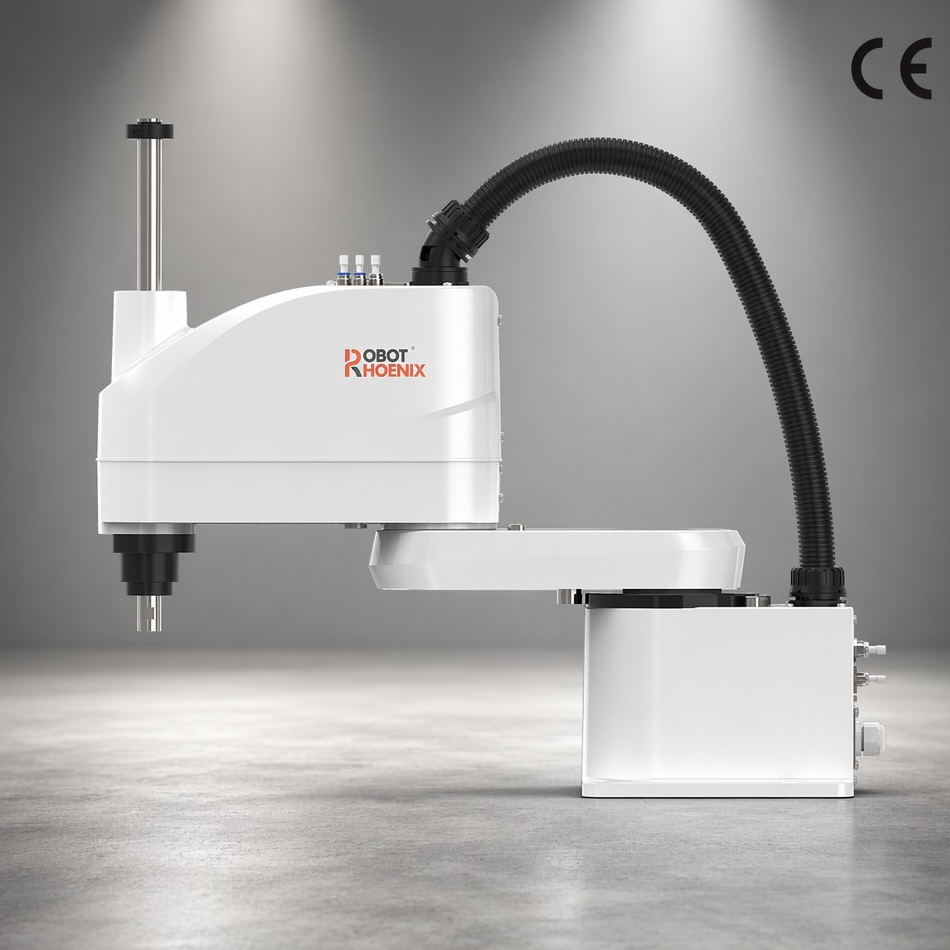
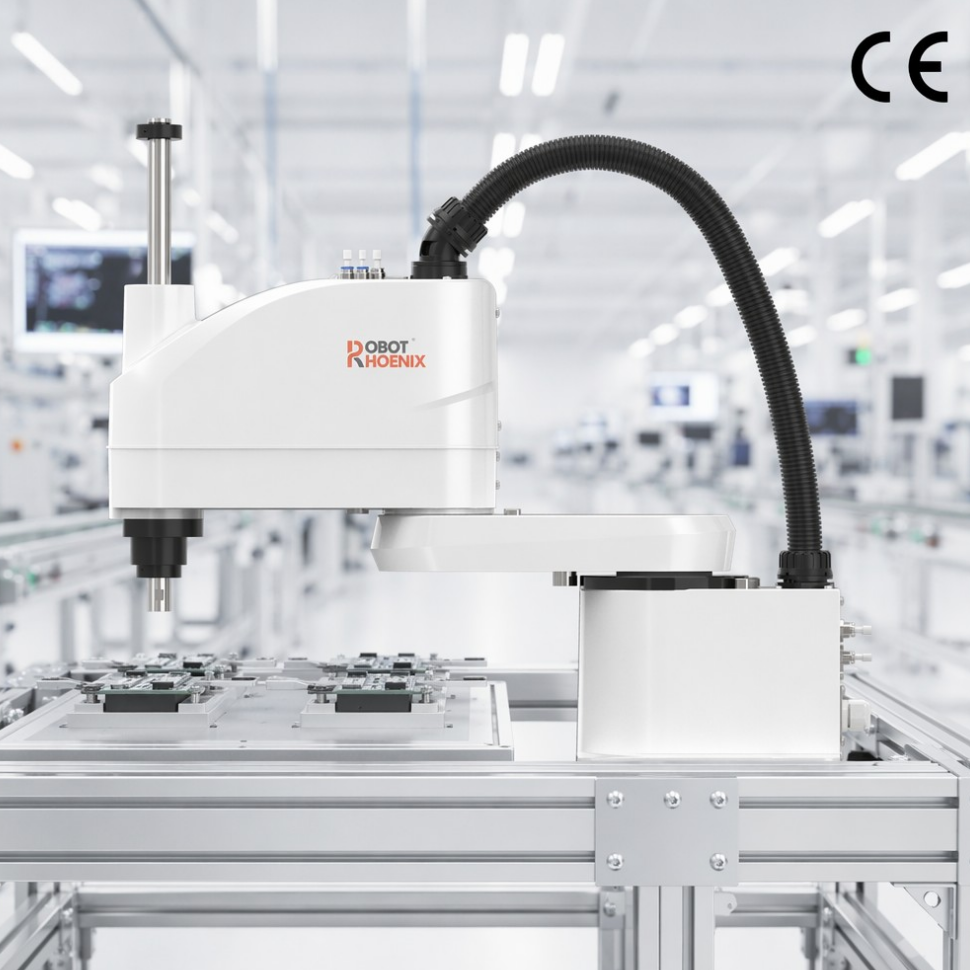
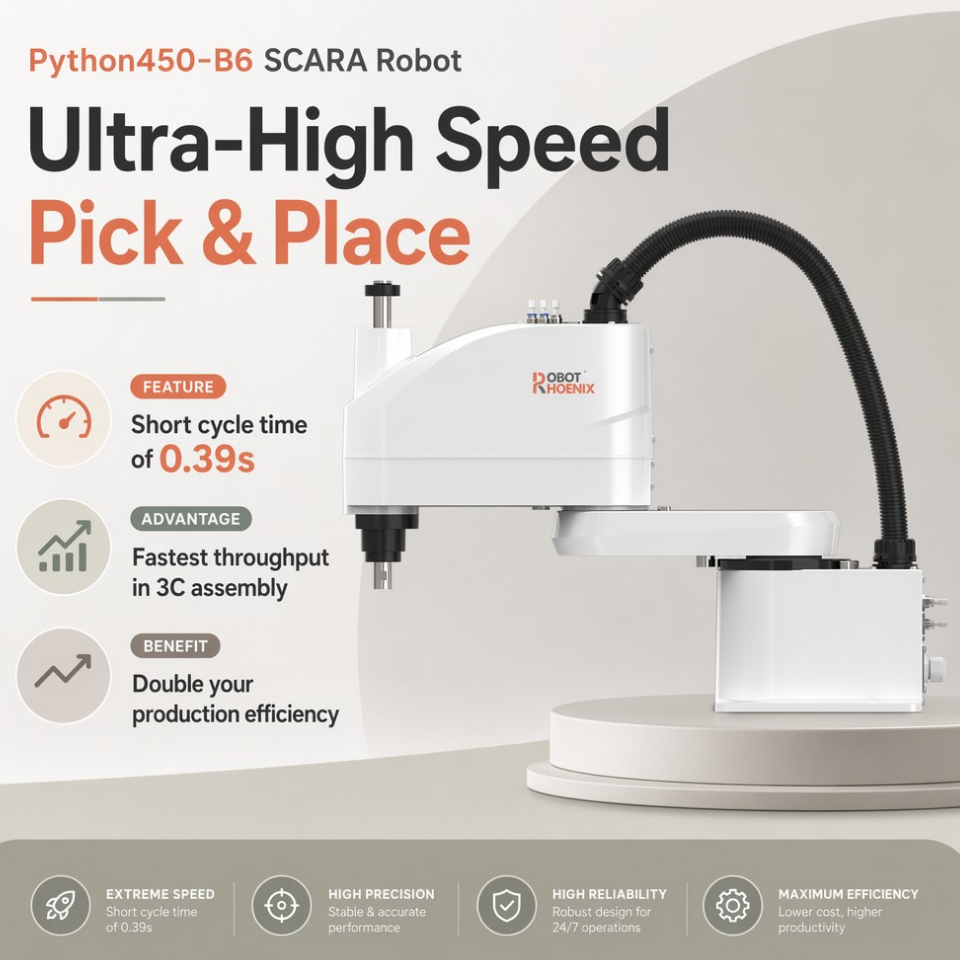
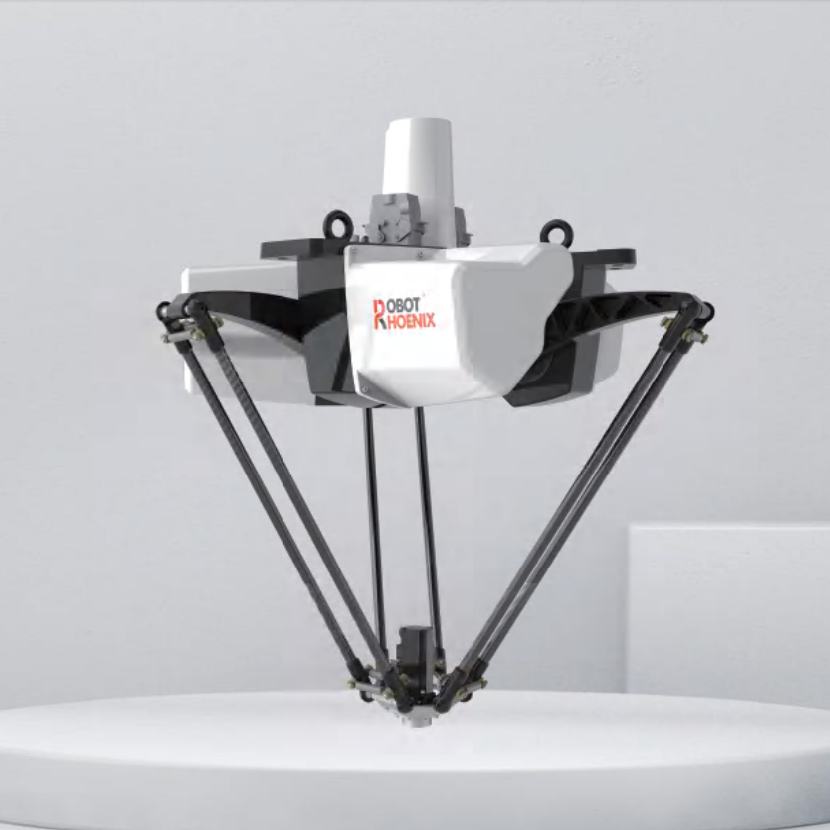
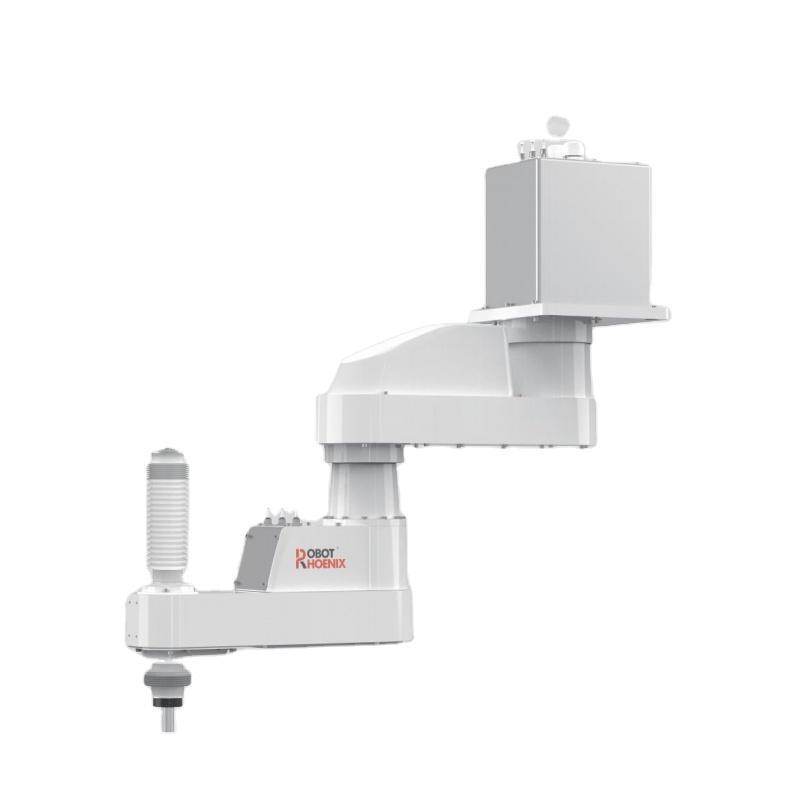
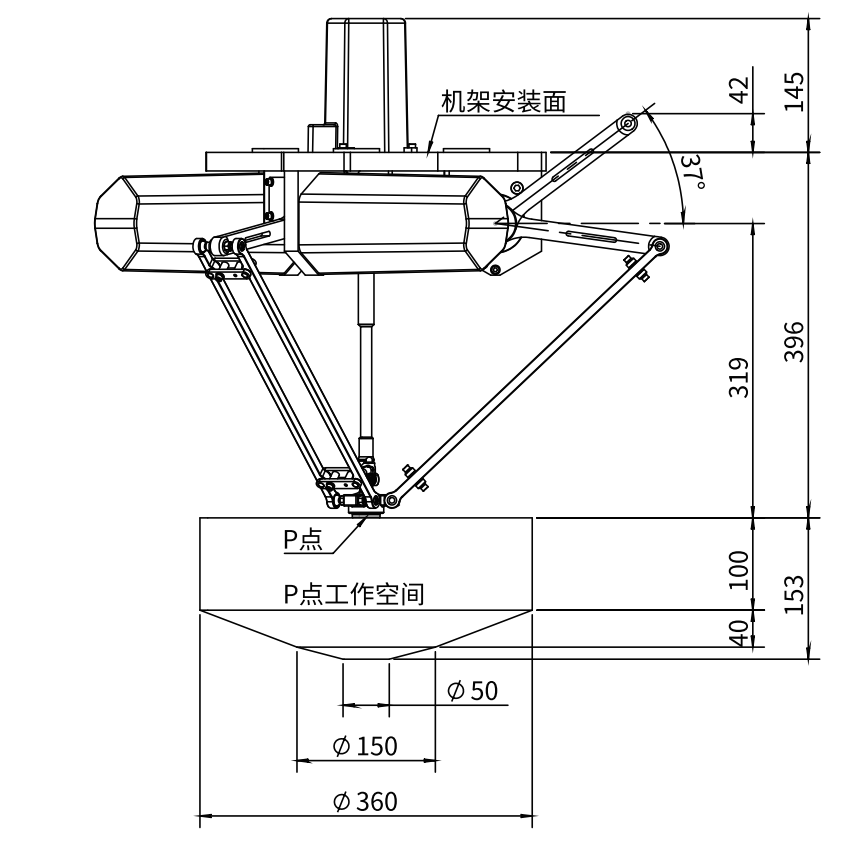

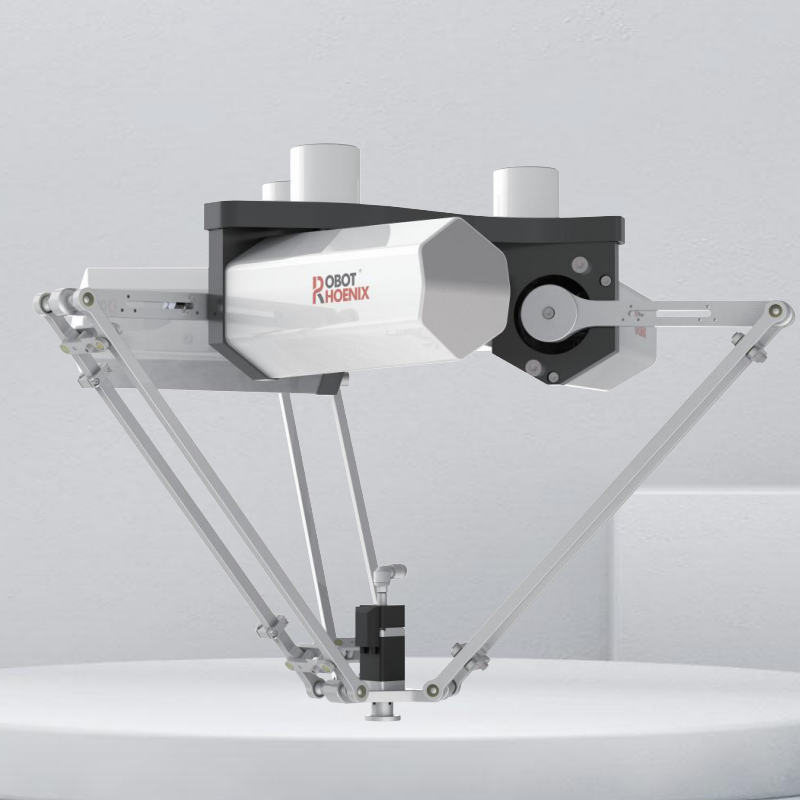
Need a non-standard payload, gripper, controller, or WMS hand-off? Use the live quote channel and share your part drawings, cycle time, and layout.
Why Austin Warehouse Teams Are Reassessing China AGV Sourcing
Austin is no longer only a technology and events market. It sits on the I-35 logistics corridor and supports distribution across Central Texas, so warehouse operators face a familiar combination: rising labor pressure, more mixed-SKU e-commerce orders, tight brownfield footprints, and the need to integrate automation with existing WMS, ERP, and packaging equipment.
Brownfield-first deployment
Austin warehouses often need automation that fits existing racks, docks, and fire lanes. Laser SLAM AMRs and autonomous forklifts reduce dependence on fixed floor infrastructure, while compact SCARA and delta cells fit around conveyors and pack stations.
Mixed-SKU fulfillment pressure
Consumer expectations for fast dispatch push operators toward flexible robot cells. A 3–6 kg delta robot can handle fast picking and sorting, while a 4-axis SCARA supports repetitive placement and assembly tasks with a smaller footprint.
WMS and PLC integration reality
Local buyers want less “demo automation” and more production hand-off. Ask how the supplier supports PLC-ready cells, 2D/3D vision, fleet management, IO signals, safety logic, and documentation for your integrator or maintenance team.
Labor continuity and safety
AGV and AMR projects are often justified by repetitive transport and shift coverage, not headcount alone. Validate traffic rules, obstacle detection, charging strategy, emergency stop logic, and how the system behaves during peak surges.
Total cost per productive hour
Unit price is only one line item. Compare landed cost, commissioning support, spare-parts lead time, training, warranty terms, software updates, and the productivity gained at the actual cycle time of your Austin operation.
Response speed as risk control
When a cell stops, time matters. JORI’s published average response time is 2 hours or less with a 97.06% response rate. Confirm the escalation path, time-zone coverage, and spare-parts plan before placing a production order.
Information gain: score the supplier, not only the robot
For Austin procurement teams, the strongest shortlist is not the one with the lowest quoted unit price. It is the one that can prove factory identity, engineering ownership, integration support, spare-parts readiness, and a realistic commissioning plan for a U.S. warehouse environment.
What “Best” Should Mean to an Austin Warehouse Buyer
“Best warehouse AGV exporters and wholesalers” is an application-specific judgment. Use a weighted scorecard before you compare quotations. The percentages below are illustrative procurement weights, not third-party rankings.
Practical benchmark
A supplier that manufactures delta, SCARA, AGV/AMR, autonomous forklift and wafer robots, and develops its own controllers and 2D/3D vision, can usually reduce the hand-off risk between robot, end-effector, vision, and fleet software.
That is the reasoning behind JORI’s factory-direct model: one accountable source for hardware, software, integration support, and export documentation, rather than a reseller chain that adds distance between the buyer and the engineering team.
Austin and Central Texas Application Scenarios
Warehouse AGV value is created at the intersection of material flow and station-level work. These scenarios show where AGV/AMR transport, autonomous forklifts, delta robots, and SCARA robots can be combined into one practical automation plan.
E-commerce fulfillment and returns
Use AMRs for tote and cart transport between receiving, put-away, picking, and packing. Add delta or SCARA cells for item sorting, bagging support, or returns triage where repetitive pick-and-place limits throughput.
3PL cross-docking
Cross-docking depends on fast, predictable moves. Laser SLAM AGVs and 400–500 kg AMR platforms can shuttle pallets and containers between docks while fleet management coordinates traffic and charging windows.
Electronics and semiconductor support
Austin’s technology manufacturing base creates demand for clean, repeatable handling. SCARA robots support assembly and placement, while wafer handling robots and controlled material flow can reduce manual contact in sensitive processes.
Food, beverage, and consumer packaged goods
High-speed delta robots are suited to conveyor picking, sorting, labeling, and cartoning. IP54 protection options help where washdown or dust exposure is part of the production reality, subject to final site validation.
Pallet handling in distribution centers
Autonomous forklifts such as the Camel Series, with laser SLAM navigation, can take over repetitive pallet shuttles across shifts. Site layout planning and traffic-rule design should be completed before deployment.
Machine tending and packaging lines
SCARA and delta robots can load/unload fixtures, place lids, pack cartons, and support machine builders. PLC-ready integration and custom end-effectors are important when the robot must fit an existing packaging machine.
AGV, AMR, Autonomous Forklift or Robot Cell: What Fits What?
Use this practical mapping to separate material transport from station-level manipulation. A warehouse project often needs both, but the procurement questions are different.
| Warehouse Task | Best-Fit System | Why Austin Buyers Care | Verify Before Ordering |
|---|---|---|---|
| FlowCart, tote, and container transport | Laser SLAM AMR / AGV with fleet management | Supports layout changes and reduces dependence on fixed floor tracks in brownfield facilities. | Traffic rules, charging ratio, WMS interface, obstacle detection, and emergency-stop behavior. |
| PalletsRepetitive pallet shuttling | Autonomous forklift, such as the Camel Series | Targets repetitive runs across shifts and helps stabilize material flow during labor gaps. | Pallet quality, aisle width, fork positioning, route planning, and site safety review. |
| SpeedConveyor picking, sorting, labeling | Delta parallel robot, 3–6 kg payload | Fast cycle times suit e-commerce, food, consumer goods, and carton packing lines. | Payload, repeatability, IP rating, vision requirements, end-effector, and line tracking. |
| PrecisionAssembly, insertion, precise placement | 4-axis SCARA robot, compact or mini models | Fits tight cells around conveyors, test stations, and packaging equipment. | Reach radius, repeatability, controller compatibility, gripper design, and PLC hand-off. |
| SpecialtyFragile wafer or substrate transfer | Wafer handling robot | Relevant to technology manufacturing and clean, repeatable handling requirements. | Contamination control, motion smoothness, end-effector customization, and service plan. |
Final specifications are confirmed per configuration and application review.
How JORI’s Engineering Depth Reduces Procurement Risk
JORI Intelligent Technology Co., Ltd. was founded in 2012 in Jinan, Shandong, China. The company specializes in industrial robot R&D and manufacturing, controller and 2D/3D vision development, OEM support, and automated system integration. For Austin buyers, that matters because warehouse automation succeeds when the robot, controller, vision, end-effector, and fleet software are not treated as disconnected purchases.
One accountable source for hardware, software, and after-sales engineering
JORI’s product lines include delta parallel robots, SCARA robots, silicon wafer handling robots, AGV/AMR mobile robots, autonomous forklifts, self-developed controllers, and 2D/3D vision. Because key technologies are developed in-house and protected by national patents, buyers gain a shorter path from application question to engineering answer.
The company also provides OEM service, design service, and buyer-label options, and supports machine builders with custom end-effectors, controller integration, and full automated system integration. Standard delta robots, SCARA robots, and AMR/AGV platforms can be ordered from one set, so a buyer can validate a pilot cell before scaling across a facility.
- Founded in 2012 with independent R&D
- Original factory for delta, SCARA and AGV/AMR
- 10+ years serving overseas markets
- One-stop automation integration
- OEM, design and buyer-label service
- ISO 9001 quality management


Verifiable credentials
ISO 9001 quality management, onsite-verified supplier status, and published credit, trade capacity, transaction level, and trade history pages help Austin buyers conduct supplier due diligence.
In-house controller and vision
Self-developed controllers and 2D/3D vision reduce interface ambiguity when a robot must communicate with conveyors, packaging machines, safety devices, and plant-level systems.
Broader warehouse portfolio
Delta and SCARA robots, 400–500 kg AMR platforms, laser SLAM autonomous forklifts, and wafer handling robots allow a phased automation roadmap instead of isolated equipment purchases.
OEM and machine-builder support
Custom end-effectors, controller integration, PLC-ready delta robots, and buyer-label options help packaging machine builders and integrators shorten project cycles.
Responsive export communication
JORI publishes an average response time of 2 hours or less and a 97.06% response rate. For time-sensitive Austin projects, request a named technical contact and an escalation plan.
Commercial flexibility
Accepted delivery terms include FOB, CFR, CIF, EXW, CIP, FCA, CPT and express delivery. Payment options include T/T, L/C, credit card, PayPal, Western Union, MoneyGram, and escrow in major currencies.
What Austin Buyers Should Verify Before Appointing a China Wholesaler
The right supplier should welcome technical scrutiny. Use this checklist to separate a factory-direct exporter from a catalogue reseller.
Factory identity and scope
Confirm the production site, product lines actually manufactured in-house, testing process, and export packaging standard. Review onsite verification, business license details, and factory video or live tour options.
Engineering ownership
Ask who develops the controller, vision, motion software, and fleet management. A supplier with in-house engineering can answer integration questions directly instead of forwarding them to a third party.
Application data package
Request payload calculations, cycle-time assumptions, reach and repeatability checks, gripper concept, safety notes, utility requirements, and layout drawings for review by your local integrator.
Commissioning and training plan
Define remote or onsite commissioning scope, acceptance criteria, operator training, maintenance training, documentation language, video support, and spare-parts recommendations.
Compliance and site requirements
Confirm electrical requirements, relevant declarations, safety functions, IP rating, and local installation responsibilities. Final compliance should be validated for the specific Austin site by qualified local professionals.
Commercial and after-sales terms
Compare Incoterms, payment methods, warranty, lead time, packaging, spare-parts lead time, software updates, and response commitments. Keep performance targets in the purchase documentation where possible.
FAQ for Austin Buyers Sourcing Warehouse AGVs from China
These are the questions procurement teams commonly ask when comparing China AGV exporters, AMR wholesalers, and robot-cell suppliers for a U.S. warehouse project.
What is the minimum order quantity for JORI industrial robots?
Does JORI offer OEM or custom robot solutions?
Should I choose a delta robot or a SCARA robot?
What is the difference between an AGV, an AMR, and an autonomous forklift?
Can JORI robots integrate with existing packaging machines and warehouse systems?
Which delivery and payment terms are accepted?
How quickly does JORI respond to inquiries from the Austin market?
What should an Austin buyer request before approving a China AGV or robot supplier?
Planning an AGV, AMR, or Robotic Workstation Project in Austin?
Send your product, payload, cycle-time, conveyor speed, layout, and WMS or PLC requirements. JORI’s engineering team can map the right delta, SCARA, AGV/AMR, autonomous forklift, or wafer handling configuration and respond with a buyer-specific quotation path.