China Top Parallel Robot Factory & Exporters for the Fort Worth Market
An expert sourcing guide for Fort Worth manufacturers comparing delta parallel robots, SCARA robots, and flexible automation cells — with verifiable factory capability, local application insight, and export-ready engineering support.
Parallel Robot and SCARA Models Fort Worth Buyers Can Quote Today
These eight models map directly to common Fort Worth buying intents: high-speed case packing, wet-wipe lid application, e-commerce sorting, electronics assembly, and low-cost pilot automation. Product URLs are preserved exactly; custom grippers, vision recipes, and 480 V plant planning are discussed through the inquiry button.
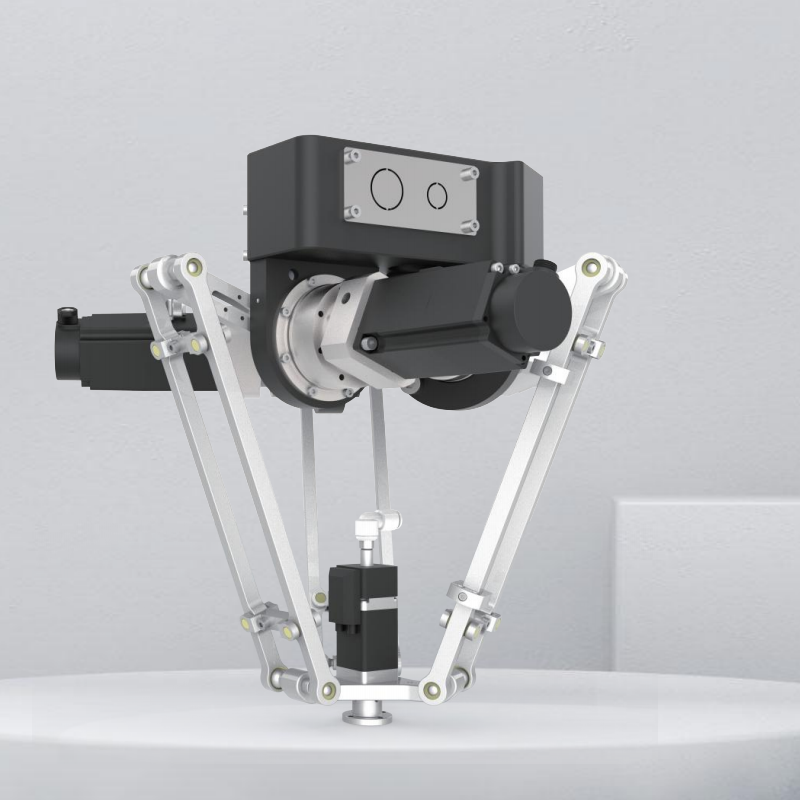
High-Speed 3 kg Load Industrial Delta Robot Arm with IP54 Protection for Robotic Pick & Place
IP54-protected delta for washdown-adjacent food, pharma, and consumer-goods cells. The 3 kg payload is a practical fit for Fort Worth packagers that need speed without overbuying payload.
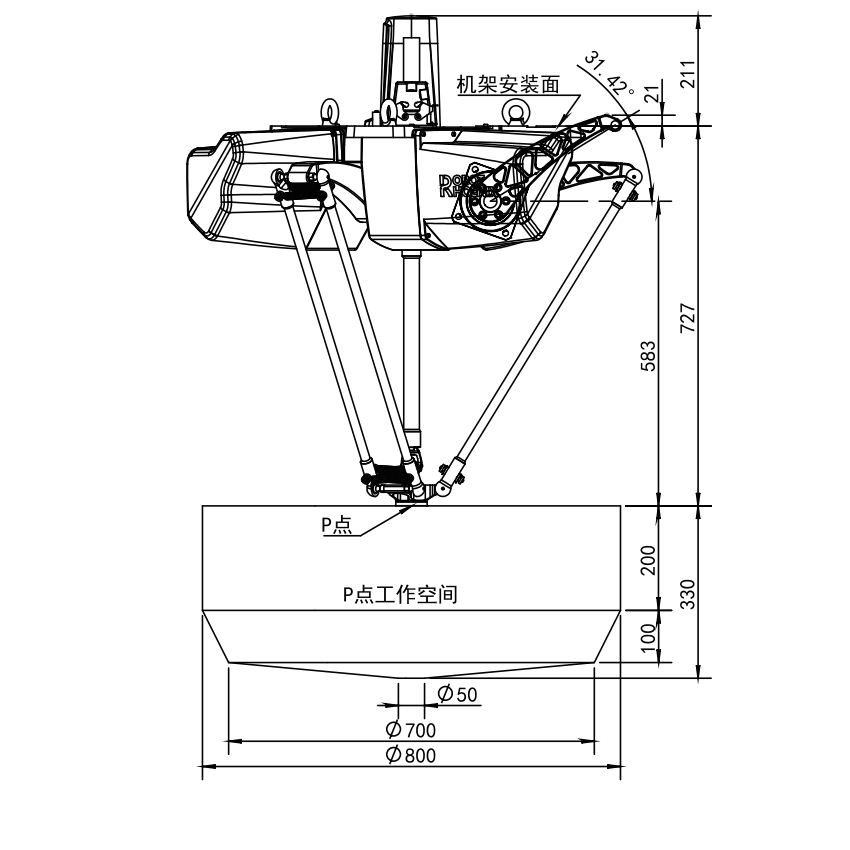
Industrial Delta Robot: High-Efficiency Parallel Robot for Goods Picking, Placing and Sorting
A high-efficiency parallel robot for goods picking, placing, and sorting. Suits 3PL and e-commerce operations in the DFW metroplex that need rapid changeover across mixed SKUs.
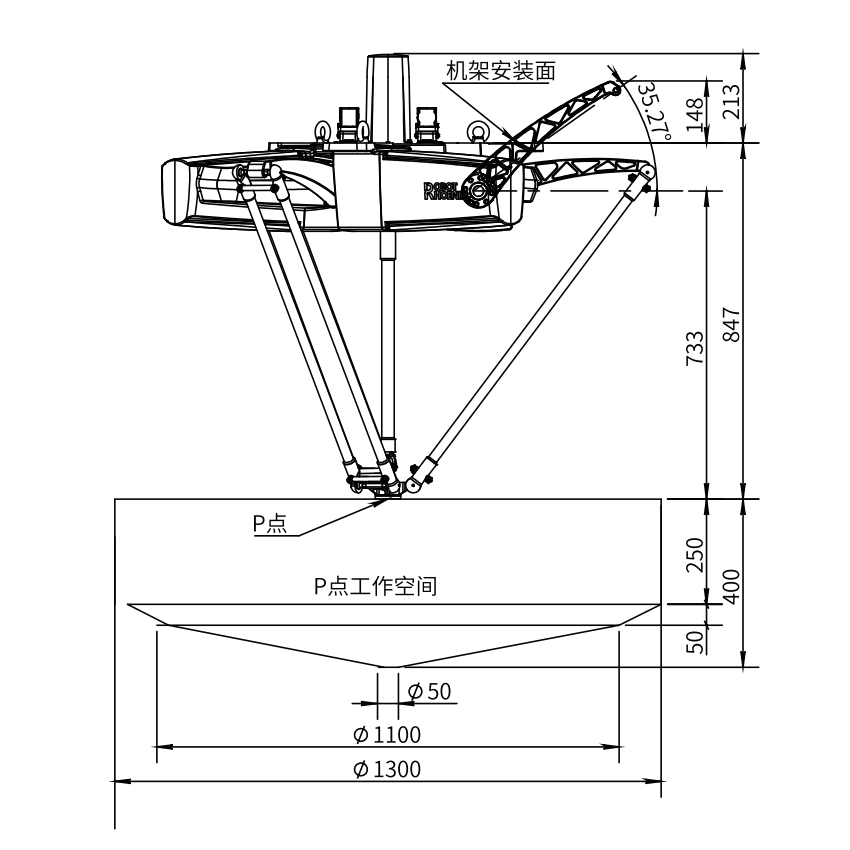
Industrial Robotic Arm Parallel Robot 2/3/4 Axis Delta Robot for Pick & Place Applications
A flexible delta architecture for pick-and-place. A practical starting point for Fort Worth factories adding one pilot cell before standardizing across multiple packaging lines.
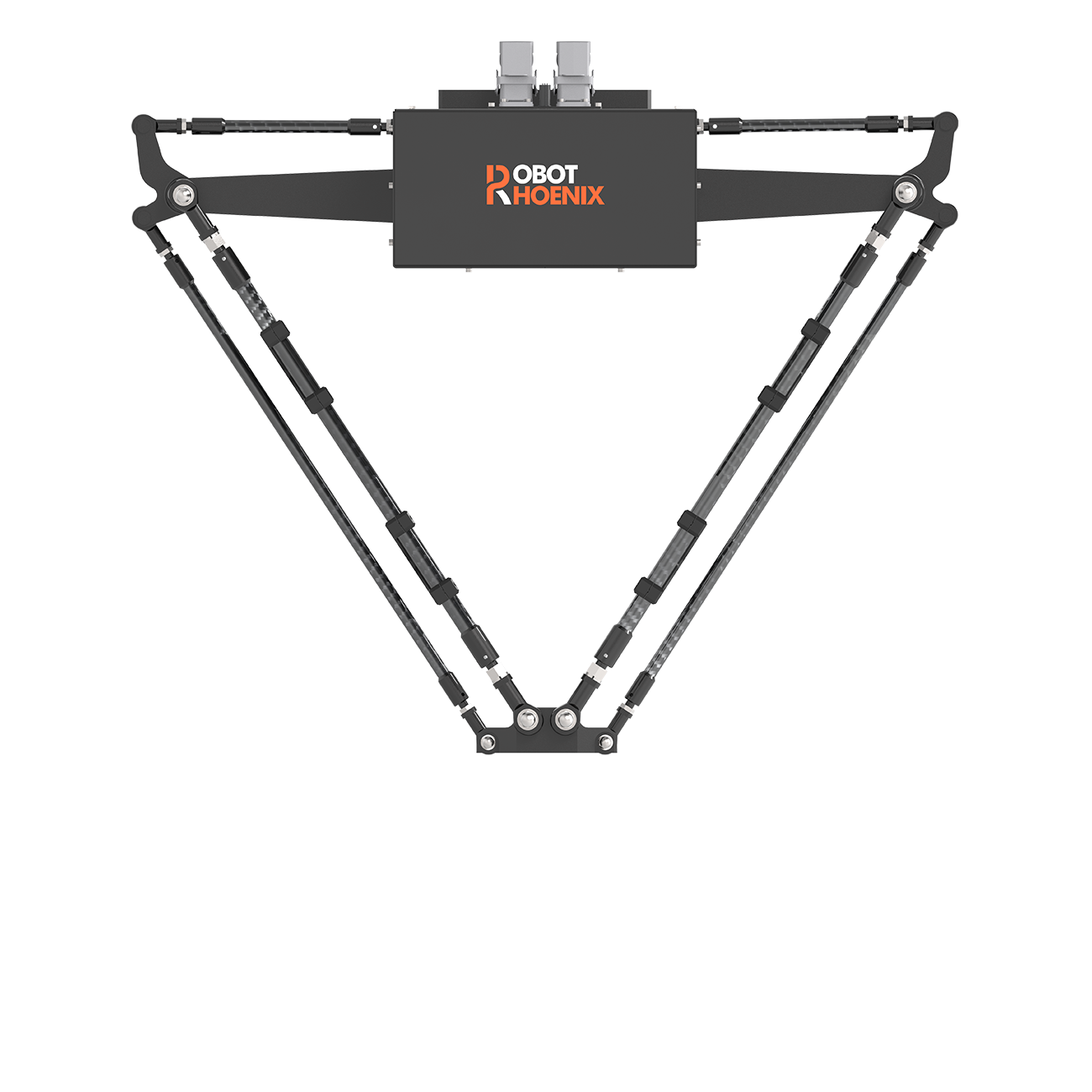
Industrial Manipulator High Speed and Accuracy Delta Robot with New Design Kinetics
New kinetic design for high speed and accuracy. Useful where a Fort Worth manufacturer needs shorter settle time on cartoning, tray loading, or labeling lines.

High-Speed Spider Arm Delta Robot for Fully Automatic Wet Wipe Lid Applicator Machines
Spider-arm delta built for fully automatic wet wipe lid applicator machines. A direct fit for daily-chemical and hygiene producers serving Texas retail and private-label brands.
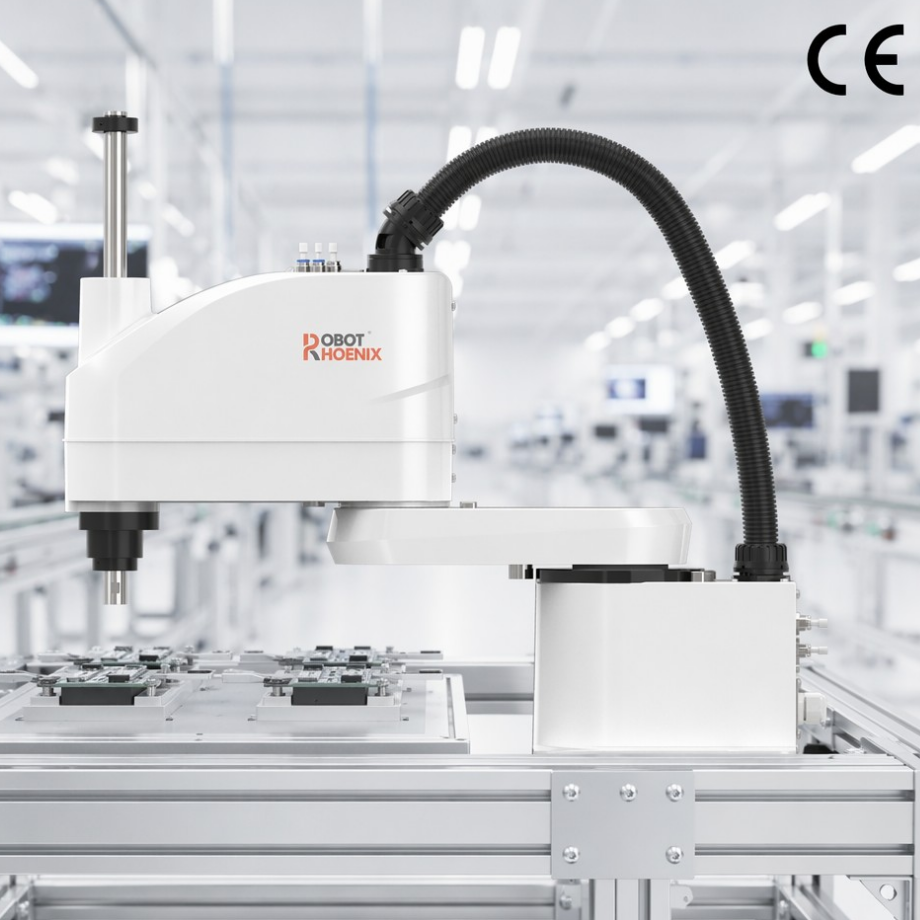
New Design Compact High Accuracy Industrial Robot Arm SCARA with 2D/3D Vision System
Compact SCARA with 2D/3D vision for precise assembly, insertion, and inspection in electronics, medical, or small-parts manufacturing near Fort Worth.
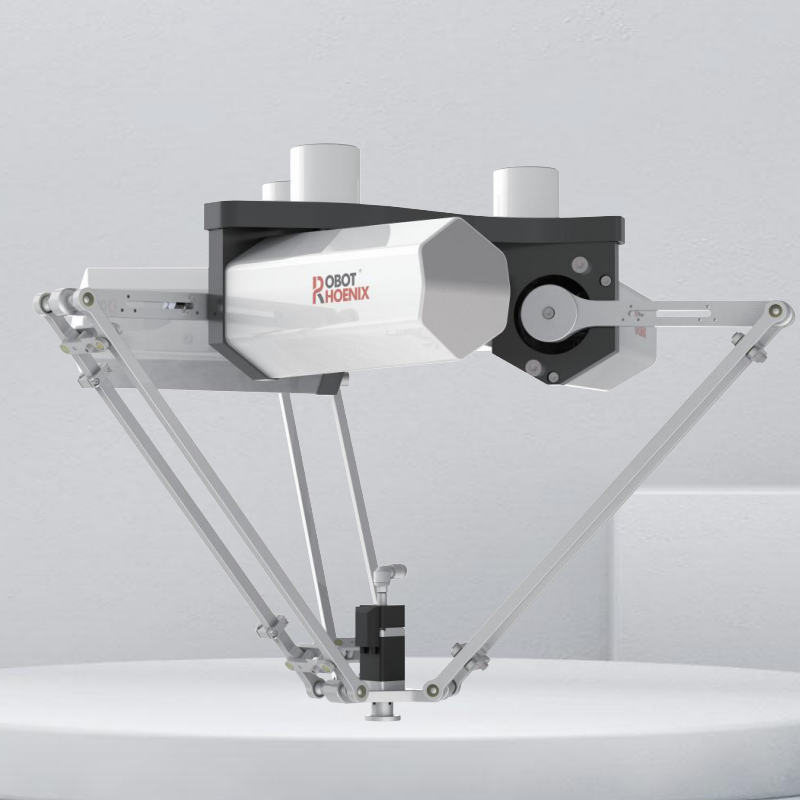
Robotphoenix New Design Industrial Delta Robot 6 kg Payload, 0.08 mm Repeatability, 2/3/4 Axis
A 6 kg delta with 0.08 mm repeatability for heavier pick-and-place and multi-axis applications, including case packing and end-of-line automation.
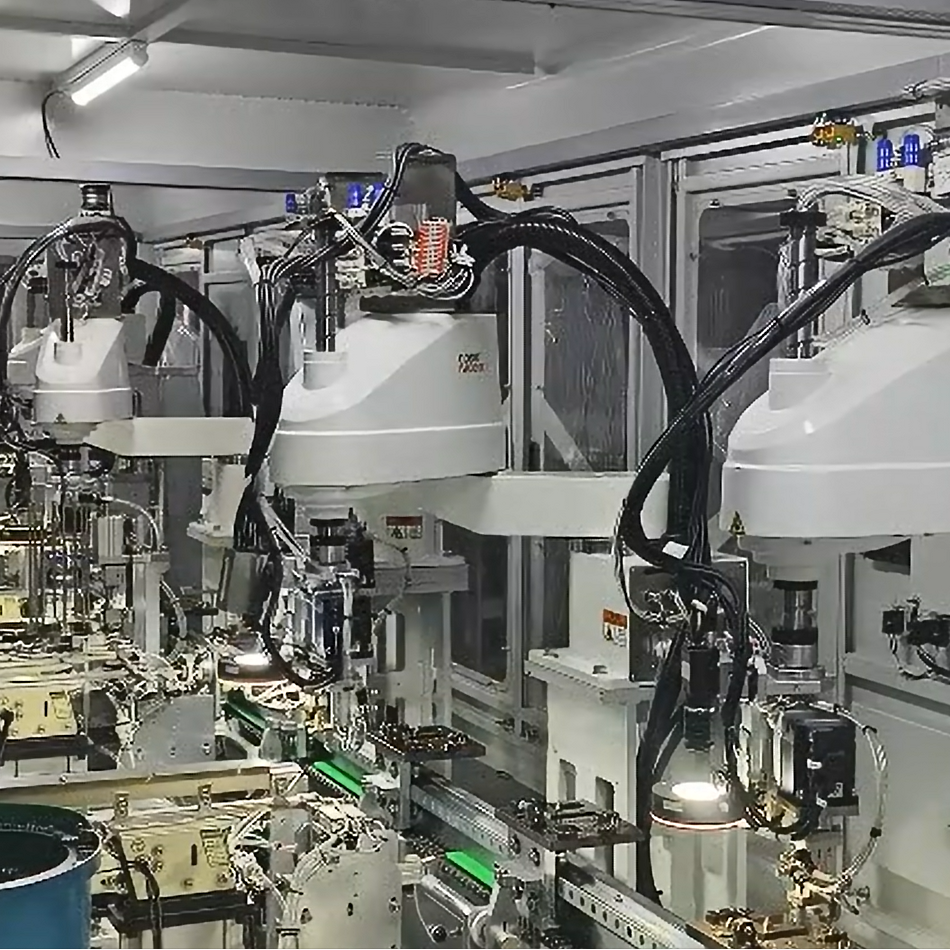
High Quality Mini Industrial SCARA Robot for Pick and Place at Low Cost — New Condition
Low-cost mini SCARA for pilot lines, kitting, and simple pick-and-place. A sensible entry point for Fort Worth job shops and machine builders that need quick ROI.
Why Fort Worth Is a High-Intent Market for Parallel Robots
Fort Worth buyers do not purchase a “delta robot” in isolation. They buy cycle-time certainty, packaging-line compatibility, freight predictability, and engineering support that can work with a Texas integrator.
Local manufacturing reality, not generic export copy
Fort Worth sits inside one of the fastest-moving industrial and logistics corridors in the United States. The AllianceTexas corridor, DFW International Airport, rail-linked distribution parks, and the broader Dallas–Fort Worth manufacturing base create demand for automation that can handle repetitive pick-and-place, sorting, tray loading, cartoning, and pallet movement.
At the same time, Fort Worth plants face familiar constraints: variable labor availability, safety expectations, higher throughput targets, and pressure to keep total landed cost predictable. A China parallel robot factory can be competitive only when it provides more than a low FOB price. It must supply clear drawings, controller documentation, FAT support, packaging protection, freight options, and a realistic commissioning plan.
That is why the buying intent behind “China top parallel robot factory and exporters for the Fort Worth market” is usually project-driven. The buyer may be a food co-packer near the DFW corridor, a machine builder supplying carton packers, a wet-wipe producer adding a lid applicator, or an electronics assembler comparing a mini SCARA against manual labor. The evaluation is not only about payload and speed — it is about whether the robot can be integrated into a US plant without surprises.
Local buying signals JORI engineers listen for
- Moving conveyor, indexed tray, or vision-picked bin — each changes the right delta model and gripper strategy.
- Required cycle time, settle time, and product mix — the real bottleneck behind most Fort Worth automation projects.
- Plant voltage, panel standards, guarding, and safety review — especially for 480 V / 60 Hz operations.
- Incoterms and delivery address — Fort Worth door delivery is different from a China port FOB quote.
- Existing PLC, packaging machine, and HMI standards — machine builders need documentation compatibility.
- Spare-parts plan, operator training, and remote support — uptime matters more than the headline robot price.
Where Parallel Robots and SCARA Robots Fit in Fort Worth Plants
Local application matching matters for SEO and for engineering. A delta robot that performs well on a wet-wipe lid line may be the wrong choice for a precision electronics insertion cell.
Food & Beverage Packaging
Delta robots support high-speed primary pick-and-place, tray loading, case packing, and sortation. Fort Worth food producers should specify washdown needs, IP54 protection, food-grade grippers, and sanitation workflow before selecting a model.
E-commerce & 3PL Fulfillment
Fort Worth’s logistics footprint rewards flexible automation. Delta sorting cells and mini SCARA kitting systems can stabilize throughput during peak seasons when temporary labor is difficult to train and retain.
Medical Devices & Pharma
Repeatability, documentation, and clean handling matter. SCARA robots with 2D/3D vision can support inspection and assembly, while delta robots handle blister, vial, carton, and pouch pick-and-place tasks.
Electronics, Aerospace & Precision Assembly
DFW aerospace and electronics suppliers often need compact, vision-guided SCARA cells for insertion, screwdriving, inspection, and test handling. Compact footprint and repeatable planar motion are usually more important than maximum speed.
Automotive, EV & Industrial Components
Higher-payload delta models support component handling, while AMR/AGV and autonomous forklifts move material between production and warehouse zones. Fort Worth buyers should map traffic, floor conditions, and safety zones before choosing mobile automation.
Wet Wipes, Daily Chemicals & CPG
Wet-wipe lid applicator lines are a strong fit for high-speed spider-arm delta robots. Private-label producers serving Texas retail can use JORI PLC-ready delta robots with custom end-effectors to improve lid placement consistency.
What Generic China Robot Supplier Pages Omit for Fort Worth Buyers
This is the information gain that separates a serious export evaluation from a catalogue download: local compliance, freight scope, integrator collaboration, and uptime planning.
480 V / 60 Hz and NFPA 79 Planning
US plants commonly operate at 480 V three-phase. Fort Worth buyers should clarify control-panel requirements, e-stop architecture, guarding, lockout/tagout, and risk assessment expectations. CE marking alone is not a US installation approval; discuss NFPA 79, UL 508A panel practice where applicable, and ANSI/RIA risk-assessment requirements with your integrator.
Fort Worth Freight & Incoterms
A useful quote states whether pricing is EXW, FOB, CFR, CIF, or delivered to the Fort Worth facility. Typical logistics may involve ocean freight to Los Angeles/Long Beach or Houston, then rail or truck, customs clearance, liftgate delivery, and crating suitable for multi-handling. Cheap packaging can erase the value of a low robot price.
Local Integrator Collaboration
Fort Worth system integrators need clean electrical drawings, I/O lists, controller manuals, vision setup guidance, and responsive engineering answers. Ask the robot factory how they support PLC integration, end-effector design, safety validation, and remote troubleshooting when the robot reaches Texas.
Uptime, Spares, and Training
Downtime is a local cost. Buyers should request a recommended spare-parts list, warranty terms, training plan, remote-diagnostics process, and expected lead time for grippers, belts, vision components, and controller parts. This is especially important for single-line Fort Worth plants.
JORI: A Verifiable China Parallel Robot Factory, Not a Trading Layer
Experience, expertise, authority, and trust are earned through factory records, engineering depth, and a clear responsibility chain — from controller and vision development to export documentation and after-sales support.
Engineering in-house since 2012
JORI Intelligent Technology Co., Ltd. was founded in 2012 in Jinan, Shandong, China, a national robotics and manufacturing hub. JORI specializes in industrial robot R&D and production, controller and 2D/3D vision development, OEM support, and automated system integration. The product portfolio includes delta parallel robots, SCARA robots, AGV/AMR platforms, autonomous forklifts, and silicon wafer handling robots.
Because robot arms, controllers, vision, and automation know-how are developed under one engineering organization, Fort Worth buyers can reduce the “supplier chain risk” that appears when a reseller cannot answer technical questions. The company reports 500+ employees, a 10,000+ m² factory area, ISO 9001 quality management, national patents, and onsite-verified supplier status. Standard models can be ordered from one set, which supports pilot-line validation before a full roll-out.
- Original factory capability for delta, SCARA, AGV/AMR, forklift, and wafer robots.
- Self-developed controllers and 2D/3D vision options — not a black-box reseller configuration.
- OEM service, design service, buyer-label options, custom end-effectors, and automated system integration.
- Export experience across North America, South America, Eastern Europe, Southeast Asia, and China.
- Average response time of 2 hours or less and a reported 97.06% response rate.
- Verifiable company records: supplier assessment, credit profile, trade capacity, trade history, and buyer reviews.
For Fort Worth buyers, the most useful next step is not a generic brochure. It is a technical review of part photos, cycle time, conveyor speed, plant voltage, PLC standards, and the target launch date. That is how the correct parallel robot or SCARA configuration is narrowed down before freight and integration costs are committed.



Delta Robot, SCARA, AMR, or Autonomous Forklift?
A fast engineering comparison for Fort Worth buyers who need to shortlist the right robot family before requesting a formal quotation.
| Robot Family | Best Fort Worth Use | Key Figures | Choose It When |
|---|---|---|---|
| Delta Parallel Robot | High-speed pick-and-place, sorting, lid application, labeling, carton loading | 3–6 kg payload · 0.08 mm repeatability · up to 120 pcs/min labeling · IP54 option | Light products arrive quickly or randomly on a conveyor and cycle time is the bottleneck. |
| SCARA Robot | Electronics assembly, medical kitting, insertion, precise placement, inspection | 4-axis architecture · compact footprint · mini low-cost models · 2D/3D vision options | You need accurate planar motion in a small cell, not maximum vertical speed. |
| AMR / AGV | Material transport between packaging, warehouse, WIP, and shipping zones | 400–500 kg payload platforms · laser SLAM · smart fleet management | Operators spend hours pushing carts and your Fort Worth layout may change. |
| Autonomous Forklift | Pallet shuttling in warehouses and distribution centers | Laser SLAM navigation · Camel Series · site layout planning support | Repetitive pallet moves run across shifts with labor constraints. |
| Wafer Handling Robot | Semiconductor and photovoltaic wafer transfer | Self-developed motion control · custom end-effectors · smooth handling | Fragile substrates require repeatable, contamination-conscious transfer. |
Local Trends Shaping Fort Worth Robot Procurement
Buyer intent in Fort Worth is influenced by Texas manufacturing growth, DFW logistics density, labor pressure, and the need to prove total landed cost — not just compare robot prices.
Reshoring & Supply Resilience
More North Texas manufacturers are reviewing domestic capacity and flexible automation. Delta robots and SCARA cells help stabilize output when production is moved closer to the end market.
E-commerce & Micro-fulfillment
DFW’s logistics infrastructure continues to attract fulfillment and distribution investment. Flexible pick-and-place cells and mobile robots reduce dependence on temporary labor during peak periods.
Labor, Safety & Turnover
Fort Worth employers face the same challenge as many US manufacturing hubs: repetitive tasks are hard to staff consistently. Automation improves ergonomics and reduces repetitive-motion exposure.
Total Landed Cost & Compliance
Buyers now compare freight, crating, customs, integration, training, spares, and compliance documentation. A robot is only “low cost” if it reaches Fort Worth and runs reliably.
A Fort Worth Procurement Checklist Before You Approve a China Parallel Robot Order
Use this checklist to make the inquiry more precise. It also helps the supplier quote the right model the first time.
Define cycle time with real samples
Send part photos, weight, dimensions, grip surface, and target parts per minute. Fort Worth packagers should include conveyor speed and product spacing.
Specify electrical and safety scope
Confirm 480 V / 60 Hz planning, control-panel responsibility, e-stop design, guarding, risk assessment, and NFPA 79 expectations with your integrator.
Agree on Incoterms and delivery scope
Clarify EXW, FOB, CFR, CIF, or delivered-door responsibilities. For Fort Worth, include crating, port-to-door transport, customs, liftgate, and unloading arrangements.
Validate documentation and traceability
Ask for drawings, controller manual, I/O list, inspection records, packing list, and warranty terms. Review the supplier’s credit and trade records before payment.
Plan FAT, SAT, and training
Factory acceptance testing should cover the agreed pick cycle and vision recipe. Site acceptance in Fort Worth should include safety validation, operator training, and maintenance handover.
Check spares and quick-change tooling
Confirm recommended spare parts, gripper lead time, vision component availability, and remote support process. Quick-change end-effectors matter when a line runs multiple SKUs.
Answers Procurement Teams Ask First
These are the questions that most directly affect a Fort Worth robot sourcing decision, from MOQ and OEM support to payment terms, packaging integration, and standards.
What is the minimum order quantity for JORI industrial robots?
Does JORI offer OEM or custom parallel robot solutions?
Should a Fort Worth buyer choose a delta robot or a SCARA robot?
Which delivery and payment terms are accepted?
Can JORI robots integrate with existing packaging machines?
How quickly does JORI respond to a Fort Worth inquiry?
What information should I send with my first inquiry?
Which standards should be discussed before ordering?
Request a Fort Worth-Specific Robot Recommendation
Send your product, target cycle time, conveyor speed, plant voltage, safety standard, and layout notes. JORI engineers will help match a delta robot, SCARA robot, AMR, autonomous forklift, or wafer robot to the application — with OEM support, MOQ from one set, and documented export communication.
Average response time 2 hours or less · 97.06% response rate · ISO 9001 · Onsite-verified manufacturer · Export experience across North America