China Top Robot Gluing System Supplier & Exporters serving the Querétaro market
JORI supplies vision-guided delta, SCARA and mobile robot platforms for adhesive dispensing, sealant application, pick-and-place and material flow. This Querétaro buyer’s guide explains how to specify a robot gluing system with in-house controllers, 2D/3D vision, ISO 9001 production and export-ready engineering support.
Eight Robot Platforms for Gluing, Dispensing and Assembly — Ready for Querétaro Projects
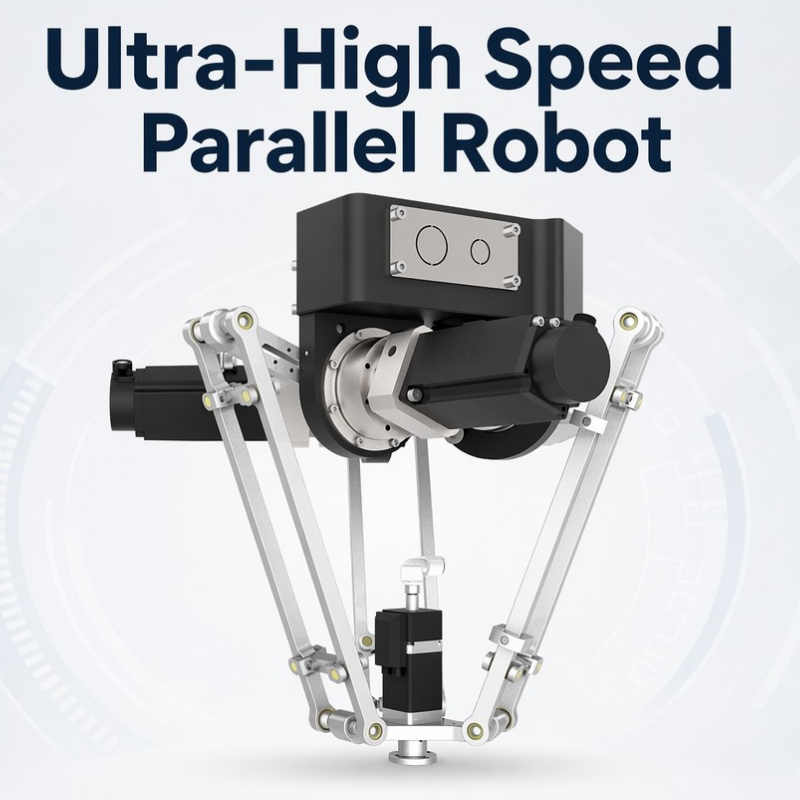
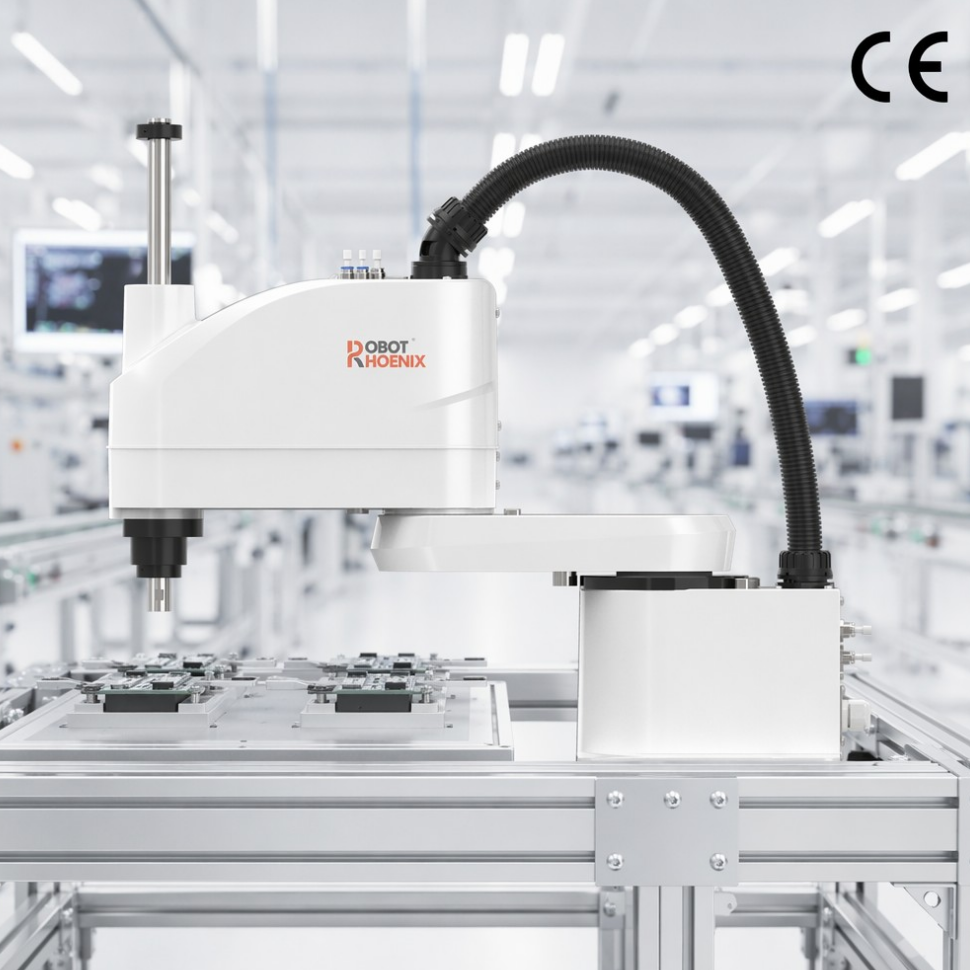
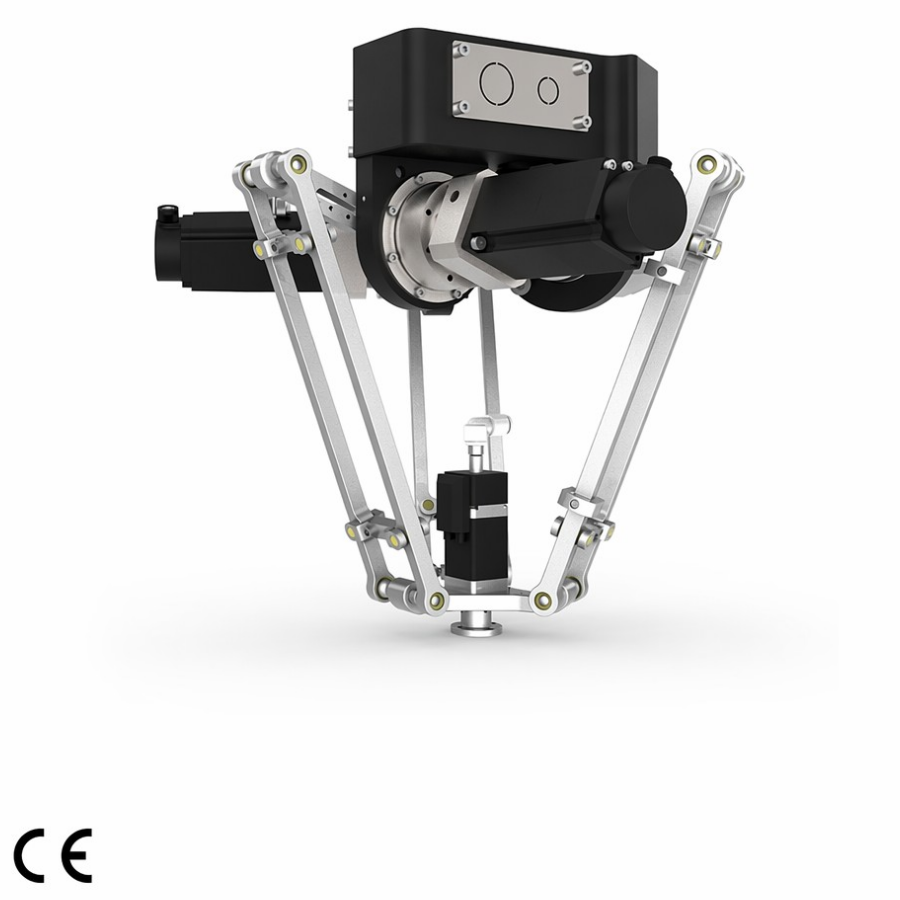
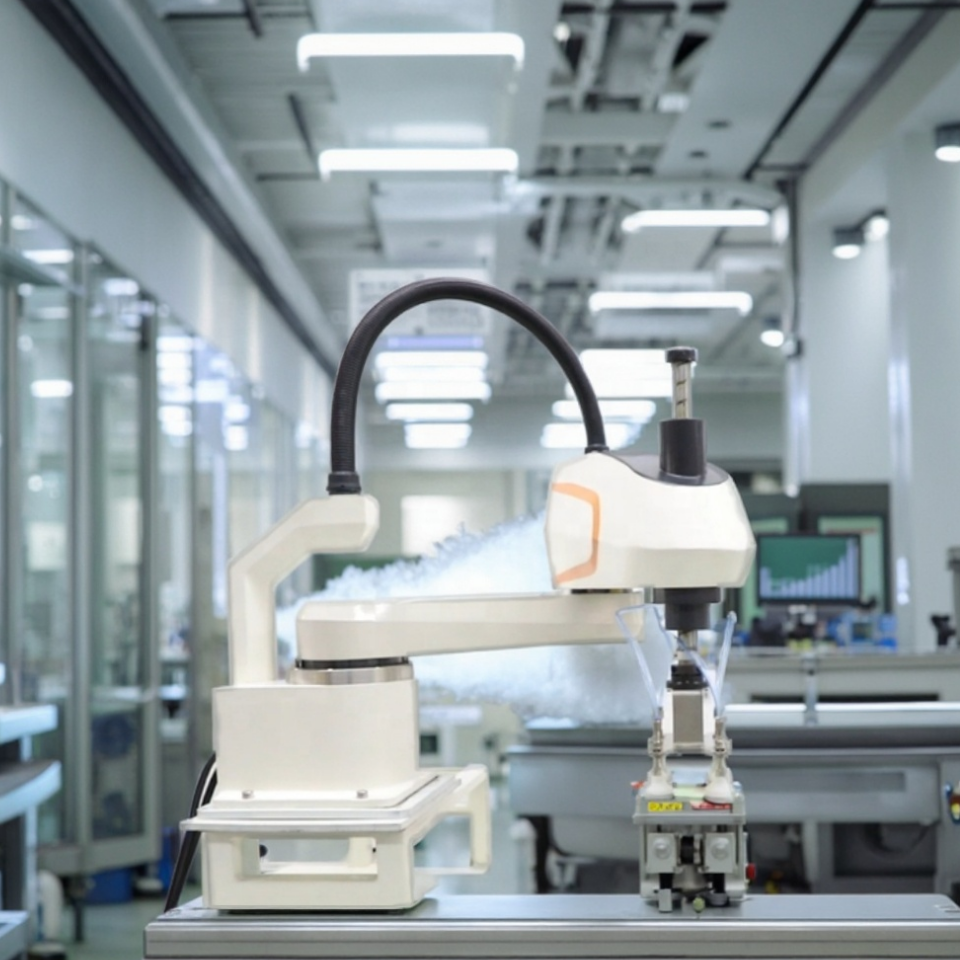
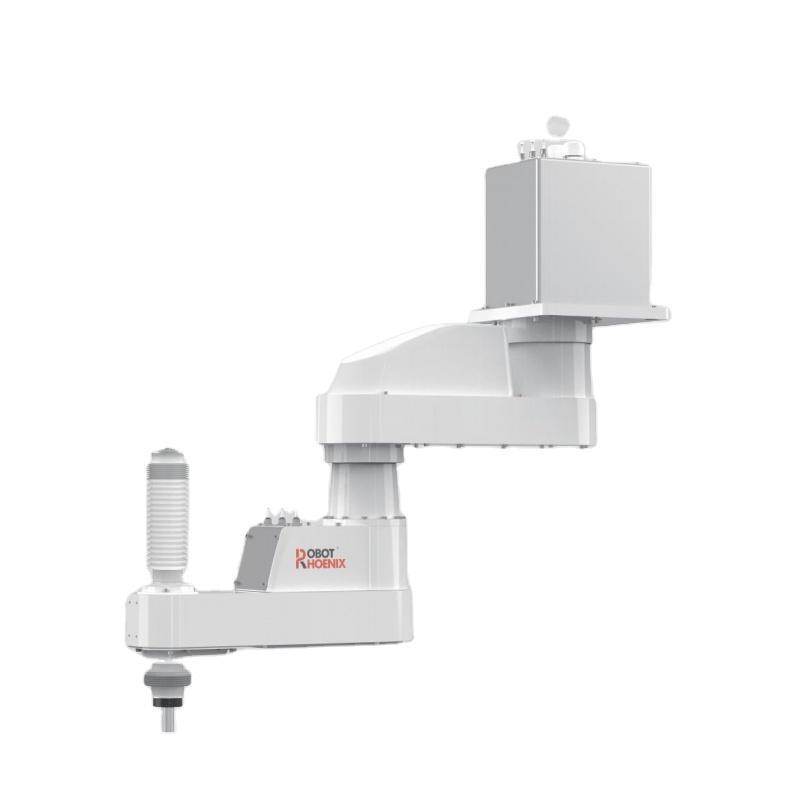
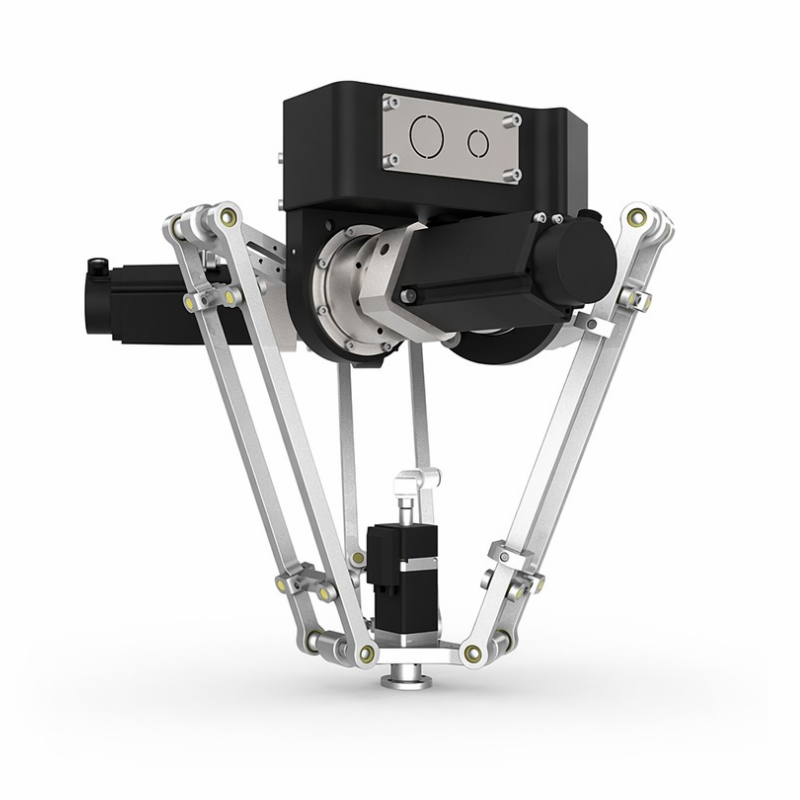
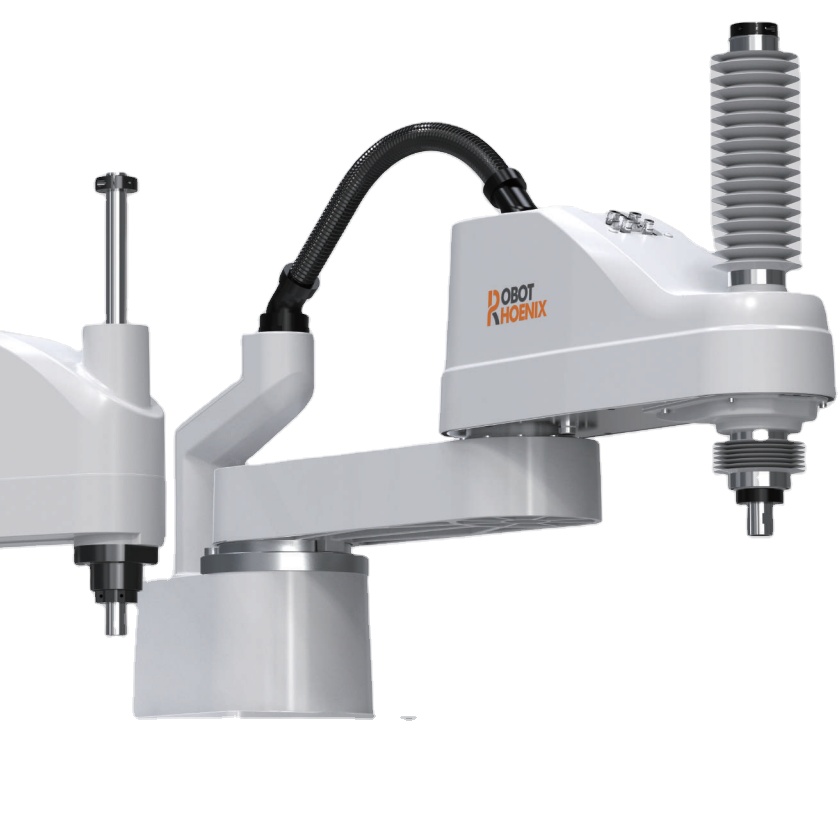
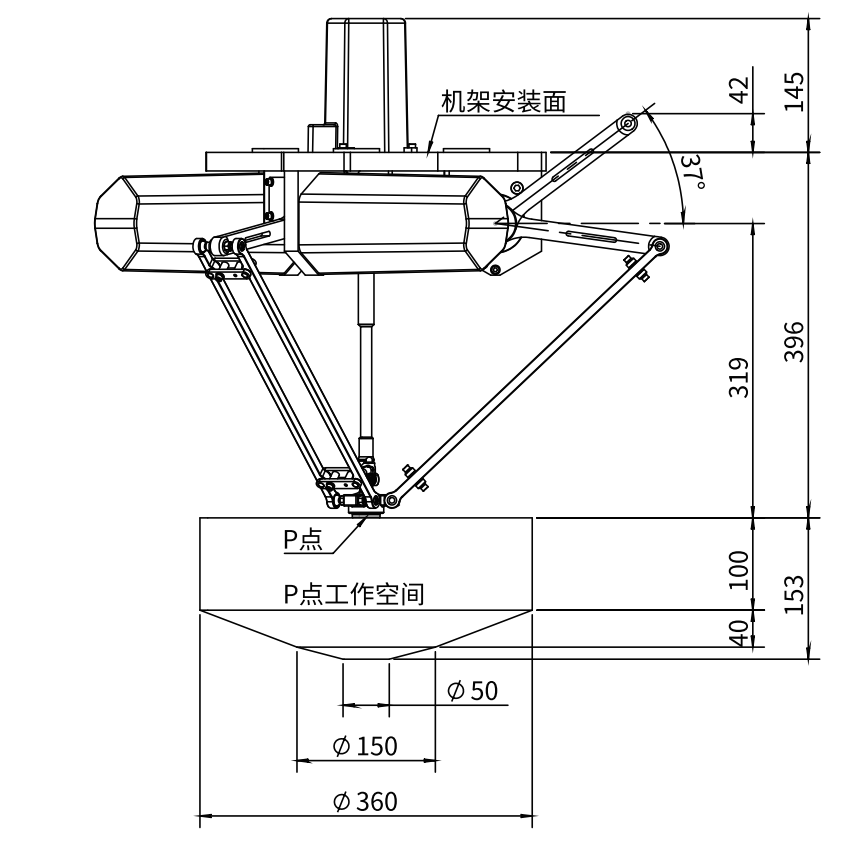
A robot gluing system is not a single arm. It is the combination of a robot platform, precision dispenser, vision, motion control and process validation. The eight platforms below are the robot side of that system, offered with OEM support, 2D/3D vision options and factory-direct engineering. Product links and images below are preserved from the supplier catalogue.
What Makes a Robot Gluing System Supplier Credible for Querétaro?
Querétaro procurement teams are not only buying a robot arm. They are qualifying a supplier whose controller, vision, mechanical design, documentation and service model must survive a real production launch. These are the JORI facts that support that qualification.
Source-aligned company information: ISO 9001, onsite-verified manufacturer, national patents, OEM support, export terms and buyer-review records.
Why a Querétaro Machine Builder Would Choose JORI
JORI is an original factory for delta, SCARA, AGV/AMR, autonomous forklift and wafer-handling robots, with controllers and 2D/3D vision developed in-house. That matters when your gluing cell must be commissioned, replicated and supported across a Mexican supply chain.
One accountable source for the arm, controller and vision
For a robot gluing system, the robot, motion controller, vision and dispenser interface must behave as one process. JORI’s in-house R&D removes the usual finger-pointing between a robot brand, a vision vendor and a dispenser integrator. Querétaro machine builders can request a platform, controller integration and vision support from the same engineering team.
Because the company has served overseas markets for more than a decade, the commercial model is built for export: MOQ from 1 set, OEM/design service, buyer-label options, FOB/CFR/CIF/EXW/CIP/FCA/CPT terms and multi-currency payment support. For a pilot line in El Marqués or a multi-cell roll-out near San Juan del Río, this reduces the distance between a sample trial and a repeatable standard.

Independent R&D capability
Delta, SCARA, wafer and AGV platforms, controllers and vision are developed with national patents and in-house engineering. That supports custom gluing end-effectors and process recipes.
Robots plus automation integration
JORI supports machine builders with PLC-ready delta robots, controller integration, custom end-effectors and full automated system integration for packaging and assembly lines.
ISO 9001 and onsite verification
Quality control runs from component inspection to final robot run-in testing. Third-party onsite verification and credit/trade records help Querétaro buyers complete supplier onboarding.
OEM, design and buyer-label service
Machine builders can white-label or co-develop a gluing and pick-and-place cell, with custom mechanics, voltage configuration, documentation and packaging suited to export projects.
Export terms built for Mexico
Accepted terms include FOB, CFR, CIF, EXW, CIP, FCA, CPT and express delivery. Payment methods include T/T, L/C, credit card, PayPal, Western Union, MoneyGram and escrow.
Response speed and engineering dialogue
Average response time is 2 hours or less with a 97.06% response rate. Buyers can share part drawings, adhesive data, cycle time and layout to receive a model recommendation.
Where Robot Gluing and Dispensing Fit in Querétaro’s Industrial Map
Querétaro’s industrial base combines automotive and auto-parts manufacturing, aerospace suppliers, appliances, electronics, food and beverage, and fast-growing logistics. Each environment asks a different question about adhesive bead control, cycle time, traceability and line integration.
Automotive and auto-parts bonding
For gaskets, sensor housings, interior panels and underhood components, a SCARA robot with vision or a compact 4-axis SCARA can follow a fixed adhesive path with consistent bead width. Querétaro suppliers to OEM and Tier 1 programs often need repeatable recipes, PLC handshakes and documented process parameters for PPAP-style reviews.
Aerospace and composite assembly
In and around the Querétaro aerospace cluster, sealant and structural adhesive work demands path accuracy, controlled dispense speed and traceability. A vision-integrated SCARA platform can support fixture identification, adhesive bead inspection and careful handling of high-value components.
Appliance, HVAC and electrical assembly
Dispensing, potting and small-part placement in appliance manufacturing benefit from a compact SCARA footprint. The robot can work inside a guarded cell beside existing operators, with recipe selection for different models and fast changeover for high-mix production.
Electronics and 3C micro-dispensing
For small adhesive dots, underfill or encapsulation, the 550mm reach, 3kg payload SCARA and high-precision light-industry SCARA are practical starting points. Vision guidance helps locate fiducials and compensate for fixture variation before the dispense move begins.
Food, beverage and consumer goods packaging
High-speed delta robots are well suited to pick-and-place, bottle unscrambling and carton loading. When glue is used for carton sealing or label application, the robot can synchronize with conveyor encoders and packaging PLCs for repeatable motion at production speed.
Warehouse and line-side material flow
A gluing cell is only productive when adhesive kits, components and fixtures arrive on time. JORI’s wider portfolio includes laser SLAM AMR/AGV and autonomous forklifts for 400–500kg-class transport, giving Querétaro plants a path from point automation to connected intralogistics.
Four Local Trends Reshaping Robot Gluing Projects
The strongest suppliers will not simply quote an arm. They will help the buyer qualify a process that can be replicated as Querétaro’s manufacturing base continues to absorb nearshoring investment.
Nearshoring and supplier qualification
More Querétaro buyers are asking for factory evidence, ISO 9001 documentation, export terms, spare-parts planning and English-Spanish communication before they release a purchase order. A transparent supplier shortens the qualification cycle.
High-mix production and faster changeover
Model variety in automotive, appliance and electronics lines pushes gluing cells toward recipe-driven control, quick-change fixtures and vision-based part recognition. The robot must adapt without a long mechanical reset.
Traceability and Industry 4.0 handshakes
Buyers want dispense pressure, flow, program number and inspection results linked to the production record. PLC, MES and vision integration are becoming part of the acceptance criteria, not an afterthought.
Bilingual engineering and local collaboration
Querétaro plants often work with global process owners and local integrators at the same time. Clear English documentation, Spanish operator training and responsive remote support reduce commissioning risk across time zones.
Which Robot Platform Fits Your Querétaro Gluing Cell?
Use this matrix to shortlist the robot family before a detailed engineering review. Final selection depends on adhesive chemistry, part geometry, cycle time, work envelope and acceptance criteria.
| Robot platform | Typical gluing / dispensing task | Why it fits | What to specify |
|---|---|---|---|
| Delta High-speed pick and place | Small-part adhesive dots, label glue, carton sealing, high-speed sorting | Fast cycle times and overhead work envelope for products moving on conveyors | Payload, repeatability, conveyor encoder, vision trigger, dispenser valve weight |
| SCARA Planar precision | Sealant beads, adhesive paths on auto parts, appliance bonding, electronics assembly | Compact footprint and precise planar motion in guarded cells | Reach, payload, repeatability, vision field, I/O handshake with PLC |
| Compact 4-axis SCARA 3kg / 550mm | Micro-dispensing, small fixtures, light-industry placement | Low moving mass and a work envelope suited to benchtop automation | Part presentation, fixture repeatability, needle or valve clearance, cycle time |
| Vision-integrated SCARA Auto parts | Varying part position, adhesive path offset, inspection before dispense | Vision compensates for fixture and part variation without hard tooling | Fiducial method, lighting, camera mounting, calibration routine, data logging |
| Customized delta 2/3/4-axis | Pilot lines, bottle unscrambling, material gripping and sorting | Flexible axes and OEM integration for machine builders | End-effector concept, PLC architecture, safety layout, spare-parts list |
Indicative selection guidance only. JORI confirms the final configuration after reviewing part drawings, adhesive data and cycle-time targets.
How to Specify a Robot Gluing System Before You Issue an RFQ
A supplier can only recommend the right robot if the process window is clear. These four specification blocks are the difference between a demonstration and a production-ready acceptance test.
Adhesive and process window
Define 1K or 2K chemistry, viscosity, pot life, flow rate, bead width, dispense speed, cure method and acceptable cosmetic limits. For Querétaro projects, include whether the adhesive will be supplied locally or imported, because packaging and shelf-life affect the cell design.
Motion and work envelope
Confirm payload including the dispenser and hose, reach, repeatability, acceleration and the space needed for fixtures. A compact SCARA may be ideal for a bench cell; a delta may win when the product arrives randomly on a moving conveyor.
Vision, PLC and traceability
Specify 2D or 3D vision, lighting, fiducials, PLC protocol, recipe management and data retention. If the Querétaro plant needs MES records, define which dispense parameters and inspection results must be stored for each part.
Acceptance, safety and service
Agree on factory acceptance testing, sample parts, cycle-time demonstration, safety guarding, electrical configuration, Spanish/English documentation and spare-parts recommendations before shipment. This protects both the integrator and the plant team.
Look Beyond the Robot Price
For a Querétaro gluing project, the purchase price is only one line in the business case. The cost of integration, validation, import logistics, spare parts and unplanned downtime often determines whether the cell meets its payback target. Use this indicative evaluation weighting to structure supplier comparisons; it is not a price quote.
Ask every supplier to explain how they will support FAT/SAT, operator training, recipe backup and replacement-part planning. A factory-direct model with in-house controllers and vision can shorten troubleshooting because the robot, motion and vision teams share one engineering language.
From RFQ to a Running Cell in Querétaro
A disciplined four-stage route helps the buyer compare technical proposals on equal terms and avoid surprises after the purchase order.
Send the process data
Share part drawings, adhesive data, target cycle time, conveyor speed, fixture concept, plant voltage and layout images. If the line already exists, a short video of the manual process is highly useful.
Shortlist the robot and dispenser
JORI reviews payload, reach, vision, PLC handshake and end-effector requirements, then recommends a delta, SCARA or custom platform with the appropriate controller and documentation scope.
Validate with FAT and samples
Agree on sample parts, adhesive bead requirements, cycle-time checks and factory acceptance criteria. Commercial terms, spare-parts list and packaging plan are confirmed before shipment.
Ship, install and train
For Querétaro, import logistics typically involve a Mexican customs broker and routes through Manzanillo, Lázaro Cárdenas or Laredo. Site acceptance, operator training and recipe backup complete the launch.
Frequently Asked Questions from Querétaro Procurement Teams
These are the practical questions that arise when a Mexican machine builder or plant engineering team compares a China-direct robot gluing system with local integration options.
What is the minimum order quantity for a JORI robot gluing or dispensing cell?
Standard delta robots, SCARA robots and AMR/AGV platforms can be ordered from 1 set. That allows a Querétaro buyer to validate a single pilot cell, sample a new adhesive process or qualify a new product before scaling to multiple lines. Custom end-effectors and integrated gluing systems are quoted as a project configuration.
Should we choose a delta robot or a SCARA robot for glue dispensing?
Choose a delta robot when the product is light, arrives randomly on a conveyor and cycle time is the bottleneck. Choose a SCARA when the cell needs precise planar motion, insertion, assembly or a compact guarded footprint. For adhesive bead applications, the dispenser valve, hose routing and vision strategy matter as much as the arm. Share part weight, bead width, cycle time and layout for a model recommendation.
Can JORI provide the vision system, controller and dispenser integration?
JORI develops controllers and 2D/3D vision in-house and supports OEM, design and integration work. The robot side can be prepared for PLC handshakes with the dispenser, conveyor encoder and safety system. Final glue valve selection depends on adhesive chemistry, flow rate and local service preferences, so it should be confirmed during the technical review.
How are robots shipped to Querétaro and which trade terms are accepted?
Accepted delivery terms include FOB, CFR, CIF, EXW, CIP, FCA, CPT and express delivery. Mexican buyers usually work with a customs broker for import clearance and inland delivery to Querétaro. Depending on the routing, cargo may arrive through Manzanillo or Lázaro Cárdenas and move inland by truck, or use a multimodal route through Laredo. The final route should be confirmed with the buyer’s broker and freight forwarder.
What should we confirm about voltage, electrical safety and NOM requirements in Mexico?
Send the plant’s actual supply voltage, frequency, grounding arrangement and control-voltage preferences before configuration. Querétaro facilities may operate different industrial voltages, so the robot and controller electrical design must be confirmed per project. The buyer’s customs broker, electrical contractor and local integrator should also review applicable NOM and site safety requirements. JORI can provide technical documentation to support that review; final compliance scope is confirmed with the buyer.
Do you provide English and Spanish documentation and training?
Export projects can be supported with English documentation and engineering communication, with Spanish-language operator training coordinated through the buyer or a local integrator. For Querétaro teams, it is practical to define which documents must be in Spanish—such as maintenance instructions, safety labels or training slides—during the quotation stage.
How quickly does JORI respond, and how are spare parts planned?
JORI reports an average response time of 2 hours or less and a 97.06% response rate. For spare parts, the project review should identify recommended consumables, critical modules and long-lead components based on the selected robot and controller. Querétaro buyers should discuss an initial spare-parts kit and the expected maintenance plan before shipment.
Can the robot integrate with our existing packaging or assembly machine?
Yes. JORI offers PLC-ready delta robots and supports machine builders such as cartoning, carton-packing and wet-wipe lid applicator manufacturers. To evaluate integration, provide the existing PLC brand, communication protocol, safety architecture, conveyor encoder details and a sequence description. The goal is to define the handshake clearly before the robot is built.
Planning a Robot Gluing or Dispensing Cell in Querétaro?
Send your part drawings, adhesive data, cycle-time target and plant layout. JORI’s application team can recommend a delta, SCARA or custom robot platform and prepare the next engineering step.
info@joribot.com