8 Factory-Direct Robot & Vision Platforms for Cologne Wholesalers
A concise shortlist of SCARA, delta, AGV and precision handling robots for Cologne-area buyers comparing a China robot vision camera manufacturer, OEM supplier or wholesale partner. Standard models can be quoted from one set, with OEM and buyer-label support available for qualified distributors.
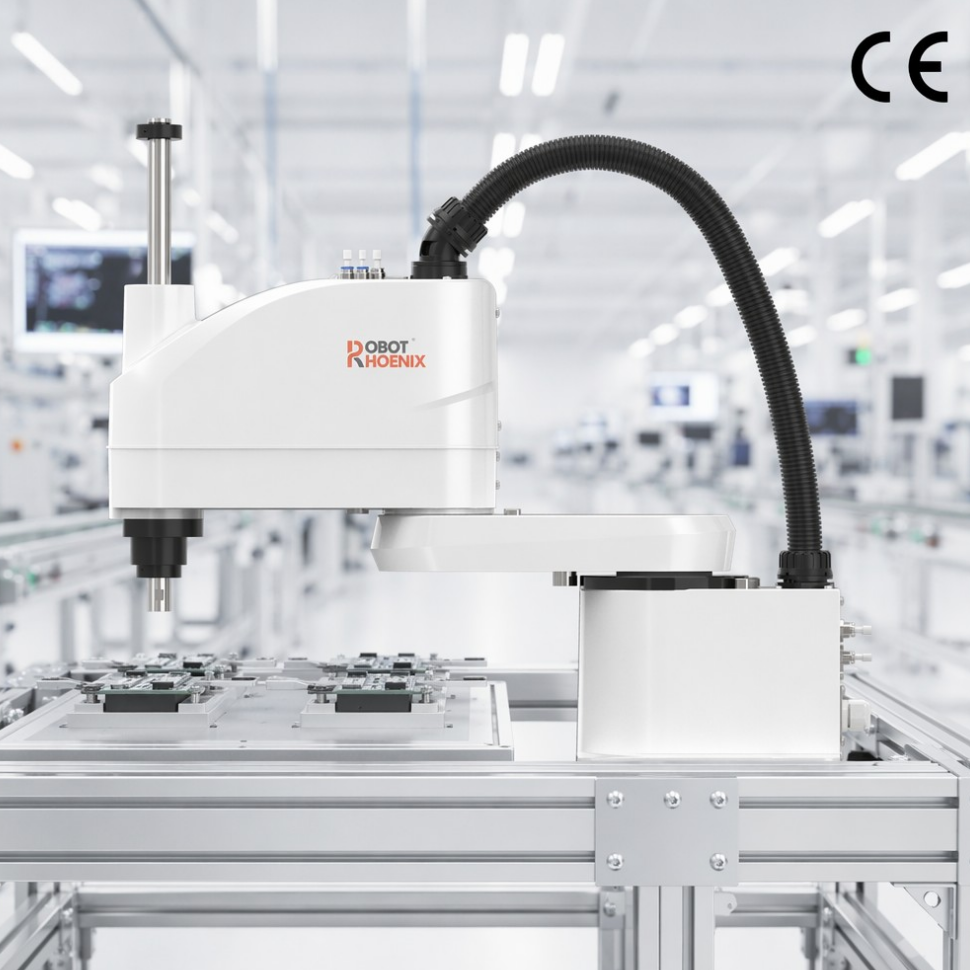
High Speed and Accuracy Newly Developed Industrial Robot Arm Four Axis Scara Robot
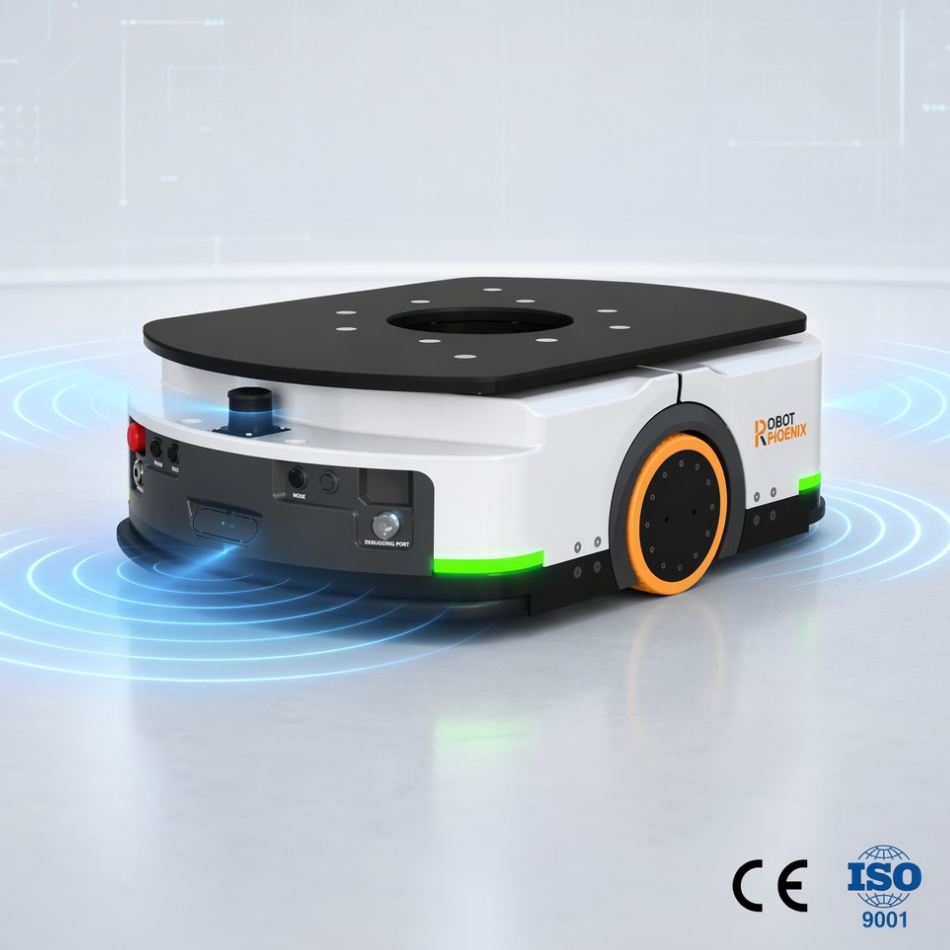
Compact and Latent Mobile Robot AGV for Narrow Aisle Warehouse and Factory Transportation
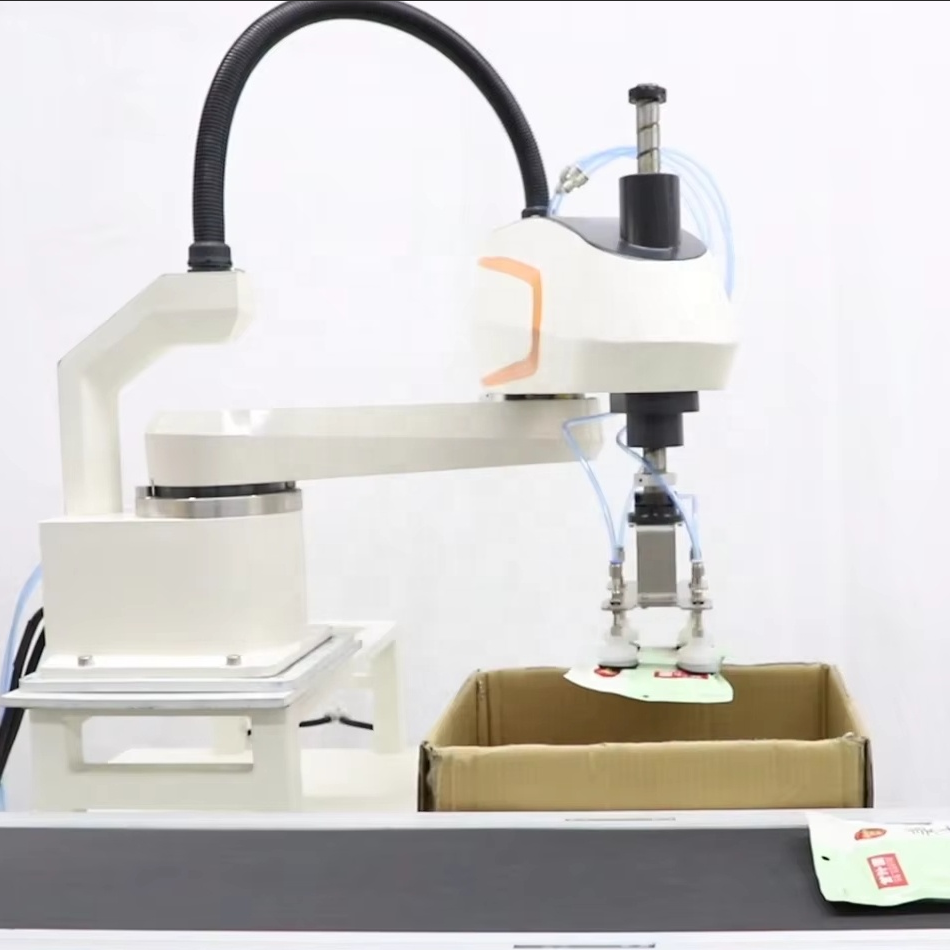
Newly Design Industrial Articulated Robotic Arm Scara for Precision Assembly & Handling
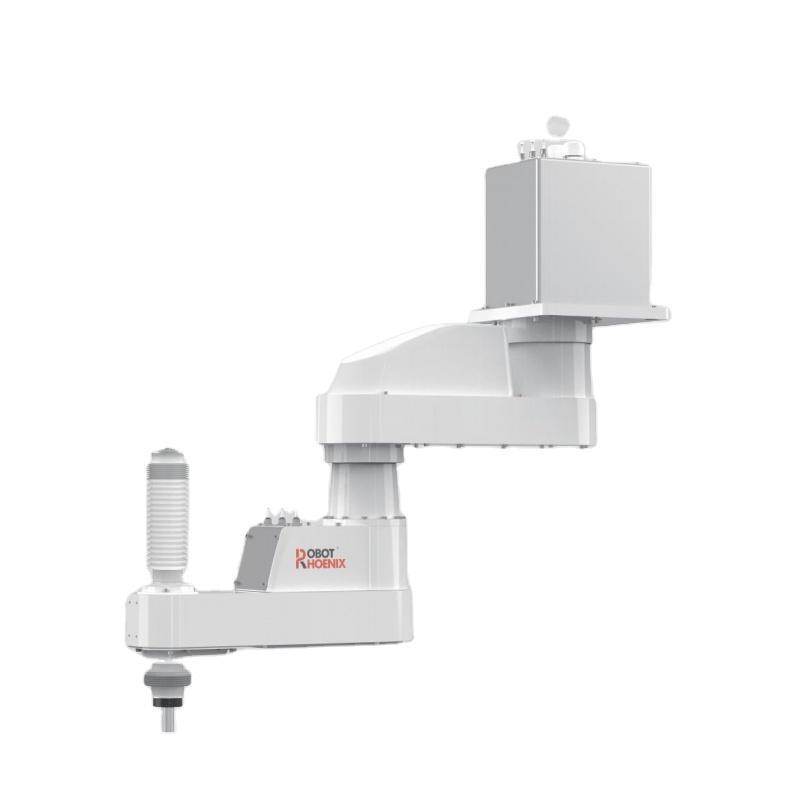
Compact Structure High Precision 550mm Reach Radius 3kg Payload 4-axis SCARA Robot
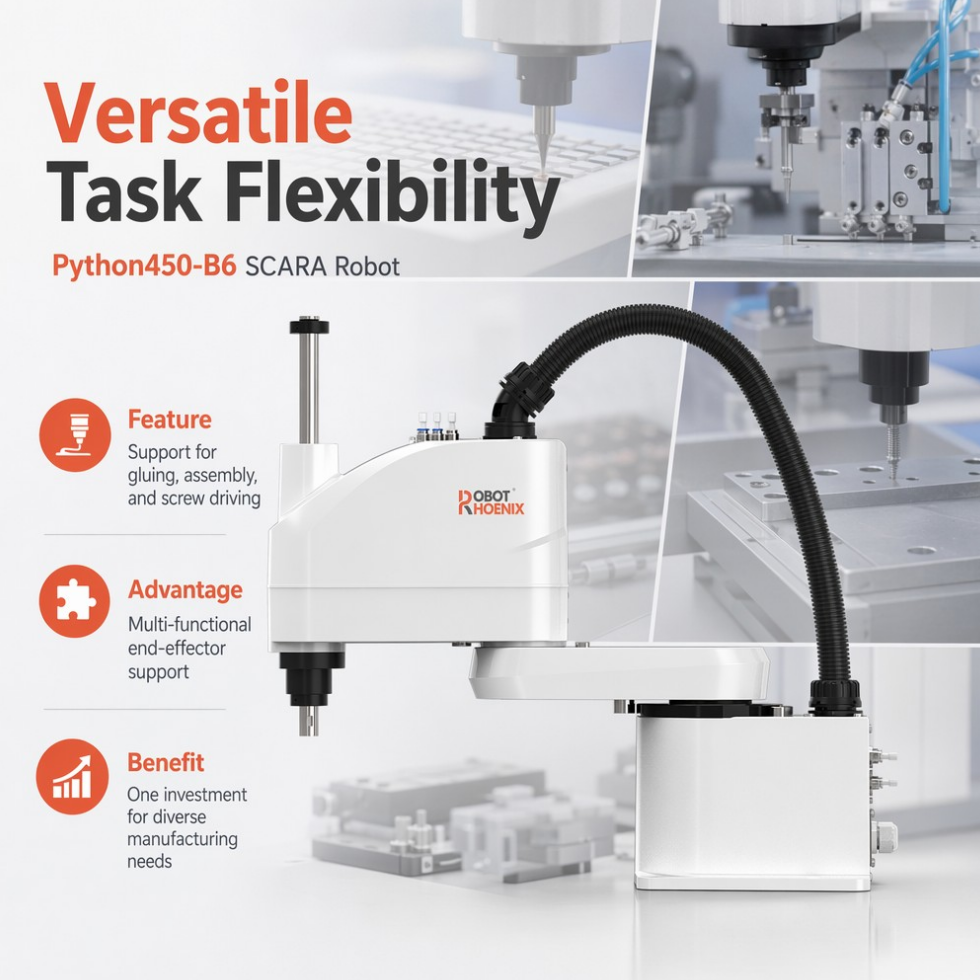
Newly Design Low Price Industrial Manipulator Scara Robot Arm with Integrated Motor
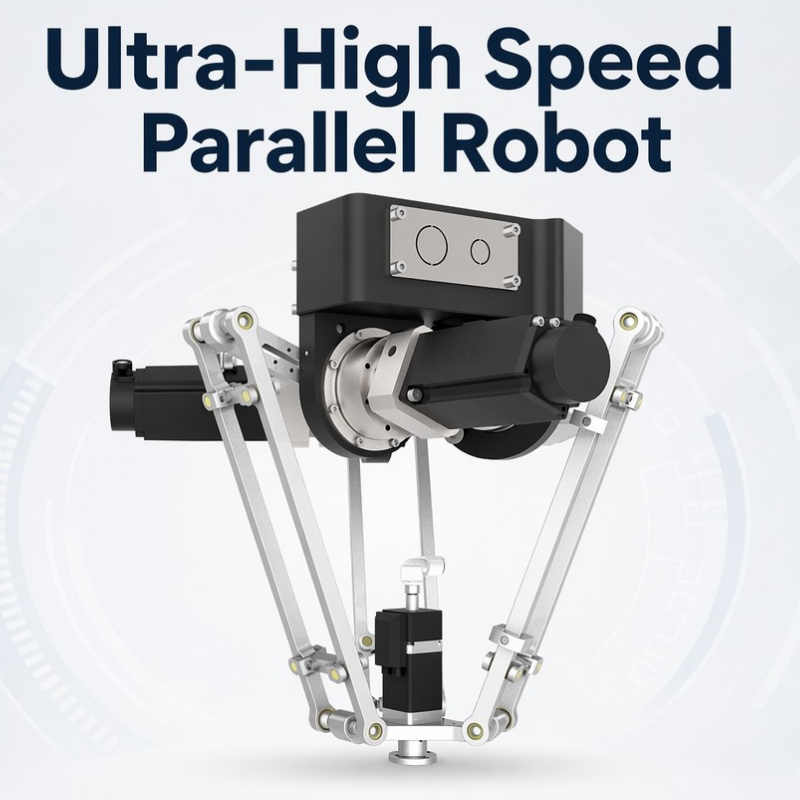
Newly Design Customized Integrated Robot Parallel Robot Delta for Pick Place and Sorting

High Speed 3kg Load Industrial Delta Robot Arm with IP54 Protection for Robotic Pick& Place
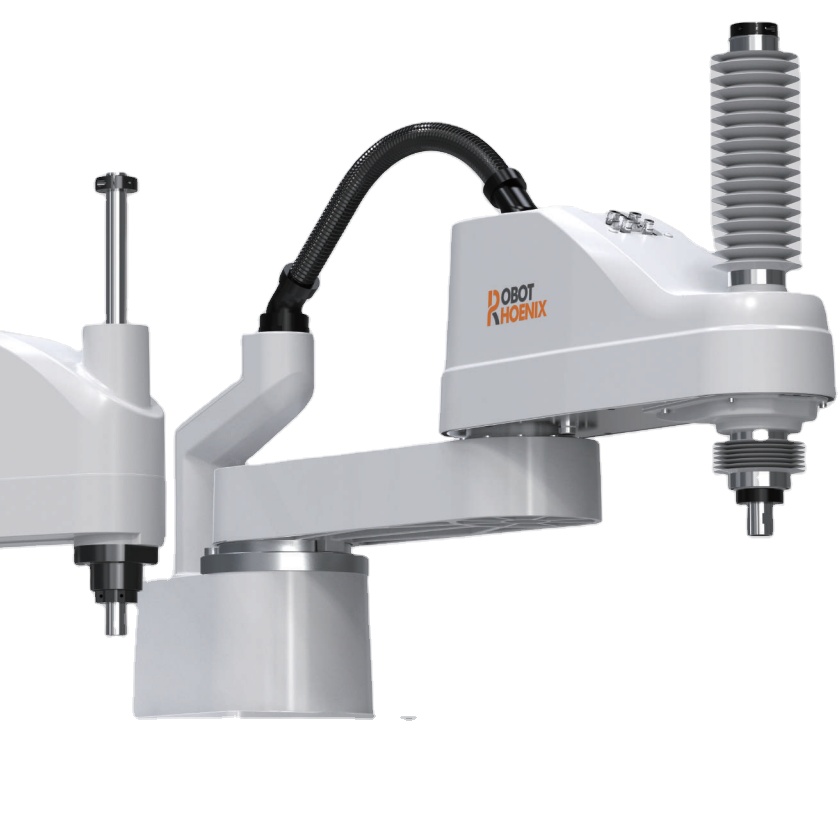
High-Precise Industrial SCARA Robot Arm Scara Robot for Pick and Place in Light Industry
Why Cologne Buyers Compare China Robot Vision Camera Manufacturers
Cologne — Köln — sits inside one of Europe’s densest automation corridors. Buyers in Cologne, Leverkusen, Bonn, Aachen, Düsseldorf and the wider North Rhine-Westphalia region work across automotive components, packaging, food, pharmaceuticals, consumer goods, electronics and Rhine-linked logistics. For these teams, a robot vision camera is not a standalone accessory. It is one part of a repeatable cell that includes the robot arm, controller, optics, lighting, calibration, conveyor tracking, reject handling and traceability data.
A capable China manufacturer should therefore be evaluated as an engineering partner, not only as a camera or robot wholesaler. The right shortlist connects vision-guided robotics to your actual cycle time, part presentation, inspection tolerance and line-side documentation. JORI Intelligent Technology Co., Ltd. has developed industrial robots, controllers and 2D/3D vision in-house since 2012, with standard models available from one set and OEM support for distributors and machine builders. That structure gives Cologne buyers one accountable source for robot mechanics, controller integration and vision coordination.
Where Vision-Guided Robots Fit in Cologne and NRW Production
Local application context matters in semantic search. The same SCARA robot may support electronics assembly in Aachen, carton packing in Cologne, or automated inspection for a supplier in Leverkusen. The vision package, gripper, safety concept and documentation change with the task.
Automotive & E-Mobility Suppliers
Cologne and nearby NRW automotive suppliers use SCARA and delta robots for connector handling, small-part insertion, label verification and assembly inspection. A vision camera can confirm presence, orientation or colour before the robot places the part, reducing scrap caused by mixed or misoriented components.
Packaging & Consumer Goods
Cartoning, sorting, lid application and labeling lines benefit from high-speed delta robots with camera guidance. Randomly oriented products arriving on a conveyor can be located and picked without manual indexing. For Cologne packaging machine builders, PLC-ready delta integration and compact end-effectors are often more important than the camera alone.
Food & Beverage Handling
Vision-guided pick-and-place supports tray loading, sorting and case packing. For food-adjacent projects, buyers should confirm IP protection, cleaning regime, lubricants and food-contact materials early. A sample test with real product shape, colour variation and packaging reflectivity is more useful than a generic catalogue claim.
Pharmaceutical & Medical
Blister, vial, syringe and carton handling require repeatable motion and clear reject logic. German buyers often ask for documentation, change control and traceability. Define the inspection output, reject confirmation and batch traceability before selecting a robot vision camera configuration.
Intralogistics & Rhine Corridors
Warehouses near Cologne, Duisburg and the Rhine logistics axis face labour shortages and tight aisles. Laser SLAM AMR/AGV platforms and autonomous forklifts can reduce repetitive transport. For retrofits, confirm floor conditions, Wi-Fi coverage, traffic rules and fleet-management requirements before choosing a model.
Electronics & Precision Assembly
Compact SCARA robots with 550 mm reach and 3 kg payload are a practical fit for small cells where floor space is limited. Vision can guide alignment, check screw presence or verify connector seating. The controller interface, fieldbus requirement and operator screen language should be agreed before quotation.
What a Robot Vision Camera System Really Includes
A camera alone does not make a vision-guided robot cell reliable. Cologne buyers get better quotations when they send part samples, cycle-time targets, conveyor speed, tolerance, reject rules and existing PLC details. The following modules show what to specify in the inquiry.
Camera, Lens & Lighting
Field of view, working distance, resolution and lighting angle determine whether the system can detect the required feature. Glossy packaging, dark rubber parts and transparent film all need different optics. Share sample images and physical parts for a meaningful recommendation.
Calibration & Coordinate Mapping
Vision coordinates must map accurately to robot coordinates. Lens distortion, camera mounting, conveyor motion and tool-centre-point calibration all affect placement. Ask how calibration is validated at acceptance and how the cell recovers after a camera or tool change.
Robot Kinematics & Controller
Payload, reach, repeatability and acceleration must match the mechanical task. JORI develops robot controllers and 2D/3D vision in-house, so the robot arm, motion control and vision coordination can be discussed as one system rather than three unrelated purchases.
Conveyor Tracking & PLC Handshake
Moving-line picking requires trigger timing, encoder following and a clean handshake with the machine. For Cologne machine builders, confirm required fieldbus options such as PROFINET, EtherNet/IP, EtherCAT or Modbus TCP during quotation; availability is configuration-specific.
Traceability & Reject Handling
European buyers increasingly need reject reasons, image logs, pass/fail counts and batch traceability. Define whether images are stored, how long data is retained and which signals go to the line PLC. These details create real information gain for procurement and quality teams.
Safety & EU Compliance Context
Robots supplied into Germany must be integrated into a compliant machine. Ask for the latest configuration-specific documentation, risk-assessment inputs, electrical data and EMC information. Final CE marking of the installed cell usually involves the local integrator and end user’s safety validation.
Which Robot Family Should a Cologne Buyer Shortlist First?
This comparison is intentionally practical. It helps wholesalers, integrators and factory engineers prepare a clearer RFQ before they request a catalogue or datasheet.
| Robot Family | Best Fit | Key Figures | Cologne Procurement Question |
|---|---|---|---|
| Series 01Delta Parallel Robot | High-speed picking, sorting, labeling, cartoning | 3–6 kg payload · 0.08 mm repeatability · IP54 option · up to 120 pcs/min labeling context | Do products arrive randomly on a conveyor, and is cycle time the bottleneck? |
| Series 02SCARA Robot | Assembly, insertion, precise placement, light handling | 4-axis architecture · compact footprint · 550 mm reach / 3 kg model · mini low-cost options | Is the cell space-constrained, and do you need accurate planar moves? |
| Series 03AMR / AGV | Material transport between stations and warehouses | 400–500 kg payload platforms · laser SLAM · fleet management · narrow-aisle AGV option | Are operators spending hours pushing carts, and how often does the layout change? |
| Series 04Autonomous Forklift | Pallet handling in smart warehouses | Laser SLAM navigation · Camel Series context · site-planning support | Do repetitive pallet shuttles run across shifts with labour shortages? |
| Series 05Wafer Robot | Semiconductor and photovoltaic wafer transfer | Self-developed motion control · smooth handling · custom end-effectors on request | Do fragile substrates need contamination-conscious, repeatable transfer? |
Automation Trends Shaping Cologne Procurement in 2025 and Beyond
Cologne buyers are not shopping in isolation. They respond to labour availability, energy costs, EU compliance, high-mix production and customer expectations for traceability. These trends influence how a robot vision camera is specified.
Labour Availability
Demographic change and skilled-labour shortages push Cologne manufacturers to automate repetitive picking, loading and pallet transport. Vision guidance reduces the need for precise manual presentation, which makes automation more practical in existing lines.
High-Mix, Low-Volume Production
German industrial buyers increasingly run more variants with shorter batches. Quick product changeover, recipe selection and camera parameter storage matter as much as maximum speed. Ask whether the vision setup supports multiple part recipes and controlled change management.
Energy & Efficiency Pressure
Energy costs and carbon reporting encourage compact, efficient cells. Right-sized SCARA and delta robots can replace over-specified machinery, while AMR/AGV systems reduce unnecessary forklift travel. Calculate total cycle efficiency, not only the robot purchase price.
EU Compliance Documentation
CE marking, risk assessment, electrical safety and technical files are central to German procurement. The exact compliance package depends on the robot model and the integrated machine. Request current declarations and data sheets for the proposed configuration before purchase order.
Intralogistics Along the Rhine
Cologne’s position near Duisburg, Düsseldorf and the Rhine logistics corridor makes autonomous transport attractive. AMR/AGV and autonomous forklift projects need site surveys, traffic simulation, charging strategy and emergency-response planning—not just a vehicle data sheet.
Vision-Led Quality & Traceability
Quality teams want more than “good/bad” signals. They want reject reasons, images and production counts that can be linked to batches. A robot vision camera system that supports clear data outputs is easier to validate, audit and improve after installation.
Why JORI Is a Credible China Source for Cologne Wholesalers
For serious procurement teams, credibility is built from verifiable capability rather than adjectives. These are the company advantages Cologne buyers can review before requesting a catalogue or quotation.
In-House R&D Since 2012
JORI develops industrial robots, controllers and 2D/3D vision in-house, with national patents covering robot and automation technologies. Buyers are not routed through an unrelated trading layer.
Factory Scale & Quality System
More than 500 employees, 10,000+ m² of factory area, ISO 9001 quality management and onsite-verified supplier status provide a stronger due-diligence baseline for European buyers.
OEM, Design & Buyer Label
Cologne wholesalers and machine builders can discuss OEM service, design service, private-label options, custom end-effectors, controller integration and automated system integration. Volume programs are quoted per annual demand.
Export Experience & Response
JORI serves buyers across Asia, Europe and the Americas, with a published 97.06% response rate and an average response target of two hours or less. Delivery and payment terms include common export options for German buyers.
Verify Before You Buy: Practical Due Diligence for Cologne Procurement
Request the latest company assessment, credit profile, trade capacity, transaction level and buyer feedback. For the proposed robot, ask for the exact configuration sheet, electrical data, controller interface list, spare-parts list and available compliance documents. A short video audit of the factory and a live acceptance test are often more valuable than a generic brochure.
- Confirm the model, payload, reach, repeatability and vision scope in the quotation.
- Ask which documents are configuration-specific, including CE-related information where applicable.
- Review Incoterms, EU import responsibilities, VAT, EORI and commissioning responsibilities.
- Validate spare parts, training, documentation language and remote-support workflow.
What Local Buyers Should Confirm Before Ordering from China
These are the practical details that separate a smooth robot vision camera project from a costly integration surprise.
Compliance Package
Confirm what is supplied for the exact robot model: declaration information, electrical schematics, safety instructions, maintenance manual and test records. The final machine CE process normally involves the local integrator.
Electrical Adaptation
German facilities commonly use 400 V three-phase 50 Hz. Confirm the robot controller supply, control voltage, earthing, E-stop circuit and power quality requirements with your electrical planner before shipment.
Logistics to Cologne
Discuss EXW, FOB, CFR, CIF, CIP, FCA, CPT or express options. A DAP Cologne quotation may be available by project. Typical routes use Rotterdam, Antwerp or Duisburg, with airfreight via CGN or DUS when urgent.
Support & Spare Parts
Ask for recommended spare parts, wear items, response workflow, remote-support tools and training format. English technical support is standard; German documentation or local integration support should be discussed for your project.
Questions Cologne Buyers Ask Before Requesting a Catalogue
Direct answers for procurement teams, distributors and machine builders comparing a China robot vision camera manufacturer or wholesaler for Cologne delivery.
Are you a robot vision camera manufacturer or only a trading company?
Can you ship robots to Cologne, Germany?
What compliance documents can be provided for the German market?
Can the robot run on 400 V three-phase 50 Hz in Germany?
What is the minimum order quantity and delivery time?
Do you offer OEM or wholesale pricing for Cologne distributors?
Can your robots integrate with existing packaging machines in Cologne?
How can I verify quality before placing an order?
Request the Robot & Vision Catalogue for Your Cologne Project
Send your part photos, payload, reach, cycle-time target, conveyor speed, PLC interface and delivery destination in Cologne. Our team can shortlist a SCARA, delta, AMR or wafer robot configuration and clarify available documentation, Incoterms and OEM options.
Get Catalog Factory-direct quotation · MOQ from 1 set on standard models · English technical support · info@joribot.com