Eight Robot Modules for Robotic Case Packer Projects
These are the factory-direct robot modules most often specified inside a robotic case packer, top-load cartoner, lid applicator or end-of-line pick-and-place cell. Product pages and URLs are preserved for direct engineering review.
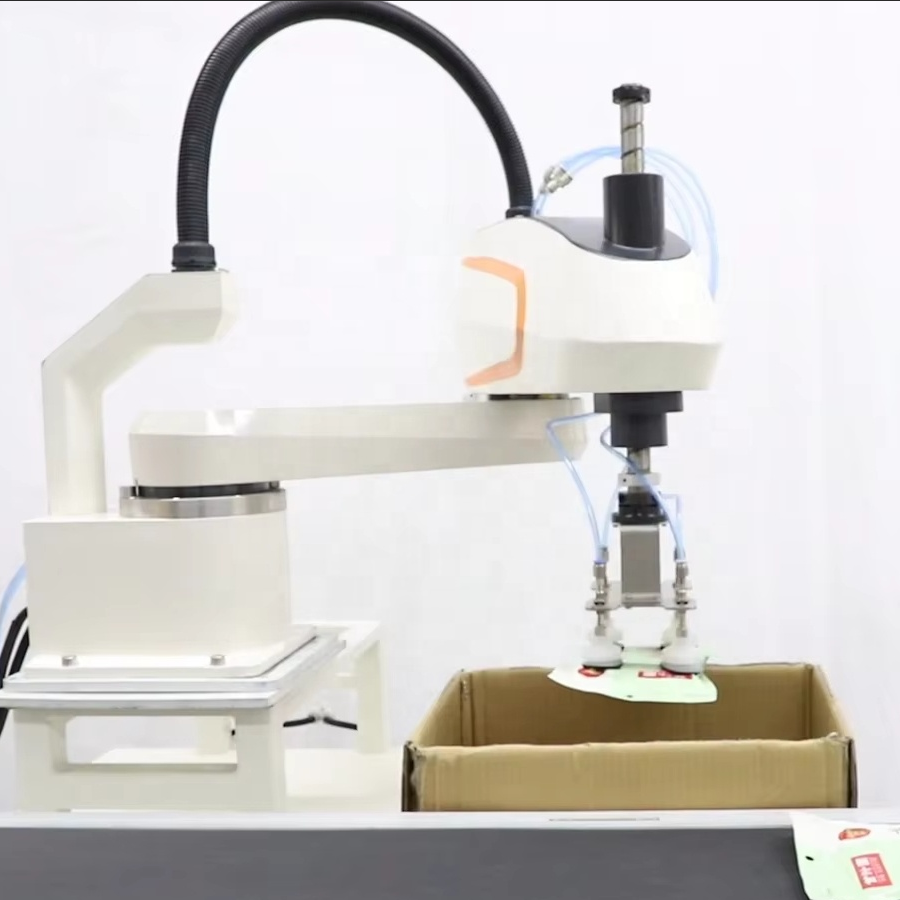
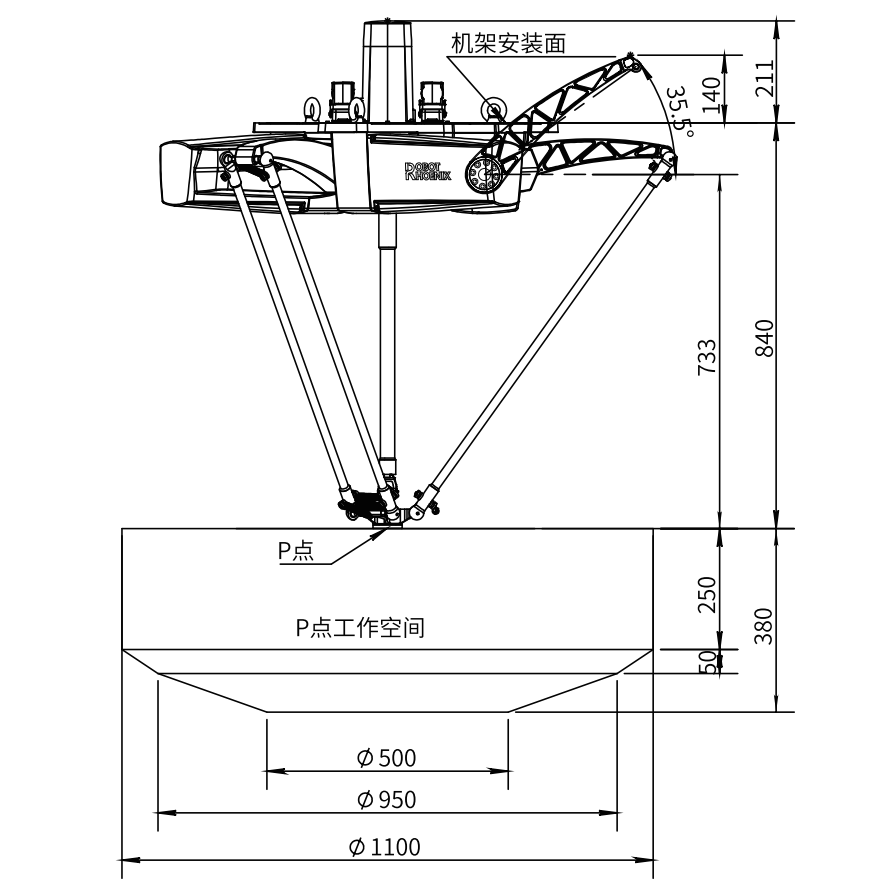
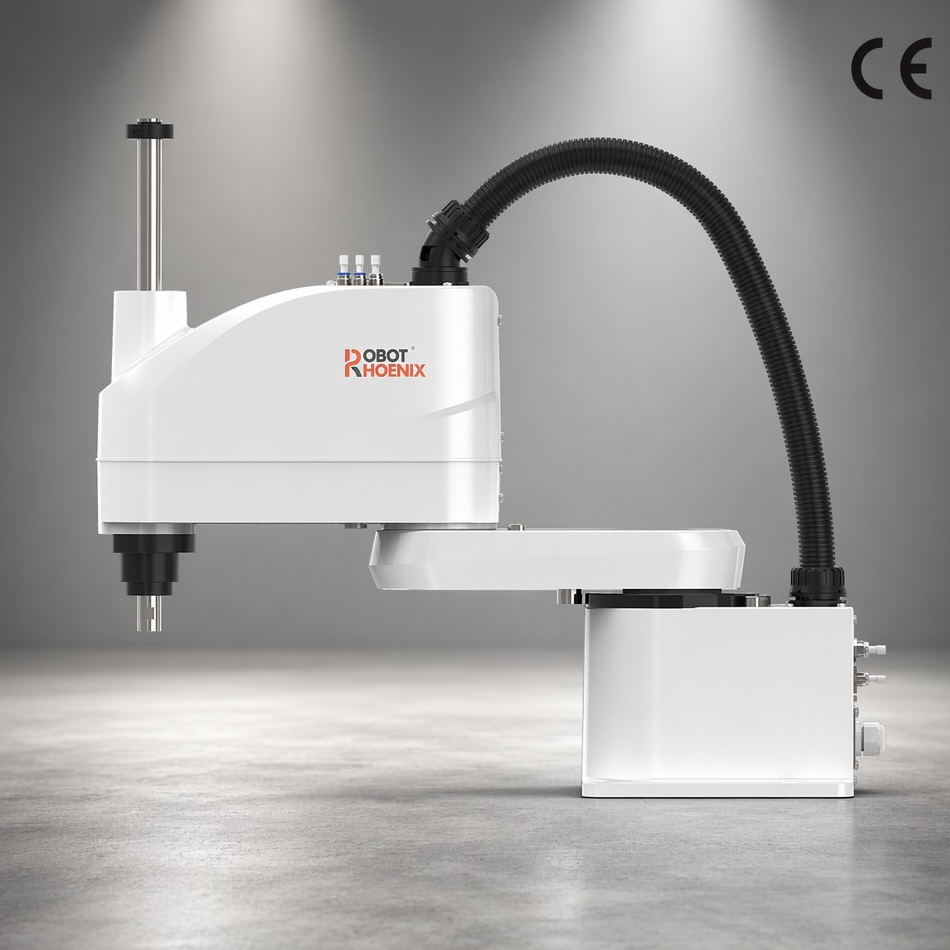
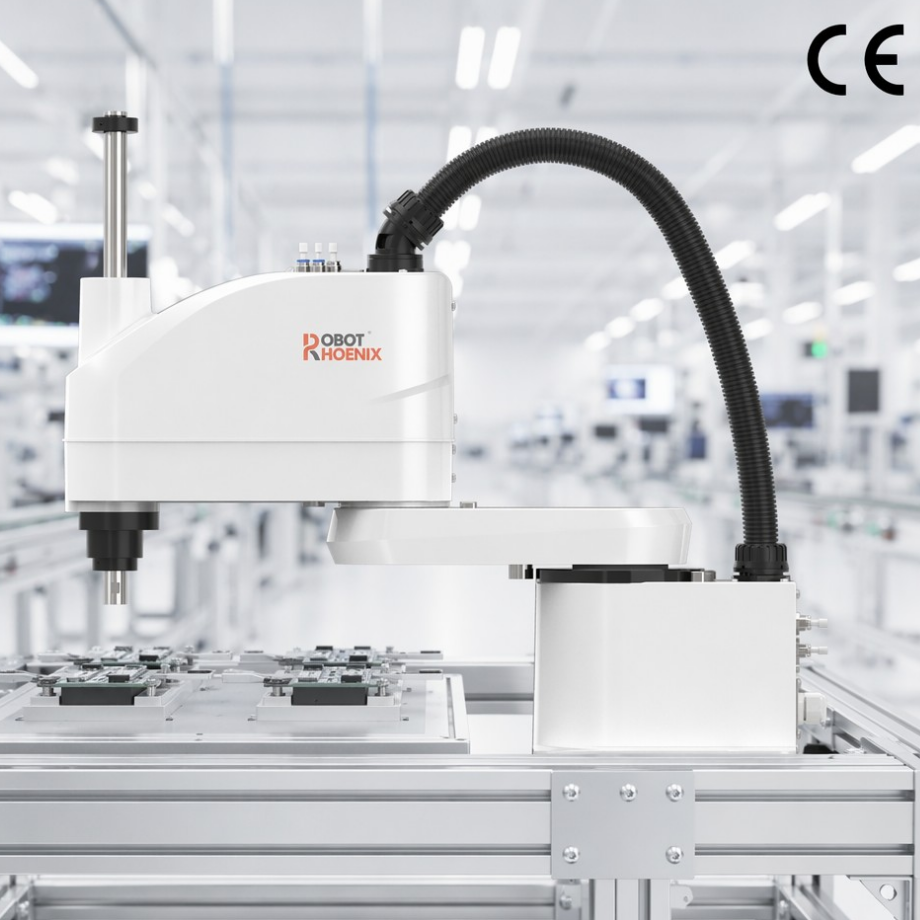
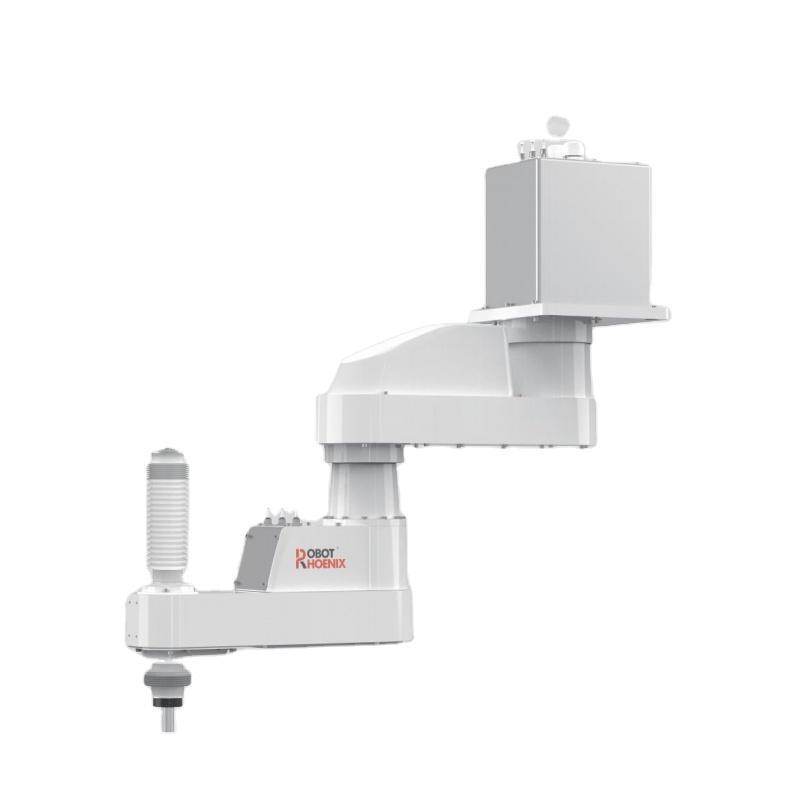
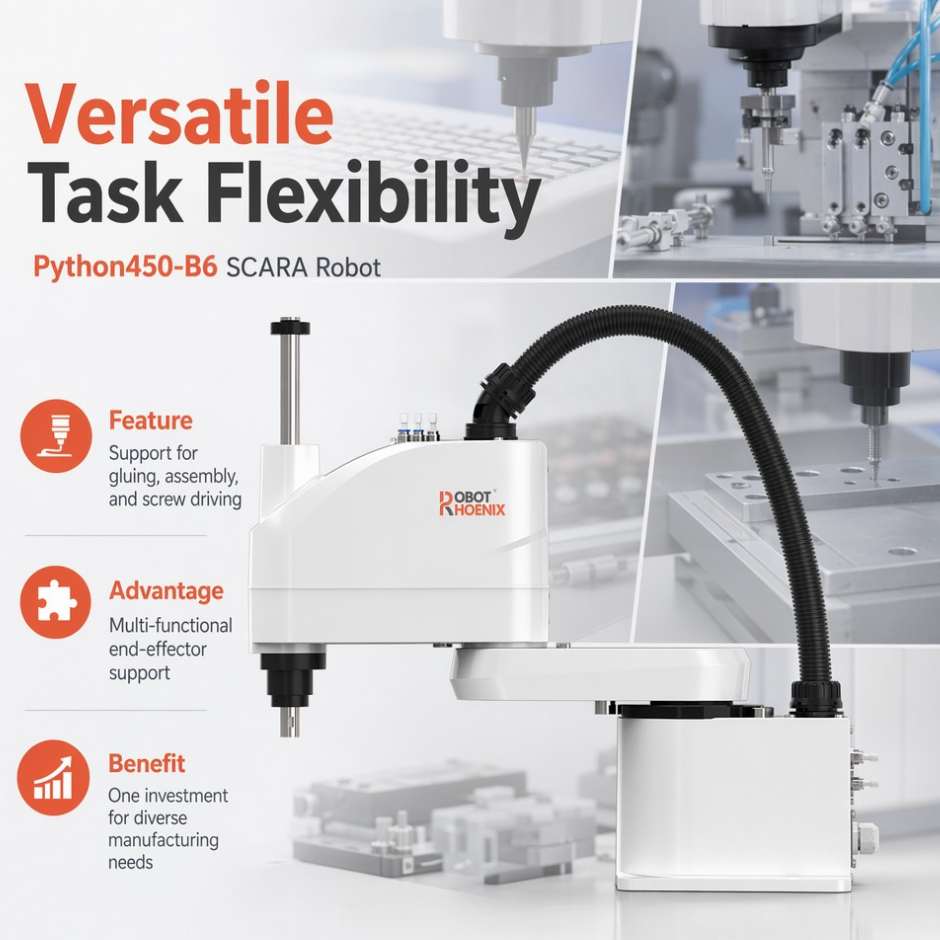
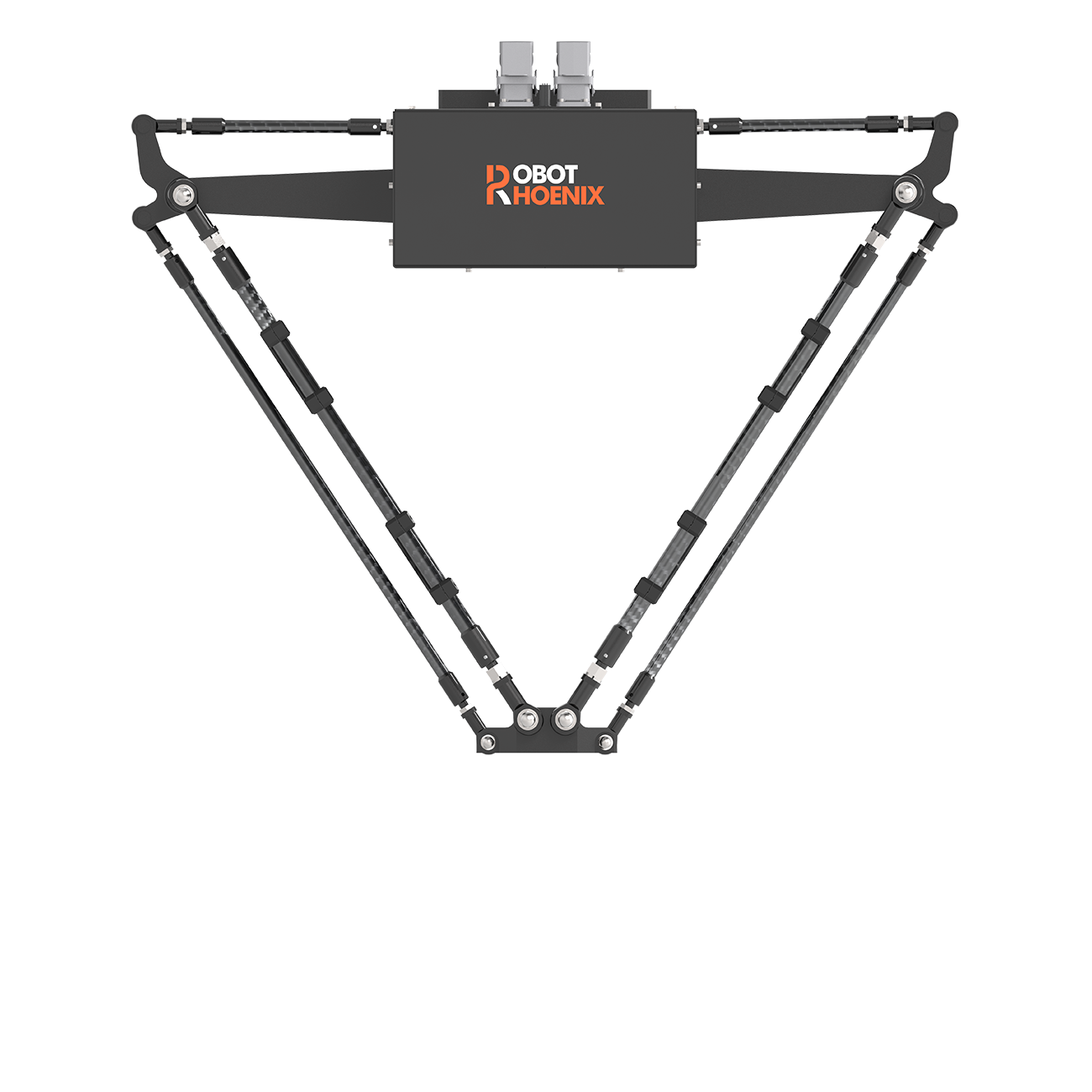

Complete robotic case packer architecture — frame, guarding, conveyors, end-of-arm tooling, reject handling, PLC/MES handshake and safety validation — is configured per project. Standard modules can be ordered from 1 set; final scope is confirmed in the engineering quotation.
What San Antonio Buyers Should Verify Before Buying a Robotic Case Packer
San Antonio is not a generic Sun Belt market. Its packaging demand sits at the intersection of food and beverage production, medical-device assembly, aerospace and automotive suppliers, military-adjacent logistics, contract packaging and a growing e-commerce fulfillment corridor along I-35.
For plant teams in Bexar County, New Braunfels, Schertz, Seguin and the surrounding region, the question is rarely whether a robot can pick and place. The real question is whether a robotic case packer can hold rate through product changeovers, reduce repetitive strain, protect case quality and stay serviceable when a line is running two or three shifts. That is why a China wholesale robot search should not begin with the lowest arm price. It should begin with a clear case-packing duty cycle, a realistic acceptance protocol and a manufacturer that can explain how the controller, vision, end-effector and safety chain work together.
Google searchers looking for China wholesale robotic case packer manufacturers and wholesalers usually compare three very different offers: a low-cost robot arm without integration, a fully imported case-packing cell, or a factory-direct module set with OEM support. JORI fits the third category. We develop delta robots, SCARA robots, controllers and 2D/3D vision in-house, then support machine builders and end users with custom end-effectors and automated system integration. That distinction matters in San Antonio, where a case packer is judged by OEE, changeover time, spare-parts availability and line stoppage cost — not by a catalog photo.
The buying team should define the product matrix first: bag size, bottle stability, carton weight, case count, case pattern, conveyor speed, accumulation strategy, washdown requirement, changeover frequency and line stoppage cost. Then calculate required peak picks with a simple formula: required picks per minute = cases per minute × units per case × vision success factor × line efficiency factor. If a line needs 35 cases per minute with 12 units per case and 85% overall equipment effectiveness at the robot cell, the robot’s usable cycle must be engineered well above the average label rate. This is where a manufacturer that understands gripper design, vision handshakes and PLC integration is more valuable than an arm supplier that only quotes payload and reach.
Information gain: ask for the case, not just the robot
A credible robotic case packer quotation should show case samples, product samples, cycle-time assumptions, vision acceptance rules, gripper concept, reject strategy and a FAT checklist. If the supplier cannot describe what happens when a bag is folded, a bottle is misaligned or a lid is missing, the project is still at brochure stage.
Where Robotic Case Packing Fits San Antonio Production Lines
Different local industries create different case-packing constraints. Use these application scenarios to align the robot module, end-of-arm tooling, vision and line layout with the real production environment.
Food & Beverage Top-Load Case Packing
Delta robots are often preferred for snack bags, bakery items, fresh produce trays and other light products arriving in random orientation. Validate washdown expectations, IP protection, food-grade EOAT, conveyor tracking and case quality before quoting.
Medical Device & Pharmaceutical Kit Cartoning
SCARA robots support precise placement into trays, cartons and cases where error-proofing matters. Confirm documentation expectations, cleanroom requirements, vision verification, batch traceability and whether the robot cell must fit an existing MES or serialization workflow.
Contract Packaging & E-commerce Fulfillment
High-SKU operations need recipe-driven changeover, fast product teach-in and simple HMI workflows. A vision-guided pick-and-place cell can handle random arrival and mixed carton sizes, but the buyer should specify SKU growth, case pattern library and line-side changeover time.
Automotive, Aerospace & Industrial Parts Kitting
For smaller parts, tray loading and protected case packing, the robot must be matched to EOAT grip, part orientation and poka-yoke logic. Validate part variation, static control, oil or coolant exposure, and the operator recovery process after a fault.
Daily Chemicals & Wet-Wipe Lid Applicators
Wet-wipe packaging and daily chemical lines reward high-speed, repeatable motion. The JORI spider-arm delta product family is directly relevant to lid applicator machinery and light-product placing, but the buyer should still test sticky surfaces, web-handling stability and reject logic.
Warehouse-Side Case Handling & Line Replenishment
Robotic case packing does not stop at the packer. AMR/AGV platforms, autonomous forklifts and fleet management from the same factory can support line-side replenishment, finished-case transfer and warehouse flow when the project scope includes material movement.
San Antonio Packaging Trends That Change the Robot Specification
These are planning signals, not market forecasts. The correct response is to test each trend against your own labor model, order profile, freight cost and line data.
Nearshoring and I-35 Corridor Growth
Cross-border manufacturing activity can increase demand for flexible packaging capacity and faster line changeovers. For San Antonio buyers, a case packer should be specified for evolution — not only today’s product — so robot placement, conveyor sensors and recipe management remain adaptable.
SKU Proliferation and Shorter Runs
More carton sizes, case patterns and promotional packs make fixed automation less attractive. Vision-guided delta or SCARA cells with recipe-driven changeover can reduce mechanical adjustments, but the HMI and changeover validation must be part of the acceptance test.
Labor Stability and Repetitive-Task Risk
Shift coverage, turnover and repetitive-motion exposure can make end-of-line staffing harder to sustain. A robotic case packer should support operators — not create a new dependency on a single engineer — so training, fault recovery and spare-parts access are as important as cycle time.
Uptime, Energy Use and Footprint Scrutiny
San Antonio plant teams are under pressure to release floor space, reduce compressed-air waste and improve OEE. Compact SCARA cells, integrated controllers and efficient delta designs can help, but the real gain comes from line layout, accumulation strategy and quick fault diagnosis.
Three Practical Robotic Case Packer Configurations
Start with the product and the case, then choose the robot family. These configurations are representative module sets; final engineering depends on samples, rate, layout and safety scope.
Food & Beverage Delta Cell
Use a 3–6 kg payload delta robot with vision tracking for snack bags, bakery products or light cartons arriving on a conveyor. Pair with a custom EOAT, rejection strategy and case-pattern recipe library.
- High-speed spider-arm or 4-axis delta platform
- 0.08 mm repeatability class for repeat pick accuracy
- Vision-guided picking and conveyor tracking
- Confirm washdown, IP and food-grade requirements
Medical & Electronics SCARA Cell
Use a 6 kg vision SCARA or compact 3 kg/550 mm SCARA for kit cartoning, tray loading, vial handling and precise placement into cases. Focus the FAT on vision acceptance rules, error recovery and traceability.
- Compact footprint for existing rooms and lines
- 2D/3D vision and PLC-ready integration
- Error-proofing and recipe management
- Validate documentation and cleanroom needs
High-Speed Lid Applicator & Case Packing
Use a high-speed delta spider-arm module for lid application or light-product placing, then integrate case infeed and outfeed with line controls. The key risks are sticky product, lid orientation and reject handling.
- High-cycle motion for repetitive lid placing
- Custom vacuum or mechanical EOAT options
- PLC handshake for existing packaging machines
- Factory acceptance with customer samples
Delta vs SCARA for Robotic Case Packing
Use this comparison to narrow the robot family before requesting a quotation. The final choice depends on product orientation, case structure, cycle time, EOAT and line controls.
| Decision Area | Delta Robot | SCARA Robot | Buyer Question |
|---|---|---|---|
| Motion styleParallel high-speed picking | Excellent for fast top-load handling and moving-conveyor picking. The parallel structure supports very high cycle rates for light products. | Excellent for planar assembly, insertion, tray loading and precise placement in a compact footprint. | Will the robot mostly chase moving products, or place parts into a fixed pattern? |
| Typical case-packing tasksTop load and light products | Snack bags, bakery, wet wipes, light cartons, lid placing, vision-guided random picking. | Kits, cartons, vials, small components, medical devices, electronics and fixtures. | What is the worst-case product orientation and the acceptance rule? |
| Payload and reach3 kg to 6 kg classes | 3–6 kg payload options with high-speed kinematics; confirm reach for the widest case pattern. | 3 kg compact and 6 kg vision models; check reach, mounting and space around the cell. | Is the payload a real tool-plus-product load, including vacuum cup weight? |
| Vision and controlsIn-house options | Vision tracking supports moving products and random arrival; communicate with PLC for reject and recipe logic. | 2D/3D vision supports precise placement, error-proofing and inspection before release. | Who owns vision recipes, and how are false rejects recovered? |
| EnvironmentFood, clean and industrial | Check IP rating, cleaning method and EOAT material. Do not assume washdown capability without confirmation. | Check cleanroom needs, ESD, lubrication and enclosure strategy for the room. | What cleaning chemistry, temperature and sanitation routine is used? |
| AcceptanceFAT and SAT | Require a FAT with your cases and products, plus video of fault recovery and changeover. | Require a SAT plan that verifies cycle time, accuracy, recipe changeover and operator training. | Can the supplier prove throughput at 1.2× expected peak rate? |
Six Hold Points Before You Approve a Robotic Case Packer
Use these checkpoints to protect schedule, budget and line uptime. They are especially important when buying factory-direct from China for a San Antonio installation.
1. Build the Case & Product Matrix
List every product and case format that will run in the first 24 months, including seasonal or promotional packs. Include case dimensions, board grade, opening style, product flexibility and maximum stack weight.
- Minimum and maximum case size
- Product center of gravity and flexibility
- Case pattern and layer count
2. Audit Peak Throughput, Not Average
Calculate picks per minute from case rate, units per case, vision success and OEE. Add a margin for surge, product variation and recovery from upstream stoppages. Ask the supplier to prove the rate with your samples.
- Design rate and surge rate
- Accumulation and buffer logic
- Worst-case product changeover
3. Approve the End-Effector Concept
Most case-packing failures are not robot failures. They are grip, vacuum, release, product-presentation or tool-changing failures. Require a drawing or simulation showing how the EOAT handles the worst product and how operators recover a dropped item.
- Vacuum cups, fingers or hybrid gripper
- Tool weight and cable routing
- Quick-change and spare tooling
4. Freeze the Controls & Vision Handshake
Define PLC brand, communication protocol, reject signals, recipe ownership, data logging and MES/ERP requirements. JORI develops controllers and 2D/3D vision in-house, but the final interface should be documented before FAT — not discovered during installation.
- EtherNet/IP, PROFINET or other protocol
- Recipe and audit-trail responsibility
- Reject, jam and recovery sequence
5. Plan Texas Electrical & Safety Validation
Confirm destination voltage, control-panel standards, lockout/tagout, guarding, light curtains, risk assessment and local authority requirements. If UL/CSA or NFPA 79 compliance is required for the San Antonio site, make that explicit in the quotation and validate the final integrated cell with the appropriate local engineer or NRTL.
- Voltage, frequency and panel labeling
- Risk assessment and guarding plan
- Site-specific compliance review
6. Require FAT, SAT, Spares and TCO
Compare total cost of ownership, not arm price. Include freight, duties, integration, guarding, conveyors, vision, spare parts, training, validation, commissioning and downtime risk. A documented FAT with your samples is the strongest protection against a late-line surprise.
- FAT video and data report
- Recommended spares and wear parts
- SAT support and operator training plan
Factory-Direct Robot Manufacturing With Verifiable Capability
Buyers sourcing from China need more than an export catalog. They need a manufacturer that can be checked, questioned and held accountable for robot, controller, vision and integration decisions.
In-House R&D Since 2012
JORI Intelligent Technology Co., Ltd. develops delta robots, SCARA robots, controllers, 2D/3D vision, wafer robots, AMR/AGV platforms and autonomous forklifts. National patents and in-house engineering reduce the risk of mismatched components.
OEM, Design and Buyer-Label Support
Machine builders can request OEM service, design service and buyer-label options, including custom end-effectors, controller integration and automated system integration. Standard robot modules can be ordered from 1 set for a pilot cell.
ISO 9001 and Onsite-Verified Supplier
The company profile states ISO 9001 quality management and onsite verification, with third-party-checkable assessment, credit, trade capacity and transaction records. These are useful due-diligence anchors for San Antonio procurement teams.
Export Terms and Engineering Response
JORI supports delivery terms such as FOB, CFR, CIF, EXW, CIP, FCA and CPT, with T/T, L/C, credit card, PayPal, Western Union and other payment options. Reported response rate is 97.06%, with average reply within 2 hours.
Verify before you commit
Review the supplier assessment, credit profile, trade capacity, transaction level and buyer reviews before releasing a purchase order. For a San Antonio installation, confirm the final integration, electrical, safety and service plan with the local integrator and plant engineering team.
Send an InquiryCommon Procurement Questions About China Wholesale Robotic Case Packers
These are the questions San Antonio machine builders, contract packagers and plant engineering teams ask most often when evaluating a factory-direct robot module.
Can JORI supply a complete robotic case packer for a San Antonio line, or only robot arms?
What is the minimum order quantity for wholesale robot modules?
Should a San Antonio case packer use a delta robot or a SCARA robot?
How do we prove cycle time and case quality before shipment?
Can the robot meet San Antonio electrical and safety requirements?
What delivery terms, payment methods and response time are available?
Send Your Case, Product and Cycle-Time Data for Engineering Review
Tell us what you are packing, how fast the line must run, the case dimensions, the product presentation and the San Antonio installation constraints. Our team will map the right delta, SCARA or vision-guided robot module and outline the integration questions that need to be answered before quotation.