A China Wholesale Robotic Production Line Supplier Built for Japanese Manufacturing Realities
Japan-focused buyers rarely purchase a robot arm as an isolated commodity. They evaluate cycle-time stability, safety validation, footprint, changeover discipline, documentation, spare-parts planning and the accountability of the engineering team behind the cell.
JORI Intelligent Technology Co., Ltd. is a high-tech manufacturer founded in 2012 in Jinan, Shandong, China. We specialize in industrial robot R&D and production, controller and 2D/3D vision development, OEM support and automated system integration.
Because our Delta parallel robots, SCARA robots, silicon wafer handling robots, AGV/AMR platforms, autonomous forklifts, controllers and vision systems are developed in-house and protected by national patents, Japanese machine builders and factory owners can work with one accountable source for hardware, software and after-sales engineering — not a reseller chain that disappears after the purchase order.
The practical information gain for procurement teams is this: a China wholesale robotic production line supplier serving Japan must be judged by line-fit, not by payload alone. A Delta robot may win on packaging speed, a SCARA may win on planar assembly precision, and an AMR may win on internal logistics — but the correct choice depends on the part, gripper, conveyor behavior, quality standard and available floor space. JORI’s engineering process starts with those inputs.
- Independent R&D and manufacturing for Delta, SCARA, AMR/AGV, autonomous forklift and wafer robots
- Self-developed controllers and 2D/3D vision for tighter integration and one engineering contact
- OEM service, design service, buyer-label options and automated system integration
- ISO 9001 quality management, onsite-verified manufacturer status and 10+ years serving overseas markets
What Japanese buyers tend to verify first
Use this as a pre-qualification lens when comparing China wholesale robotic production line suppliers and exporters.
Eight Robot Solutions for Japan-Focused Robotic Production Lines
These eight models are selected from JORI’s current mechanical-arm portfolio for picking, sorting, assembly, handling and precision placement. Each product URL below preserves the original destination. Specifications are confirmed against the actual part, gripper, conveyor speed and quality standard before quotation.
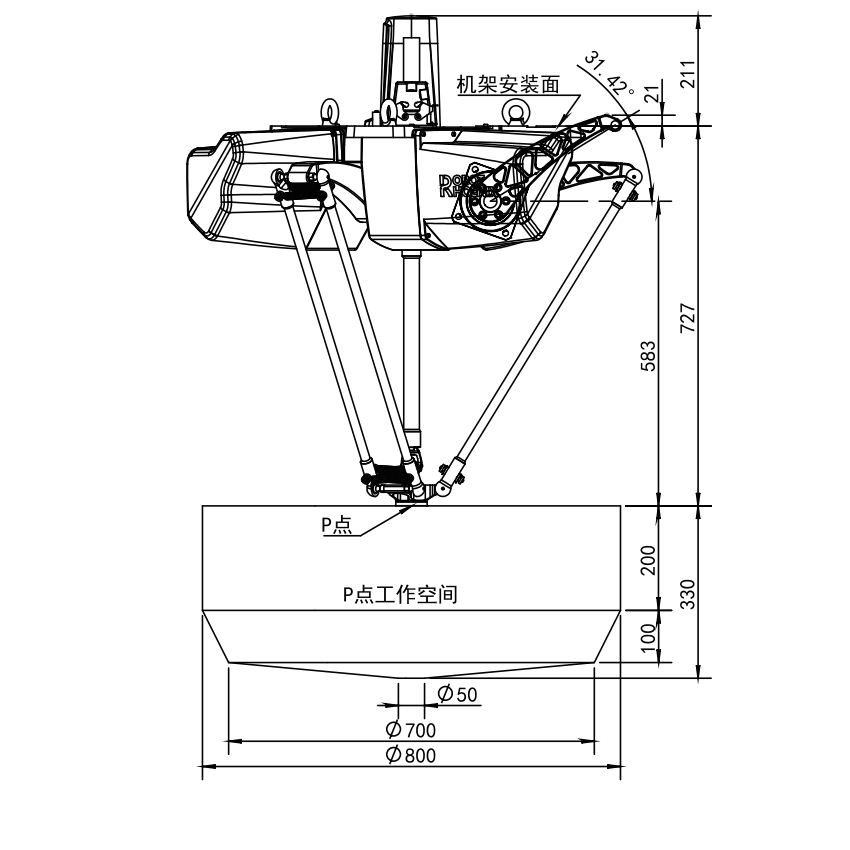
Industrial Delta Robot High Efficiency Parallel Robot for Goods Picking Placing Sorting
Recommended for high-speed picking, sorting and conveyor-based transfer where cycle time and repeatability decide line output. A strong fit for food, daily chemical and small-part packaging cells.
View product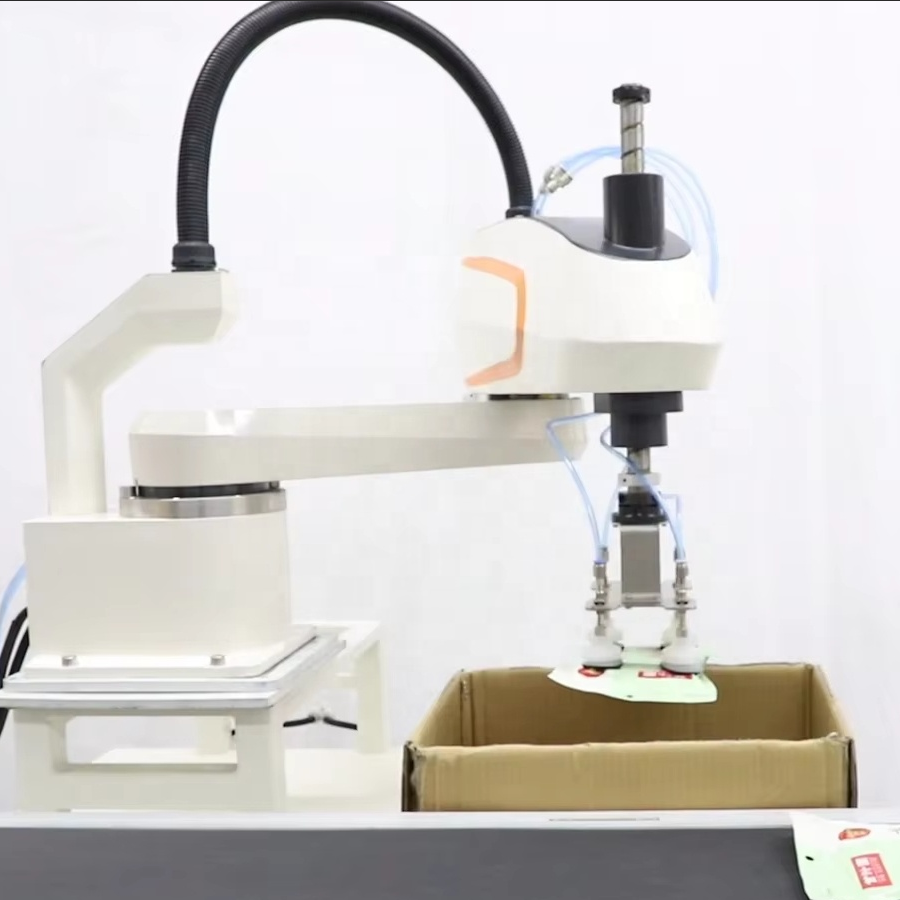
Light Load 4 Axis Industrial Manipulator Robot Scara Robot for Pick and Place Application
For compact pick-and-place cells where floor space, fixture access and simple integration matter. Suitable for light assembly, small-part loading and controlled planar movement.
View product
New Condition High-Speed Industrial Innovative Manipulator Delta Robot for Light Industry
Designed for light-industry lines that need high cycle rates without a large footprint. Useful for secondary packaging, sorting and repetitive transfer where labor utilization is difficult.
View product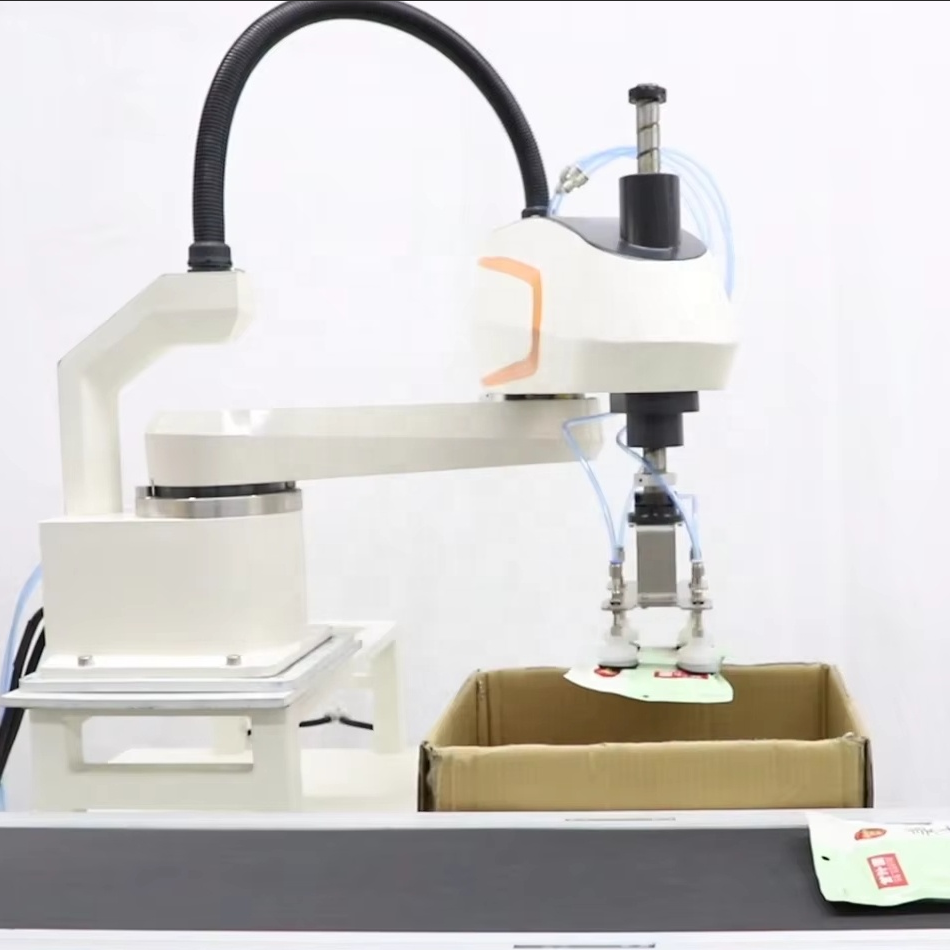
Newly Design Industrial Articulated Robotic Arm Scara for Precision Assembly & Handling
Recommended when the production task is precise insertion, handling or compact assembly rather than high-speed flying picking. SCARA motion is easy to justify in electronics and small-mechanism lines.
View product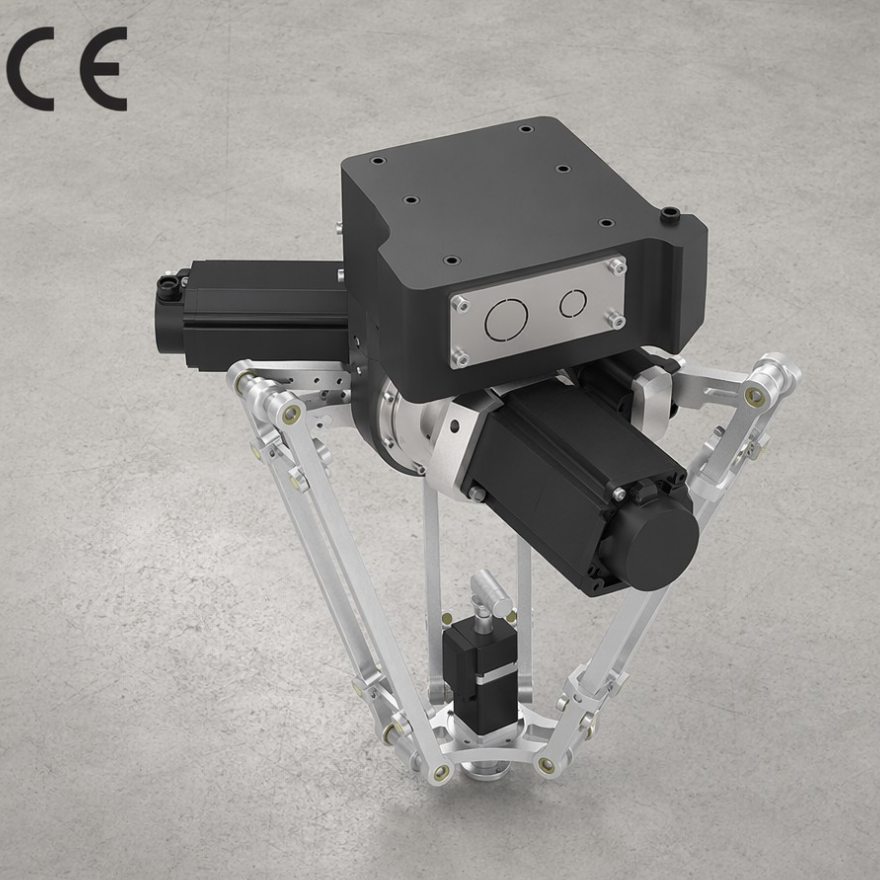
Smart Parallel Robot Picking and Placing Robot Manipulator Delta Robot with Visual System
For randomly oriented products, incoming-quality variation and traceability-focused picking. JORI’s in-house 2D/3D vision and controller development can reduce integration friction with existing PLC lines.
View product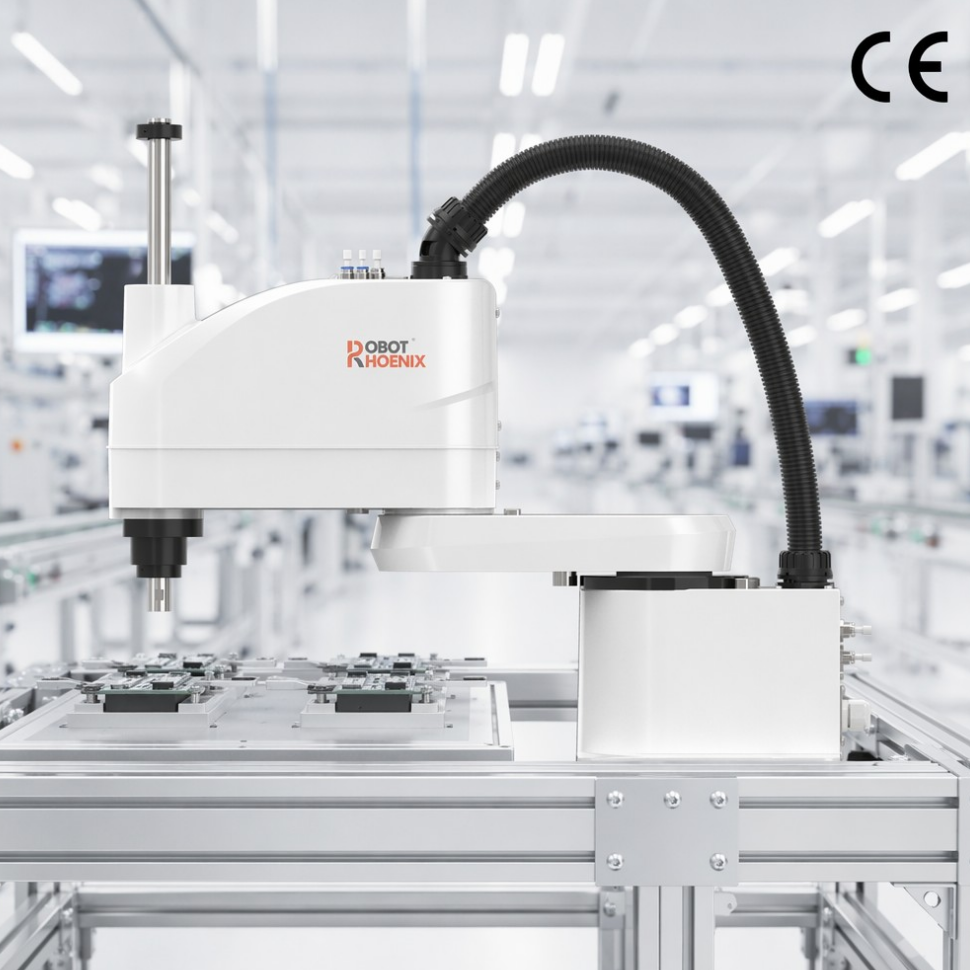
High Speed and Accuracy Newly Developed Industrial Robot Arm Four Axis Scara Robot
Appropriate for connectors, small assemblies and repetitive planar handling where accuracy and stable cycle time are more important than long reach. A practical candidate for high-mix electronics cells.
View product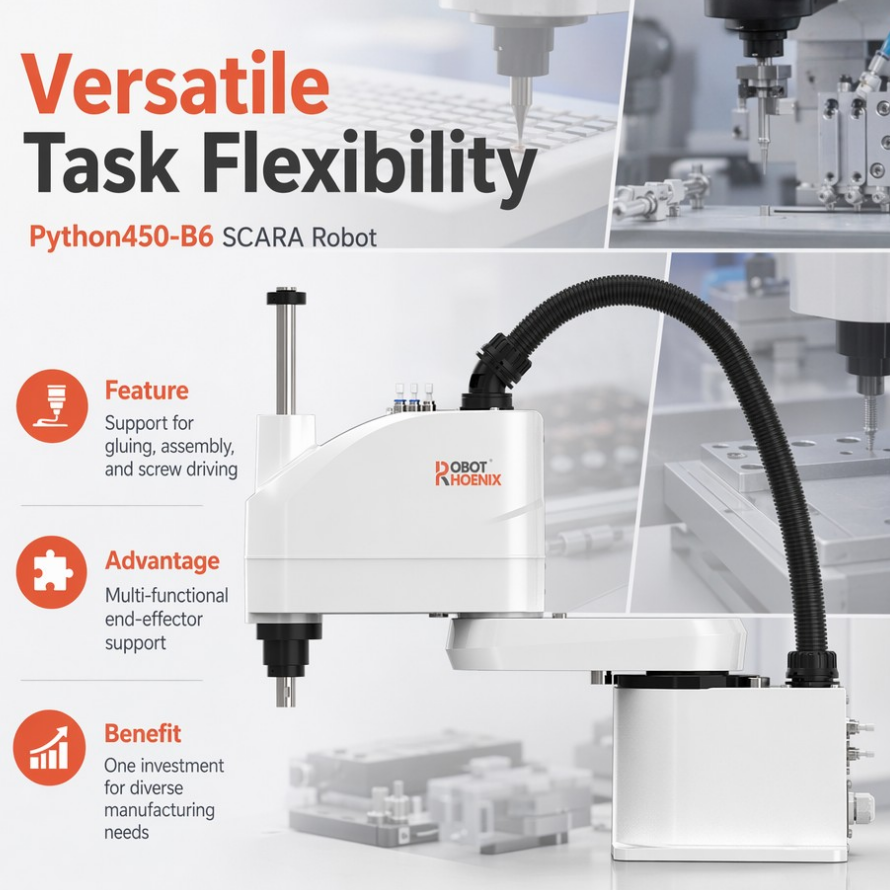
New Condition High Precision 400mm Reach Arm Scara Robot with PLC for 3C Electronic Assembly
Recommended for Japanese electronics and 3C assembly lines that need a short-reach SCARA, PLC integration and compact work envelopes. Confirm jig access, cable routing and cell clearance early.
View product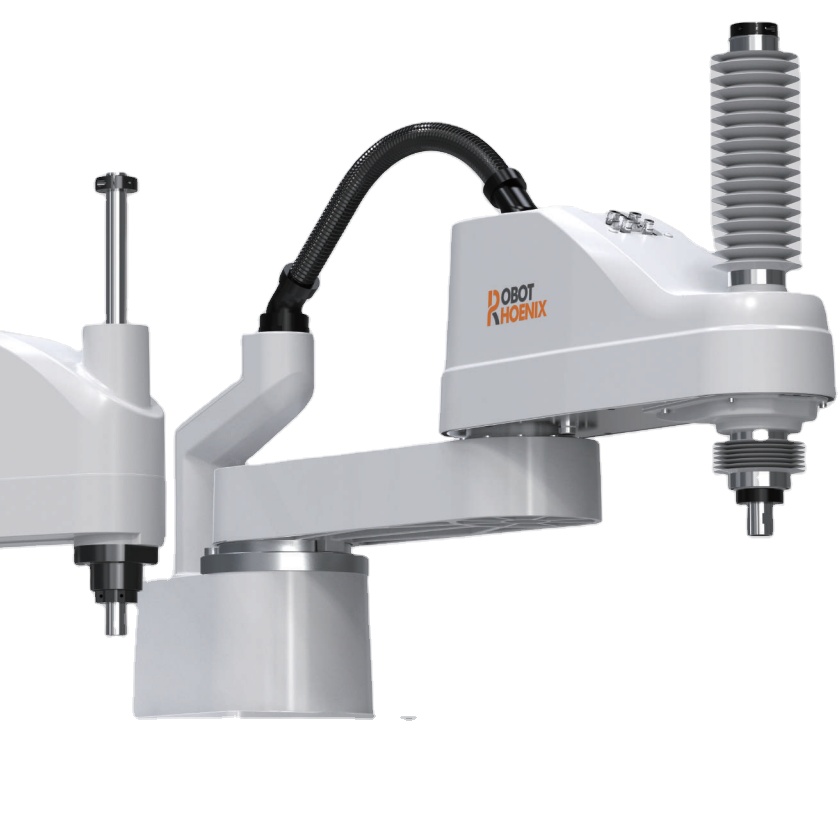
High-Precise Industrial Scara Robot Arm Scara Robot for Pick and Place in Light Industry
A flexible option for light-industry handling, assembly support and space-constrained cells. Pair with JORI engineering review for gripper design, safety guarding and line-side data exchange.
View productDelta vs SCARA vs Mobile Automation: Which Line Configuration Fits Japan?
Use this table as an early screening tool. Final selection should be based on part drawings, gripper concept, required takt time, quality limits, safety layout and operator interaction.
| Production challenge | Recommended robot family | Why it works in Japanese factories | Project note before RFQ |
|---|---|---|---|
| High-speed sortingDelta parallel robot | Delta robot with optional vision | Fast pick-and-place motion, compact work envelope and strong fit for conveyor-based packaging and sorting. | Provide product weight, orientation, conveyor speed, gripper type and reject-handling method. |
| Precision assemblySCARA robot | 4-axis SCARA robot | Planar accuracy, compact footprint and straightforward PLC/IO integration for electronics, connectors and small mechanisms. | Share insertion force, tolerance stack-up, jig design and required cycle time per operation. |
| Random pickingVision-guided cell | Vision Delta robot | 2D/3D vision can support orientation recognition, quality checks and traceability records in high-mix production. | Confirm lighting, background contrast, part surface and recipe changeover frequency. |
| Existing packaging machinePLC handshake | Delta or SCARA with PLC-ready integration | Japanese lines often require clean signal exchange with existing cartoners, labelers or wet-wipe lid applicator machines. | List machine brand, PLC protocol, I/O count, safety circuit and required handshake sequence. |
| Internal transportMaterial flow | AMR/AGV, autonomous forklift or wafer robot | JORI also manufactures laser SLAM AMRs, autonomous forklifts and wafer handling robots for broader factory automation. | Map aisle width, pallet size, fleet traffic, charging location and WMS/MES data requirements. |
Safety, machinery compliance and final operating conditions should be confirmed through a documented risk assessment for each Japanese site.
Where Robotic Production Lines Deliver Value in Japan
Japanese manufacturers often need automation that fits existing buildings, limited floor space and experienced operators who expect clear failure recovery. The following scenarios reflect common buying motivations.
Food & confectionery packaging
Delta robots support high-speed picking, tray loading, sorting and secondary packaging. IP-rated configurations and washdown expectations should be discussed early for hygienic zones.
Electronics & 3C assembly
SCARA robots handle connectors, small components, inspection transfer and compact assembly. The 400 mm reach model is particularly relevant for dense 3C cells with PLC control.
Pharmaceutical & cosmetics
Stable and repeatable handling for vials, blister packs, cartons and kits. Buyers often prioritize documentation, audit-friendly change control and predictable maintenance.
Daily chemicals & wet wipes
Delta-based cells can support lid application, carton packing and repetitive transfer. JORI’s PLC-ready robot integration is relevant to machine builders serving this segment.
Automotive components & precision assembly
High-mix component handling, screwdriving support, insertion and inspection transfer. The best layout often combines compact SCARA cells with manual stations.
Warehouse & internal logistics
Beyond fixed robots, JORI supplies laser SLAM AMRs, autonomous forklifts and wafer robots. This matters when the production line must be connected to material flow instead of ending at a conveyor.
Japan Market Trends That Shape Robotic Production Line Design
The strongest automation proposals for Japan do not simply replace labor. They stabilize quality, reduce changeover friction and make existing production assets more productive.
Labor shortage and the logistics problem
Across manufacturing and logistics, fewer available workers are expected to move more products. Robots help offset repetitive picking, pallet handling and night-shift dependency, but recovery protocols must remain simple.
High-mix, low-volume changeover
Japanese lines increasingly run many SKUs in shorter batches. Recipe management, quick gripper changes, vision re-teaching and compact cell layouts often matter more than peak speed alone.
Quality assurance and traceability
Buyers want repeatable handling and data that supports batch accountability. Vision-guided cells, inspection records and clear fault history can strengthen internal quality audits.
Compact, energy-efficient retrofits
Many factories cannot rebuild the whole hall. They need machines that fit existing space, connect to current PLCs and justify ROI through one bottleneck operation at a time.
Why Japanese Buyers Shortlist JORI as a China Wholesale Robot Supplier
JORI combines robot manufacturing, controller development, vision engineering, OEM support and automated system integration in one organization. This structure supports buyers who need a production line partner, not only a component seller.



Founded in 2012 in Jinan, Shandong, JORI has grown into a robotics manufacturer with more than 500 employees and a factory area exceeding 10,000 m². We serve machine builders, system integrators and factory owners across Asia, Europe and the Americas.
Our product range includes Delta parallel robots, SCARA robots, AGV/AMR mobile robots, autonomous forklifts, silicon wafer handling robots, controllers and 2D/3D vision. Because these technologies are developed in-house and supported by national patents, technical questions are handled by the team that understands both the robot and the line interface.
For Japanese buyers comparing China wholesale robotic production line suppliers, the commercial advantage is direct factory communication with a 97.06% response rate and average response time of 2 hours or less. The engineering advantage is the ability to discuss grippers, PLC handshakes, vision, line layout and after-sales planning in the same technical thread.
Independent R&D since 2012
Robot structures, controllers, vision and mobile robot platforms are developed with in-house engineering capability rather than sourced as an unrelated reseller package.
OEM, design and buyer label
Machine builders can request OEM service, design service and buyer-label options, including custom end-effectors and integration support for existing packaging machines.
ISO 9001 and onsite verification
Documented quality management, third-party onsite-verified manufacturer status, credit and trade records allow procurement teams to check the supplier before the project starts.
Full robot family coverage
Delta, SCARA, AMR/AGV, autonomous forklift and wafer robots support different stages of production and internal logistics, reducing the need to coordinate many suppliers.
Scale for pilot and volume projects
With more than 500 employees and a 10,000+ m² factory area, JORI can support single-set validation, pilot cells, OEM programs and larger multi-robot production lines.
Fast export communication
A 97.06% response rate and average response time of 2 hours or less help overseas buyers keep RFQs moving, especially when a Japanese line trial has a fixed schedule.
A Japan Procurement Checklist Before You Request a Quote
To reduce engineering back-and-forth, send the following details with your inquiry. A qualified China wholesale robotic production line supplier should be able to translate these inputs into a robot configuration, cell layout and acceptance plan.
Send the right data, get a faster line proposal
For a Japan-market project, photos and videos of the current process are often more useful than a short description. Include operator interaction, reject handling and changeover steps.
- Part weight, dimensions, material, orientation and gripping surface
- Required takt time, conveyor speed, upstream/downstream machine cycle
- Cell footprint, operator access, safety fence position and maintenance space
- Voltage/frequency requirement, PLC brand, I/O list and communication protocol
- Quality criteria, traceability fields and reject handling expectation
Common Questions From Japan-Based Procurement Teams
These answers summarize typical commercial and engineering questions asked by machine builders, integrators and factory owners evaluating a China robotic production line supplier.
Can JORI supply a robot for a pilot line and later scale to a full production line?
What is the minimum order quantity for JORI industrial robots?
Does JORI offer OEM or custom robot solutions for Japanese machine builders?
How should we handle Japan voltage and safety requirements?
Which delivery and payment terms are accepted?
Can JORI robots integrate with existing Japanese packaging machines?
Should we choose a Delta robot or a SCARA robot?
How quickly does JORI respond to inquiries?
Send Your Part, Cycle Time and Layout for a Japan-Ready Robot Proposal
Tell us what you need to pick, place, sort, assemble or transport. Our engineers can review Delta, SCARA, vision, AMR/AGV, forklift and wafer robot options and reply with a practical configuration for your Japanese production or logistics environment.
Project-specific specifications, safety compliance, lead time, warranty and service scope are confirmed in the formal quotation after engineering review.