Eight Factory-Recommended Modules for Semiconductor-Adjacent Production in Indonesia
These models are frequently purchased alongside wafer lines for tray handling, electronics assembly, precision placement, end-of-line packaging and cleanroom material flow. For a dedicated wafer handling robot configuration, share your wafer size, FOUP/SMIF requirement, cleanroom class and throughput target through the inquiry button.
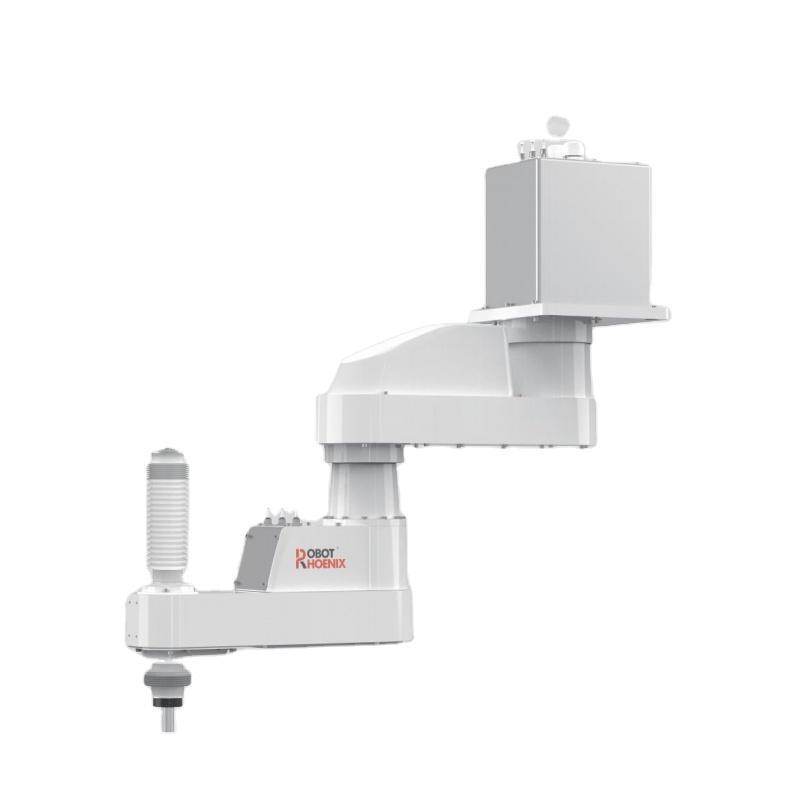
Compact Structure High Precision 550mm Reach Radius 3kg Payload 4-axis SCARA Robot
A space-saving SCARA for small-part placement, connector assembly and tray loading in Indonesian 3C, sensor and electronics plants. Its 3 kg payload and compact reach suit crowded cells where cleanroom access and maintenance space are limited.
View product
High Speed 3kg Load Industrial Delta Robot Arm with IP54 Protection for Robotic Pick & Place
Built for fast pick-and-place from conveyors, this IP54 delta robot is useful for component sorting, blister handling and secondary packaging in electronics and consumer-goods lines. It supports vision-guided picking when random orientation or quality inspection is required.
View product
Newly Design Low Price Industrial Manipulator Scara Robot Arm with Integrated Motor
A cost-controlled SCARA option for buyers who need predictable automation without a large capital outlay. Integrated motor design helps simplify the electrical cabinet and is suitable for electronics loading, fixture tending and repeatable small-part transfer.
View product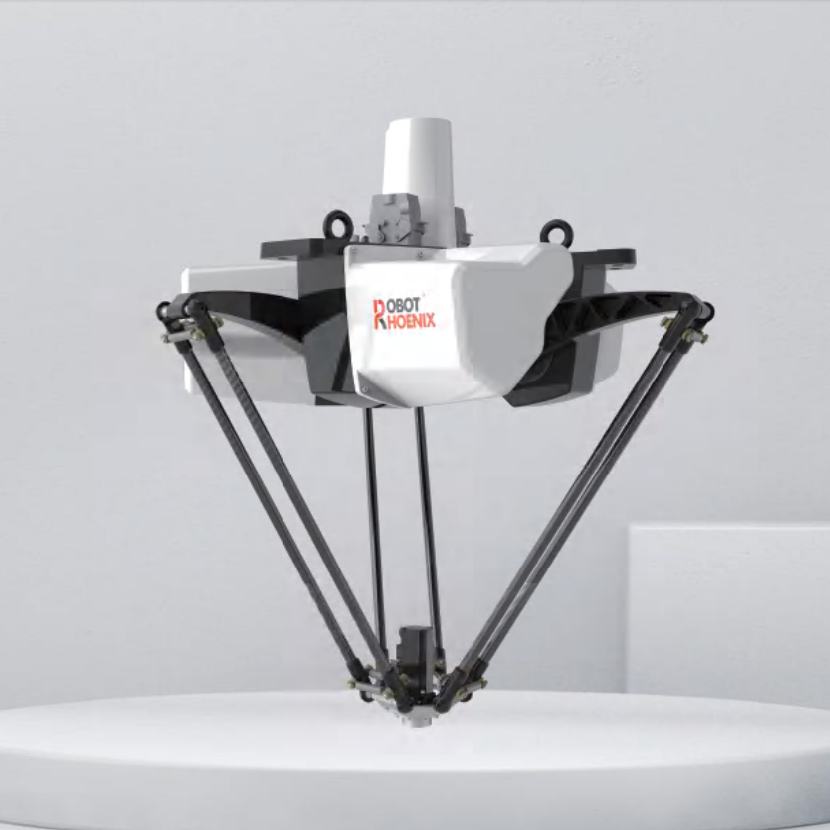
Robotphoenix 4 Arm Payload 3-6kgs Delta Robot for Pick Place Consumer Goods
A four-arm delta platform for high-throughput handling of consumer goods, small components and packaged products. Indonesian manufacturers can deploy it for tray transfer, sorting and packaging where cycle time and repeatability directly affect line output.
View product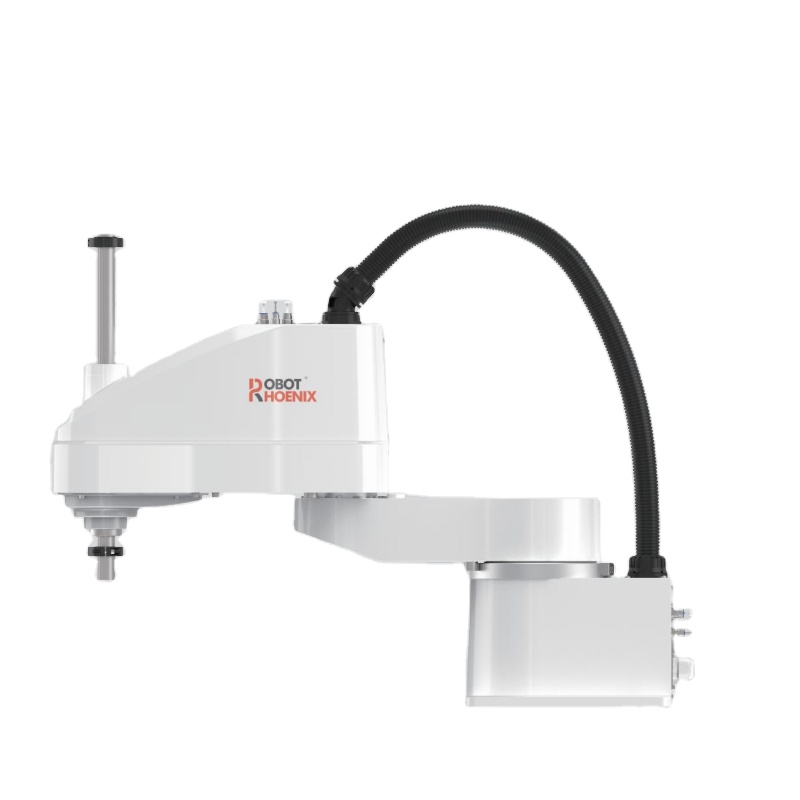
Advanced Industrial 4 Axis Robot Scara Robot for Pick and Place in Food Industry Gripping
For Indonesian food, pharmaceutical and hygiene-product plants that require repeatable gripping and placement. This 4-axis SCARA supports secondary packaging, product orientation and end-of-line transfer with a compact footprint.
View product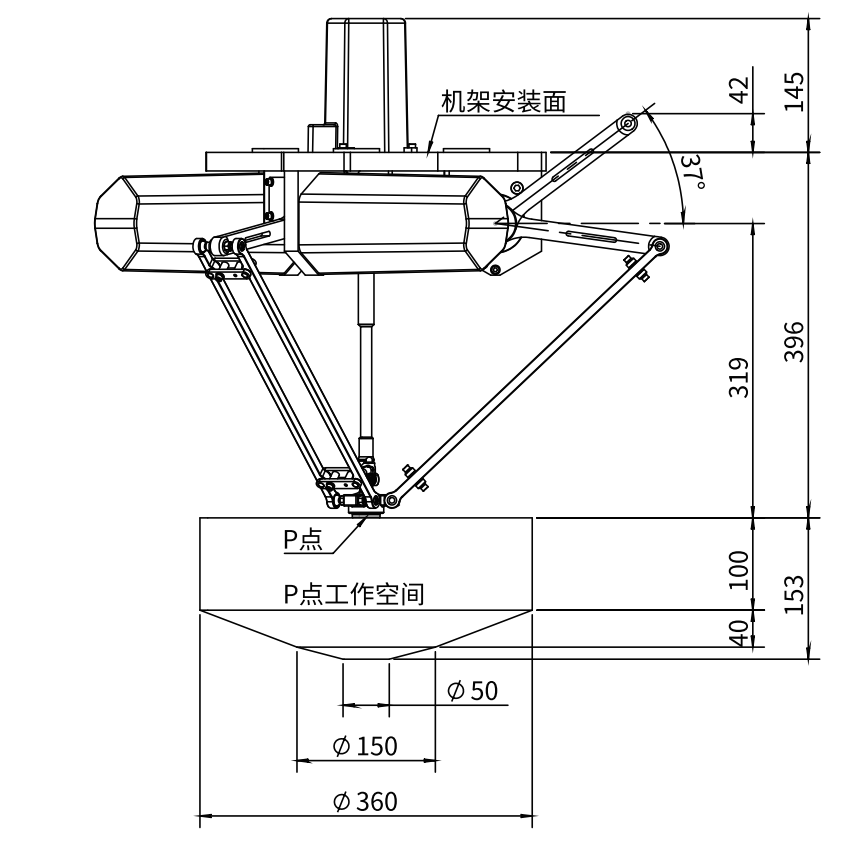
Hot Selling Parallel Robot Delta Industrial Robot Arm for Material Gripping Sorting
A parallel robot for repetitive gripping, orienting and sorting tasks. It is suitable for separating components, loading trays and maintaining steady output in electronics, consumer goods and cleanroom packaging operations.
View product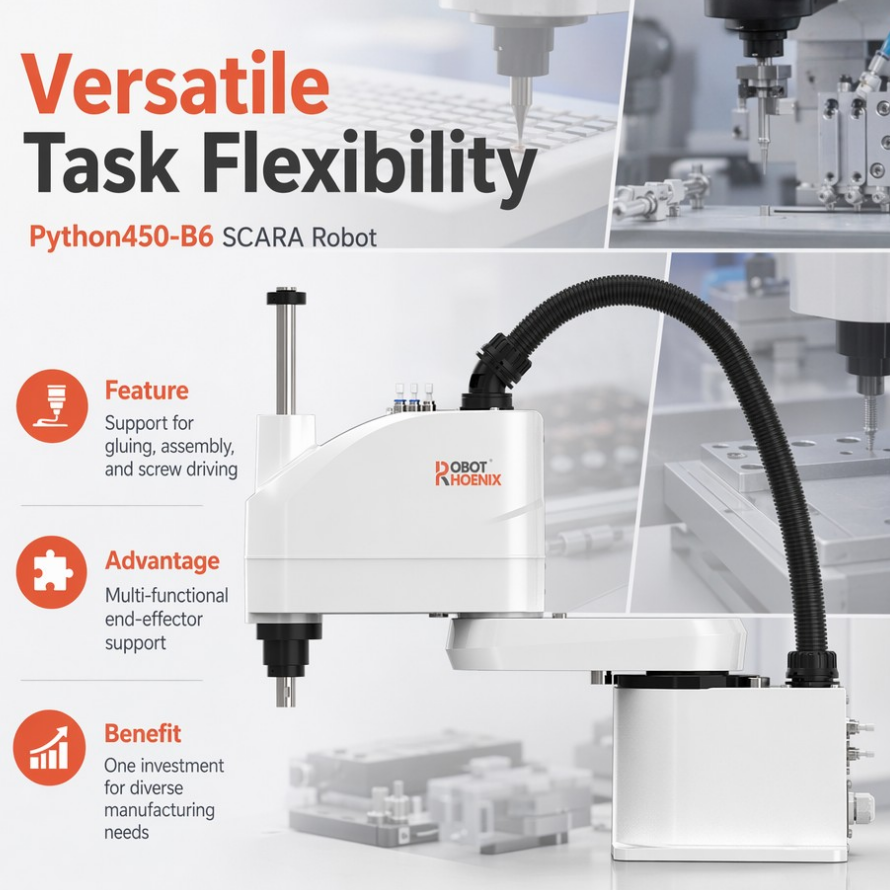
New Condition High Precision 400mm Reach Arm Scara Robot with PLC for 3C Electronic Assembly
Designed for short-reach precision assembly in electronics, sensors, connectors and small modules. PLC-ready integration makes it convenient for Indonesian machine builders who need a repeatable assembly cell without rebuilding the entire control architecture.
View product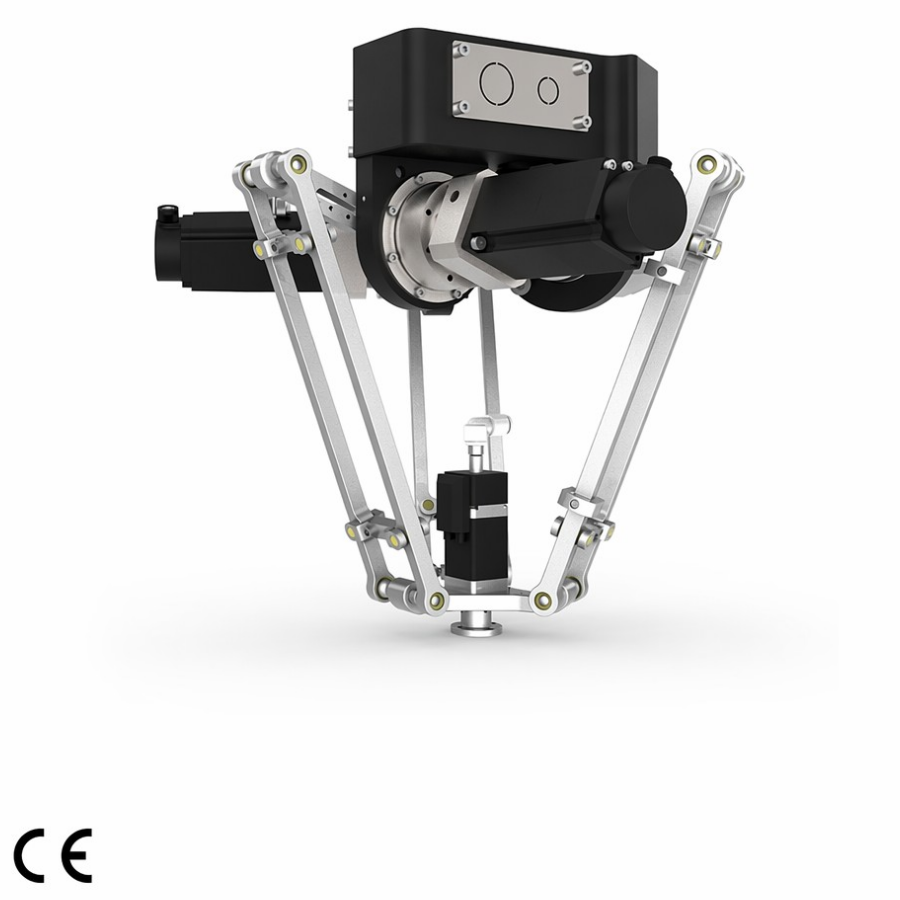
High Speed Consumer Goods Industries Bottle Unscrambling Machine Component Delta Robot
A high-speed bottle-handling module for consumer-goods plants that need stable product orientation before filling, labeling or packing. It demonstrates how delta robot technology can be adapted to repetitive handling tasks beyond electronics.
View productAll eight product URLs are preserved from the original catalogue. For wafer-handling robots, EFEM-compatible configurations, FOUP handling or cleanroom-specific end-effectors, use the inquiry button and share your process requirements.
Why Indonesia Is a High-Value Market for Semiconductor Wafer Robot Suppliers
Indonesia is no longer only a consumer market for imported automation. Its electronics ecosystem now spans assembly and test, power electronics, sensors, consumer devices, photovoltaic manufacturing and supporting cleanroom supply chains. Industrial clusters in Batam, Jakarta, Karawang, Bekasi and Surabaya are under pressure to improve yield, traceability and labor productivity while global buyers demand faster delivery and more flexible production.
For Indonesian procurement teams, the real question is not “Who offers the lowest-priced wafer robot?” It is “Which China wholesale factory can supply a wafer handling robot with documented testing, cleanroom-compatible motion, English-language integration support and a practical spare-parts plan?” A wafer robot is a precision handling asset. Its total cost of ownership is shaped by repeatability, particle control, uptime, end-effector design, training and response speed—not by the purchase price alone.
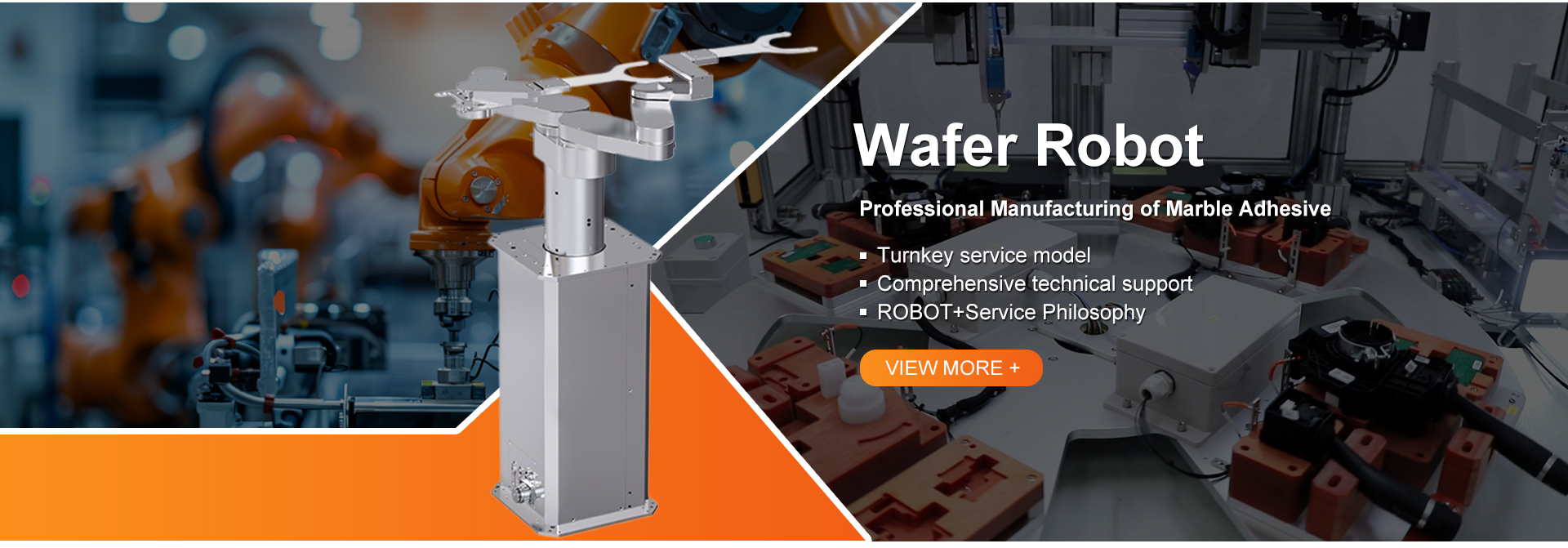
JORI Intelligent Technology Co., Ltd. is a China-based industrial robot manufacturer founded in 2012. Its product ecosystem includes silicon wafer handling robots, delta parallel robots, SCARA robots, AGV/AMR platforms, autonomous forklifts, self-developed controllers and 2D/3D vision. That breadth matters in Indonesia because a wafer line is rarely a single robot: it is usually a sequence of wafer transfer, tray handling, precision assembly, inspection and cleanroom packaging stations.


What Counts as a Semiconductor Wafer Robot in Indonesian Procurement?
A wafer robot is a cleanroom-oriented handling system used to transfer, orient, sort or position semiconductor wafers, wafer carriers and related substrates. The term is often used broadly across front-end wafer handling, back-end packaging, solar-cell manufacturing and electronics cleanroom automation.
Wafer Transfer and EFEM Integration
Wafer handling robots may operate inside an EFEM, near load ports, FOUP stations, aligners and process chambers. Indonesian buyers should specify wafer size, carrier type, communication protocol, cleanroom class and whether the robot must interface with an existing EFEM or SEMI-compatible line.
SCARA for Precision Assembly
Not every precision task requires a wafer robot. A 4-axis SCARA is often the better fit for planar assembly, connector insertion, tray loading and electronics handling. It is compact, cost-efficient and easy to integrate into Indonesian 3C and sensor lines.
Delta for High-Speed Sorting
A delta parallel robot is usually selected when lightweight products arrive randomly and cycle time is critical. In semiconductor-adjacent production, delta robots support tray sorting, blister handling, component picking and end-of-line packaging.
Cleanroom Material Flow
Wafer handling performance also depends on what happens around the robot: trays, cassettes, carriers, magazines and packaging. A supplier that can provide wafer robots, SCARA robots, delta robots and mobile platforms can reduce integration risk across the cleanroom.
ESD, Particle and Yield Control
For semiconductors, mechanical specifications alone are insufficient. Indonesian buyers should request ESD-safe materials, cable routing review, smooth-motion profiles, particle-control considerations, preventive-maintenance procedures and operator training documentation.
Documentation for Import and Audit
Procurement teams should prepare an RFQ that includes cleanroom class, wafer or substrate dimensions, throughput, repeatability, voltage, compressed-air requirements, safety category, interface protocol, spare-parts list and acceptance-test criteria.
Semiconductor Wafer Robot and Precision Automation Applications in Indonesia
Localization is not only a language issue. It is a configuration issue. Indonesian plants often combine imported process equipment, local utilities, multi-brand PLCs and a mixed workforce. The winning robot solution must fit the site, not the brochure.
Wafer Carrier and FOUP Handling
For fabs, OSAT lines and cleanroom logistics, wafer carrier handling requires smooth acceleration, repeatable positioning and a clear cleaning/maintenance plan. Indonesian buyers can start with a single station, prove the handling recipe and then scale.
OSAT and Back-End Packaging
Assembly and test operations need repeatable handling of trays, lead frames, carriers and finished packages. SCARA and delta robots can automate loading, sorting and packing while wafer robots handle sensitive substrate transfer.
Power Semiconductor and EV Components
Indonesia’s power-electronics and electric-vehicle supply chain is expanding. Precision placement, testing and tray handling for power modules, sensors and battery-management electronics often use SCARA robots before the product reaches final assembly.
Solar PV Wafer and Cell Handling
Solar cell and wafer handling demand gentle contact, stable repeatability and high uptime. Delta and SCARA automation can support sorting, buffering and packaging around photovoltaic lines, especially where manual handling causes breakage or contamination risk.
3C Electronics and Sensor Assembly
Batam, Jakarta and surrounding industrial areas host electronics and sensor manufacturing. A 400–550 mm SCARA robot can fit compact cells for PCB assembly, connector insertion, adhesive dispensing support and inspection handling.
Cleanroom Packaging and Material Flow
Semiconductor consumables, wipes, trays, packaging and cleanroom supplies often require hygienic or contamination-controlled handling. Delta robots can perform high-speed pick-and-place while AMR/AGV platforms support internal transport.
Indonesia Procurement Trends Shaping China Wholesale Wafer Robot Decisions
Indonesian buyers are becoming more sophisticated. They compare not only robot payload and price, but also application engineering, localization risk and the cost of downtime. These six trends are defining successful supplier selection in 2025 and beyond.
Pilot-First Procurement
Rather than committing to a full line, Indonesian teams increasingly validate one robot cell first. MOQ 1 set, clear acceptance testing and staged deployment reduce capital risk while proving cycle time and yield improvement.
Cleanroom Specs Written Into RFQ
Buyers now ask for particle-control considerations, ESD-safe materials, cleanroom-compatible lubrication, cable routing and maintenance access. A supplier that understands these details early prevents costly redesign during site integration.
Vision and Traceability Integration
Indonesian electronics and semiconductor-adjacent factories are adding 2D/3D vision for orientation, inspection and error proofing. A robot supplier with in-house vision and controller capability can reduce the number of vendors involved.
Multi-Robot and Mixed-Fleet Planning
Wafer handling, SCARA assembly and AMR transport often coexist. Buyers prefer suppliers that can support a coherent automation roadmap, spare-parts commonality and consistent engineering documentation across robot families.
Faster Response and Remote Support
Downtime is expensive. Indonesian buyers evaluate time-zone overlap, English documentation, video diagnostics, spare-parts lead time and the willingness of factory engineers to support local integrators during commissioning.
Total Cost of Ownership Focus
Procurement teams compare energy use, maintenance intervals, spare-parts availability, training requirements and integration labor. A lower purchase price can be misleading if the robot requires costly customization or extended downtime.
How Indonesian Buyers Should Weight a Semiconductor Wafer Robot Factory
Use a weighted scorecard before shortlisting a China wholesale wafer robot supplier. The exact weights will vary by project, but the categories below help separate a genuine factory from a trading intermediary.
- Wafer/substrate size, carrier type and load-port interface
- Cleanroom class, ESD requirement and material restrictions
- Required throughput, cycle time and acceptable breakage rate
- Repeatability, vibration control and motion profile review
- Controller protocol, PLC integration and vision requirements
- Voltage, frequency, compressed air and facility constraints
- Factory acceptance test, video inspection and test-wafer report
- Spare-parts list, warranty, training and remote support plan
Why JORI Is a Credible China Wholesale Wafer Robot Factory for Indonesia
JORI combines robot hardware, controllers and vision development in one manufacturing organization. For Indonesian buyers, that means fewer translation layers between the production problem and the engineering solution.
Founded in 2012 with In-House R&D
JORI has focused on industrial robot R&D and production since 2012. Its portfolio includes delta robots, SCARA robots, wafer handling robots, AGV/AMR platforms, autonomous forklifts, controllers and 2D/3D vision.
Self-Developed Controllers and Vision
Because controllers and 2D/3D vision are developed in-house, JORI can support machine builders with controller integration, custom end-effectors and application-specific motion requirements rather than relying on third-party control layers.
ISO 9001 and Onsite-Verified Manufacturing
The company operates an ISO 9001 quality management system and has been onsite-verified as a manufacturer. Indonesian buyers can request company, trade-capacity and quality documents before issuing a purchase order.
OEM, Design and Buyer-Label Service
JORI provides OEM service, design service and buyer-label options. This is valuable for Indonesian machine builders and system integrators who need a factory partner behind their own automation brand.
MOQ 1 Set and Flexible Export Terms
Standard robots can be ordered from one set, enabling a pilot cell before scaling. Packaging, delivery terms and payment methods can be discussed to fit Indonesian procurement practice, including common trade terms and currencies.
≤ 2h Average Response and 97.06% Rate
JORI maintains an average response time of two hours or less and a 97.06% response rate. For Indonesian buyers, fast engineering feedback shortens the RFQ cycle and reduces uncertainty during line planning.
Semiconductor Wafer Robot Factory FAQ for Indonesian Buyers
These are the questions Indonesian procurement teams commonly ask when comparing China wholesale wafer robot factories, SCARA suppliers and cleanroom automation partners.
What is the minimum order quantity for a semiconductor wafer robot from a China wholesale factory?
JORI standard robots can be ordered from one set, so Indonesian buyers can validate a pilot cell or single handling station before expanding to a full line. For wafer-specific configurations, the minimum order depends on end-effector, cleanroom and interface requirements.
Can JORI customize a wafer handling robot for an Indonesian cleanroom line?
Yes. JORI supports OEM service, design service and custom end-effectors. To configure a wafer handling robot, share wafer size, carrier type, FOUP/SMIF interface, cleanroom class, throughput, layout drawing and any preferred PLC or communication protocol.
Which documents should Indonesian buyers request before ordering?
Request the technical proposal, robot specification sheet, controller and vision architecture, cleanroom/ESD considerations, factory acceptance test plan, spare-parts list, preventive-maintenance schedule, operation manual, training plan and commercial terms. This reduces import and commissioning risk.
How do we choose between a wafer robot, a SCARA robot and a delta robot?
Choose a wafer handling robot for sensitive wafer or carrier transfer and cleanroom integration. Choose a SCARA robot for planar assembly, insertion and precise placement in compact cells. Choose a delta robot for high-speed picking, sorting and packaging from conveyors or tray flows.
Can the robot be configured for Indonesian voltage and factory conditions?
Yes. Indonesian plants commonly use different plant voltages and frequencies depending on the site. Share your electrical drawing, control voltage, compressed-air supply, ambient temperature, humidity and floor conditions so the factory can confirm the correct configuration.
What delivery and payment terms are accepted?
JORI can discuss common delivery terms such as FOB, CFR, CIF, EXW, CIP, FCA and CPT, as well as express delivery for urgent components. Payment discussions can include T/T, L/C and other mutually agreed methods. Confirm Incoterms and currency with the sales team before issuing the PO.
How is spare-parts support handled for Indonesian projects?
Before shipment, request a recommended spare-parts kit, component lead times and a list of wear items. For Indonesia, many buyers keep critical spare parts at the factory or with a local integrator. JORI can support remote diagnostics and provide replacement-part specifications.
How can we validate performance before the robot is shipped?
Use a factory acceptance test that includes cycle-time verification, repeatability checks, I/O and communication tests, end-effector function, safety checks and test-wafer or test-product handling. Video records and measured data should be included in the pre-shipment report.
Does JORI support OEM brands and Indonesian machine builders?
Yes. JORI offers OEM service, design service and buyer-label options. Indonesian machine builders can discuss custom end-effectors, controller integration and automated system integration with the JORI engineering team.
How quickly will we receive a response?
JORI maintains an average response time of two hours or less, with a 97.06% response rate. For faster evaluation, include your product photos, wafer or carrier dimensions, target cycle time, layout drawing, cleanroom class and preferred communication method.
Request a Wafer Robot Configuration for Your Indonesia Project
Send your wafer size, handling sequence, cleanroom class, cycle time and layout. Our factory engineers will recommend a wafer robot, SCARA or delta robot configuration, confirm the MOQ and prepare the next-step technical proposal.