8 Collaborative-Ready Robots for Yokohama Production Teams
Shortlist a first automation cell below. Each platform can be quoted from one set, then configured around actual payload, cycle time, floor space, vision requirements and safety zoning in Yokohama factories, warehouses and clean production areas.
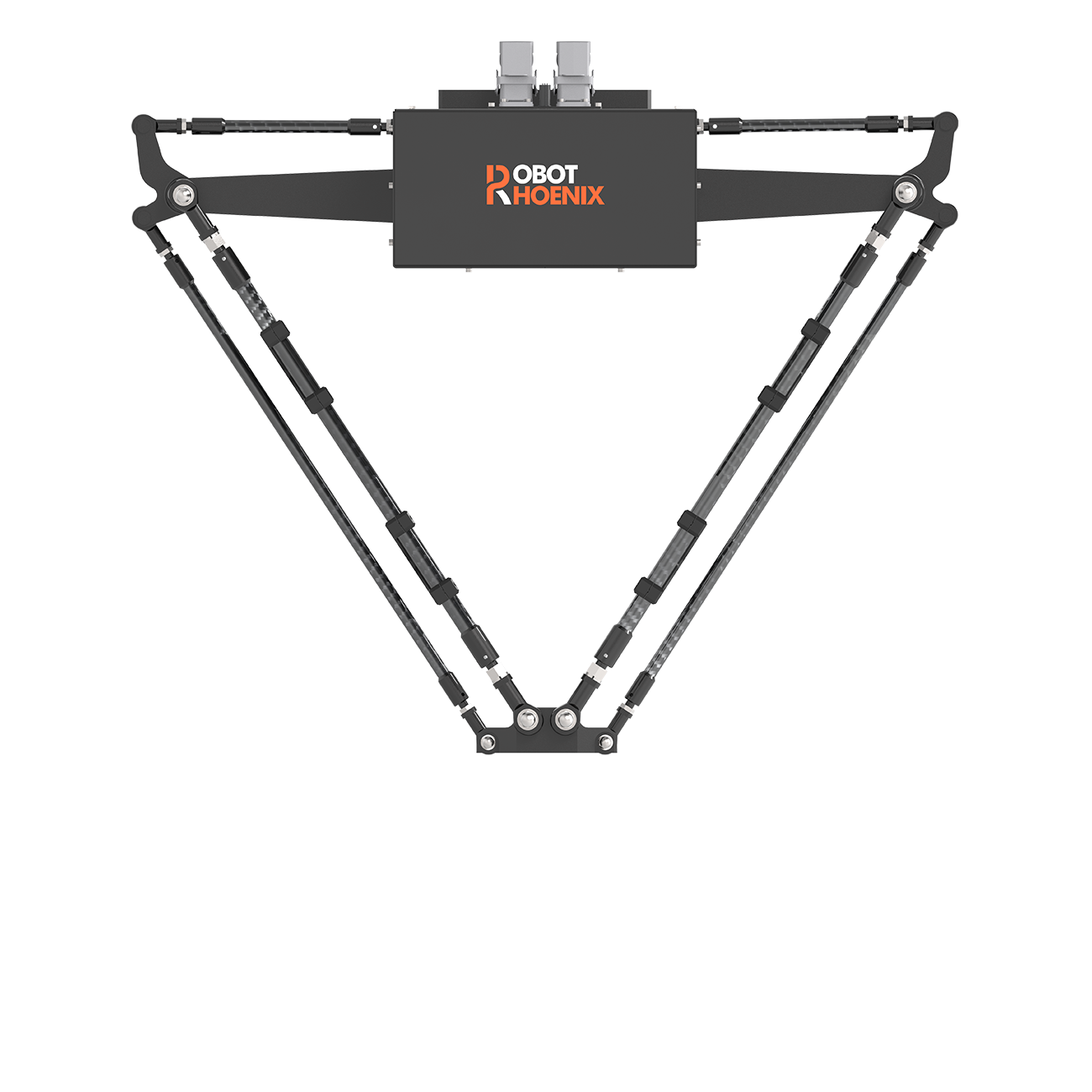
Industrial Manipulator High Speed and Accuracy Delta Robot with New Design Kinetics
Yokohama fit: high-speed transfer from moving conveyors where floor space is tight and cycle time defines line output.
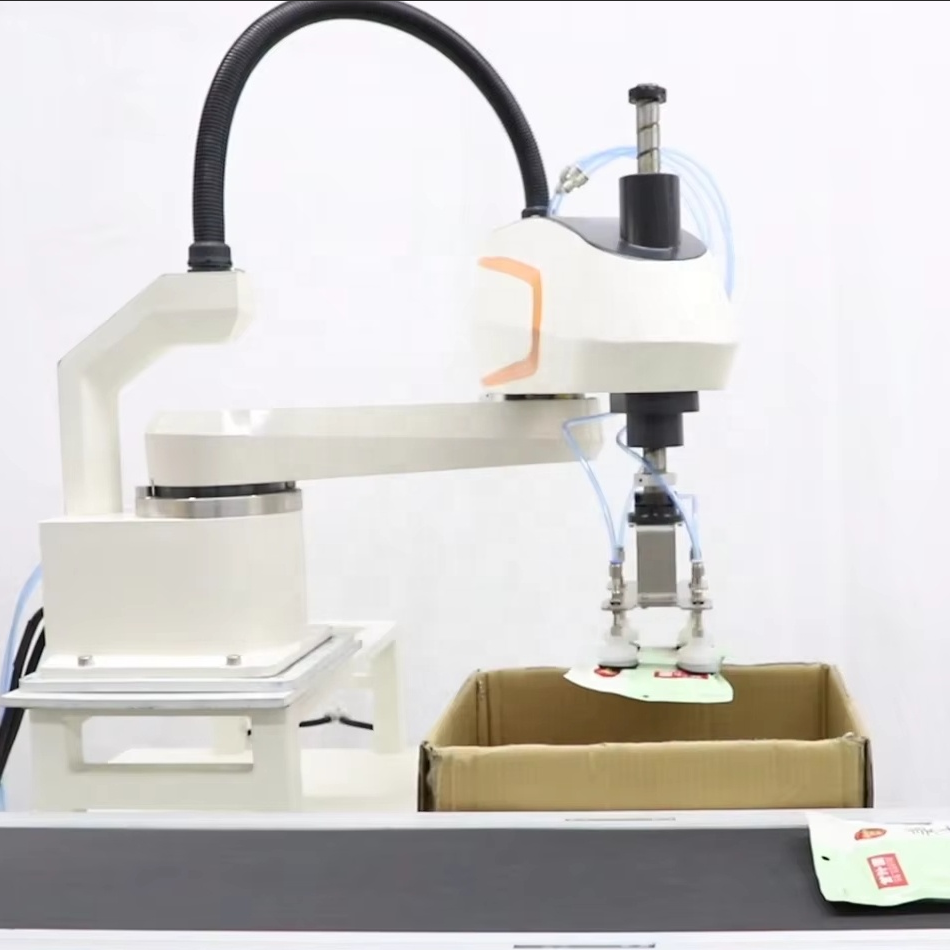
Newly Design Industrial Articulated Robotic Arm Scara for Precision Assembly & Handling
Yokohama fit: compact assembly, insertion and handling for automotive sensor, electronics and small-part suppliers.
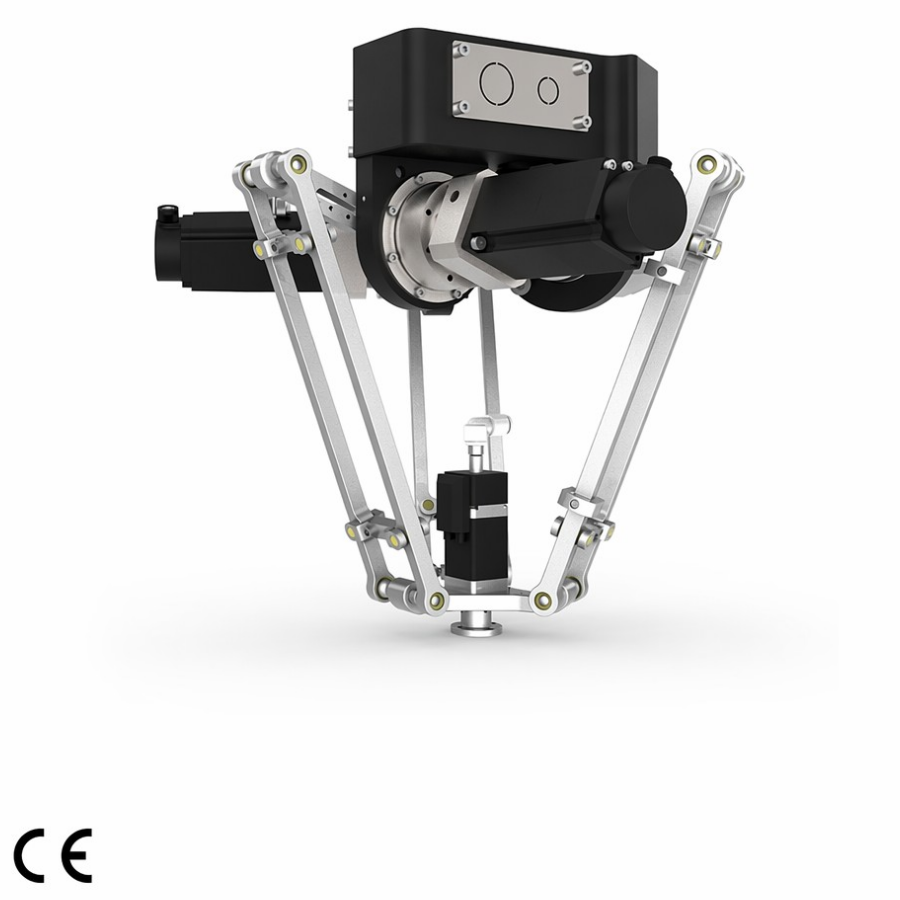
High Speed Consumer Goods Industries Bottle Unscrambling Machine Component Delta Robot
Yokohama fit: daily chemicals, beverages and personal-care lines where bottle orientation and stable throughput decide efficiency.
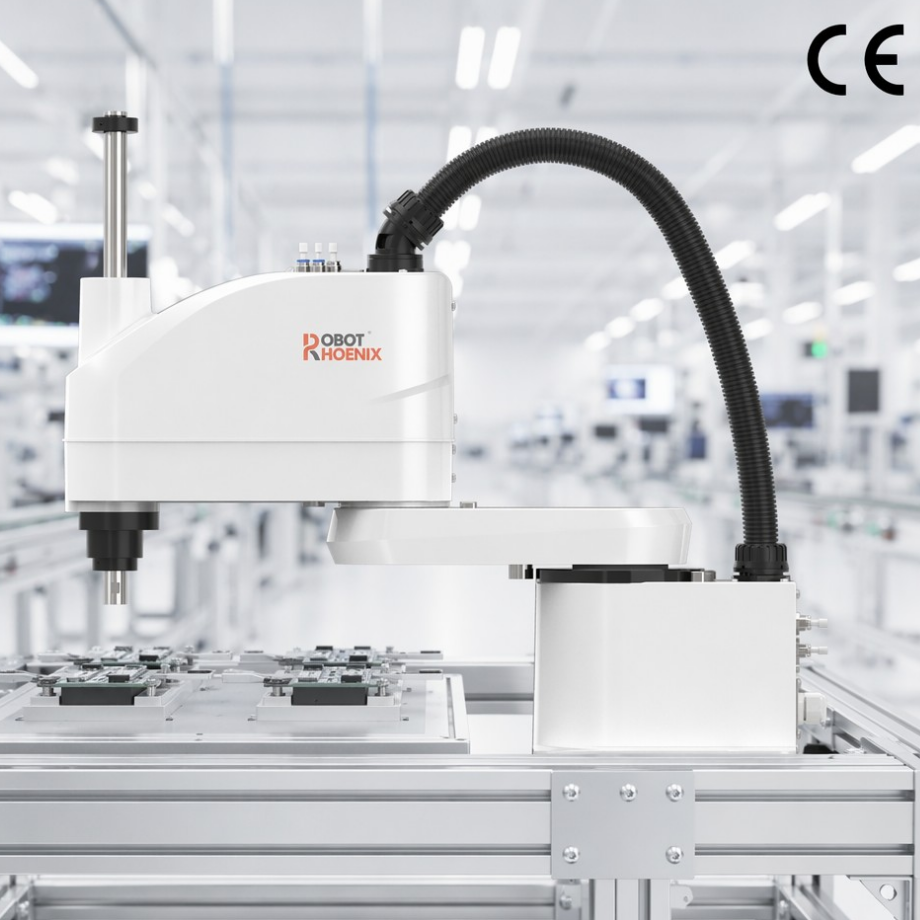
New Design Compact High Accuracy Industrial Robot Arm Scara with 2D/3D Vision System
Yokohama fit: vision-guided inspection, micro-assembly and small-cell automation for electronics and medical device production.
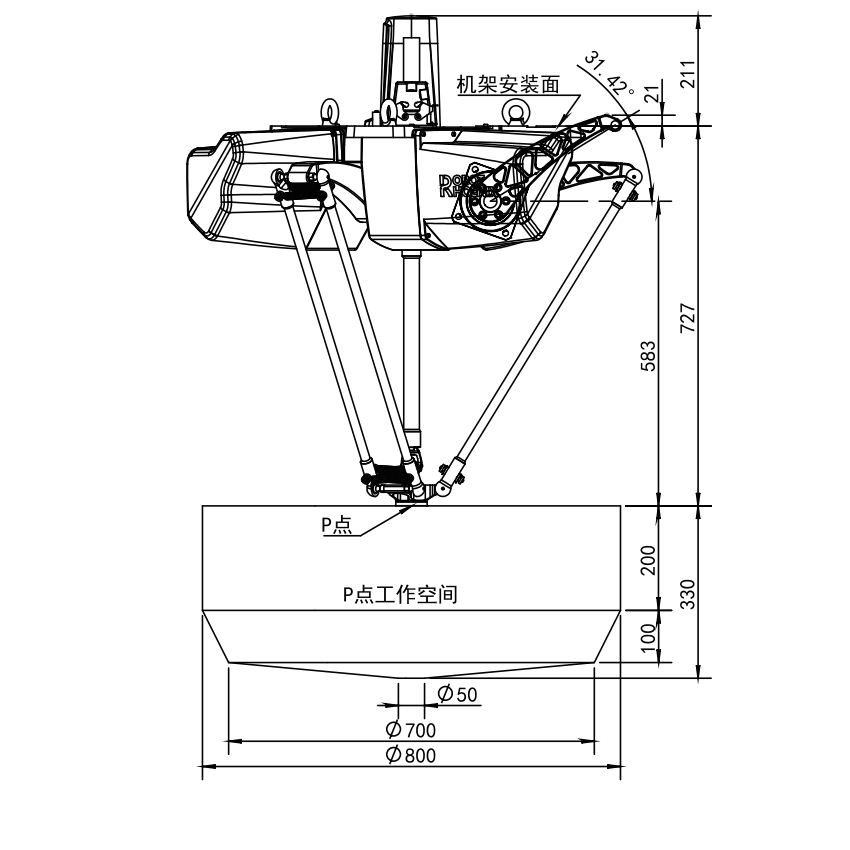
Industrial Delta Robot High Efficiency Parallel Robot for Goods Picking Placing Sorting
Yokohama fit: multi-SKU sorting, grading and tray loading where one line must handle frequent product changes.
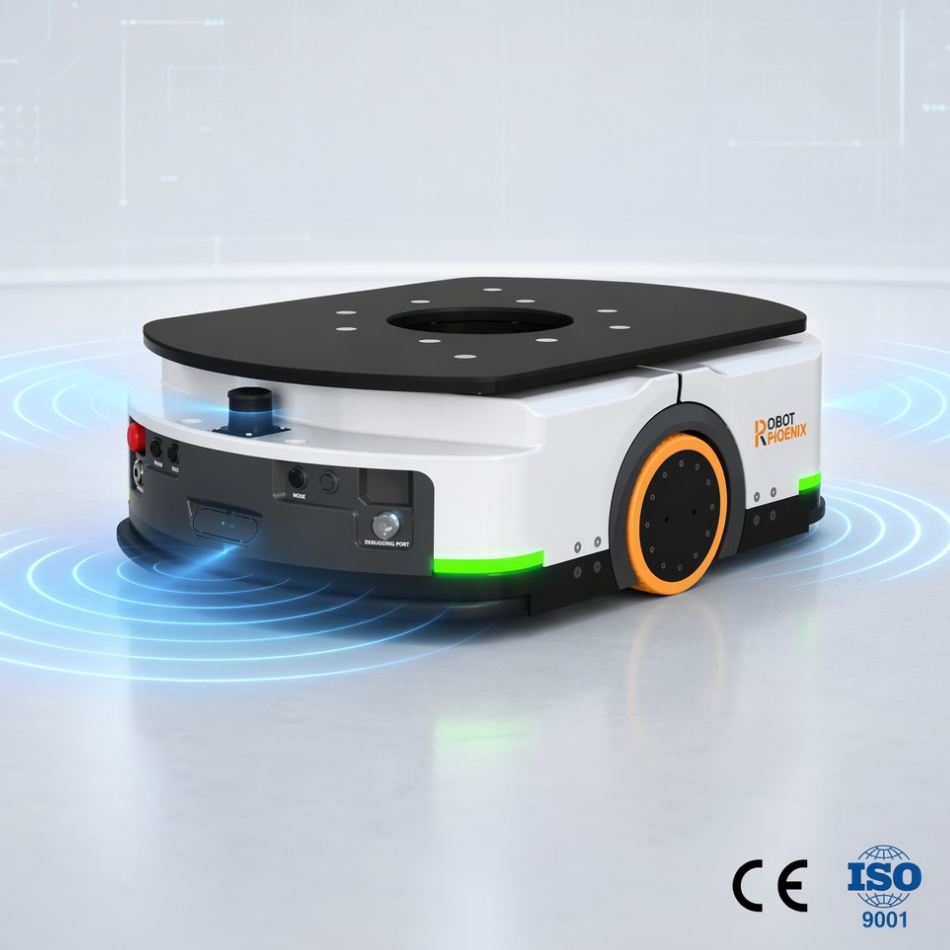
Compact and Latent Mobile Robot AGV for Narrow Aisle Warehouse and Factory Transportation
Yokohama fit: low-profile material movement in existing warehouses and factories where aisles are narrow and fixed tracks are impractical.
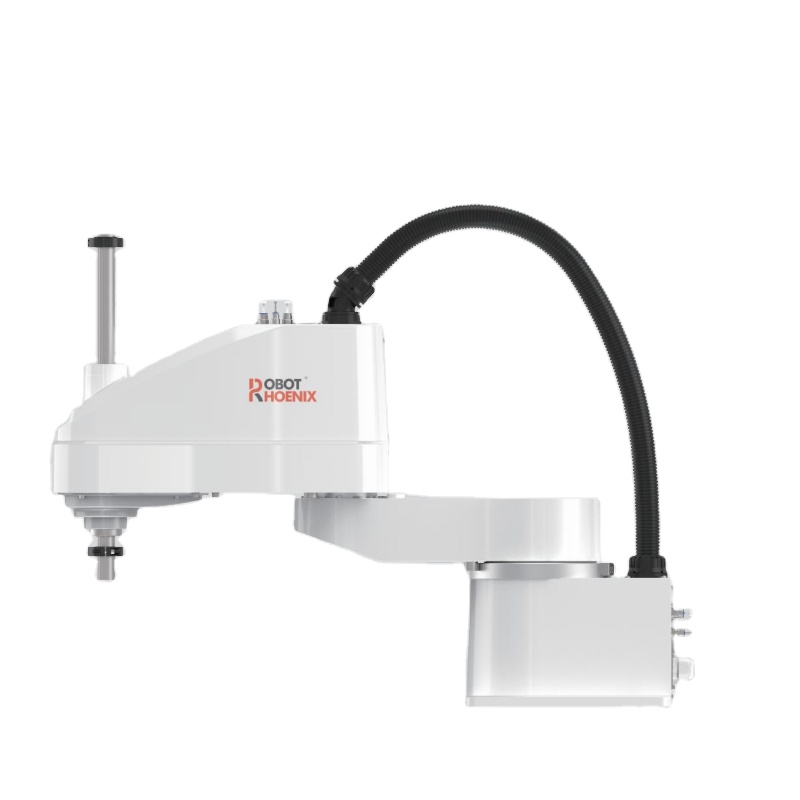
Advanced Industrial 4 Axis Robot Scara Robot for Pick and Place in Food Industry Gripping
Yokohama fit: food pick-and-place and gripping tasks where repeatability, sanitation planning and uptime are equally important.
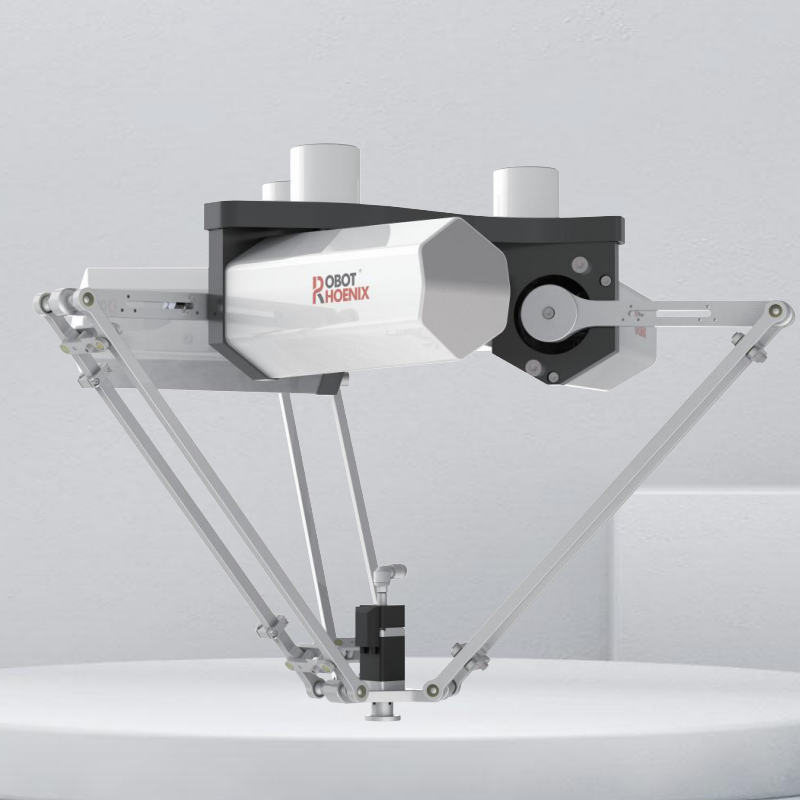
Robotphoenix New Design Industrial Robot Delta 6kg Payload 0.08mm Repeatability 2/3/4 Axis
Yokohama fit: 2/3/4-axis precision work where small components require stable repeatability and high cyclic output.
Product URLs are kept as supplied for direct model review. Standard models can start from 1 set; final configuration is confirmed against the line layout and safety scope.
Why Yokohama Manufacturers Choose a Factory-Direct Collaborative Robot Supplier
Yokohama sits inside one of the world’s most demanding manufacturing and logistics regions. High land cost, limited floor space, labor availability, 24/7 uptime expectations and high-mix production make “buying a robot arm” only a small part of the decision.
A successful collaborative automation project in Yokohama is usually an operating-system decision: the robot arm, end-effector, PLC communication, 2D/3D vision, safety guarding, operator training, spare-part plan and after-sales engineering must all fit together. If each item comes from a different reseller, the integration risk rises quickly. JORI Intelligent Technology Co., Ltd. has developed and manufactured delta parallel robots, SCARA robots, AMR/AGV mobile robots, autonomous forklifts and silicon wafer handling robots since 2012. Its controllers and vision systems are developed in-house, so buyers can keep one accountable engineering source from model selection to final cell acceptance.
In a Yokohama context, “collaborative” is not limited to one robot category. It is an approach to flexible, safety-aware production. A high-speed delta robot inside a guarded cell may be the correct answer when cycle time dominates. A compact SCARA with 2D/3D vision may be better for precise assembly in a tight footprint. A laser SLAM AMR or autonomous forklift may remove non-value-adding material movement without rebuilding the floor. The right choice depends on product weight, orientation, tolerance, conveyor speed, changeover frequency and the level of human-robot separation required.
JORI supports machine builders, system integrators and factory owners with OEM service, design service and buyer-label options. The company also provides one-stop automated system integration, which matters when a Yokohama factory needs a robot to communicate with existing packaging equipment, inspection stations or warehouse management systems rather than operate as an isolated island.
Where Collaborative Robot Cells Deliver in Yokohama
Yokohama production is diverse: automotive components, electronics, food, daily chemicals, medical products, port-linked logistics and compact tier-2 factories. The application should be selected by operational pain, not by robot category alone.
Automotive & EV Components
In Tsurumi, Kanazawa and the Kawasaki border area, SCARA and delta robots support sensor insertion, clip fitting, inspection and small-part picking. Vision recipes reduce changeover time on high-mix lines.
Electronics & Precision Devices
Around Kohoku and Shin-Yokohama, compact SCARA robots with 2D/3D vision fit connector inspection, PCB handling and micro-assembly, where repeatable motion and clean integration matter more than brute speed.
Food & Beverage Packaging
For food producers and packaging partners, IP54-capable delta robots handle primary and secondary packaging, pick-and-place and tray loading. Sanitation procedures and material compatibility should be reviewed early.
Daily Chemicals & Wet Wipes
Delta-based bottle unscrambling, lid application and carton packing help consumer-product lines manage bottle shapes, labels and seasonal SKUs without lengthy mechanical changeovers.
Pharma & Medical Production
For cleanroom-adjacent production, SCARA and wafer-handling know-how support small, fragile parts, blister packs and traceable transfer. Validation, documentation scope and cleaning routines are agreed per project.
Warehouse & Port-Linked Logistics
In bay-area distribution and Minato Mirai-adjacent facilities, laser SLAM AMR/AGV platforms handle narrow aisles, line-side delivery and fleet-managed transport without fixed magnetic tracks.
Autonomous Forklift & Pallet Flow
Distribution centers can use laser SLAM autonomous forklifts for repetitive pallet shuttling, shift-to-shift labor gaps and safer handover at staging areas, with site layout planning included.
SME Retrofit & First Automation
Family-owned job shops and tier-2 suppliers can begin with mini delta or PLC-ready SCARA configurations. Start with one cell, validate ROI, then scale to secondary operations.
Yokohama Automation Trends Shaping Collaborative Robot Adoption
Buyer intent in Yokohama is shifting from “Can a robot do this?” to “How quickly can the cell be validated, documented and scaled without disrupting current production?”
Labor Availability & Aging Workforce
Manufacturers need cells that are easy to teach, maintain and troubleshoot. Intuitive operation and clear diagnostics become as important as nominal speed.
High-Mix, Low-Volume Production
Vision-guided picking, recipe switching and modular end-effectors help Yokohama factories handle frequent SKU changes without dedicating a full line to one product.
Space Constraints & Urban Plants
High land value makes compact footprints valuable. Delta and SCARA cells can fit above or beside conveyors, while AMR/AGV platforms reduce fixed conveyor modifications.
Digital Traceability & Low-Carbon Logistics
Controllers and fleet management should expose production status, alarms and transport records for MES or WMS integration. Lightweight robots and electric AMRs support energy-reduction goals.
Which Robot Fits a Yokohama Line?
Use this comparison to shortlist a platform before requesting a quotation. The final model should be verified against part weight, cycle time, tolerance, conveyor speed, safety scope and operator workflow.
| Robot Family | Yokohama Use Case | Key Selection Data | Why It Works |
|---|---|---|---|
| DeltaDelta Robot | High-speed picking, sorting, labeling, cartoning, bottle handling | 3–6 kg payload options · 0.08 mm repeatability · up to 120 pcs/min labeling · IP54 option | Light products arrive randomly on conveyors; cycle time and product changeover are the bottlenecks. |
| SCARASCARA Robot | Precision assembly, insertion, inspection handling, PCB and small-part work | 4-axis architecture · compact footprint · mini models · 2D/3D vision options | Accurate planar motion is required inside a small cell, often beside existing production equipment. |
| AMRAMR / AGV | Line-side delivery, narrow-aisle transport, warehouse material flow | 400–500 kg payload platforms · laser SLAM · fleet management · compact latent models | Operators spend hours pushing carts and the layout changes too often for fixed tracks. |
| ForkliftAutonomous Forklift | Pallet shuttling, staging-area handover, shift-to-shift transport | Laser SLAM navigation · Camel Series · site layout planning support | Repetitive pallet movement runs across shifts, while labor availability and safety pressure increase. |
| WaferWafer Robot | Semiconductor, photovoltaic and fragile substrate handling | Self-developed motion control · smooth repeatable transfer · custom end-effectors | Fragile substrates require clean, controlled handling and project-specific tooling. |
For Yokohama procurement teams, total cost of ownership should be evaluated beyond the robot price. The calculation should include end-effector design, vision lighting, safety guarding, PLC/MES integration, operator training, spare parts, energy consumption and downtime risk. A lower-cost arm can become expensive if changeover takes too long or if the controller and vision cannot communicate with existing line equipment. JORI’s factory-direct model reduces unnecessary reseller layers, while in-house controller and vision development helps close compatibility gaps before installation.
For a pilot project, prepare a brief containing part weight, dimensions, material, orientation, required cycle time, tolerance, conveyor speed, camera inspection needs, factory voltage, air supply, safety distance and existing PLC. Sharing a short video of the current manual process is often faster than a long specification document. This allows engineers to recommend a delta, SCARA, AMR, forklift or wafer platform with a realistic scope.


A Robot Factory Built for OEM Support and Export-Grade Delivery
JORI Intelligent Technology Co., Ltd. is a high-tech manufacturer specializing in industrial robot R&D and production, controller and 2D/3D vision development, OEM support and automated system integration. For Yokohama buyers, this means technical questions can be answered by the same organization that builds the robot, controller and vision stack.
- Original factory for delta, SCARA, AGV/AMR and wafer robots
- Independent R&D with national patents
- ISO 9001 quality management system
- Onsite-verified manufacturer profile
- OEM, design and buyer-label service
- 10+ years serving overseas markets
Factory-Direct R&D Since 2012
Robot, controller and vision development stay close to production, shortening the feedback loop from application request to configuration.
In-House Controller & Vision
Compatible motion, vision and PLC integration reduce the risk of mismatched components and unclear responsibility during commissioning.
ISO 9001 & Verification
Documented quality control and an onsite-verified supplier profile support procurement reviews and internal vendor approval.
OEM / ODM Customization
Machine builders can request custom end-effectors, buyer-label options, controller integration and automated system integration support.
Global Terms & Export Experience
Delivery terms include FOB, CFR, CIF, EXW, CIP, FCA and CPT, with multiple payment methods and currencies available for international buyers.
Fast Response, Practical Support
Average response time is 2 hours or less, with a 97.06% response rate. Share drawings, product photos or a process video to speed engineering review.
Questions Local Buyers Ask Before Starting a Robot Project
These are the practical questions raised by Yokohama factory owners, machine builders and procurement teams during early evaluation.
What is the minimum order quantity for JORI robots?
Standard delta robots, SCARA robots and AMR/AGV platforms can be ordered from 1 set. This allows a Yokohama buyer to validate one cell or a pilot line before scaling to additional stations.
Can the robot be configured for a Yokohama factory’s power and safety requirements?
Electrical configuration, safety scope, guarding concept and documentation requirements are confirmed during engineering. Buyers should provide factory voltage, air supply, installation layout, risk-assessment expectations and any internal specification at inquiry stage.
Should we choose a delta robot or a SCARA robot?
Choose a delta robot for very fast, lightweight pick-and-place from moving conveyors, typically in the 3–6 kg payload range. Choose a SCARA robot for planar assembly, insertion, inspection handling and precise placement in a compact footprint.
Can the robot integrate with existing packaging machines?
Yes. JORI develops its own controllers and 2D/3D vision, and PLC-ready delta robots can be adapted for cartoning machines, carton packers and wet-wipe lid applicator equipment. Existing machine signals and communication protocols should be shared early.
What delivery terms and payment methods are accepted?
Delivery terms include FOB, CFR, CIF, EXW, CIP, FCA, CPT and express delivery. Payment methods include T/T, L/C, credit card, PayPal, Western Union, MoneyGram and escrow, with currencies such as USD, EUR, GBP, JPY, CAD, AUD, HKD, CHF and CNY available.
How are lead time and shipping to Yokohama handled?
Lead time depends on the robot model, custom end-effector, vision scope and project engineering. The quotation should state production schedule, inspection milestones and transport options. Yokohama port delivery and related shipping terms can be quoted against the final configuration.
Do you provide OEM or private-label options for machine builders?
Yes. JORI provides OEM service, design service and buyer-label options. Machine builders can discuss custom end-effectors, controller integration, vision configuration and automated system integration for their own product line.
How quickly will our Yokohama inquiry receive a reply?
JORI maintains an average response time of 2 hours or less and a 97.06% response rate. For faster review, include part weight, cycle time, tolerance, factory layout, product photos and a video of the current process.
Request a Yokohama-Specific Robot Cell Review
Send your product details, cycle time, floor layout and existing equipment information. The engineering team can recommend a delta, SCARA, AMR/AGV, autonomous forklift or wafer-handling configuration and confirm whether a one-set pilot is suitable.