8 Proven Robot Platforms for Sapporo Consumer-Goods Pick and Place
These are the catalogue platforms most often shortlisted for custom OEM delta robot, SCARA and mobile automation projects. Every product URL below is preserved from the original catalogue so Sapporo buyers can review specifications, then request a configuration matched to line speed, product weight, hygiene level and electrical requirements.
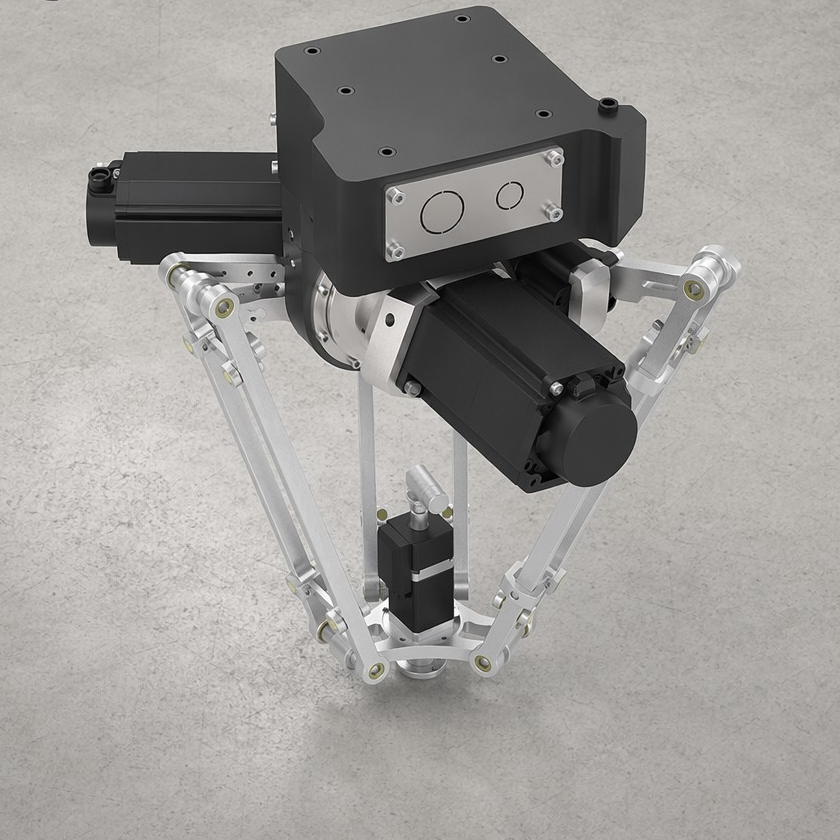
New Condition High-Speed Industrial Innovative Manipulator Delta Robot for Light Industry
A strong starting point for high-cycle picking of small wrapped packs, daily goods and light consumer items where conveyor speed is the constraint.
View product details →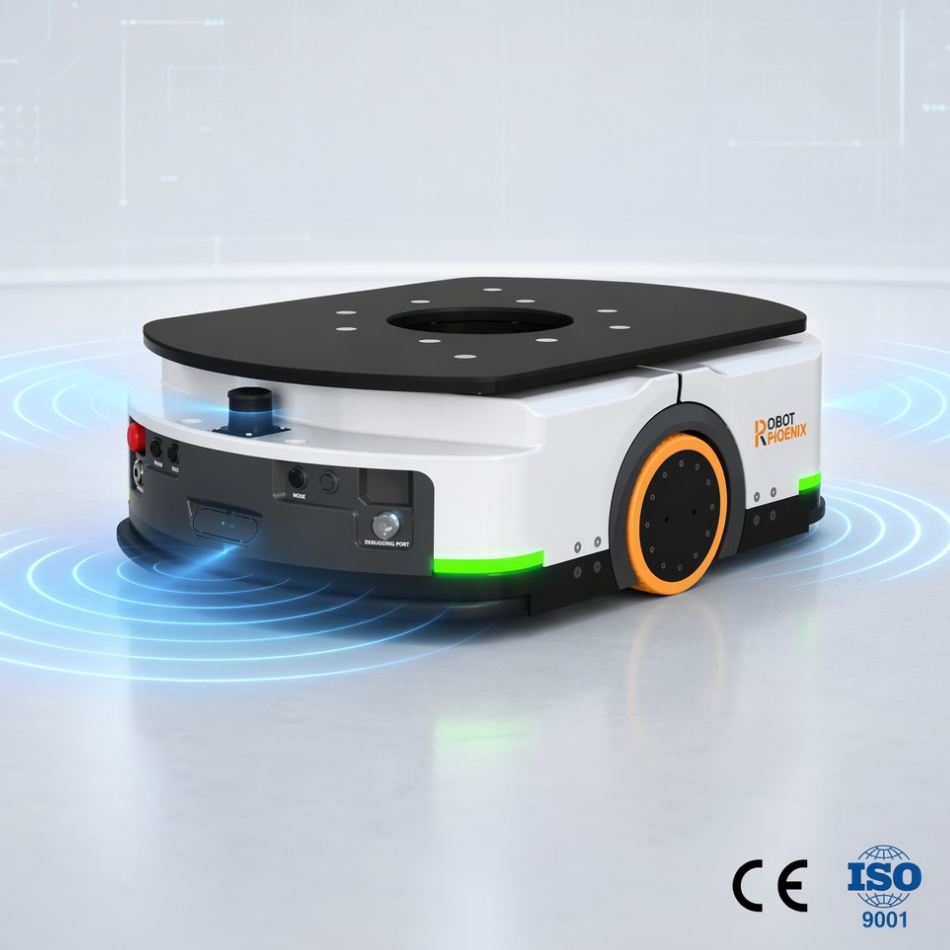
Compact and Latent Mobile Robot AGV for Narrow Aisle Warehouse and Factory Transportation
Useful where Sapporo and Hokkaido facilities have constrained aisles, inter-station replenishment needs or mixed manual and automated material flow.
View product details →
New Condition High Precision 400mm Reach Arm Scara Robot with PLC for 3C Electronic Assembly
A compact 400 mm reach option for precision electronics assembly, small-part placement and inspection handling in space-limited cells.
View product details →
Newly Design Low Price Industrial Manipulator Scara Robot Arm with Integrated Motor
Cost-controlled planar placement for pilot lines, semi-automatic assembly and small-part pick-and-place where ROI discipline matters.
View product details →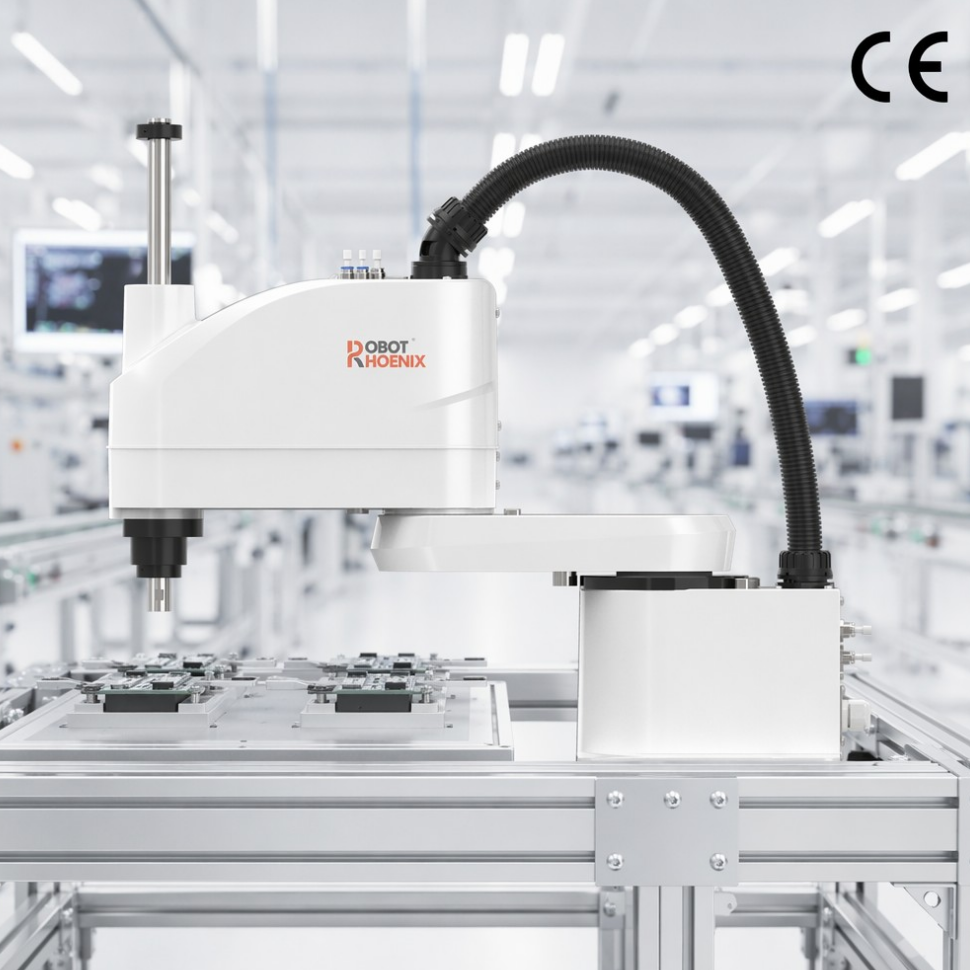
High Speed and Accuracy Newly Developed Industrial Robot Arm Four Axis Scara Robot
For higher-cycle planar handling, test-cell tending and repetitive placement that needs stable accuracy across long shifts.
View product details →
Robotphoenix New 4-Axis Parallel Robot Arm Delta Spider Hand Robot for Carton Packer Line
A carton-packing oriented delta platform for consumer goods end-of-line picking, orienting and case-packing integration.
View product details →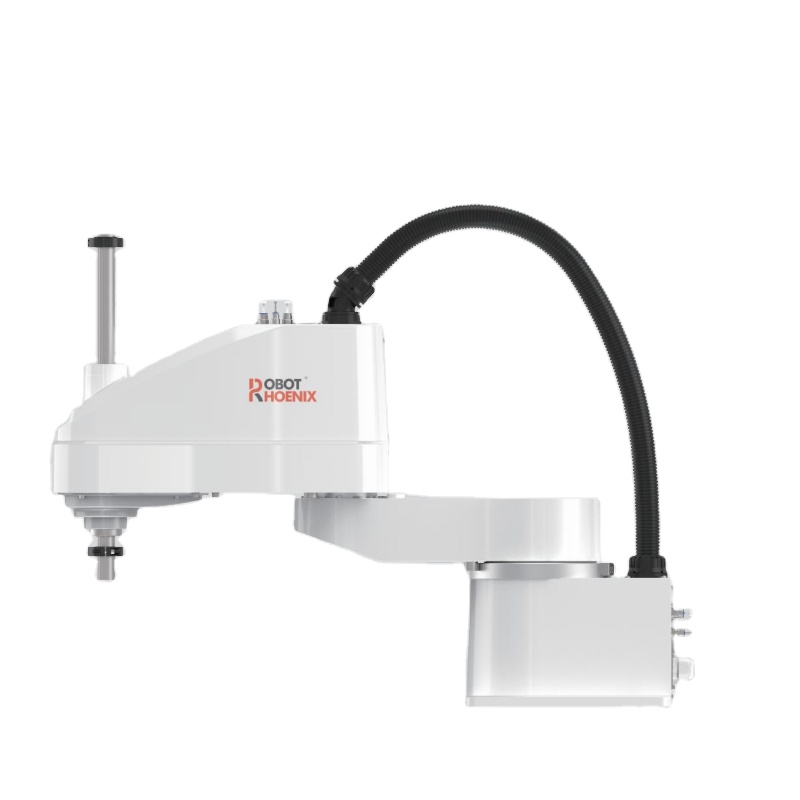
Advanced Industrial 4 Axis Robot Scara Robot for Pick and Place in Food Industry Gripping
An assembly-style arm for packaged food handling, tray placement and gripper-based pick-and-place where a compact footprint is valuable.
View product details →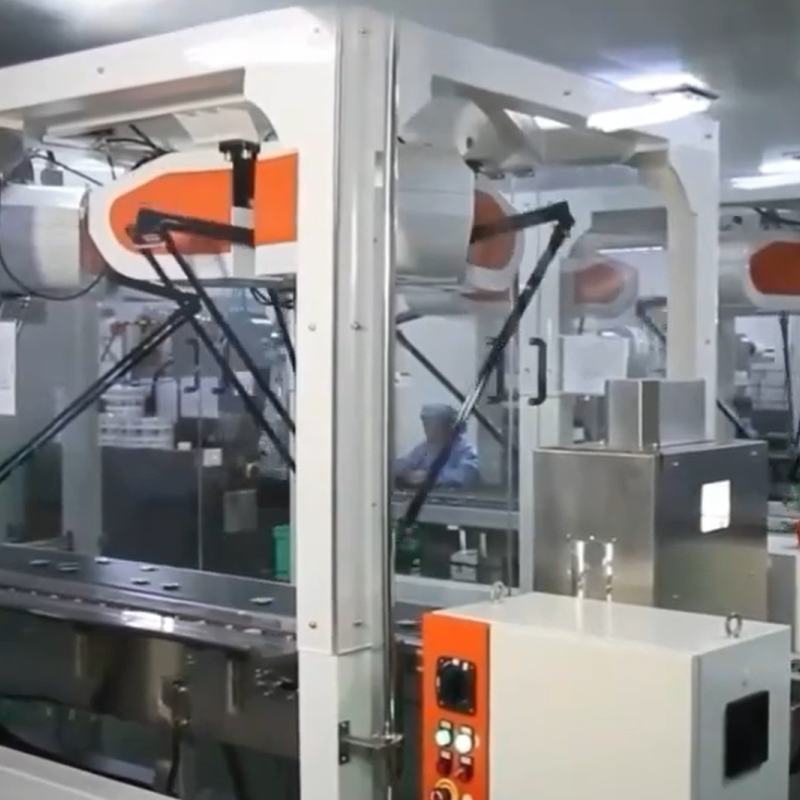
6kg Payload IP54 Protection Grade Pick Place Sorting Parallel Robot with Robot Gripper
A practical choice for dusty, splash-prone or washdown-adjacent sorting areas where a 6 kg payload and protected construction are required.
View product details →Why This Product Category Matters to Sapporo Manufacturers and Exporters
Consumer-goods production in Sapporo and wider Hokkaido spans food, dairy, confectionery, seafood, cosmetics, medical products, electronics and e-commerce fulfilment. These lines face the same economic challenge: manual pick-and-place is flexible, but difficult to scale when volumes fluctuate, shift coverage tightens and buyers demand shorter changeovers.
Founded with in-house robot R&D
Employees across engineering and production
m² factory area for robot manufacturing
Average response time, 97.06% response rate
A custom OEM delta robot combines high-speed parallel kinematics with a compact footprint, vision-guided picking and a controller that can communicate with existing PLCs and packaging machines. For a Sapporo manufacturer, the practical question is not simply whether a delta robot can pick a product. It is whether the robot can preserve cycle time, hygiene, traceability and changeover discipline across a high-mix production week.
The strongest projects usually start with a narrow, measurable brief: product weight and dimensions, required picks per minute, incoming orientation, gripper type, conveyor behaviour, contamination risks, interface protocol and the target date for factory acceptance testing. When those inputs are clear, a delta cell can be configured without overpaying for unnecessary payload or controls. When they are vague, buyers often inherit either an oversized robot or an under-specified end effector — both costly outcomes.
Engineering a Delta Cell for Consumer Goods: What Matters Most
The robot arm is only one part of the investment. End-effector mass, product inertia, vision latency, hygienic design and PLC handshakes determine whether the cell delivers the promised rate after installation.
Payload Margin, Not Just Payload Rating
For 3–6 kg consumer-goods picking, the usable payload must include the gripper, vacuum cups, manifold, camera bracket and product inertia. A 30–40% margin protects accuracy and servo life in high-cycle operation.
Cycle Time With Vision in the Loop
Randomly oriented products require camera exposure, image processing and robot decoding time. Delta robots can be fast, but the cell must be quoted as a complete picking cycle, not only as a robot speed specification.
Hygiene, Dust and Splash Protection
IP54 is often appropriate for dusty or lightly splash-prone sorting areas. For dairy, chilled food, seafood or washdown zones, material choices, surface finish, drainage and cleaning procedure must be reviewed together.
Controls and Line Integration
In-house controllers and 2D/3D vision help reduce supplier fragmentation. Buyers should still confirm EtherNet/IP, PROFINET, EtherCAT, Modbus or PLC handshake requirements, safety circuits and line-level recipe management.
| Selection Input | Recommended Target | Why It Matters in Sapporo Projects |
|---|---|---|
| Payload margin | Use ≤70% of rated payload | Preserves repeatability and reduces servo load when product formats change. |
| Repeatability | ±0.08 mm class for delta platforms | Supports consistent carton placement, labelling and small consumer-pack handling. |
| Protection | IP54 for dusty / splash-adjacent zones | Suits many food, daily chemical and sorting environments; higher protection is a project-specific review. |
| Vision | 2D or 3D depending on orientation | Randomly oriented packs, bags and trays usually need vision-guided picking. |
| Electrical scope | Confirm Japan 100 V / 200 V and 50 Hz | Sapporo-area facilities can differ; final voltage, frequency and safety documentation must be agreed before build. |
| Acceptance | FAT with actual product and gripper | Validates cycle time, miss rate and changeover before export packing. |
Sapporo and Hokkaido Application Scenarios
Delta robots are most valuable where lightweight products arrive quickly, unpredictably or in mixed formats. SCARA and AMR platforms support the same plant when the task moves from high-speed picking to precise assembly or internal logistics.
Confectionery, Bakery and Snacks
High-speed picking of wrapped sweets, biscuits, baked goods and seasonal gift packs into trays or cartons. Vision guidance helps when products arrive randomly or when packaging artwork changes frequently.
Dairy, Chilled and Frozen Goods
Case packing, sorting and tray loading for chilled or frozen consumer packs. Hygiene review should include cleaning access, condensation risk, material compatibility and gripper design for cold surfaces.
Seafood and Ready Meals
Secondary packaging of sealed trays, pouches and retail packs. Delta robots should be specified for the packaged product, not open food contact, unless a dedicated hygienic design review and washdown plan are completed.
Cosmetics and Daily Chemicals
Pick-and-place of bottles, caps, sachets, wet-wipe lids and shrink-wrapped sets. PLC-ready delta cells can integrate with cartoners, lid applicators and labelling machines on the same line.
Medical and Pharmaceutical
Repeatable handling of blister packs, pouches, small boxes and device kits. Projects usually prioritise traceability, recipe control, documentation discipline and validation support over raw speed alone.
E-commerce and Warehouse Replenishment
Sorting small consumer orders and replenishing packaging stations. Where movement between areas dominates, AGV/AMR platforms such as the compact latent AGV can complement a delta or SCARA cell.
Localized Development Trends Shaping Sapporo Automation Decisions
Sapporo buyers are not only buying a robot; they are buying line resilience, documentation quality and a support model that works across languages, time zones and existing equipment.
Labour Continuity and Skill Transfer
Operators who can run multiple packaging formats are increasingly valuable. Robot recipes, clear HMI workflows and standardised gripper changeover reduce dependence on single-person process knowledge.
High-Mix, Small-Batch Production
Hokkaido consumer brands often serve varied retail and seasonal demand. Delta cells should be specified with quick-change tooling, vision recipes and product presets rather than one fixed pack size.
Hygiene and Cold-Chain Discipline
Food and daily-chemical lines require practical cleaning access. IP54 helps in many areas, but the full cell — conveyors, guards, gripper and cable routing — must match the hygiene plan.
Vision and Traceability
2D/3D vision is increasingly used beyond picking: presence checks, orientation correction and reject confirmation. This information can feed line-level traceability without adding a separate inspection station.
Retrofit-First Investment
Many factories cannot pause production for a greenfield rebuild. PLC-ready delta robots and modular controllers allow phased retrofit of an existing cartoner, labelling machine or packing bench.
Export-Ready Documentation
Overseas buyers need drawings, electrical schematics, spare-parts lists and acceptance records. Sapporo projects should agree documentation scope, language and shipment terms during quotation to avoid handover surprises.
OEM Customization: From Application Brief to a Sapporo-Ready Cell
JORI Intelligent Technology Co., Ltd. has manufactured industrial robots since 2012 and develops its own controllers, 2D/3D vision and motion-control technology. As a manufacturer and exporter, JORI supports OEM service, design service and buyer-label programmes rather than operating only as a catalogue reseller.
The OEM process begins with the product and the line, not with a pre-selected model. For consumer-goods picking, our engineers review product weight, surface, orientation, gripper concept, conveyor speed, carton configuration, cleaning method, PLC interface, safety scope and destination requirements. Where the buyer already has a cartoning machine or wet-wipe lid applicator line, the robot and end effector can be co-designed around the existing machine handshake.
For Sapporo projects, electrical configuration is confirmed before manufacturing. Japan uses 100 V and 200 V systems, and the Sapporo area operates at 50 Hz. Final robot voltage, frequency, safety category, terminal standards and documentation expectations must be verified against the site — never assumed from a generic export template.
Manufacturing is supported by an ISO 9001 quality management system, in-house controller and vision development, national patents and a factory footprint of more than 10,000 m². Standard delta robots, SCARA robots and AMR/AGV platforms can be ordered from one set, which allows a pilot cell to be validated before scaling across shifts.
 Manufacturing base and engineering team
 Assembly, testing and run-in checks
Application Audit
Define product, rate, orientation, gripper, hygiene level, PLC interface and shipment destination. Photos, videos and line layouts reduce quotation risk.
Mechanical Co-Design
Select delta, SCARA or AGV platform; size payload margin; design end effector; confirm reach, guards, mounting and changeover method.
Vision and Controls
Configure 2D/3D vision, controller settings, recipes, safety circuit and communication with the host packaging machine.
FAT and Export Support
Run acceptance tests with the real product, prepare export packing and documentation, then coordinate commissioning support for the Sapporo site.
Why Buyers Compare JORI as a Manufacturer and Exporter
E-E-A-T for industrial equipment is built on verifiable capability: who designs the controller, who builds the arm, who tests the cell and who answers when the line is down.
One Accountable Source
Delta robots, SCARA robots, AGV/AMR, autonomous forklifts, wafer robots, controllers and 2D/3D vision are developed under one engineering organisation.
Verified Quality Credentials
ISO 9001 quality management, onsite-verified manufacturer status, national patents and public trade-capacity records support buyer due diligence.
OEM and Buyer Label
OEM service, design service and buyer-label options help machine builders and distributors localise the robot package for their customers.
Fast Export Response
Average response time of 2 hours or less and a 97.06% response rate. Share product data and target cycle time for an engineering-led reply.
Verify Us Before You Buy
Review independent assessments, trade capacity, credit profile and buyer feedback before shortlisting.
Sapporo Buyer FAQ: Procurement, Integration and Export
These are the questions procurement and engineering teams most often ask before requesting a custom OEM delta robot quotation for a Sapporo line.
What is the minimum order quantity for a custom OEM delta robot?
Standard delta robots, SCARA robots and AMR/AGV platforms can be ordered from 1 set, so a Sapporo manufacturer can validate a single cell or pilot line before scaling across shifts. Custom end effectors, vision and line integration are quoted as project scope.
Does JORI provide OEM, private-label or design services?
Yes. JORI provides OEM service, design service and buyer-label options. We support machine builders with custom end effectors, controller integration, 2D/3D vision and automated system integration. Electrical scope, documentation language and acceptance criteria are agreed before manufacturing.
Should I choose a delta robot or a SCARA robot?
Choose a delta robot for very fast, lightweight pick-and-place from moving conveyors, typically 3–6 kg payload. Choose a SCARA robot for planar assembly, insertion and precise placement in a compact footprint. Share product weight, cycle time, tolerance, orientation and layout so our engineers can recommend a platform.
What information is needed for a Sapporo project quotation?
Send product dimensions and weight, required picks per minute, conveyor speed, random or oriented feeding, gripper concept, machine interface, voltage and frequency, floor plan, hygiene requirements, Incoterm and target factory acceptance date. Photos or videos of the current process are especially useful.
Can your robots integrate with existing packaging machines?
Yes. JORI develops its own controllers and 2D/3D vision, offers PLC-ready delta robots and supports integration with cartoning machines, carton packers, labelling equipment and wet-wipe lid applicator lines. I/O protocol, safety circuit and line handshake are confirmed during engineering.
Which delivery and payment terms are accepted?
Delivery terms include FOB, CFR, CIF, EXW, CIP, FCA, CPT and express delivery. Payment methods include T/T, L/C, credit card, PayPal, Western Union, MoneyGram and escrow, in USD, EUR, GBP, JPY, CAD, AUD, HKD, CHF and CNY. Final terms are confirmed in the quotation.
How do you confirm voltage and frequency for Sapporo?
Japan uses 100 V and 200 V systems, and the Sapporo area operates at 50 Hz. We confirm robot voltage, frequency, safety category, terminal standards and documentation requirements before build. Buyers should provide site electrical data or confirm it with their facility engineer.
How quickly will I receive a reply?
Our average response time is 2 hours or less, with a 97.06% response rate. Email info@joribot.com with your product details, target rate, line layout and shipping requirements, or use the quote button to start the conversation.
Request a Custom OEM Delta Robot Proposal for Sapporo
Send your product samples or videos, cycle-time target, gripper requirement, line layout, voltage and frequency, and preferred shipment terms. Our engineering team will review the application and reply with a practical configuration path for your Sapporo consumer-goods line.
Get a Quote info@joribot.com