Electronics Packaging Robot Factory & Supplier for the Edmonton Market
Factory-direct delta robots, SCARA robots, AMR/AGV platforms and clean-handling automation for electronics packaging, tray handling, kitting, cartoning and end-of-line operations in Edmonton, Nisku, Leduc, Acheson and Sherwood Park.
Eight Electronics Packaging Robot Configurations for Edmonton Projects
These factory-configurable options cover high-speed pick-and-place, precision placement, lid and carton handling, low-cost mini SCARA deployment and customized delta cells. Final selection should be confirmed against package tolerance, ESD/cleanroom needs, available voltage, compressed-air quality and changeover strategy.
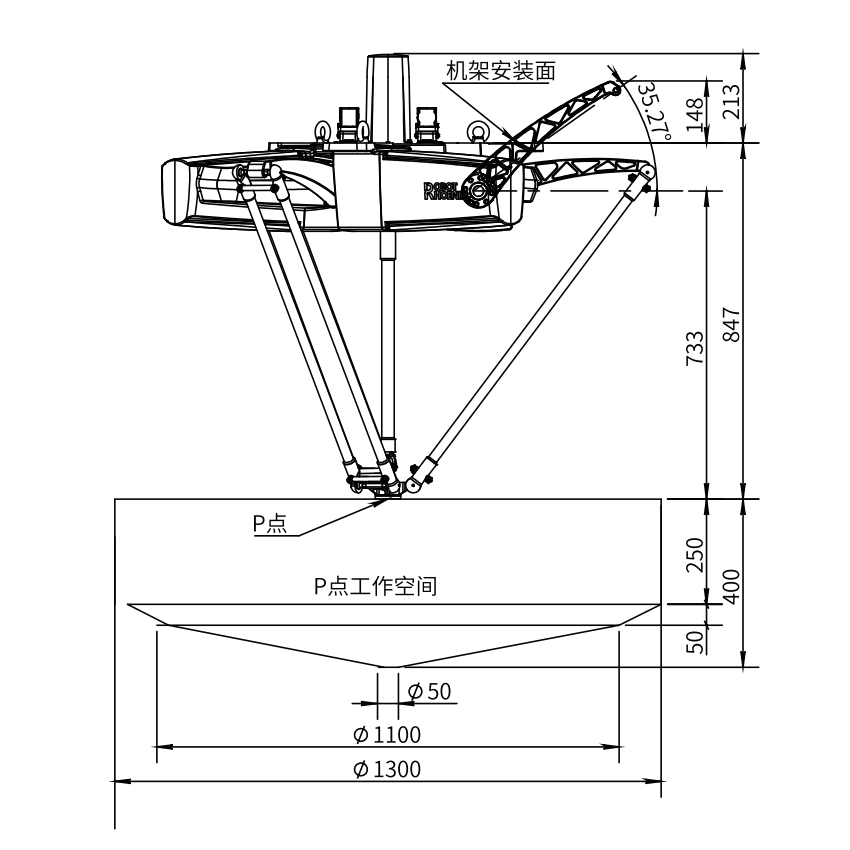
Industrial Robotic Arm Parallel Robot 2/3/4 Axis Delta Robot for Pick&Place Application
Edmonton fit: high-speed tray, blister and small-carton picking for EMS and electronics assembly lines.
Best for: 2/3/4-axis pick & place · vision-ready · compact cell integration
New Condition High-Speed Industrial Innovative Manipulator Delta Robot for Light Industry
Edmonton fit: fast sorting, kitting and light-industry packaging where conveyor speed sets the cycle target.
Best for: light payloads · high cycle rate · packaging and sorting cells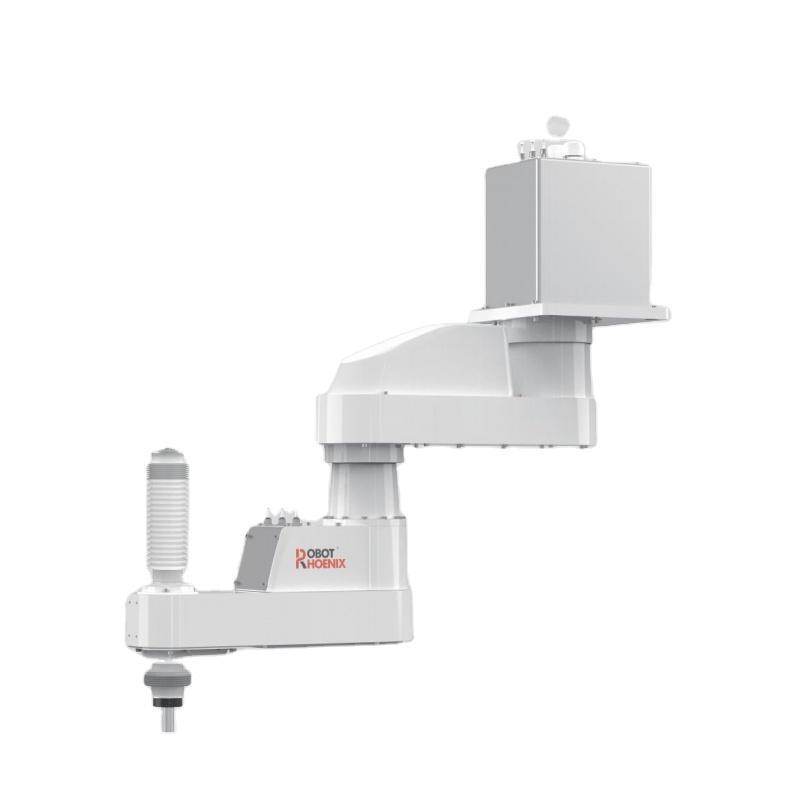
Compact Structure High Precision 550mm Reach Radius 3kg Payload 4-axis SCARA Robot
Edmonton fit: precise placement of connectors, spacers, modules and small packaged assemblies in tight cells.
Best for: 550 mm reach · 3 kg payload · planar assembly and insertion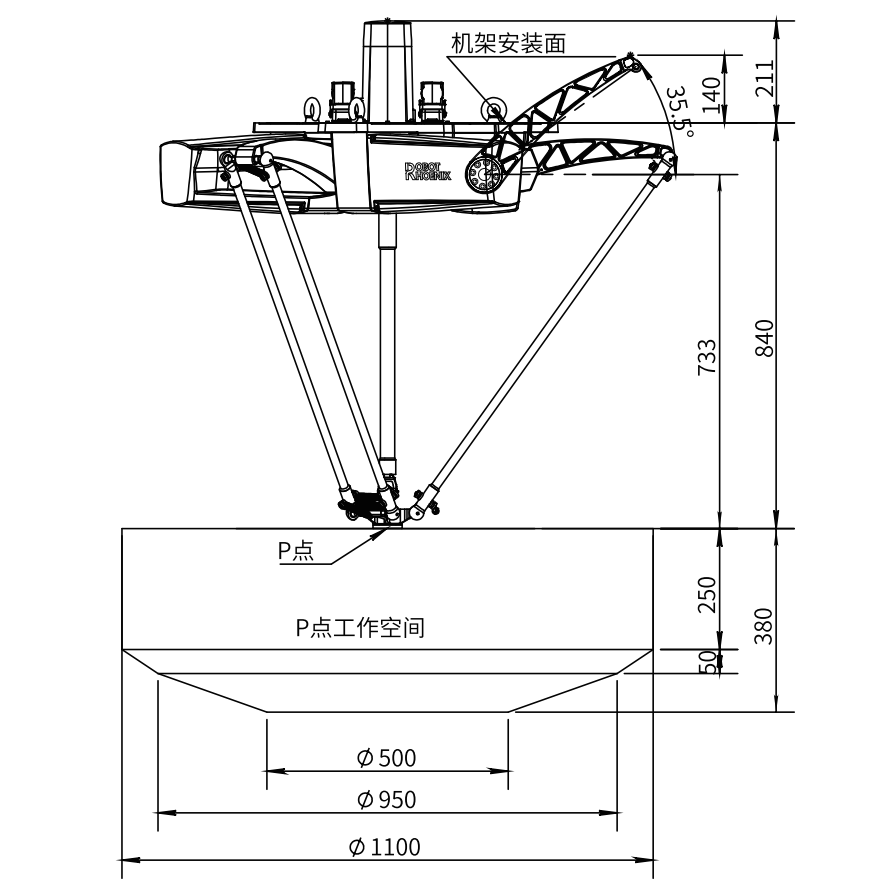
High-Speed Spider Arm Delat Robot for Fully Automatic Wet Wipe Lid Applicator Machine
Edmonton fit: high-speed lid, cover and small-part placement concepts; confirm tooling for electronics packaging applications.
Best for: lid applicator architecture · high-speed packaging · custom end-effectors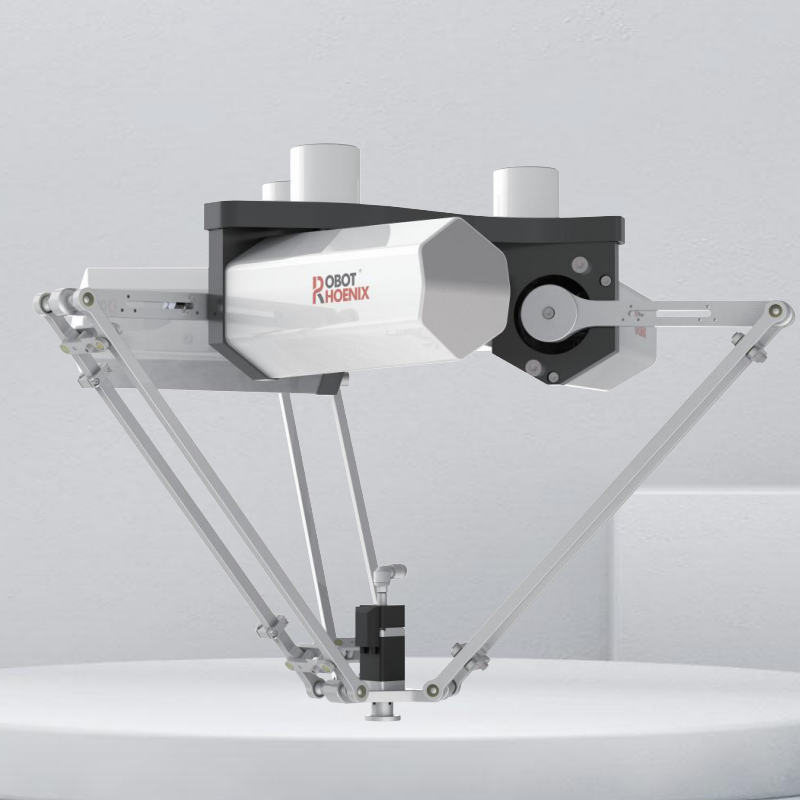
Robotphoenix New Design Industrial Robot Delta 6kg Payload 0.08mm Repeatability 2/3/4 Axis
Edmonton fit: heavier electronics packs, multi-pack cartons and repeatable pick-and-place with tighter payload demand.
6 kg payload · 0.08 mm repeatability · 2/3/4-axis configuration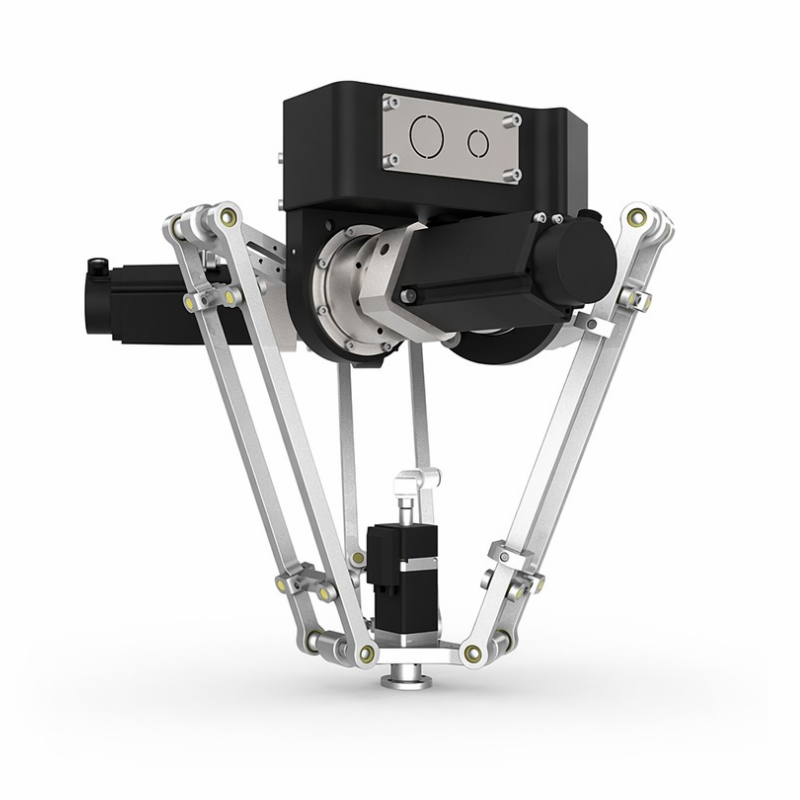
Low Cost Customized 2/3/4 Axis Industrial Manipulator Delta Robot for Pick and Place
Edmonton fit: pilot cells and high-mix electronics packaging lines that need custom grippers, layout and PLC handshakes.
Best for: customized pick & place · OEM integration · cost-controlled deployment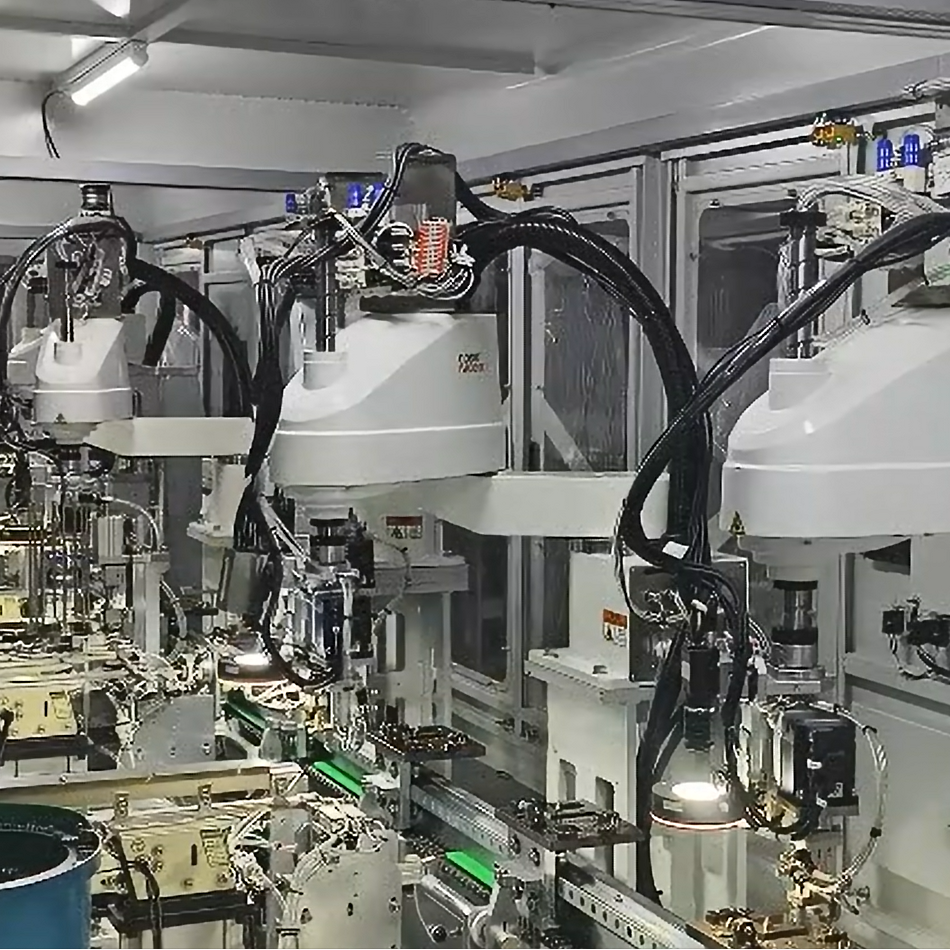
High Quality Mini Industrial Robot Scara for Pick and Place at Low Cost-New Condition
Edmonton fit: compact packaging, inspection and assembly cells where floor space and capital budget are constrained.
Mini footprint · low-cost deployment · pick & place and assembly support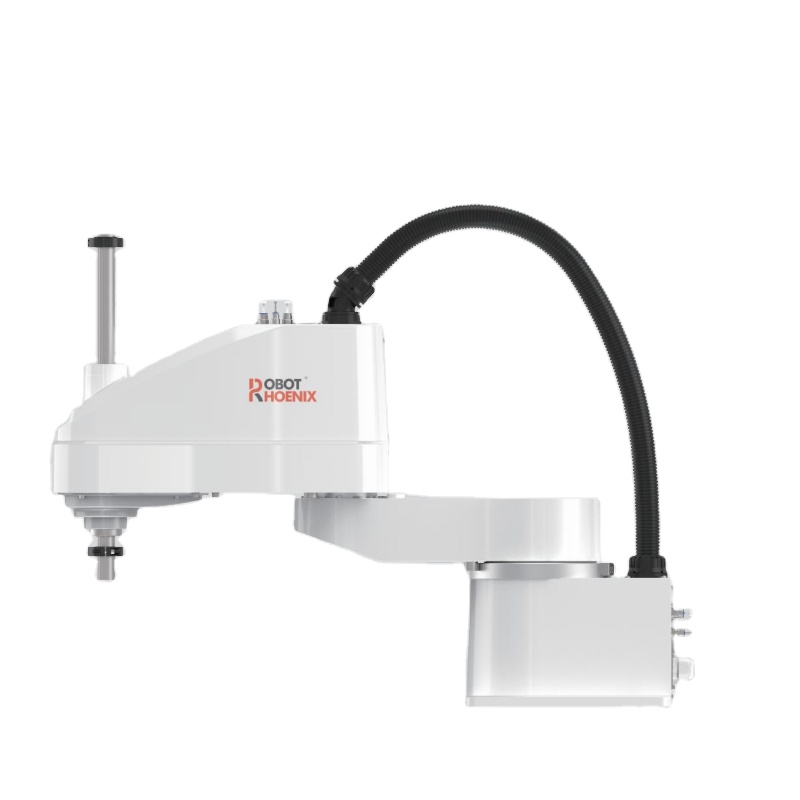
Advanced Industrial 4 Axis Robot Scara Robot for Pick and Place in Food Industry Gripping
Edmonton fit: cleanable gripping concepts and precise placement for regulated packaging environments; validate hygiene and ESD requirements.
4-axis SCARA · precise gripping · packaging and placementThe Edmonton Buying Signal: Packaging Speed Is No Longer the Only Specification
Electronics packaging in Edmonton is rarely a single-product, single-shift operation. The buying decision is not simply “which robot is fastest?” but “which robot cell keeps accepted packages flowing after changeover, ESD control, traceability and maintenance are included?”
A contract manufacturer near Nisku or Acheson may run PCB assemblies, sensor modules and industrial controllers on the same line. A medical-device or life-sciences team around Sherwood Park may need documented change control, smooth motion and clean handling. A fulfillment operation close to Edmonton International Airport and Port Alberta may face high-mix cartons, subscription packs and electronics accessories with frequent product changes. In each case, a delta robot that wins a cycle-time test but ignores package tolerance, static discharge or changeover can become the bottleneck after installation.
JORI approaches the Edmonton market as a factory-direct robot manufacturer and integration partner, not a catalogue reseller. Our engineering team develops robot structures, controllers and 2D/3D vision in-house, which means a buyer can discuss gripper design, PLC handshakes, recipe management and acceptance testing with the same source responsible for the robot hardware. That matters in electronics packaging, where the robot is only one part of a cell that also includes conveyors, vision, labelers, cartoners, checkweighers and traceability systems.
The most useful benchmark is not pick rate alone; it is the cost per accepted package after rework, downtime and changeover. Edmonton buyers should therefore brief suppliers with actual package samples, tolerance stacks, cycle-time windows, environmental conditions and the site’s electrical and compressed-air realities. A supplier that can respond with a configuration review — rather than a generic specification sheet — is more likely to reduce commissioning risk.
This white-paper style guide is written for Edmonton procurement teams, system integrators, machine builders and plant engineers evaluating electronics packaging robots. It covers localized applications, product recommendations, market trends, a practical engineering checklist, procurement FAQs and the factory advantages that matter when the supplier is overseas but the production line is in Alberta.
Where Electronics Packaging Robots Create Value in Edmonton
Edmonton’s electronics ecosystem is connected to energy, agriculture, life sciences, logistics, industrial automation and advanced research. The common thread is not mass production alone; it is high-mix work that must be repeatable, traceable and easy to reconfigure.
PCB, EMS and ESD-Sensitive Tray Handling
Delta robots with vision can pick PCB assemblies from trays, orient them for inspection and place them into ESD-safe packaging. The key Edmonton requirement is not only speed: end-effectors must be grounded, gripper contact must be controlled, and recipe changeover should be short enough for high-mix EMS production in Nisku, Acheson and Leduc.
Sensor, Instrumentation and Controller Kitting
Edmonton-area instrumentation and industrial-control companies often package small modules, connectors, brackets and accessories into kits. A compact SCARA robot can place parts with planar precision, while a delta robot can sort or sequence incoming components. Vision and barcode checks can link each kit to a serial number or work order before sealing.
Medical Device and Clean Packaging Support
Life-sciences and medical-device operations around Sherwood Park and Edmonton Research Park may require smooth motion, minimal particulate generation and documented change control. Robot cells should be specified with cleanable surfaces, controlled cable routing and validated gripper materials. For regulated products, the automation supplier should provide documentation that supports the buyer’s validation process.
Electronics Accessory Fulfillment and Cartoning
Near Edmonton International Airport and Port Alberta, fulfillment operations handle chargers, cables, adapters, wearables and consumer electronics accessories. Delta robots can pick from moving conveyors into cartons or mailers, while AMR platforms can replenish line-side stock. The automation case is strongest when packaging volume fluctuates and temporary labor is difficult to scale.
Industrial Electronics for Energy and Agriculture
Alberta’s energy, agriculture and industrial-automation supply chains use rugged controllers, sensors and monitoring electronics. Packaging may involve heavier cartons, foam inserts, antistatic bags and label placement. A 6 kg delta robot or a customized manipulator can be more appropriate than a lightweight high-speed model, especially when package weight and grip stability vary.
End-of-Line Cartoning, Labeling and Pallet Interface
Edmonton machine builders often need PLC-ready robots that synchronize with cartoners, labelers, checkweighers and palletizers. JORI’s in-house controllers and vision capability support custom handshakes, reject logic and recipe selection. The robot should not be an isolated island; it should exchange status, faults and production data with the line controller.
Match the Robot to the Package, Not the Brochure
Start with the bottleneck that limits accepted packages per hour, then choose the robot family that removes that bottleneck without adding hidden changeover or maintenance cost.
Delta Robots for High-Speed Pick & Place
Choose a delta robot when light electronics packages arrive randomly on a conveyor and cycle time is the constraint. Vision-guided picking, blister handling and tray-to-carton transfer are typical fits.
PCB trays, small cartons, blister packs and high-mix kitting.
SCARA Robots for Precision Placement
Choose a SCARA robot when the motion is planar, the footprint is tight and the task requires repeatable insertion or placement. Mini low-cost models are useful for pilot cells and cost-sensitive packaging stations.
Connector placement, module insertion, inspection loading and compact assembly-packaging cells.
AMR and Autonomous Forklift Platforms
Choose mobile automation when technicians spend too much time moving WIP, packaging materials or finished cartons between stations. Laser SLAM navigation avoids fixed floor tape and supports layout changes.
Line-side replenishment, warehouse-to-packaging transfer and finished-goods movement in growing facilities.
Wafer and Clean-Handling Robots
Choose a wafer handling robot when the product itself is fragile or contamination-sensitive. Although semiconductor and photovoltaic lines have specialized requirements, the same clean-motion philosophy applies to high-value electronics packaging.
Semiconductor, solar, precision electronics and custom clean-handling projects requiring smooth motion.
Edmonton Trends Shaping Electronics Packaging Automation
These trends are practical specification drivers, not abstract market forecasts. They influence the robot payload, vision strategy, documentation package and support model that Edmonton buyers should request.
Nearshoring and Supply-Chain Resilience
Canadian OEMs and electronics suppliers are reviewing where critical products are assembled and packaged. That creates demand for flexible robot cells that can support reshored production without assuming decades of single-product volume. Edmonton buyers should favor recipes, tooling and controls that can be adapted as product families change.
AI-Enabled Vision and Traceability
The Edmonton region’s AI and machine-learning ecosystem is encouraging manufacturers to view vision as a production tool, not a laboratory demonstration. For packaging robots, 2D/3D vision can check presence, orientation, label position and package defects before sealing. The supplier should explain how vision results are logged and passed to the line controller.
Labour Availability and Knowledge Transfer
Repetitive packaging stations are difficult to staff consistently, and experienced technicians are valuable for higher-value tasks. Automation should therefore be designed for operator-friendly changeover and maintenance. Training, spare-parts lists and clear fault recovery matter as much as robot speed in retaining internal knowledge.
Energy and Compressed-Air Discipline
Vacuum grippers, air blow-off and pneumatic tooling can consume more energy than the robot itself. Alberta buyers should ask for the compressed-air consumption of the end-effector, the vacuum strategy and the robot’s idle-state behavior. A well-designed gripper can reduce both operating cost and noise in the packaging area.
High-Mix, Low-Volume Packaging
Many Edmonton electronics businesses do not run one product for months. They switch package sizes, labels, kit contents and carton configurations. Robot cells should support recipe-driven changeover, quick-change grippers and PLC-managed programs. The hidden cost is not the first setup; it is the tenth changeover of the week.
ESD, Clean and Medical-Grade Convergence
Electronics packaging increasingly overlaps with cleanroom, medical-device and hygiene requirements. Anti-static materials, cleanable surfaces, controlled cable routing and documented material choices may all appear in one project brief. Suppliers should be asked which requirements are standard, which require custom end-effectors and which affect validation time.
Typical Early-Stage Decision Weights in Edmonton Robot Briefs
Directional planning heuristic from packaging and electronics project discussions — not statistical market research.
Edmonton-Specific Engineering Checks Before You Approve a Robot Cell
These checks reduce the gap between a successful factory acceptance test and a packaging line that performs reliably in Alberta.
Canadian Electrical Compliance
Confirm the compliance path for the complete cell, not only the robot. Canadian Electrical Code requirements, CSA/UL/ETL-recognized components, field evaluation, risk assessment, emergency stops and lockout procedures should be clarified with the local authority having jurisdiction and the integrating engineer.
Power, Air and Winter Commissioning
Verify available three-phase voltage, frequency, breaker capacity, grounding and compressed-air quality before finalizing the layout. Edmonton winter commissioning should include warm-up checks, condensation control and verification that gripper vacuum responds correctly after a cold weekend or delayed shipment.
ESD, Cleanroom and Surface Compatibility
Specify whether the robot handles bare boards, populated assemblies or sealed retail packages. ESD-safe end-effectors, grounding, cleanroom-compatible materials and cleanable surfaces may change the gripper and robot finish. Ask for material data and cleaning recommendations before validation.
Controls, Data and Cybersecurity
Define PLC handshakes, recipe selection, barcode/serial-number capture, reject handling and data logging. If the robot will connect to MES, ERP or remote diagnostics, agree on network segmentation and remote-access policy. A clear controls responsibility matrix prevents commissioning delays.
Package Tolerance and Gripper Validation
Send actual packages, not only drawings. Tolerance stack, surface friction, static cling, bag wrinkles and label placement can change gripper performance. Factory acceptance testing should include the real package mix, worst-case orientation, changeover sequence and a defined cycle-time window.
Spares, Training and Local Support Model
Agree critical spare parts, expected wear items, training scope and remote-support process before purchase. For Edmonton, clarify how on-site installation will be coordinated with a local integrator, who provides first-line troubleshooting and how warranty claims are handled across time zones.
Company Advantages That Reduce Integration Risk for Edmonton Buyers
JORI Intelligent Technology Co., Ltd. combines robot manufacturing, controller development, vision integration and OEM support under one organization. For an Edmonton project, that reduces the number of suppliers who can point to one another when a packaging cell underperforms.
Factory-Direct Since 2012
Founded in Jinan, Shandong, JORI has grown into a high-tech robot manufacturer with 500+ employees and a 10,000+ m² factory area. Being factory-direct matters for Edmonton buyers because customization, pre-shipment testing and spare-parts planning can be handled with the production source.
In-House R&D: Arm, Controller and Vision
We develop delta robots, SCARA robots, wafer robots, AGV/AMR platforms, controllers and 2D/3D vision in-house, supported by national patents. This allows the engineering conversation to cover motion tuning, vision logic, gripper design and controller integration rather than only robot specifications.
One Source for Multiple Robot Families
Delta, SCARA, AMR/AGV, autonomous forklift and wafer handling robots can be reviewed under one engineering team. Edmonton machine builders and integrators can discuss a complete packaging and material-flow concept without combining unrelated suppliers.
OEM, Design and Buyer-Label Support
JORI provides OEM service, design service and buyer-label options. For packaging machine builders, this can include custom end-effectors, controller integration and automated system integration. Standard robots can be ordered from one set, which supports pilot validation before scaling to multiple Edmonton lines.
ISO 9001 and Verifiable Credentials
ISO 9001 quality management supports documented inspection and testing. Buyer teams can review supplier assessment, credit profile, trade capacity, transaction level and buyer reviews before placing an order. For overseas procurement, verifiable records are part of reliability, not a marketing extra.
Responsive Engineering Communication
Our average response time is 2 hours or less, with a 97.06% response rate. For Edmonton buyers working across time zones, a clear response rhythm matters during specification, drawing approval, acceptance testing and spare-parts planning. Share package samples, cycle time, voltage and layout early to shorten the review cycle.

Verify the Supplier Before You Commit
Review independent assessments, trade records and company documentation.
Common Questions Edmonton Buyers Ask About Packaging Robots
These answers reflect standard catalogue and project-configuration information. Final technical, electrical, delivery and warranty terms should be confirmed in the quotation and project documents.
What is the minimum order quantity?
Standard delta robots, SCARA robots and AMR/AGV platforms can be ordered from one set. That allows an Edmonton buyer to validate a single packaging cell or pilot line before scaling to additional stations.
Does JORI offer OEM or custom robot solutions?
Yes. JORI provides OEM service, design service and buyer-label options. Machine builders can request custom end-effectors, controller integration, vision configuration and automated system integration for packaging machines.
Should we choose a delta robot or a SCARA robot?
Choose a delta robot for very fast, lightweight pick-and-place from moving conveyors, typically 3 to 6 kg payload. Choose a SCARA robot for planar assembly, insertion and precise placement in a compact footprint. Share the part weight, cycle time, tolerance and package drawing for a model recommendation.
Can the robot cell meet Canadian electrical requirements?
The complete packaging cell should be reviewed against Canadian Electrical Code requirements and the project’s compliance path. Buyers should confirm whether CSA/UL/ETL-recognized components, field evaluation, risk assessment and local authority approval are required. JORI can support technical information and integration coordination, while final site compliance is confirmed with the buyer’s integrator and authority having jurisdiction.
Which delivery and payment terms are accepted?
Delivery terms include FOB, CFR, CIF, EXW, CIP, FCA, CPT and express delivery. Payment methods include T/T, L/C, credit card, PayPal, Western Union, MoneyGram and escrow. Currencies include USD, EUR, GBP, JPY, CAD, AUD, HKD, CHF and CNY.
Can JORI robots integrate with existing packaging machines?
Yes. JORI develops controllers and 2D/3D vision in-house and offers PLC-ready delta robots for cartoning machines, carton packers and wet wipe lid applicator equipment. For Edmonton projects, define conveyor handshakes, safety interlocks, recipe selection and reject logic in the controls scope.
How are shipping and lead time to Edmonton handled?
Lead time depends on robot model, customization and testing scope. Shipping to Edmonton can be arranged by sea, air or rail with agreed delivery terms and documentation. Buyers should plan customs brokerage, receiving, unpacking, voltage verification and commissioning windows before the equipment arrives in Alberta.
What support is available after purchase?
Support can include documentation, remote engineering communication, spare-parts planning and training scope. Our average response time is 2 hours or less with a 97.06% response rate. For on-site installation in Edmonton, the project should define whether support is coordinated through the buyer’s local integrator or a separately quoted service scope.
Send Your Electronics Packaging Brief to Our Engineering Team
Share your package drawing or sample photos, target cycle time, payload, ESD or cleanroom requirement, available voltage, compressed-air data, changeover frequency and Edmonton commissioning window. Our team will review the fit between delta, SCARA, AMR or custom automation and your packaging line.
You can also include info@joribot.com in your procurement message for quotation follow-up.