High-Speed Pick-and-Place Platforms Available from One Set
These are the robot families Kobe system integrators, machine builders and plant engineering teams most often request when they need to compress cycle time without compromising hygienic design, traceability or precision assembly. Product URLs are preserved below; standard models can be quoted from one set.

High-Precise Industrial Scara Robot Arm Scara Robot for Pick and Place in Light Industry
SCARA · light-industry pick-and-place · compact precision cell
View product →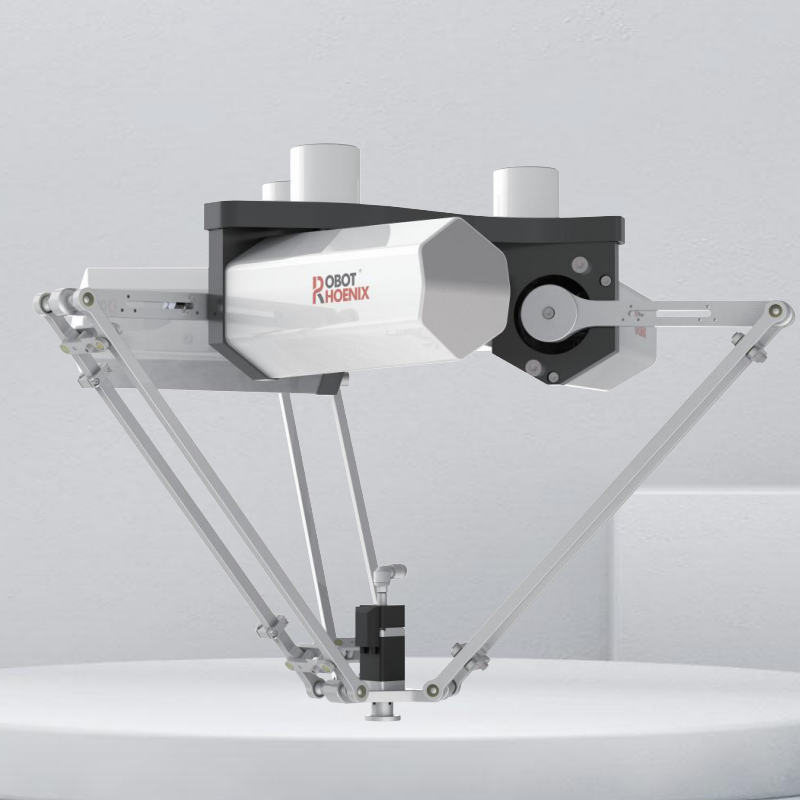
Robotphoenix New Design Industrial Robot Delta 6kg Payload 0.08mm Repeatability 2/3/4 Axis
Delta · 6 kg payload · 0.08 mm repeatability · 2/3/4-axis
View product →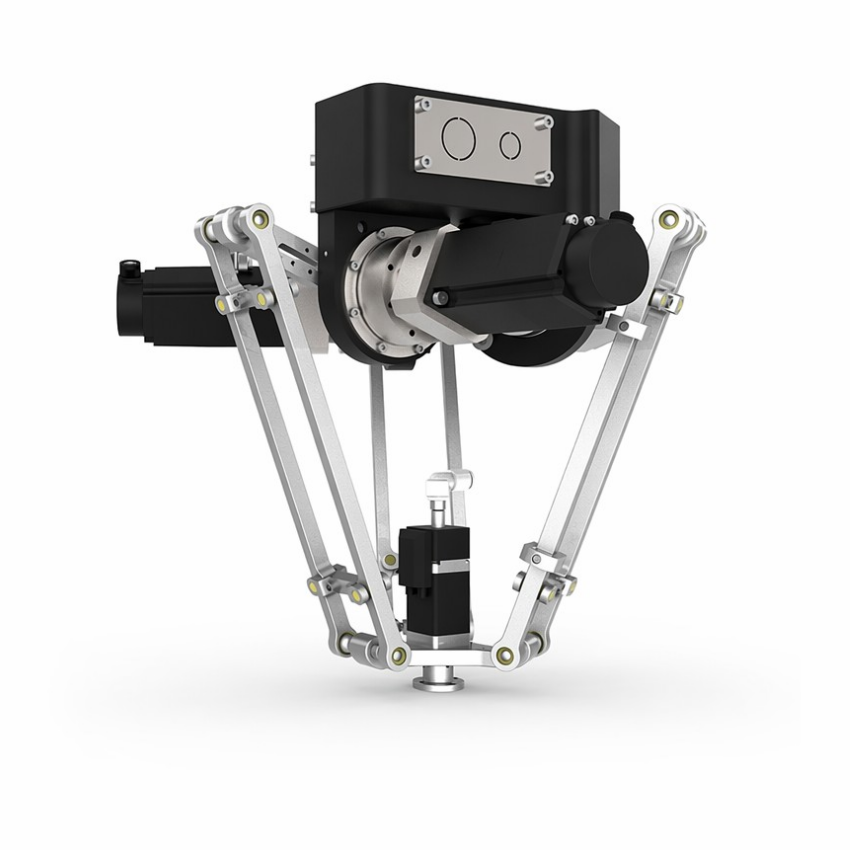
High Precision Pick and Place 4 Aixs Parallel Robot Delta with Vision Tracking System
Delta + vision · 4-axis parallel robot · moving-conveyor tracking
View product →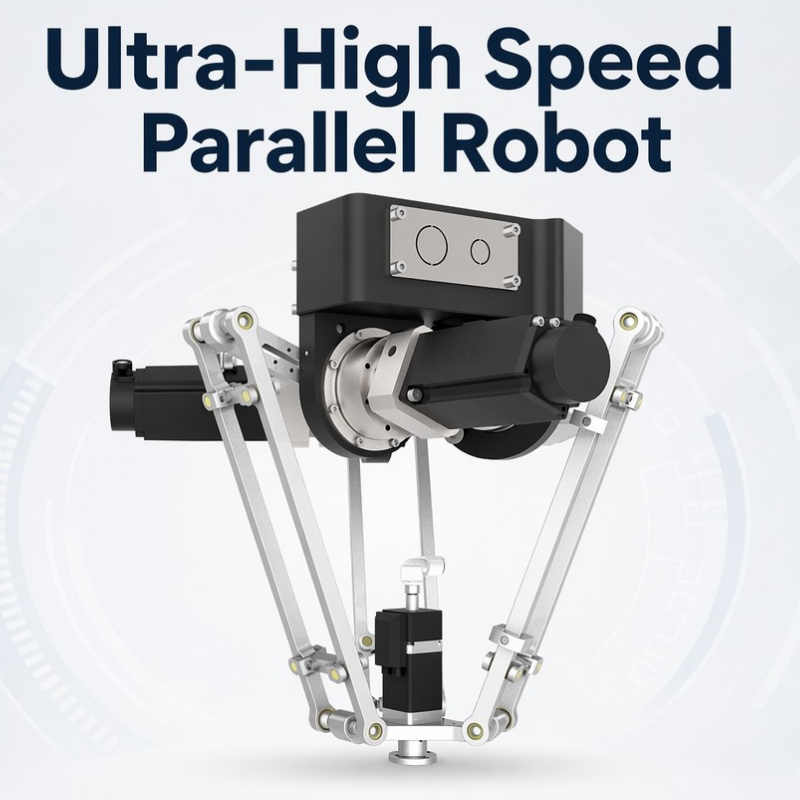
Newly Design Customized Integrated Robot Parallel Robot Delta for Pick Place and Sorting
Custom delta · integrated sorting cell · end-effector engineering
View product →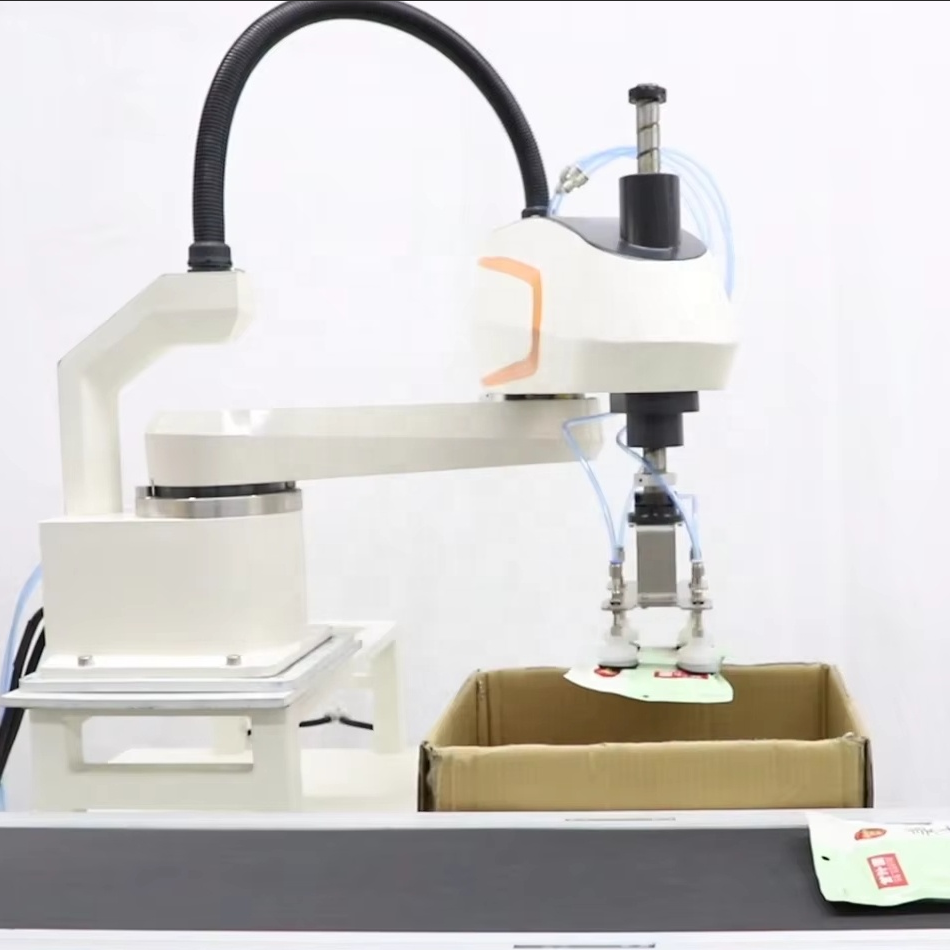
Newly Design Industrial Articulated Robotic Arm Scara for Precision Assembly & Handling
SCARA · precision assembly · small-part handling
View product →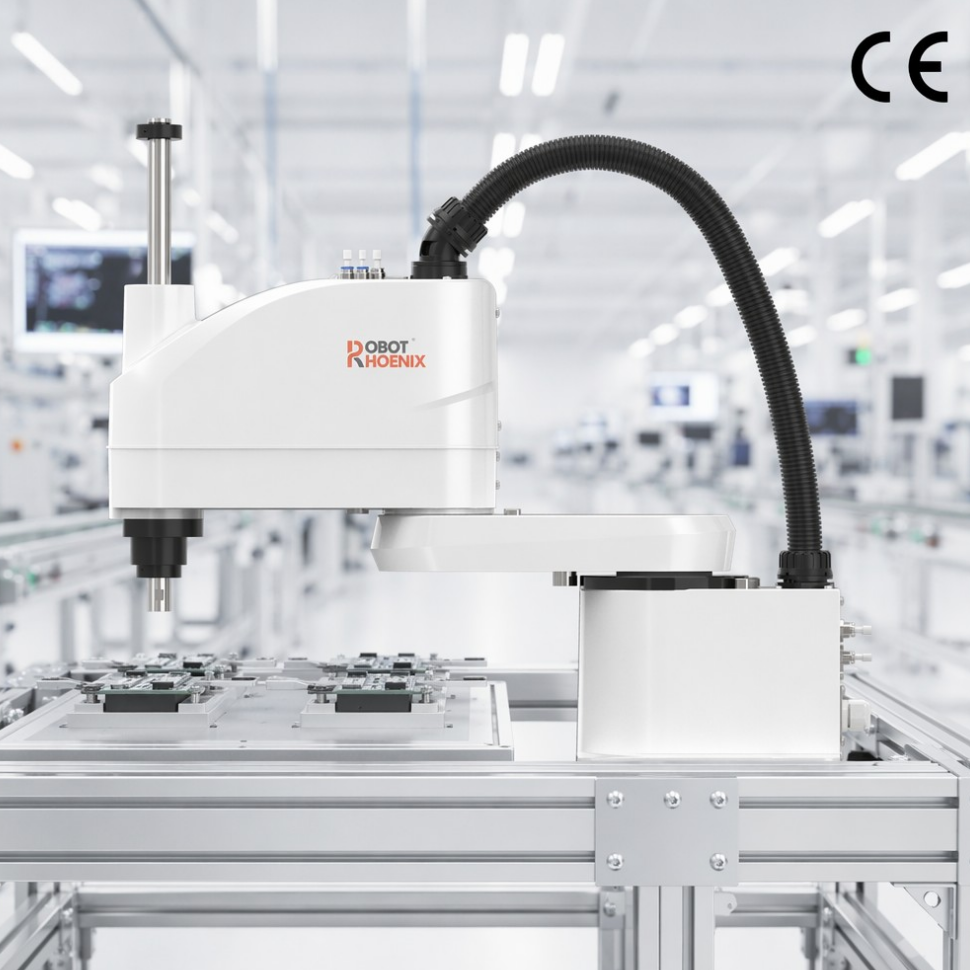
High Speed and Accuracy Newly Developed Industrial Robot Arm Four Axis Scara Robot
SCARA · high-speed 4-axis · accuracy-focused layout
View product →
Newly Design Low Price Industrial Manipulator Scara Robot Arm with Integrated Motor
SCARA · integrated motor · cost-sensitive automation
View product →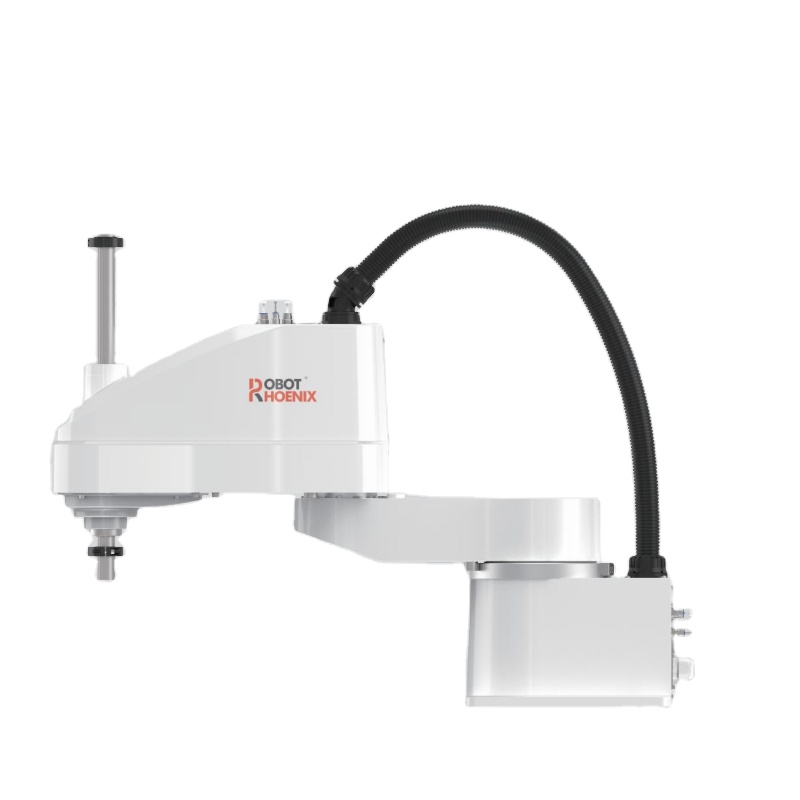
Advanced Industrial 4 Axis Robot Scara Robot for Pick and Place in Food Industry Gripping
Food-grade SCARA · pick-and-place · hygienic gripping
View product →Need a custom end-of-arm tool or a pilot cell? Standard models are available from one set; Kobe-specific electrical, safety and packaging integration is quoted after a short application review.
Get a QuoteWhy High-Speed Delta Robots Are Re-Specified for Kobe's Production Reality
Kobe is not a generic port city on an automation map. It sits at the center of the Hanshin industrial corridor, where food and beverage plants, pharmaceutical and medical-device companies, precision machinery makers, chemical producers and port logistics operators share a common problem: demand is becoming more fragmented while skilled labor is becoming harder to secure. For plant managers in Kobe, automation is no longer only about replacing repetitive motion. It is about protecting line uptime, stabilizing quality and making high-mix production economically viable.
High-speed delta robots address that gap at the exact point where many lines lose money — the transfer between incoming product, vision inspection and packaging. A delta robot does not simply replace a person. It synchronizes a moving conveyor with a downstream cartoner, tray sealer, labeler or case packer, converting random product flow into predictable, traceable motion. For Kobe manufacturers running high-mix, low-volume schedules, that predictability is often more valuable than raw speed alone, because changeover time, reject rates and operator fatigue all affect total cost per pack.
From a procurement perspective, the Kobe market is also mature. Buyers compare repeatability, controller openness, spare-parts access, safety documentation, Japanese-language support and total cost of ownership. A factory-direct wholesaler relationship only works when the manufacturer can answer engineering questions, not merely ship a catalog robot. JORI's model is built around that expectation: robots, controllers and 2D/3D vision developed in-house; ISO 9001 quality management; onsite-verified manufacturing; OEM and design support; and a response rate of 97.06% with an average reply time of 2 hours or less.
The most successful Kobe projects start with a line audit, not a catalog number. Product weight, surface condition, conveyor speed, infeed orientation, gripper concept, hygiene level, PLC brand and safety circuit all influence the final robot selection. That is why a wholesaler serving Kobe should be able to connect a buyer to factory engineering before a purchase order is issued.
- Cycle-time validation on your product, not only catalogue payload
- Controller and vision source — factory or reseller?
- Spare-parts, PLC and after-sales support path for Japan
- Electrical configuration confirmed for Kansai 60 Hz supply
What plant teams are trying to solve
Directional buyer priorities observed in packaging, medical, electronics and logistics projects. Confirm every figure in a project-specific audit.
Where Delta, SCARA and Vision-Guided Cells Fit in Kobe
The same robot model can behave very differently across food, medical, electronics and logistics environments. These application modules show where Kobe buyers typically gain the fastest return from high-speed pick-and-place automation.
Food & Beverage
Delta robots track moving conveyors and place confectionery, bakery items, prepared foods, seafood portions or ready meals into trays, flow-wrap infeed or cartons. Vision guidance handles random orientation; IP54 and stainless end-effectors support washdown-conscious layouts. For Kobe food brands, rapid changeover and traceable pick data matter as much as cycle rate.
Pharmaceutical & Medical Devices
Kobe's biomedical cluster needs clean, repeatable handling of blisters, vials, pouches, test kits and small device components. SCARA and delta cells can be configured with 2D/3D vision, force control and validation-friendly documentation; robots work inside compact isolators or cleanrooms where human access is restricted.
Electronics & Precision Machinery
Hanshin manufacturers use SCARA robots for PCB loading, connector insertion, screwdriving, adhesive dispensing and final inspection. A 4-axis SCARA can execute planar moves in a small footprint, while a delta with vision handles high-speed sorting of small parts. Controller openness and PLC handshaking are decisive in these cells.
Daily Chemicals & Wet Wipes
Delta-based lid applicators, carton packers and case packers are especially relevant for wet wipes, detergents, cosmetics and household products. The robot can pick a lid, align it, press it and verify presence before cartoning, reducing giveaway and improving line uptime. JORI supports machine builders with PLC-ready delta robots for these packaging lines.
Warehouse & Port Logistics
Kobe Port and distribution centers need flexible movement of totes, cartons and pallets. Laser SLAM AMRs, autonomous forklifts and compact AGVs reduce dependence on fixed conveyors and night-shift labor. Factory-direct fleet management and layout planning help local integrators deploy without a large IT project or proprietary infrastructure lock-in.
Automotive, Machinery & Shipbuilding Supply Chains
Kobe's machinery and transport-equipment supply base uses pick-and-place for small parts, fasteners, seals and kitting. Delta robots can sort components from bulk bins; SCARA robots can assemble and inspect; both can be integrated with PLCs and existing MES. The goal is not a showroom robot, but a stable cell that survives shift work and product changes.
Delta, SCARA or Vision-Guided Cell: A Kobe Selection Matrix
Before requesting a quotation, shortlist the robot architecture against the real constraint: speed, precision, flexibility or clean integration. The bars below are directional engineering indicators, not fixed specifications for every model.
High-Speed Delta Robot
Best for: high-speed pick-and-place from moving conveyors, lightweight products, sorting, labeling, tray loading and cartoning infeed.
Key figures: 3–6 kg payload options, 0.08 mm repeatability, up to 120 pcs/min labeling, IP54 version available, 2/3/4-axis models.
4-Axis SCARA Robot
Best for: planar assembly, insertion, screwdriving, dispensing, inspection and precise placement in a compact footprint.
Key figures: 4-axis architecture, mini low-cost models, in-house controller with 2D/3D vision options, integration support for machine builders.
Vision-Guided Integrated Cell
Best for: custom end-effectors, sorting, packing, machine tending and integration into cartoners, labelers or wet-wipe lid applicators.
Key figures: PLC-ready integration, custom fixtures, OEM/private-label options, system integration with 2D/3D vision and safety logic.
Not sure which architecture fits? Send product weight, required picks per minute, conveyor speed and a short video of the current process. JORI's engineers will recommend a model and confirm the Kobe-site electrical and safety requirements.
Get a QuoteLocal Trends Reshaping High-Speed Robot Procurement
Kobe buyers are not only comparing payload and price. They are responding to labor structure, product variety, hygiene expectations and port-linked logistics pressure. These trends affect robot configuration, documentation and after-sales planning.
Labor Continuity & Aging Workforce
Kobe factories compete for technicians as the working population ages. High-speed delta and SCARA cells stabilize output, reduce repetitive strain and allow experienced staff to move into quality, maintenance and changeover roles. The strongest business case is often not headcount reduction, but shift continuity and predictable output.
High-Mix, Low-Volume Production
Regional food tastes, medical variants, e-commerce packs and shorter product life cycles push Kobe manufacturers toward smaller batches. Vision guidance, recipe management and quick-change end-effectors let one robot cell handle multiple SKUs. Factory-direct OEM support matters when a machine builder needs custom fixtures or buyer-label documentation.
Hygiene, Traceability & Sustainability
Food and medical buyers increasingly require cleanable surfaces, IP-rated protection, validation-friendly documentation and traceable pick data. At the same time, energy efficiency and reject reduction support sustainability targets. A well-integrated delta robot reduces giveaway, minimizes manual contact and improves line-level accountability.
Port Logistics Resilience & Digital Integration
Kobe Port and nearby distribution operations need flexible material flow without fixed-conveyor bottlenecks. Laser SLAM AMRs, autonomous forklifts and compact AGVs are being specified alongside PLC and MES integration. Fleet management and site-layout planning are becoming part of the purchase decision, not an afterthought.
A Factory-Direct Wholesaler with the Engineering Depth Kobe Buyers Expect
JORI Intelligent Technology Co., Ltd. has manufactured industrial robots since 2012 from Jinan, Shandong, China. The company operates a 10,000+ m² factory with more than 500 employees and develops delta parallel robots, SCARA robots, silicon wafer handling robots, AGV/AMR platforms, autonomous forklifts, robot controllers and 2D/3D vision in-house. National patents protect core robot and control technologies.
For Kobe buyers, this means a single accountable source for the arm, controller, vision, end-effector integration and after-sales engineering — rather than a chain of resellers. Because JORI controls the controller and vision stack, the company can support PLC-ready delta robots for cartoning machines, wet-wipe lid applicators and custom packing lines. Machine builders can request OEM service, design service and buyer-label programs.
Standard models are available from one set, so a Kobe integrator can validate a pilot cell before scaling to multiple lines. Export markets include North America, South America, Eastern Europe, Southeast Asia and China, supported by ISO 9001 quality management and onsite-verified supplier records. This combination of factory economics and engineering accessibility is the practical advantage of buying from a manufacturer rather than a catalog-only wholesaler.



In-House R&D
Delta, SCARA, wafer, AGV, controller and 2D/3D vision developed by one engineering team.
ISO 9001 & Onsite Verified
Documented QC from component inspection to final run-in testing; factory premises checked onsite.
National Patents
Core robot structures and control technologies protected for delta, SCARA, wafer and AGV platforms.
OEM & Buyer Label
Custom end-effectors, controller integration, buyer-label programs and design service for machine builders.
MOQ from 1 Set
Validate a pilot cell first, then scale after cycle-time, quality and ROI are confirmed on your line.
Fast Engineering Response
97.06% response rate with an average reply time of 2 hours or less, focused on application data and integration questions.
Verify before you buy: independent assessment, credit, trade capacity and transaction records are available for procurement review.
Questions Procurement Teams Ask First
These answers reflect the practical questions raised by Kobe machine builders, system integrators and plant engineers during early-stage robot selection.
What is the minimum order quantity for a high-speed delta robot delivered to Kobe?
Standard delta robots, SCARA robots and AMR/AGV platforms can be ordered from 1 set. This lets a Kobe integrator validate a pilot cell, cycle time and ROI before committing to a multi-line rollout. Custom end-effectors, safety guarding and integration services are quoted per project.
Can the robot controller be configured for Kobe's 60 Hz supply and Japanese voltage?
Yes. Electrical configuration is confirmed during engineering. Kansai industrial sites commonly use 200 V class and 60 Hz supply; JORI confirms control voltage, transformer requirements, safety relay logic and documentation before shipment. Share your facility drawing rather than relying on a generic catalog voltage.
How do you ship to Kobe, and what documents are included?
Standard export terms include FOB, CFR, CIF, EXW, CIP, FCA, CPT and express delivery. Shipments to Kobe can move via Kobe Port or Kansai International Airport. Documents typically include commercial invoice, packing list, bill of lading or airway bill, certificate of origin where applicable, and technical manuals. Customs duties are handled by your broker.
Are spare parts and engineering support available after installation?
JORI supports buyers with remote diagnostics, software and parameter backup guidance, spare-parts recommendations and escalation to factory engineering. Average response time is 2 hours or less, with a 97.06% response rate. For Kobe projects, local integrators can be included in the support plan.
Can JORI integrate robots with existing cartoners, labelers and PLCs?
Yes. JORI develops its own controllers and 2D/3D vision and offers PLC-ready delta robots for cartoning machines, carton packers and wet-wipe lid applicator lines. Share the PLC brand, communication protocol, safety circuit and line layout; the engineering team will propose I/O, vision and handshaking.
Do you offer OEM or private-label robots for Kobe machine builders?
Yes. OEM service, design service and buyer-label options are available. Machine builders can request custom end-effectors, controller integration, branding and documentation. MOQ and engineering fees depend on the scope; a single pilot unit is possible for many standard platforms.
Which robot should I choose for fragile or sticky food products?
Start with product weight, surface condition, gripper concept and cycle time. A delta robot is usually best for high-speed pick-and-place from a moving conveyor. A SCARA robot may be better for tray loading, insertion or compact assembly. Hygienic end-effectors, IP54 protection, vision and gentle vacuum or soft-gripper options are selected after a sample test.
What information should a Kobe buyer send for a fast quotation?
Send product photos or samples, weight and dimensions, required cycle time, conveyor speed, infeed orientation, downstream machine interface, factory voltage and frequency, safety requirements, and target installation date. A short video of the current process is especially useful. The team replies with a recommended robot, layout concept, budgetary price and lead-time path.
Request a Kobe-Specific Robot Layout, Cycle-Time Study and Factory-Direct Quote
Tell us what the line must achieve — product weight, picks per minute, conveyor speed, hygiene level and existing PLC. JORI's engineers will recommend a delta, SCARA or integrated cell, confirm voltage and safety requirements for the Kobe site, and provide a quotation from the factory. Standard models start at one set; OEM and private-label options are available for machine builders.
info@joribot.com