Eight Industrial Parallel Robot Configurations for Detroit Packaging Lines
The fastest way to evaluate a packaging robot is to map the task to the architecture. These eight models cover high-speed pick-and-place, carton packing, wet-wipe lid application, customized sorting, bottle unscrambling, vision-guided SCARA placement and food loading. Product URLs are preserved exactly so Detroit buyers and wholesalers can review each configuration.
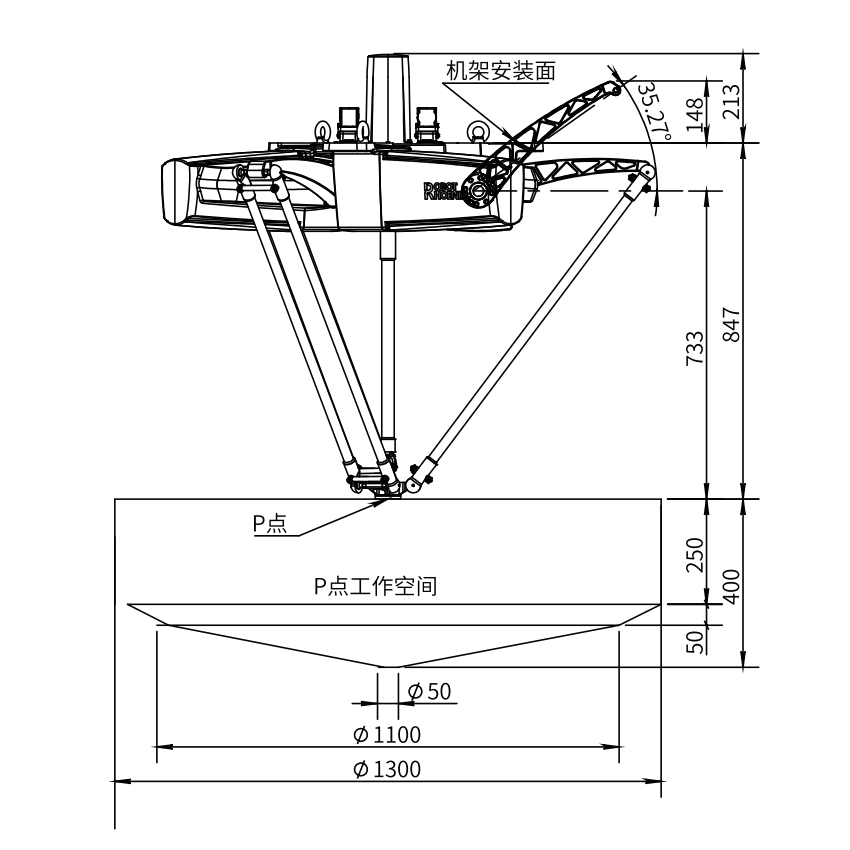 Delta 2/3/4 Axis
Industrial Robotic Arm Parallel Robot 2/3/4 Axis Delta Robot for Pick & Place Application
A core high-speed pick-and-place platform for conveyor picking, tray loading and secondary packaging where short cycle time and repeatable placement matter.
 Carton Packing
Robotphoenix New 4-Axis Parallel Robot Arm Delta Spider Hand Robot for Carton Packer Line
Designed for carton packer lines and top-loading tasks. A strong fit for Detroit contract packagers and machine builders handling cartons, pouches and club-store formats.
 Wet Wipe Lid
High-Speed Spider Arm Delat Robot for Fully Automatic Wet Wipe Lid Applicator Machine
For consumer-goods and hygiene lines that require fast, accurate lid placement. The parallel robot architecture supports compact machine envelopes and continuous operation.
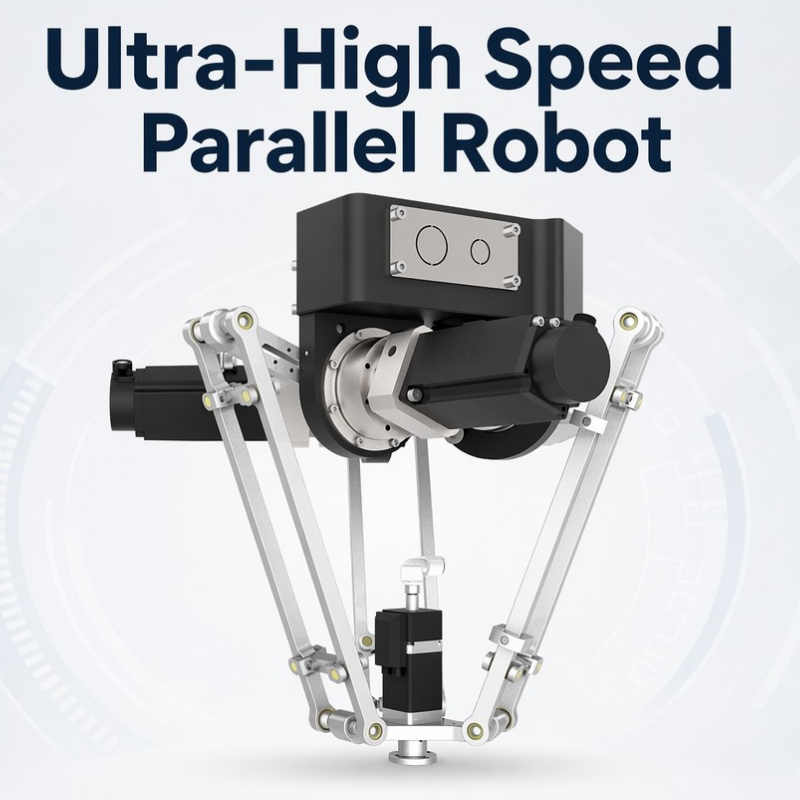 Custom Sorting
Newly Design Customized Integrated Robot Parallel Robot Delta for Pick Place and Sorting
A customized integration platform for mixed-SKU sorting, pick-and-place and vision-fed handling. Useful when a Detroit plant needs tooling and controls matched to an existing line.
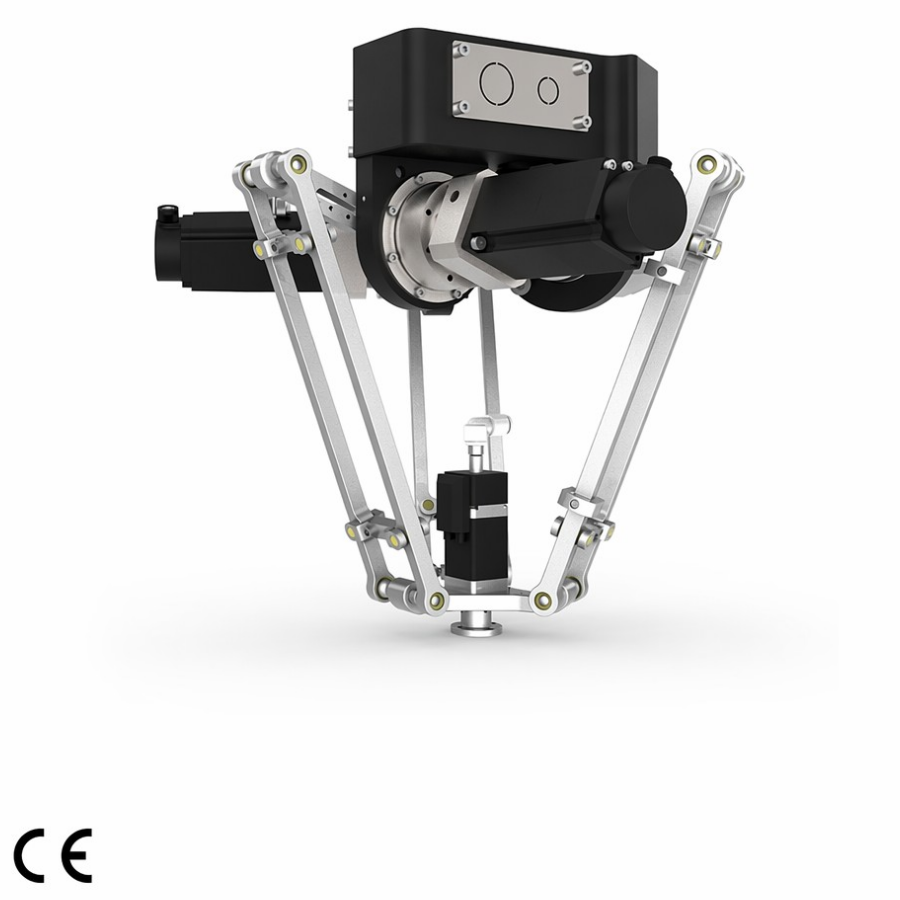 Bottle Handling
High Speed Consumer Goods Industries Bottle Unscrambling Machine Component Delta Robot
For bottle unscrambling, orienting and feeding before filling, capping or labeling. High-speed parallel motion helps reduce jams and stabilize primary packaging flow.
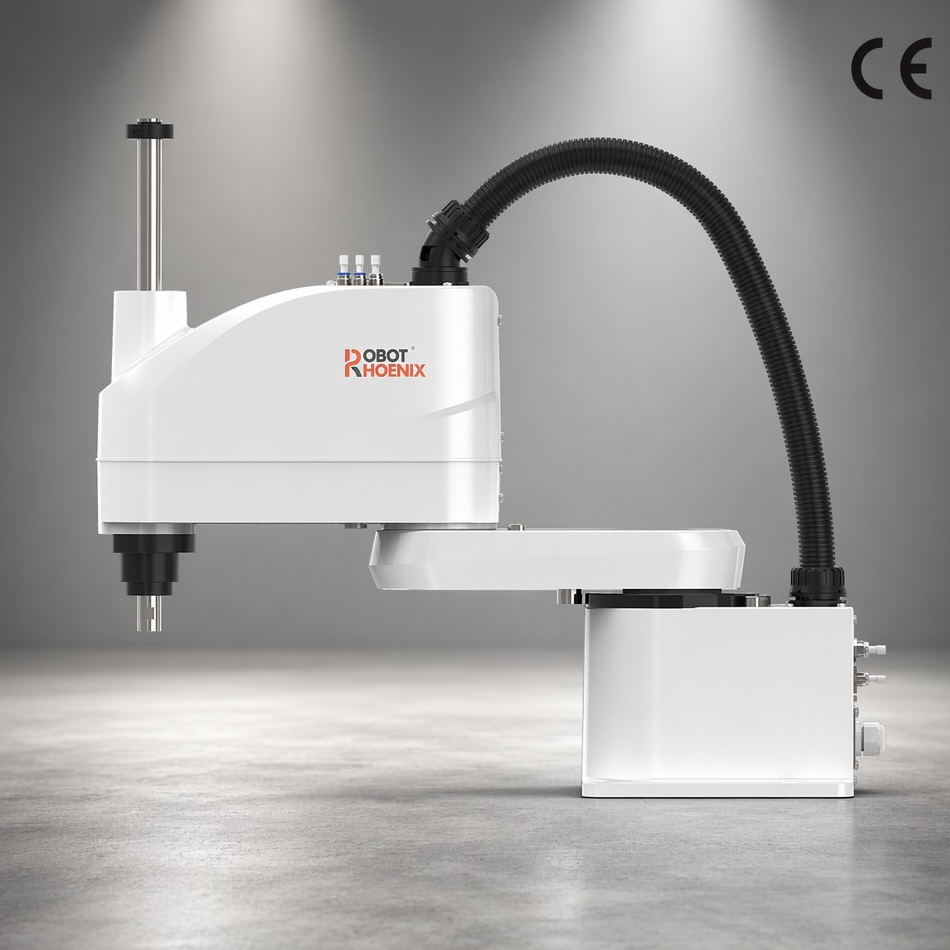 SCARA + Vision
High Efficiency 6kg Payload Manipulator Scara Robot with Vision for Picking and Placing
A 6 kg payload SCARA option for precise planar placement, assembly and inspection tasks where a compact footprint and vision guidance are more important than delta speed.
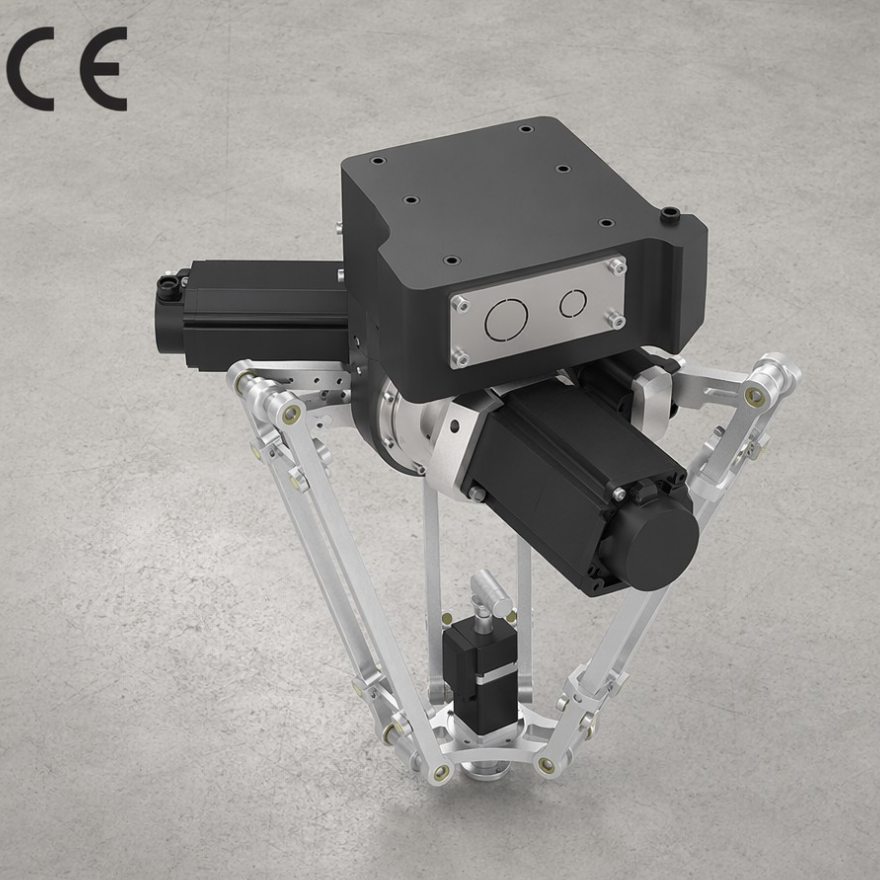 Smart Vision Delta
Smart Parallel Robot Picking and Placing Robot Manipulator Delta Robot with Visual System
Combines delta mechanics with a visual system for random product picking, orientation checks and reject handling. Suitable for packaging lines with variable product presentation.
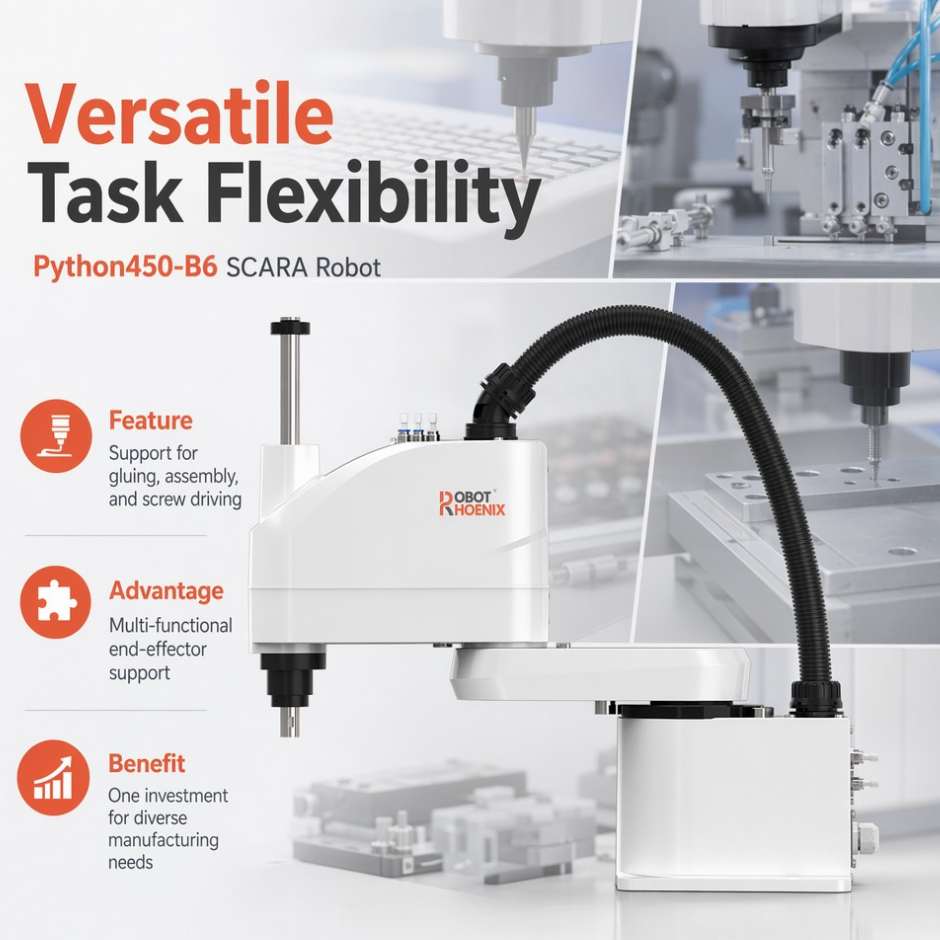 Food Industry SCARA
Four-Axis Industrial Robot Hand SCARA for Loading/Unloading and Sorting in Food Industry
A four-axis SCARA configuration for food loading, unloading and sorting. Useful in Detroit food and beverage plants evaluating hygienic handling and flexible changeover.
Why Manufacturers and Wholesalers in Detroit Specify Parallel Robots for Packaging Automation
Detroit is not a generic packaging market. Southeast Michigan combines automotive and EV suppliers, Tier 1 and Tier 2 manufacturers, food and beverage producers, medical-device suppliers, contract packagers, e-commerce fulfillment centers and packaging-machine builders. The buying logic is shaped by line uptime, changeover, labor availability and integration risk.
Why Delta Architecture Fits So Many Packaging Tasks
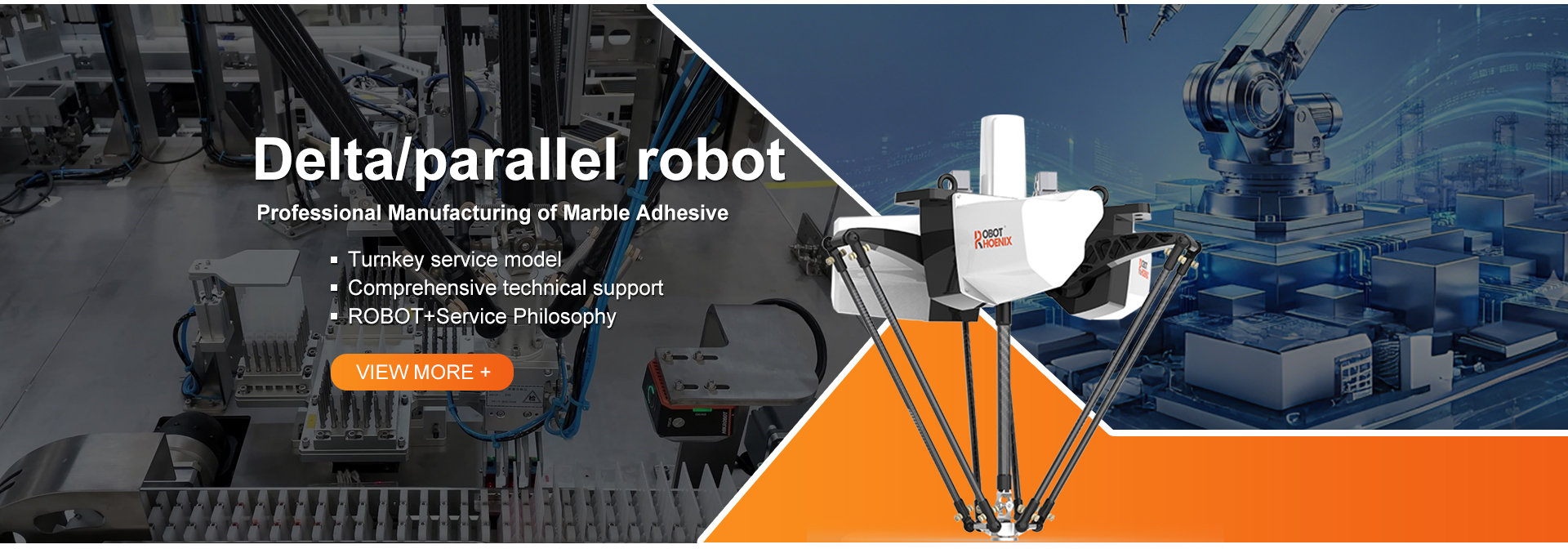
A parallel robot, often called a delta robot or spider robot, mounts above the conveyor and drives a small platform through multiple lightweight arms. Because the moving mass is low, the robot can accelerate and decelerate quickly while keeping the work envelope compact. That is exactly what many packaging operations need: fast pick-and-place from a moving conveyor, tray loading, carton filling, lid placement, bottle handling and small-part sorting.
The trade-off is payload and work envelope. For cartons, pouches, flow-wrap packs, blister cards, lids and small bottles, this trade-off usually favors delta architecture. For heavy cases or complex 3D assembly, a six-axis or AMR-based solution may be more appropriate. A serious Detroit procurement process should therefore compare the entire cell — infeed, vision, end-effector, reject handling, PLC communication and safety — rather than the robot arm alone.
Where Parallel Robots Deliver Value in the Detroit Packaging Ecosystem
Detroit-area plants rarely ask for a robot in isolation. They ask for a reliable cell that supports a launch, reduces overtime, stabilizes a packaging line or gives a machine builder a competitive automation option for North American customers.
Automotive & EV Component Packaging
Small brackets, sensors, connectors and battery-pack components often need tray loading, bagging and kitting. Delta robots support short cycles, repeatable placement and careful handling of lightweight parts within a compact cell.
Food, Bakery & Beverage Co-Packing
High-speed pick-and-place for snacks, bakery items, frozen foods and beverage multipacks. Detroit buyers should specify washdown expectations, hygienic end-effectors and easy sanitation access.
Pharmaceutical & Medical Device Packaging
Blister cards, vials, pouches and carton loading require repeatability and documentation discipline. Ask for validation support, clean surfaces and clear maintenance procedures before the factory acceptance test.
Consumer Goods & Wet-Wipe Lid Application
Wet-wipe lid applicator lines need accurate lid placement at high speed. Parallel robots reduce missed picks, improve line uptime and help machine builders create a compact, repeatable packaging module.
E-Commerce, 3PL & Order Fulfillment
Detroit’s logistics corridors support fulfillment and returns operations. Vision-guided delta and SCARA robots can complement AMR fleets for mailers, poly bags, tote transfer and sortation support.
Bottle Unscrambling & Primary Packaging
Bottle unscrambling, orienting and feeding before filling, capping or labeling can benefit from high-speed parallel motion. Test multiple bottle variants before approving the tooling and cycle-rate target.
Local Trends Shaping Packaging Automation Investment in Michigan
Detroit-area manufacturers and wholesalers are not only buying robots; they are buying supply-chain resilience, labor flexibility and a faster path from a pilot cell to a production standard.
Reshoring and Supplier Localization
Michigan manufacturers continue to localize critical supply chains. Packaging automation is evaluated on total landed cost, spare-parts availability, launch timing and support for North American production ramps.
Labor and Knowledge Transfer
Retiring maintenance technicians and tight staffing push plants toward robots with clear diagnostics, accessible spare parts and service documentation that a local integrator can support.
High-Mix, Low-Volume Production
More SKUs, smaller batches and frequent changeovers mean tooling, recipe management and quick-change end-effectors become as important as raw robot speed. Detroit suppliers need flexibility without sacrificing line rate.
Vision, Traceability and Connected Controls
Packaging lines increasingly need barcode or QR verification, reject tracking and PLC integration. Confirm how the robot controller connects to Rockwell/Allen-Bradley or plant-standard controls, and how recipe ownership is handled.
Which Robot Fits a Detroit Packaging Automation Project?
Use this selection matrix to shortlist the right architecture before requesting a detailed proposal. Final specifications must always be confirmed against product weight, cycle time, tooling, conveyor tracking and safety requirements.
| Robot / Solution | Packaging Task | Best-Fit Detroit Use Case | Procurement Note |
|---|---|---|---|
| 2/3/4-Axis Delta Robot | High-speed pick-and-place, tray loading, conveyor picking | Food, consumer goods, small-part kitting and secondary packaging | Specify product weight, belt speed, vision and reject strategy. |
| 4-Axis Delta Spider Hand | Carton packing and top-loading | Contract packagers and machine builders serving retail formats | Confirm carton pitch, reach, end-effector and PLC handshake. |
| Wet-Wipe Lid Applicator Delta | Lid placement and hygiene-product packaging | Consumer-goods lines and wet-wipe OEMs | Test lid geometry, adhesive method and missed-pick recovery. |
| Vision-Guided Delta | Random picking, sorting and orientation checks | E-commerce, components and mixed-SKU packaging | Define lighting, camera mounting, calibration and SKU recipes. |
| 6 kg Vision SCARA | Precise planar placement and assembly | Electronics, medical devices and small-part packaging | Check payload margin, footprint and insertion force. |
| Bottle Unscrambling Delta | Bottle orienting and feeding | Beverage, personal care and household products | Qualify bottle variants, line speed and jam-clearing access. |
Specifications vary by configuration. Ask for a cycle-time simulation and a factory acceptance test plan before purchase.
Why JORI Is a Practical Manufacturing Partner for Detroit Packaging Automation
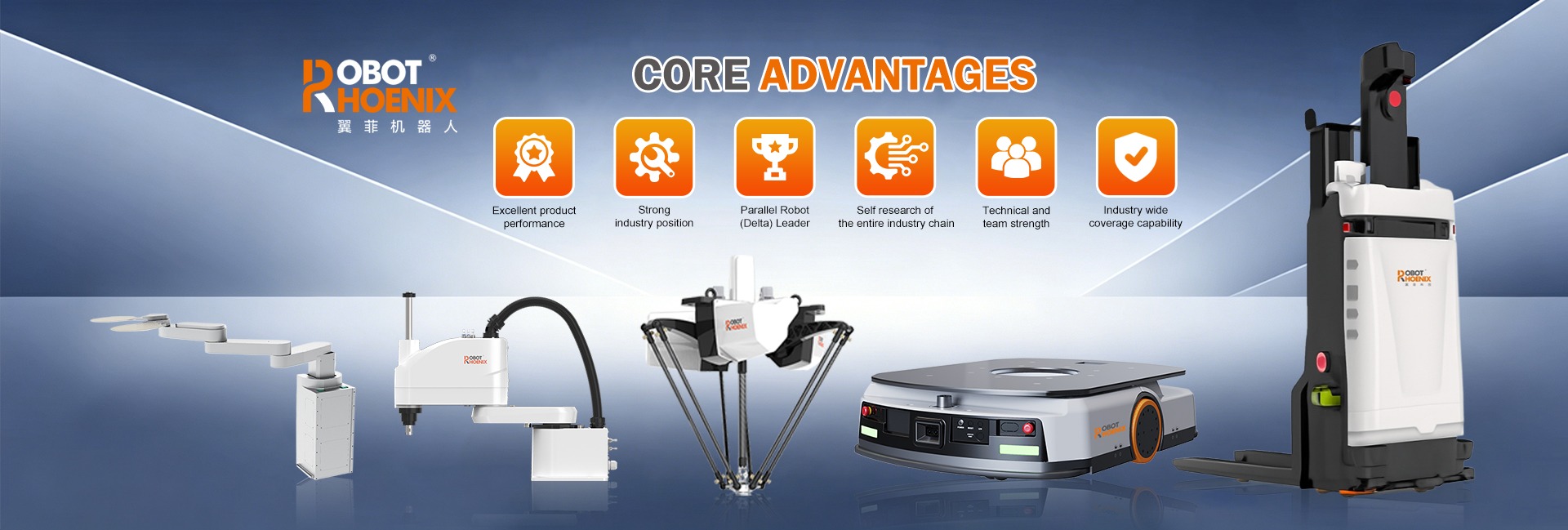
JORI Intelligent Technology Co., Ltd. is a high-tech robot manufacturer founded in 2012 in Jinan, Shandong, China. Its published company profile describes in-house R&D and manufacturing for delta parallel robots, SCARA robots, silicon wafer handling robots, AGV/AMR platforms, autonomous forklifts, controllers and 2D/3D vision systems.
For a Detroit packaging project, that combination matters. When the robot, controller, vision and integration team sit inside one accountable organization, buyers spend less time coordinating a reseller chain and more time validating the cell. This is especially relevant for machine builders and wholesalers who need consistent configuration data, OEM support and a clear route from a pilot cell to a multi-unit order.
JORI reports 500+ employees, a 10,000+ m² factory area, ISO 9001 quality management, patented technology and third-party onsite verification. Standard delta robots, SCARA robots and AMR/AGV platforms can be ordered from 1 set, allowing a Detroit plant or distributor to validate a single cell before scaling. The company also supports OEM service, design service and buyer-label options, which is useful for packaging-machine builders that want to integrate a parallel robot under their own brand.
ISO 9001 Quality System
Documented quality control from component inspection through final robot run-in testing.
OEM, Design & Buyer Label
Support for machine builders and wholesalers that need custom end-effectors, labeling and controller integration.
Verified Manufacturer
Factory premises checked onsite and legal status confirmed by a third-party verifier.
Controller & Vision In-House
Self-developed controllers and 2D/3D vision reduce the gap between robot hardware and packaging-cell software.
Pilot-Friendly MOQ
One-set ordering helps validate a packaging application before a plant-wide or multi-line rollout.
Fast Inquiry Response
A stated average response time of 2 hours or less and a 97.06% response rate support active project timelines.
Answers Detroit Buyers Ask Before Requesting a Packaging Robot Catalog
These are the practical questions procurement teams, machine builders and wholesalers typically raise when evaluating an overseas parallel-robot manufacturer for a Detroit-area packaging project.
What is the typical lead time for a parallel robot shipped to Detroit?
Can JORI support OEM and wholesaler programs for Detroit machine builders?
Which controls and voltage should a Detroit packaging line specify?
How do we choose between a delta parallel robot and a SCARA robot?
Can the robot integrate with existing cartoners, labelers and wet-wipe lid machines?
What commercial terms, MOQ and proof can Detroit buyers request?
Request a Packaging Automation Catalog for the Detroit Market
Send your product type, weight, cycle time, conveyor speed, carton format and line layout. The JORI team can help shortlist a delta parallel robot, SCARA robot or integrated packaging cell for your Detroit-area project, and the catalog request uses the same live-chat inquiry flow.