Industrial Vision Camera Manufacturers & Wholesalers in the Surabaya Market
A technical sourcing guide for East Java factories, machine builders and integrators: how to evaluate vision cameras, lighting, lenses and vision-guided robots as one production system — not as disconnected catalog items.
8 Vision-Ready Robot Platforms for Surabaya Automation Projects
For many Surabaya buyers, the practical buying decision is not a camera alone. It is the camera, lens, lighting, controller and robot motion that must work together on a line. JORI develops controllers and 2D/3D vision in-house and builds delta, SCARA and mobile robot platforms for OEM and system-integration projects. The eight products below are recommended starting points for vision-guided pick-and-place, assembly, inspection and packaging cells.

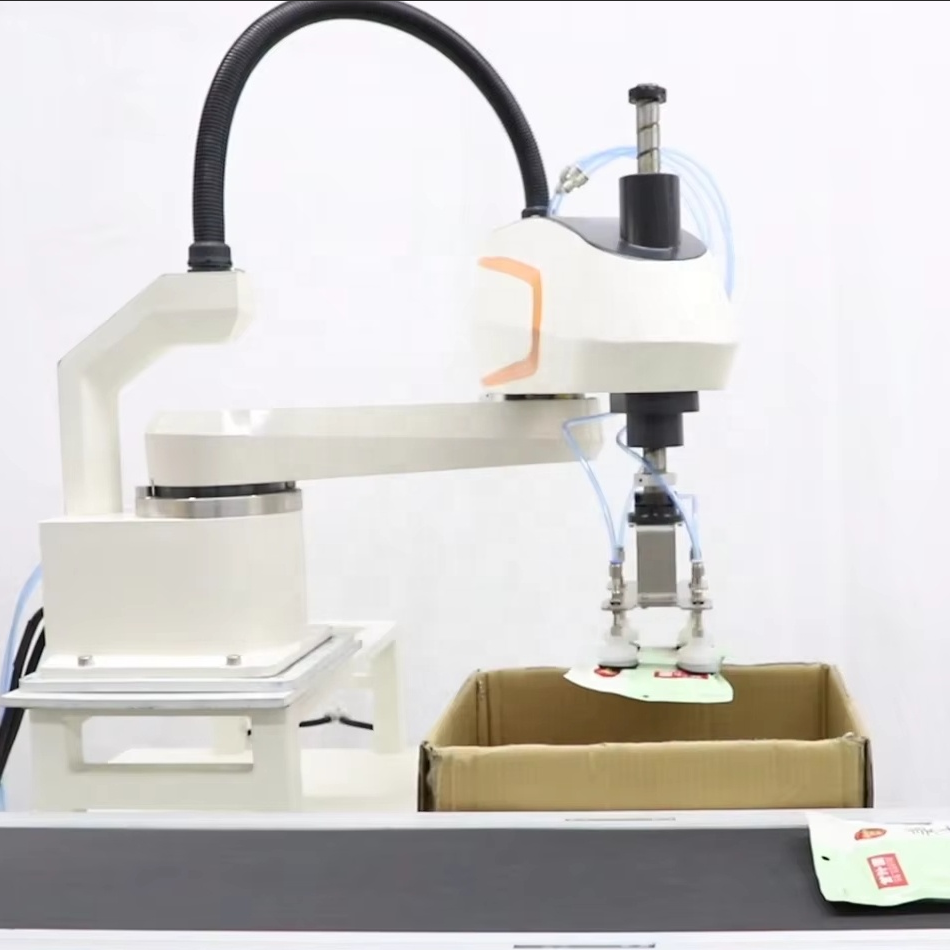
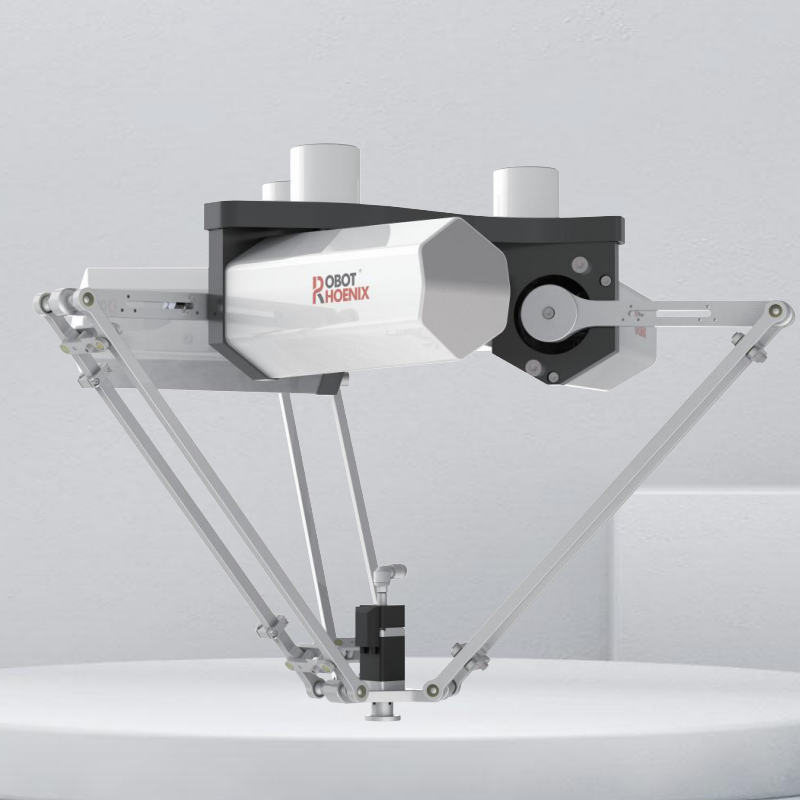
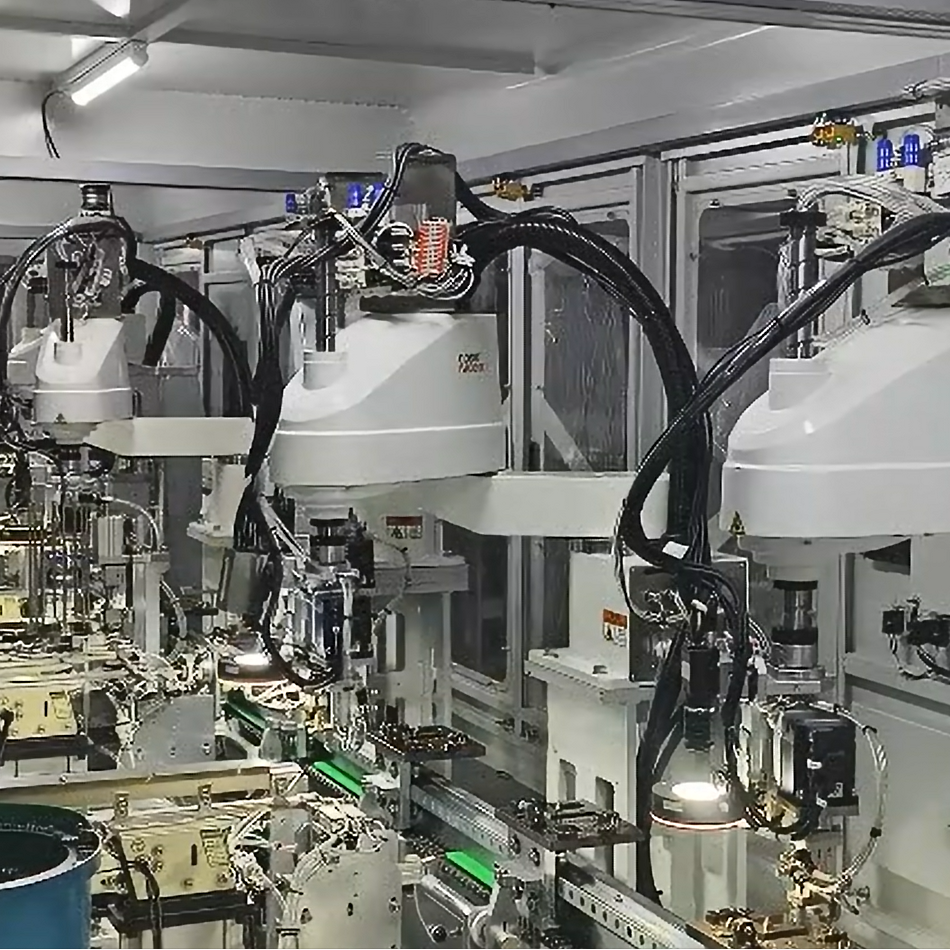
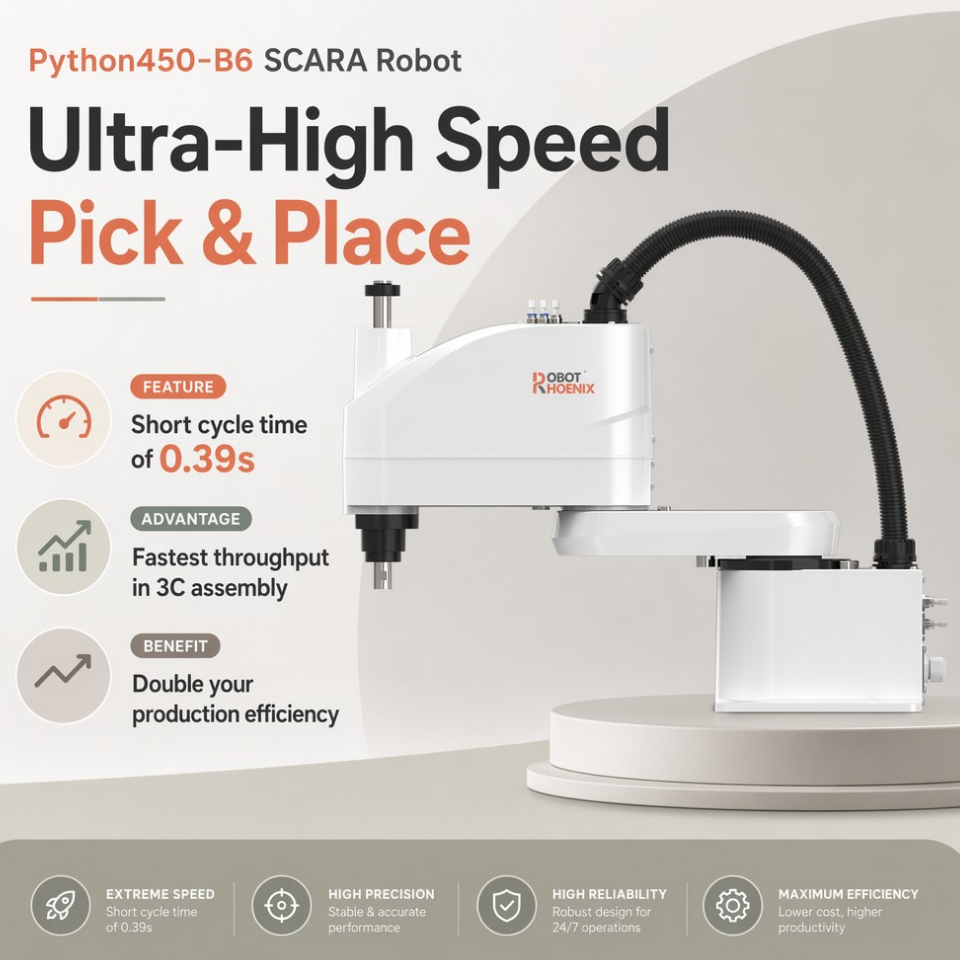
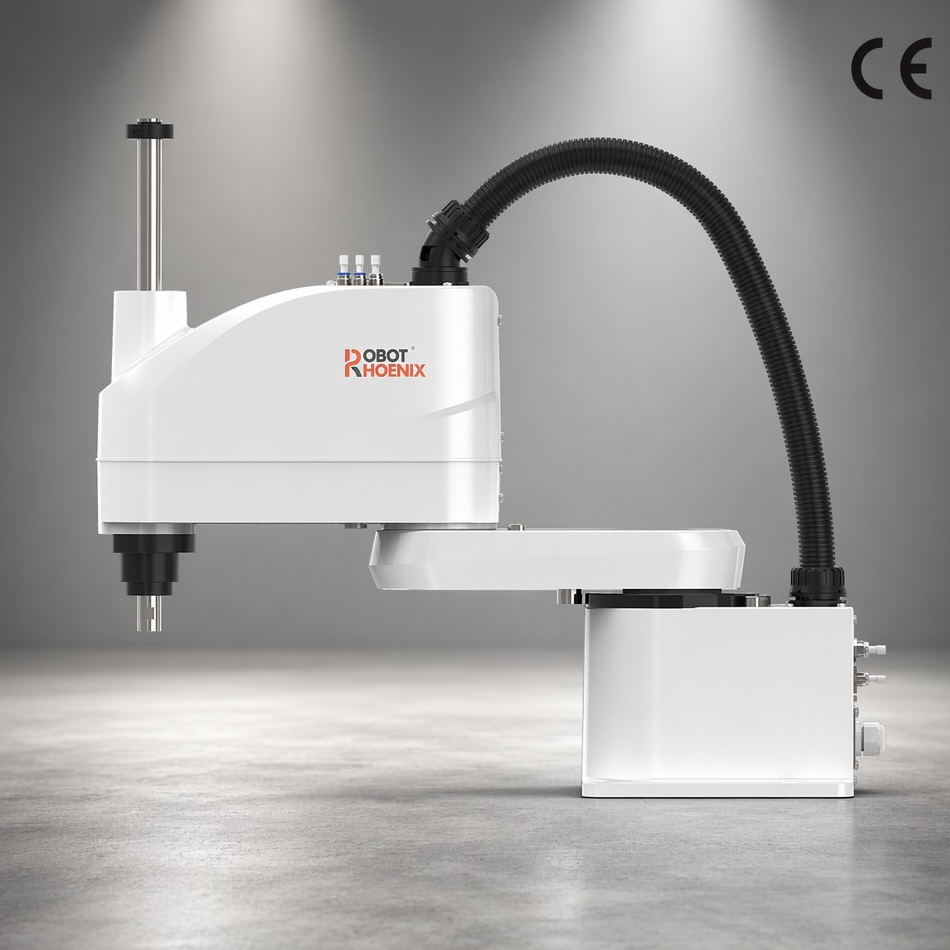
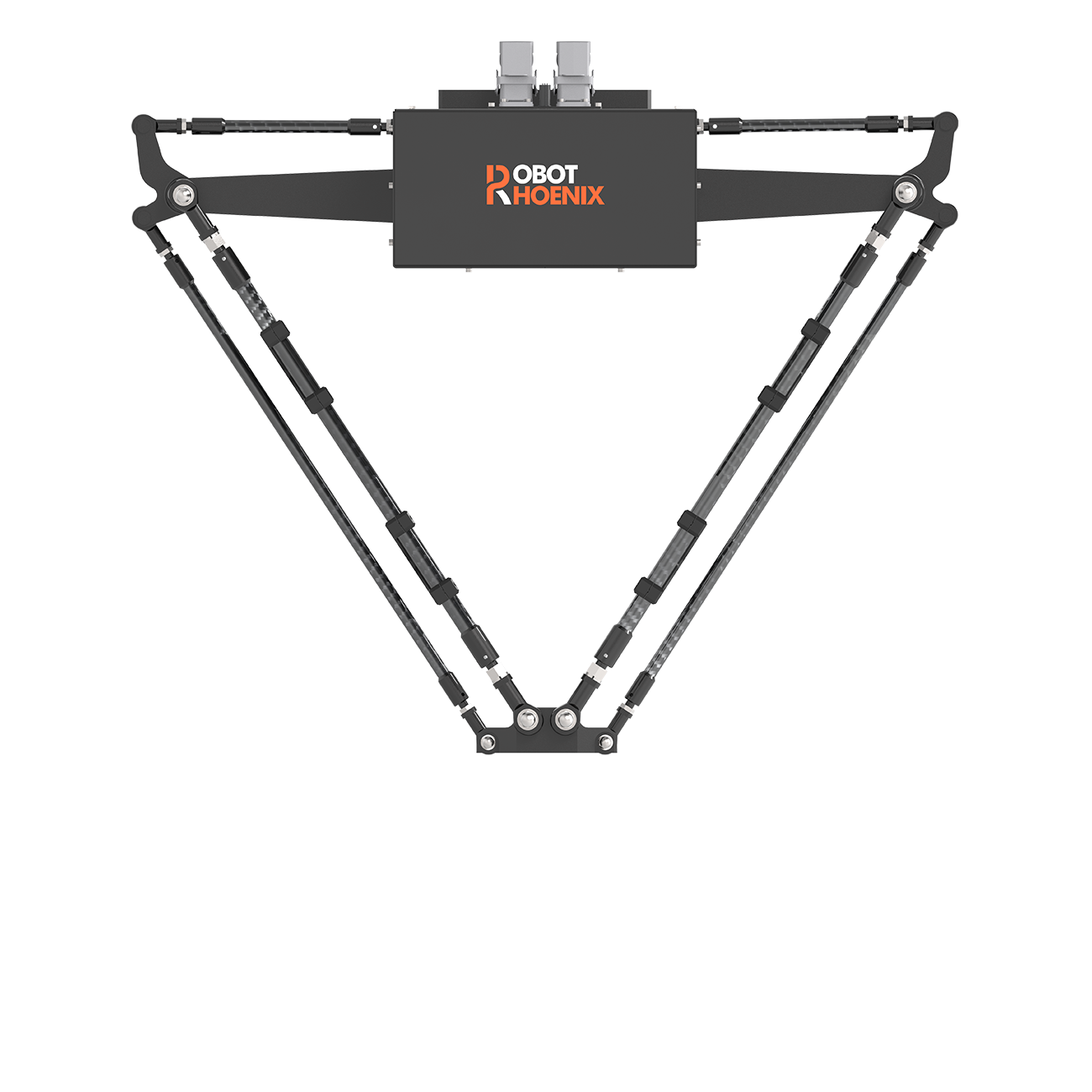
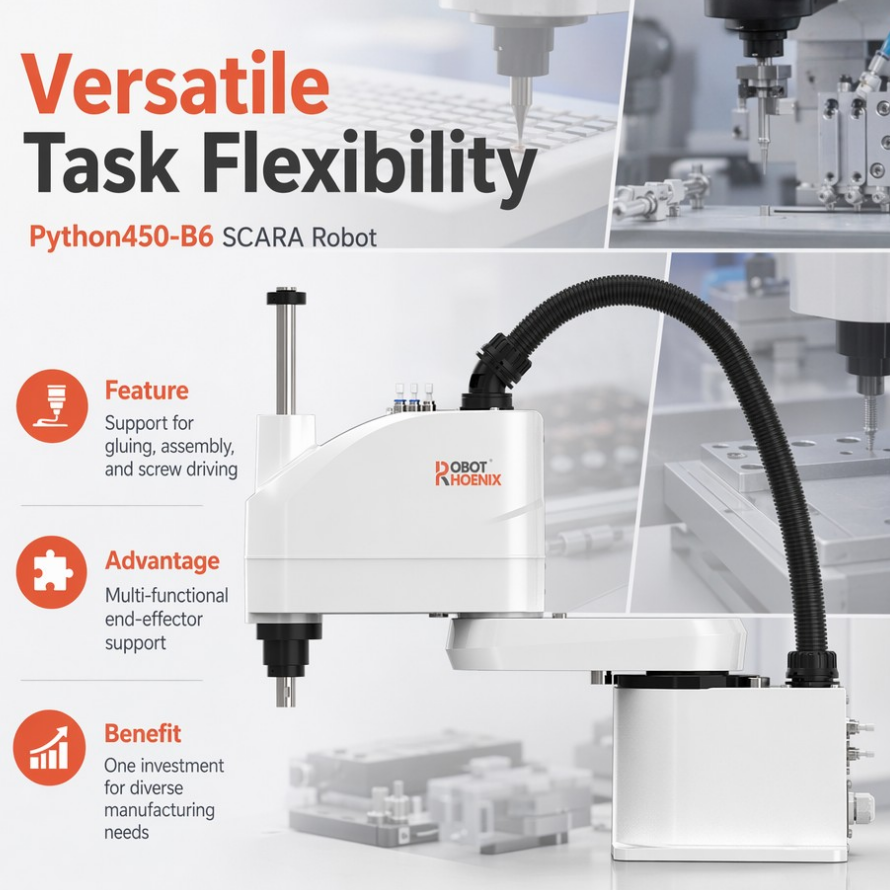
Buyer note: the term “industrial vision camera manufacturers and wholesalers in Surabaya” often covers two different purchases — a standalone camera supply chain and a vision-guided automation cell. JORI is a robot and vision-system manufacturer with in-house controllers and 2D/3D vision; buyers seeking camera-only distribution should request a scope review before comparing quotations.
The Surabaya Market Rewards Suppliers Who Can Bridge Vision, Motion and Local Integration
Surabaya is not only a trading gateway. It is the centre of an industrial corridor that reaches Sidoarjo, Gresik, Pasuruan and the wider East Java manufacturing base. For vision-camera buyers, the highest-value supplier is usually the one that can connect camera selection to cycle time, reject rate, traceability and operator usability.
What “good” looks like for a Surabaya vision project
A camera that performs well on a lab bench can fail on a factory floor where ambient light changes, parts arrive at random angles, conveyor speed varies and maintenance teams need fast changeover. That is why experienced buyers evaluate the whole chain: sensor resolution, lens field of view, lighting geometry, trigger timing, robot repeatability, PLC handshake and documentation.
JORI was founded in 2012 in Jinan, Shandong, China, and has developed delta robots, SCARA robots, wafer-handling robots, AGV/AMR platforms, robot controllers and 2D/3D vision in-house. For Surabaya machine builders and plant engineers, this creates a single engineering route for motion, vision and integration support — rather than a chain of resellers who cannot confirm compatibility.
- In-house controller and vision development
- ISO 9001 quality management
- Onsite-verified manufacturer profile
- OEM, design and buyer-label support
- MOQ from 1 set for pilot validation
- Export documentation and global service


Where Industrial Vision Cameras and Vision-Guided Robots Fit in Surabaya-Area Production
The right camera configuration depends less on the brochure resolution and more on the physical reality of the line: part finish, ambient light, conveyor speed, changeover frequency and the skill level of the maintenance team.
Automotive & Electromechanical Clusters
For plants in Sidoarjo, Gresik and Pasuruan, vision-guided SCARA and delta robots can support connector insertion, small-part sorting, screw-presence checks and post-assembly inspection. Best-fit platforms: high-precision 400 mm SCARA and high-speed 3 kg delta.
Food, Beverage & Packaging
Vision cameras identify orientation, colour, fill level or missing components while a delta robot performs high-speed pick-and-place. This is a strong fit for Surabaya-area food and beverage lines where conveyor speed and hygiene matter.
Electronics & 3C Assembly
Compact SCARA robots with vision are often used for PCB handling, connector placement, adhesive inspection and final appearance checks. The 400 mm reach model is suitable where cell space is limited and repeatability is critical.
Pharma, Personal Care & Wet Wipes
Vision is used for label presence, cap orientation, blister inspection and carton verification. JORI’s PLC-ready delta robots and controllers also support machine builders working with wet-wipe lid applicators and cartoning equipment.
Warehouse & Port-Linked Logistics
Around Tanjung Perak and large distribution centres, vision can be paired with AMR/AGV and autonomous forklift platforms for pallet identification, trailer loading checks and material-flow tracking. JORI’s broader portfolio includes laser SLAM mobile robots for these projects.
Machine Builders & System Integrators
Local integrators often need a supplier that can provide OEM support, custom end-effectors, controller integration and buyer-label options. JORI supports machine builders with in-house controllers, 2D/3D vision and automated system integration.
A Buyer’s Matrix for Vision Camera and Robot Selection in Surabaya
Use this matrix to align the technical brief before requesting quotations from manufacturers or wholesalers. It reduces the risk of comparing cameras and robots that were never designed to work on the same cell.
| Production Need | Recommended Configuration | Why It Works | Procurement Check |
|---|---|---|---|
| High-speedRandom-orientation picking | Delta robot + 2D/3D vision + backlight or dome lighting | Short cycle time, lightweight payload, conveyor tracking | Confirm part weight, belt speed, camera trigger method and reject handling |
| PrecisionSmall-part assembly | SCARA robot + high-resolution camera + telecentric lens option | Accurate planar motion and stable inspection geometry | Verify repeatability, field of view, working distance and fixture tolerance |
| PackagingLabel, lid or carton verification | Delta or SCARA + PLC-ready controller + vision inspection | Fast reject decisions and easy handshake with existing machines | Check PLC protocol, I/O count, changeover recipe and operator screen |
| TraceabilityCode and appearance checks | Industrial camera + lighting + robot pick-and-place | Links inspection result to part movement and production records | Confirm data logging, MES/SCADA requirements and audit trail |
| LogisticsPallet and material-flow checks | Vision + AMR/AGV or autonomous forklift | Identifies pallet condition and supports fleet routing | Review site layout, Wi-Fi, safety zoning and fleet-management scope |
A camera-only quotation may appear lower on paper. However, it can create hidden engineering cost if the camera cannot trigger the robot, cannot tolerate ambient light, or cannot be supported by the local integrator. Evaluate the total cell, not only the sensor price.
Three Local Trends Reshaping Industrial Vision Sourcing in East Java
The Surabaya market is moving toward higher flexibility, stronger traceability and more integration-ready procurement. These trends affect how manufacturers and wholesalers should be evaluated.
High-Mix, Lower-Volume Production
Factories in and around Surabaya increasingly need to switch product variants without rebuilding the whole cell. Vision recipes, quick-change grippers and controller-side parameter sets are becoming more important than a single fixed automation layout.
Traceability and Quality Documentation
Buyers increasingly ask for image logs, reject reasons, audit trails and inspection reports. This shifts the evaluation from “camera megapixels” to data availability, controller integration and the ability to connect with MES or SCADA systems.
Port-Linked Import and Integration Planning
Surabaya’s position near Tanjung Perak makes import planning practical, but success depends on documents, voltage confirmation, spare-parts strategy and local integrator coordination. Export terms such as FOB, CFR, CIF, EXW, CIP, FCA and CPT are commonly discussed before the PO.
Manufacturer vs Wholesaler: What Surabaya Buyers Should Verify Before a Purchase Order
For industrial vision cameras, “manufacturer” and “wholesaler” are not interchangeable labels. A true manufacturing source should be able to explain the controller, vision library, optics selection, testing method and after-sales route. A wholesaler may be useful for standard spare parts, but it should not be asked to resolve a robot-integration problem it cannot control.
JORI’s verifiable advantages
JORI Intelligent Technology Co., Ltd. is an ISO 9001 manufacturer founded in 2012. Its factory profile is onsite-verified, and its portfolio covers delta parallel robots, SCARA robots, AGV/AMR mobile robots, autonomous forklifts and silicon-wafer handling robots. The company states in-house development of robot controllers and 2D/3D vision, protected by national patents.
For Surabaya buyers, the commercial value is practical: standard delta robots, SCARA robots and AMR/AGV platforms can be ordered from 1 set, which allows a pilot cell before scaling up. OEM service, design service, buyer-label options and custom end-effectors support machine builders who need a supplier that can adapt to their line.
Procurement checklist for Surabaya buyers
- Ask whether the vision software and robot controller are developed by the same source.
- Confirm ISO 9001, onsite verification, patents and trade-capacity records.
- Request a sample test using your real part, lighting and cycle-time target.
- Check spare-parts availability, warranty terms and engineering response time.
- Confirm import documents, voltage/frequency and shipping terms to Surabaya.
- Agree on acceptance criteria: cycle time, false reject rate, repeatability and safety.
Indicative total-cost-of-ownership structure for planning discussion. Actual percentages vary by line, payload, cycle time, lighting, safety scope and local integration requirements.
Answers Surabaya Buyers Ask Before Sourcing Industrial Vision Cameras and Robots
Are you an industrial vision camera manufacturer or a vision-guided robot manufacturer for Surabaya buyers?
What is the minimum order quantity for JORI industrial robots?
Should I choose a delta robot or a SCARA robot for a vision project?
Can JORI support OEM or custom vision-guided automation?
Can JORI robots integrate with existing packaging machines?
Which delivery and payment terms are accepted?
How should Surabaya buyers verify supplier quality before a purchase order?
How quickly does JORI respond to inquiries?
This guide is written for procurement and engineering teams comparing industrial vision camera manufacturers and wholesalers for Surabaya projects. Product specifications should be confirmed per configuration and application test.
Planning a Vision-Guided Robot Cell or Sourcing Project in Surabaya?
Send your part details, cycle time, inspection criteria and layout. Our engineering team will help shortlist the right camera, lighting and vision-ready robot platform — and respond within 2 hours on average.