8 Industrial Robot Options for Low-Cost Pick and Place and Seattle Automation
Product URLs are preserved below. For a compact low-cost cell, start with the mini industrial SCARA robot; for high-speed conveyor picking, compare delta models; for 3C electronics and precision placement, review the 400 mm reach SCARA with PLC.

New Condition High-Speed Industrial Innovative Manipulator Delta Robot for Light Industry
High-speed delta handling for light-industry picking, sorting and transfer.
View product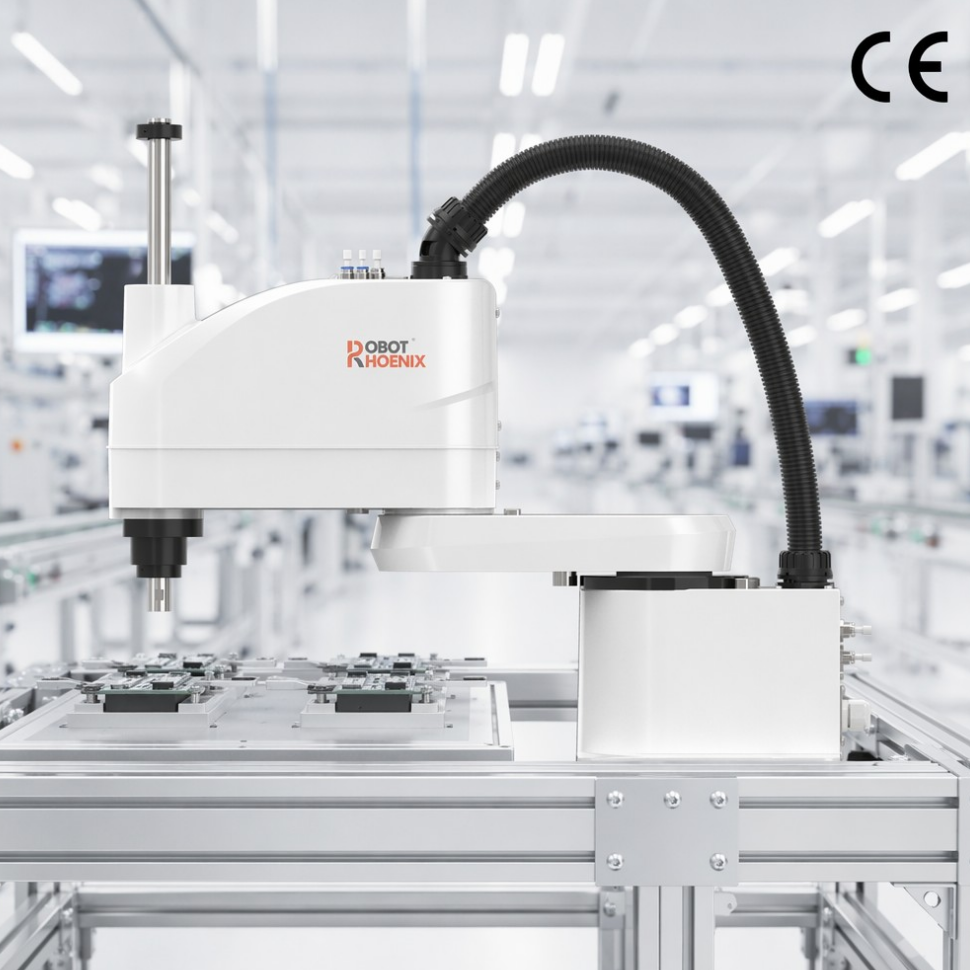
High Speed and Accuracy Newly Developed Industrial Robot Arm Four Axis SCARA Robot
4-axis SCARA for fast, accurate placement in compact automation cells.
View product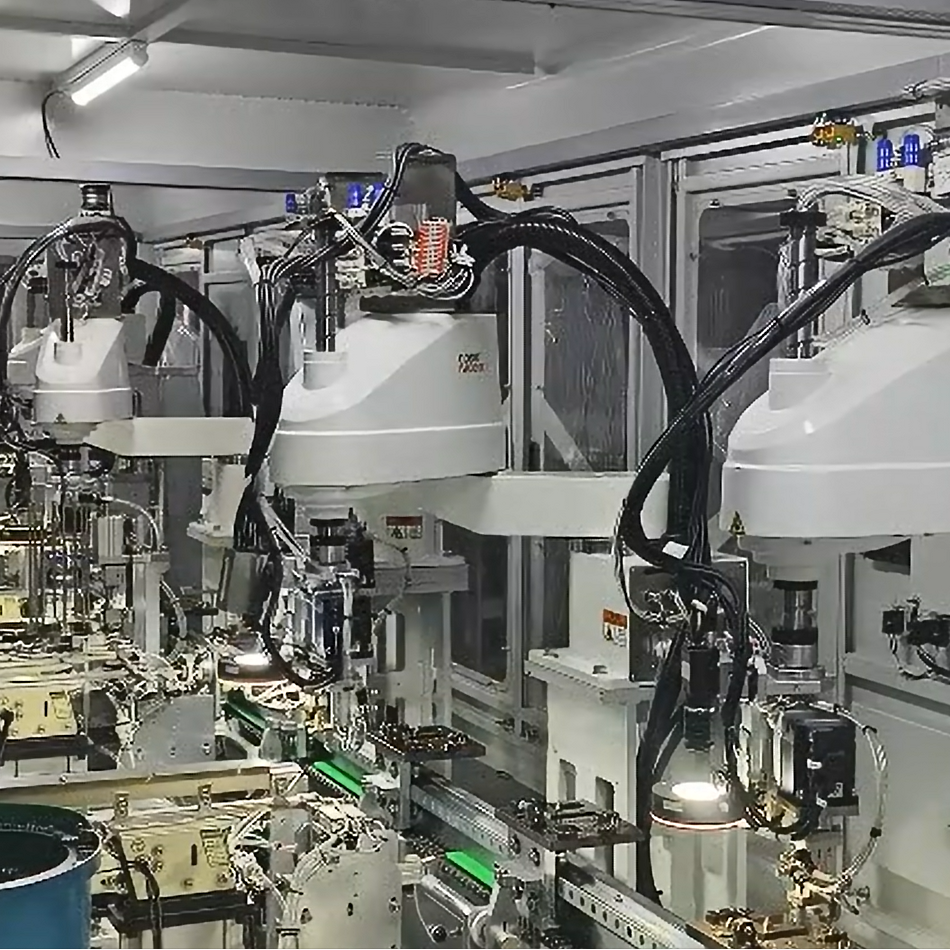
High Quality Mini Industrial Robot Scara for Pick and Place at Low Cost-New Condition
Core low-cost mini SCARA option for small-footprint pick-and-place, kitting and machine tending.
View product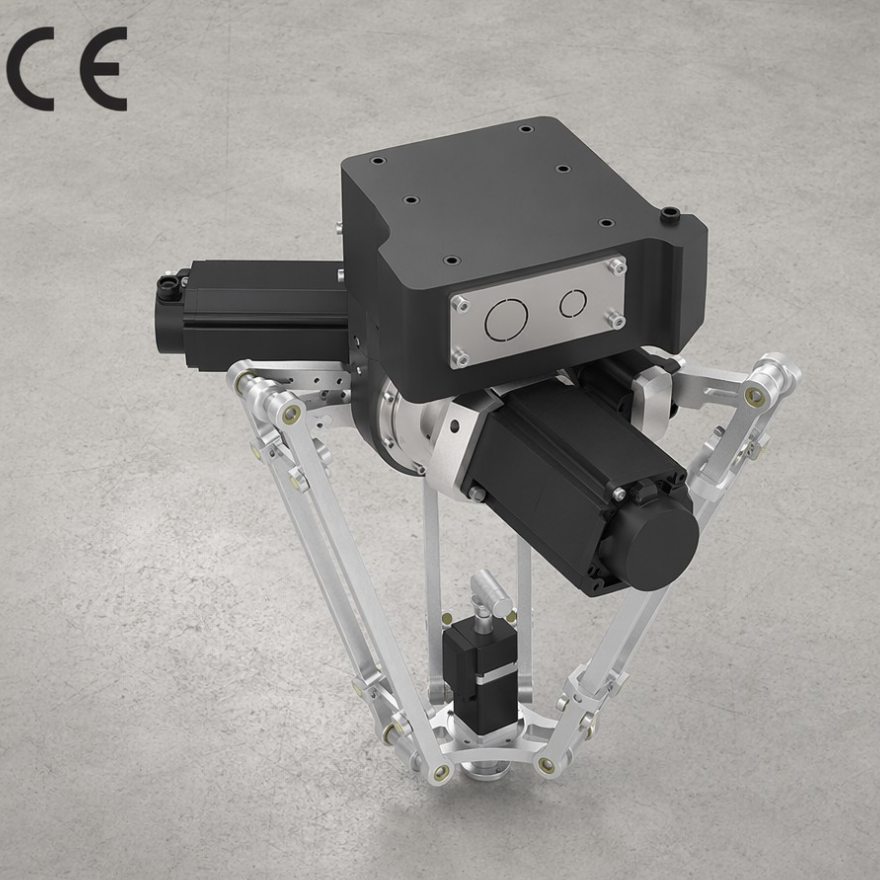
Smart Parallel Robot Picking and Placing Robot Manipulator Delta Robot with Visual System
Vision-equipped delta platform for random-orientation picking and inline inspection.
View product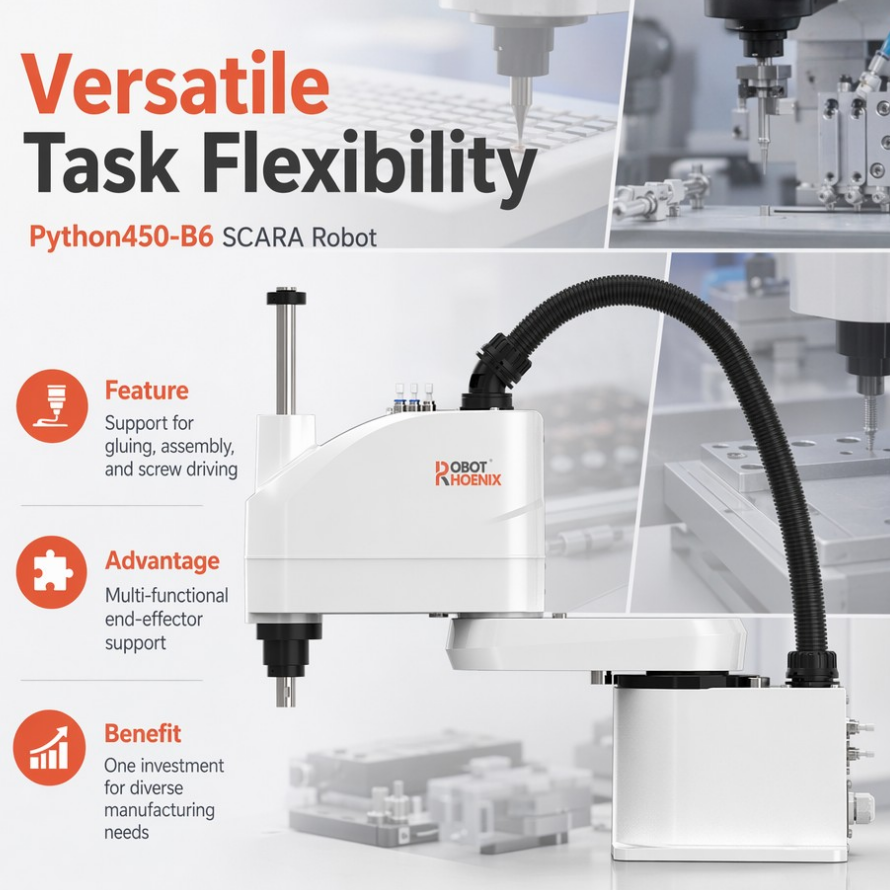
New Condition High Precision 400mm Reach Arm Scara Robot with PLC for 3C Electronic Assembly
PLC-ready SCARA for 3C electronics assembly and precision placement.
View product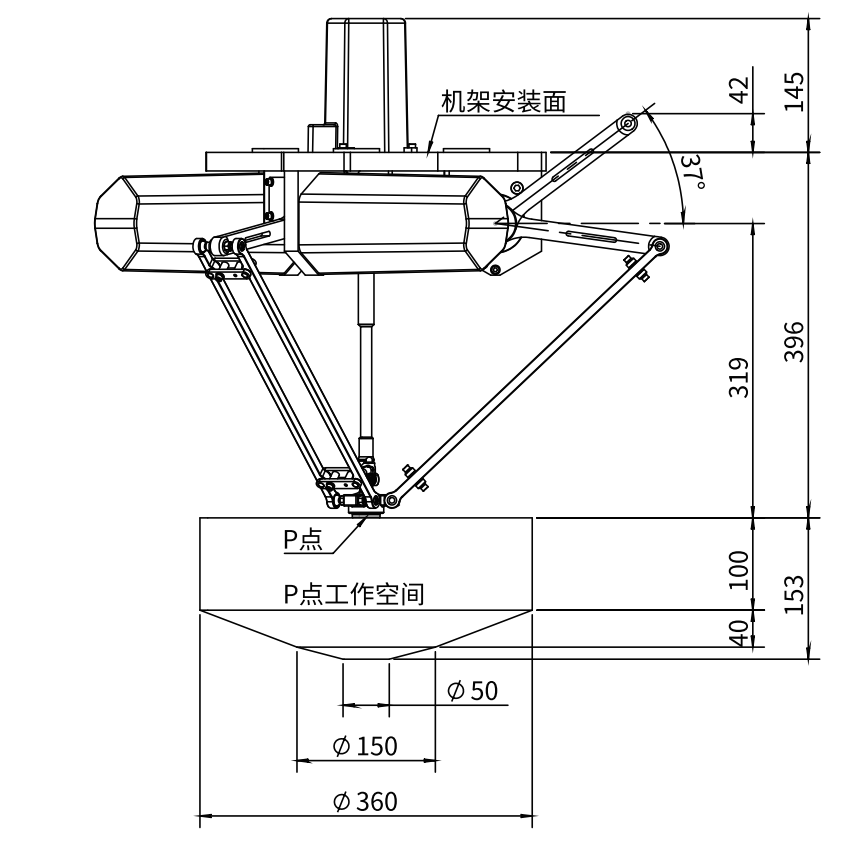
Hot Selling Parallel Robot Delta Industrial Robot Arm for Material Gripping Sorting
Delta robot for material gripping, sorting and high-throughput handling.
View product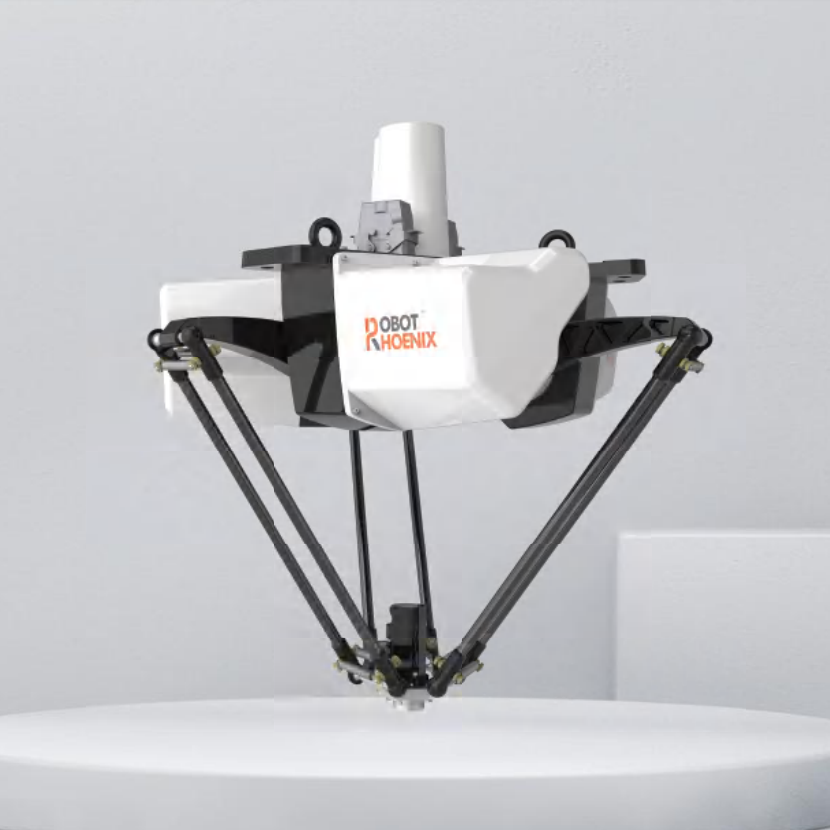
Robotphoenix New 4-Axis Parallel Robot Arm Delta Spider Hand Robot for Carton Packer Line
4-axis parallel spider robot for carton packing lines and packaging machine builders.
View product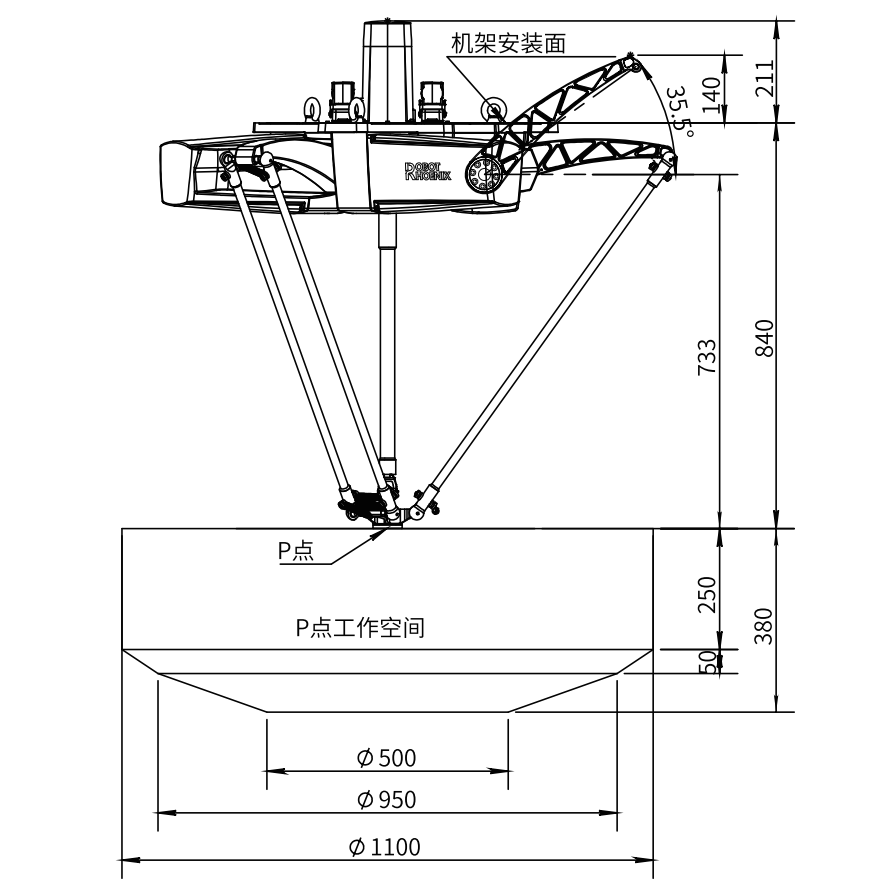
High-Speed Spider Arm Delat Robot for Fully Automatic Wet Wipe Lid Applicator Machine
High-speed spider arm delta for wet-wipe lid applicators and similar packaging lines.
View productWhat Seattle Buyers Should Expect from a Low-Cost Mini SCARA Robot
Low-cost pick and place is not only a robot price problem. It is a total installed-cost, cycle-time, footprint and integration problem.
Searching for a mini industrial SCARA robot for low-cost pick and place is a procurement signal. The buyer usually wants the smallest robot that can deliver the required reach, repeatability, payload margin and cycle time without paying for unused six-axis flexibility. A SCARA — Selective Compliance Assembly Robot Arm — uses two rotary joints for X-Y movement, a linear Z axis and a rotary wrist. That architecture is naturally stiff in the vertical direction and compliant laterally, which is why SCARA robots are widely used for assembly, insertion, kitting, dispensing, screwdriving, inspection loading and machine tending.
For Seattle manufacturers, the economic case is shaped by expensive floor space, labor availability, high-mix production and the cost of integration. A robot that costs less at the factory gate but requires weeks of custom engineering can be more expensive than a slightly higher-priced robot with a PLC-ready controller, documented I/O and experienced application support. JORI is a China-based industrial robot factory, not a Seattle retail reseller. We build delta robots, SCARA robots, AGV/AMR platforms, autonomous forklifts, wafer robots, controllers and 2D/3D vision systems in-house. That means buyers can trace hardware, software, controller and vision decisions to one engineering team.
Our factory was founded in 2012 in Jinan, Shandong, and serves machine builders, system integrators and factory owners across North America, South America, Eastern Europe, Southeast Asia and China. For Seattle-bound projects, we support export terms such as FOB, CFR, CIF, EXW, CIP, FCA, CPT and express delivery, with payment options including T/T, L/C, credit card, PayPal, Western Union, MoneyGram and escrow in multiple currencies. The key is to treat the robot as one part of a complete cell: infeed, tooling, safety, PLC, vision, operator interface, spares and commissioning must all be scoped before comparing quotes.
- Part geometry: planar assembly, kitting and insertions usually favor a 4-axis SCARA; randomly oriented products on a fast conveyor often favor a delta robot with vision.
- Cycle time: request a definition measured at the tool center point with your actual part weight, acceleration and settling time.
- Footprint: a mini SCARA can fit where a larger 6-axis robot cannot, but the controller, tooling and safety fence still need space.
- Integration: confirm PLC compatibility, I/O, fieldbus options, vision interface, voltage and safety architecture with your Seattle integrator.
- Landed cost: model freight, duties, Washington sales/use tax, rigging, integration, spares and training before approving a purchase.
Choose SCARA or Delta by the Motion, Not by the Brochure
A mini SCARA is often the better low-cost pick-and-place choice when the task is planar, space-constrained and requires accurate placement, assembly or machine tending. A delta robot is often better when the priority is very fast, lightweight picking from a moving conveyor, especially when vision is required.
JORI source data: founded 2012; 500+ employees; 10,000+ m² factory area; 97.06% response rate. Final specifications are confirmed per application and configuration.
Where a Mini SCARA or Delta Robot Fits in the Seattle Metro
Seattle-area manufacturers rarely ask for a robot in isolation. They ask for a reliable cell that fits a specific building, workforce and production mix.
Electronics and 3C Assembly
In Redmond, Bellevue, Bothell and Kent, compact production cells need accurate planar placement, screwdriving, adhesive dispensing and test loading. The 400 mm reach SCARA with PLC is a relevant shortlist option for electronics assembly and precision pick-and-place.
Medical Device and Lab Automation
Seattle, Issaquah and Bothell-area life-science suppliers often require repeatable handling of small parts, trays and consumables. Buyers should define cleaning requirements, guarding, validation documentation and traceability before selecting the robot.
Aerospace Supplier Cells
Everett, Tukwila, Auburn and Kent suppliers often handle small brackets, fasteners and kitting operations. A mini SCARA is most suitable where planar pick-and-place and machine tending can reduce repetitive operator motion without changing the core process.
Food, Seafood and Packaging
Seattle’s food and seafood processors need fast, hygienic handling and careful cleaning protocols. Delta robots are often used for high-speed picking and sorting; IP rating, washdown practice and end-effector material must be confirmed for each environment.
E-Commerce and Parcel Handling
Kent Valley distribution operations often need carton packing, item sorting and order-consolidation support. Delta spider robots and vision-guided pickers can be evaluated for repetitive pick-and-place tasks at conveyor speed.
Machine Builders and Integrators
Seattle-area machine builders can source robots, controllers and vision from one factory to reduce vendor coordination. JORI offers OEM service, design service and buyer-label support, plus custom end-effector and controller integration support.
Four Local Trends Reshaping Robot Selection for Pick and Place
The Seattle manufacturing market is moving toward smaller cells, faster changeovers and stronger traceability — all of which affect robot choice.
High-Mix, Low-Volume Production
More Seattle-area factories run multiple SKUs per shift. The robot cell must support recipe changes, quick tooling swaps and operator-friendly PLC interfaces. A compact SCARA or configurable delta is often easier to redeploy than a large fixed automation line.
Space, Power and Labor Pressure
Industrial space in the Seattle metro is expensive. A mini SCARA can help fit automation into an existing cell without expanding the building, while reducing repetitive manual handling. Buyers should still plan for controls cabinets, safe access and maintenance clearance.
Vision, Traceability and Quality Data
Seattle customers increasingly ask for 2D/3D vision, part verification, inspection results and traceable cycle data. Vision-guided delta and SCARA cells can combine pick-and-place with inspection without adding a separate manual station.
Port-Linked Logistics and Reshoring
Seattle’s port and airport gateways make import/export planning part of the automation decision. Buyers should compare FOB, CFR and CIF offers, ask for spare-parts planning and confirm the compliance path for the final installed cell before placing an order.
Which Robot Should a Seattle Buyer Shortlist First?
Use this matrix to shortlist a robot family before requesting a quotation. Final selection requires application data.
| Buyer Goal | Recommended Starting Point | Why It Fits | Information Needed for Quote |
|---|---|---|---|
| Lowest-cost compact pick and place | Mini Industrial Robot SCARA for Pick and Place at Low Cost | Small footprint, 4-axis planar motion and straightforward integration for kitting, loading and placement. | Part weight, dimensions, reach, cycle time, gripper concept, PLC and safety scope. |
| Fast, accurate general SCARA placement | High Speed and Accuracy Four Axis SCARA Robot | SCARA speed and accuracy for compact automation cells with repeatable planar moves. | Position tolerance, approach direction, insert force, machine interface and annual volume. |
| 3C electronics assembly with 400 mm reach | High Precision 400 mm Reach SCARA with PLC | Designed around 3C electronic assembly and PLC-based automation integration. | Product drawings, PCB or housing fixture, vision needs, throughput and cleanroom constraints. |
| High-speed conveyor picking and inspection | Smart Parallel Robot with Visual System | Vision-guided delta handling for random-orientation parts and reject/accept decisions. | Conveyor speed, part mix, camera lighting, reject handling, network and data requirements. |
| Light-industry transfer and material sorting | High-Speed Delta Robot for Light Industry or Delta Robot for Material Gripping Sorting | Delta architecture is well suited to fast, lightweight pick-and-place and sortation tasks. | Part count per minute, infeed pattern, gripper type, accumulation and layout drawings. |
| Carton packing and wet-wipe lid application | 4-Axis Delta Spider Hand for Carton Packer Line or High-Speed Spider Arm for Wet Wipe Lid Applicator | Packaging-focused delta configurations for machine builders and high-rate production lines. | Packaging machine interface, lid or carton specification, glue/label process, line speed and guarding plan. |
The recommendations above are a shortlisting aid. JORI engineers confirm payload, reach, repeatability, cycle time and controller configuration after reviewing your application details.
Build a Seattle Landed-Cost and ROI Model Before Choosing a Robot
The most expensive low-cost robot is the one that surprises the buyer after installation.
A credible low-cost pick-and-place decision needs a landed-cost model, not a simple robot-price comparison. Start with the factory-gate price, then add the end effector, gripper fingers, vacuum generator, part fixtures, safety guarding, light curtains, PLC or cell controller, vision hardware, engineering time, freight, insurance, customs, tax, rigging, commissioning, training, spare parts and the production learning curve. For a Seattle installation, also include the cost of local electrical work, permits where required, and time from your integration team.
Cycle time must be measured under realistic conditions. A robot can look fast in a video but lose time through approach angles, gripper actuation, part settling, conveyor indexing and inspection. Ask for cycle time at the tool center point with the actual part and end effector. For a mini SCARA, confirm whether the quoted repeatability is at the tool flange or at the payload center; for a delta, confirm the pick pattern and vision latency. These definitions are more valuable than a generic speed claim.
Seattle buyers should also create a compliance plan early. The final cell may need to address NFPA 79, ANSI/RIA R15.06, OSHA requirements, local electrical codes, UL/CSA-listed components where specified, lockout/tagout, guarding, emergency stops and risk assessment. JORI supplies robots and automation components; the buyer’s qualified local integrator remains responsible for the final installed-system compliance review. This split should be written into the project plan before purchase.
Information gain for procurement teams: require a “quote clarification table” with every offer. Ask each supplier to state the scope of robot supply, controller, cable lengths, I/O list, fieldbus options, software licenses, training, warranty terms, spare-parts list, shipping Incoterm, country of origin, expected lead time and commissioning responsibilities. This table prevents a low robot price from hiding missing integration scope.
Illustrative Buyer Weighting for a Seattle Mini SCARA Project
The bars below are an example decision-weighting model, not a product performance claim. Replace the weights with your own factory priorities.
Use the model to compare complete offers, not just robot hardware. A high integration score can be worth more than a small price difference.
Why JORI Is a Credible Factory and Exporter for Seattle Buyers
JORI Intelligent Technology Co., Ltd. combines robot hardware, controllers, vision and export support in one organization.
Independent R&D and Patents
JORI develops delta robots, SCARA robots, silicon wafer robots, AGV/AMR platforms, controllers and 2D/3D vision in-house. National patents support the product platform and reduce the risk of a pure reseller supply chain.
ISO 9001 and Onsite Verification
The company operates an ISO 9001 quality management system, and its manufacturer profile has been onsite-verified by a third party. Buyers can review supplier assessment, credit profile, trade capacity and transaction records before ordering.
OEM, Design and Buyer Label
OEM service, design service and buyer-label options support machine builders and integrators. Custom end-effectors, controller integration and automated system integration are part of the project conversation.
Export Support for North America
Export markets include North America, South America, Eastern Europe, Southeast Asia and China. Delivery terms include FOB, CFR, CIF, EXW, CIP, FCA, CPT and express delivery; payment methods include T/T, L/C, credit card, PayPal, Western Union, MoneyGram and escrow.
Local Procurement Questions for Mini SCARA and Pick-and-Place Robots
Practical answers for Seattle-area machine builders, integrators and factory owners.
How much does a mini industrial SCARA robot for low-cost pick and place cost delivered to Seattle?
Is JORI a Seattle factory or a China-based exporter?
Can a JORI mini SCARA or delta robot integrate with my existing PLC and packaging machine?
What is the minimum order quantity and how long does delivery take?
Should I choose a mini SCARA or a delta robot for a space-constrained Seattle cell?
What about electrical and safety compliance for Washington State installations?
Which payment and delivery terms are accepted for Seattle export orders?
What information should I send with my inquiry to get a fast recommendation?
Send Your Seattle Mini SCARA or Pick-and-Place Application
Share payload, reach, cycle time, part geometry, PLC/vision needs, voltage, safety scope, target installation date and whether you need OEM or buyer-label support. Our engineering team can help you compare a mini industrial SCARA robot, a 400 mm SCARA cell, a vision delta or a packaging delta against the same application data. Email: info@joribot.com.