OEM/ODM Food Processing Robot Manufacturer & Factory in Baltimore
Delta, SCARA and vision-guided robotic cells for Baltimore food processors, packaging converters, cold-chain warehouses and Mid-Atlantic manufacturers — engineered in-house for high-speed pick-and-place, case packing, sorting and pallet handling.
Eight Robot Systems for Baltimore Food, Packaging and Logistics Lines
Choose a standard robot platform, then customize the end-effector, controller logic, vision package and safety integration for your Baltimore plant. Every product below links to its original specification page.
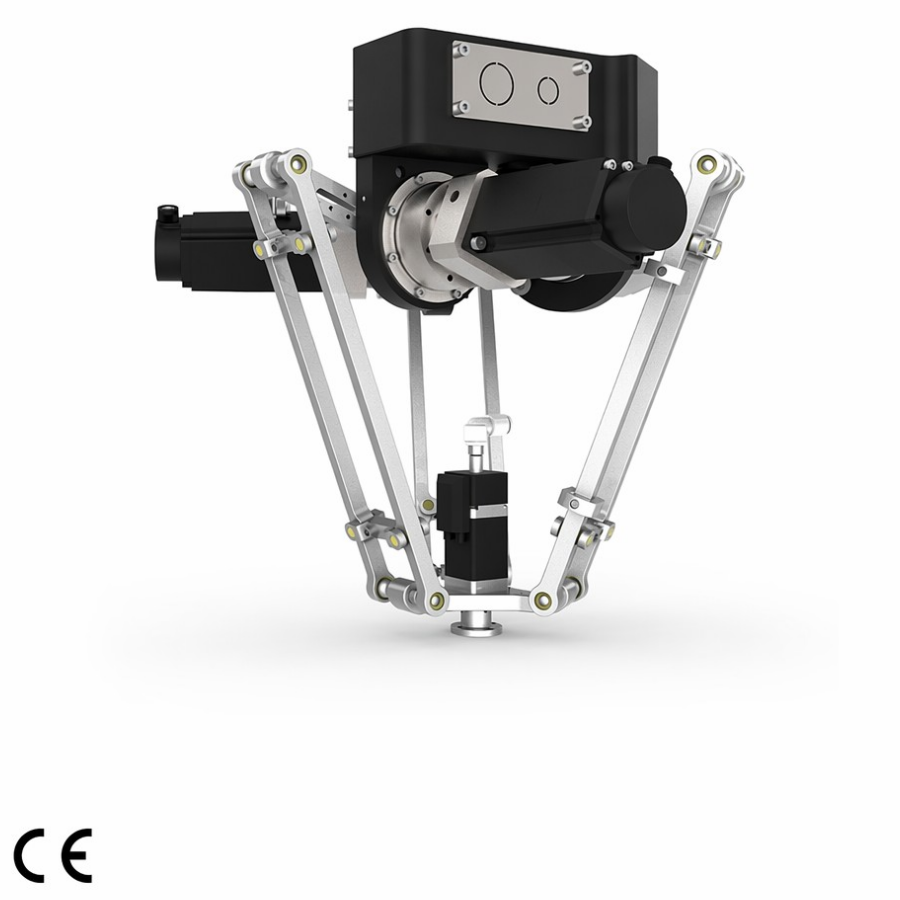
High Speed Consumer Goods Industries Bottle Unscrambling Machine Component Delta Robot
Ideal for beverage, personal care and liquid-filling lines that need fast, repeatable bottle orientation before filling, capping or labeling.
View product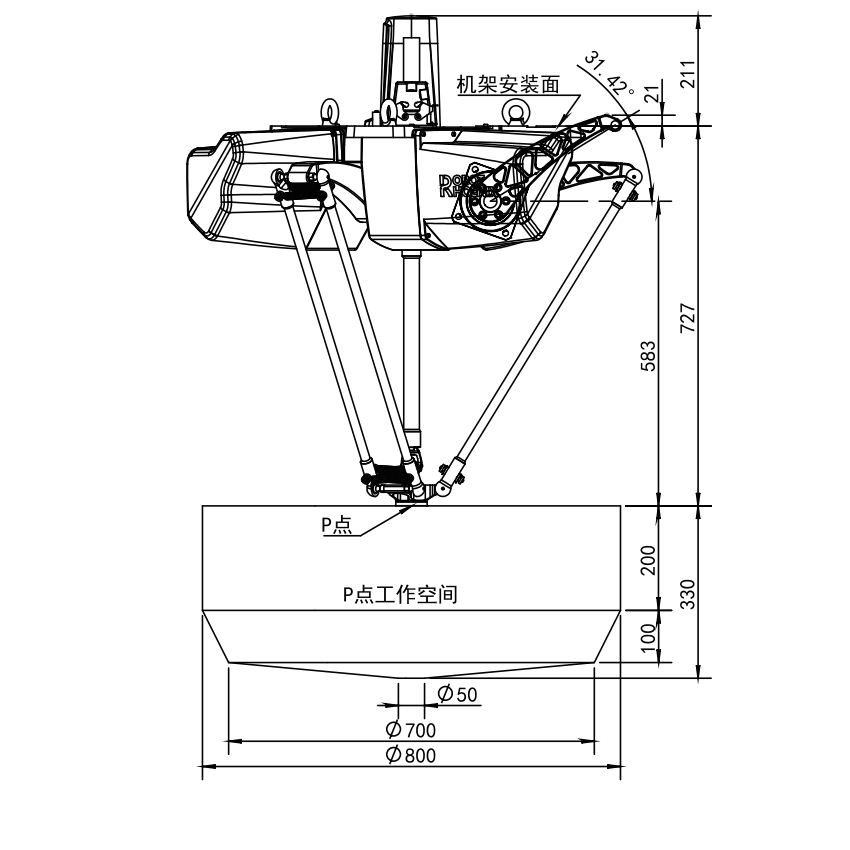
Industrial Delta Robot High Efficiency Parallel Robot for Goods Picking Placing Sorting
A strong fit for高速 conveyor picking, grading and sortation in food processing, bakery, produce and e-commerce fulfillment.
View product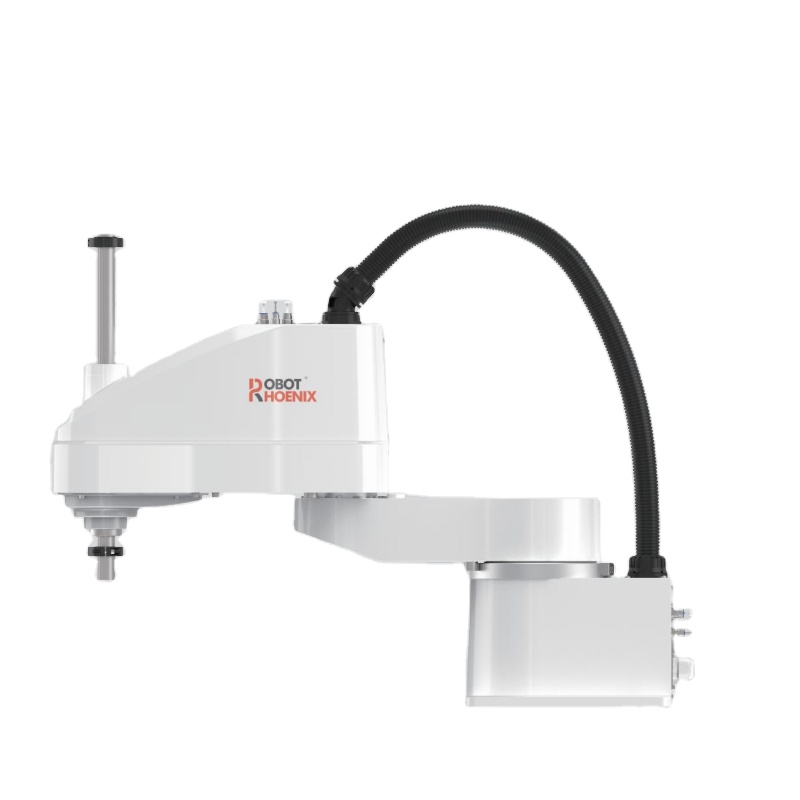
Advanced Industrial 4 Axis Robot Scara Robot for Pick and Place in Food Industry Gripping
Compact 4-axis motion for tray loading, product placement, lid handling and precise insertion in hygiene-sensitive cells.
View product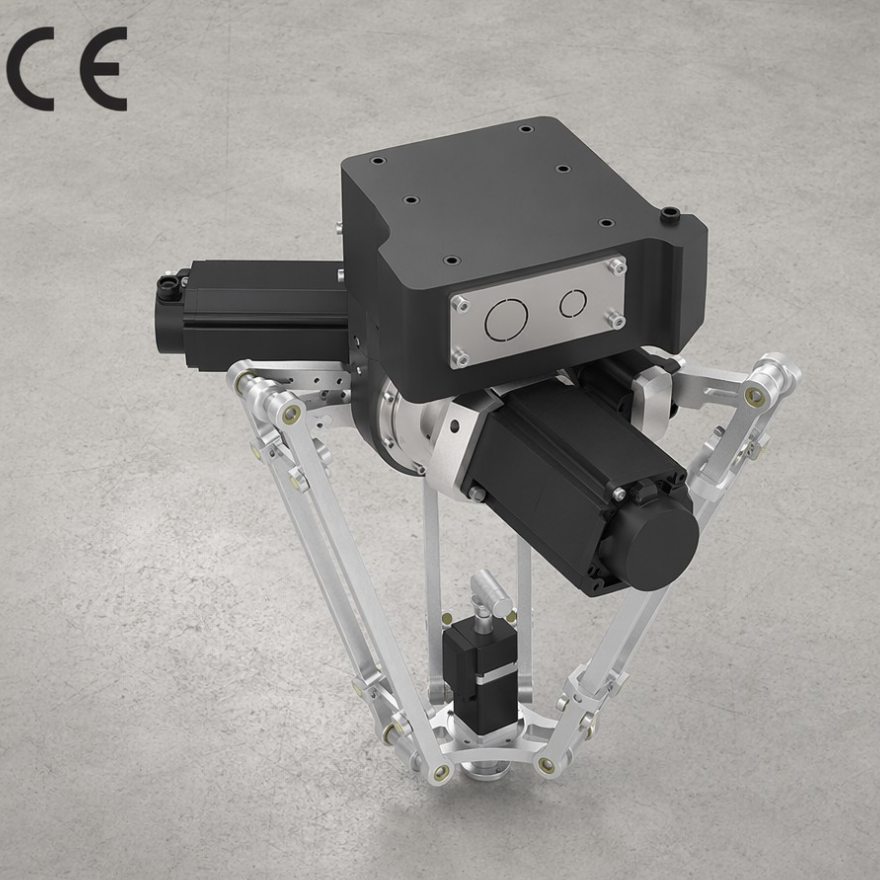
Smart Parallel Robot Picking and Placing Robot Manipulator Delta Robot with Visual System
Vision-guided delta manipulator for randomly oriented products, mixed SKUs and quality-driven sorting on fast moving conveyors.
View product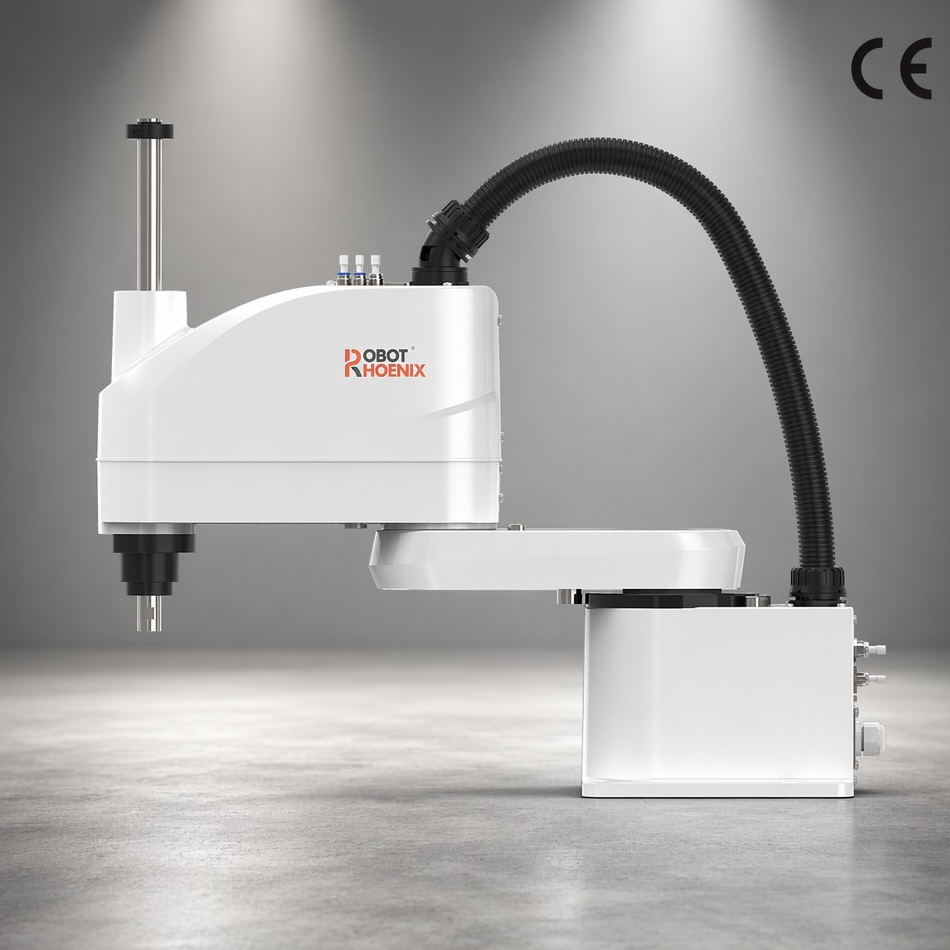
High Efficiency 6kg Payload Manipulator Scara Robot with Vision for Picking and Placing
Higher payload SCARA platform for multi-pack handling, secondary packaging and semi-automated assembly feeding.
View product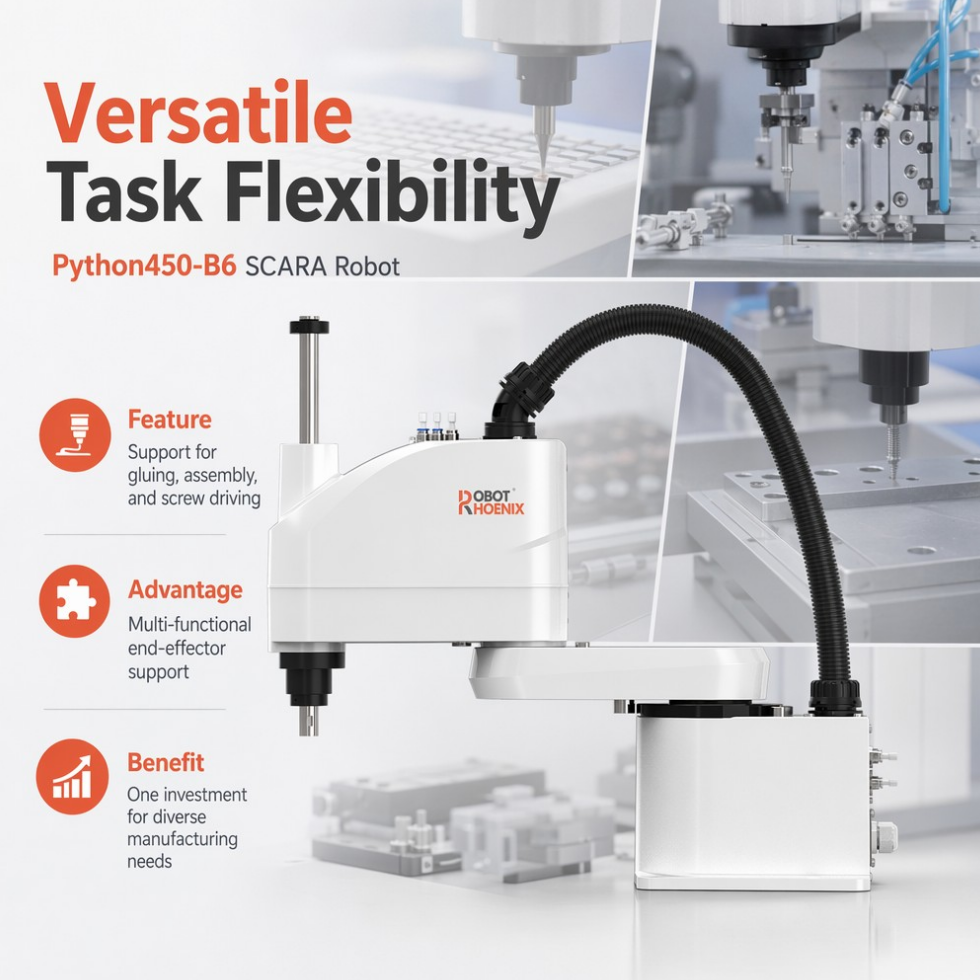
Newly Design Low Price Industrial Manipulator Scara Robot Arm with Integrated Motor
Cost-controlled SCARA arm for pilot cells, single-station automation and repetitive placements where floor space is tight.
View product
New Condition High-Speed Industrial Innovative Manipulator Delta Robot for Light Industry
High-cycle delta robot for light packaged goods, small components and fast indexing applications in clean production areas.
View product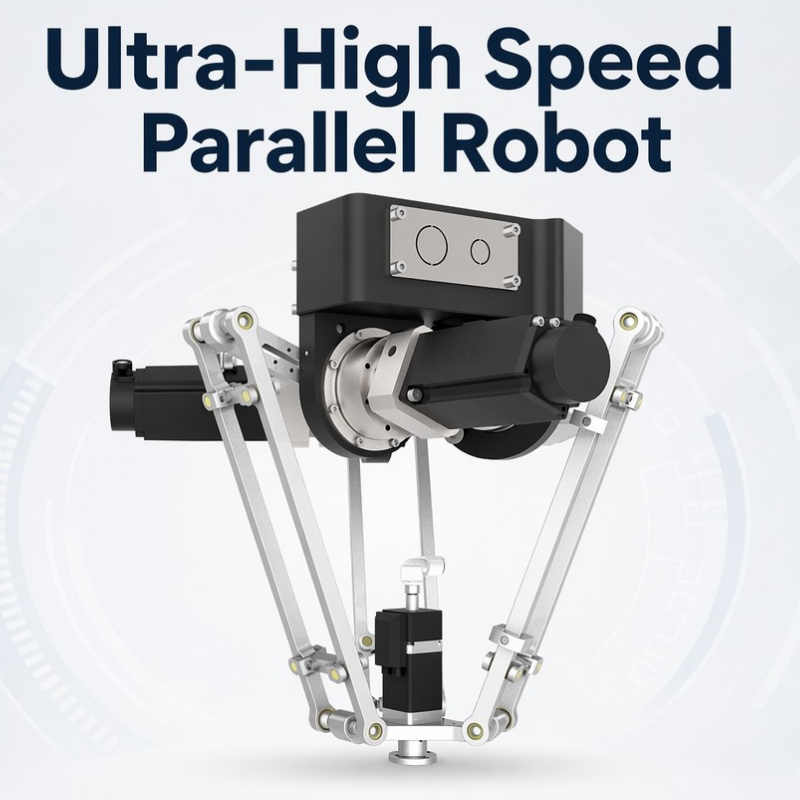
Newly Design Customized Integrated Robot Parallel Robot Delta for Pick Place and Sorting
OEM/ODM-oriented delta platform for machine builders that need custom frame geometry, controls, tooling and buyer-label options.
View productWhy Baltimore Food Processors Are Re-Specifying OEM/ODM Robotics Now
Baltimore sits at the intersection of food processing, packaging, biotech, port logistics and dense East Coast distribution. For plant managers and OEM machine builders, the pressure is not simply “add a robot.” The pressure is to protect throughput when labor availability fluctuates, SKU counts multiply, retailers demand tighter case counts, and cold-chain windows leave little room for manual error.
That is why OEM/ODM food processing robots are increasingly treated as a line-design decision rather than a purchasing afterthought. A delta robot can remove a bottleneck at the infeed; a SCARA robot can stabilize tray loading; a vision-guided manipulator can separate good product from defects; an AMR or autonomous forklift can reduce travel waste. The best result comes from matching the robot family to the process, then integrating it with the existing controller, safety circuit and packaging machine.
What “Factory in Baltimore” Should Mean to a Serious Buyer
Search terms such as “food processing robot factory in Baltimore” are usually shorthand for factory-direct access, accountable engineering and faster commercial response. They should not mean vague reseller claims.
Direct manufacturing, not a catalog middleman
JORI manufactures delta robots, SCARA robots, AMR/AGV platforms, autonomous forklifts and wafer handling robots in its own Jinan factory. Baltimore buyers work with the manufacturing source for robot hardware, controllers, 2D/3D vision and OEM integration. That direct route shortens the feedback loop between application details and engineering changes.
Auditable credentials for Mid-Atlantic procurement
Public company records include ISO 9001 quality management, onsite-verified manufacturer status, trade capacity, credit profile and transaction history. For procurement teams in Baltimore and across Maryland, that matters because automation suppliers are evaluated not only on robot specifications, but on delivery reliability and after-sales accountability.
OEM/ODM support for machine builders
Machine builders serving Baltimore’s packaging ecosystem can use JORI as an OEM robot platform partner: custom end-effectors, controller integration, buyer-label options, PLC-ready delta robots and support for cartoning, carton packing and wet-wipe lid applicator lines.
Pilot-friendly commercial terms
Standard robots can be ordered from one set, so a Baltimore plant can validate a single cell before scaling. Accepted delivery terms include FOB, CFR, CIF, EXW, CIP, FCA, CPT and express delivery; payment options include T/T, L/C, credit card, PayPal, Western Union, MoneyGram and escrow in major currencies.
Where Food Processing Robots Create Measurable Value in Baltimore
Baltimore-area plants rarely buy a robot in isolation. They buy a repeatable motion system that stabilizes a specific line, shift or packaging format.
High-speed packaging and case packing
Delta robots with vision can pick randomly oriented products from a conveyor and place them into trays, clamshells, cartons or cases. For Baltimore bakeries, snack processors and prepared-food packers, the main gain is cycle-time consistency during peak retail windows.
Daily chemicals and wet wipes
Wet-wipe lid applicator and carton packing lines benefit from delta-based placement and PLC-ready integration. Baltimore has strong consumer and institutional demand for hygiene products, wipes and personal-care packaging, making fast changeover and repeatable lid placement commercially important.
Protein, seafood and prepared foods
Manual picking from cold or wet conveyors can be difficult to staff and hard to standardize. Hygienic end-effectors, wash-down-oriented layout choices and vision-guided sorting help processors reduce handling variation without compromising food safety programs.
Warehouse, cold chain and port-driven logistics
AMRs and autonomous forklifts support repetitive pallet shuttling, line-side replenishment and end-of-line transfer in distribution facilities serving the Port of Baltimore and the I-95 corridor. Laser SLAM navigation reduces dependence on floor tape and supports changing layouts.
Four Local Trends Changing Food Automation Specifications
Buyers are asking for more flexible automation because production volumes, packaging formats and labor plans are less predictable than they were a decade ago.
Labor resilience over headcount replacement
Processors want robots that stabilize the hardest shifts, not simply reduce headcount. A single robot cell that reliably handles repetitive picking can protect output when agency staffing fluctuates.
SKU proliferation and faster changeover
Retail-ready packaging, smaller batch sizes and limited-time products require recipes that can be changed quickly. Vision-guided picking and programmable end-effectors reduce mechanical changeover time.
Hygienic design and audit readiness
Food processors increasingly align robot selection with HACCP, sanitation routines and supplier-audit requirements. IP54 options, smooth surfaces and cleanable end-effector materials help engineering teams design cells that can be maintained consistently.
Integration with existing packaging machinery
The strongest ROI often comes from adding robotic handling to an existing cartoner, labeler or tray sealer. PLC-ready delta robots and in-house controller/vision development reduce integration friction for Baltimore machine builders and end users.
Engineering Depth You Can Audit, Not Just Marketing Claims
For OEM/ODM food processing projects, the robot arm is only one part of the system. Controllers, vision, software, integration support and after-sales engineering determine whether the cell reaches its promised cycle time.
In-house R&D since 2012
JORI develops robots, controllers and 2D/3D vision in-house. National patents protect core delta, SCARA, wafer and AGV technologies, giving buyers a single accountable engineering source.
ISO 9001 and verified manufacturing
Documented quality control covers component inspection to final robot run-in testing. Onsite verification and public trade records let procurement teams evaluate the manufacturer behind the quotation.
OEM, ODM, design and buyer label
Machine builders can customize end-effectors, frame geometry, controller integration and branding. This is especially valuable for packaging OEMs that need a reliable robot platform without building a robotics department from scratch.
Fast commercial response
Average response time is two hours or less with a 97.06% response rate. Buyers can share part drawings, cycle-time targets, product videos and plant layout constraints to receive a more relevant recommendation.
- Delta, SCARA, AMR/AGV, autonomous forklift and wafer robot families
- Self-developed controllers and 2D/3D machine vision
- One-stop automated system integration support
- MOQ from one set for pilot validation before scale-up
- Support for wet-wipe lid applicator and carton packer builders
- Export experience across North America, Europe and Southeast Asia
Matching the Robot Family to the Baltimore Production Problem
Use this comparison to shortlist a platform before discussing end-effectors, safety fencing, line layout and controls architecture.
| Robot Family | Best Baltimore Use Case | Why It Wins | Choose It When |
|---|---|---|---|
| Series 01Delta Robot | High-speed food picking, sorting, bottle handling, cartoning and case packing | Very fast lightweight pick-and-place with vision-guided flexibility | Products arrive randomly on a conveyor and cycle time is the bottleneck. |
| Series 02SCARA Robot | Tray loading, lid placement, product insertion, compact assembly and packaging | Precise planar motion in a small footprint with lower cost options | You need repeatable placement in a tight cell where overhead space is limited. |
| Series 03AMR / AGV | Line-side replenishment, cart transport, warehouse-to-production movement | Laser SLAM navigation without fixed floor tape; fleet management available | Operators spend hours moving carts or pallets and the layout changes frequently. |
| Series 04Autonomous Forklift | Pallet shuttling in warehouses and cold-chain distribution centers | Repetitive pallet transport across shifts with layout planning support | Labor shortages make repetitive forklift runs difficult to cover safely. |
| Series 05Wafer Robot | Semiconductor, photovoltaic and fragile-substrate handling | Smooth, repeatable motion control and custom end-effector support | High-value fragile parts require contamination-conscious handling. |
Figures are directional comparison indicators for early specification discussions. Final robot selection depends on product weight, cycle time, hygiene requirements and integration scope.
A Practical Path from Inquiry to Validated Robot Cell
High-quality inquiries are engineering briefs, not one-line price requests. Baltimore buyers get faster, more accurate recommendations by sharing the right inputs from the beginning.
1. Define the bottleneck
Share current cycle time, product weight, product dimensions, conveyor speed, shift pattern and the exact point where manual work constrains output.
2. Screen the robot family
Delta versus SCARA versus mobile robot should be decided by motion type, hygiene needs and floor plan. A short video of the current line is often more useful than a long specification document.
3. Engineer the interface
Confirm end-effector design, controller communication, PLC integration, vision lighting, safety guarding and operator access before finalizing the quotation.
4. Validate with one set
MOQ from one set allows a pilot cell or single station. Once performance is proven, scale to additional lines with a repeatable OEM platform and shared service knowledge.
Questions Procurement and Plant Engineering Teams Ask First
These answers address common local objections without overpromising. For application-specific recommendations, share product samples, line drawings or cycle-time targets with the engineering team.
Are you a robot factory located in Baltimore, or a manufacturer supplying Baltimore?
What is the minimum order quantity for OEM/ODM food processing robots?
Can you customize end-effectors, controls and branding for machine builders?
Should a Baltimore food plant choose a delta robot or a SCARA robot?
Can the robots integrate with existing cartoners, labelers and wet-wipe packaging machines?
How do we address food safety and hygiene requirements?
Which delivery and payment terms are accepted for Baltimore orders?
How quickly will our Baltimore inquiry receive a response?
Build a Baltimore-Ready Robot Cell with Factory-Direct Engineering
Send your product sample details, cycle-time target, conveyor speed and packaging format. The engineering team can recommend the right delta, SCARA, vision or mobile robot platform and confirm OEM/ODM customization options.