Eight Factory-Direct Robot Platforms for Chicago Fulfillment, Packaging and Assembly Cells
Chicago logistics projects rarely need one robot in isolation. The strongest business cases combine mobile AMR/AGV transport with fast fixed robots for sorting, kitting, labeling, packing, lid application and precision assembly. The eight catalog platforms below are practical building blocks for a Chicago pilot — and all can be quoted with OEM/ODM engineering support, wholesale pricing for distributors, and MOQ from one set.

High-Speed Spider Arm Delat Robot for Fully Automatic Wet Wipe Lid Applicator Machine
Chicago fit: wet-wipe, household chemical and consumer-goods packaging lines across Elk Grove Village, Aurora and Joliet.
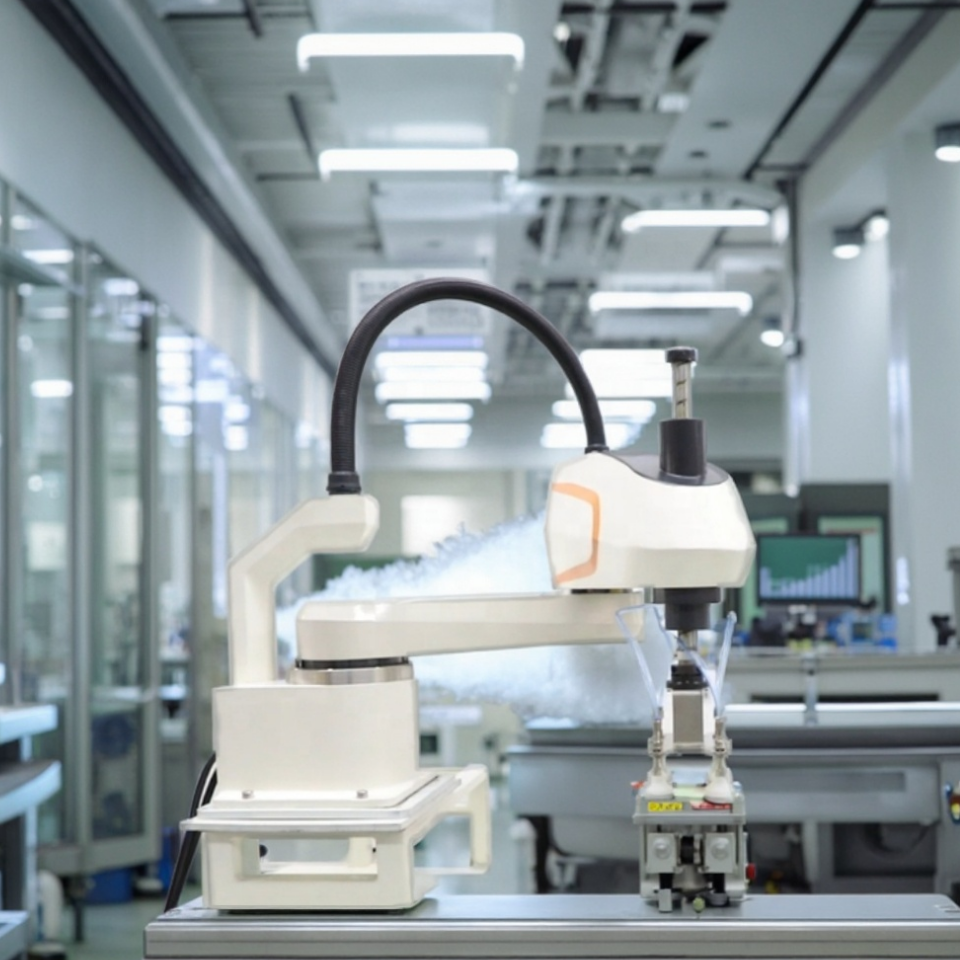
Industrial 4-Aixs Robot Arm Scara Robot Arm with Vision System for Auto Parts Industry
Chicago fit: assembly, inspection and kitting cells supporting the Midwest automotive, EV and industrial-component supply chain.
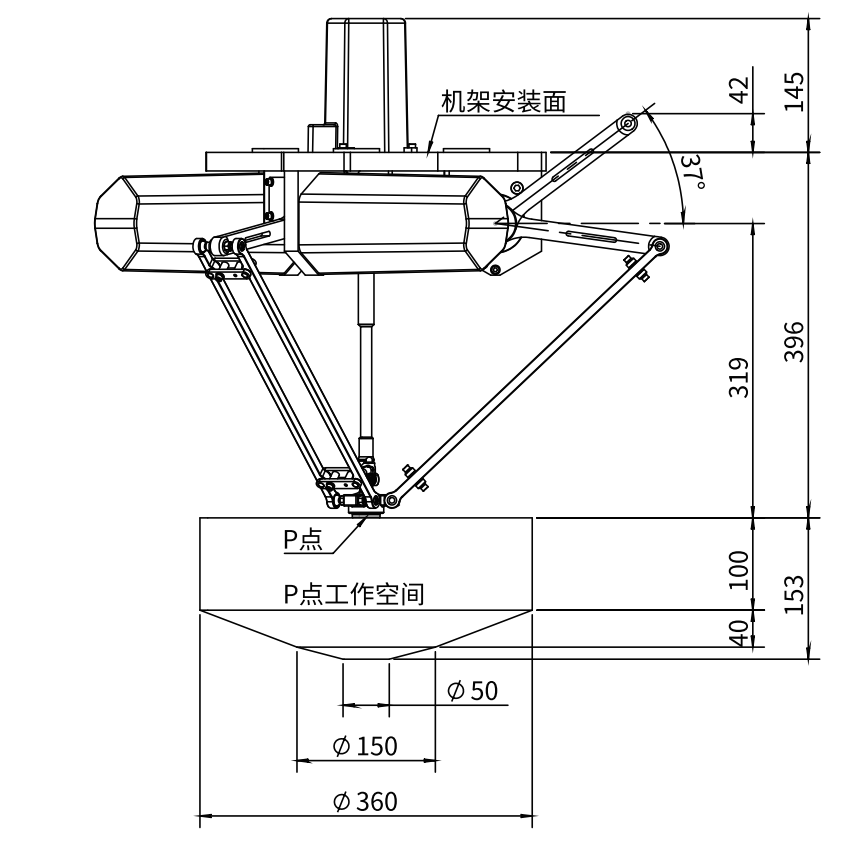
Hot Selling Parallel Robot Delta Industrial Robot Arm for Material Gripping Sorting
Chicago fit: high-speed sortation and order-consolidation cells where conveyor speed and repeatability determine labor savings.

Newly Design Low Price Industrial Manipulator Scara Robot Arm with Integrated Motor
Chicago fit: value-added fulfillment tasks, small-part placement and compact assembly cells with tight capital budgets.
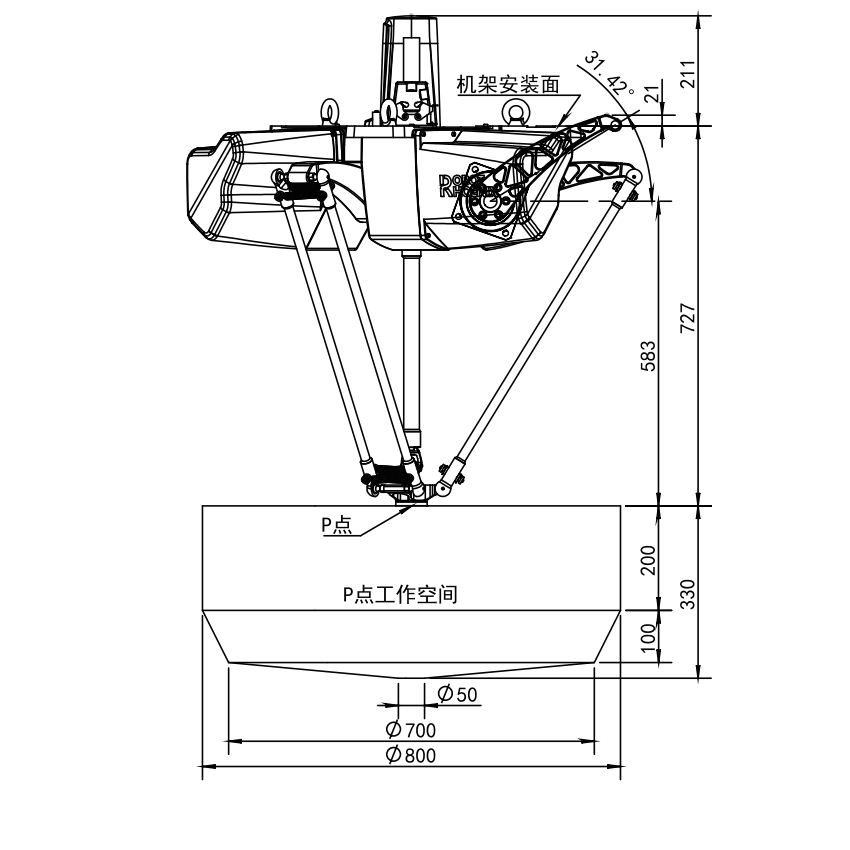
Industrial Delta Robot High Efficiency Parallel Robot for Goods Picking Placing Sorting
Chicago fit: e-commerce and food fulfillment lines that need fast, repetitive pick-place-sort motion from moving conveyors.
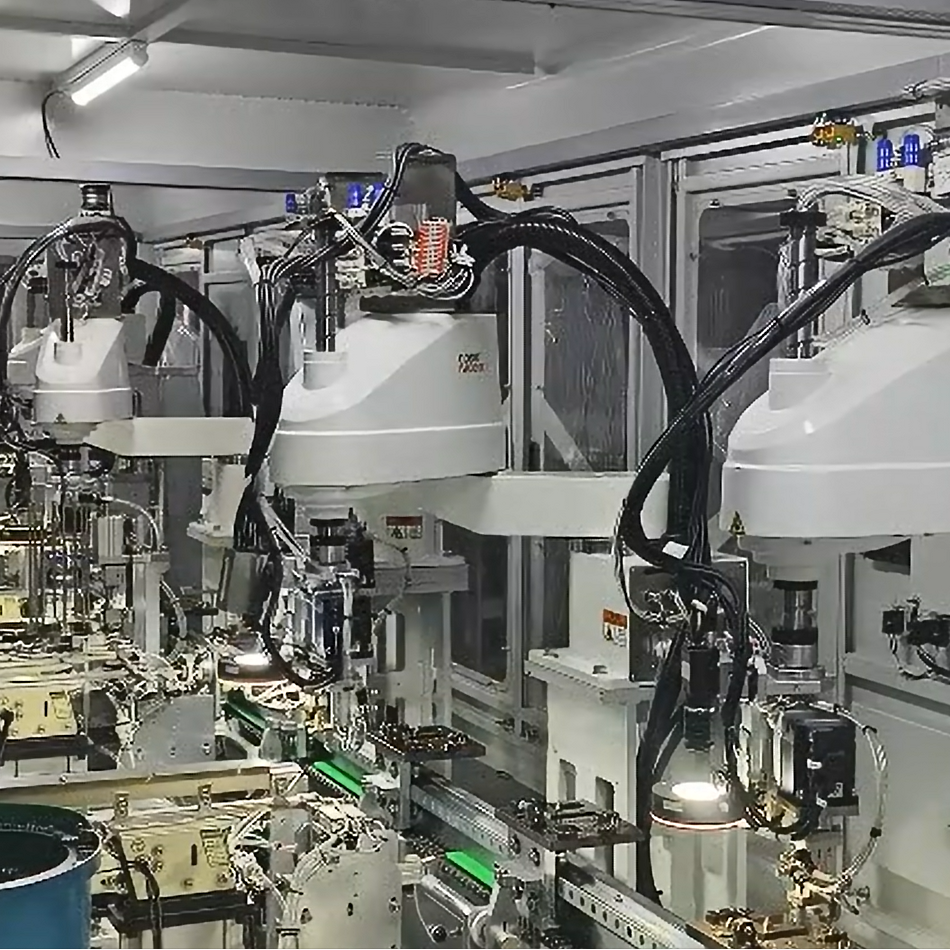
High Quality Mini Industrial Robot Scara for Pick and Place at Low Cost-New Condition
Chicago fit: compact cells inside existing buildings where floor space is expensive and fast deployment matters.
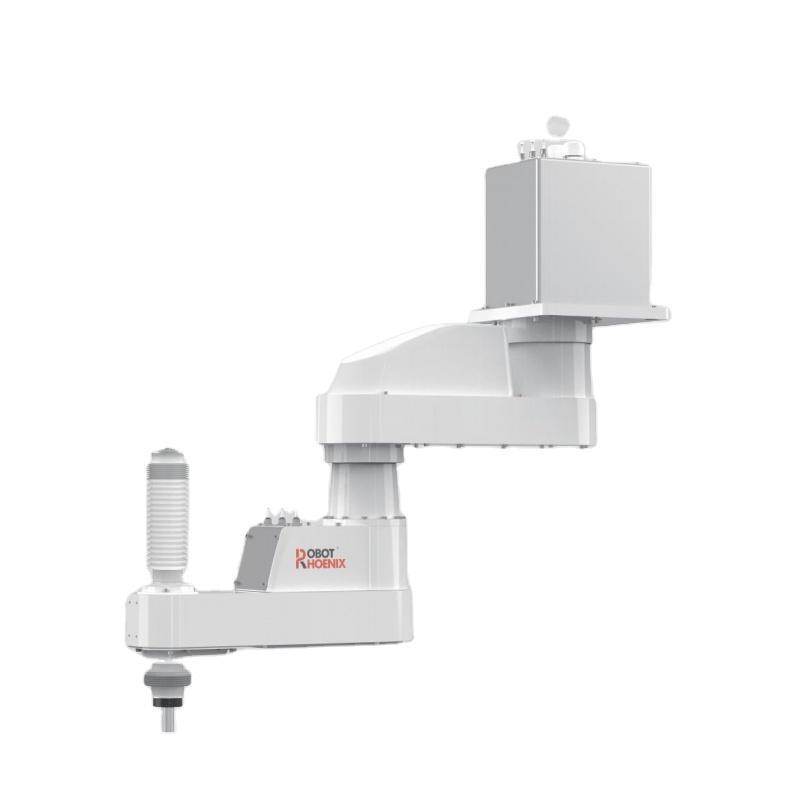
Compact Structure High Precision 550mm Reach Radius 3kg Payload 4-axis SCARA Robot
Chicago fit: precision placement in tight packaging, electronics and medical-device cells where retrofits are space constrained.
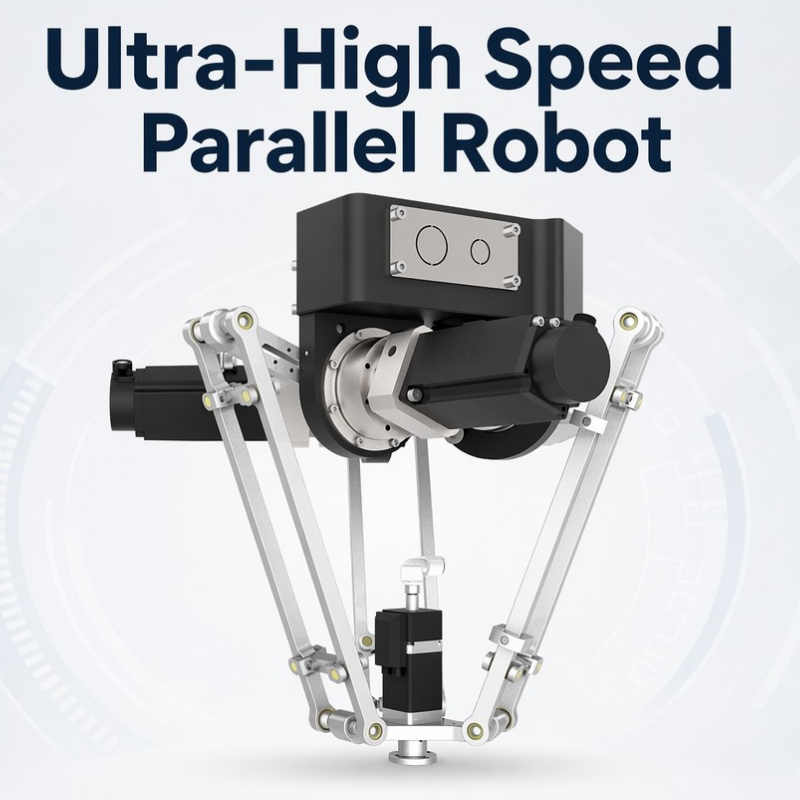
Newly Design Customized Integrated Robot Parallel Robot Delta for Pick Place and Sorting
Chicago fit: OEM/ODM packaging machines, private-label cells and integrator projects that need a customized delta platform.
Why Chicago Buyers Should Source OEM/ODM Logistics AMRs From the Factory, Not a Catalog Reseller
Chicago is not a generic U.S. market. It is a freight gateway, a dense 3PL cluster, a cold-chain hub and a brownfield industrial real-estate market. That combination changes AMR selection, integration risk, service planning and total cost of ownership.
Chicago buyers searching for OEM/ODM logistics AMR suppliers and a wholesaler for Chicago are usually not looking for a single vehicle specification. They are trying to answer a harder operational question: can an AMR fleet move totes, pallets or carts through an existing facility near O’Hare, the I-90/I-94 corridor, Joliet, Aurora or Elk Grove Village without disrupting WMS/WCS workflows, forklift traffic, dock schedules and labor plans? That is why the strongest supplier is the one that controls the robot, the controller, the fleet-management layer, vision integration and the engineering feedback loop.
JORI Intelligent Technology Co., Ltd. is a factory-direct OEM/ODM robot manufacturer and wholesale partner, not a marketplace reseller. Since 2012, JORI has developed delta parallel robots, SCARA robots, silicon wafer handling robots, AGV/AMR platforms, autonomous forklifts, robot controllers and 2D/3D vision systems in-house. For Chicago projects, this means one accountable source for the mobile base, the fixed robot cell, the controller logic, the vision package and the custom end-effector — instead of a chain of suppliers blaming each other when a line goes down.
The information gain for Chicago procurement teams is practical: match AMR payload and traffic rules to the building, match delta and SCARA speed to the packaging or kitting task, then calculate service and spare-parts exposure before signing. A factory with in-house engineering can quote the robot, the integration kit and the OEM customization under one technical file. A wholesaler relationship is also valuable for Midwest distributors, machine builders and system integrators that need repeatable supply, buyer-label documentation and margin-friendly terms without losing engineering support.
For logistics-focused projects, JORI’s broader range includes 400 kg and 500 kg AMR platforms, laser SLAM navigation, smart fleet management, autonomous forklifts and compact latent AGVs. The eight product platforms above are frequently paired with those mobile robots for sorting, lid application, carton packing, kitting and high-precision placement. That mixed-automation approach is often more realistic in Chicago than replacing an entire warehouse at once: start with one constrained flow, prove the labor and throughput case, then scale through a wholesale or OEM/ODM framework.
Factory-Direct Engineering
Robot, controller, vision and motion logic are developed under one roof, reducing integration ambiguity for AMR and fixed-cell projects.
OEM / ODM Flexibility
Design service, buyer-label options, custom end-effectors, PLC-ready integration and wholesale support for machine builders and distributors.
Verified Credibility
ISO 9001, onsite-verified supplier profile, national patents, 10+ years of overseas supply and a 97.06% response rate with ≤2-hour average replies.
One-Stop Automation
AMR/AGV, autonomous forklifts, delta robots, SCARA robots, wafer robots and integration support can be coordinated through one technical team.
A 2012-Built Robot Factory With In-House Controllers, Vision and OEM Engineering
Chicago buyers can verify the fundamentals before a technical call: JORI was founded in 2012 in Jinan, Shandong, a major Chinese robotics hub; the company operates a 10,000+ m² factory with 500+ employees; and its quality system is ISO 9001 certified. The supplier profile is onsite-verified, the product lines are supported by national patents, and the company has served overseas markets for more than a decade.
What matters for a Chicago AMR or robot-cell project is not just the number of models. It is whether the supplier can own the controller, the 2D/3D vision, the fleet-management logic, the safety documentation package and the custom mechanical interface. JORI’s in-house R&D model supports that accountability, while OEM service, design service and buyer-label options give distributors and machine builders a realistic wholesale path.
- Founded in 2012 with independent R&D capability
- Original factory for delta, SCARA, AGV/AMR, forklift and wafer robots
- Self-developed controllers and 2D/3D vision systems
- ISO 9001 quality management and onsite-verified profile
- OEM, ODM, design service and buyer-label support
- MOQ from 1 set for standard models; 10+ years overseas supply

Robot manufacturing and assembly capability

Testing, run-in and application engineering
Where Logistics AMRs and High-Speed Robots Fit in Chicago Operations
The right deployment is the one that removes a measurable bottleneck without destabilizing the building, the network, the safety plan or the existing workforce model.
3PL and E-Commerce Fulfillment
In Elk Grove Village, Joliet, Aurora and the wider I-90/I-94 corridor, 500 kg AMRs and compact latent AGVs can move totes, carts and staged orders between pick modules, pack stations and docks. Pair them with delta robots for item sorting, lid application or carton-feed tasks, and connect fleet decisions to WMS/WCS workflows rather than running a disconnected robot island.
Cold Chain and Food Distribution
Chicago’s cold-storage footprint demands careful validation of condensation, charging location, floor transitions, battery behavior and washdown practices. IP54 delta robots can support high-speed food and consumer-goods handling, while AMR routes should be tested across freezer anterooms, wet floors and high-traffic dock zones before full rollout.
Packaging and Wet-Wipe Lines
For household chemicals, wet wipes and personal-care products, a high-speed spider-arm delta robot can automate lid placement, sorting and cartoning inside an existing packaging machine. PLC-ready integration and custom end-effectors matter more than a generic catalog specification, especially when the line runs multiple SKUs.
Automotive, EV and Industrial Components
Midwest automotive and EV suppliers often need vision-guided SCARA placement, small-part assembly, inspection and kitting. A 4-axis SCARA with vision can fit into a compact cell and support repeatable placement, while delta robots handle high-speed sorting of smaller components feeding the line.
Pharma, Medical and Laboratory Logistics
Chicago’s pharma and medical-device ecosystem requires clean, repeatable motion and a clear documentation trail. Mini SCARA and compact 550 mm-reach SCARA robots are suited to small-part handling, while AMR or AGV transport can reduce unnecessary human movement between storage, staging and production rooms.
Cross-Dock, Intermodal and Pallet Flow
Laser SLAM autonomous forklifts and 400–500 kg AMR carriers can reduce repetitive pallet shuttling between dock doors, staging lanes and warehouse aisles. Chicago projects should plan traffic rules, pallet quality, floor seams, dock levelers and pedestrian zones before choosing fleet size.
2025–2026 Chicago Automation Trends That Change the AMR Business Case
Chicago buyers are not only comparing robot prices. They are comparing deployment risk, WMS integration effort, uptime exposure, spare-parts lead time and the ability to scale a pilot into a multi-site wholesale program.
Labor Volatility Favors Phased Automation
Overtime, turnover and temporary labor costs make repeatable transport and sorting tasks attractive first. A pilot AMR route with one clear handoff is easier to justify than a full warehouse rebuild.
Brownfield Retrofits Dominate
Many Chicago facilities were not designed for robots. Floor flatness, aisle width, column spacing, Wi-Fi dead zones and dock congestion are often bigger constraints than the robot’s top speed.
WMS/WCS Integration Is the Real Gate
AMR value depends on clean handoffs with warehouse software, barcode scans, queue logic, exception handling and operator screens. Suppliers that understand controller-to-WMS integration reduce commissioning risk.
Cold-Chain Validation Moves Earlier
Battery placement, charging-room design, condensation and door cycles must be reviewed during concept design, not after the AMR arrives. Cold storage is a systems problem, not only a vehicle specification.
Safety Documentation Becomes a Procurement Score
Chicago buyers increasingly ask for risk-assessment files, traffic rules, emergency-stop logic, pedestrian-zone planning and alignment with the applicable ISO/ANSI robot and industrial-truck standards.
Mixed Fleets and Wholesale Rollouts
One site may need AMRs, autonomous forklifts, delta robots and SCARA cells. A wholesale or OEM/ODM framework with repeatable documentation and spare-parts planning is more scalable than buying each island separately.
Example RFQ Weighting for a Chicago AMR Project
Use this only as a workshop starting point. The weights should change with the building, product mix, labor model and service strategy.
OEM/ODM AMR RFQ Checklist for Chicago Projects
A strong RFQ helps a factory quote the right robot the first time. It also exposes integration assumptions before they become commissioning delays.
| RFQ Input | What Chicago Buyers Should Send | Why It Matters |
|---|---|---|
| Payload and load type | Tote, carton, pallet, fixture or component weight; center-of-gravity; overhang; gripping method; maximum dimensions. | A 500 kg AMR platform, a 3 kg SCARA and a delta robot solve very different problems. Payload margin protects cycle time and safety. |
| Move profile and cycle time | Moves per hour, peak versus average, travel distance, lift height, handoff points, shifts per day and break patterns. | Throughput and fleet size must be calculated from the real route, not from a robot’s maximum speed on a specification sheet. |
| Building and floor conditions | Layout drawing, aisle width, floor seams, dock levelers, ramps, freezer doors, elevator use, pallet quality and pedestrian zones. | Chicago brownfield buildings often require route simulation and traffic rules before the vehicle model is finalized. |
| WMS/WCS and IT readiness | WMS/WCS/ERP interfaces, Wi-Fi coverage, access points, latency, barcode standards, cybersecurity rules and operator-screen expectations. | Most AMR delays are integration delays. Controller documentation and API readiness should be reviewed early. |
| Charging and electrical plan | Available voltage, panel capacity, charging locations, fire-code requirements, shift schedule and opportunity-charging strategy. | Confirm 480V three-phase, 208/120V controls, transformer needs and local electrical-code requirements before shipment. |
| Safety and compliance file | Risk assessment, pedestrian interaction plan, emergency-stop logic, traffic zones, robot-cell guarding and required standards. | Documentation should align with the applicable ISO/ANSI robot and industrial-truck standards for the installation. |
| Climate and operating environment | Temperature, humidity, washdown, dust, condensation, freezer duty, floor wetness and sanitation routines. | Cold-chain and food projects need early validation of materials, batteries, charging and maintenance access. |
| OEM, spares and service plan | Buyer-label needs, custom end-effector drawings, spare-parts kit, documentation language, remote support plan and training scope. | A factory-direct OEM/ODM supplier can reduce long-term exposure if spares and documentation are defined at the quote stage. |
Useful sizing formula: required concurrent AMRs = (moves per shift × seconds per round trip) ÷ (available shift seconds × utilization target). Validate with route simulation, charging time and a traffic margin.
AMR, AGV, Autonomous Forklift, Delta or SCARA?
Chicago logistics projects often combine multiple robot families. Use the first question below to shortlist the platform before discussing brand, price or lead time.
| Robot Family | Best First Question | Typical Chicago Use Case | Why JORI Fits |
|---|---|---|---|
| Logistics AMR / AGV | Do we need to move totes, carts or pallets repeatedly between defined handoff points? | 3PL tote transport, fulfillment replenishment, electronics and pharma internal movement. | 400 kg and 500 kg AMR platforms, laser SLAM, smart fleet management, compact latent AGV options and OEM integration. |
| Autonomous Forklift | Are pallet shuttles repetitive, shift-based and constrained by forklift labor availability? | Cross-dock, intermodal, warehouse pallet movement and around-the-clock staging. | Camel Series laser SLAM autonomous forklift, site-layout planning support and mixed-fleet coordination. |
| Delta Parallel Robot | Is the bottleneck high-speed pick-place-sort from a moving conveyor? | E-commerce sortation, food handling, lid application, carton packing and small-item picking. | 3–6 kg payload options, 0.08 mm repeatability, PLC-ready integration and up to 120 pcs/min labeling-capable configurations. |
| SCARA Robot | Do we need precise planar assembly, insertion or compact placement? | Auto parts, electronics, medical devices, small-part kitting and value-added fulfillment. | 4-axis architecture, mini models, 550 mm reach options, vision integration and in-house controller support. |
| Wafer Handling Robot | Are fragile substrates or clean-process handling requirements involved? | Semiconductor, photovoltaic and specialty electronics operations in the Midwest supply chain. | Self-developed motion control, custom end-effectors and smooth handling for fragile parts. |
OEM/ODM Logistics AMR Supply, Local Deployment and Wholesale Terms
These are the questions Chicago procurement teams, 3PL operators, machine builders and Midwest distributors ask most often before a technical review.
Are you a Chicago-based AMR supplier or an overseas manufacturer?
JORI is a factory-direct robot manufacturer based in Jinan, Shandong, China, serving Chicago and U.S. buyers through direct export, OEM/ODM projects and distributor relationships. We do not claim a local Chicago stock warehouse. Instead, we support Chicago-bound projects with factory engineering, wholesale terms, documentation and coordination with the buyer’s local integrator or installation team.
Can JORI supply standard AMR/AGV robots and custom OEM/ODM solutions?
Yes. JORI offers standard 400 kg and 500 kg AMR platforms, compact latent AGVs, laser SLAM autonomous forklifts, delta robots, SCARA robots and wafer handling robots. OEM service, design service and buyer-label options are available, including custom end-effectors, controller integration, vision configuration and automated system integration support.
What is the minimum order quantity, and can we start with a pilot?
Standard delta robots, SCARA robots and AMR/AGV platforms can be ordered from one set. That makes a single-cell pilot or one-route AMR trial realistic before a multi-robot rollout. For OEM/ODM projects, the quote should define tooling, documentation, testing and spare-parts expectations so the pilot can scale into a repeatable wholesale program.
Can your robots integrate with our Chicago WMS/WCS and existing forklifts?
Integration feasibility should be reviewed early. JORI develops its own controllers and 2D/3D vision, and supports PLC-ready robot integration for packaging machines, cartoning lines and wet-wipe lid applicator equipment. For AMR fleets, share your WMS/WCS interface standards, Wi-Fi coverage, barcode rules and traffic zones. The goal is a clean handoff between the robot, the operator and the warehouse software.
What about U.S. electrical requirements, 480V power and network coverage?
Chicago facilities often need 480V three-phase power, 208/120V controls and local electrical-code review. Share your panel capacity, voltage, charging locations and transformer constraints during RFQ. For AMR deployments, Wi-Fi coverage, roaming behavior and latency should be tested along the actual route, including freezer doors, mezzanines, dock areas and steel racking.
Can you support cold-storage, food and winter-condition projects?
Cold-chain and food projects require early validation of condensation, charging placement, battery behavior, floor transitions, washdown practices and maintenance access. IP54 delta robots can be relevant for food and consumer-goods handling, while AMR routes should be tested in the real freezer anteroom, cooler aisle, dock and staging conditions. We review the application before recommending a configuration.
Which delivery and payment terms are accepted?
Accepted delivery terms include FOB, CFR, CIF, EXW, CIP, FCA, CPT and express delivery. Accepted payment methods include T/T, L/C, credit card, PayPal, Western Union, MoneyGram and escrow, in USD, EUR, GBP, JPY, CAD, AUD, HKD, CHF and CNY. Final terms are confirmed on the quotation.
How quickly will Chicago buyers receive a reply?
JORI maintains a 97.06% response rate with an average response time of 2 hours or less. Send the product, payload, cycle time, layout, electrical conditions, WMS/WCS requirements and expected shift pattern. If you already have drawings, a video of the current process or a sample part, include them — the first technical reply will be more useful.
Send Your Chicago AMR or Robot Cell Requirements
Tell us what you need to move, pick, sort, place, pack or assemble. Share your payload, cycle time, building constraints, WMS/WCS status and OEM/ODM expectation. Our engineering team will respond with a practical configuration path for a Chicago pilot, wholesale program or factory-direct robot cell.
Email: info@joribot.com