Shortlist Parallel Manipulators, SCARA Robots and Mobile Automation
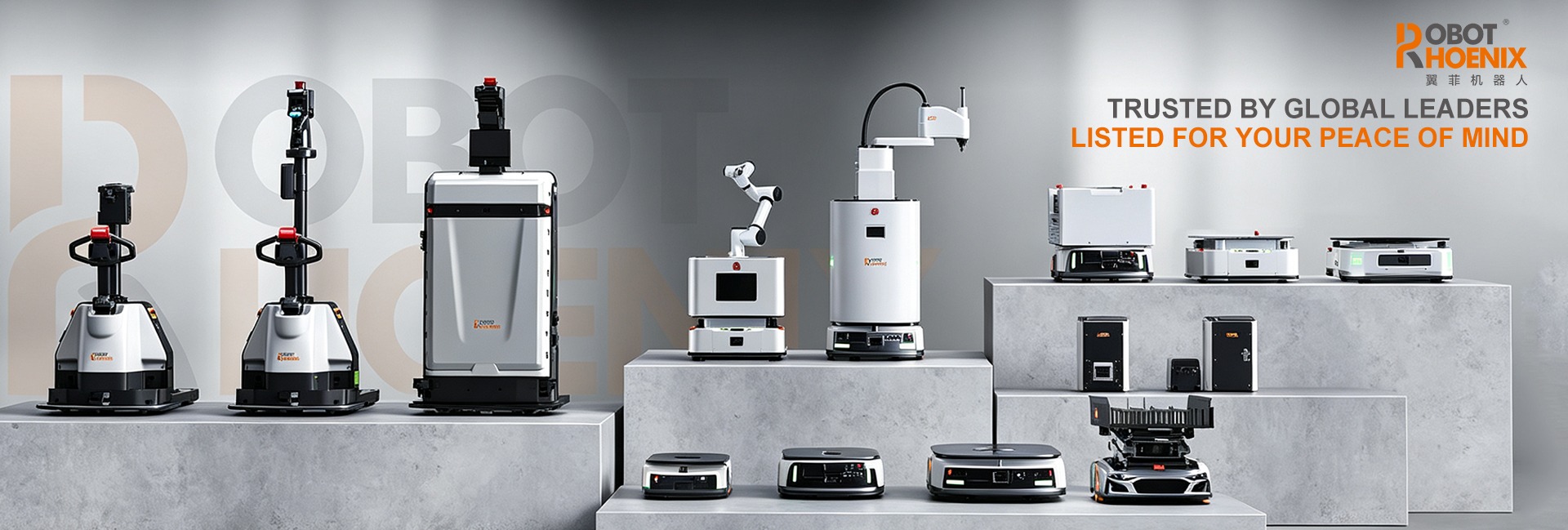
Berlin procurement teams often need a compact pilot cell first, then a repeatable series rollout. These eight products cover high-speed pick-and-place, precise planar assembly, vision-guided handling and narrow-aisle intralogistics — all available from a manufacturer with in-house controller and 2D/3D vision development.

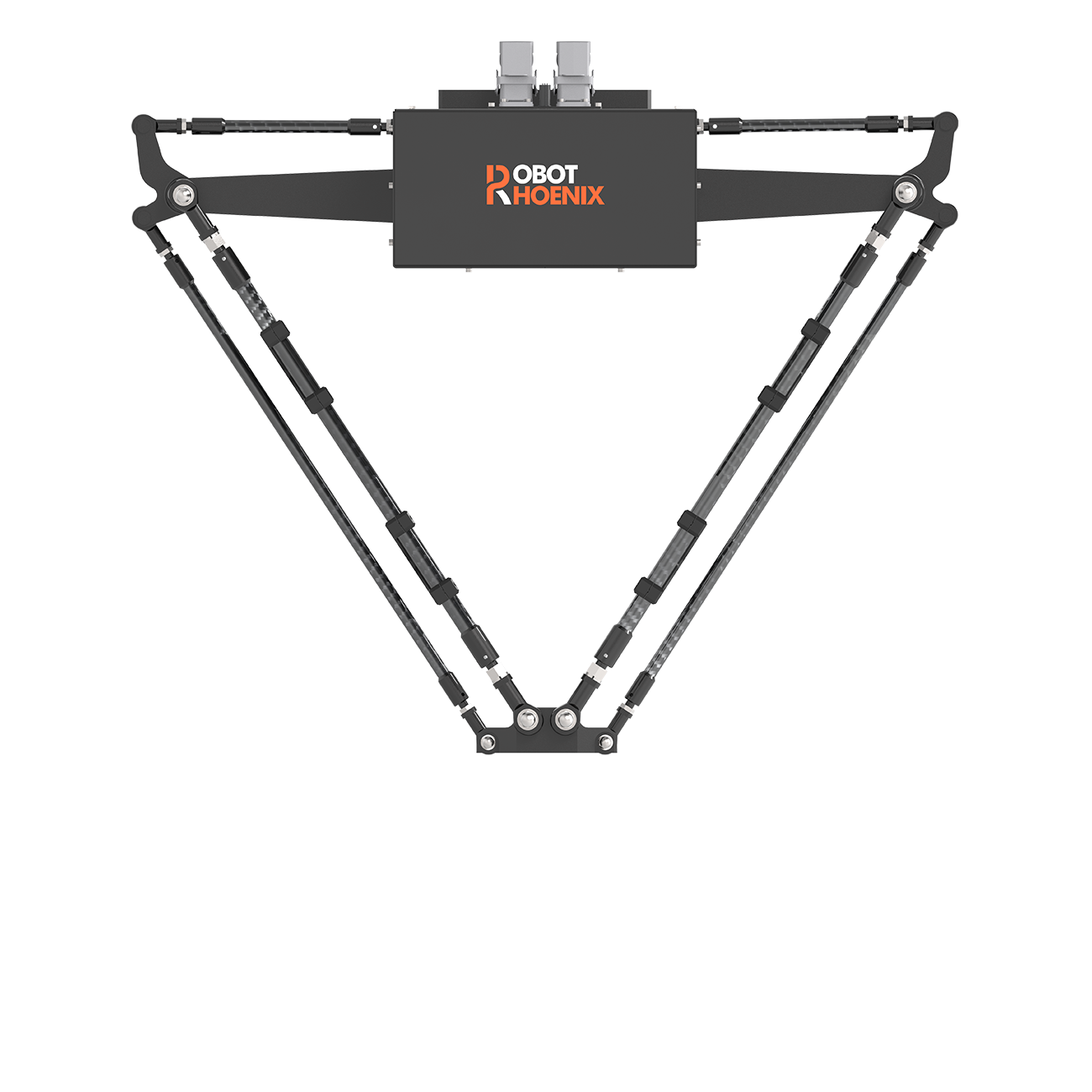

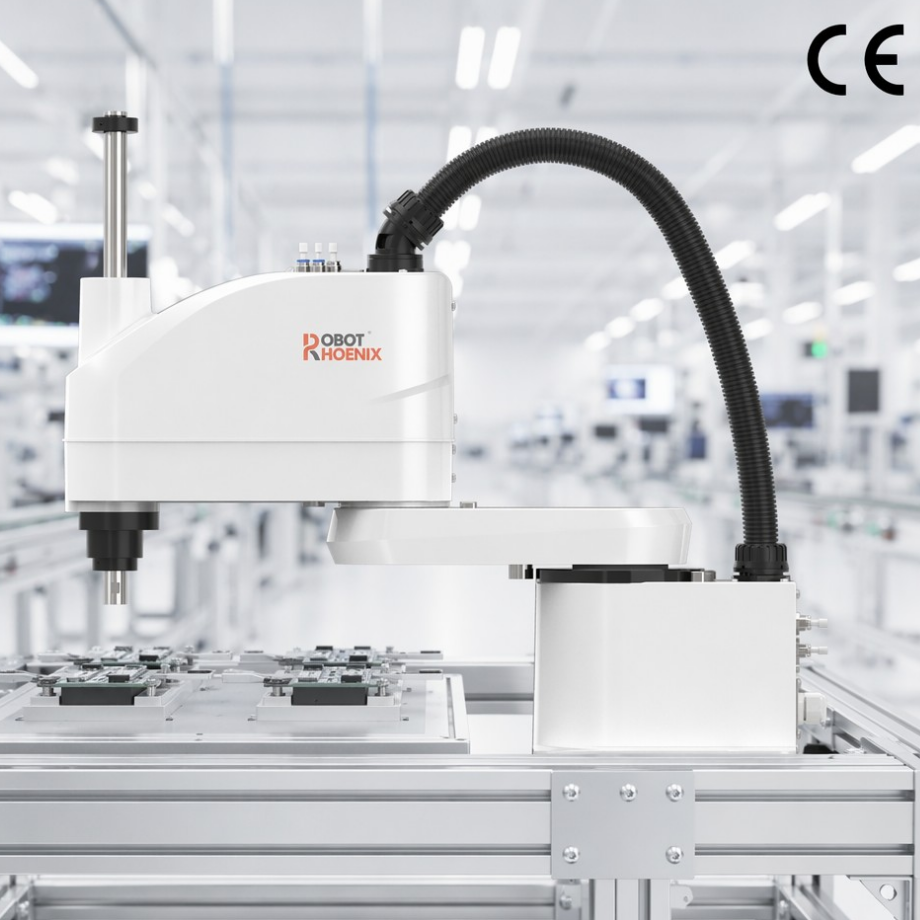
A Parallel Manipulator Factory Built Around In-House R&D
For Berlin buyers, supplier distance is less important than engineering accountability. JORI was founded in 2012, develops its own robot controllers and 2D/3D vision systems, and supports OEM, design and buyer-label projects from one manufacturing base.
JORI applies ISO 9001 quality management, offers OEM and design services, and keeps standard delta, SCARA and AMR/AGV platforms available from one set so Berlin buyers can validate a pilot before scaling.
Berlin Rewards Suppliers Who Understand Compact, High-Mix Production
Berlin-Brandenburg is not a single-industry region. It combines technology parks, life-science campuses, electronics suppliers, packaging machine builders, e-commerce fulfilment and logistics operations around BER airport. That mix changes what a parallel manipulator must do.
Space is expensive
Inside Berlin, every square metre carries a cost. Delta and SCARA robots give high pick rates without the floor footprint of a long linear transfer system, while latent AGVs move material through narrow aisles.
Energy and labour pressure
German manufacturers face skilled-labour constraints and energy-cost scrutiny. A robot cell must justify itself through repeatable output, low reject rates and efficient motion — not just a headline speed figure.
Digital integration
Berlin machine builders and system integrators expect PLC-ready cells, vision-guided picking and clear interfaces between robot, conveyor, packaging machine and factory software.
Documentation discipline
Procurement teams in Germany need traceable specifications, maintenance data and compliance evidence. JORI supports project documentation packages and CE-related integration discussions per application.
Where Parallel Manipulators Fit in Berlin and Brandenburg
These scenarios are common starting points for Berlin buyers evaluating a pilot cell. The right robot family depends on part weight, cycle time, tolerance, cleanroom requirements and how material reaches the cell.
Electronics and micro-assembly
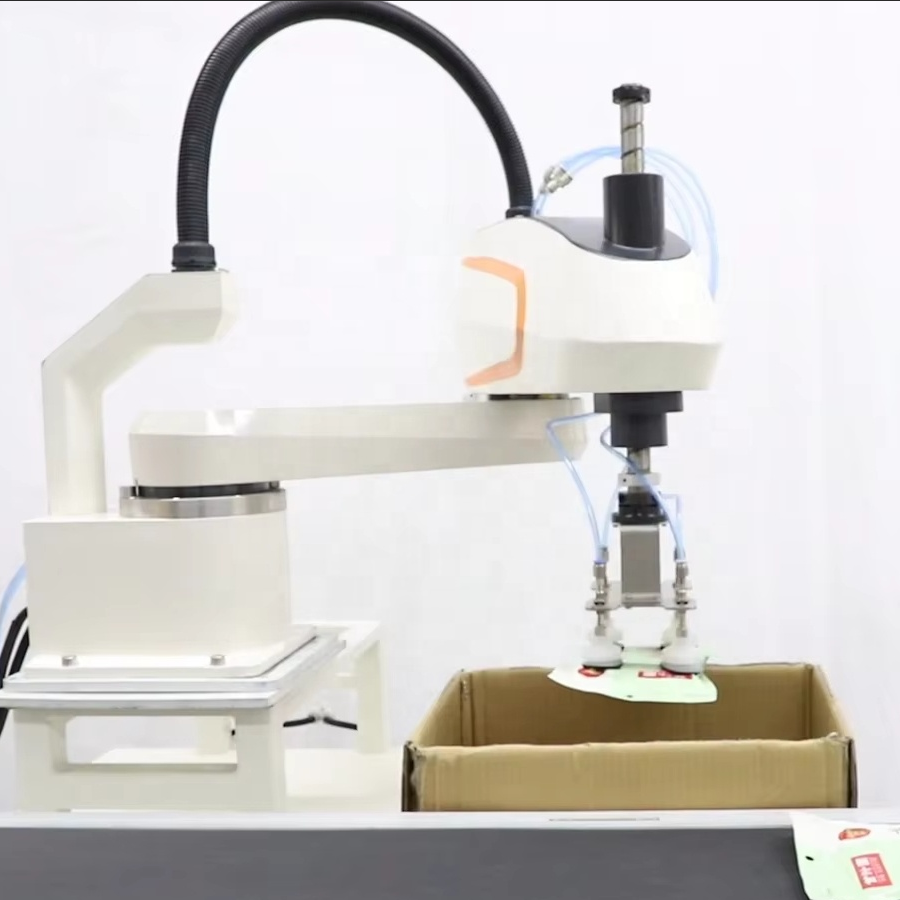
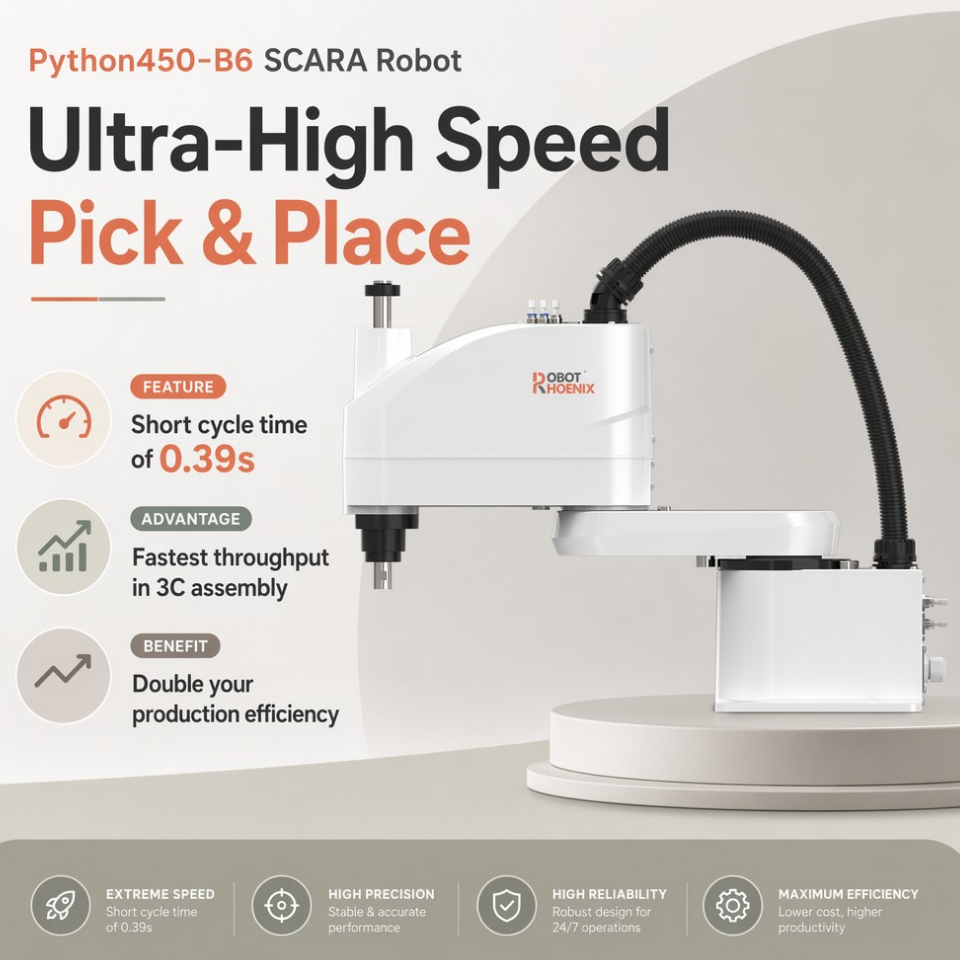
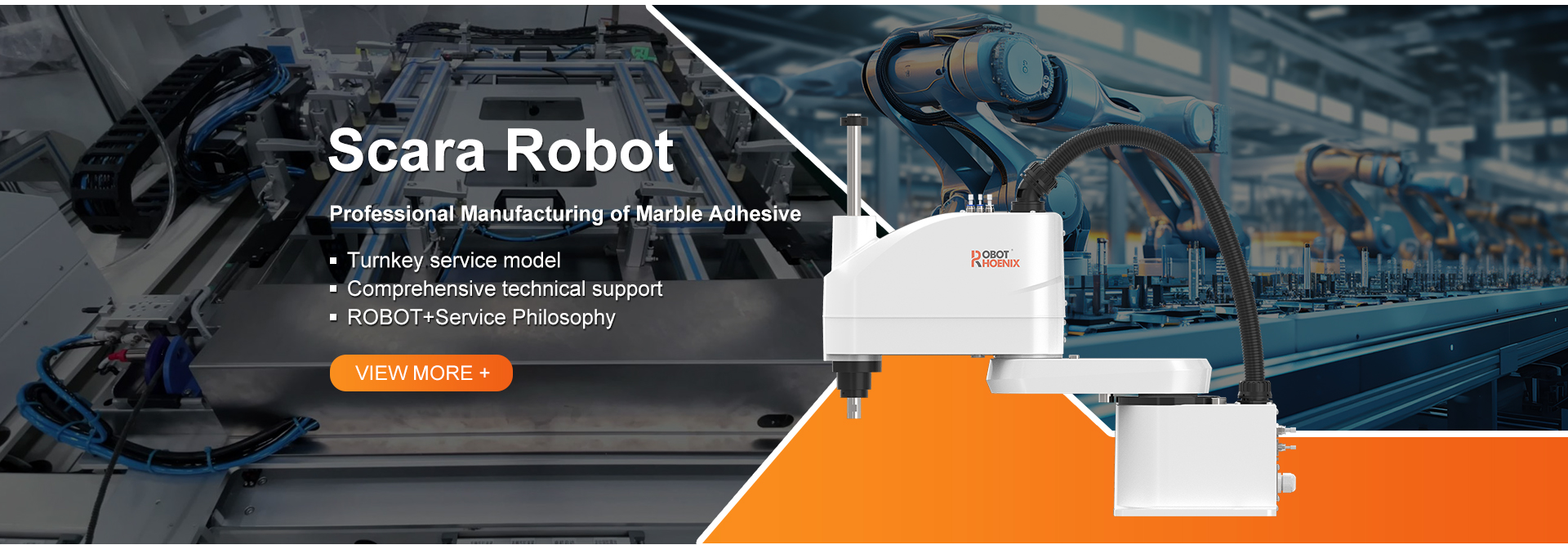
Around Adlershof, Treptow and other Berlin technology clusters, compact SCARA robots support PCB handling, connector insertion, adhesive dispensing and inspection. Vision-guided SCARA models reduce manual alignment in high-mix builds.

Life sciences and packaging
Berlin’s pharmaceutical, diagnostics and medical-technology ecosystem places a premium on repeatable handling. Delta robots with IP54 options are suited to blister, vial, pouch and carton feeding where gentle, fast motion matters.
BER logistics and e-commerce
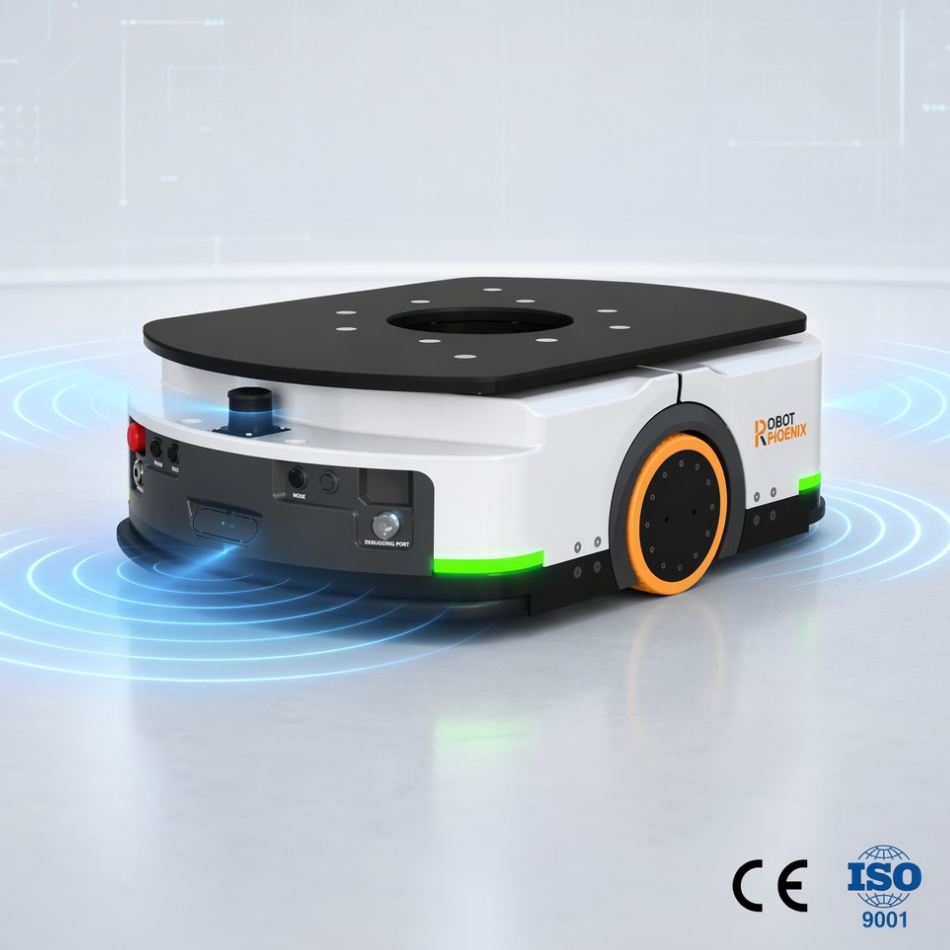
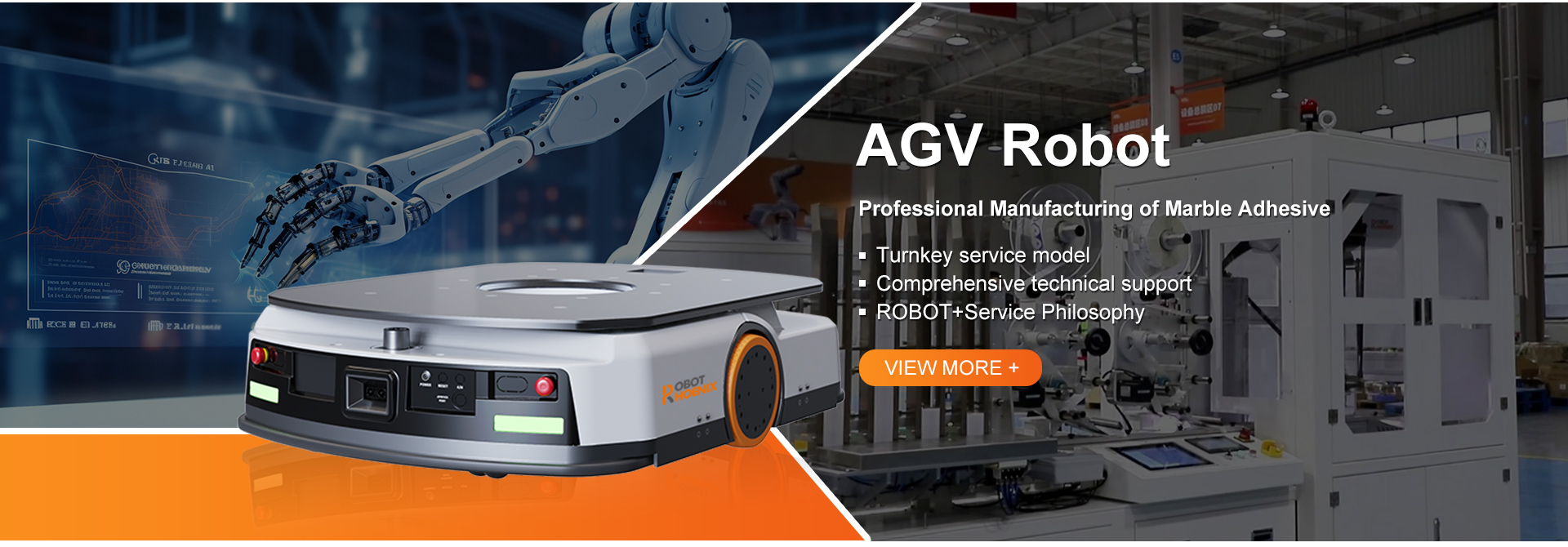
Fulfilment operations near BER airport and in Brandenburg logistics parks use AMRs and latent AGVs to reduce walking time, move totes between stations and connect receiving, packing and dispatch areas without fixed floor tracks.
Food, daily chemicals and wet wipes
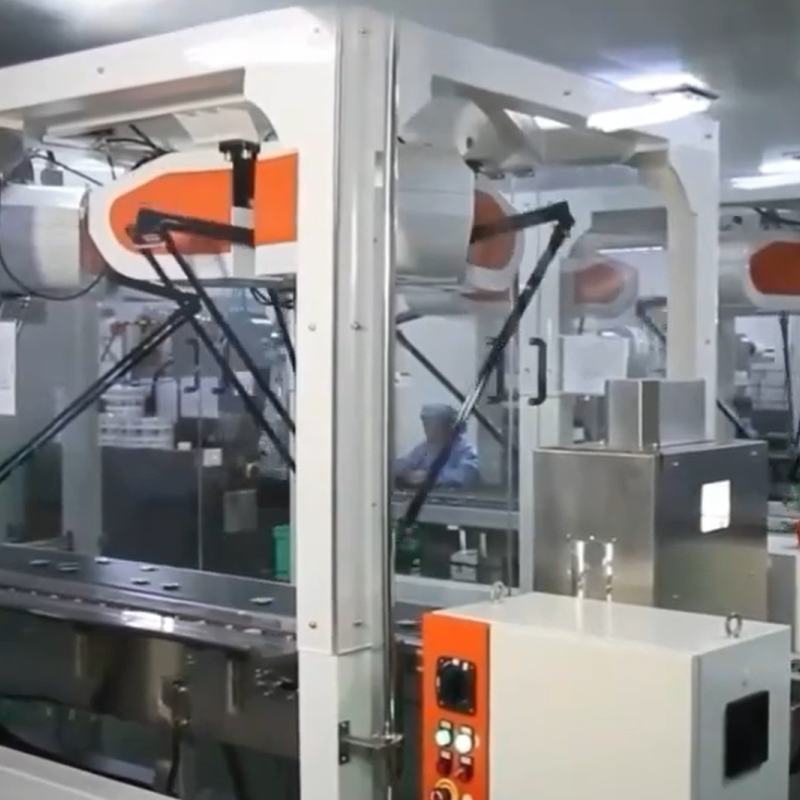
For cartoning lines, lid applicators and consumer-goods packing, a high-speed delta robot can stabilise output when products arrive randomly on a conveyor. The key is vision, gripper design and cycle-time validation on real samples.
Four Developments Shaping 2025 Robot Specifications
Berlin buyers are not only comparing payload and repeatability. They are evaluating whether a robot platform can support line changes, documentation reviews and multi-shift service over five to ten years.
Compact high-mix cells
Shorter product lifecycles push machine builders toward reconfigurable cells. A single SCARA or delta robot with interchangeable grippers and vision recipes can cover more SKUs than a dedicated hard-automation line.
Vision-first handling
Part position uncertainty, mixed packaging and traceability requirements make 2D/3D vision more valuable. In-house vision development shortens the feedback loop between robot motion, camera calibration and gripper design.
Robot plus mobile platform
Berlin warehouses increasingly combine stationary picking robots with AMRs or autonomous forklifts. The automation plan should treat material flow and manipulation as one system, not separate equipment purchases.
Evidence-led procurement
Buyers ask for risk assessment support, maintenance intervals, spare-parts lists, verification records and clear responsibility during commissioning. A factory-direct model helps because robot, controller and vision teams sit together.
How to Compare a Parallel Manipulator Factory for Berlin
Use these six evaluation layers to separate a credible manufacturing partner from a catalogue reseller. They are written for project engineers, machine builders and procurement teams who must defend the decision internally.
Cycle time with real parts
Test speed using the actual product mass, gripper, conveyor speed and orientation spread. Catalogue picks-per-minute figures rarely reflect infeed conditions, inspection gates or pack-out constraints.
Repeatability versus tolerance
Repeatability is only useful when it is smaller than the part tolerance and process variation. Define datum, fixture stiffness and thermal conditions before comparing numbers.
Protection and hygiene
IP54, cleanroom needs, wash-down exposure and material compatibility should be decided before end-effector design. A lower-cost robot that fails hygiene review is not a saving.
Control and vision integration
Ask how the robot connects to PLC logic, safety circuits, conveyor encoders and vision recipes. Self-developed controllers can simplify custom integration and long-term support.
Spares and commissioning
Confirm spare-parts recommendations, remote troubleshooting process, warranty terms and who signs off the cell after installation. Berlin projects benefit from a single technical contact during ramp-up.
Compliance evidence
Plan CE marking, risk assessment, electrical documentation and maintenance instructions as part of the project. JORI can support the equipment information needed by the machine integrator.
One Engineering Team for the Arm, Controller, Vision and Integration
JORI Intelligent Technology Co., Ltd. is a high-tech manufacturer specialising in industrial robot R&D and production, controller and 2D/3D vision development, OEM support and automated system integration. Since 2012, the company has built delta parallel robots, SCARA robots, AGV/AMR platforms, autonomous forklifts and silicon wafer handling robots from Jinan, Shandong.
For Berlin buyers, the practical advantage is accountability. Instead of managing separate suppliers for robot hardware, controller configuration, vision and end-effector coordination, project teams can work with one factory that understands how these parts must function together. Standard models can start from one set, which supports pilot-cell validation before a wider rollout.
- Independent R&D capability
- Original factory for delta, SCARA and AGV
- 10+ years serving overseas markets
- OEM, design and buyer-label service
- ISO 9001 quality management
- MOQ from 1 set for pilot validation



Questions Berlin Buyers Ask Before Requesting a Quote
These answers reflect standard factory information. Final configuration, delivery scope and compliance responsibilities should always be confirmed in the quotation and technical agreement.
What is the minimum order quantity for a parallel manipulator delivered to Berlin?
Can JORI provide the documentation a German procurement team expects?
Should a Berlin electronics cell use a delta robot or a SCARA robot?
Can JORI robots integrate with existing packaging machines and PLC-controlled lines?
Which payment and delivery terms are accepted for international buyers?
How quickly can JORI respond to a Berlin project inquiry?
Can JORI support a pilot cell first and then a larger rollout?
Planning a Parallel Manipulator Cell for Berlin?
Send your part data, target cycle time, footprint limits and current process video. JORI engineers will help you shortlist a delta, SCARA, AGV or integrated solution and reply with the next technical questions.