Eight Parallel Manipulator and SCARA Systems Recommended for Columbus Production Lines
These eight factory-direct systems cover the most common Central Ohio requirements: high-speed packaging, vision-guided pick-and-place, compact assembly, automotive-parts handling, wet-wipe lid application, and flexible sorting. Standard models can start from one set, with wholesale, OEM, and private-label support available.
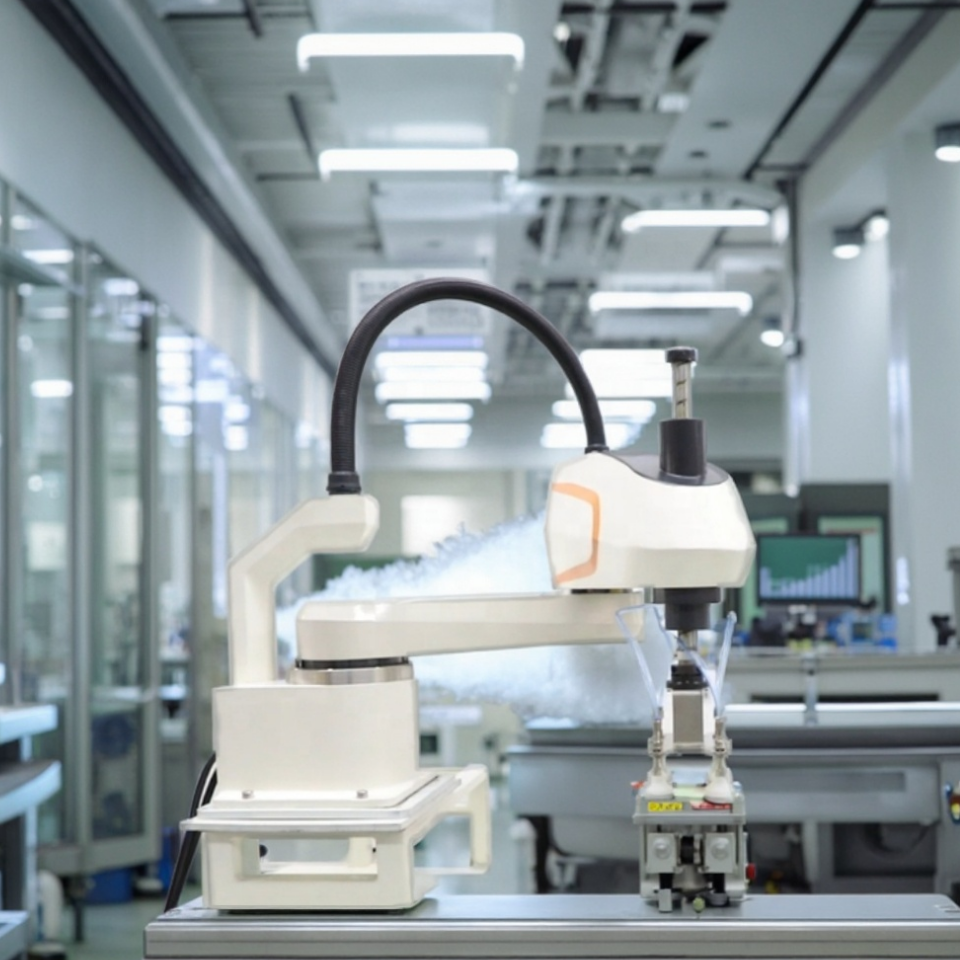
Industrial 4-Aixs Robot Arm Scara Robot Arm with Vision System for Auto Parts Industry
A strong fit for Columbus automotive and EV suppliers that need vision-assisted part transfer, fixture loading, insertion, and inspection in a compact cell.
View product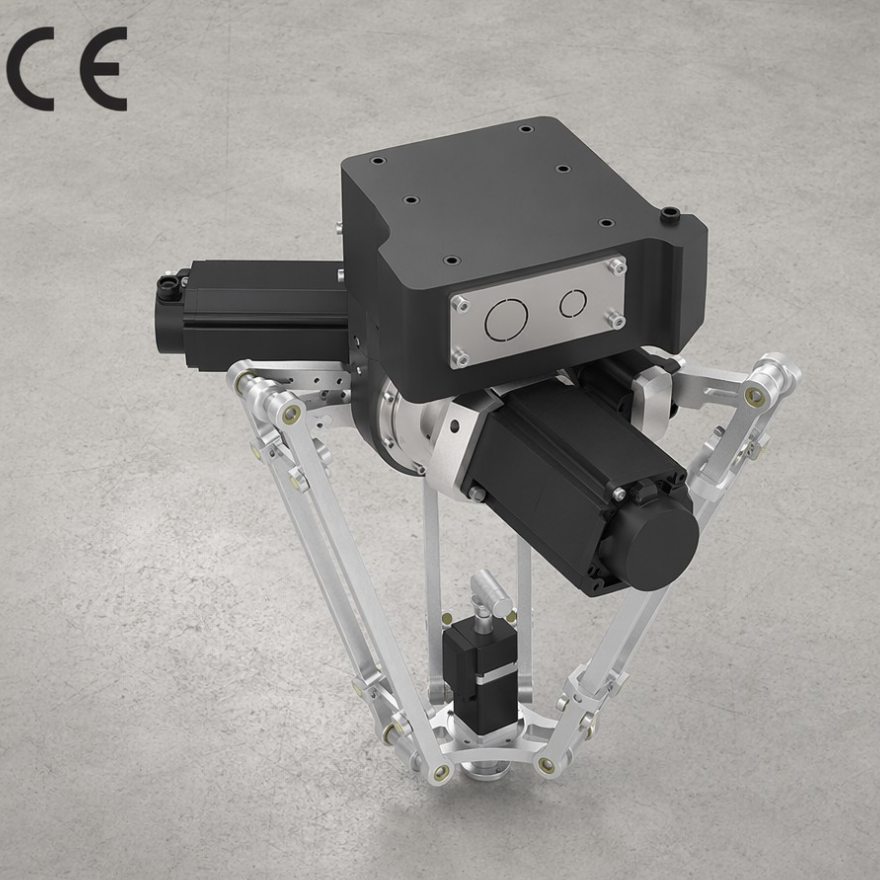
Smart Parallel Robot Picking and Placing Robot Manipulator Delta Robot with Visual System
Recommended for random-orientation products, tray loading, kitting, and conveyor tracking where vision must correct position before high-speed placement.
View product
High-Speed Spider Arm Delat Robot for Fully Automatic Wet Wipe Lid Applicator Machine
A specialized option for hygiene-product lines, wet-wipe canisters, lid placement, and automated packaging cells that need repeatable high-speed motion.
View product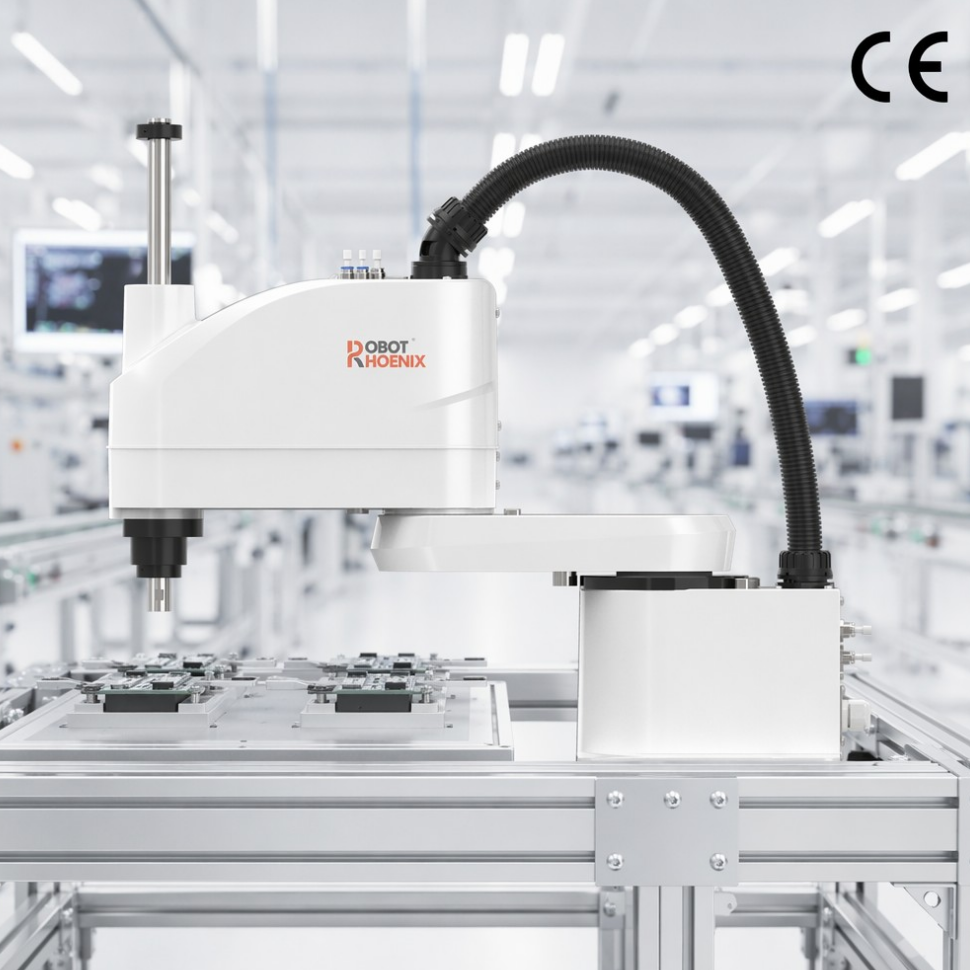
High Speed and Accuracy Newly Developed Industrial Robot Arm Four Axis Scara Robot
Suited to compact assembly, precise placement, electronics handling, and repetitive production steps where floor space and access are constrained.
View product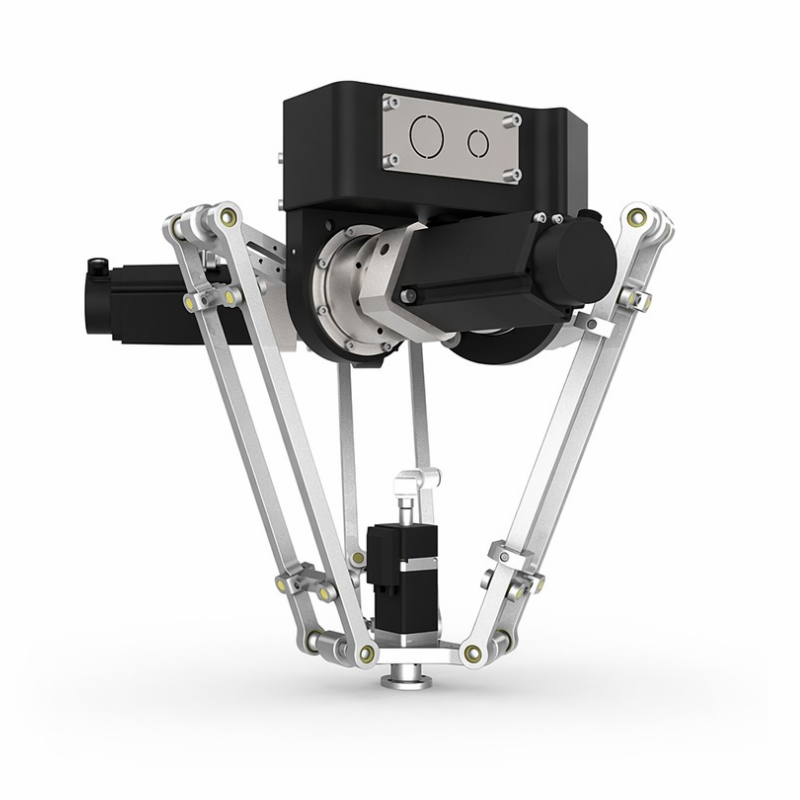
Low Cost Customized 2/3/4 Axis Industrial Manipulator Delta Robot for Pick and Place
An economical platform for pilot cells, machine builders, and wholesale buyers that need customized end-effectors without over-specifying the robot.
View product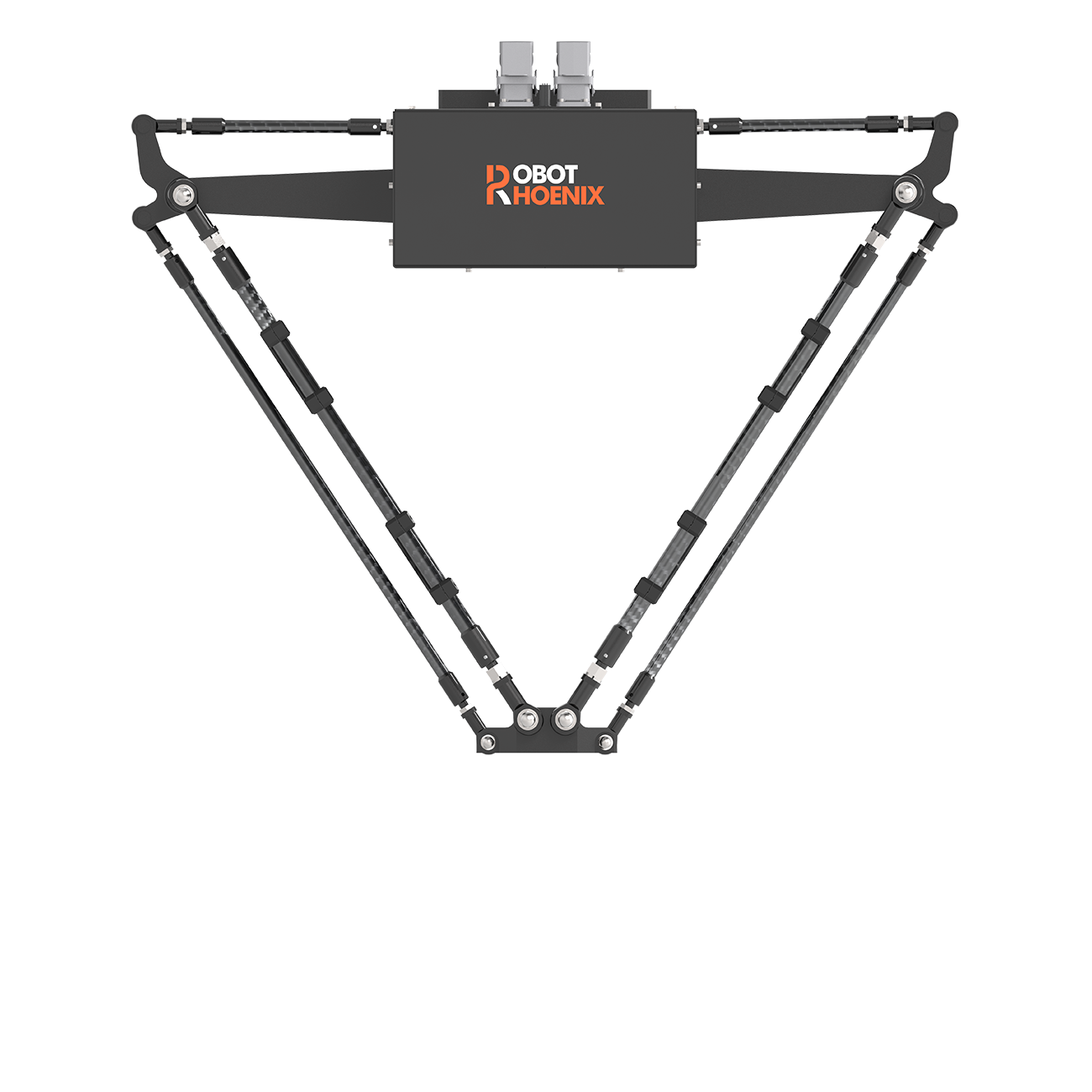
Industrial Manipulator High Speed and Accuracy Delta Robot with New Design Kinetics
For high-throughput sorting, packaging, and pick-and-place lines where engineers want a new kinematic design and stable, low-vibration motion.
View product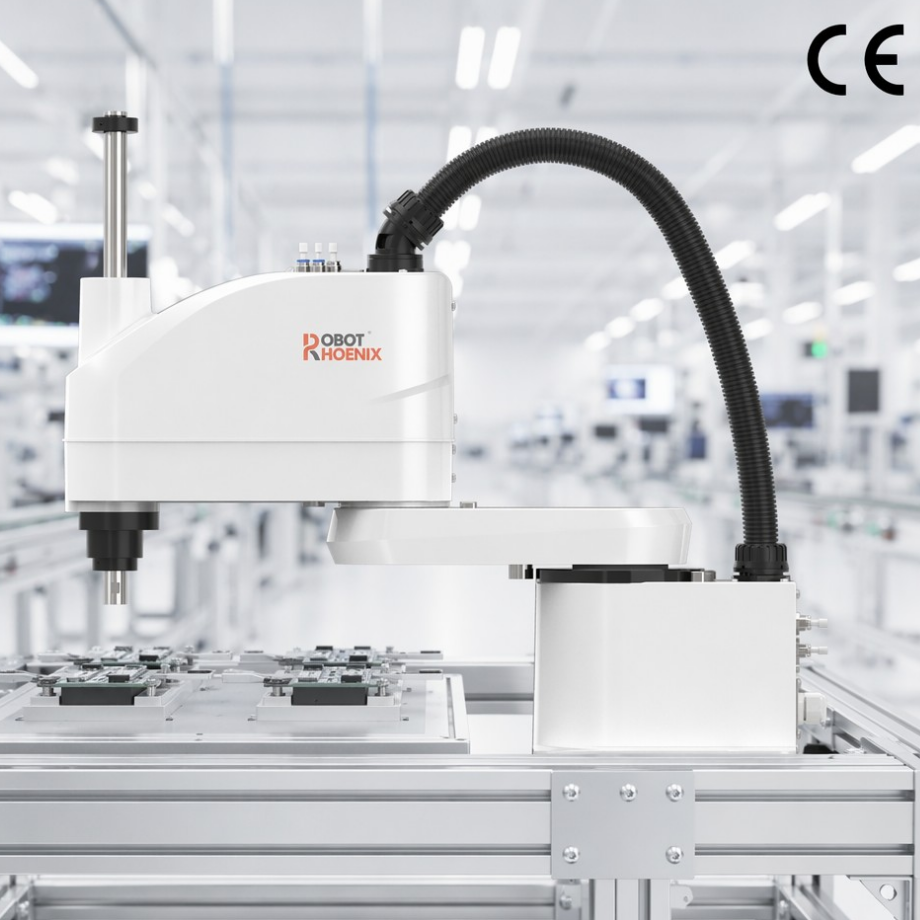
New Design Compact High Accuracy Industrial Robot Arm Scara with 2D/3D Vision System
Recommended for dense production cells, medical-device assembly, electronics placement, and small-footprint automation with advanced vision feedback.
View product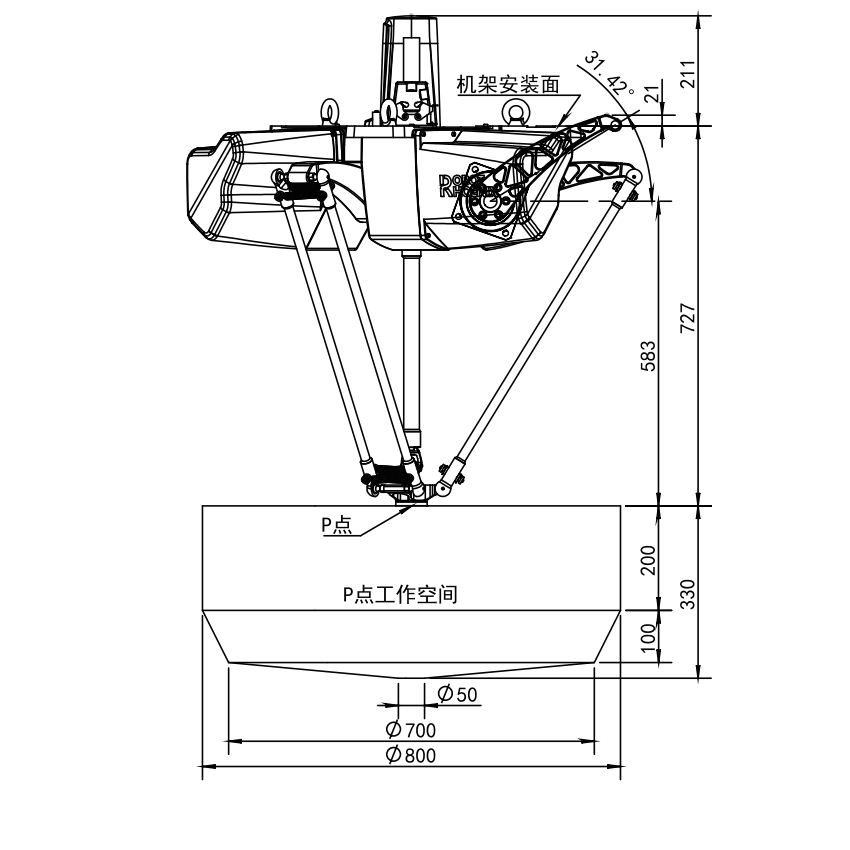
Industrial Delta Robot High Efficiency Parallel Robot for Goods Picking Placing Sorting
A practical choice for Columbus fulfillment, parcel-sortation, and small-goods handling operations that need sustained high-efficiency picking and sorting.
View productNeed a different payload, reach, hygiene package, vision setup, or end-effector? Start with your part, cycle time, and line layout, then use the inquiry button for a factory-side recommendation.
A Parallel Manipulator Manufacturer Built for Evidence-Based Procurement
For Columbus buyers, a parallel manipulator is not a catalog commodity. It is a closed-loop kinematic system whose commercial value depends on cycle time, repeatability, product presentation, vision latency, changeover logic, and the ability of the controller to synchronize with the rest of the line. The right supplier must therefore behave more like an engineering partner and less like a box mover.
JORI Intelligent Technology Co., Ltd. was founded in 2012 and develops delta parallel robots, SCARA robots, robot controllers, and 2D/3D vision systems in-house. That matters for Central Ohio machine builders and factory owners because hardware, motion software, and vision decisions are not split across unrelated vendors. Our factory-direct wholesale model gives buyers one accountable source for robot selection, end-effector review, controller configuration, testing, export documentation, and spare-parts planning.
Central Ohio procurement teams often begin with three practical questions: What part are we moving, how fast must the cell run, and how much variability can the line tolerate? A credible parallel manipulator manufacturer should answer those questions with data, not only with payload and repeatability headlines. In high-speed pick-and-place, the moving mass of the mechanism is only one variable. Conveyor tracking, product slip, gripper mass, vision exposure time, frame stiffness, and safety response all affect the rate that survives real production.
What Columbus buyers should verify before approving a parallel robot cell
- Repeatability and accuracy stated separately, with test conditions and warm-up assumptions.
- Cycle-time validation using the actual part, gripper, conveyor speed, and vision setup.
- Controller integration with existing PLC, safety, and MES/quality records.
- IP rating, cleaning method, material compatibility, and maintenance access.
- Spare-parts strategy, changeover recipe ownership, and remote support workflow.



Localized Application Scenarios Across Columbus Manufacturing and Logistics
Central Ohio combines packaging, automotive supply, medical devices, consumer products, electronics, and one of the Midwest’s most active logistics corridors. The applications below show where parallel manipulators and SCARA robots create measurable operational value.
Food, Beverage & Co-Packing
High-speed delta robots support tray loading, case packing, lid placement, and sorting where products arrive continuously and orientation changes from cycle to cycle. Vision-guided systems reduce manual presentation and stabilize output during seasonal volume spikes.
Best fit: Delta with visionFulfillment & Parcel Hubs
Around the Rickenbacker logistics area and the I-70/I-71 distribution corridors, operators need flexible sortation and kitting. Parallel manipulators can pick small goods from infeeds, orient them with vision, and place them into chutes, totes, or order trays.
Best fit: High-efficiency delta sortingAutomotive & EV Suppliers
Columbus-area automotive suppliers use compact SCARA and parallel manipulator cells for part transfer, fixture loading, inspection, and assembly support. Vision can inspect presence, orientation, and basic quality before the next operation begins.
Best fit: SCARA with visionMedical Devices & Pharma Packaging
Medical-device and pharmaceutical packaging teams value repeatable motion, controlled handling, and traceability. Compact SCARA robots with 2D/3D vision can support precise placement, inspection, and small-part assembly in space-constrained clean environments.
Best fit: Compact SCARAConsumer Products & Wet Wipes
For wet-wipe canisters, hygiene products, and daily-chemical packaging, high-speed delta robots can apply lids, transfer containers, and support cartoning. The right model depends on lid geometry, line speed, and how the product is presented to the robot.
Best fit: Wet-wipe lid applicator deltaElectronics, Plastics & General Assembly
Small-footprint SCARA robots fit cell layouts in electronics, plastics, and general assembly. They are useful where planar placement, insertion, or part transfer must be repeatable and where operators need easy access for changeover and maintenance.
Best fit: 4-axis SCARACentral Ohio Automation Trends Shaping 2025–2026 Robot Procurement
Columbus buyers are not automating in a vacuum. Reshoring, labor volatility, e-commerce density, food-safety expectations, and digital integration requirements are changing how parallel manipulators are specified.
Reshoring and Regionalized Supply Chains
As advanced manufacturing investment expands across Ohio, suppliers face pressure to localize production and respond faster. Flexible robot cells help Columbus manufacturers handle new part families without rebuilding an entire line.
Labor Volatility and Shift Stability
When hiring and turnover make output unpredictable, automation becomes a continuity strategy. A parallel manipulator that consistently supports one or two operators can stabilize throughput during peak seasons.
E-Commerce and Micro-Fulfillment Density
The Columbus logistics cluster continues to reward flexible sortation, kitting, and order-consolidation automation. Vision-guided delta robots can handle random product presentation without dedicated hard tooling for every SKU.
Food Safety, Hygiene, and Traceability
Food and consumer-product lines need equipment that is easy to clean, validate, and document. Buyers should confirm IP rating, surface finish, lubricant compatibility, and cleaning procedure before approving a high-speed robot cell.
Floor-Space Efficiency and Energy Awareness
Central Ohio facilities are under pressure to add capacity without expanding footprints. Compact SCARA cells and base-mounted delta robots can improve throughput per square foot and reduce unnecessary material handling.
PLC, MES, and OEE Integration
Robot purchases increasingly include data and integration requirements. Buyers ask how the controller communicates with PLCs, how recipes are managed, and how faults are recorded. In-house controller and vision development can reduce integration seams.
How to Shortlist a Parallel Manipulator for a Columbus Production Cell
Use the shortlist below to narrow the robot family before an engineering review. Final selection should always be confirmed with part samples, cycle-time targets, vision requirements, and line layout.
| If the job is… | Start with… | Recommended model direction | What to validate |
|---|---|---|---|
| High-speed pick-and-place from a moving conveyor | Delta parallel robot | Smart Vision Delta, High-Efficiency Delta, or New Kinetics Delta | Conveyor tracking, vision latency, gripper mass, product slip, and actual cycle rate |
| Compact assembly, insertion, or precise placement | SCARA robot | High-Speed 4-Axis SCARA or Compact SCARA with 2D/3D Vision | Repeatability, Z-axis access, fixture clearance, and operator maintenance access |
| Automotive-parts transfer or vision inspection | SCARA with vision | Industrial 4-Axis SCARA with Vision for Auto Parts | Part presentation, inspection tolerance, contamination, and PLC communication |
| Wet-wipe lid application or hygiene packaging | Specialized delta robot | High-Speed Spider Arm Delta for Wet Wipe Lid Applicator | Lid geometry, line speed, cleaning method, and jam-recovery workflow |
| Pilot line, low-cost customization, or machine-builder integration | Customized delta platform | Low Cost Customized 2/3/4 Axis Delta Manipulator | End-effector design, controller I/O, safety category, and scale-up plan |
| Goods sorting, kitting, or small-item fulfillment | High-efficiency delta | Industrial Delta Robot for Picking, Placing, and Sorting | SKU variability, recirculation, sort logic, and peak-hour throughput |
Delta parallel manipulator: speed-oriented
Illustrative comparison for early selection only. Actual performance depends on payload, wrist, end-effector, vision, and trajectory.
SCARA robot: compact precision
SCARA is often preferable when the process needs precise insertion or inspection in a dense cell rather than maximum pick-and-place speed.
Why JORI Is a Credible Wholesale Partner for Columbus Integrators
The strongest supplier is the one that can support a single pilot cell today and a multi-line rollout later without changing engineering assumptions, controller logic, or documentation standards.
In-house R&D and Patented Technology
Robot mechanics, controllers, and 2D/3D vision are developed in-house and protected by national patents. This reduces vendor fragmentation when a cell needs tuning across motion, vision, and I/O.
ISO 9001 and Verifiable Factory Credentials
Quality management, onsite verification, credit, trade capacity, and transaction records help Columbus procurement teams evaluate the manufacturer before placing a pilot order.
OEM, ODM, and Private-Label Support
Machine builders and wholesale buyers can request design support, buyer labels, custom end-effectors, controller integration, and automation-system integration around a repeatable robot platform.
MOQ 1 Set, Then Scale
Standard delta robots, SCARA robots, and related platforms can be ordered from one set. Columbus buyers can validate a single cell, prove ROI, and then scale to additional lines with a consistent technical baseline.
Export-Ready Commercial Terms
Accepted delivery terms include FOB, CFR, CIF, EXW, CIP, FCA, CPT, and express delivery. Payment options include T/T, L/C, credit card, PayPal, Western Union, MoneyGram, and escrow, with multi-currency support.
Fast, Engineering-Literate Response
Average response time is 2 hours or less, with a reported 97.06% response rate. For Columbus buyers, we coordinate engineering questions around Eastern Time and provide English documentation for technical review.
From RFQ to Production Cell: A Practical JORI Workflow for Columbus Buyers
A disciplined process reduces late-stage surprises and gives procurement, engineering, and operations a shared basis for approval.
Share the Application Data
Part dimensions, weight, material, orientation, required cycle rate, conveyor speed, tolerance, vision needs, PLC/safety requirements, and cell footprint.
Jointly Shortlist the Robot
Compare delta versus SCARA, review payload and reach, define the end-effector concept, and confirm whether vision or custom fixtures are required.
Validate Motion and Integration
Confirm controller I/O, safety logic, recipe management, communication requirements, and factory testing criteria before shipment.
Ship, Commission, and Scale
Use export documentation, remote engineering support, and spare-parts planning to launch the first cell, then standardize additional lines.
Columbus Buyer FAQ: Parallel Manipulator Procurement, Integration, and Support
These are the questions procurement teams, machine builders, and plant engineers most often ask before requesting a quotation.
What is a parallel manipulator, and is it the same as a delta robot?
Are you a manufacturer or a trading company for Columbus buyers?
What is the minimum order quantity for wholesale and pilot orders?
Which model should a Columbus packaging line choose?
Can you integrate with Allen-Bradley, Rockwell, Siemens, or an existing PLC?
What shipping terms and payment methods are accepted?
How do you support Columbus buyers across time zones?
How can we verify quality and factory capability before shipment?
Send Your Application Details for a Fast Engineering Review
Share the part, target rate, conveyor speed, tolerance, vision requirement, PLC environment, footprint, and annual volume. We will help you compare delta parallel robots and SCARA options without forcing the application into the wrong platform.
- Part size, weight, material, and orientation
- Required cycle rate and conveyor speed
- Placement tolerance and inspection needs
- PLC, safety, vision, and data requirements
- Available cell footprint and cleaning method
- Pilot quantity, rollout plan, and launch date