Robot Safety System Exporter & Wholesalers serving the Hanoi market
Delta parallel robots, SCARA arms and laser-SLAM mobile platforms with integrated safety controllers, available from one set and shipped with export documentation for buyers in Hanoi, Bac Ninh, Hai Phong and the wider northern Vietnam industrial belt.
Eight Factory-Direct Robot Systems Ready for Hanoi Distribution
Each unit below ships with its controller configuration, safety I/O wiring, end-effector options and an English documentation pack, so a Hanoi system integrator can pick it up without reverse engineering. Minimum order quantity: one set — enough to pilot a single cell before scaling a full line.
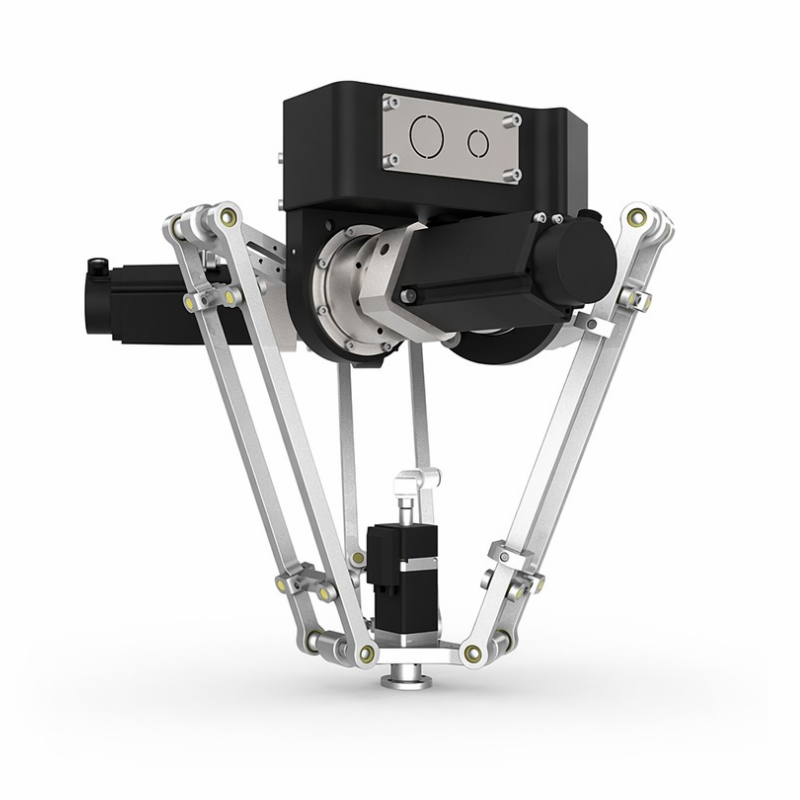
Low Cost Customized 2/3/4 Axis Industrial Manipulator Delta Robot for Pick and Place
An economical first automation step for electronics and packaging cells where the axis configuration is still being defined.
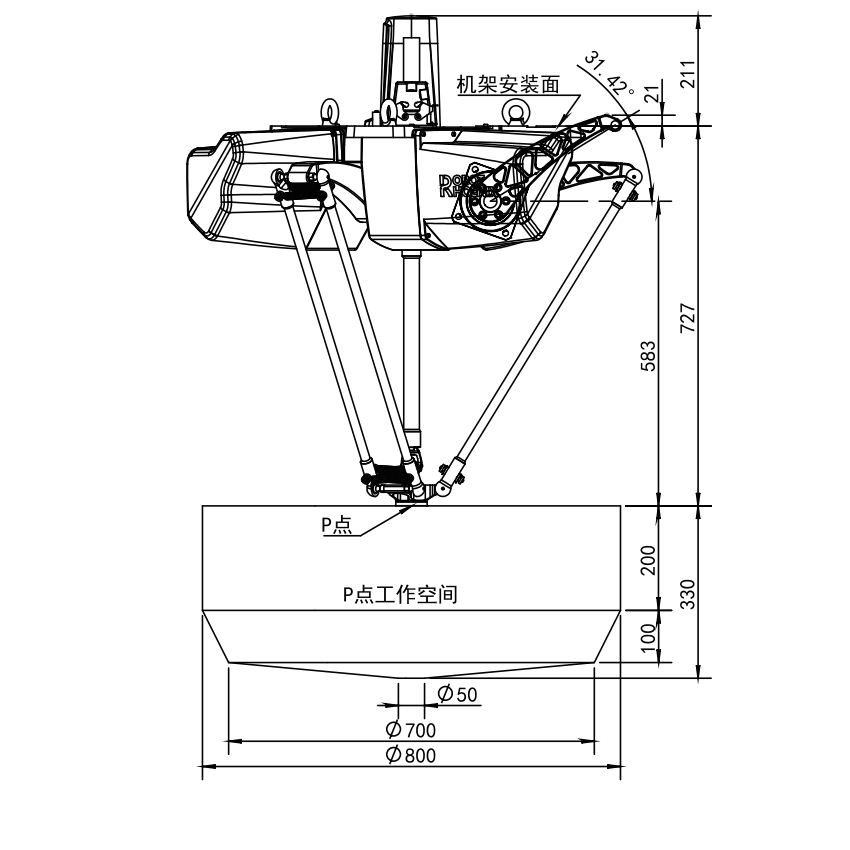
Industrial Delta Robot High Efficiency Parallel Robot for Goods Picking Placing Sorting
Parallel-link structure keeps cycle time stable when products arrive randomly on a shared conveyor.
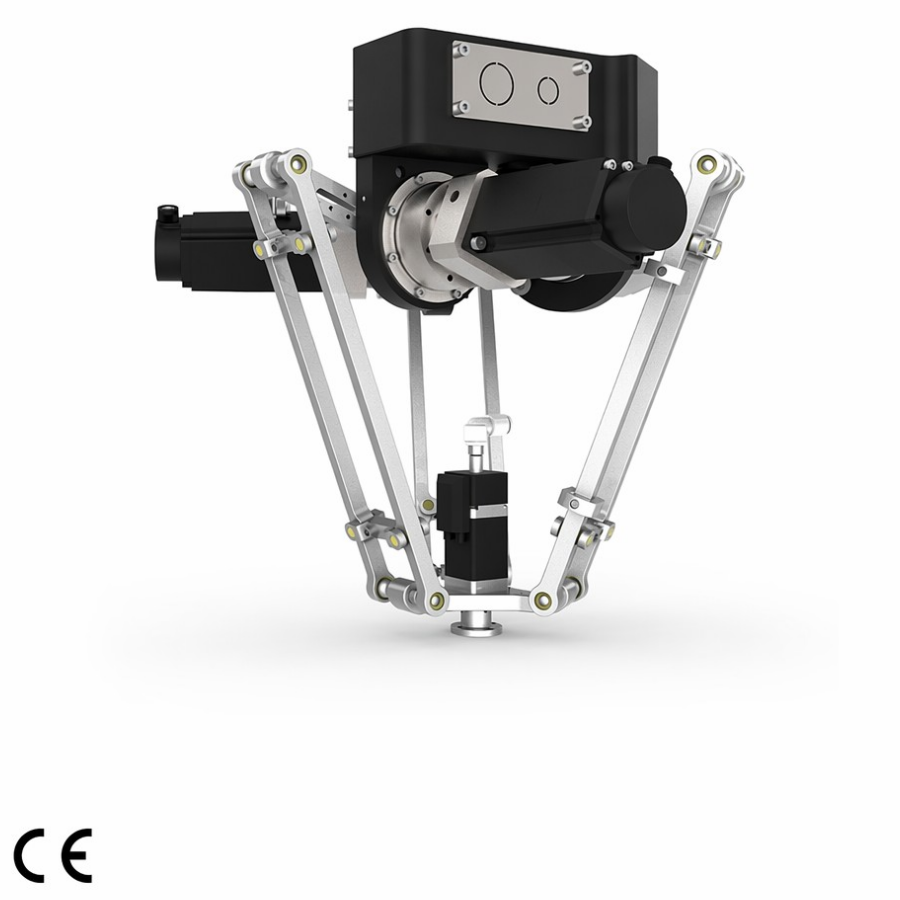
High Speed Consumer Goods Industries Bottle Unscrambling Machine Component Delta Robot
Stabilises bottles before filling and capping, reducing jams on beverage and cosmetics lines.

High Speed 3kg Load Industrial Delta Robot Arm with IP54 Protection for Robotic Pick & Place
IP54 protection suits wash-down and dust-heavy rooms common in food and pharmaceutical plants.
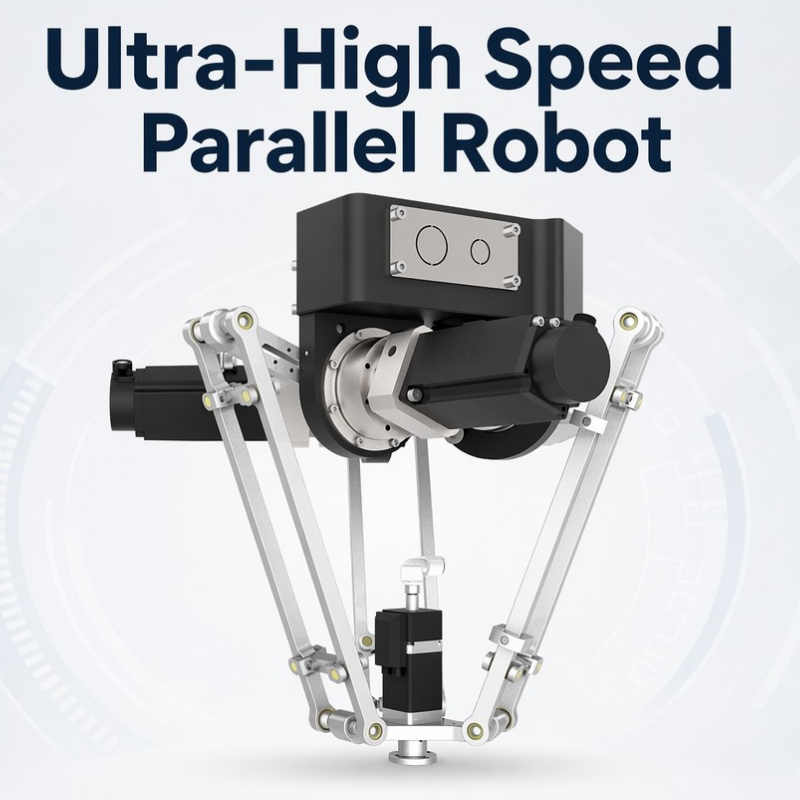
Newly Design Customized Integrated Robot Parallel Robot Delta for Pick Place and Sorting
Integrated controller design cuts cabinet footprint and shortens commissioning time on tight floors.
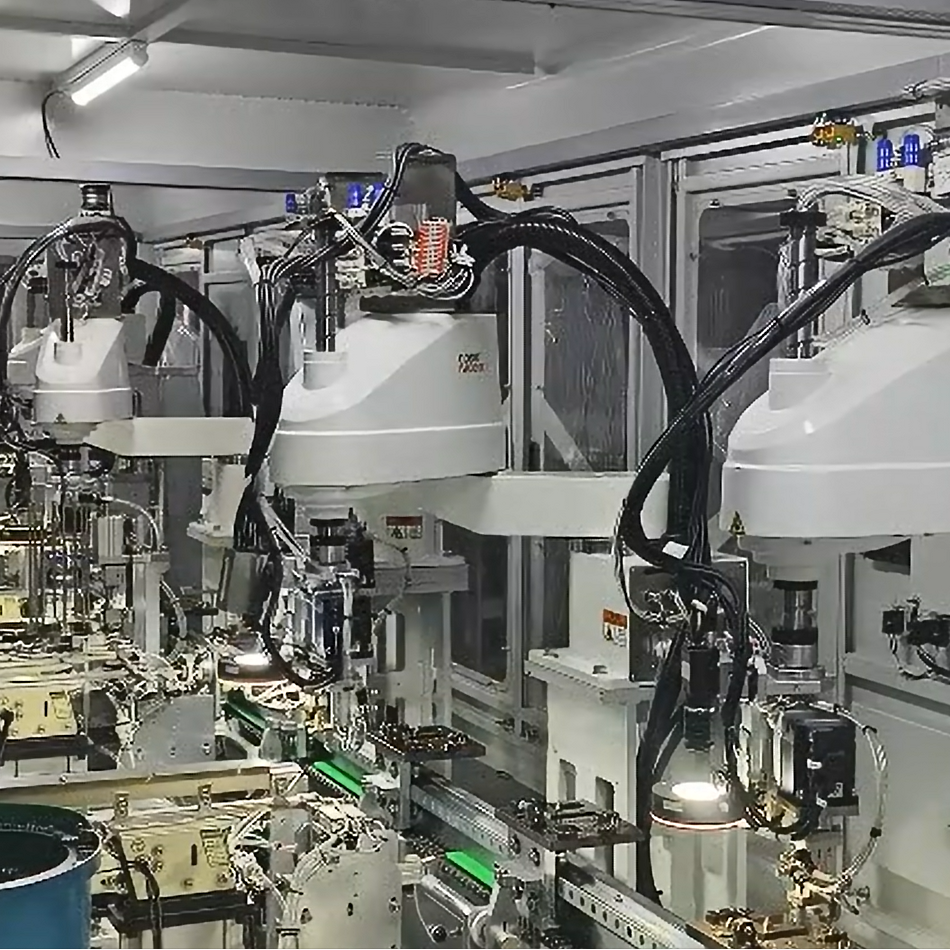
High Quality Mini Industrial Robot Scara for Pick and Place at Low Cost-New Condition
Compact 4-axis platform for narrow workstations and low-cost planar assembly.

New Condition High-Speed Industrial Innovative Manipulator Delta Robot for Light Industry
Balances throughput and floor space for light-industry lines running multi-shift schedules.
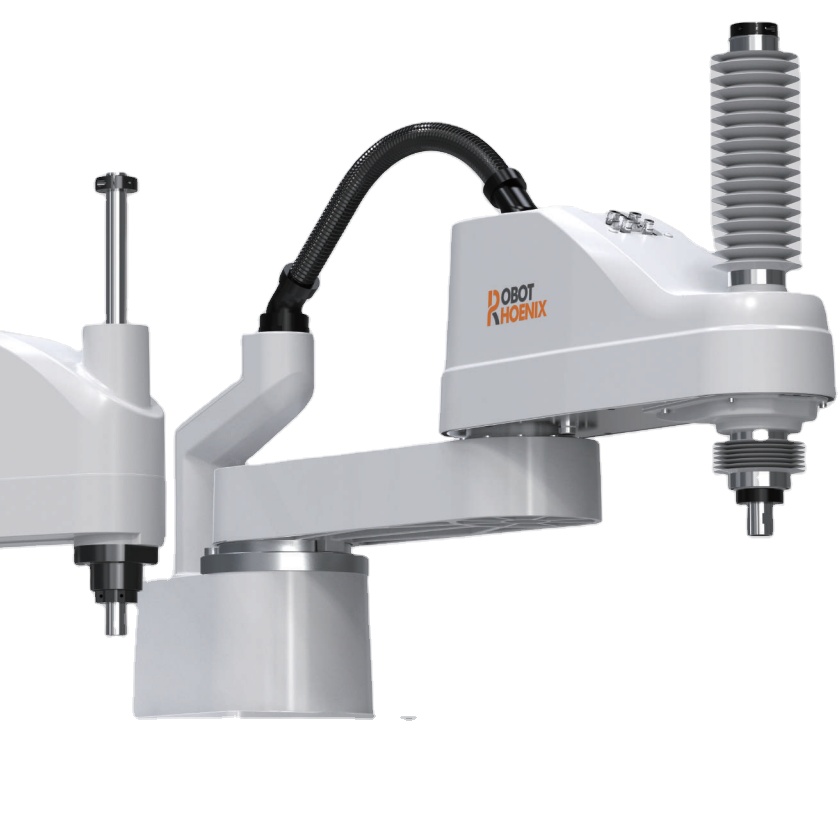
High-Precise Industrial Scara Robot Arm Scara Robot for Pick and Place in Light Industry
Built for connector insertion, precision placement and small-part assembly tasks.
The Numbers Hanoi Buyers Can Check Before Ordering
Every figure below is drawn from company records that can be reviewed through third-party supplier assessment, trade capacity and credit profiles.
Why Hanoi Sourcing Teams Buy Robot Safety Systems Direct From the Manufacturer
In procurement documents from Hanoi factories, the term “robot safety system” rarely means a single machine. It usually covers the robot arm, its controller, the safety input and output modules, the guarding logic, the vision system, the end effector and the interlock chain with the surrounding line. When those elements are bought from three or four separate vendors, the weakest link becomes a contract problem rather than an engineering problem.
Sourcing directly from the manufacturer consolidates that chain. JORI has developed delta parallel robots, SCARA robots, AGV/AMR platforms, autonomous forklifts, silicon wafer robots, the motion controllers behind them and the 2D/3D vision software in-house since 2012 — a structure that matters when safety-stop timing, communication protocol and firmware updates have to be released together instead of negotiated between suppliers.
The result for a Hanoi buyer is one accountable source for hardware, control software, integration drawings and after-sales engineering, backed by documented quality management rather than a reseller catalogue.
- Self-developed controller and 2D/3D vision
- Safety I/O, stop timing and interlock mapping
- Order from one set for pilot validation
- OEM, ODM and buyer-label programmes
- Onsite-verified supplier with trade records
- Factory acceptance testing before shipment
 ISO 9001 · Onsite-Verified Manufacturer
Where These Systems Fit Across the Hanoi Industrial Belt
Hanoi and the surrounding provinces of Bac Ninh, Vinh Phuc, Thai Nguyen and Hai Phong concentrate electronics, food processing, pharmaceuticals, automotive parts and consumer goods production. Each environment imposes a different safety constraint — and a different robot architecture.
Electronics & 3C Assembly
In Bac Ninh and Vinh Phuc assembly plants, SCARA robots handle connector insertion and precision placement while light curtains let operators load trays without triggering a full stop.
Food & Beverage Packaging
Delta robots move caps, pouches and cartons at conveyor speed. IP54 protection handles wash-down zones, and stainless end-effectors can be specified for hygienic rooms.

Pharmaceutical & Medical Devices
Blister, vial and carton handling benefits from repeatable motion and clean, predictable stop behaviour — critical when batch records must be traceable.
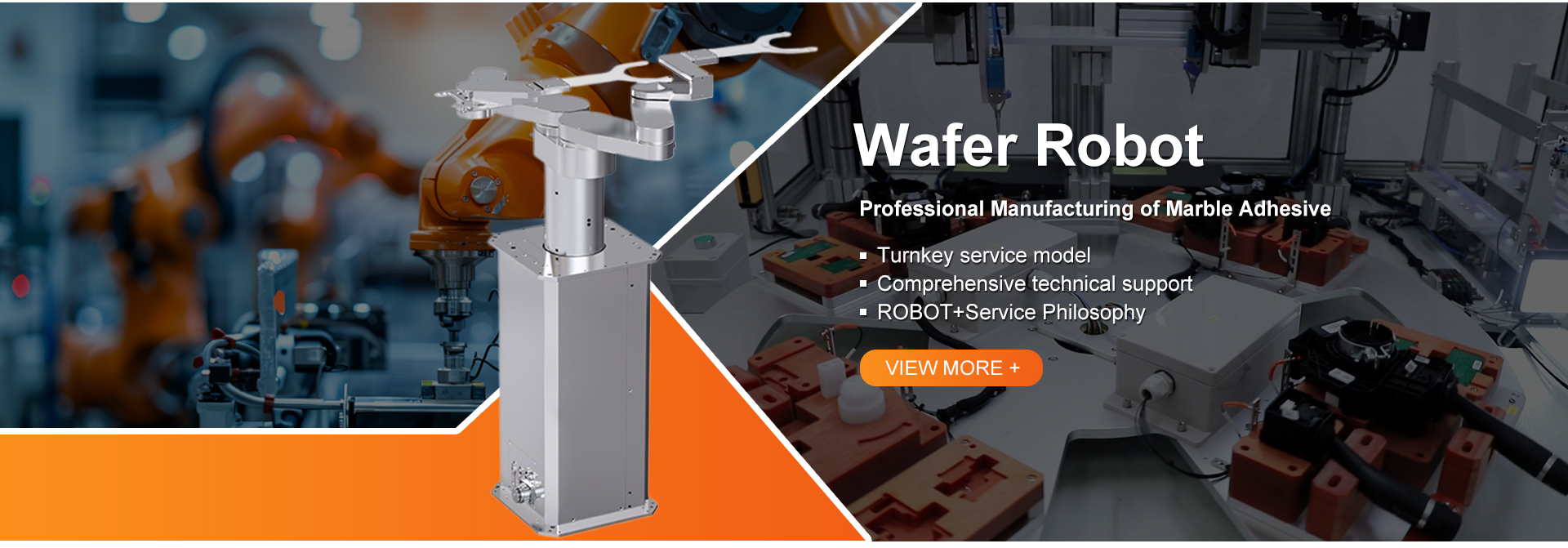
Semiconductor & Solar
Wafer transfer robots with self-developed motion control move fragile substrates without shock loads, custom end-effectors available on request.
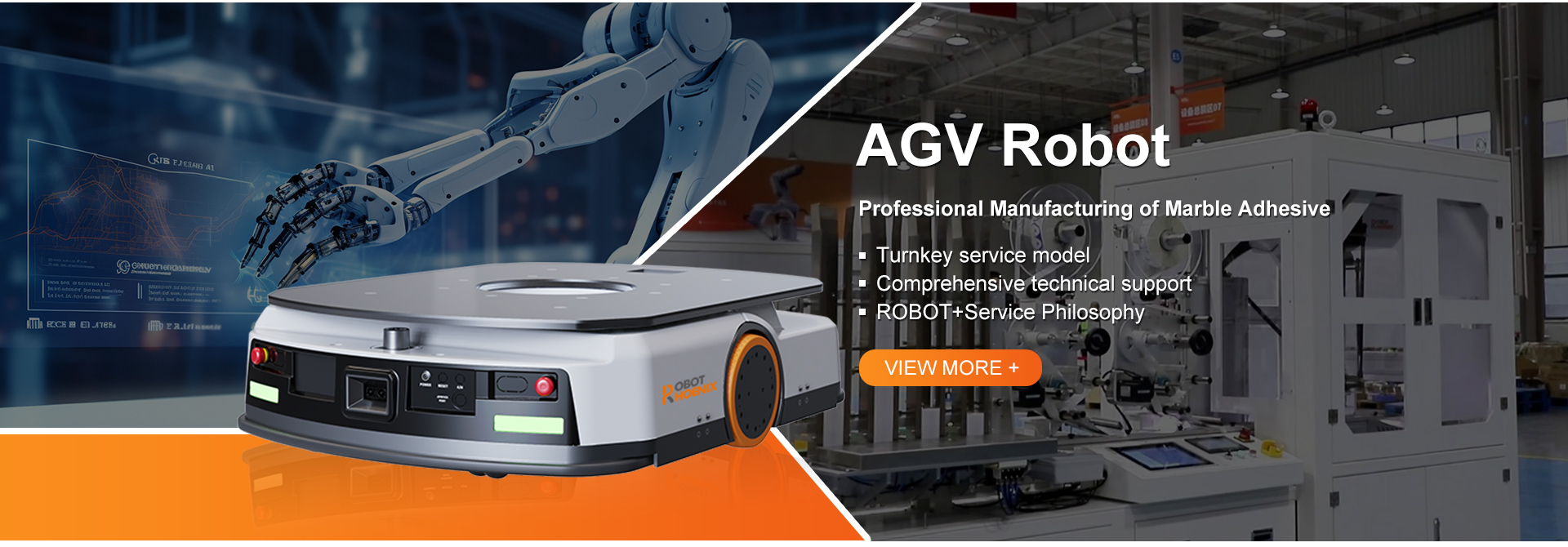
Warehouse & Logistics
Laser SLAM AMRs at 400–500 kg payload share aisles with pedestrians and forklifts, so speed zones, obstacle detection and fleet traffic rules become the safety backbone.

Daily Chemicals & Wet Wipes
Delta-based lid applicator and carton packer cells run continuously; PLC-ready controllers drop straight into existing machine cabinets.
Six Trends Reshaping Robot Safety Demand in Northern Vietnam
Procurement priorities in Hanoi have shifted over the past few years. These are the forces buyers are responding to when they specify a robot safety system today.
Manufacturing FDI Concentrating in the North
New plants around Hanoi, Bac Ninh and Hai Phong are being designed with guarding and safe-stop architecture from the layout stage, rather than retrofitted after commissioning.
Labour Cost and Worker Retention
Automation is increasingly justified as a worker-safety and retention measure. Replacing repetitive high-risk handling is now a management objective, not only a cost calculation.
Alignment With International Machine Safety Standards
Buyers increasingly ask suppliers to document the safety stop architecture so their integrator can map it to the performance level the project requires. Vague verbal assurances no longer close a purchase order.
From Fixed Automation to Mobile Automation
AMR and autonomous forklift deployments push safety discussions toward area scanners, speed zoning and fleet-level traffic control instead of static fencing.
A Growing Local Integrator Ecosystem
Hanoi-based machine builders want exporters who supply wiring diagrams, PLC interfaces and engineering support — not suppliers who keep technical detail locked behind a distribution layer.
Spare Parts and Service Response as a Scoring Item
Downtime cost now outweighs unit price in many tenders. Critical spare availability and engineering reply time are frequently written into the evaluation matrix.
Inside the System: Delta, SCARA and Mobile Robot Architecture
A robot cell is only as safe as its weakest control loop. These three platforms cover the majority of high-speed production scenarios in northern Vietnam.
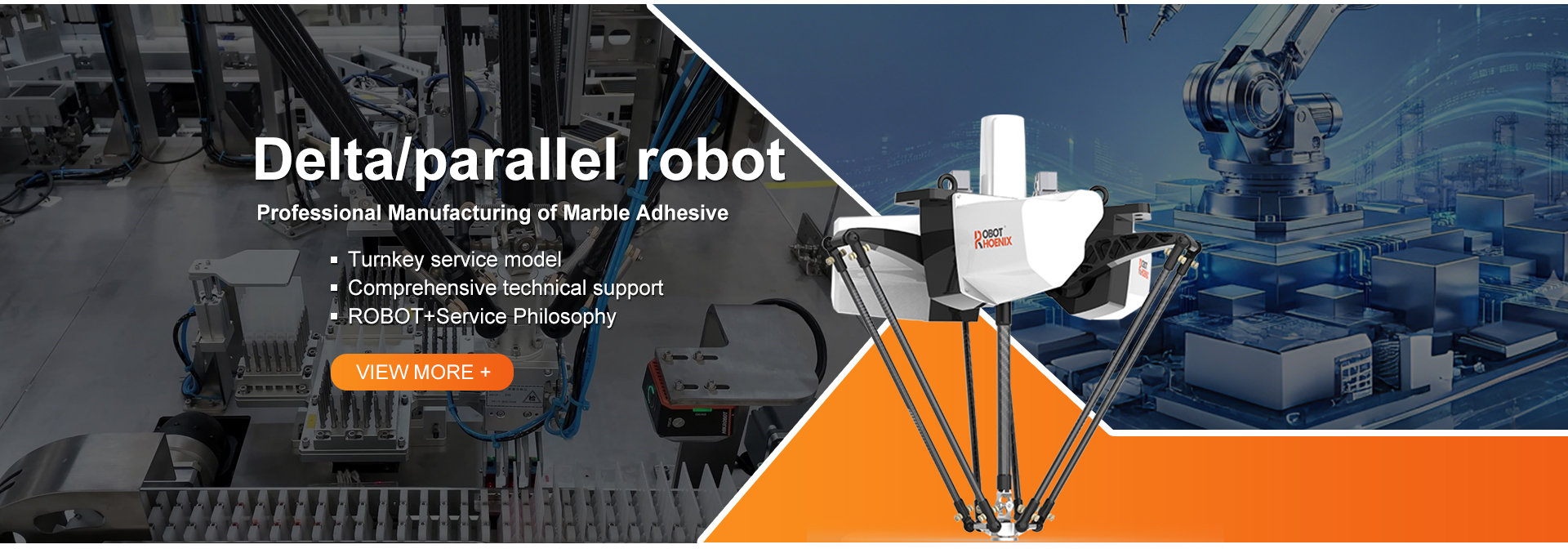
Speed With Predictable Stopping
- 3–6 kg payload, 0.08 mm repeatability
- Up to 120 pcs/min on labelling duties
- IP54 variant for wash-down and dust rooms
- PLC-ready controller for existing cabinets
Compact Precision, Small Guarded Envelope
- 4-axis architecture for planar pick and place
- Mini models for cost-sensitive cells
- In-house controller with 2D/3D vision options
- Easy hand-off to local integrators
Mobile Safety in Mixed Traffic
- 400 kg and 500 kg payload platforms
- Laser SLAM navigation — no floor tape
- Fleet management for multi-robot traffic
- Camel Series autonomous forklift for pallets
Robot Safety System Selection Matrix for Hanoi Buyers
Use this comparison to shortlist a robot family before contacting engineering. Final specifications are confirmed per configuration and end-effector choice.
| Robot Family | Best Suited To | Key Figures | What It Contributes to a Safe Cell |
|---|---|---|---|
| Delta Parallel Robot | High-speed picking, sorting, labelling, cartoning | 3–6 kg payload · 0.08 mm repeatability · up to 120 pcs/min · IP54 option | Repeatable, well-defined motion cycles that are easy to interlock with line-level safety I/O. |
| SCARA Robot | Assembly, insertion, precise placement | 4-axis · mini and standard models · compact footprint | Small guarded envelope and predictable reach, so operators can work close to the cell. |
| AGV / AMR | Material transport between stations | 400–500 kg payload · laser SLAM · fleet management | Obstacle detection, speed zoning and fleet-level traffic control in mixed pedestrian areas. |
| Autonomous Forklift | Pallet handling in warehouses | Laser SLAM navigation · Camel Series | Removes repetitive manual forklift shuttling from multi-shift operations. |
| Wafer Handling Robot | Semiconductor and photovoltaic transfer | Self-developed motion control · custom end-effectors | Smooth, contamination-conscious handling of fragile substrates. |
Figures reflect current catalogue models. Share part weight, cycle time and layout to receive a configuration recommendation.
Robot Safety System Questions Hanoi Procurement Teams Ask First
Direct answers to the practical questions that appear in enquiry emails from northern Vietnam.
What is the minimum order quantity for a robot safety system shipped to Hanoi?
How is delivery to Vietnam handled, and which terms are accepted?
Which payment methods and currencies do you accept?
Should we buy from the exporter directly or through a Hanoi distributor?
Can you work with a local Vietnamese system integrator?
What safety documentation is supplied with each robot?
How quickly will an enquiry from Hanoi receive a reply?
Why JORI Is the Export Partner Hanoi Buyers Verify
JORI Intelligent Technology Co., Ltd. has manufactured industrial robots in Jinan, Shandong since 2012. The credentials below are the ones procurement teams actually check before releasing a purchase order.
Independent R&D Since 2012
Delta, SCARA, wafer and mobile robots, plus the controllers and 2D/3D vision behind them, are developed in-house and protected by national patents.
ISO 9001 Quality Management
Documented inspection from incoming components to final run-in testing, so the unit that arrives in Hai Phong matches the one tested in Jinan.
Onsite-Verified Manufacturer
Factory premises have been checked onsite and legal status confirmed by a third-party verifier, with trade capacity, transaction level and credit profiles available for review.
OEM, ODM and Buyer Label
Custom end-effectors, controller integration and system integration support for machine builders who need the robot to fit an existing machine design.
Two-Hour Response Discipline
A 97% enquiry response rate and an average reply time of two hours or less keep Hanoi project schedules from stalling on supplier silence.
Export Experience Across Five Continents
Buyers in Southeast Asia, Eastern Europe, North America, South America and China run JORI robots, supported by documentation built for cross-border procurement.
Ready to Specify a Robot Safety System for a Hanoi Project?
Send cycle time, part weight, line layout and destination port. Our engineers reply with a matched delta, SCARA or AMR configuration, safety I/O mapping notes and a quotation — usually within two working hours.