Robotic Cartoning System Manufacturers & Manufacturer in the Munich Market
Factory-direct delta and SCARA robot cells for Munich’s pharma, food, consumer goods, electronics and end-of-line packaging operations — engineered for fast changeovers, EU documentation and reliable local-market support.
Eight Robot Options for Munich Cartoning, Sorting and End-of-Line Packaging
These machine configurations support product infeed, vision-guided picking, bottle unscrambling, lid application, tray loading, carton packing and precise end-of-line placement. Standard models can be ordered from one set for pilot validation.
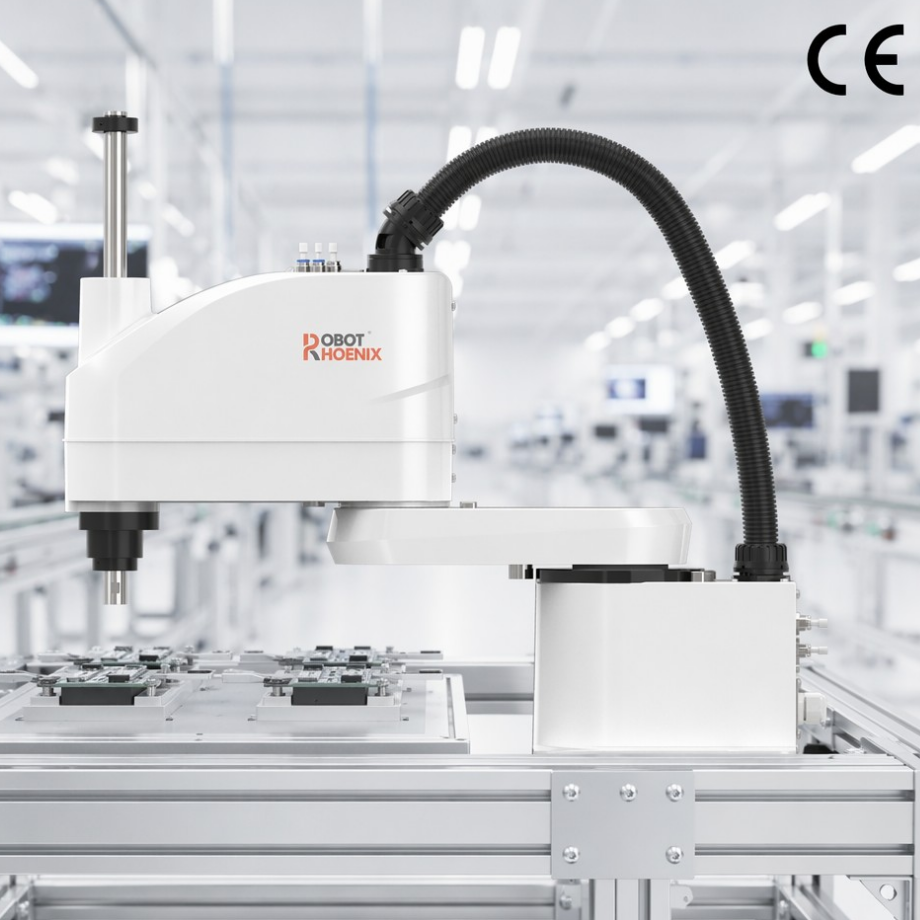
New Design Compact High Accuracy Industrial Robot Arm Scara with 2D/3D Vision System
Compact vision-guided SCARA cell for small-footprint carton loading and precise placement.
View product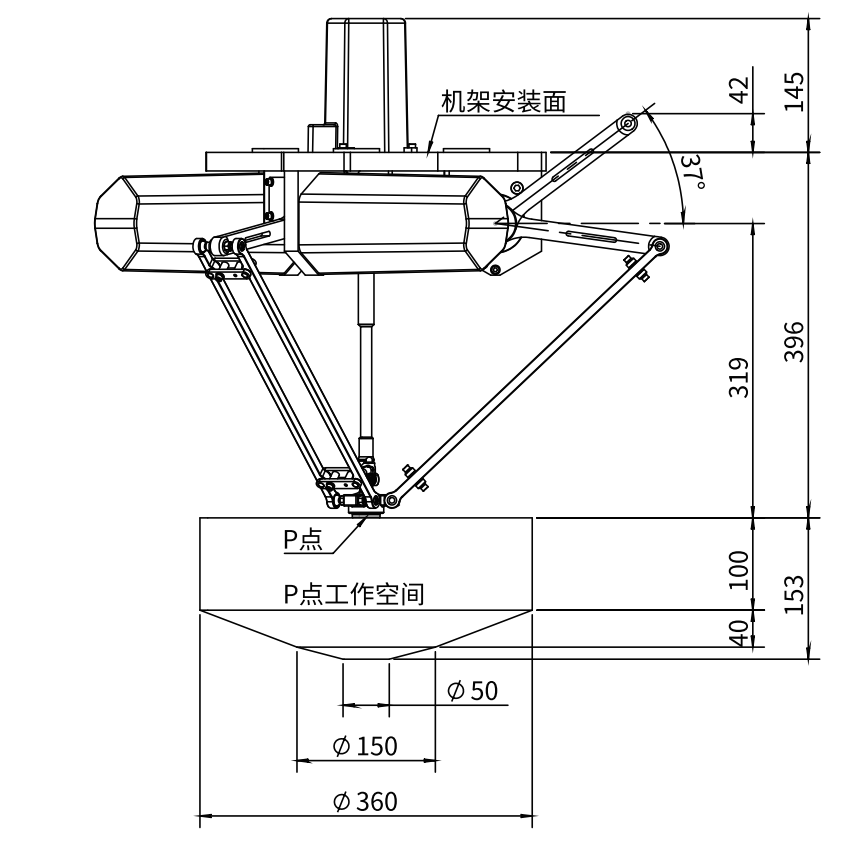
Hot Selling Parallel Robot Delta Industrial Robot Arm for Material Gripping Sorting
High-speed delta robot for gripping, sorting and orienting products before carton infeed.
View product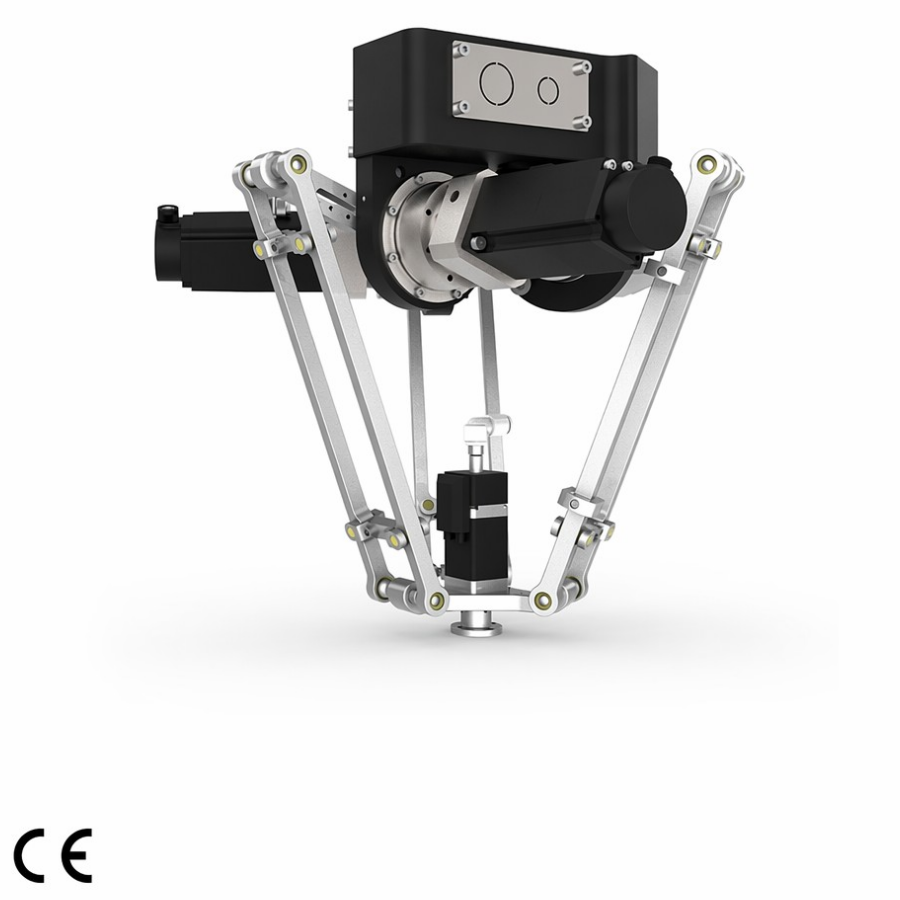
High Speed Consumer Goods Industries Bottle Unscrambling Machine Component Delta Robot
Delta-based unscrambling module for bottles and consumer-goods containers feeding a cartoning line.
View product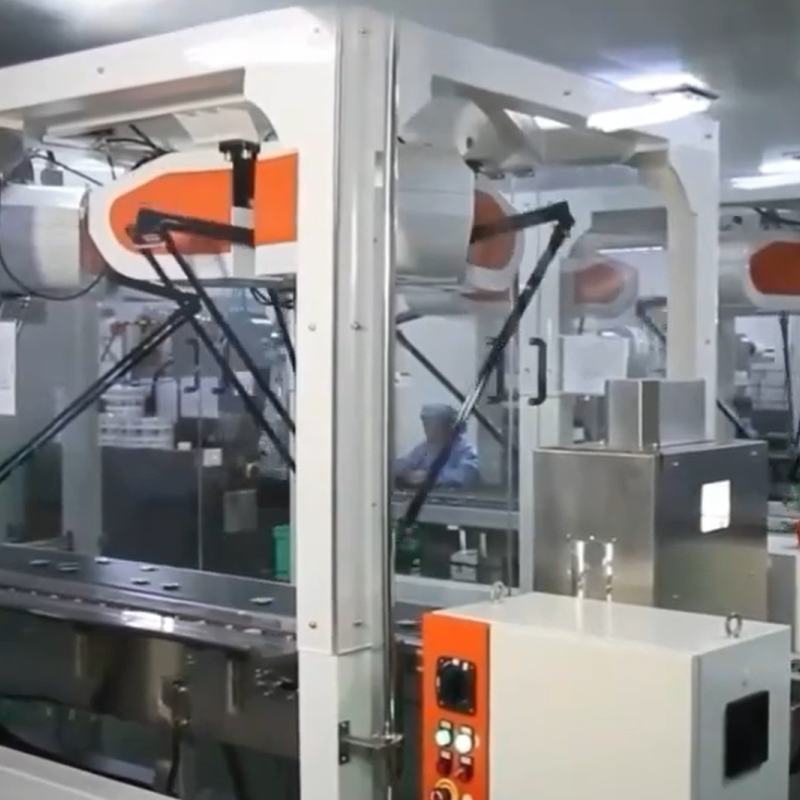
6kg Payload IP54 Protection Grade Pick Place Sorting Parallel Robot with Robot Gripper
Protected delta robot with gripper for food, pharma and hygiene-sensitive cartoning environments.
View product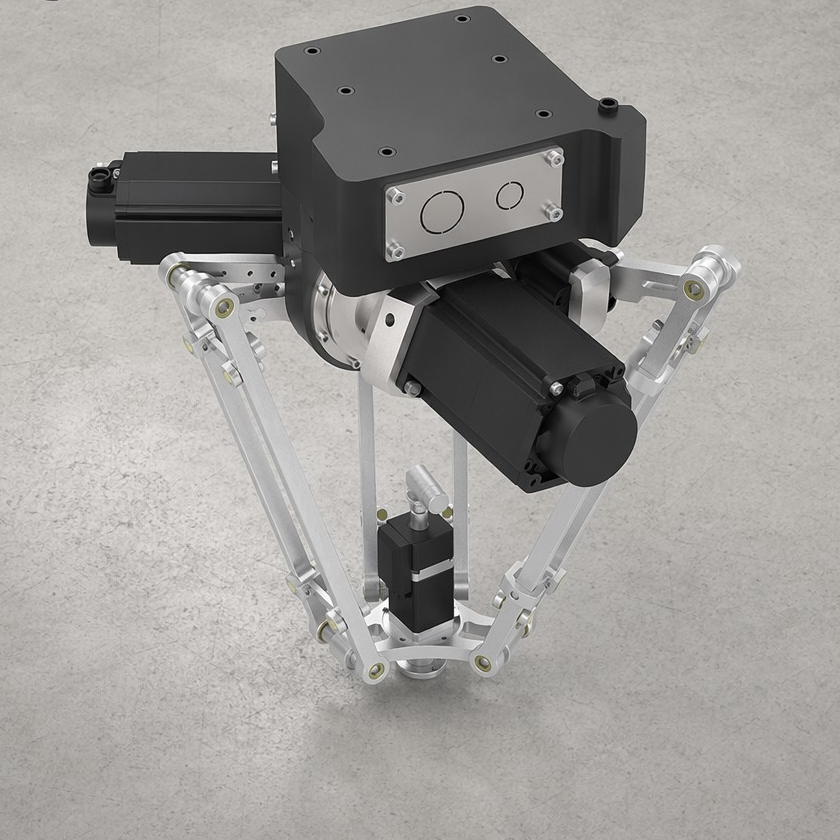
New Condition High-Speed Industrial Innovative Manipulator Delta Robot for Light Industry
High-cycle manipulator for light-industry picking, packing and end-of-line cartoning tasks.
View product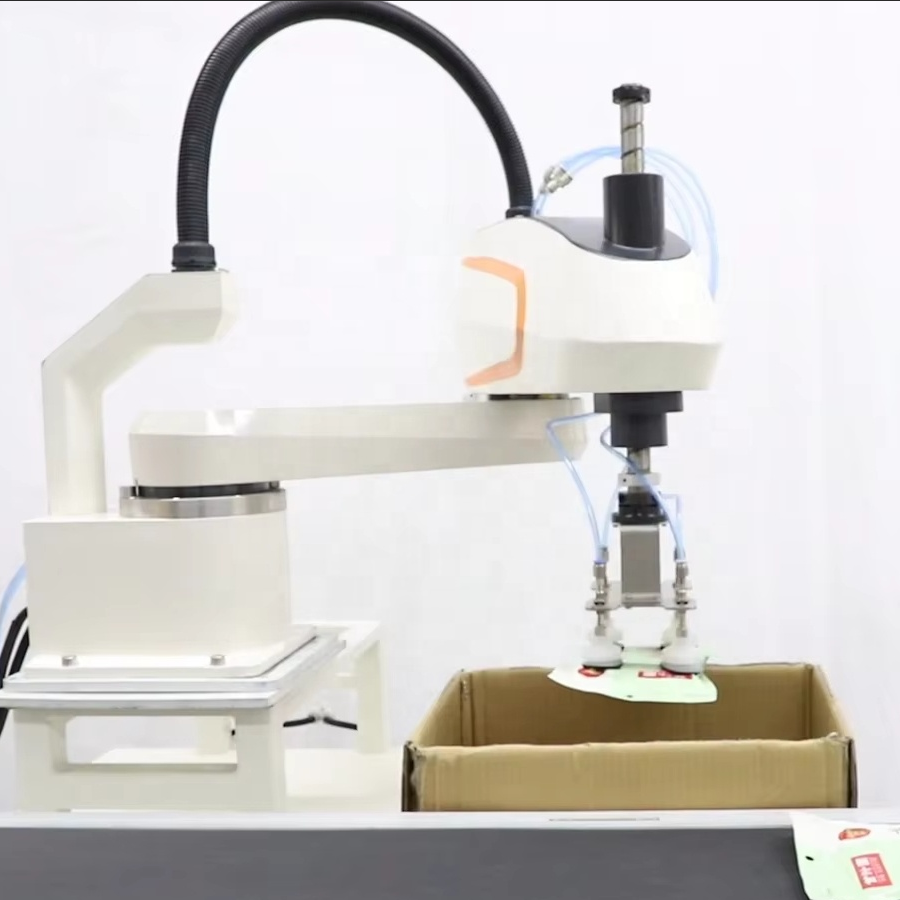
Light Load 4 Axis Industrial Manipulator Robot Scara Robot for Pick and Place Application
Light-load SCARA for compact placement, assembly and carton-loading stations in Munich production cells.
View product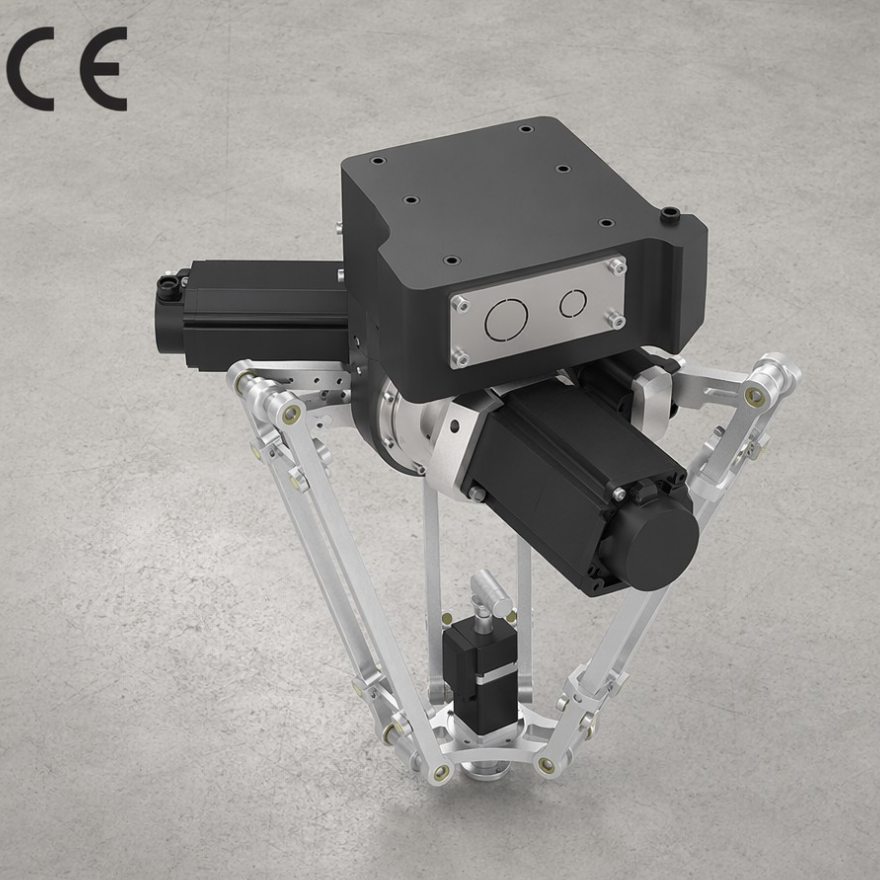
Smart Parallel Robot Picking and Placing Robot Manipulator Delta Robot with Visual System
Vision-guided delta robot for randomly oriented products, quality checks and carton loading.
View product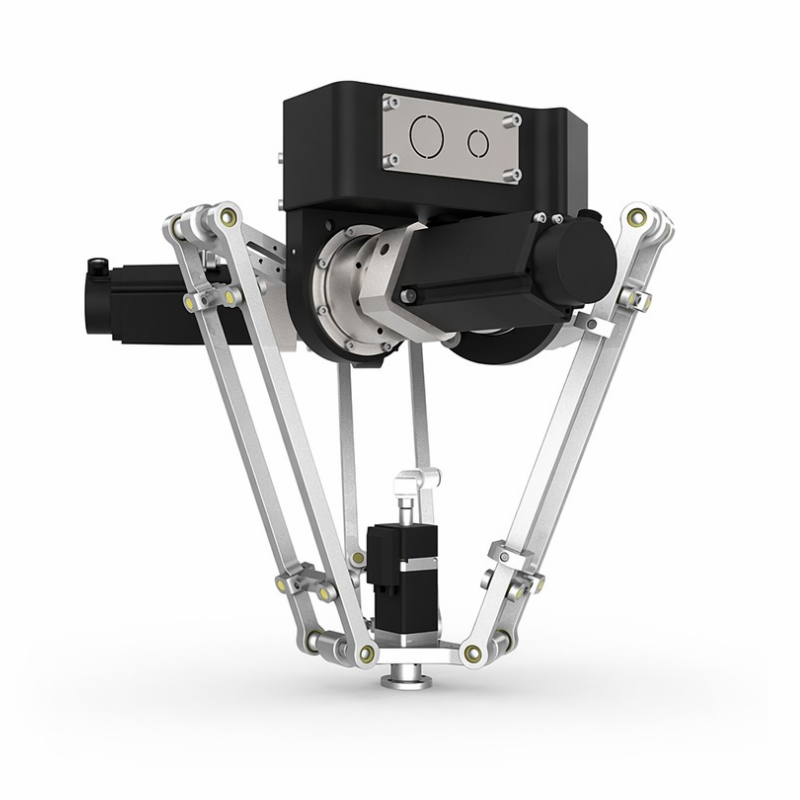
Low Cost Customized 2/3/4 Axis Industrial Manipulator Delta Robot for Pick and Place
Configurable 2/3/4-axis delta platform for cost-sensitive cartoning and pick-and-place projects.
View productThe Munich Market Is Not Shopping for a Robot Arm — It Is Buying a Validated Cartoning Outcome
Munich’s packaging and production base is unusually demanding. Pharmaceutical and medical-device companies expect documented validation, serialization and repeatable quality. Food and beverage producers need hygiene-compatible materials, fast changeovers and reliable washdown routines. Consumer-goods brands want premium presentation at retail-ready carton quality. Electronics and automotive suppliers need small-footprint cells that can handle frequent product variants. For all these buyers, the phrase robotic cartoning system manufacturer describes a partner who can synchronize product infeed, vision, robot motion, carton erecting, leaflet insertion, closing, labeling and line-level traceability — not simply a supplier of a delta robot.
A buyer searching in Munich usually has a live project: an existing cartoner that cannot keep pace, a manual packing station with labor exposure, a new GMP line, or an OEM machine that needs a plug-in robot cell. The useful answer is therefore engineering-grade: cycle time, changeover, format range, footprint, CE documentation, risk assessment, validation support and service response. JORI’s role in this market is to provide the robot, controller, vision and integration know-how as one accountable source, with direct factory support and a minimum order quantity of one set for pilot validation.
Information gain matters because many supplier pages repeat the same product names. This page adds decision support: how to match delta and SCARA robots to cartoning tasks, which specifications Munich buyers should verify, how to compare a robot manufacturer with a machine builder, and which local applications create the strongest return. The goal is not to publish a wall of specifications; it is to help a Munich engineering or procurement team reduce technical risk before an inquiry.
For procurement teams, these priorities translate into a practical question: can the supplier provide robot hardware, controls, vision, line integration and after-sales engineering without creating a chain of unaccountable subcontractors?
What a Robotic Cartoning System Must Include Beyond the Robot
A robotic cartoning cell is a synchronized production unit. Munich buyers should evaluate each module as part of one performance envelope, not as isolated equipment purchases.
Product infeed and singulation
Conveyor presentation, lane dividing, orientation control and buffering determine whether the robot can achieve its rated cycle time. Munich projects often need gentle handling for premium retail packaging and reliable separation for small pharmaceutical components.
Delta or SCARA robot and tooling
Delta robots suit very fast, lightweight pick-and-place from moving conveyors. SCARA robots suit compact planar assembly, insertion and precise placement. End-effectors must be designed around product geometry, hygiene requirements and changeover speed.
2D/3D vision and inspection
Vision is essential for random orientation, missing-part detection, label verification and traceability. In-house vision development reduces integration friction because the robot, controller and camera system are engineered to work as one platform.
Carton erecting, closing and labeling
The robot cell must stay synchronized with the carton erector, leaflet inserter, sealer, checkweigher and labeling station. Line-level handshakes and fault recovery matter as much as robot repeatability, especially in 24/7 packaging operations.
Controls, safety and data
PLC-ready integration, safety-rated stops, guarding strategy, recipe management and production data are part of the purchase. Munich buyers should request a clear control architecture and confirm responsibility for CE marking, risk assessment and validation documentation.
Factory acceptance and documentation
Before shipment, a factory acceptance test should prove cycle time, product handling, changeover and fault recovery. Documentation should cover drawings, bills of materials, calibration records, spare-parts lists and controller backups.
Where Robotic Cartoning Creates the Fastest Payback in Munich
Munich and the wider Bavaria production cluster combine high-value manufacturing with strict quality expectations. These application patterns are especially relevant when evaluating a robotic cartoning system manufacturer.
Pharmaceutical and medical devices
Blister cartons, vial trays, leaflet insertion, serialization and tamper-evident packaging. Compact SCARA or delta cells can fit inside existing cleanroom boundaries when surface materials, airflow and validation documentation are specified correctly.
Food and beverage
Yogurt cups, snacks, coffee capsules, bottles and ready meals. IP54 delta robots with vision-guided picking reduce manual handling and stabilize output during shift peaks while supporting hygiene-focused line design.
Consumer goods and wet wipes
Lid application, stack feeding, bag-in-carton packing and retail-ready cartons. Vision-guided delta robots handle random orientation and frequent SKU changes, which is particularly valuable for premium consumer brands.
Electronics and 3C
Small cartons, trays, ESD-sensitive parts and instruction leaflets. SCARA robots deliver precise planar placement in compact cells while keeping unit-level traceability for high-value components.
Automotive and industrial components
Fasteners, sensors, small assemblies and spare-part kits. Robot cells can combine pick-and-place, weight checks and label verification before carton closing, supporting lean material flow and dependable kit accuracy.
E-commerce and intralogistics
Order boxes, subscription packs and mixed-SKU cartons. Vision systems and AMR/AGV integration connect storage replenishment to carton packing and dispatch, reducing manual walking and staging waste.
Planning Trends Munich Buyers Should Build Into the Next Cartoning Upgrade
The strongest projects are designed for change, not only for today’s product. These trends influence robot choice, documentation depth and service expectations.
EU compliance and documentation
Munich procurement teams increasingly request CE-related documentation, risk-assessment support and clear technical files. A robot supplier should be able to provide controller backups, calibration records and traceable component data.
Labor availability and 24/7 uptime
Skilled packaging operators are harder to recruit, and night-shift staffing is expensive. Robots help stabilize throughput, but the cell must be easy to recover after faults and simple to maintain with clear spare-part planning.
High-mix, low-volume production
More SKUs, smaller batches and frequent format changes require recipe-driven robot programming. Tooling, vision recipes and changeover procedures should be validated alongside the robot cycle time.
Energy and footprint efficiency
Munich factories often face premium floor-space costs and strict energy targets. Compact delta and SCARA cells can achieve high output in a small footprint, but buyers should compare total line efficiency rather than robot speed alone.
Traceability and digital records
Serialization, label verification and production records are becoming standard expectations. In-house vision and controller integration make it easier to capture inspection results and link them to the cartoning process.
Nearshoring and local service planning
Supply-chain resilience encourages buyers to verify service response, spare-parts logistics and remote diagnostic capability. For Munich-market projects, service planning should be agreed before the purchase order, not after installation.

Why JORI Is a Credible Robotic Cartoning System Manufacturer for Munich Projects
JORI Intelligent Technology Co., Ltd. was founded in 2012 in Jinan, Shandong, China, a national robotics and automation hub. The company specializes in industrial robot R&D and manufacturing, controller and 2D/3D vision development, OEM support and automated system integration. Product lines include delta parallel robots, SCARA robots, AGV/AMR mobile robots, autonomous forklifts and silicon wafer handling robots.
Because the robot, controller and vision platform are developed in-house and protected by national patents, buyers work with one accountable source for hardware, software and engineering support. For a Munich cartoning project, that reduces the risk of integration gaps between robot motion, vision inspection, PLC handshakes and line-level documentation.
- Independent R&D capability and in-house controller development
- Original factory for delta, SCARA and mobile robots
- ISO 9001 quality management and onsite-verified manufacturer status
- OEM, design service and buyer-label support for machine builders
- MOQ from one set for pilot cells and staged line expansion
One accountable source
Robot arm, controller, vision and integration know-how come from one engineering organization. This simplifies technical communication for Munich OEMs and end users evaluating a complete robotic cartoning system.
Multiple robot families
Delta, SCARA, AMR/AGV, autonomous forklift and wafer robots allow the cartoning concept to be matched to product weight, cycle time, footprint and upstream or downstream material flow.
OEM and buyer-label support
Machine builders can integrate JORI robots into their own cartoning equipment with OEM service, design service and buyer-label options, including custom end-effectors and controller integration.
Quality and verification
ISO 9001 quality management, onsite verification and documented production processes support procurement teams that need supplier evidence before approving a cartoning automation project.
Pilot-friendly minimum order
Standard delta robots, SCARA robots and AMR/AGV platforms can be ordered from one set. Munich buyers can validate a single cell, prove the business case and then scale to multiple lines.
Responsive engineering communication
JORI maintains an average response time of two hours or less and a 97% response rate. Buyers can send product details, cycle-time targets, drawings or current-process videos for an engineering review.
Three Low-Risk Deployment Models for Munich Buyers
Not every project should begin with a full line. A phased approach can validate handling performance, operator acceptance and documentation before capital expansion.
Pilot cartoning cell
Start with one delta or SCARA robot, a simple infeed and a fixed carton format. Prove cycle time, product quality and operator workflow before adding automatic carton erecting or complex traceability. This model is suitable for Munich SMEs and innovation teams that need a fast go/no-go decision.
OEM machine integration
Machine builders can embed a JORI delta or SCARA robot into an existing cartoner, lid applicator or tray loader. OEM communication, controller integration and custom end-effectors reduce duplication and protect the machine builder’s interface design.
End-of-line scaling
After a pilot is proven, add robot cells, vision inspection, labeling, checkweighing and AMR/AGV material transport in stages. The same controller and vision ecosystem can be replicated across lines to simplify training, spare parts and technical support.
How to Compare a Robot Manufacturer with a Cartoning Machine Builder
Munich procurement teams should separate robot performance from system responsibility. The most useful supplier is the one that makes the performance boundary explicit.
Scope and accountability
Ask who is responsible for robot, controls, vision, guarding, carton tooling, CE file and commissioning. A clear responsibility matrix prevents hidden integration gaps.
Cycle-time proof
Require a cycle-time calculation based on actual product weight, grip method, conveyor speed and carton layout. Visual simulations are helpful, but factory acceptance tests should confirm performance.
Compliance file
Confirm availability of technical documents, component traceability, calibration records, safety information and controller backups. For regulated products, validation support should be discussed early.
Spares and lifecycle
Review recommended spare parts, wear items, gripper consumables, remote diagnostic options and service response. A low purchase price can become expensive if line downtime is not planned for.
Answers Munich Buyers Ask Before Selecting a Robotic Cartoning System Manufacturer
Are you a robotic cartoning system manufacturer or a trading company?
Can your robots be integrated with German or European cartoning machines?
What documentation is available for CE and EU procurement?
What is the minimum order quantity for a Munich pilot?
How do you choose between a delta robot and a SCARA robot for cartoning?
Which delivery and payment terms are accepted?
Can you support GMP, traceability and serialization requirements?
How quickly does JORI respond to Munich inquiries?
Send Your Munich Cartoning Brief to a Factory Engineering Team
Share your product dimensions, carton format, target cycle time, current process video or line layout. Our team will help shortlist a delta robot, SCARA robot or integrated cartoning concept and confirm the documentation and delivery scope.
Contact Us